


60-Second Anxiety Reset: Breathe, Move, Glow Calmly

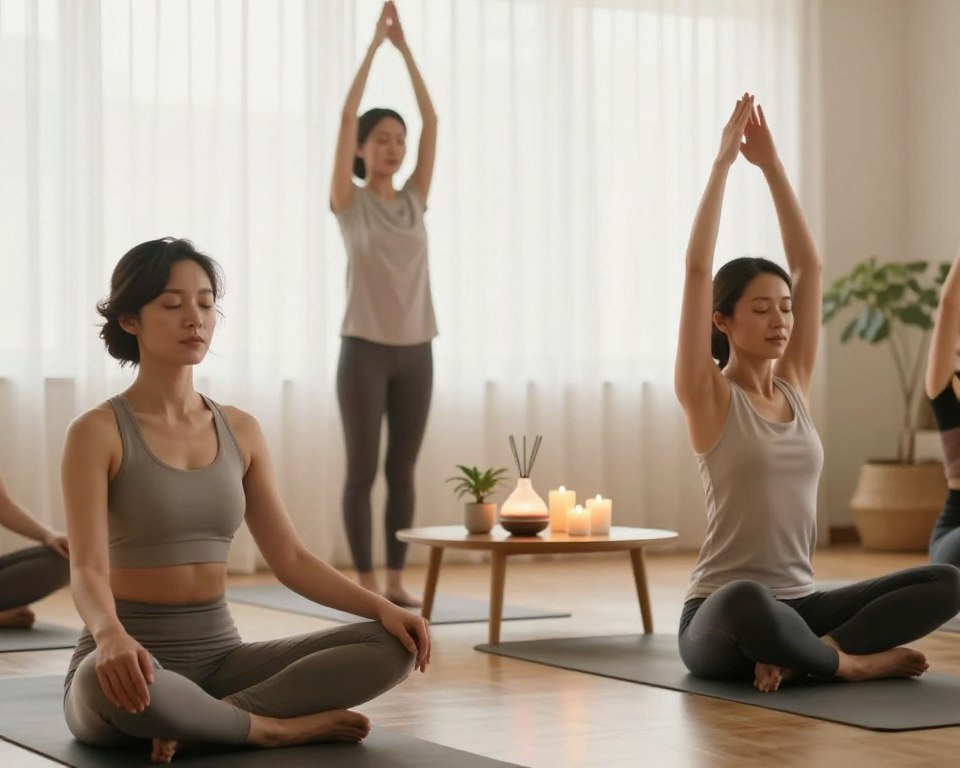
Did you know that nearly 1 in 5 adults in the United States experience anxiety disorders each year?
This staggering statistic highlights the need for simple, effective stress relief techniques that can be practiced anywhere, anytime. Introducing the 60-second anxiety reset, a quick and powerful mindfulness practice designed to calm your mind and body in just a minute.
This technique combines breathing exercises, gentle movement, and a moment of reflection to help you reset and recharge. By incorporating this practice into your daily routine, you can better manage stress and anxiety, leading to a more balanced and calm life.
Key Takeaways
- Quick and effective stress relief in just 60 seconds
- Combines breathing, movement, and mindfulness for a calm reset
- Easy to incorporate into your daily routine
- Helps manage anxiety and stress for a more balanced life
- Can be practiced anywhere, anytime
Understanding Anxiety and Why Quick Resets Matter
The modern world is witnessing an unprecedented rise in anxiety levels. As our lives become increasingly complex, the need for effective anxiety management techniques has never been more critical. Anxiety is not just a feeling; it’s a physiological response that can significantly impact our daily lives if not managed properly.
“Anxiety is like a storm that can be calmed with the right tools.”
Understanding the nature of anxiety and why quick resets are essential is the first step towards harnessing these tools.
The Modern Anxiety Epidemic
Anxiety disorders affect millions of people worldwide, making them one of the most common mental health issues. The fast pace of modern life, coupled with the constant bombardment of information through social media and other digital channels, has exacerbated the problem. The pressure to constantly perform and be connected can be overwhelming, leading to increased stress and anxiety levels.
The statistics are alarming: according to the National Institute of Mental Health, anxiety disorders affect approximately 19.1% of adults in the United States. This translates to millions of people struggling with anxiety, making it a significant public health concern.
Why Traditional Relaxation Takes Too Long
Traditional relaxation techniques, while effective, often require a significant amount of time and commitment. Methods such as meditation and yoga can be highly beneficial, but they may not provide the immediate relief that many people need in today’s fast-paced world. The 60-Second Anxiety Reset offers a solution to this problem by providing a quick and effective way to manage anxiety.
As we navigate the complexities of modern life, it’s clear that we need rapid and effective anxiety management strategies. The 60-Second Anxiety Reset is designed to fill this need, offering a practical tool for immediate relief.
The Science Behind the 60-Second Anxiety Reset
By exploring the scientific basis of the 60-Second Anxiety Reset, we can appreciate its potential for immediate stress relief. This technique combines mindfulness practices and quick calming exercises to activate the body’s natural stress relief mechanisms.

The human nervous system is complex, with multiple pathways that can be influenced by various interventions. The 60-Second Anxiety Reset targets these pathways to provide rapid anxiety relief.
How Your Nervous System Responds to Rapid Interventions
The nervous system responds to rapid interventions through various mechanisms, including the activation of the parasympathetic nervous system, which promotes relaxation and reduces stress. Quick calming exercises can stimulate this response, helping to calm the mind and body.
| Nervous System Component | Response to Rapid Interventions | Resulting Effect |
|---|---|---|
| Parasympathetic Nervous System | Activated by quick calming exercises | Promotes relaxation and reduces stress |
| Sympathetic Nervous System | Reduced activity due to mindfulness practices | Decreases anxiety and stress |
The Mind-Body Connection in Stress Relief
The mind-body connection plays a crucial role in stress relief. By engaging in mindfulness practices, individuals can better manage their stress responses, leading to improved overall well-being. The 60-Second Anxiety Reset leverages this connection to provide effective stress relief.
Understanding the science behind the 60-Second Anxiety Reset can help individuals appreciate the technique’s potential benefits and encourage consistent practice, leading to improved stress management and overall well-being.
The Three Pillars: Breathe, Move, Glow Calmly
At the heart of the 60-Second Anxiety Reset are three essential elements that work together to calm the mind and body. These elements are not random; they are carefully chosen based on the latest understanding of how our nervous system responds to stress and relaxation. The three pillars are breathe, move, and glow calmly, each playing a unique role in the anxiety relief process.
Why This Combination Creates Immediate Results
The combination of breathing techniques, physical movement, and cultivating a calm, radiant state is not just a simple addition of three separate practices; it’s a synergistic approach that leverages the body’s natural responses to stress and relaxation. When we breathe correctly, we signal to our brain that it’s time to calm down. Moving our body in specific ways helps release physical tension that often accompanies anxiety. Finally, learning to glow calmly helps shift our mental state towards relaxation and positivity.
This multi-faceted approach addresses anxiety from different angles, making it more effective than any single technique used in isolation. By combining these three pillars, the 60-Second Anxiety Reset can produce immediate results, providing a quick and effective way to manage anxiety.
Breaking Down Each Component
Let’s take a closer look at each of the three pillars. Breathe involves mastering specific breathing techniques that can calm the nervous system. Move focuses on simple physical movements that help release tension and ground the body. Glow calmly is about cultivating a sense of inner peace and positivity, often through visualization or affirmations.
Understanding each component is crucial because it allows individuals to tailor the 60-Second Anxiety Reset to their personal needs and preferences. By breaking down each pillar, we can appreciate how they work together to create a powerful tool for anxiety relief.
Pillar One: Breathe – Mastering Rapid Calming Breath Techniques
Breathing is the cornerstone of relaxation, and when done correctly, it can be incredibly powerful. The right breathing techniques can calm the mind and body, providing instant relief from anxiety. In this section, we’ll explore three effective methods to master rapid calming breath techniques.
The 4-7-8 Breathing Method for Instant Relief
The 4-7-8 breathing method, also known as the “Relaxation Breath,” is a simple yet powerful technique for reducing anxiety. To practice this method, follow these steps:
- Close your eyes and take a deep breath in through your nose for a count of 4.
- Hold your breath for a count of 7.
- Slowly exhale through your mouth for a count of 8.
This cycle can be repeated up to four times. The 4-7-8 method helps slow down your heart rate and calm your nervous system.
Box Breathing for Anxiety Control
Box breathing, also known as square breathing, is a technique used by athletes and military personnel to stay focused under stress. It involves breathing in for a count of 4, holding for 4, exhaling for 4, and holding again for 4. This creates a “box” shape with your breath.
| Step | Action | Count |
|---|---|---|
| 1 | Breathe In | 4 |
| 2 | Hold | 4 |
| 3 | Breathe Out | 4 |
| 4 | Hold | 4 |
Box breathing helps regulate your breath and can be particularly useful in high-pressure situations.
Diaphragmatic Breathing Basics
Diaphragmatic breathing, or belly breathing, engages your diaphragm, the muscle that separates your chest and abdominal cavities. To practice diaphragmatic breathing:
- Place one hand on your belly and the other on your chest.
- Breathe in deeply through your nose, allowing your belly to rise while your chest remains still.
- Exhale slowly through your mouth, feeling your belly fall.
This type of breathing is more efficient and can help reduce stress and anxiety.

By incorporating these breathing techniques into your daily routine, you can develop greater control over your anxiety and improve your overall well-being.
Pillar Two: Move – Physical Movements That Release Tension Fast
The second pillar of our anxiety reset technique involves physical movements designed to release tension and promote relaxation. When we’re anxious, our bodies often tense up, leading to discomfort and increased stress levels. By incorporating specific physical movements into our daily routine, we can better manage anxiety and reduce stress.
Quick Shoulder and Neck Tension Release
One of the most common areas where tension builds up is in the shoulders and neck. Simple exercises can help release this tension:
- Shoulder Rolls: Roll your shoulders forward and backward in a circular motion. Repeat for 30 seconds.
- Neck Stretches: Gently tilt your head to the side, bringing your ear towards your shoulder. Hold for a few seconds and then switch sides.
- Chin Tucks: Stand or sit up straight and tuck your chin towards your chest. Hold for a few seconds and release.
Grounding Movements Through Your Body
Grounding techniques help you focus on the present moment and distract you from anxious thoughts. Here are a few grounding movements:
- Foot Tapping: Tap your feet on the ground, focusing on the sensation of your feet touching the floor.
- Body Scan: Lie down or sit comfortably, and bring your attention to different parts of your body, starting from your toes and moving up to your head.
- Weight Shift: Stand with your feet shoulder-width apart and shift your weight from one foot to the other, feeling the ground beneath you.
The Shake-It-Out Technique
Sometimes, the simplest movements can be the most effective. The shake-it-out technique involves:
- Standing with your feet shoulder-width apart.
- Shaking your arms and legs loosely, as if you’re shaking off water.
- Gradually increasing the intensity of the shaking for a few seconds, then slowing down and stopping.
This technique helps release physical tension and can be a fun way to break the cycle of anxiety.
Pillar Three: Glow Calmly – Cultivating Instant Inner Peace
The third pillar of our anxiety reset technique, ‘Glow Calmly,’ focuses on mental practices that promote calmness and well-being. This pillar is about cultivating a sense of inner peace that can be achieved through simple yet effective mental exercises.
Rapid Visualization Techniques
Rapid visualization is a powerful tool for achieving instant calm. By vividly imagining a peaceful scene or outcome, you can quickly reduce anxiety. To practice rapid visualization:
- Find a quiet moment to close your eyes.
- Imagine yourself in a peaceful place, such as a beach or forest.
- Use all your senses to make the visualization as vivid as possible.

Power Affirmations for Quick Calm
Power affirmations are positive statements that can help calm your mind and shift your focus away from anxiety. To use power affirmations effectively:
- Choose a simple, positive statement, such as “I am calm and capable.”
- Repeat your affirmation to yourself, either silently or out loud.
- Focus on the meaning and feeling behind the words.
Using power affirmations regularly can enhance their effectiveness in reducing anxiety.
Creating Your Personal Calm Anchor
A calm anchor is a personal symbol or sensation that you associate with feelings of calmness. To create your calm anchor:
- Identify a sensation or object that makes you feel calm, such as a favorite bracelet or a comforting texture.
- Associate this anchor with the feelings of calmness you experience during your visualization or affirmation practices.
- Use your calm anchor whenever you feel anxious to quickly regain your composure.
By incorporating these practices into your daily routine, you can develop a robust toolkit for managing anxiety and promoting mental well-being. Remember, the key to benefiting from these techniques is consistent practice and patience with yourself as you explore what works best for you.
How to Perform the Complete 60-Second Anxiety Reset: Breathe, Move, Glow Calmly
The 60-Second Anxiety Reset technique combines breathing, movement, and visualization to calm the mind and body quickly. This comprehensive approach integrates the three pillars of Breathe, Move, Glow Calmly to provide immediate relief from anxiety.
The Complete Sequence Step-by-Step
To perform the 60-Second Anxiety Reset effectively, follow these steps:
- Breathe: Start with the 4-7-8 breathing method. Inhale through your nose for 4 seconds, hold your breath for 7 seconds, and exhale through your mouth for 8 seconds.
- Move: Immediately follow with a quick shoulder and neck tension release. Roll your shoulders forward and backward in a circular motion.
- Glow Calmly: Conclude with a rapid visualization technique. Close your eyes and visualize a calm, safe space for 10 seconds.
Practice this sequence to seamlessly transition between the three pillars, maximizing the effectiveness of the reset.
Timing Tips for Maximum Effectiveness
To get the most out of the 60-Second Anxiety Reset, consider the following timing tips:
| Activity | Duration | Tips |
|---|---|---|
| Breathe | 20 seconds | Focus on deep, controlled breaths |
| Move | 20 seconds | Release physical tension with gentle movements |
| Glow Calmly | 20 seconds | Visualize a peaceful environment |
By adhering to these timing guidelines, you can effectively reset your anxiety levels within a minute, making it an ideal technique for busy lifestyles.
When and Where to Use Your Anxiety Reset
Understanding the right moments to use the 60-Second Anxiety Reset can significantly enhance its anxiety-reducing benefits. This technique is versatile and can be applied in various situations to provide quick relief from anxiety.
Best Situations for Quick Anxiety Relief
The 60-Second Anxiety Reset is particularly effective in situations that trigger anxiety, such as before a big presentation, during a stressful commute, or when feeling overwhelmed at work. By applying this technique, individuals can calm their nervous system and regain control.

Adapting the Reset for Different Environments
One of the key benefits of the 60-Second Anxiety Reset is its adaptability to different environments. Whether you’re in a quiet, private space or a busy, public area, the technique can be discreetly applied to manage anxiety.
Recognizing Your Early Anxiety Signals
Being able to recognize early signs of anxiety is crucial for effectively using the 60-Second Anxiety Reset. Common early signals include rapid heartbeat, shallow breathing, and tension in the muscles. By identifying these signs early, you can apply the reset technique to prevent anxiety from escalating.
| Situation | Anxiety Signal | Reset Technique |
|---|---|---|
| Before a Presentation | Rapid Heartbeat | Deep Breathing |
| During Commute | Muscle Tension | Physical Movement |
| At Work | Shallow Breathing | Visualization |
Personalization Strategies and Advanced Variations
The 60-Second Anxiety Reset can be even more effective when tailored to your individual anxiety triggers. By personalizing this technique, you can address your specific needs and enhance its benefits.
Customizing for Your Specific Anxiety Triggers
To customize the 60-Second Anxiety Reset, start by identifying your most common anxiety triggers. These could be specific situations, thoughts, or physical sensations. Once you’re aware of your triggers, you can adapt the technique to better suit your needs.
- Identify Your Triggers: Keep a journal or mental note of when you feel anxious. Look for patterns or common themes.
- Modify the Breathing Technique: If certain breathing patterns exacerbate your anxiety, adjust them. For example, some people find that slower exhales help calm them more effectively.
- Adjust Movement: If you’re in a situation where movement is restricted, focus more on subtle movements like toe tapping or gentle neck rolls.
Advanced Techniques for Deeper Relaxation
For those who have mastered the basic 60-Second Anxiety Reset, there are advanced techniques to explore for even deeper relaxation.
- Progressive Muscle Relaxation: Incorporate tensing and relaxing different muscle groups during the “Move” phase.
- Visualization: Enhance the “Glow Calmly” phase with detailed visualizations of peaceful environments or successful outcomes.
- Mindful Moments: Practice mindfulness by focusing on the present moment during the reset, noticing sensations without judgment.
Combining with Other Mindfulness Practices
Combining the 60-Second Anxiety Reset with other mindfulness practices can amplify its effectiveness. Consider integrating it with:
- Meditation: Use the reset as a prelude to a longer meditation session to help you settle more quickly.
- Yoga: Incorporate the reset into your yoga practice, especially during or after sequences that you find challenging.
- Journaling: Follow the reset with a few minutes of journaling to process your thoughts and feelings.
By personalizing the 60-Second Anxiety Reset and combining it with other mindfulness practices, you can create a powerful tool for managing anxiety in your daily life.
Building Long-Term Resilience Through Daily Practice
Consistency is key when it comes to managing anxiety, and daily practice can make a significant difference. By incorporating the 60-Second Anxiety Reset into your daily routine, you can build long-term resilience and improve your overall well-being.
Creating a Consistent Reset Routine
To get the most out of the 60-Second Anxiety Reset, it’s essential to establish a consistent practice routine. This can involve setting a specific time each day to practice the technique, such as during your morning meditation or right before bed. Consistency helps to reinforce new habits and can lead to lasting changes in your stress response.
Consider anchoring your practice to a daily activity you already do, like brushing your teeth or taking a morning coffee. This can help you remember to practice the 60-Second Anxiety Reset regularly.
Tracking Your Progress and Celebrating Wins
Monitoring your progress can be a powerful motivator. Keep a journal or use a mindfulness app to track how often you practice the 60-Second Anxiety Reset and note any changes in your anxiety levels. Celebrating your successes, no matter how small, can help reinforce positive habits.
| Tracking Method | Description | Benefits |
|---|---|---|
| Mindfulness Journal | Write down your daily practice and note any changes in anxiety levels. | Helps identify patterns and reinforces commitment to practice. |
| Mindfulness Apps | Use apps designed for tracking mindfulness practices. | Provides reminders, tracks progress, and offers guided practices. |
| Daily Log | Keep a simple log of your daily practice. | Easy to maintain and provides a clear record of consistency. |
Preventive Practice Versus Reactive Use
While the 60-Second Anxiety Reset can be used reactively to calm anxiety in the moment, practicing it preventively can be even more effective. Regular preventive practice can help reduce overall stress levels and make you more resilient to anxiety triggers.
By combining preventive practice with reactive use, you can develop a comprehensive approach to managing anxiety. This dual strategy can help you stay calm and centered, even in challenging situations.

Overcoming Common Challenges and Obstacles
The journey to mastering the 60-Second Anxiety Reset is not without its hurdles. As you practice this technique, you may encounter several challenges that can impact its effectiveness. Understanding these obstacles and knowing how to overcome them is crucial for achieving lasting results.
What to Do When the Reset Doesn’t Work Immediately
Sometimes, the 60-Second Anxiety Reset may not produce immediate results. This can be due to various factors, including the severity of your anxiety or your body’s response to the technique. If you find that the reset isn’t working as expected, try adjusting your breathing pattern or physical movements. Experimenting with different variations can help you find what works best for you.
It’s also essential to be patient with yourself as you practice. The effectiveness of the 60-Second Anxiety Reset can vary from day to day, depending on your mental and physical state. Keeping a journal to track your progress can provide valuable insights into what enhances or hinders the technique’s effectiveness.
Staying Consistent When Life Gets Overwhelming
Consistency is key when it comes to benefiting from the 60-Second Anxiety Reset. However, maintaining a regular practice schedule can be challenging, especially during overwhelming periods. To stay on track, incorporate the reset into your daily routine, such as right after waking up or before bed.
| Consistency Tips | Benefits |
|---|---|
| Practice at the same time daily | Creates a habit |
| Start small | Reduces initial overwhelm |
| Use reminders | Helps maintain routine |
When to Seek Additional Professional Support
While the 60-Second Anxiety Reset is a valuable tool for managing anxiety, it’s not a replacement for professional help when needed. If you find that your anxiety is severely impacting your daily life or if you’re experiencing symptoms of anxiety disorders, it’s crucial to seek support from mental health professionals.
They can provide personalized guidance and therapy tailored to your specific needs, helping you navigate through challenging times more effectively. Remember, seeking help is a sign of strength, and it’s an important step towards achieving better mental health.
Conclusion
The 60-second anxiety reset technique offers a powerful tool to manage anxiety by combining the pillars of breathe, move, and glow calmly. By incorporating this simple yet effective method into daily life, individuals can experience immediate relief from anxiety and stress.
Regular practice of the 60-second anxiety reset can lead to long-term resilience against anxiety. By making this technique a part of mindfulness practices, individuals can better navigate stressful situations and maintain a sense of calm.
As you continue on your journey to manage anxiety, remember that the key to success lies in consistency and patience. By dedicating just 60 seconds a day to breathe, move, and glow calmly, you can transform your response to stress and cultivate a deeper sense of inner peace.
Embracing this technique can be a significant step towards a calmer, more centered you. Start your 60-second anxiety reset journey today and discover the positive impact it can have on your overall well-being.
FAQ
What is the 60-Second Anxiety Reset, and how does it work?
How can I incorporate the 60-Second Anxiety Reset into my daily life?
What are some common challenges people face when practicing the 60-Second Anxiety Reset, and how can they be overcome?
Can the 60-Second Anxiety Reset be customized for specific anxiety triggers or situations?
How does the 60-Second Anxiety Reset relate to mindfulness practices, and can they be combined?
What are some tips for tracking progress and celebrating successes when practicing the 60-Second Anxiety Reset?
When should I seek additional professional support if I’m struggling with anxiety?
Can the 60-Second Anxiety Reset be used in conjunction with other relaxation techniques, such as progressive muscle relaxation or visualization?
🌸 Discover Weight Management Supplements That Works — Handpicked for You
Curated health & beauty essentials our readers trust — explore your new self-care favorites.


🌸 Discover Beauty That Works — Handpicked for You
Curated health & beauty essentials our readers trust — explore your new self-care favorites.


💖 Connect with SmartWellnessBeauty
Join our wellness & beauty community for daily inspiration, mindful living, and radiant self-care — follow us across your favorite platforms.
















What do you think?
Show comments / Leave a comment