
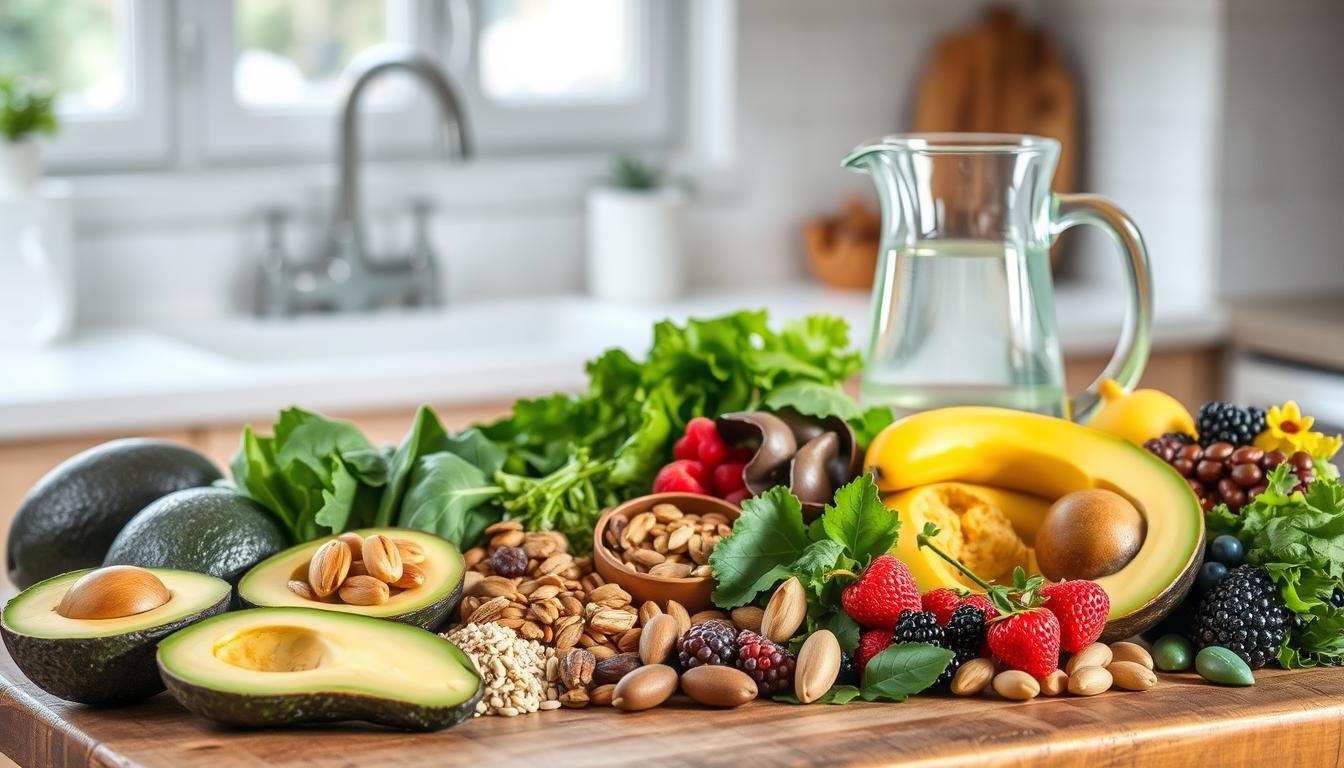
Did you know that certain natural hormone regulators can significantly impact your hormonal balance? It’s estimated that nearly 50% of the population experiences hormonal imbalances, affecting everything from energy levels to mood. The good news is that incorporating hormone-regulating foods into your diet can be a game-changer.
By focusing on hormone-balancing foods, individuals can take a proactive approach to supporting their hormonal health. This isn’t just about addressing symptoms; it’s about creating a foundation for overall wellness through dietary choices.
Key Takeaways
- Nearly 50% of the population experiences hormonal imbalances.
- Diet plays a crucial role in maintaining hormonal balance.
- Certain foods can act as natural hormone regulators.
- Incorporating hormone-regulating foods can improve overall wellness.
- A balanced diet is key to supporting hormonal health.
Introduction to Hormone Balance
Hormones play a vital role in regulating various bodily functions, making their balance essential. Hormones act as messengers, controlling everything from growth and development to metabolism and reproductive processes. When hormones are in balance, the body functions optimally. However, hormonal imbalances can lead to a range of health issues, including mood disorders, metabolic problems, and reproductive challenges.
Why Hormones Matter
Hormones are chemical messengers produced by glands in the endocrine system. They travel through the bloodstream, influencing the body’s metabolism, growth, and development, among other functions. The importance of hormone balance cannot be overstated, as it directly impacts overall health and wellbeing. For instance, thyroid hormones regulate metabolism, while insulin controls blood sugar levels.
A delicate balance of hormones is necessary for maintaining health. Imbalances can result from various factors, including stress, poor diet, and environmental toxins. Understanding the role of hormones and how to maintain their balance is crucial for preventing health issues.
How Foods Affect Hormones
Diet plays a significant role in hormone production and regulation. Certain foods can support or disrupt hormone balance. For example, foods rich in omega-3 fatty acids, such as salmon, support the production of hormones that regulate inflammation. On the other hand, consuming high amounts of sugar can lead to insulin resistance, a condition where the body’s cells become less responsive to insulin, potentially leading to diabetes.
Nutrients like vitamin D and magnesium are also crucial for hormone production. Vitamin D, for instance, is important for the regulation of calcium levels in the body, which is necessary for bone health. Magnesium, on the other hand, is involved in numerous biochemical reactions, including those related to hormone production.
“The food we eat has a profound impact on our hormonal balance. By making informed dietary choices, we can support our endocrine system and promote overall health.”
Understanding how different foods affect hormone balance is the first step towards making dietary changes that support hormonal health. By incorporating hormone-balancing foods into our diet, we can take a proactive approach to maintaining our overall wellbeing.
Top Foods for Hormone Balance
Achieving hormone balance is significantly influenced by the foods we consume daily. Incorporating the right nutrients can make a substantial difference in how we feel and function. Certain foods are particularly beneficial for maintaining hormonal health.
Leafy Greens: Nutrient Powerhouses
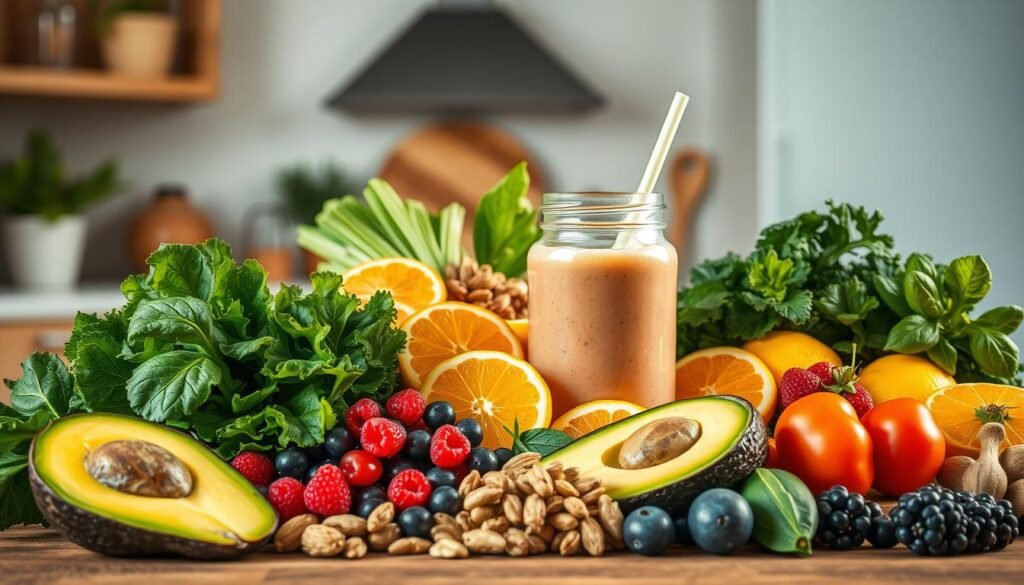
Leafy greens are among the most nutritious foods for hormone balance. They are rich in folate, which is crucial for the production of neurotransmitters and hormones. Spinach, kale, and collard greens are excellent choices, providing a boost to overall hormonal health. Including a variety of these greens in your diet can support the body’s natural hormone regulation processes.
Avocado: Healthy Fats for Hormones
Avocados are a rich source of healthy fats that are essential for hormone production. The monounsaturated fats in avocados support the health of cells and contribute to the balance of various bodily functions, including hormone regulation. Avocados also contain various vitamins and minerals that further support hormonal health.
Nuts and Seeds: Tiny Nutritional Giants
Nuts and seeds are tiny powerhouses of nutrition that play a significant role in hormone balance. They are rich in healthy fats and antioxidants, which help reduce inflammation and support the body’s natural hormone production. Almonds, walnuts, chia seeds, and flaxseeds are particularly beneficial, offering a mix of nutrients that support hormonal health.
The Role of Fermented Foods
Fermented foods are not just a culinary delight; they play a significant role in maintaining hormonal balance. These foods are rich in probiotics, which are beneficial bacteria that can influence hormone regulation.
Probiotics and Hormones
The connection between probiotics and hormones is complex. Probiiotics can affect hormone production and regulation, which in turn can impact various bodily functions, from mood to metabolism. By supporting gut health, probiotics help maintain a balanced hormonal system.
Examples of Fermented Foods
Incorporating fermented foods into your diet can be easy and delicious. Some examples include:
- Yogurt with live cultures
- Sauerkraut
- Kimchi
- Kefir
- Miso
These foods are not only tasty but also packed with probiiotics that support hormonal health. By adding them to your meals, you can take a proactive approach to maintaining hormone balance.
Healing Herbs and Spices
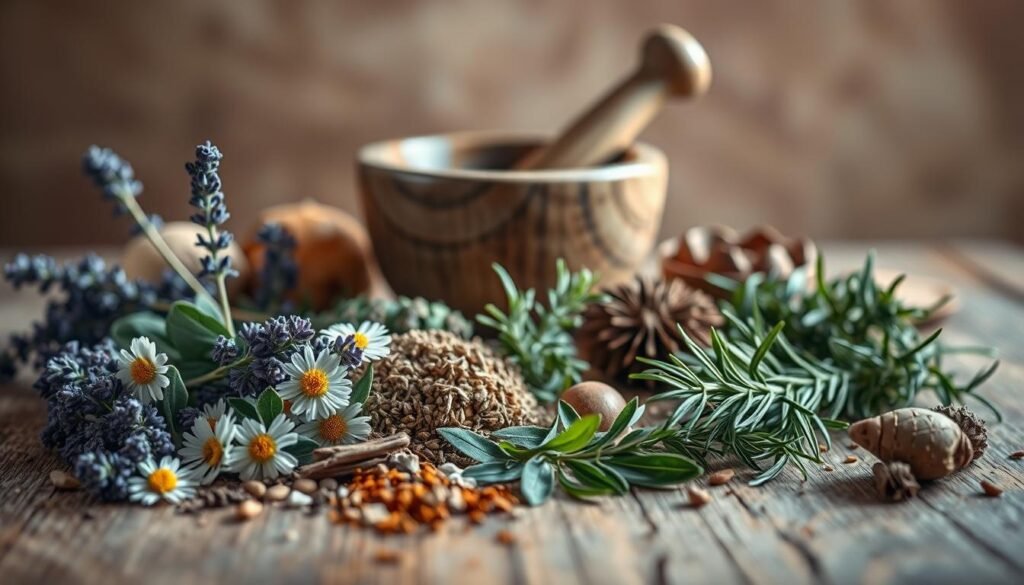
The use of certain herbs and spices can significantly impact hormone balance due to their anti-inflammatory properties. These natural ingredients have been used for centuries not only to add flavor to food but also for their medicinal benefits.
Herbs and spices like turmeric and cinnamon are more than just flavor enhancers; they are powerful agents that can support hormonal health. Let’s explore how these ingredients can be beneficial.
Turmeric: The Anti-Inflammatory Hero
Turmeric contains curcumin, a compound known for its potent anti-inflammatory and antioxidant properties. Curcumin has been shown to influence hormone production and balance, making turmeric a valuable addition to a hormone-friendly diet.
“The anti-inflammatory properties of turmeric can help reduce inflammation, which is often linked to hormonal imbalances.”
Cinnamon: More Than Just a Flavor
Cinnamon is not just a warm, comforting spice; it also has properties that can help regulate blood sugar levels and improve insulin sensitivity. This can have a direct impact on hormone balance, particularly for those with insulin resistance.
“Cinnamon has been used in traditional medicine for its ability to lower blood sugar levels and improve insulin sensitivity, both of which are crucial for maintaining hormonal balance.”
Here’s a comparison of the benefits of turmeric and cinnamon for hormone balance:
| Herb/Spice | Benefit | Impact on Hormones |
|---|---|---|
| Turmeric | Anti-inflammatory | Reduces inflammation that can disrupt hormone balance |
| Cinnamon | Regulates blood sugar | Improves insulin sensitivity, supporting hormonal health |
Incorporating these herbs and spices into your daily meals can be simple and delicious. Try adding turmeric to your soups or smoothies, and sprinkle cinnamon on your oatmeal or yogurt.
The Impact of Whole Grains
Incorporating whole grains into your diet can be a game-changer for achieving hormonal balance. Whole grains are rich in nutrients, including fiber, vitamins, and minerals, that play a crucial role in supporting hormone regulation.
Fiber for Hormone Regulation
Fiber is one of the key components of whole grains that significantly impacts hormone balance. It helps in regulating blood sugar levels and promoting the elimination of excess hormones from the body. A diet rich in fiber can also support the health of the gut microbiome, which is closely linked to hormone production and regulation.
Key benefits of fiber for hormone regulation include:
- Regulating blood sugar levels to prevent insulin resistance
- Promoting the elimination of excess hormones
- Supporting the health of the gut microbiome
Best Whole Grains to Consume
Not all whole grains are created equal, but several stand out for their nutritional value and impact on hormone balance. Here are some of the best whole grains to include in your diet:
| Whole Grain | Nutritional Benefits |
|---|---|
| Quinoa | Rich in protein, fiber, and various minerals |
| Brown Rice | High in fiber and manganese, supporting metabolism |
| Oats | Rich in fiber, helping to regulate blood sugar and cholesterol |
Including a variety of whole grains in your diet can provide a broad range of nutritional benefits that support hormone balance. It’s recommended to choose whole grains over refined grains as much as possible to maximize these benefits.
By making whole grains a staple in your diet, you can take a significant step towards achieving better hormonal balance and overall health.
Healthy Fats for Hormonal Health
Incorporating healthy fats into your diet is essential for supporting hormonal health, as these fats are vital for hormone production and regulation. Healthy fats provide the building blocks for hormones, ensuring that the body’s endocrine system functions properly.
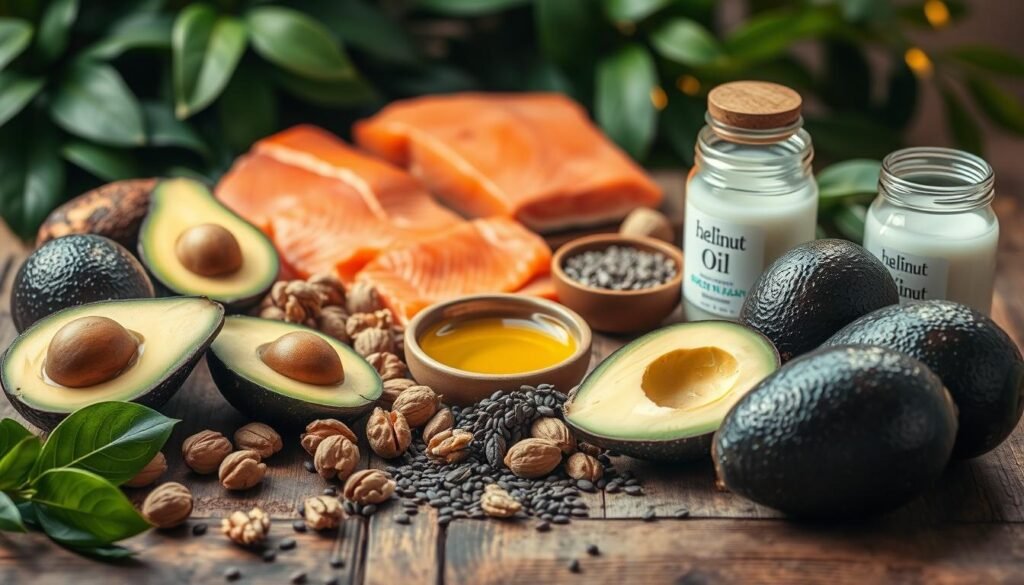
Omega-3 Fatty Acids
Omega-3 fatty acids are a type of healthy fat that plays a significant role in hormone balance. They are known for their anti-inflammatory properties and are crucial for brain function and heart health. Omega-3s support the production of hormones that regulate various bodily functions, including growth, development, and metabolism.
Benefits of Omega-3 Fatty Acids:
- Reduces inflammation, which can disrupt hormone balance
- Supports brain health, influencing hormones related to mood and cognitive function
- Promotes heart health, ensuring proper circulation and nutrient delivery to endocrine glands
Sources of Healthy Fats
In addition to omega-3 fatty acids, other sources of healthy fats are essential for hormonal health. These include:
- Avocados, rich in monounsaturated fats that support hormone production
- Nuts and seeds, such as almonds and chia seeds, which provide a mix of healthy fats and other nutrients
- Olive oil, a rich source of monounsaturated fats that support overall health and hormone balance
- Fatty fish like salmon and sardines, which are high in omega-3 fatty acids
By incorporating these healthy fats into your diet, you can support your body’s hormonal health and overall well-being. A balanced intake of these fats ensures that your endocrine system functions optimally, contributing to better health outcomes.
Fruits That Balance Hormones
Fruits play a crucial role in maintaining hormonal health, and certain types are particularly beneficial. A diet rich in fruits can provide the necessary nutrients and antioxidants that support hormone regulation.
Berries: Antioxidant Power
Berries, such as blueberries, strawberries, and raspberries, are packed with antioxidants. These fruits help combat oxidative stress, which can disrupt hormone balance. The high fiber and vitamin C content in berries also support overall hormonal health.
Blueberries, for instance, are not only rich in antioxidants but also contain anthocyanins, which have been shown to have beneficial effects on metabolic health.
Citrus Fruits: Vitamin C Boosters
Citrus fruits like oranges, lemons, and grapefruits are high in vitamin C, a nutrient that plays a significant role in hormone production and regulation. Vitamin C also aids in the absorption of other essential nutrients.
Oranges, for example, are not only a good source of vitamin C but also contain flavonoids that have been linked to improved cardiovascular health, indirectly supporting hormonal balance.
The Benefits of Dark Chocolate
Dark chocolate, rich in flavonoids, offers a sweet solution for those seeking hormone-balancing foods. This delicious treat has been shown to have a positive impact on overall health, particularly when it comes to hormone regulation.
How Dark Chocolate Affects Hormones
The flavonoids present in dark chocolate play a significant role in influencing hormone balance. These compounds can help improve insulin sensitivity, reduce inflammation, and even support the health of the gut microbiome, all of which are crucial for maintaining hormonal equilibrium.
Key Benefits of Dark Chocolate for Hormone Balance:
- Improves Insulin Sensitivity: Flavonoids can enhance the body’s response to insulin, reducing the risk of developing type 2 diabetes.
- Reduces Inflammation: Chronic inflammation is a known disruptor of hormone balance; dark chocolate’s anti-inflammatory properties can help mitigate this issue.
- Supports Gut Health: A healthy gut microbiome is essential for hormone regulation, and the flavonoids in dark chocolate can contribute to a balanced gut.
Choosing the Right Type
Not all dark chocolate is created equal when it comes to reaping its hormone-balancing benefits. To maximize the positive effects, it’s essential to choose dark chocolate with a high cocoa content.
| Cocoa Content | Flavonoid Level | Hormone-Balancing Potential |
|---|---|---|
| 70% and above | High | High |
| 50-69% | Moderate | Moderate |
| Below 50% | Low | Low |
When selecting dark chocolate, look for products with at least 70% cocoa content to ensure you’re getting a good amount of flavonoids. Additionally, opt for dark chocolate that is minimally processed and contains fewer additives.

By incorporating high-quality dark chocolate into your diet, you can indulge in a treat that not only satisfies your sweet tooth but also supports your hormonal health.
Hydration and Hormonal Balance
Adequate hydration is fundamental to hormone regulation and overall well-being. Our bodies are composed of approximately 60% water, which is crucial for various bodily functions, including the production and regulation of hormones. Even mild dehydration can cause significant changes in the body’s hormonal balance, affecting everything from stress hormones like cortisol to reproductive hormones.
Water: The Unsung Hero
Water is often overlooked as a hormone-balancing agent, yet it plays a critical role in maintaining hormonal health. It helps in the production of hormones and ensures that they are transported effectively throughout the body. Drinking enough water is essential for maintaining the balance of various hormones, including those involved in stress response and reproductive functions.
To support hormonal balance, it’s recommended to drink at least eight glasses of water a day, though individual needs may vary based on activity level, climate, and overall health.
Herbal Teas That Help
In addition to water, certain herbal teas can support hydration and hormonal balance. Herbal teas like peppermint and chamomile not only contribute to daily hydration needs but also offer additional benefits. Peppermint tea can aid digestion, which is linked to hormonal health, while chamomile tea is known for its calming effects, potentially reducing stress and supporting hormonal balance.
- Peppermint tea for digestive health
- Chamomile tea for its calming effects
- Rooibos tea, rich in antioxidants
Incorporating these teas into your daily routine can be a flavorful way to support hydration and hormonal health.
Conclusion: Embracing Balanced Eating
Incorporating hormone-balancing foods into your diet can be a simple yet effective way to support overall health and hormone regulation. By focusing on whole, nutrient-dense foods, you can create a hormone-balancing diet that nourishes your body.
How to Incorporate These Foods
Start by adding leafy greens, healthy fats, and fermented foods to your meals. Include a variety of fruits, such as berries and citrus fruits, to provide essential vitamins and antioxidants. Whole grains, like brown rice and quinoa, can also help regulate hormones.
Tips for a Hormone-Friendly Diet
To maintain a hormone-friendly diet, stay hydrated by drinking plenty of water and limiting processed foods. Incorporating hormone-regulating foods, such as nuts and seeds, can also support hormone balance. By making these simple changes, you can create a hormone-balancing diet that promotes overall well-being.
FAQ
What are hormone-balancing foods?
How do leafy greens support hormone balance?
What role do fermented foods play in hormone balance?
Can certain herbs and spices help with hormone balance?
How do whole grains contribute to hormone balance?
What are the benefits of omega-3 fatty acids for hormone balance?
Can certain fruits help balance hormones?
How does dark chocolate affect hormone balance?
Why is hydration important for hormone balance?
🌸 Discover Weight Management Supplements That Works — Handpicked for You
Curated health & beauty essentials our readers trust — explore your new self-care favorites.


🌸 Discover Beauty That Works — Handpicked for You
Curated health & beauty essentials our readers trust — explore your new self-care favorites.

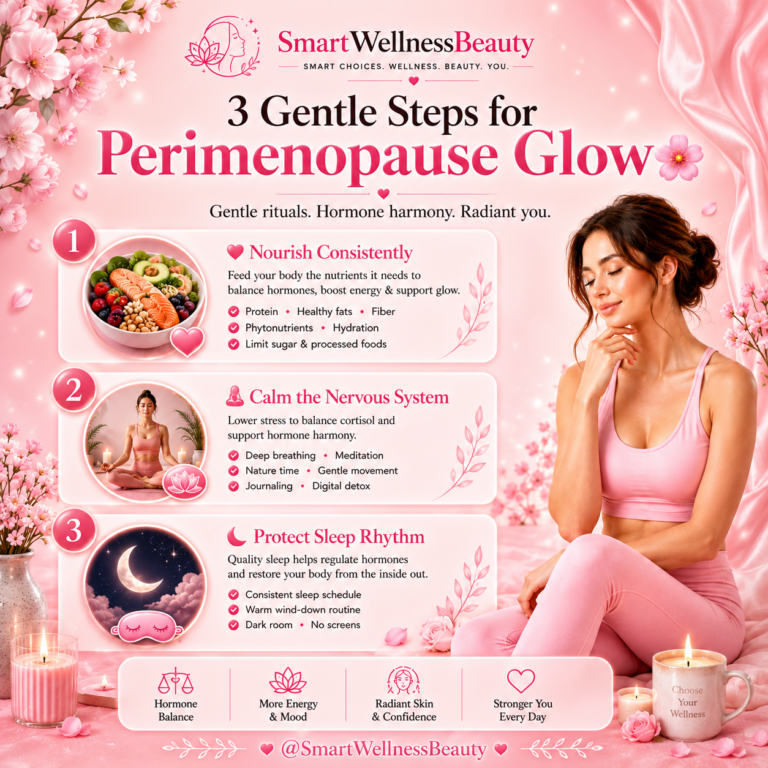
💖 Connect with SmartWellnessBeauty
Join our wellness & beauty community for daily inspiration, mindful living, and radiant self-care — follow us across your favorite platforms.






















 Smart Tools World

 SmartAIEarn

 SmartWellnessBeauty

 Smart Resource Vault

 TrendsOfReview

 SmartLivingJournal

 Holistic Yoga With Wellness