

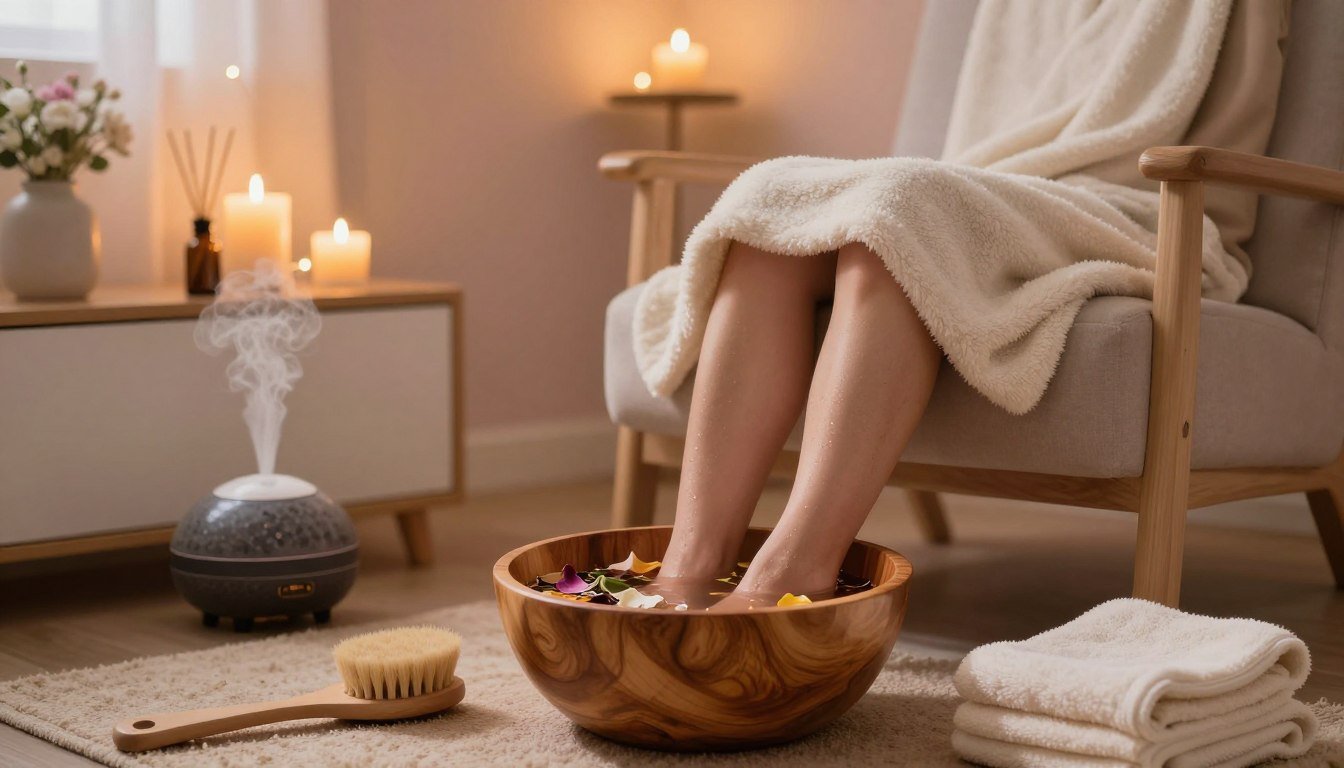
Did you know that a simple herbal foot soak can be the key to unlocking a restful evening? For centuries, cultures around the world have used this relaxing ritual to promote well-being and reduce stress.
Incorporating a relaxation routine into your daily schedule can have a significant impact on your overall health. An herbal foot soak is more than just a calming activity; it’s a way to pamper yourself and prepare your body for a restful night’s sleep.
Key Takeaways
- Herbal foot soaks promote relaxation and reduce stress.
- Incorporating this ritual into your evening can improve sleep quality.
- It’s a simple and effective way to unwind after a long day.
- Herbal foot soaks have been used for centuries for their therapeutic benefits.
- They can be a great addition to your daily relaxation routine.
The Power of Evening Rituals for Well-being
In today’s fast-paced world, establishing a consistent evening routine can be a powerful tool for stress relief and mental health. As we navigate the demands of modern life, it’s essential to prioritize relaxation and self-care.
Why Evening Routines Matter for Mental Health
Evening routines play a crucial role in maintaining mental health by providing a sense of structure and calm. According to various studies, a consistent relaxation routine can significantly reduce stress and anxiety, leading to improved overall well-being.
By incorporating activities such as meditation, reading, or a warm bath into your evening routine, you can create a soothing atmosphere that calms the mind and prepares the body for rest.
The Science Behind Relaxation Practices
Relaxation practices have been shown to have a positive impact on both physical and mental health. The science behind these practices reveals that they can lower cortisol levels, reduce blood pressure, and promote a restful night’s sleep.
A study on the effects of relaxation techniques found that regular practice can lead to a decrease in stress hormones and an increase in feelings of relaxation and calmness.
| Relaxation Technique | Benefits |
|---|---|
| Meditation | Reduces stress, improves sleep quality |
| Deep Breathing | Lowers cortisol levels, calms the mind |
| Yoga | Improves flexibility, reduces anxiety |
Creating Space for Self-Care in Busy Lives
Incorporating self-care into a busy schedule can be challenging, but it’s not impossible. By prioritizing evening rituals, individuals can create a sense of balance and well-being, even in the midst of a hectic lifestyle.
To make self-care a reality, start by allocating a specific time each evening for relaxation and stick to it, just as you would any other important appointment.
By embracing the power of evening rituals, you can transform your evenings into a time of relaxation and rejuvenation, setting yourself up for a restful night’s sleep and a brighter tomorrow.
Understanding the Benefits of Herbal Foot Soaks
Herbal foot soaks offer a multitude of benefits that can transform your evening routine into a rejuvenating experience. By combining the therapeutic properties of herbs with the relaxing act of soaking your feet, you can address various aspects of your health and well-being.
Physical Benefits for Foot Health and Circulation
One of the primary advantages of herbal foot soaks is their ability to improve foot health. The warm water and herbs work together to soften skin, reduce inflammation, and alleviate conditions such as athlete’s foot or dry, cracked heels. Ingredients like Epsom salt can help reduce swelling and improve circulation, making your feet feel lighter and more comfortable.
Stress Relief and Emotional Well-being
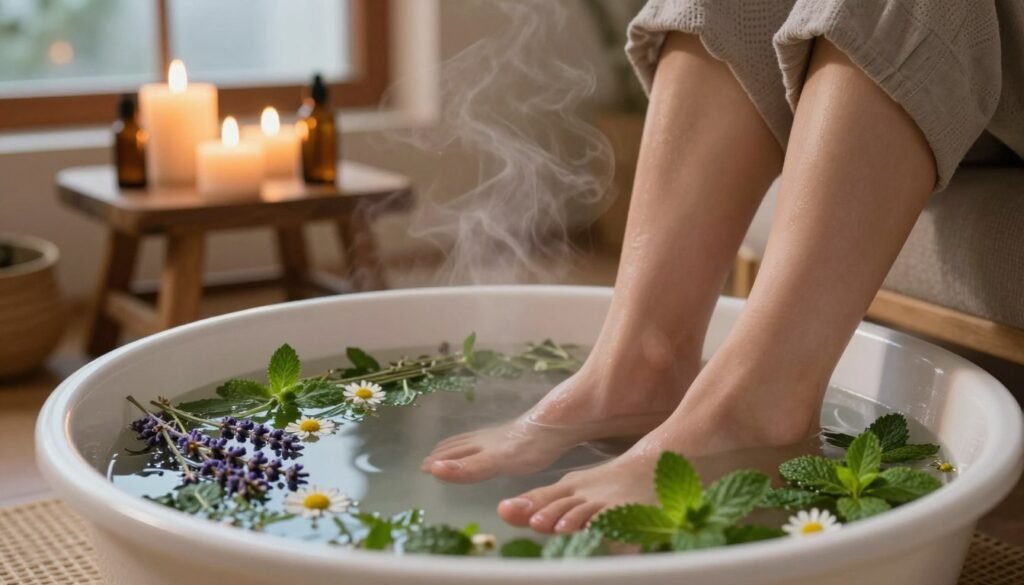
Herbal foot soaks are also an effective way to reduce stress and promote emotional well-being. The act of soaking your feet in warm, herb-infused water can be deeply calming, helping to quiet the mind and soothe the body. Herbs like chamomile and lavender are known for their calming properties, further enhancing the relaxing experience.
Sleep Quality Improvement Through Nighttime Wellness Practices
Incorporating herbal foot soaks into your nighttime routine can significantly improve sleep quality. By promoting relaxation and reducing stress, these soaks help signal to your body that it’s time to sleep. A warm foot soak before bed can become a consistent cue for your body to wind down, leading to deeper, more restful sleep.
By understanding the benefits of herbal foot soaks, you can better appreciate how they can be a valuable addition to your evening wellness routine, enhancing not just foot health, but overall well-being.
Essential Ingredients for Your Herbal Foot Soak
Creating the perfect herbal foot soak begins with understanding the essential ingredients that promote relaxation and well-being. A well-balanced blend can transform a simple foot soak into a therapeutic experience.
Base Elements: Epsom Salts, Sea Salt, and Minerals
The foundation of most herbal foot soaks includes Epsom salts, sea salt, and various minerals. Epsom salts, rich in magnesium, help reduce inflammation and relieve muscle cramps. Sea salt, on the other hand, is known for its detoxifying properties and ability to soften skin.
| Ingredient | Benefits |
|---|---|
| Epsom Salts | Reduces inflammation, relieves muscle cramps |
| Sea Salt | Detoxifies, softens skin |
| Minerals | Nourishes and rejuvenates skin |
Therapeutic Herbs and Their Healing Properties
Therapeutic herbs play a crucial role in enhancing the relaxing effects of foot soaks. Herbs like lavender and chamomile are renowned for their calming properties, while peppermint can invigorate and refresh.
- Lavender: Promotes relaxation and improves sleep quality
- Chamomile: Soothes and calms the mind and body
- Peppermint: Invigorates and refreshes
Essential Oils for Enhanced Aromatherapy Benefits
Essential oils can significantly enhance the aromatherapy benefits of your herbal foot soak. Oils like tea tree oil and eucalyptus oil have antimicrobial properties, while lavender oil and ylang-ylang oil promote relaxation and reduce stress.
Additional Soothing Ingredients: Milk, Honey, and Clays
Additional ingredients like milk, honey, and clays can add extra nourishing benefits to your foot soak. Milk contains lactic acid, which gently exfoliates, while honey is known for its moisturizing and antibacterial properties. Clays like kaolin and bentonite can detoxify and soften the skin.
Transform Your Evenings: Herbal Foot Soak Ritual Step-by-Step
Unwind and rejuvenate with a simple yet effective herbal foot soak ritual. This practice can be a powerful addition to your relaxation routine, helping you transition into a peaceful evening.
Preparing Your Sacred Space
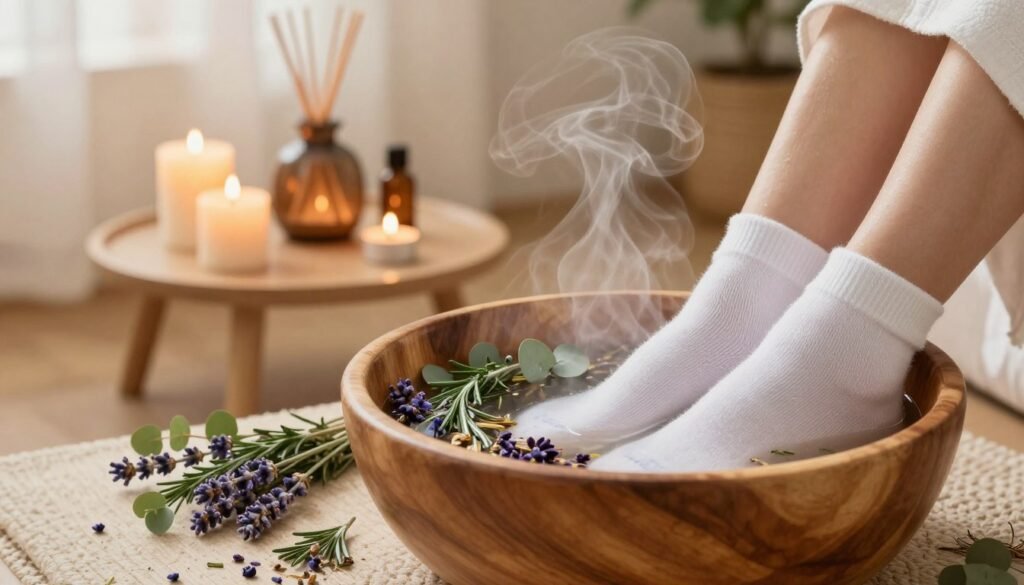
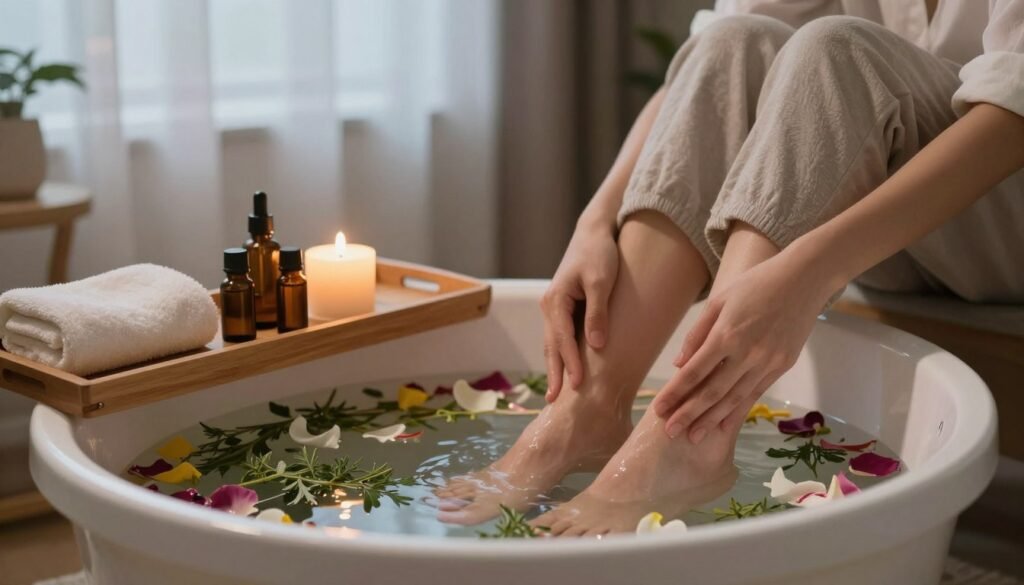
Creating a sacred space for your herbal foot soak can significantly enhance the experience. Begin by selecting a quiet, comfortable area where you can sit and relax without distractions. Consider dimming the lights and lighting some candles to create a calming ambiance. As Dr. Laura Markham, a clinical psychologist, suggests, “A calm environment can significantly impact our ability to relax.”
Creating Your Custom Herbal Blend
Customizing your herbal blend allows you to cater to your specific needs. For relaxation, you might include herbs like chamomile and lavender. If you’re looking to relieve tension, consider adding peppermint or eucalyptus. Experiment with different combinations to find what works best for you. As you prepare your blend, reflect on what you hope to achieve with your foot soak, whether it’s stress relief or improved sleep.
The Perfect Soaking Technique and Timing
The technique and timing of your foot soak can greatly impact its effectiveness. Ensure the water is warm but not too hot, as this can cause discomfort. Soaking your feet for 15-20 minutes is typically ideal, allowing enough time for your muscles to relax and your mind to unwind. “Soaking in warm water can help reduce inflammation and improve circulation,” notes a study published in the Journal of Alternative and Complementary Medicine.
“The way to get started is to quit talking and begin doing.” – Walt Disney
Mindfulness Practices to Unwind and Rejuvenate
Incorporating mindfulness practices during your foot soak can enhance the experience. Try to focus on the sensation of the water and the herbs. Practice deep breathing exercises, inhaling deeply through your nose and exhaling slowly through your mouth. As you soak, let go of any tension or stress, allowing yourself to fully unwind and rejuvenate.
By following these steps, you can create a meaningful and relaxing herbal foot soak ritual that becomes a cherished part of your evening routine.
Seasonal Herbal Foot Soak Recipes
Embracing the rhythm of the seasons, we can tailor our herbal foot soaks to meet the unique needs of each time of year. As nature changes around us, our self-care routines can adapt to provide the most benefit. This approach not only enhances our well-being but also connects us more deeply with the natural world.
Spring Renewal Blend with Floral Notes
Spring is a time of renewal, making it the perfect season to incorporate floral notes into our herbal foot soaks. Ingredients like rose petals, lavender, and chamomile can create a soothing and uplifting blend. These flowers are known for their calming properties and can help to ease the mind and body after a long winter.
To create a Spring Renewal Blend, combine dried rose petals, lavender buds, and a few drops of chamomile essential oil with Epsom salts. Soaking your feet in this mixture can be a powerful way to welcome the new season.
Summer Cooling Soak with Mint and Citrus
Summer brings warmth and energy, and our foot soaks can reflect this by incorporating cooling ingredients. Mint and citrus are perfect for this time of year, as they can help to cool and refresh tired feet.
A Summer Cooling Soak can be made by mixing peppermint leaves, lemon slices, and a few drops of grapefruit essential oil into your foot bath. This invigorating blend is sure to leave your feet feeling refreshed and revitalized.
Autumn Grounding Mixture with Spices and Roots
As autumn arrives, the air becomes crisper, and our bodies may need more grounding. Spices and roots like ginger, cinnamon, and turmeric can add warmth and depth to our herbal foot soaks, making them ideal for this season.
To create an Autumn Grounding Mixture, combine sliced ginger, cinnamon sticks, and turmeric powder with your base ingredients. This blend can help to stimulate circulation and warm the body as the weather cools.
Winter Warming Therapy with Pine and Cinnamon
Winter is a time for warmth and comfort, and our foot soaks can be tailored to provide just that. Pine and cinnamon are warming ingredients that can help to soothe dry skin and promote a sense of well-being during the colder months.
A Winter Warming Therapy soak can be created by mixing pine needles, cinnamon sticks, and a few drops of pine essential oil into your foot bath. This comforting blend is perfect for relaxing on a cold winter’s night.
By adapting our herbal foot soak recipes to the changing seasons, we can enhance our natural self-care routines and enjoy the aromatherapy benefits of different herbs and essential oils throughout the year.
Enhancing Your Natural Self-Care with Aromatherapy
By combining herbal foot soaks with aromatherapy, you can create a holistic self-care ritual that nurtures both body and mind. This synergy enhances the overall relaxation experience, promoting a deeper sense of calm and well-being.
Understanding Aromatherapy Basics for Foot Soaks
Aromatherapy involves the use of essential oils derived from plants to promote physical and emotional well-being. When used in foot soaks, these oils can be absorbed through the skin, providing therapeutic benefits. Essential oils like lavender and peppermint are popular choices due to their calming and invigorating properties, respectively.
The key to effective aromatherapy in foot soaks lies in understanding how different essential oils interact with the body. For instance, lavender oil is known for its calming effects, making it ideal for promoting relaxation before bed.
Essential Oil Combinations for Different Needs
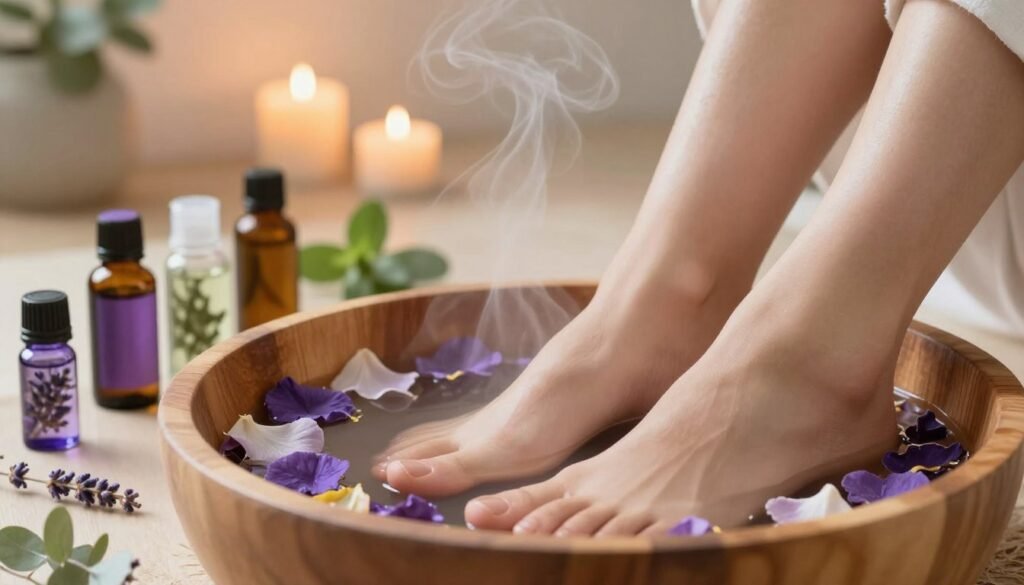
Different essential oil combinations can be tailored to address specific needs, whether it’s relaxation, pain relief, or mood enhancement. For example, combining lavender and chamomile can create a powerful relaxation blend, while peppermint and eucalyptus can help alleviate muscle tension.
- Lavender and chamomile for relaxation
- Peppermint and eucalyptus for invigoration
- Frankincense and sandalwood for grounding
Safety Considerations and Dilution Guidelines
While aromatherapy can be highly beneficial, it’s crucial to follow safety guidelines to avoid adverse reactions. Essential oils are highly concentrated and must be diluted properly before use. A general rule of thumb is to use a 1-3% dilution rate for foot soaks, depending on the individual’s sensitivity and the specific oils used.
Always perform a patch test before using a new essential oil blend to check for any skin sensitivities or allergic reactions.
Creating a Complete Evening Wellness Routine
As we continue our journey into the world of evening wellness, it’s essential to consider how to create a complete routine that fosters relaxation and rejuvenation. A comprehensive evening wellness routine can have a profound impact on both physical and mental health.
Complementary Practices to Pair with Your Foot Soak
To enhance the benefits of your herbal foot soak, consider incorporating other relaxation practices into your routine. Meditation and deep breathing exercises can help calm the mind and reduce stress. You may also find yoga or reading to be beneficial in unwinding before bed.
A study published in the Journal of Alternative and Complementary Medicine found that mindfulness meditation can improve sleep quality and reduce symptoms of insomnia. By combining these practices with your herbal foot soak, you can create a powerful relaxation routine.
| Practice | Benefits | Duration |
|---|---|---|
| Meditation | Reduces stress, improves sleep | 10-15 minutes |
| Deep Breathing | Calms the mind, lowers blood pressure | 5-10 minutes |
| Yoga | Relaxes muscles, improves flexibility | 15-30 minutes |
Timing Your Relaxation Routine for Maximum Benefit
The timing of your relaxation routine is crucial for maximizing its benefits. It’s generally recommended to start winding down at least an hour before bedtime. This allows your body to transition into a state of relaxation, making it easier to fall asleep.
Consider the following schedule:
- 60 minutes before bed: Begin with a relaxing activity, such as reading or yoga.
- 30 minutes before bed: Take a warm herbal foot soak.
- 15 minutes before bed: Practice deep breathing or meditation.
Making Your Nighttime Wellness Practice Sustainable
To make your nighttime wellness practice sustainable, it’s essential to be consistent and flexible. Start by setting a realistic goal, such as practicing your routine three times a week. As you become more comfortable with the routine, you can gradually increase the frequency.
By incorporating these practices into your daily routine and being mindful of your timing, you can create a comprehensive evening wellness routine that promotes relaxation and rejuvenation.
Troubleshooting Common Foot Soak Issues
As you incorporate herbal foot soaks into your self-care routine, you may encounter a few common problems that can be easily addressed with the right knowledge. Understanding how to troubleshoot these issues can help you maximize the benefits of your foot soaks for both foot health and stress relief.
Addressing Skin Sensitivities and Allergies
Skin sensitivities and allergies are among the most common issues people face when using herbal foot soaks. To minimize the risk of an adverse reaction, it’s crucial to choose ingredients carefully. Always check if you’re allergic to any herbs or essential oils before adding them to your soak. If you experience any irritation, redness, or itching, discontinue use immediately and rinse your feet thoroughly.
For individuals with sensitive skin, starting with a small patch test using a diluted solution of your chosen ingredients can help identify potential allergens. You can also consider using gentle ingredients like chamomile or calendula, known for their soothing properties.
Adjusting Temperatures, Timing, and Ingredients
The temperature of your foot soak can significantly impact your experience. Water that’s too hot can cause discomfort or dryness, while water that’s too cold may not be relaxing. Aim for a comfortable temperature between 92°F and 100°F (33°C to 38°C) for optimal relaxation.
The duration of your foot soak is also important. Soaking for too long can lead to pruney skin or dryness, while too short a soak may not provide the full benefits. Typically, a 15- to 20-minute soak is ideal. You can adjust the timing based on your personal comfort and the specific ingredients used.
Customizing your foot soak ingredients can also help address common issues. For example, adding Epsom salts can help reduce inflammation, while certain essential oils like lavender can promote relaxation and improve sleep quality.
When to Avoid Foot Soaks: Precautions and Contraindications
While foot soaks are generally safe, there are certain situations where caution is advised. If you have open wounds, cuts, or infections on your feet, it’s best to avoid foot soaks until these conditions have healed to prevent further irritation or infection.
Pregnant women should consult with their healthcare provider before using certain herbs or essential oils in their foot soaks, as some may not be recommended during pregnancy. Additionally, individuals with certain medical conditions, such as diabetes or poor circulation, should also consult with their healthcare provider to ensure foot soaks are safe for them.
By being aware of these potential issues and taking steps to address them, you can enjoy the full benefits of herbal foot soaks for enhanced foot health and stress relief.
Conclusion: Embracing the Transformative Power of Evening Rituals
As you’ve discovered, incorporating a herbal foot soak ritual into your evening routine can be a powerful way to transform your evenings: herbal foot soak ritual and promote overall well-being. By taking a few moments each day to unwind and rejuvenate, you can reduce stress, improve sleep quality, and wake up feeling refreshed and revitalized.
By embracing this simple yet effective practice, you can create a peaceful and calming atmosphere that sets the tone for a restful night’s sleep. So why not give it a try? Start your herbal foot soak journey today and experience the transformative power of evening rituals for yourself.
FAQ
What are the benefits of incorporating herbal foot soaks into my evening routine?
What ingredients are essential for creating an effective herbal foot soak?
How do I create a custom herbal blend for my foot soak?
Can herbal foot soaks help with stress relief and emotional well-being?
Are there any safety considerations I should be aware of when using essential oils in my foot soak?
How can I make my nighttime wellness practice, including herbal foot soaks, sustainable?
What are some common issues that may arise with foot soaks, and how can I troubleshoot them?
Can I use herbal foot soaks if I have certain medical conditions or concerns?
🌸 Discover Weight Management Supplements That Works — Handpicked for You
Curated health & beauty essentials our readers trust — explore your new self-care favorites.



🌸 Discover Beauty That Works — Handpicked for You
Curated health & beauty essentials our readers trust — explore your new self-care favorites.


💖 Connect with SmartWellnessBeauty
Join our wellness & beauty community for daily inspiration, mindful living, and radiant self-care — follow us across your favorite platforms.


























 Smart Tools World

 SmartAIEarn

 SmartWellnessBeauty

 Smart Resource Vault

 TrendsOfReview

 SmartLivingJournal

 Holistic Yoga With Wellness