

Did you know that nearly 50 million adults in the United States suffer from chronic pain, making it a leading cause of disability and healthcare costs? Chronic pain can significantly impact one’s quality of life, but there’s hope for relief through dietary changes.
Research suggests that certain foods can help reduce inflammation, a key contributor to chronic pain. By incorporating specific food combinations into your diet, you may be able to alleviate pain and improve your overall well-being.
Managing chronic pain requires a comprehensive approach, and diet plays a crucial role. By making informed food choices, individuals can take a proactive step towards reducing their pain and enhancing their quality of life.
Key Takeaways
- Chronic pain affects millions of adults in the US, impacting daily life and healthcare costs.
- Dietary changes can help alleviate chronic pain by reducing inflammation.
- Specific food combinations can provide relief from chronic pain.
- A comprehensive approach to managing chronic pain includes informed dietary choices.
- Making the right food choices can enhance overall well-being.
Understanding Chronic Pain and Its Impact
Chronic pain is more than just a prolonged ache; it’s a complex condition that intertwines physical discomfort with emotional distress. This multifaceted nature of chronic pain makes it challenging to manage, yet understanding its roots and effects can pave the way for effective pain management strategies.
What Is Chronic Pain?
Chronic pain is defined as pain that persists beyond the normal healing time, typically beyond 3 to 6 months. Unlike acute pain, which serves as a warning sign for injury or illness, chronic pain becomes a condition in itself, often with no clear cause or resolution. It’s not just about the pain; it’s about the impact it has on every aspect of a person’s life.
According to the International Association for the Study of Pain, chronic pain can result from various factors, including injury, infection, or ongoing conditions like arthritis. The persistence of pain can lead to changes in the nervous system, making it more sensitive and reactive to stimuli.
“Chronic pain is a major public health problem worldwide, affecting an estimated 1 in 5 adults in the United States alone.”
How It Affects Daily Life
Chronic pain significantly impacts daily life, affecting not just the physical well-being but also the mental health of an individual. Simple tasks become challenging, and the quality of life can deteriorate. The effects can be seen in various aspects of life, including mood, sleep patterns, and social interactions.
| Aspect of Life | Impact of Chronic Pain |
|---|---|
| Mood | Increased irritability, anxiety, and depression |
| Sleep | Disturbed sleep patterns, insomnia |
| Social Life | Reduced social interaction, isolation |
Managing chronic pain effectively requires a comprehensive approach that includes medical treatment, lifestyle changes, and nutritional adjustments. Incorporating natural pain relief foods and understanding pain management through nutrition can play a crucial role in alleviating symptoms.
The Role of Nutrition in Pain Management
Certain nutrients have been shown to help reduce inflammation, offering a dietary approach to managing chronic pain. “Food is medicine, and what we eat can either exacerbate or alleviate our pain,” as emphasized by nutrition experts.

Nutrients That Help Reduce Inflammation
Incorporating specific nutrients into one’s diet can significantly impact chronic pain management. Omega-3 fatty acids, found in fatty fish, flaxseeds, and walnuts, are known for their anti-inflammatory properties. Antioxidants, abundant in berries, leafy greens, and other fruits and vegetables, help combat oxidative stress, which can contribute to inflammation.
Additionally, fiber-rich foods such as whole grains, legumes, and certain fruits can aid in reducing inflammation. A diet rich in these nutrients can be a powerful tool in the quest to alleviate chronic pain.
Foods to Avoid for Pain Relief
Just as certain foods can help reduce inflammation, others can exacerbate it. Processed meats, sugary foods, and refined grains are among those that can trigger or worsen inflammation. Avoiding or minimizing these foods can be a crucial step in managing chronic pain.
As
“The way to a man’s health is through his stomach,”
a quote that underscores the importance of diet in overall well-being, including pain management.
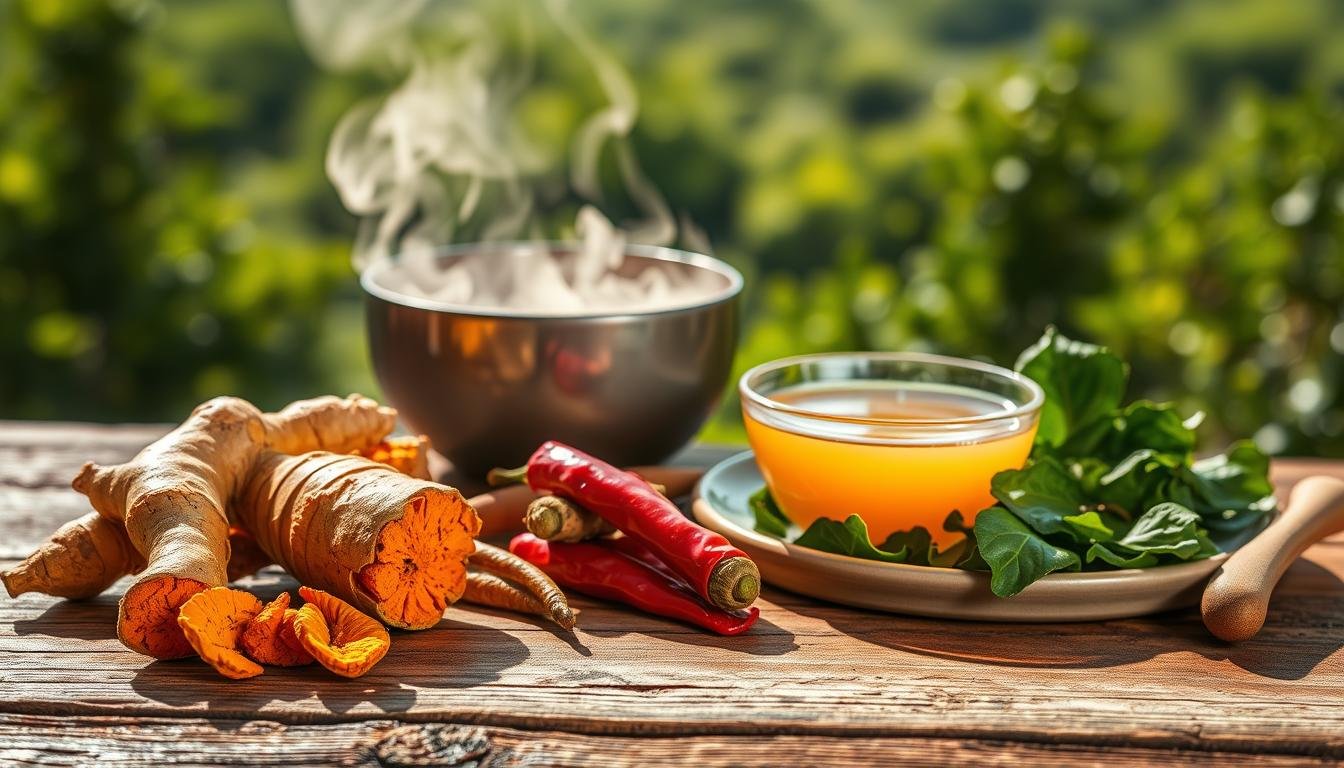
Combo 1: Turmeric and Ginger Delight
In the quest for relief from chronic pain, one of the most effective food remedies is the combination of turmeric and ginger. This dynamic duo has been used for centuries in various culinary traditions to not only add flavor but also to harness their medicinal properties.
Health Benefits of Turmeric
Turmeric, with its active compound curcumin, is renowned for its potent anti-inflammatory properties. Curcumin has been shown to inhibit various molecules involved in inflammation, making it a valuable component in pain-relieving meal planning. The anti-inflammatory effects of turmeric can help alleviate symptoms of chronic pain, improving the quality of life for those affected.
Why Ginger Love is Important
Ginger is another ingredient that has been cherished for its health benefits, particularly its ability to reduce pain and inflammation. The antioxidant properties of ginger help in reducing inflammatory enzymes, thereby providing relief from chronic pain. When combined with turmeric, ginger enhances the overall efficacy of this food remedy, making it a powerful tool in managing chronic pain.
The synergy between turmeric and ginger creates a delicious and nutritious meal that not only tantalizes the taste buds but also provides a natural approach to pain management. Incorporating this combo into your diet can be a significant step towards a healthier, pain-free life.
Combo 2: Salmon and Avocado Power Meal
When it comes to nutrition for chronic pain relief, incorporating the right food combinations can make a significant difference, such as pairing salmon with avocado. This powerful duo not only satisfies your taste buds but also provides a boost in managing chronic pain.

Omega-3 Fatty Acids and Pain Relief
Salmon is rich in omega-3 fatty acids, particularly EPA and DHA, which are known for their potent anti-inflammatory effects. These essential fatty acids play a crucial role in reducing inflammation, a key factor in chronic pain. By incorporating salmon into your diet, you’re providing your body with the necessary tools to combat pain at its source.
The anti-inflammatory properties of omega-3s have been extensively studied, and the evidence supports their role in alleviating chronic pain. Regular consumption of omega-3 rich foods like salmon can lead to a noticeable reduction in pain levels, improving overall quality of life.
How Avocado Works Wonders
Avocados complement salmon perfectly, not just in terms of taste but also in nutritional benefits. They are rich in healthy fats and fiber, contributing to their anti-inflammatory effects. The antioxidants and vitamins found in avocados further enhance their pain-relieving properties, making them an ideal accompaniment to omega-3 rich salmon.
Together, salmon and avocado form a synergistic combination that amplifies their individual benefits. This power meal is not only delicious but also a strategic dietary choice for those seeking relief from chronic pain.
Combo 3: Blueberries and Greek Yogurt Treat
For those seeking a sweet and satisfying way to alleviate chronic pain, the combination of blueberries and Greek yogurt is a treat worth trying. This duo brings together the antioxidant-rich properties of blueberries and the probiotic benefits of Greek yogurt, creating a powerful synergy that can help manage chronic pain.
Antioxidants in Blueberries
Blueberries are renowned for their high antioxidant content, which plays a crucial role in reducing oxidative stress and inflammation in the body. Antioxidants help neutralize free radicals, molecules that can cause cellular damage and contribute to the development of chronic pain. By incorporating blueberries into your diet, you can potentially lower your body’s inflammatory response and alleviate pain symptoms.
Probiotics in Greek Yogurt
Greek yogurt is an excellent source of probiotics, live bacteria that support gut health. A healthy gut microbiome is essential for overall well-being and can significantly impact inflammation levels. Probiotics aid in maintaining a balanced gut flora, which can enhance the body’s natural anti-inflammatory responses and contribute to chronic pain relief. The combination of probiotics with the antioxidants in blueberries creates a comprehensive approach to managing pain through dietary adjustments.
By understanding the benefits of these two ingredients and how they work together, individuals can make informed choices about their diet to help manage chronic pain more effectively.
How to Incorporate These Combos in Your Diet
Incorporating anti-inflammatory food combinations into your diet can be straightforward and delicious. By making a few simple changes to your daily meals, you can start benefiting from these nutrient-rich foods.
Easy Breakfast Ideas
Starting your day with the right foods can set a positive tone for your health. Consider adding turmeric to your breakfast routine. You can make a turmeric latte or add a pinch of turmeric powder to your scrambled eggs or oatmeal.
Another great breakfast idea is combining Greek yogurt with blueberries. This mix is not only delicious but also packed with probiotics and antioxidants that help reduce inflammation.
Delicious Lunch Combinations
For lunch, a salmon and avocado salad is a great option. Rich in omega-3 fatty acids and healthy fats, this combination can help alleviate chronic pain. Simply grill some salmon, chop it into bite-sized pieces, and mix it with diced avocado, cherry tomatoes, and a sprinkle of salt and pepper.
You can also make a turmeric and ginger infused soup. This is a comforting and healthy option that can be made with a variety of vegetables and is perfect for a quick lunch.
Satisfying Snack Options
Snacking on blueberries and Greek yogurt is a satisfying and healthy choice. You can also prepare a mix of nuts and seeds, such as almonds and chia seeds, which are rich in healthy fats and antioxidants.
For a quick energy boost, consider making a ginger and turmeric tea. This is a soothing drink that can be enjoyed hot or cold and is perfect for any time of the day.
| Meal | Food Combination | Benefits |
|---|---|---|
| Breakfast | Turmeric and Eggs | Anti-inflammatory properties |
| Lunch | Salmon and Avocado | Rich in Omega-3 fatty acids and healthy fats |
| Snack | Blueberries and Greek Yogurt | High in antioxidants and probiotics |

By incorporating these food combinations into your daily meals, you can take a proactive step towards managing chronic pain through nutrition. Experiment with different recipes and find what works best for you.
Listening to Your Body: Individual Needs
Listening to your body and understanding its individual needs can significantly impact your chronic pain management strategy. It’s not just about adopting a particular diet or recipe, but rather tailoring your approach to what works best for you.
Knowing Your Triggers
Identifying personal triggers is a crucial step in managing chronic pain. Triggers can vary widely among individuals, ranging from specific foods to stress levels. Keeping a food diary can be an effective way to track what you eat and how it affects your pain levels.
Consulting with a Nutritionist
Working with a healthcare professional or a nutritionist can provide personalized guidance. They can help create a tailored diet plan that incorporates holistic pain relief recipes and food remedies for chronic pain suited to your specific needs.
By understanding your body’s unique requirements and making informed dietary choices, you can take a proactive approach to managing chronic pain.
Additional Foods That May Help Relief
Delving deeper into the world of nutrition and pain management, it’s clear that certain foods can be particularly beneficial. While we’ve discussed key food combinations for pain relief, there are other dietary additions worth exploring for their potential to alleviate chronic pain.
Leafy Greens and Their Benefits
Leafy greens such as spinach, kale, and collard greens are rich in antioxidants and other nutrients that can help reduce inflammation. These vegetables are packed with vitamins and minerals, including vitamin K, folate, and iron, which are essential for overall health.
Nutritional Highlights of Leafy Greens:
| Vegetable | Vitamin K (mcg) | Folate (mcg) | Iron (mg) |
|---|---|---|---|
| Spinach | 540 | 130 | 2.5 |
| Kale | 540 | 100 | 1.1 |
| Collard Greens | 770 | 130 | 1.2 |
As noted by a health expert, “Leafy greens are a powerhouse of nutrition and can play a significant role in reducing inflammation and managing chronic pain.”
“Eating a diet rich in leafy greens can help mitigate the effects of chronic pain by providing essential nutrients and antioxidants.”
Nuts and Seeds for Pain Management
Nuts and seeds, such as walnuts and chia seeds, are also beneficial for their anti-inflammatory properties. Walnuts, for example, are rich in omega-3 fatty acids and antioxidants, while chia seeds provide a boost of fiber and omega-3s.

Incorporating these foods into your diet can be simple. For example, you can add spinach to your morning smoothie or sprinkle chia seeds on your oatmeal. As part of a balanced diet, these foods can contribute to overall well-being and potentially offer relief from chronic pain.
By making informed dietary choices and including a variety of whole foods, individuals can take a proactive approach to managing chronic pain.
Hydration: The Unsung Hero
Adequate hydration is essential for reducing inflammation and managing chronic pain. While often overlooked, drinking enough water and consuming hydrating beverages can play a significant role in pain relief. Proper hydration helps maintain bodily functions, including those that affect pain perception.
Importance of Drinking Water
Drinking water is crucial for overall health, and its importance cannot be overstated when it comes to managing chronic pain. Water helps in reducing inflammation, which is a key factor in chronic pain. Even mild dehydration can lead to increased pain sensitivity.
Ensuring adequate water intake can be as simple as drinking at least eight glasses of water a day. However, individual needs may vary based on activity level, climate, and overall health.
Herbal Teas That Soothe
In addition to water, certain herbal teas can provide additional soothing benefits. Teas made from ginger and turmeric are known for their anti-inflammatory properties. These teas can be a comforting way to stay hydrated while also potentially reducing pain.
Other herbal teas like peppermint and chamomile can help with relaxation and stress reduction, which are also important for managing chronic pain.
Lifestyle Changes for Chronic Pain Management
Lifestyle modifications, alongside dietary adjustments, can offer substantial relief from chronic pain. Adopting a holistic approach to health can significantly impact one’s quality of life.
Regular Exercise and Its Benefits
Regular physical activity is a cornerstone of chronic pain management. Exercise helps in reducing pain by releasing endorphins, the body’s natural painkillers. It also improves mood and overall physical function.
Some beneficial exercises for chronic pain include:
- Low-impact aerobics
- Swimming or water aerobics
- Yoga or Pilates
- Cycling
| Exercise Type | Benefits | Intensity Level |
|---|---|---|
| Low-Impact Aerobics | Improves cardiovascular health, reduces pain | Low to Moderate |
| Swimming/Water Aerobics | Reduces joint stress, improves flexibility | Low to Moderate |
| Yoga/Pilates | Enhances flexibility, reduces stress | Low |
| Cycling | Improves cardiovascular health, strengthens muscles | Moderate to High |
Stress Reduction Techniques
Stress can exacerbate chronic pain. Techniques such as meditation, deep breathing, and progressive muscle relaxation can help manage stress levels.
Meditation is particularly beneficial as it helps in reducing stress and anxiety by promoting relaxation. Regular practice can lead to a decrease in chronic pain symptoms.

By incorporating these lifestyle changes, individuals can experience significant improvements in their chronic pain management. It’s about finding the right balance and making sustainable changes.
Conclusion: Eating for Comfort and Relief
Making informed food choices can significantly impact chronic pain management. By incorporating specific nutrients and food combinations into your diet, you can find relief from persistent pain.
Nourishing Your Body for Pain Relief
The 3 Food Combos That Relieve Chronic Pain discussed in this article offer a delicious and nutritious starting point. Turmeric and ginger, salmon and avocado, and blueberries with Greek yogurt are not only tasty but also packed with anti-inflammatory properties and essential nutrients that support pain management through nutrition.
Exploring New Culinary Possibilities
As you explore these combinations, remember that everyone’s body is different. Experiment with new recipes, and consult with a nutritionist to tailor your diet to your specific needs. By doing so, you can take a proactive approach to managing chronic pain and improving your overall well-being.
FAQ
What are some natural ways to manage chronic pain?
How do omega-3 fatty acids help with pain relief?
Can dietary changes alone manage chronic pain?
Are there any foods that can exacerbate chronic pain?
How can I incorporate anti-inflammatory foods into my daily meals?
Is it necessary to consult a nutritionist for creating a diet plan for chronic pain relief?
Can hydration play a role in managing chronic pain?
What are some other foods that can help with pain relief?
How can stress reduction techniques help in managing chronic pain?
🌸 Discover Weight Management Supplements That Works — Handpicked for You
Curated health & beauty essentials our readers trust — explore your new self-care favorites.



🌸 Discover Beauty That Works — Handpicked for You
Curated health & beauty essentials our readers trust — explore your new self-care favorites.

💖 Connect with SmartWellnessBeauty
Join our wellness & beauty community for daily inspiration, mindful living, and radiant self-care — follow us across your favorite platforms.
























 Smart Tools World

 SmartAIEarn

 SmartWellnessBeauty

 Smart Resource Vault

 TrendsOfReview

 SmartLivingJournal

 Holistic Yoga With Wellness