
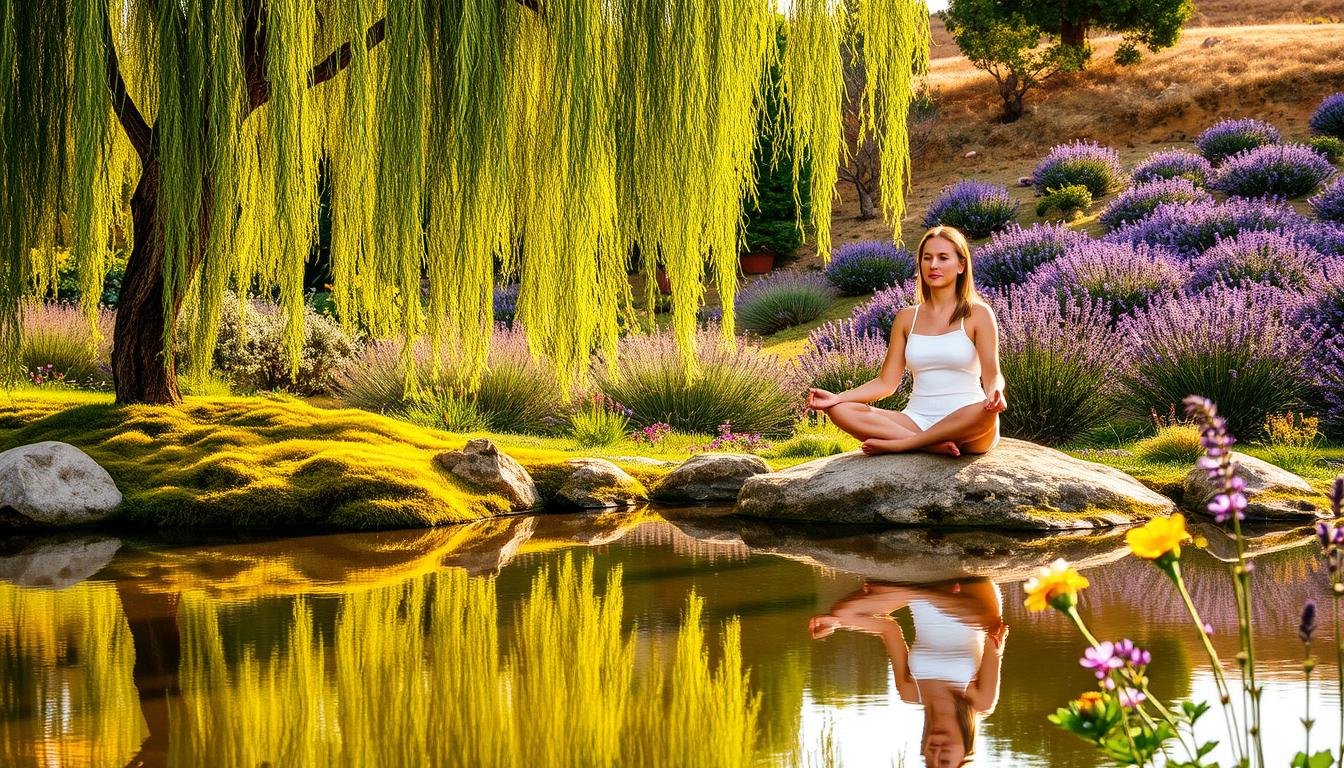
Did you know that nearly 1 in 5 adults in the United States experiences mental health issues related to stress and anxiety?
Exploring alternative solutions can be a game-changer for those seeking relief from stress and anxiety. According to recent studies, methods such as exercise, meditation, and certain herbal supplements have shown promise in alleviating symptoms.
By incorporating these natural approaches into daily life, individuals can take a proactive step towards achieving better mental health. The key is to find what works best for you and make it a consistent part of your routine.
Key Takeaways
- Alternative methods can provide significant stress relief.
- Meditation and exercise are effective tools for managing anxiety relief.
- Certain herbal supplements can support natural stress relief.
- Consistency is key to benefiting from these approaches.
- Exploring different methods can help you find what works best.
Understanding Stress and Anxiety
To tackle stress and anxiety, it’s essential to first comprehend what triggers them and how they affect individuals. Stress and anxiety are intertwined yet distinct experiences that can significantly impact one’s quality of life.
What Causes Stress and Anxiety?
Stress is typically a response to external pressures or demands, such as work-related issues, financial problems, or personal relationship challenges. Anxiety, on the other hand, is more about the internal response to these stressors, often manifesting as fear or apprehension about the future or a specific situation. Identifying the root cause is crucial for applying the right stress management techniques.
Several factors contribute to stress and anxiety, including:
- Workplace stress or job insecurity
- Financial strain
- Major life changes or transitions
- Trauma or past experiences
- Social media and technology overload
Understanding these causes can help individuals develop anxiety coping strategies tailored to their specific needs.
Signs and Symptoms to Look For
Recognizing the signs and symptoms of stress and anxiety is vital for early intervention. Common symptoms include:
- Persistent worry or fear
- Restlessness or feeling on edge
- Difficulty concentrating or making decisions
- Sleep disturbances
- Physical symptoms like headaches or muscle tension
By acknowledging these signs, individuals can seek appropriate help and implement effective stress management techniques to mitigate their impact.
It’s also important to differentiate between normal stress and anxiety, and more severe forms that might require professional intervention. Understanding the threshold between manageable stress and debilitating anxiety is key to maintaining mental well-being.
The Benefits of Natural Remedies
Embracing natural remedies can be a powerful way to manage stress, leveraging the body’s innate ability to heal and balance itself. Natural remedies offer a holistic approach to stress relief, focusing on treating the whole person, not just the symptoms.
Mind-Body Connection
One of the key benefits of natural remedies is their emphasis on the mind-body connection. Techniques such as meditation and yoga have been shown to reduce stress and anxiety by promoting relaxation and improving mental clarity. These practices help individuals develop a greater awareness of their thoughts, emotions, and physical sensations, allowing them to better manage stress.
| Technique | Benefits | Frequency |
|---|---|---|
| Meditation | Reduces stress, improves mental clarity | Daily |
| Yoga | Enhances flexibility, balances emotions | 2-3 times a week |
| Deep Breathing | Calms the nervous system, reduces anxiety | As needed |
Fewer Side Effects Compared to Medication
Unlike conventional medications, natural remedies typically have fewer side effects, making them a safer choice for long-term stress management. By incorporating relaxation techniques into daily life, individuals can reduce their reliance on pharmaceuticals and minimize potential adverse reactions.
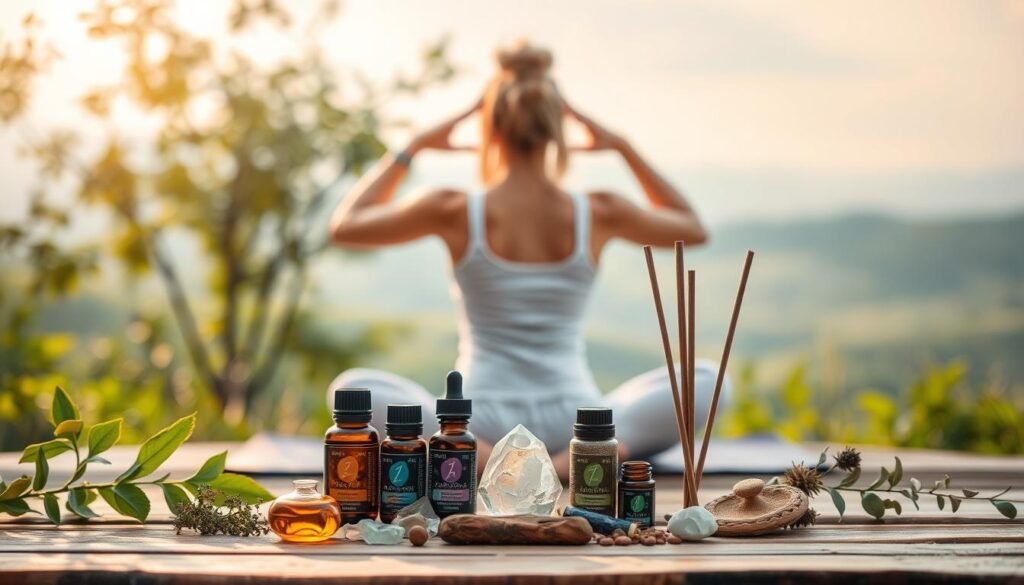
Some of the most effective natural remedies for stress relief include herbal supplements like ashwagandha and chamomile, which have been used for centuries to promote relaxation and well-being. By exploring these options and finding what works best for them, individuals can take a proactive approach to managing stress and improving their overall quality of life.
Herbal Supplements for Stress Relief
Nature offers a variety of herbal supplements that can help alleviate stress and promote relaxation. These natural remedies have been used for centuries to calm the mind and body, providing a complementary approach to managing stress and anxiety.
Chamomile: A Calming Option
Chamomile is one of the most well-known herbal supplements for stress relief. It has been shown to reduce symptoms of generalized anxiety disorder, promoting a sense of calm and relaxation. Chamomile tea is a popular way to consume this herb, but it is also available in capsule or extract form.
According to a study, chamomile extract has been found to significantly reduce symptoms of anxiety in patients with generalized anxiety disorder. As Dr. Mark Hyman notes, “Chamomile is a gentle yet powerful herb that can be used to calm the nervous system.”
Ashwagandha: The Stress-Busting Adaptogen
Ashwagandha is an adaptogenic herb that has been used in Ayurvedic medicine for centuries to help the body adapt to stress. It works by reducing cortisol levels, which can help alleviate anxiety and promote relaxation. Ashwagandha supplements are available in various forms, including capsules, powders, and teas.
“Ashwagandha is known for its ability to help the body resist stressors and promote overall well-being.”
Ashwagandha has been shown to improve sleep quality, enhance cognitive function, and boost energy levels. It is considered safe for most adults when taken in recommended doses.
Valerian Root: Promoting Better Sleep
Valerian root is another herbal supplement that is commonly used for stress relief and sleep promotion. It has a calming effect on the nervous system, making it easier to fall asleep and stay asleep. Valerian root supplements are available in capsule or tea form.
Valerian root has been used for centuries to treat insomnia and restlessness. It is generally considered safe and effective for short-term use, although it may cause drowsiness and interact with certain medications.
Aromatherapy and Essential Oils
The therapeutic benefits of aromatherapy, particularly through the use of essential oils, offer a natural approach to stress relief. Aromatherapy involves inhaling the fragrance of essential oils, which can have a profound effect on both the mind and body.
Lavender Oil: Nature’s Relaxant
Lavender oil is renowned for its calming properties. Studies have shown that inhaling lavender oil can reduce anxiety and improve sleep quality. Its soothing effects make it an ideal choice for those seeking relaxation.
“The calming scent of lavender oil has been a cornerstone of aromatherapy, providing a natural remedy for stress and anxiety,” as noted by aromatherapy experts.
Bergamot: Uplifting Your Mood
Bergamot essential oil is another popular choice for stress relief. Its citrusy scent is known to uplift the mood and reduce anxiety. The oil’s analgesic properties also help in reducing stress-related pain.
How to Use Essential Oils
Essential oils can be used in various ways, including diffusion and topical application. When using essential oils topically, it’s crucial to dilute them with a carrier oil to avoid skin irritation. Always perform a patch test before widespread use.
- Dilute essential oils with a carrier oil for topical application.
- Use a diffuser to spread the fragrance throughout your space.
- Add a few drops to your bath water for a relaxing soak.
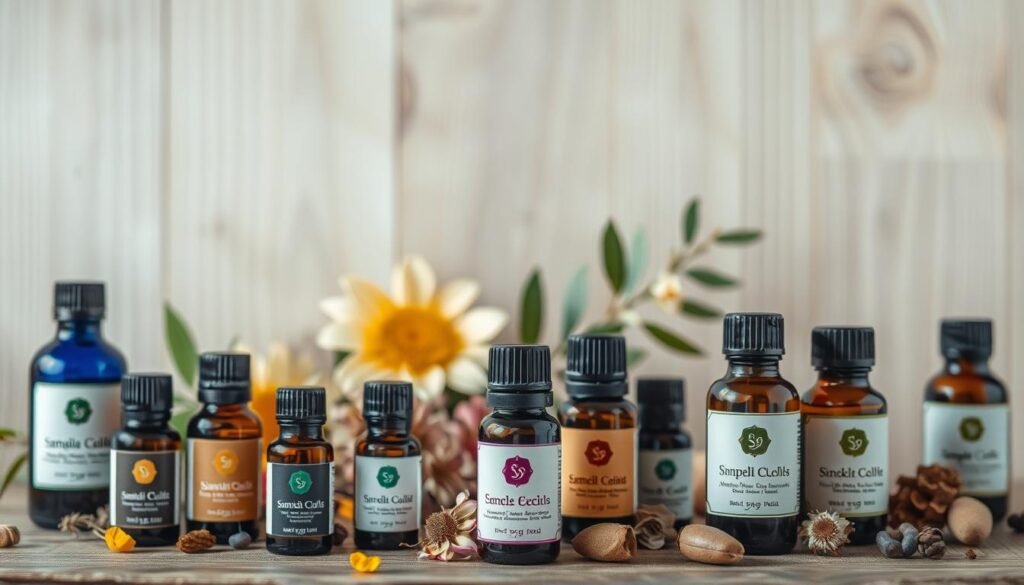
Incorporating aromatherapy into your daily routine can be as simple as using a diffuser in your home or applying diluted essential oils during a massage. By making aromatherapy a part of your daily life, you can better manage stress and enhance your overall well-being.
Mindfulness and Meditation Techniques
The practice of mindfulness and meditation offers a holistic approach to mitigating the effects of stress and anxiety. By focusing on the present moment, individuals can learn to manage their stress levels more effectively.
Basics of Mindfulness Practices
Mindfulness involves paying attention to the current moment with openness, curiosity, and a willingness to be with what is, as it is. Regular mindfulness practice can lead to reduced stress and anxiety by teaching the mind to stay present.
To start practicing mindfulness, find a quiet space where you can sit comfortably without distractions. Close your eyes and focus on your breath, noticing its sensation, movement, and pattern.
Guided Meditation for Beginners
Guided meditation is an excellent way for beginners to start their mindfulness journey. It involves following a guide who leads you through a meditation practice, often with a calming narrative or focus on a specific aspect like the breath or body sensations.
Guided meditation sessions can be found online or through mobile apps, making it easy to get started. These sessions can range from a few minutes to longer periods, depending on your schedule and preference.
Incorporating Mindfulness into Daily Life
Incorporating mindfulness into your daily routine can be simpler than you think. Start by dedicating a few minutes each day to mindfulness practice, such as right after waking up or during your lunch break.
You can also bring mindfulness into your daily activities by paying full attention to what you’re doing. For example, when eating, focus on the taste, texture, and smell of your food. This practice can turn everyday tasks into mindfulness exercises.
- Practice deep breathing exercises.
- Engage in mindful walking.
- Use mindfulness reminders throughout the day.
By integrating mindfulness and meditation into your life, you can experience a significant reduction in stress and anxiety, leading to improved overall well-being.
The Role of Nutrition in Stress Management
Nutrition plays a pivotal role in managing stress and anxiety. The food we consume can either exacerbate or alleviate stress symptoms. A diet rich in whole foods, fruits, vegetables, and lean proteins can help mitigate the effects of stress.
Foods That Help Reduce Anxiety
Incorporating specific foods into your diet can help reduce anxiety. These include:
- Fatty Fish: Rich in omega-3 fatty acids, which are known to reduce inflammation and promote brain health.
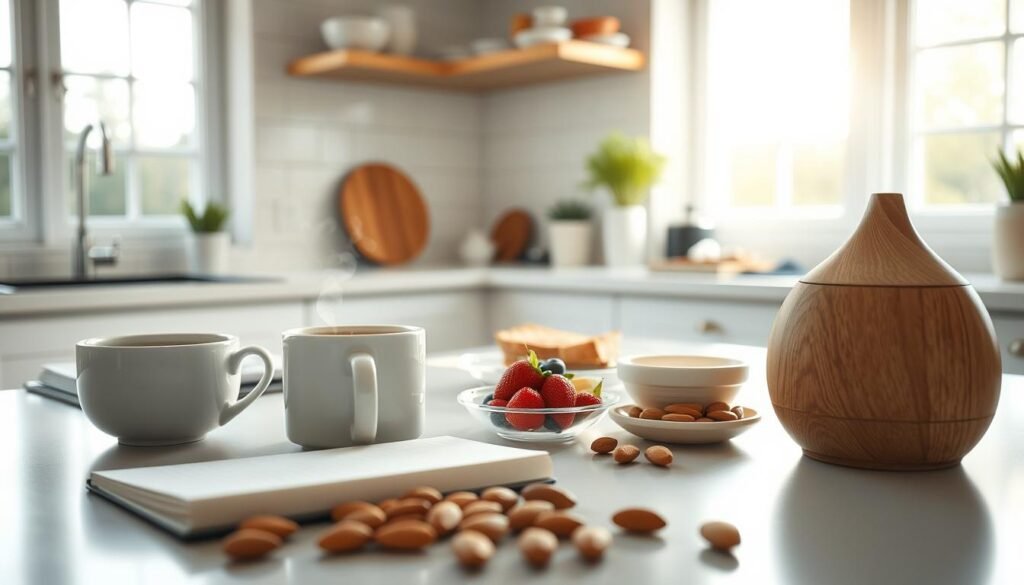
- Nuts and Seeds: Almonds, sunflower seeds, and pumpkin seeds are high in magnesium and healthy fats, which can help calm the nervous system.
- Leafy Greens: Spinach, kale, and other leafy greens are rich in folate, which helps regulate mood.
- Berry Fruits: Blueberries, strawberries, and raspberries are packed with antioxidants and vitamins that support mental health.
Hydration and Its Impact on Mood
Staying hydrated is crucial for maintaining a healthy mood. Even mild dehydration can cause irritability, anxiety, and depression. Drinking enough water throughout the day can help manage stress levels.
Aim to drink at least eight glasses of water a day, and consider increasing your intake if you’re physically active or live in a hot climate.
Supplements to Consider
While a balanced diet is essential, some supplements can provide additional support for stress management. These include:
- Omega-3 Supplements: For those who don’t consume enough fatty fish, omega-3 supplements can be beneficial.
- Magnesium Supplements: Magnesium can help with relaxation and improve sleep quality.
- Probiotics: Supporting gut health, probiotics can positively impact mood and stress levels.
It’s essential to consult with a healthcare professional before adding any supplements to your regimen.
Physical Activity as a Natural Remedy
By adopting a regular exercise routine, individuals can better manage stress and anxiety. Physical activity has long been recognized as a natural stress reliever, offering numerous benefits for both body and mind. Engaging in regular exercise can lead to improved mental well-being and reduced symptoms of anxiety.
Exercise: The Natural Stress Reliever
Exercise is a powerful tool for managing stress and anxiety. It has been shown to reduce stress hormones, such as cortisol, while releasing endorphins, which are chemicals in the brain that act as natural painkillers and mood elevators. Regular physical activity can also improve sleep quality, which is often disrupted by stress and anxiety.
Benefits of Exercise for Stress Relief:
- Reduces stress hormones
- Releases endorphins
- Improves sleep quality
Yoga and Flexibility for Mental Clarity
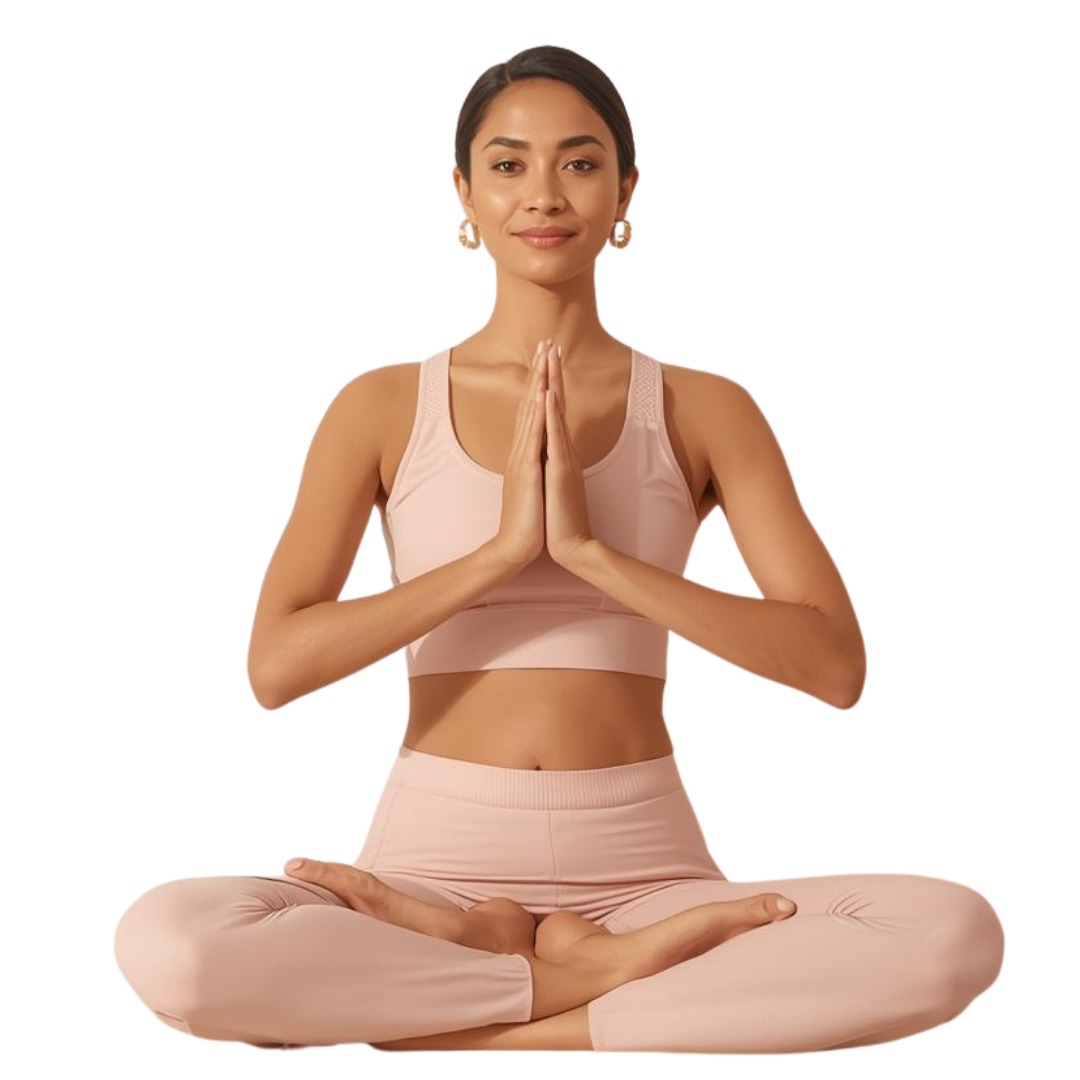
Yoga combines physical movement with deep breathing and meditation techniques, making it an excellent activity for reducing stress and improving mental clarity. It enhances flexibility, balance, and strength, while also promoting relaxation and reducing anxiety.
The benefits of yoga include:
- Enhanced flexibility and balance
- Improved mental clarity and focus
- Reduced symptoms of anxiety and stress
Incorporating physical activity into your daily routine can have a significant impact on your mental health and well-being. Whether it’s through exercise, yoga, or other forms of physical activity, finding an activity you enjoy is key to maintaining a consistent routine.
Creating a Relaxing Environment
Establishing a calming ambiance in your home is essential for holistic stress relief. A serene living space can significantly impact your mental well-being, providing a refuge from the stresses of daily life.
Decluttering for Peace of Mind
Clutter can contribute to feelings of anxiety and overwhelm. Decluttering your living space is a simple yet effective way to promote relaxation. Start by clearing out items you no longer need or use, and organize your belongings in a way that feels calming to you.
- Begin with one area at a time to avoid feeling overwhelmed.
- Sort items into categories: keep, donate, and discard.
- Create a designated space for items you use regularly.
By decluttering your environment, you can reduce visual distractions and create a sense of calm. This, in turn, can help you focus on relaxation techniques for stress, such as meditation or deep breathing exercises.
The Importance of Nature and Green Spaces
Spending time in nature has been shown to have a positive impact on mental health. Incorporating elements of nature into your living space can help create a relaxing atmosphere. Consider adding plants or a small herb garden to your home.
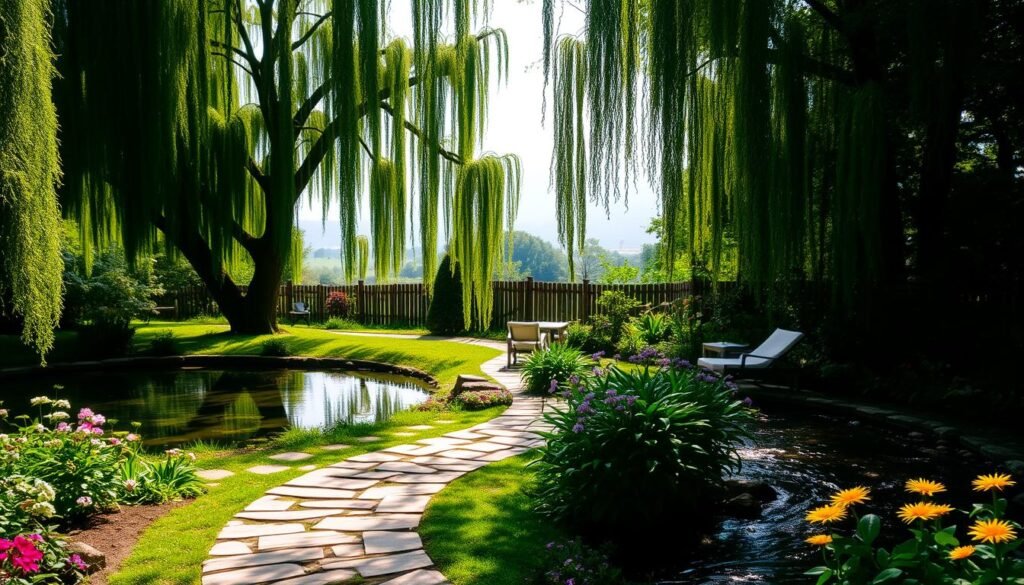
Green spaces not only purify the air but also provide a calming visual stimulus. Studies have shown that being around plants can reduce stress levels and improve mood. Creating a small outdoor or indoor green space can be a valuable addition to your relaxation routine.
| Benefits of Nature | How to Incorporate |
|---|---|
| Reduces stress levels | Add plants to your living room |
| Improves mood | Create a small herb garden |
| Purifies the air | Use a green wall or vertical garden |
By combining decluttering with the incorporation of natural elements, you can create a peaceful environment that supports your overall well-being and enhances your ability to practice relaxation techniques for stress.
The Power of Social Support
The importance of social connections cannot be overstated when it comes to managing stress and anxiety. Having a supportive network of friends, family, or peers can significantly impact one’s ability to cope with anxiety symptoms.
Building a Strong Support Network
Building a strong support network involves cultivating meaningful relationships with those around you. This can include friends, family members, or colleagues who understand and support you. It’s about creating a community that can offer emotional support, practical help, and a sense of belonging.
To build such a network, consider joining clubs or groups that align with your interests. This not only expands your social circle but also provides opportunities to form connections with like-minded individuals.
Engaging in Group Activities
Engaging in group activities is another effective way to enhance your social support. Group therapy sessions, support groups, or social clubs can provide a safe space to share experiences and learn from others facing similar challenges.
Participating in community events or volunteer work can also foster a sense of connection and purpose. These activities not only help in building relationships but also contribute to a more positive outlook on life.
By focusing on building a strong support network and engaging in group activities, individuals can develop effective anxiety coping strategies and improve their overall mental well-being.
When to Seek Professional Help
While natural remedies can be effective in managing stress and anxiety, there are times when professional help is necessary. If you’re experiencing chronic anxiety that interferes with your daily life, it’s crucial to seek support from a mental health professional.
Recognizing the Signs
Signs that you may need more than home remedies include persistent feelings of overwhelm, anxiety that affects your relationships or work, and physical symptoms like rapid heartbeat or insomnia. If you’re unsure about the severity of your stress or anxiety, consider consulting a healthcare provider for guidance.
Options for Support
Professional support options include therapy sessions with a licensed therapist, counseling, or stress management programs. Cognitive-behavioral therapy (CBT) is a common approach used to address anxiety and stress. Seeking professional help is a proactive step towards achieving stress relief and anxiety relief.
FAQ
What are some natural remedies for stress and anxiety relief?
How can I use essential oils for stress relief?
What role does nutrition play in stress management?
Can physical activity really help with stress and anxiety relief?
How can I create a relaxing environment at home?
Why is social support important for managing stress and anxiety?
When should I seek professional help for stress and anxiety?
What are some mindfulness and meditation techniques for beginners?
Are herbal supplements safe to use for stress relief?
🌸 Discover Weight Management Supplements That Works — Handpicked for You
Curated health & beauty essentials our readers trust — explore your new self-care favorites.


🌸 Discover Beauty That Works — Handpicked for You
Curated health & beauty essentials our readers trust — explore your new self-care favorites.

💖 Connect with SmartWellnessBeauty
Join our wellness & beauty community for daily inspiration, mindful living, and radiant self-care — follow us across your favorite platforms.













 Smart Tools World

 SmartAIEarn

 SmartWellnessBeauty

 Smart Resource Vault

 TrendsOfReview

 SmartLivingJournal
 Holistic Yoga With Wellness