

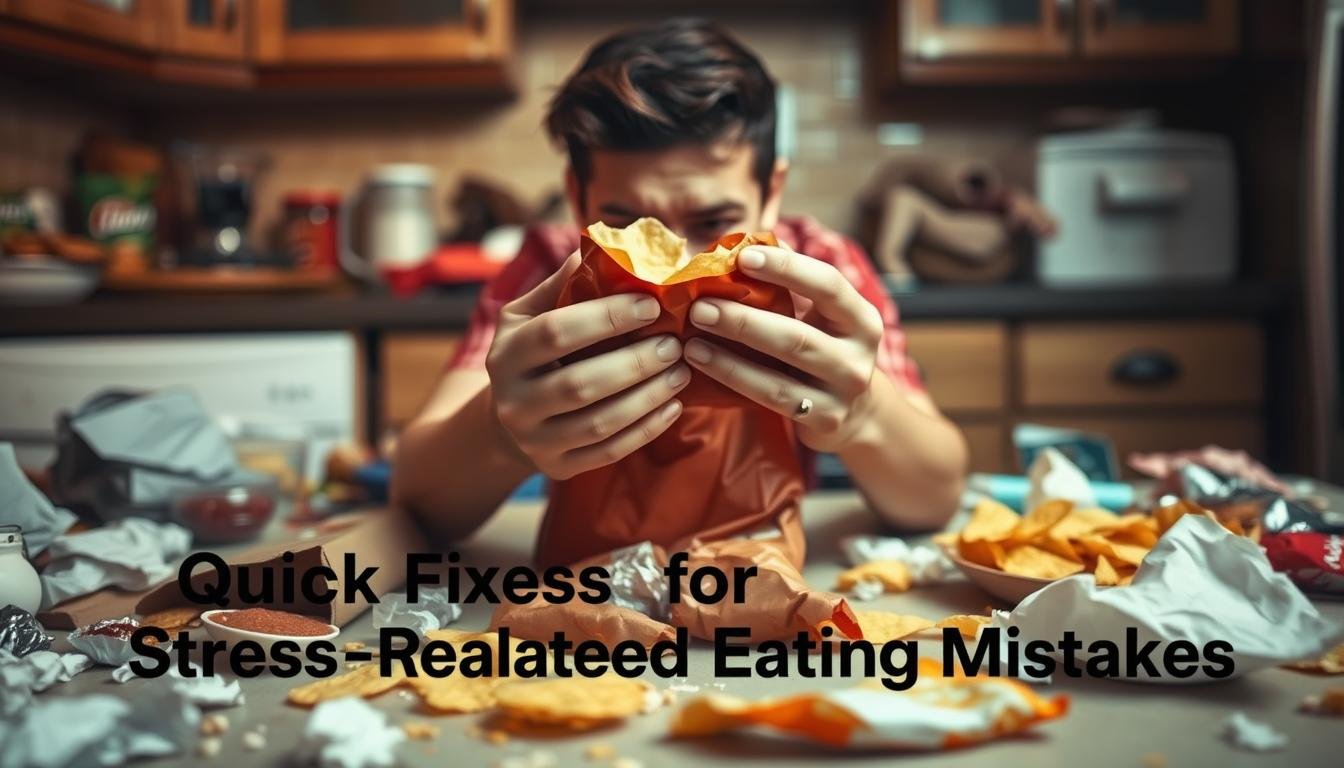
Did you know that stress can significantly alter your eating habits? When we’re under pressure, our body’s response can lead to unhealthy food choices, potentially affecting our overall well-being. Stress is our body’s response to pressure, and it can have a powerful impact on our behaviors and food choices.
Understanding how stress influences our eating habits is the first step towards making a change. This article will explore practical quick fixes for stress-related eating mistakes, helping you manage stress eating habits effectively.
Key Takeaways
- Understand how stress affects your eating habits.
- Learn practical strategies to manage stress eating.
- Discover healthy alternatives to comfort foods.
- Implement mindful eating practices.
- Develop a plan to maintain healthy eating habits under stress.
Understanding Stress-Related Eating Patterns
The relationship between stress and eating habits is complex and multifaceted. Many of us turn to food for comfort, stress relief, or as a reward, often reaching for unhealthy options like junk food and sweets.
What Causes Stress-Related Eating?
Stress triggers the release of cortisol, a hormone that increases appetite and cravings for unhealthy, high-calorie foods. This biological response is meant to provide energy to handle stress, but in modern times, it often leads to overeating or making unhealthy food choices.
Additionally, stress can disrupt normal eating habits, leading to skipped meals or irregular eating patterns. This disruption can further exacerbate cravings for quick energy sources, typically found in high-sugar or high-fat foods.
The Role of Emotions in Eating Habits
Emotions play a significant role in eating habits, particularly during stressful periods. People often use food as a coping mechanism for emotional distress, such as anxiety, sadness, or frustration.
This emotional eating can become a deeply ingrained habit, making it challenging to distinguish between physical hunger and emotional needs. Recognizing the emotional triggers behind eating is crucial for developing healthier eating habits.
By understanding the causes of stress-related eating and the role of emotions in eating habits, individuals can begin to make positive changes. This knowledge empowers people to adopt healthier coping mechanisms and develop a more balanced relationship with food.
Identifying Your Triggers
To break the cycle of stress-related eating, it’s essential to recognize the factors that trigger it. Understanding these triggers is the foundation upon which you can build healthier eating habits and improve your overall well-being.
Stress Triggers: The Common Culprits
Stress triggers can vary widely from person to person, but there are some common themes. Work-related stress, financial worries, and relationship issues are among the top triggers. Recognizing these triggers is the first step towards managing them.
Let’s take a closer look at some common stress triggers and how they impact eating habits:
| Trigger | Impact on Eating Habits | Healthy Alternative |
|---|---|---|
| Work-related stress | Increased cravings for comfort foods | Practicing mindful eating techniques during breaks |
| Financial worries | Tendency to overeat or skip meals | Focusing on healthy stress management through exercise |
| Relationship issues | Emotional eating as a coping mechanism | Engaging in hobbies or activities that distract from emotional eating |

Recognizing Emotional Eating Patterns
Emotional eating patterns can be subtle, making them challenging to identify. However, by paying attention to your feelings and behaviors around food, you can start to recognize patterns. Ask yourself: Do you eat when you’re stressed, bored, or happy? Understanding your emotional eating patterns is crucial for developing healthy stress management strategies.
Implementing mindful eating techniques can also help. This involves paying full attention to the experience of eating and drinking, both physically and emotionally. By doing so, you can better understand your hunger and fullness cues, reducing the likelihood of overeating.
By identifying your triggers and recognizing your emotional eating patterns, you can take the first steps towards a healthier relationship with food. This journey involves self-awareness, patience, and a commitment to change.
Mindful Eating Practices
Mindful eating is a powerful tool for transforming your relationship with food. By being more aware of your eating habits and the sensations associated with eating, you can make more intentional choices that support your overall well-being.
How to Implement Mindful Eating
To start practicing mindful eating, begin by eliminating distractions during meals, such as turning off the TV or putting away your phone. Then, focus on the sensory experiences of eating: the colors, smells, textures, and flavors of your food.
- Pay attention to your hunger and fullness cues to guide your eating.
- Chewing slowly and thoroughly can enhance digestion and satisfaction.
- Savor each bite, enjoying the complex flavors and textures.
Mindful eating is not about dieting or restriction; it’s about cultivating a healthier and more enjoyable relationship with food.
Benefits of Slowing Down During Meals
Slowing down during meals has several benefits, including improved digestion and a reduction in overeating. When you eat slowly, you’re more likely to recognize when you’re full, reducing the likelihood of consuming unnecessary calories.
Data suggests that by slowing down and savoring every bite, you’ll not only enjoy your food more but also be less likely to overeat. This approach to eating can lead to a more balanced and satisfying dining experience.
- Enhanced enjoyment of meals
- Better digestion
- Reduced overeating
By incorporating mindful eating practices into your daily routine, you can develop a more positive and healthy relationship with food, ultimately supporting your stress relief strategies and overall well-being.
Healthy Snack Options for Stress Relief
Healthy snacking is a simple yet effective strategy for mitigating the effects of stress on the body and mind. By stocking up on nutritious foods, individuals can better manage stress-related eating habits.
Stocking up on healthy and nutritious foods such as lean proteins, nuts, seeds, and whole grains can help fill you up and mitigate the chances of overeating. These foods are not only satisfying but also provide essential nutrients that support overall well-being.
Nutritious Choices to Satisfy Cravings
Choosing the right snacks is crucial for managing stress and curbing emotional eating. Nuts and seeds are excellent options due to their high content of healthy fats and protein. Almonds, for instance, are rich in magnesium, a mineral known for its stress-relieving properties.
- Nuts and seeds (almonds, walnuts, pumpkin seeds)
- Dried fruits (dates, apricots, prunes)
- Fresh fruits (apples, bananas, berries)
- Vegetables (carrots, cucumbers, bell peppers)
- Whole grain crackers and lean proteins (turkey, chicken)
These snacks are not only nutritious but also easy to prepare and consume on the go. Incorporating them into your daily routine can significantly reduce stress-related snacking.

Preparing Quick and Easy Healthy Snacks
Preparing healthy snacks in advance can make a significant difference in managing stress. By dedicating a few minutes each day to snack preparation, individuals can ensure they have healthy options readily available.
Some quick and easy snack ideas include:
- Trail mix made with nuts, seeds, and dried fruits
- Homemade energy balls using oats, honey, and peanut butter
- Sliced vegetables with hummus
- Fresh fruit salad
- Yogurt parfait with granola and berries
By incorporating these stress relief strategies into daily life, individuals can better manage emotional eating and improve their overall well-being.
Establishing a Routine for Better Eating Habits
To combat stress eating, it’s essential to establish a consistent daily routine that includes healthy eating practices. Our bodies thrive on rhythm and cycle, from sleep patterns to digestive processes. By creating a structured eating plan, we can better manage stress-related eating and improve our overall well-being.
Importance of Meal Planning
Meal planning is a crucial aspect of establishing a healthy eating routine. By planning your meals in advance, you can ensure that you’re consuming nutritious food, even when you’re short on time. This helps to reduce the likelihood of resorting to unhealthy, stress-induced snacking. Effective meal planning involves considering your dietary needs, lifestyle, and preferences, making it easier to stick to your goals.
Some benefits of meal planning include saving time, reducing food waste, and ensuring that you’re getting a balanced diet. By taking the time to plan your meals, you can also reduce the stress associated with last-minute food decisions.
Timing Your Meals to Avoid Mindless Eating
The timing of your meals plays a significant role in managing stress-related eating. Eating at irregular times can lead to overeating or making unhealthy choices. By spacing out your meals and snacks, you can maintain stable energy levels and reduce the likelihood of mindless snacking. It’s recommended to eat smaller, frequent meals throughout the day to keep your hunger and energy levels in check.
Additionally, being mindful of your eating schedule can help you develop a healthier relationship with food. By paying attention to your hunger and fullness cues, you can learn to eat more intuitively, reducing the risk of overeating or undereating. This, in turn, can lead to better overall health and well-being.
Finding Healthy Alternatives to Your Favorites
When it comes to managing stress-induced cravings, finding healthier alternatives to your favorite foods can be a game-changer. It’s about making conscious choices that satisfy your cravings without compromising your health goals.
Developing coping mechanisms for stress eating is crucial for long-term success. One effective strategy is to identify healthier versions of the foods you love.

Replacing Sugar with Natural Sweeteners
Many of us have a sweet tooth, but consuming high amounts of sugar can exacerbate stress eating. A simple switch is to replace refined sugar with natural sweeteners like honey, maple syrup, or stevia. These alternatives not only reduce the glycemic index of your diet but also provide a more satisfying sweetness.
For instance, if you’re used to adding sugar to your morning coffee, try using a natural sweetener instead. You can also experiment with spices like cinnamon or nutmeg to add flavor without sugar.
Whole Grain Substitutes for Comfort Foods
Comfort foods often provide a sense of security and relief during stressful times. However, traditional comfort foods can be high in unhealthy ingredients. A healthier approach is to substitute these with whole grain alternatives.
For example, if mac and cheese is your comfort food of choice, try making it with whole wheat pasta and a blend of cheeses for a richer flavor. Similarly, you can make whole grain pizza or use whole grain bread for sandwiches.
By incorporating these healthier alternatives into your diet, you can enjoy your favorite foods while maintaining a balanced eating habit. It’s all about finding that balance and being mindful of your choices.
Building a Supportive Environment
A stress-free environment can significantly impact your ability to curb stress-induced cravings. By making a few simple changes around the house, you can create a space that supports your healthy eating goals.
Creating a Stress-Reducing Kitchen
Your kitchen is the heart of your home, and making it a stress-reducing zone can help you stay on track with your eating habits. Start by removing or storing tempting foods out of sight. Research suggests that having highly-palatable foods within view can lead to overeating even when you’re not hungry.
To create a calming kitchen atmosphere, consider the following tips to curb stress eating:
- Use soothing colors and lighting to create a relaxing ambiance.
- Play calming music while you cook or eat.
- Keep your kitchen clean and organized to reduce stress.
Involving Family and Friends in Healthy Choices
Involving your loved ones in your healthy eating journey can make it more enjoyable and help you stay motivated. Share your goals with them and ask for their support.
Here are some ways to get your family and friends involved:
| Activity | Benefits |
|---|---|
| Cooking together | Learn new recipes, bond over healthy meals |
| Meal planning | Share responsibilities, discover new healthy options |
| Grocery shopping | Explore new ingredients, make healthy choices together |
By working together, you can create a supportive environment that makes healthy eating a enjoyable experience for everyone.
Coping Strategies Beyond Food
Stress management is not just about food; it’s about adopting a lifestyle that promotes overall well-being. Beyond the kitchen, there are several strategies that can help mitigate stress-related eating.
Physical Activity as a Stress Reliever
Physical activity does wonders for your mood and energy levels, and it’s also a powerful stress reducer. Engaging in regular exercise can help alleviate stress and anxiety, reducing the likelihood of turning to food for comfort.
- Reduces stress hormones: Exercise decreases the production of stress hormones like cortisol.
- Improves mood: Physical activity releases endorphins, also known as “feel-good” hormones.
- Enhances sleep: Regular exercise can help improve sleep quality, which is often disrupted by stress.

The Benefits of Journaling for Emotional Awareness
Journaling is a therapeutic practice that can help individuals process their emotions and develop a healthier relationship with food. By putting thoughts and feelings into words, individuals can gain insight into their stress triggers and patterns of emotional eating.
Some benefits of journaling include:
- Identifying emotional triggers
- Tracking eating habits and patterns
- Developing a greater sense of self-awareness
By incorporating these coping strategies into daily life, individuals can better manage stress and reduce the likelihood of stress-related eating.
The Impact of Hydration on Eating Habits
Staying hydrated is crucial for maintaining healthy eating habits, especially during stressful times. Often, our bodies can mistake thirst for hunger, leading to unnecessary snacking. Drinking enough water can help curb this habit and support overall well-being.
Staying Hydrated to Curb Unnecessary Snacking
When we’re stressed, it’s common to reach for snacks. However, sometimes this can be due to thirst rather than hunger. Drinking a glass of water before snacking can help determine if you’re truly hungry. Studies have shown that even mild dehydration can increase cravings for unhealthy snacks. By staying hydrated, you can make more mindful choices about your eating habits.
As noted by a third-party source, “We can often mistake thirst for hunger, so drink a glass of water before you open that pack of biscuits or munch on more chocolate.” This simple habit can significantly reduce unnecessary snacking.
Creative Ways to Increase Water Intake
Increasing your water intake can be made easier with a few simple strategies. Here are some creative ways to stay hydrated:
- Infuse your water with fruits or herbs for a refreshing taste.
- Set reminders throughout the day to drink water.
- Make water more accessible by carrying a reusable water bottle.
- Eat hydrating foods like watermelon and cucumbers.
Incorporating foods with high water content into your diet can also contribute to your hydration. Here’s a comparison of some hydrating foods:
| Food | Water Content (%) | Calories per Serving |
|---|---|---|
| Watermelon | 92 | 30 |
| Cucumbers | 96 | 16 |
| Strawberries | 92 | 50 |
| Celery | 95 | 6 |
Seeking Professional Help When Needed
Recognizing the need for professional help is a crucial step in addressing stress eating habits and developing healthier coping mechanisms. When self-care measures aren’t enough to relieve stress, it may be time to consider therapy or counseling.
If new stressors are making it hard for you to cope, seeking professional guidance can provide you with the tools and strategies necessary to manage your stress effectively. A professional can help you identify the root causes of your stress eating and develop a personalized plan to overcome it.
Recognizing When to Consult a Nutritionist
A nutritionist can play a vital role in helping you develop a healthier relationship with food. They can provide personalized dietary advice and help you create a meal plan that suits your needs and lifestyle. Consulting a nutritionist can be particularly beneficial if you’re struggling with disordered eating or if you’re unsure about how to make healthy food choices.
By working with a nutritionist, you can gain a better understanding of your eating habits and learn how to make sustainable changes that promote overall well-being. They can also offer guidance on how to navigate social situations and emotional triggers that may lead to stress eating.

The Benefits of Therapy for Emotional Eating
Therapy can be an effective way to address the emotional aspects of stress eating. A therapist can help you explore the underlying emotions and thoughts that contribute to your eating habits, providing you with a deeper understanding of your behavior.
Through therapy, you can develop healthier coping mechanisms and learn how to manage your emotions in a more constructive way. This can lead to a significant reduction in stress eating and an overall improvement in your mental health and well-being.
By seeking professional help, you’re taking a proactive step towards achieving healthy stress management and developing a more positive relationship with food.
Sustainable Changes for Long-Term Success
Achieving long-term success in managing stress-related eating requires a combination of healthy habits and mindful practices. By incorporating mindful eating techniques into your daily routine, you can develop a more positive relationship with food and reduce stress.
Practical Steps for Lasting Change
Setting realistic goals is crucial for making sustainable changes. Start by identifying small, achievable steps, such as replacing unhealthy snacks with nutritious options or practicing healthy stress management techniques like meditation or deep breathing.
Tracking your progress and celebrating small wins along the way can help motivate you to continue on your path to healthier eating habits. Allowing yourself to feel uncomfortable emotions can be challenging, but it’s a crucial step in developing emotional awareness and resilience.
Embracing Progress, Not Perfection
As you work towards your goals, remember that setbacks are a normal part of the process. By focusing on progress, rather than perfection, you can cultivate a more compassionate and supportive relationship with yourself. This mindset is essential for maintaining long-term success in your journey towards healthier eating habits and effective stress management.
FAQ
What are some common stress triggers that lead to stress-related eating?
How can I implement mindful eating practices to curb stress eating?
What are some healthy snack options for stress relief?
How can establishing a routine help with stress-related eating?
What are some healthy alternatives to my favorite comfort foods?
How can I create a supportive environment to help manage stress-related eating?
What are some coping strategies beyond food that can help manage stress?
How does hydration impact eating habits?
When should I seek professional help for stress-related eating?
How can I make sustainable changes for long-term success in managing stress-related eating?
What are some tips for managing stress-induced cravings?
🌸 Discover Weight Management Supplements That Works — Handpicked for You
Curated health & beauty essentials our readers trust — explore your new self-care favorites.



🌸 Discover Beauty That Works — Handpicked for You
Curated health & beauty essentials our readers trust — explore your new self-care favorites.


💖 Connect with SmartWellnessBeauty
Join our wellness & beauty community for daily inspiration, mindful living, and radiant self-care — follow us across your favorite platforms.

























 Smart Tools World

 SmartAIEarn

 SmartWellnessBeauty

 Smart Resource Vault

 TrendsOfReview

 SmartLivingJournal

 Holistic Yoga With Wellness