
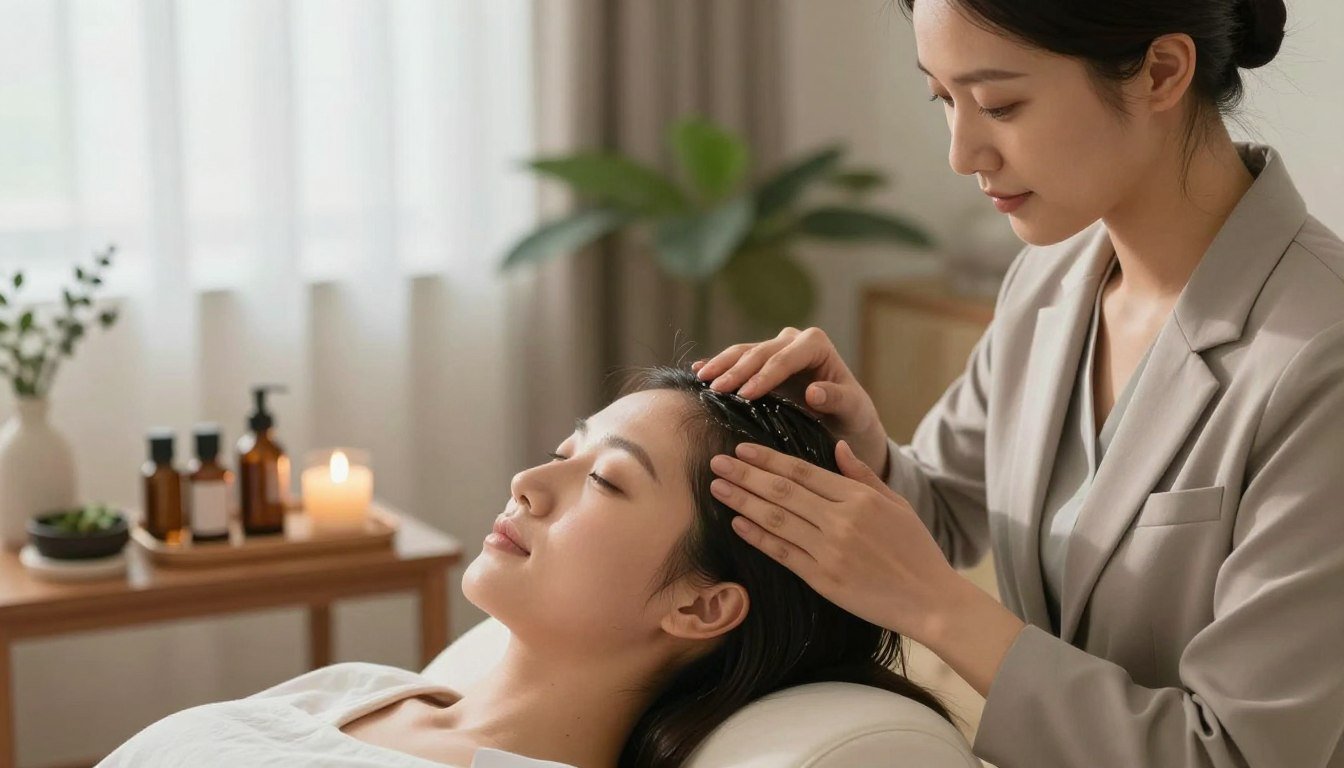
Did you know that a simple technique practiced for centuries can stimulate natural hair growth and improve skin health? Scalp acupressure, an ancient practice, has been gaining popularity worldwide for its numerous benefits.
This technique involves applying gentle pressure to specific points on the scalp to stimulate blood flow and promote overall well-being. By incorporating holistic skin care techniques and natural hair growth remedies into your daily routine, you can achieve a more radiant complexion and healthier locks.
Key Takeaways
- Scalp acupressure is an ancient technique that promotes natural hair growth and improves skin health.
- It involves applying gentle pressure to specific points on the scalp to stimulate blood flow.
- This technique can be a simple yet effective way to achieve radiant hair and skin.
- Holistic skin care techniques and natural hair growth remedies can be incorporated into your daily routine.
- Regular practice can lead to improved overall well-being.
The Ancient Art of Scalp Acupressure
For centuries, traditional Chinese medicine has utilized acupressure techniques, including scalp acupressure, to promote overall well-being, a practice now embraced by modern wellness enthusiasts. This ancient art has evolved significantly, incorporating various methods to enhance its effectiveness.
Origins in Traditional Chinese Medicine
Scalp acupressure has its roots in traditional Chinese medicine, where it was used as a holistic healing technique. Practitioners believed that applying pressure to specific points on the scalp could influence the body’s energy flow, or “qi,” thereby improving health and well-being.
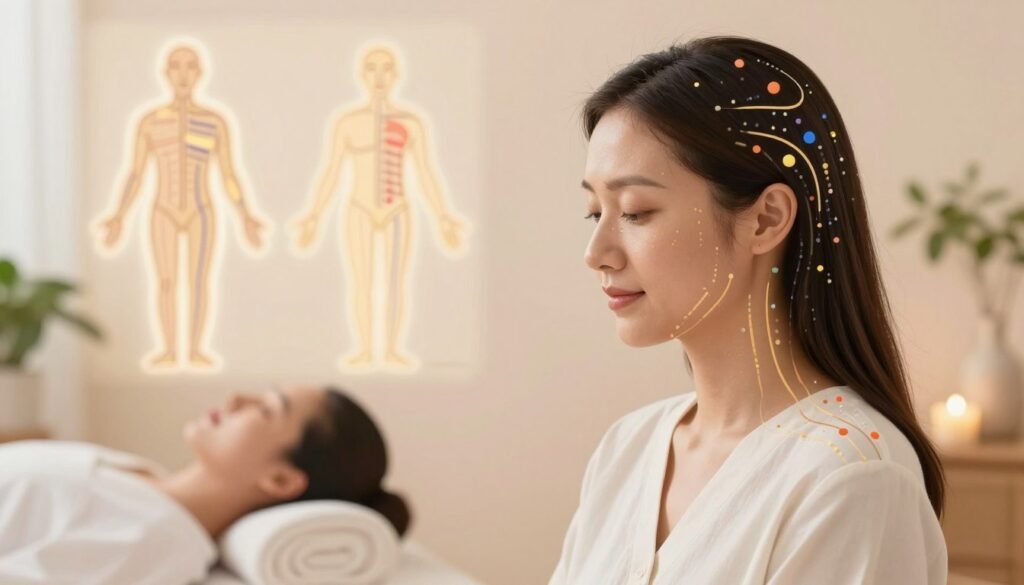
The concept of qi is central to understanding the origins of scalp acupressure. According to traditional Chinese medicine, qi flows through the body along specific pathways, or meridians. By stimulating certain points on the scalp, practitioners aimed to restore balance to the flow of qi, promoting health and vitality.
| Traditional Chinese Medicine Concept | Description | Relation to Scalp Acupressure |
|---|---|---|
| Qi | Life force or energy | Balancing qi through scalp stimulation |
| Meridians | Pathways through which qi flows | Scalp points correspond to specific meridians |
| Acupressure Points | Specific locations on the body for stimulation | Scalp acupressure targets points related to hair and skin health |
Evolution into Modern Wellness Practices
As traditional Chinese medicine has influenced global health practices, scalp acupressure has evolved to incorporate modern techniques and understanding. Today, it is recognized as a valuable alternative healing method that offers numerous benefits for hair and skin health.
Modern wellness practices have adapted scalp acupressure to include various tools and techniques, enhancing its effectiveness. From manual massage techniques to electronic devices designed for scalp stimulation, the practice has become more accessible and diverse.
The benefits of scalp acupressure, including improved blood circulation, reduced tension, and enhanced nutrient delivery to hair follicles, have made it a popular choice among those seeking natural approaches to health and beauty.
Understanding the Science Behind Scalp Acupressure
The therapeutic benefits of scalp acupressure are rooted in its ability to stimulate blood flow, reduce tension, and promote overall well-being. This ancient practice, rooted in traditional Chinese medicine, has been found to have a significant impact on various physiological processes.
How Pressure Points Affect Blood Circulation
Applying pressure to specific points on the scalp can significantly enhance blood circulation. Increased blood flow delivers more oxygen and nutrients to the hair follicles and skin, promoting healthy growth and reducing the signs of aging.
Blood circulation plays a crucial role in maintaining scalp health. By stimulating blood flow through acupressure, individuals can potentially improve hair growth rates and strengthen hair roots.
Nervous System Responses to Acupressure
Scalp acupressure also influences the nervous system, which can lead to a range of benefits, including reduced stress and tension. The stimulation of certain pressure points can calm the nervous system, promoting relaxation and reducing symptoms of anxiety.
The nervous system’s response to acupressure is complex, involving the release of various neurotransmitters that can affect mood, pain perception, and overall well-being.
The Connection Between Scalp Health and Overall Wellness
There is a significant interplay between scalp health and overall wellness. The scalp is a microcosm of the body’s overall health, reflecting issues such as nutritional deficiencies, stress, and hormonal imbalances.
By maintaining a healthy scalp through practices like acupressure, individuals can potentially enhance their overall well-being, as a healthy scalp is associated with improved hair and skin quality.
In conclusion, the science behind scalp acupressure highlights its potential as a holistic approach to improving not just hair and skin health, but overall wellness. By understanding how pressure points affect blood circulation and the nervous system, individuals can harness the benefits of scalp acupressure to enhance their quality of life.
Key Benefits of Scalp Acupressure for Hair Growth
By stimulating key pressure points on the scalp, acupressure can significantly contribute to healthier hair growth. This ancient technique has been rediscovered for its numerous benefits, ranging from stimulating hair follicles to balancing scalp oil production.
Stimulating Hair Follicles Naturally
Scalp acupressure is known to stimulate hair follicles, encouraging natural hair growth. Regular practice can help strengthen the hair roots, leading to thicker and healthier hair. As noted by experts, “massaging the scalp can increase blood flow, which in turn can stimulate hair growth.” This natural stimulation can be particularly beneficial for individuals experiencing hair thinning or loss.
Reducing Hair Loss and Thinning
One of the significant scalp massage benefits is the reduction in hair loss and thinning. By improving blood circulation and reducing tension in the scalp, acupressure can help prevent excessive hair shedding. It’s a simple yet effective technique that can be incorporated into daily routines for better hair health.
Improving Nutrient Delivery to Hair Roots
Scalp acupressure enhances blood circulation, which is crucial for delivering nutrients to the hair roots. Improved nutrient delivery means healthier hair growth and a reduction in hair-related problems. As a natural hair growth remedy, scalp acupressure stands out for its ability to nourish the scalp and promote healthy hair.
“Massaging the scalp can increase blood flow, which in turn can stimulate hair growth.”
Balancing Scalp Oil Production
A balanced scalp is essential for healthy hair growth. Scalp acupressure helps in regulating oil production, preventing both dryness and excessive oiliness. This balance is crucial for maintaining a healthy scalp environment, conducive to hair growth.
In conclusion, scalp acupressure offers a multitude of benefits for hair growth, from stimulating hair follicles to balancing scalp oil production. By incorporating this technique into your daily routine, you can enjoy healthier, fuller hair.
Scalp Acupressure: Unlock Radiant Hair & Skin Through Pressure Points
Unlocking the secrets of scalp acupressure can lead to significant improvements in both hair growth and skin radiance. This ancient practice, rooted in traditional Chinese medicine, involves stimulating specific pressure points on the scalp to promote overall health and wellness.
Mapping the Most Effective Scalp Points
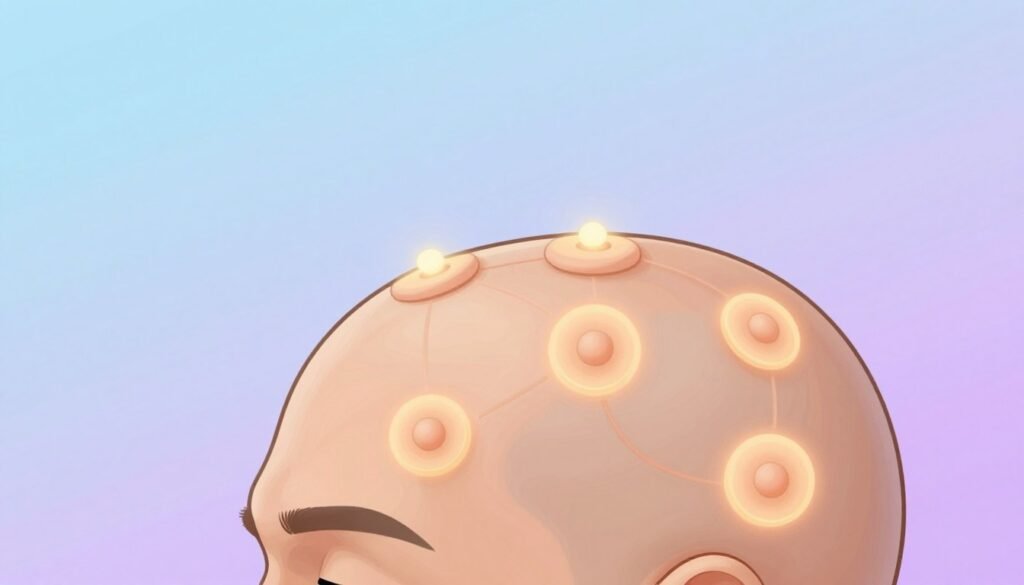
The scalp contains numerous pressure points that, when stimulated, can enhance hair growth and improve skin health. Identifying and targeting these points is crucial for maximizing the benefits of scalp acupressure.
Some of the most effective scalp points include:
- The crown of the head, which is believed to stimulate hair growth.
- The temples, which can help reduce tension and promote relaxation.
- The base of the skull, where pressure can help alleviate stress and improve circulation.
Understanding Meridian Connections to Hair and Skin Health
In traditional Chinese medicine, the body is believed to have a network of meridians through which energy, or “qi,” flows. The scalp is connected to various meridians that influence hair and skin health.
Understanding these meridian connections can help individuals better appreciate the holistic benefits of scalp acupressure. By stimulating specific points on the scalp, it’s possible to influence the flow of qi and promote balance throughout the body.
For instance, stimulating certain points can improve blood circulation to the hair follicles, promoting healthier hair growth. Similarly, enhancing the flow of qi to the skin can lead to a more radiant complexion.
Transform Your Skin with Scalp Acupressure Techniques
Scalp acupressure offers a holistic approach to improving skin quality and reducing signs of aging. This technique not only stimulates hair growth but also has a profound impact on facial skin health. By understanding the connection between the scalp and facial skin, you can harness the full potential of scalp acupressure to achieve a more radiant and youthful complexion.
How Scalp Health Affects Facial Skin
The scalp and facial skin are interconnected through a complex network of nerves and blood vessels. When the scalp is tense or stressed, it can lead to facial tension, resulting in wrinkles and a dull complexion. By applying scalp acupressure, you can release this tension and promote a more relaxed facial expression.
Improved scalp health can lead to enhanced facial skin quality by increasing blood flow and reducing muscle tension. This connection highlights the importance of incorporating scalp care into your skincare routine.
Reducing Tension for Fewer Wrinkles
Scalp acupressure can significantly reduce facial tension, leading to fewer wrinkles and a smoother complexion. By targeting specific pressure points on the scalp, you can release stored tension and promote relaxation in the facial muscles.
The following table illustrates the relationship between scalp tension and facial wrinkles:
| Scalp Tension Area | Corresponding Facial Wrinkles |
|---|---|
| Frontal Scalp | Forehead Wrinkles |
| Occipital Scalp | Neck and Lower Face Wrinkles |
| Temporal Scalp | Crow’s Feet and Outer Eye Wrinkles |
Enhancing Skin Radiance Through Improved Circulation
Scalp acupressure stimulates blood flow to the scalp and face, resulting in enhanced skin radiance. Improved circulation delivers oxygen and nutrients to the skin, promoting a healthy and vibrant complexion.
By incorporating scalp acupressure into your skincare routine, you can improve hair and skin quality with acupressure and achieve a more youthful appearance. Regular practice can lead to sustained benefits, including reduced signs of aging and enhanced overall skin health.
Step-by-Step Guide to Performing Scalp Acupressure at Home
Performing scalp acupressure at home is a simple yet effective way to promote hair growth and improve skin health. By following a few straightforward steps, you can harness the benefits of this ancient technique in the comfort of your own home.
Preparation and Setting
Before you begin, find a quiet and comfortable space where you can sit or lie down without distractions. It’s essential to relax both your body and mind to get the most out of your scalp acupressure session.
- Choose a comfortable position, either sitting or lying down, where you can easily access your scalp.
- Take a few deep breaths to calm your mind and relax your muscles.
- Remove any hair ties or clips that might interfere with the massage.
Basic Finger Techniques
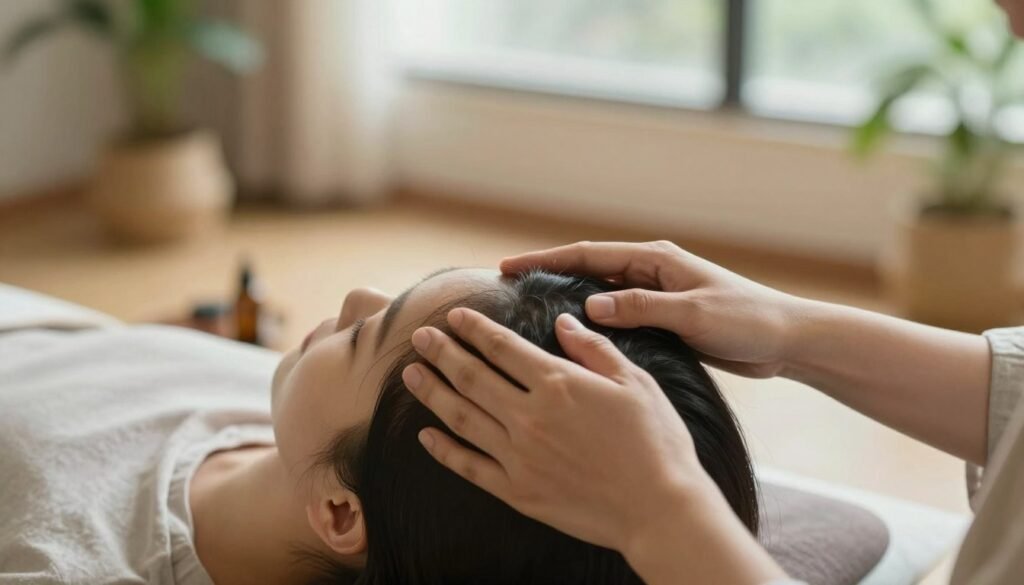
Using your fingers to apply pressure is the most common method for scalp acupressure. Here are some basic techniques to get you started:
- Using your fingertips, apply gentle pressure in a circular motion across your scalp.
- Focus on areas that feel tense or sore, as these may be related to specific health concerns.
- For more intense stimulation, you can use your knuckles or the pads of your fingers.
Recommended Pressure and Duration
The amount of pressure and the duration of the massage can significantly impact its effectiveness. Here are some guidelines:
| Pressure Level | Description | Duration |
|---|---|---|
| Gentle | Light touch, suitable for beginners or sensitive scalps | 5-10 minutes |
| Moderate | Medium pressure, ideal for most users | 10-15 minutes |
| Deep | Strong pressure, for experienced users or areas of tension | 15-30 minutes |
Post-Acupressure Care
After completing your scalp acupressure session, take a moment to relax and enjoy the benefits. You can enhance the experience by:
- Drinking a glass of water to rehydrate.
- Avoiding strenuous activities for at least an hour after the massage.
- Considering a scalp serum or oil to nourish your scalp and hair.
By incorporating scalp acupressure into your routine, you can enjoy the scalp massage benefits and explore alternative healing methods that promote overall well-being.
Essential Tools for Enhanced Scalp Acupressure
The effectiveness of scalp acupressure can be enhanced with various tools that cater to different needs and preferences. These tools can range from simple manual devices to more advanced electronic stimulators, each designed to optimize the benefits of scalp acupressure.
Manual Tools and Their Benefits
Manual tools for scalp acupressure offer a straightforward and cost-effective way to stimulate the scalp. Some popular options include:
- Scalp massagers with nodules or spikes that help stimulate blood flow
- Soft-bristled brushes that gently exfoliate and stimulate the scalp
- Wooden or plastic combs with rounded tips for gentle scalp massage
These manual tools can be used in various techniques to enhance scalp health. For instance, using a scalp massager in circular motions can help increase blood circulation, promoting healthy hair growth.
Benefits of Manual Tools:
| Tool | Primary Benefit | Secondary Benefit |
|---|---|---|
| Scalp Massager | Increased Blood Circulation | Relaxation |
| Soft-Bristled Brush | Gentle Exfoliation | Improved Scalp Health |
| Rounded Tip Comb | Gentle Stimulation | Reduced Tension |
Electronic Devices for Scalp Stimulation
For those looking for a more advanced approach, electronic devices offer a range of benefits. These devices can provide consistent and controlled stimulation, which can be particularly helpful for individuals with specific scalp health concerns.
According to a study cited by TanmuCare, electronic scalp stimulators can enhance the effectiveness of scalp acupressure by providing precise control over stimulation intensity and frequency.
“The use of electronic devices in scalp stimulation represents a significant advancement in the field of scalp care, offering users a precise and controlled method to enhance their scalp health.”
Some electronic devices come with various settings and attachments, allowing users to customize their scalp acupressure experience. This can be particularly beneficial for addressing specific issues such as hair loss or scalp tension.
When choosing between manual and electronic tools, it’s essential to consider personal preferences, specific scalp health needs, and the level of convenience desired.
Creating a Sustainable Scalp Acupressure Routine
Establishing a consistent scalp acupressure routine is crucial for achieving optimal results in hair and skin health. By incorporating this practice into your daily and weekly regimen, you can enhance its effectiveness in promoting natural hair growth remedies and holistic skin care techniques.
Daily Quick Techniques (5-Minute Routines)
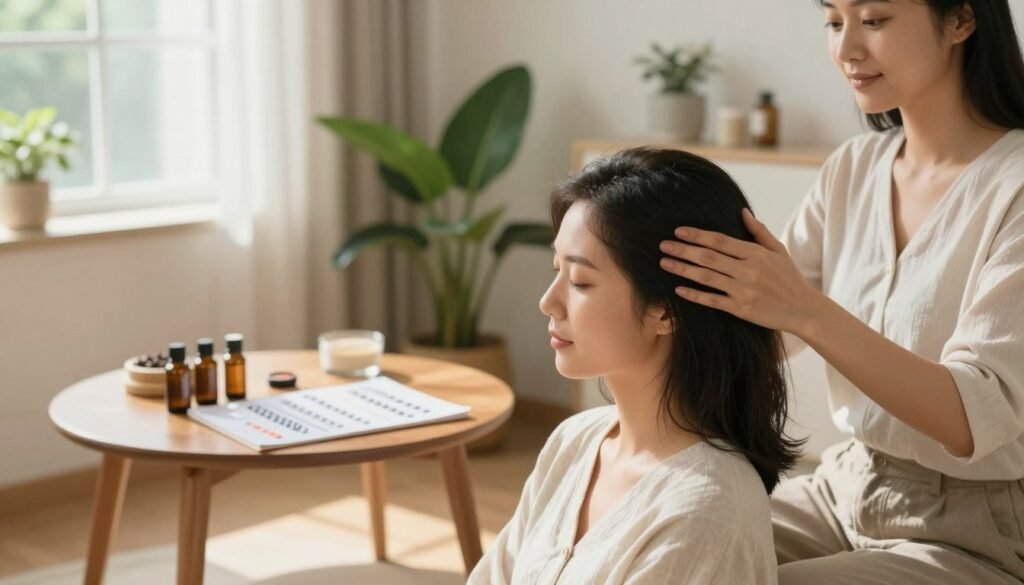
Daily scalp acupressure, even if just for a few minutes, can significantly contribute to its overall effectiveness. A simple 5-minute routine can be as follows:
- Gently massage your scalp in circular motions using your fingertips.
- Focus on key areas, such as the crown and the base of the scalp.
- Use a gentle pressure to avoid discomfort.
This daily practice can help stimulate blood flow and reduce tension, contributing to healthier hair and skin.
Weekly Deep Stimulation Sessions (15-30 Minutes)
In addition to daily routines, dedicating time for weekly deep stimulation sessions can further enhance the benefits of scalp acupressure. These longer sessions allow for a more thorough massage, targeting specific pressure points that may require more attention.
A weekly deep stimulation session might involve:
- Using a scalp massager or a manual tool to stimulate the scalp more effectively.
- Spending more time on areas that feel particularly tense or sensitive.
- Incorporating techniques that promote relaxation, such as deep breathing exercises.
Tracking Progress and Results
To maintain motivation and adjust your routine as needed, tracking your progress is essential. Keep a journal or use a mobile app to record your experiences, noting any changes in hair growth, skin health, and overall well-being.
By monitoring your results, you can refine your scalp acupressure technique, making adjustments to pressure, frequency, or duration as necessary to achieve the best possible outcomes.
Common Mistakes to Avoid in Scalp Acupressure Practice
The journey to radiant hair and skin through scalp acupressure can be derailed by avoidable mistakes if you’re not well-informed. While this ancient technique offers numerous benefits, its effectiveness depends on proper application and awareness of potential pitfalls.
Pressure-Related Errors
One of the most common mistakes in scalp acupressure is applying incorrect pressure. Too much pressure can cause discomfort and even lead to hair loss, while too little pressure may not stimulate the scalp effectively. It’s essential to find a balance that works for you.
- Start with gentle pressure and gradually increase as needed.
- Pay attention to your body’s response and adjust accordingly.
Frequency and Timing Misconceptions
Another critical aspect is the frequency and timing of your scalp acupressure practice. Overdoing it can lead to irritation, while infrequent practice may not yield desired results. Establishing a consistent routine is key.
- Begin with a manageable frequency, such as 2-3 times a week.
- Adjust the frequency based on your scalp’s response and your personal schedule.
Ignoring Contraindications
It’s also crucial to be aware of any contraindications that may affect your scalp acupressure practice. Certain conditions, such as scalp infections or open wounds, require caution or avoidance of acupressure altogether.
Before starting, consider consulting with a healthcare professional if you have any underlying health concerns. This ensures that you’re not only maximizing the benefits of scalp acupressure but also doing so safely.
By being mindful of these common mistakes and taking steps to avoid them, you can enhance your scalp acupressure practice and enjoy the full range of benefits it offers for acupressure for hair and skin health as an alternative healing method.
Complementary Practices to Enhance Acupressure Results
For optimal results, consider integrating scalp acupressure with nutritional support, herbal remedies, and healthy lifestyle choices. This comprehensive approach can lead to improved hair and skin health.
Nutritional Support for Hair and Skin Health
A well-balanced diet rich in essential nutrients is crucial for maintaining healthy hair and skin. Key nutrients include vitamins A, C, and E, omega-3 fatty acids, and zinc. These nutrients support hair growth, improve skin elasticity, and enhance overall skin radiance.
| Nutrient | Benefit | Food Sources |
|---|---|---|
| Vitamin A | Promotes healthy skin cell production | Carrots, sweet potatoes, spinach |
| Omega-3 Fatty Acids | Nourishes hair follicles and improves skin hydration | Salmon, walnuts, chia seeds |
| Zinc | Supports hair growth and reduces skin inflammation | Oysters, beef, pumpkin seeds |
Nutritional support is a critical component of a holistic approach to hair and skin care. By incorporating these nutrients into your diet, you can enhance the benefits of scalp acupressure.
Herbal Remedies That Complement Acupressure
Certain herbal remedies can complement the effects of scalp acupressure. Herbs like rosemary, lavender, and ginseng have been shown to promote hair growth, reduce stress, and improve skin health.
Rosemary essential oil, for example, can be used to stimulate hair growth and improve circulation when massaged into the scalp.
Lifestyle Factors That Amplify Benefits
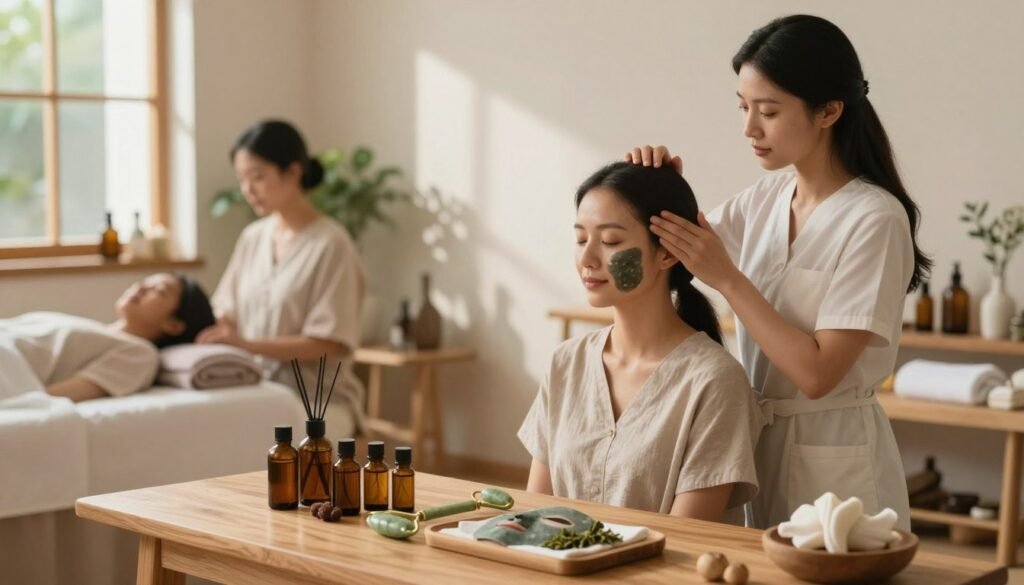
Lifestyle choices such as regular exercise, adequate sleep, and stress management can significantly impact hair and skin health. By adopting these healthy habits, you can amplify the benefits of scalp acupressure.
Regular exercise improves blood circulation, which nourishes the hair follicles and promotes healthy skin. Adequate sleep allows your body to repair and rejuvenate, leading to improved overall health.
By combining scalp acupressure with nutritional support, herbal remedies, and healthy lifestyle choices, you can achieve remarkable results in your hair and skin care journey.
Conclusion
By incorporating scalp acupressure into your daily routine, you can stimulate natural hair growth and achieve radiant skin. This ancient technique, rooted in traditional Chinese medicine, has evolved into a modern wellness practice that offers numerous benefits, from improved blood circulation to reduced tension and enhanced overall well-being.
As discussed, scalp acupressure can be a powerful tool for promoting hair growth, reducing hair loss, and improving skin health. By applying gentle pressure to specific points on the scalp, you can stimulate hair follicles, balance scalp oil production, and even reduce wrinkles. With regular practice, you can experience the transformative effects of scalp acupressure and enjoy a healthier, more vibrant you.
To get started with scalp acupressure, begin with simple techniques and gradually incorporate more advanced methods into your routine. Combine scalp acupressure with natural hair growth remedies and a balanced lifestyle to amplify its benefits. Take the first step towards unlocking your full potential and discover a more radiant, healthy you.
FAQ
What is scalp acupressure and how does it work?
Can scalp acupressure really stimulate hair growth?
How often should I practice scalp acupressure for optimal results?
Are there any tools that can enhance the effectiveness of scalp acupressure?
Can scalp acupressure improve skin health as well as hair growth?
Are there any contraindications or precautions I should be aware of before starting scalp acupressure?
How can I incorporate scalp acupressure into my daily routine?
Can I practice scalp acupressure if I have a sensitive scalp?
How long does it take to see results from scalp acupressure?
🌸 Discover Weight Management Supplements That Works — Handpicked for You
Curated health & beauty essentials our readers trust — explore your new self-care favorites.



🌸 Discover Beauty That Works — Handpicked for You
Curated health & beauty essentials our readers trust — explore your new self-care favorites.

💖 Connect with SmartWellnessBeauty
Join our wellness & beauty community for daily inspiration, mindful living, and radiant self-care — follow us across your favorite platforms.




















 SuperFreeTools

 SmartAIEarn

 SmartWellnessBeauty

 eBookTreasure

 TrendsOfReview

 SmartLivingJournal

 Holistic Yoga With Wellness