


A slow metabolism can make it challenging to lose weight and maintain overall health. Did you know that nearly 40% of adults in the United States have a sluggish metabolism, which can lead to various health issues?
Fortunately, there are several easy and effective ways to support your metabolic health. By making simple changes to your diet and lifestyle, you can boost your metabolism and improve your overall well-being.
By incorporating the right strategies, you can revitalize your metabolism and achieve your health goals. This article will explore some valuable tips to help you get started on your journey to a healthier, more energetic you.
Key Takeaways
- Simple dietary changes can significantly impact metabolic health.
- Lifestyle adjustments play a crucial role in supporting metabolism.
- Boosting metabolism can lead to improved overall well-being.
- Effective strategies can help achieve health goals.
- A healthy metabolism is essential for weight management.
Understanding Metabolism: What You Need to Know
Metabolism is the rate at which our bodies burn calories to sustain life. It’s a vital process that affects how we function on a daily basis. Understanding metabolism is essential for making informed decisions about our diet and exercise routines.
What Is Metabolism?
Metabolism refers to the complex biochemical processes that occur within our bodies to maintain life. These processes involve the breakdown of nutrients to produce energy, the synthesis of new molecules, and the elimination of waste products. In simple terms, metabolism is how our bodies convert food into energy.
Key aspects of metabolism include:
- Converting carbohydrates, fats, and proteins into energy
- Building and repairing tissues
- Regulating various bodily functions
Factors Influencing Your Metabolism
Several factors can influence an individual’s metabolic rate. These include:
- Age: Metabolism slows down with age.
- Diet: The type and amount of food consumed can impact metabolic rate.
- Body Composition: Muscle mass versus fat mass affects metabolism.
- Sex: Men generally have a higher metabolic rate than women due to higher muscle mass.
- Physical Activity: Regular exercise can significantly boost metabolism.
As noted by experts, “A higher muscle mass generally results in a higher resting metabolic rate.” This highlights the importance of strength training in boosting metabolism.
Common Myths About Metabolism
There are several myths surrounding metabolism that can mislead individuals trying to boost their metabolism. Some common myths include:
“You can significantly slow down or speed up your metabolism through diet alone.”
Understanding the facts versus fiction can help individuals make more informed decisions about their lifestyle choices.
Nutrition: Fueling Your Metabolism
Nutrition plays a vital role in fueling your metabolism. A well-balanced diet provides the necessary building blocks for optimal metabolic function. In this section, we will explore the importance of macronutrients, foods that can boost your metabolism, and the role of hydration.
Importance of Macronutrients
Macronutrients are the foundation of a healthy diet. They include carbohydrates, proteins, and fats. Each plays a distinct role in supporting metabolic health. Protein, for instance, is crucial for building and repairing tissues, including muscles, which are significant for metabolic rate.
Eating plenty of protein at every meal can help boost your metabolism. Foods high in protein include lean meats, fish, eggs, tofu, and legumes. A diet rich in protein can also help you feel fuller for longer, reducing the likelihood of overeating.
| Macronutrient | Role in Metabolism | Food Sources |
|---|---|---|
| Protein | Builds and repairs tissues, supports metabolic rate | Lean meats, fish, eggs, tofu, legumes |
| Carbohydrates | Provides energy for bodily functions | Whole grains, fruits, vegetables |
| Fats | Essential for hormone production, energy storage | Nuts, seeds, avocados, olive oil |
Foods That Boost Metabolism
Certain foods have been shown to have a positive effect on metabolic rate. These include green tea, spicy peppers, and protein-rich foods. Incorporating these foods into your diet can help support your metabolic health.
Green tea, for example, contains catechins, which may help increase metabolism. Spicy peppers contain capsaicin, a compound that can boost metabolic rate. Eating these foods regularly can be a beneficial addition to your dietary routine.

The Role of Hydration
Adequate hydration is crucial for maintaining optimal metabolic function. Even mild dehydration can slow down your metabolism. Drinking enough water throughout the day is essential for overall health and metabolic efficiency.
Aim to drink at least eight glasses of water a day, and adjust according to your activity level and climate. Staying hydrated supports your body’s metabolic processes and overall well-being.
Exercise: The Metabolism Booster
Exercise is a crucial element in enhancing your metabolic rate and overall health. Regular physical activity not only burns calories but also builds muscle, which further boosts your resting metabolic rate.
Types of Exercise for Metabolism
There are several types of exercises that can help increase your metabolism. These include strength training, cardiovascular activities, and high-intensity interval training (HIIT).
- Strength training helps build muscle mass, which is crucial for a higher resting metabolic rate.
- Cardiovascular exercises, such as running or cycling, are effective for burning calories during and after exercise.
- HIIT involves short bursts of intense exercise followed by brief periods of rest, which can be very effective for boosting metabolism.
The Importance of Strength Training
Strength training is particularly beneficial for metabolism because it builds muscle. The more muscle you have, the higher your resting metabolic rate will be, meaning you’ll burn more calories at rest.
Lifting weights or doing bodyweight exercises can significantly contribute to muscle growth and metabolic health.
Cardiovascular Activities and Their Benefits
Cardiovascular exercises are excellent for improving heart health and burning calories. Activities like running, cycling, or swimming can be adapted to different fitness levels.
| Activity | Calories Burned per Hour |
|---|---|
| Running (6 mph) | 600 |
| Cycling (moderate) | 400 |
| Swimming (leisurely) | 450 |
By incorporating a mix of these exercises into your routine, you can effectively boost your metabolism and improve your overall health.
Sleep: The Often-Overlooked Factor
A good night’s sleep is not just rest; it’s a critical factor in boosting your metabolism. When you don’t get enough sleep, it can affect the levels of ghrelin and leptin, hormones that regulate hunger and fullness. Poor sleep quality can also impact your metabolic rate, making it harder to lose weight or maintain weight loss.
How Sleep Affects Metabolism
Sleep deprivation can lead to an increase in ghrelin, the hormone that stimulates appetite, and a decrease in leptin, the hormone that signals fullness. This imbalance can result in overeating and weight gain. Moreover, lack of sleep can reduce insulin sensitivity, further complicating metabolic health.
Improving sleep quality can help regulate these hormones and support a healthier metabolism. It’s not just about the quantity of sleep but also the quality.

Tips for Improving Sleep Quality
To enhance sleep quality, establish a consistent sleep schedule and create a bedtime routine that signals your body that it’s time to sleep. Avoid caffeine and electronic devices before bedtime, as they can interfere with your ability to fall asleep.
- Create a dark, quiet sleep environment.
- Avoid heavy meals close to bedtime.
- Engage in relaxing activities before sleep, such as reading or meditation.
By implementing these sleep tips, you can improve your sleep quality and, in turn, support your metabolic health. Better sleep is a crucial component of overall wellness and can significantly impact your metabolism.
Stress Management for a Healthy Metabolism
Managing stress is crucial for maintaining a healthy metabolism. Chronic stress can negatively impact your metabolic health, leading to issues such as weight gain and decreased energy levels.
The Connection Between Stress and Metabolism
When you’re stressed, your body releases cortisol, a hormone that prepares your body for ‘fight or flight.’ While cortisol is useful in short bursts, chronically elevated levels can slow down your metabolism, making it harder to lose weight and maintain weight loss.
Key effects of chronic stress on metabolism include:
- Increased fat storage around the abdominal area
- Slowed metabolism due to cortisol’s impact on thyroid function
- Increased cravings for comfort foods, often high in sugar and fat
Techniques to Reduce Stress
Reducing stress is essential for maintaining a healthy metabolism. Techniques such as deep breathing exercises, yoga, and meditation can help lower cortisol levels and improve metabolic health.
Other effective stress-reduction methods include:
- Engaging in regular physical activity
- Practicing mindfulness and being present in the moment
- Getting adequate sleep to help regulate stress hormones
Mindfulness and Its Metabolic Benefits
Mindfulness practices, such as meditation and mindful eating, can have a positive impact on your metabolism. By reducing stress and improving your relationship with food, mindfulness can help boost metabolism and support overall health.
Some benefits of mindfulness for metabolic health include:
- Improved digestion and reduced symptoms of digestive disorders
- Enhanced ability to recognize hunger and fullness cues, reducing overeating
- Reduced stress-related eating and cravings for unhealthy foods
Timing Your Meals for Optimal Results
Understanding how meal timing affects your metabolism can be a game-changer for weight management. The timing of your meals can significantly influence your metabolic rate, and optimizing it can lead to improved overall health.
Research has shown that the timing of nutrient intake can affect metabolic pathways, potentially leading to changes in body composition and metabolic health. This concept is closely related to our circadian rhythms, which dictate various physiological processes, including metabolism.
The Science of Meal Timing
Meal timing refers to the practice of consuming meals at specific times to optimize metabolic function. Studies suggest that eating in sync with the body’s natural circadian rhythm can enhance metabolic efficiency. For instance, consuming a larger breakfast and a smaller dinner has been associated with better weight management and metabolic health.
Eating patterns that align with the circadian rhythm can potentially increase metabolism. This is because the body’s metabolic processes are naturally more active during the day. Therefore, consuming more calories during this time can help boost metabolic rate.
| Meal Timing Strategy | Potential Benefits |
|---|---|
| Eating a larger breakfast | Boosts metabolism, supports weight loss |
| Consuming smaller, frequent meals | Maintains stable energy levels, reduces cravings |
| Avoiding late-night eating | Improves sleep quality, supports metabolic health |
Intermittent Fasting: Does It Work?
Intermittent fasting (IF) has gained popularity as a dietary approach that involves periods of fasting or calorie restriction followed by periods of unrestricted eating. The potential benefits of IF for metabolic health include improved insulin sensitivity, reduced inflammation, and enhanced autophagy.
Some studies suggest that IF can increase metabolism by promoting the body’s natural fat-burning processes. However, the effectiveness of IF can vary depending on individual factors, such as lifestyle, age, and health status.
When considering IF or any meal timing strategy, it’s essential to consult with a healthcare professional to determine the best approach for your specific needs.

The Benefits of Eating Breakfast
Eating breakfast has been linked to numerous health benefits, including a boost in metabolic rate. A well-balanced morning meal can help jumpstart your metabolism, providing energy and supporting weight management.
Choosing the right foods for breakfast is crucial. Protein-rich foods and whole grains are excellent options as they provide sustained energy and help keep you full until your next meal.
Breakfast Choices That Kickstart Metabolism
Certain breakfast foods are particularly effective at boosting metabolism. These include:
- Eggs, rich in protein
- Oatmeal with fruits and nuts
- Greek yogurt with berries and honey
- Whole-grain toast with avocado
These foods not only provide essential nutrients but also help in maintaining a healthy metabolic rate.
How to Create a Balanced Breakfast
Creating a balanced breakfast involves combining different food groups. A good breakfast should include a mix of protein, healthy fats, and complex carbohydrates.
| Food Group | Examples | Benefits |
|---|---|---|
| Protein | Eggs, Greek yogurt, nuts | Builds and repairs muscles, keeps you full |
| Complex Carbohydrates | Oatmeal, whole-grain bread | Provides sustained energy |
| Healthy Fats | Avocado, nuts, seeds | Supports heart health, provides energy |
By incorporating these elements, you can create a breakfast that not only tastes great but also supports your metabolic health.
Snacking Smartly: Keeping the Fire Alive
The right snacking strategy can make a significant difference in your metabolic health. Snacking is not just about curbing hunger; it’s about providing your body with the necessary nutrients to keep your metabolism active throughout the day.
Healthy Snack Options to Consider
Choosing the right snacks is crucial. Opt for snacks that are rich in nutrients and low in calories. Some healthy snack options include:
- Fruits like apples and berries
- Nuts and seeds, such as almonds and chia seeds
- Veggie sticks with hummus
- Protein-rich snacks like Greek yogurt or hard-boiled eggs

Frequency of Snacking: Finding the Right Balance
The frequency of snacking depends on your individual needs, activity level, and dietary goals. Some people benefit from eating smaller, more frequent meals, while others prefer three main meals with snacks in between.
| Snacking Frequency | Benefits | Considerations |
|---|---|---|
| 3 main meals, 2-3 snacks | Keeps metabolism active, prevents overeating | Choose nutrient-dense snacks |
| 5-6 small meals | Maintains energy levels, supports weight loss | Be mindful of portion sizes |
Finding the right balance is key. It’s essential to listen to your body and adjust your snacking frequency accordingly.
Supplements: Do They Really Help?
The quest for a faster metabolism often leads individuals to explore the world of supplements. With the promise of an increase metabolism rate, these products can be tempting. However, it’s crucial to understand their role and limitations.
Certain supplements, such as green tea extract, have been studied for their potential metabolic benefits. Green tea extract, for instance, is believed to have a metabolism-boosting effect due to its catechin content, particularly EGCG.
Popular Metabolism-Boosting Supplements
Some of the popular supplements touted to increase metabolism include:
- Green Tea Extract
- Conjugated Linoleic Acid (CLA)
- Glucomannan
- Protein Supplements
While these supplements may aid in weight management and potentially boost metabolism, their effectiveness can vary widely among individuals.
The Importance of Professional Guidance
Before adding any supplements to your regimen, it’s essential to consult with a healthcare professional. They can provide guidance on safe usage, potential interactions with medications, and appropriate dosages.
“While supplements can be beneficial, they should complement, not replace, a healthy diet and regular exercise.”
— A healthcare professional
| Supplement | Potential Benefit | Precaution |
|---|---|---|
| Green Tea Extract | May enhance metabolism | High doses can cause jitteriness |
| CLA | May aid in fat loss | Can cause gastrointestinal upset |
| Glucomannan | Can help with weight loss | Must be taken with plenty of water |
Incorporating Daily Habits for Better Metabolism
Enhancing your metabolic rate doesn’t have to be complicated; simple daily changes can be effective. By incorporating a few straightforward habits into your daily routine, you can significantly improve your metabolic health.
Simple Changes to Boost Metabolic Rate
One of the simplest ways to boost your metabolic rate is by incorporating more movement into your day. This can be as straightforward as taking the stairs instead of the elevator, walking to work, or doing a few jumping jacks during commercial breaks while watching TV. Even small increases in physical activity can make a significant difference in your metabolic rate.
- Take a short walk during your lunch break.
- Use a standing desk or switch between sitting and standing throughout the day.
- Do some light stretching or mobility exercises in the morning.
The Power of Mobility and Movement
Mobility and movement are crucial for maintaining a healthy metabolism. Regular mobility exercises can help improve your metabolic health by increasingening your energy expenditure and enhancing your overall physical function. Incorporating mobility exercises into your daily routine can also reduce the risk of injury and improve your overall quality of life.

Some effective mobility exercises include leg swings, arm circles, and torso twists. These exercises are not only beneficial for your metabolic health but also help maintain flexibility and reduce muscle tension.
Tracking Your Progress: How to Stay Motivated
To achieve your metabolic goals, it’s essential to track your progress regularly. Monitoring your metabolism helps you understand what’s working and what needs adjustment. This ongoing assessment keeps you motivated and focused on your objectives.
Tools for Monitoring Your Metabolism
Several tools can help you track your metabolic health. These include mobile apps, wearable devices, and traditional methods.
- Mobile apps designed to log food intake and physical activity
- Wearable devices that monitor heart rate and other vital signs
- Traditional methods like food diaries and exercise logs
Using these tools, you can gather data on your daily habits and their impact on your metabolism.
| Tool | Description | Benefits |
|---|---|---|
| Mobile Apps | Log food and exercise | Easy tracking, detailed reports |
| Wearable Devices | Monitor heart rate, activity | Real-time data, motivational insights |
| Food Diaries | Record food intake manually | Improved awareness, personalized insights |
Setting Achievable Goals
Setting realistic goals is crucial for maintaining motivation. By establishing clear, attainable objectives, you can create a roadmap for your metabolic journey.
- Defining specific, measurable goals
- Breaking down larger goals into smaller, manageable tasks
- Regularly reviewing and adjusting your goals as needed
Example of Goal Setting: If your goal is to boost your metabolism, you might start by aiming to drink eight glasses of water a day or exercising for 30 minutes, three times a week.
Staying flexible and adapting your goals based on your progress is key to long-term success.
By combining the right tools with achievable goals, you can maintain your motivation and continue making progress on your metabolic health journey.
Conclusion: Take Control of Your Metabolism
Creating a sustainable metabolic plan involves making long-term lifestyle changes that promote overall health and well-being. By incorporating the tips outlined in this article, you can Master Your Metabolism with These Tips and achieve a healthier lifestyle.
Sustainable Metabolic Plan
A well-structured metabolic plan should include a balanced diet, regular exercise, and stress management techniques. By focusing on these key areas, you can boost your metabolic rate and improve overall health.
Embracing a Healthier Lifestyle
Embracing a healthier lifestyle is crucial for maintaining a healthy metabolism. This involves making conscious choices about the food you eat, the activities you engage in, and how you manage stress. By adopting these habits, you can Master Your Metabolism with These Tips and enjoy a more energetic and fulfilling life.
FAQ
What is metabolism, and why is it important?
How can I boost my metabolism?
What are some metabolism-boosting foods?
Can exercise really help increase my metabolism?
How does sleep affect my metabolism?
Can stress affect my metabolism?
Is intermittent fasting effective for boosting metabolism?
Are there any supplements that can help boost my metabolism?
How can I track my progress and stay motivated?
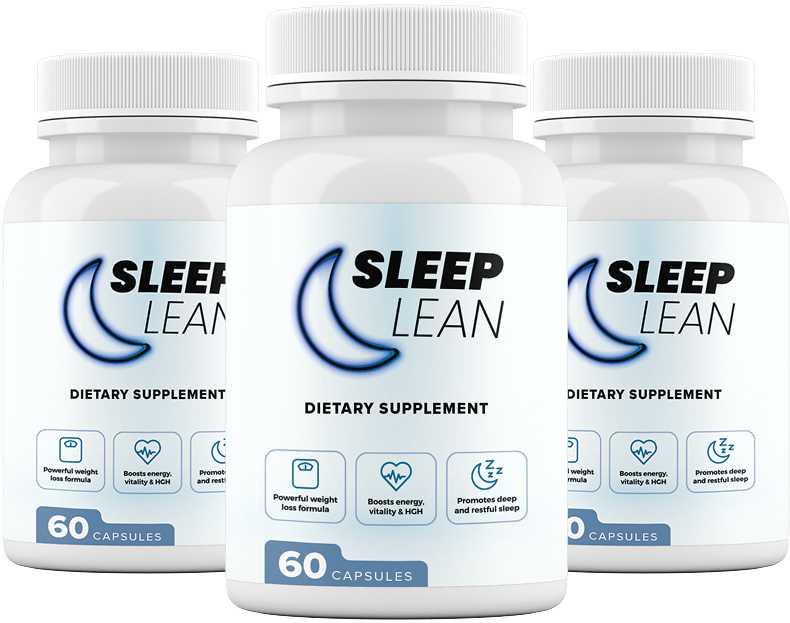
🌸 Discover Weight Management Supplements That Works — Handpicked for You
Curated health & beauty essentials our readers trust — explore your new self-care favorites.


🌸 Discover Beauty That Works — Handpicked for You
Curated health & beauty essentials our readers trust — explore your new self-care favorites.


💖 Connect with SmartWellnessBeauty
Join our wellness & beauty community for daily inspiration, mindful living, and radiant self-care — follow us across your favorite platforms.
























 Smart Tools World

 SmartAIEarn

 SmartWellnessBeauty

 Smart Resource Vault

 TrendsOfReview

 SmartLivingJournal

 Holistic Yoga With Wellness