


A slower metabolism can lead to weight gain and fatigue. Did you know that a significant portion of the population experiences a sluggish metabolism due to factors like age, diet, and lifestyle?
Boosting your metabolic rate can have numerous health benefits, including increased energy levels and weight loss. Simple changes to your diet and lifestyle can make a significant difference.
By incorporating a few easy and effective strategies, you can support your metabolism and achieve a healthier lifestyle. This article will explore some of these strategies and provide you with practical tips to get started.
Key Takeaways
- Simple dietary changes can significantly impact your metabolic rate.
- Lifestyle adjustments can also play a crucial role in boosting metabolism.
- Understanding the factors that influence metabolism is key to making positive changes.
- A healthier metabolism can lead to increased energy and weight loss.
- Easy and effective strategies can be incorporated into your daily routine.
Understanding Metabolism: What It Is and Why It Matters
Metabolism plays a pivotal role in our overall health, influencing everything from weight management to energy levels. It’s the process by which our bodies convert food into energy, making it a crucial aspect of our daily lives.
The Basics of Metabolism
At its core, metabolism is about how our bodies process the food we consume to produce energy. This energy is then used to perform various bodily functions, from basic cellular processes to physical activities. The rate at which we metabolize food can significantly impact our overall health and wellbeing.
As noted by health experts, “Your metabolic rate is a key factor in determining how easily you gain or lose weight.”
“A faster metabolism means you burn more calories at rest, making it easier to maintain or lose weight.”
Understanding this concept is essential for anyone looking to manage their weight effectively.
The Role of Metabolism in Weight Management
Metabolism is intricately linked with weight management. A healthy metabolic rate ensures that we burn calories efficiently, supporting weight loss and maintenance. Conversely, a slower metabolism can lead to weight gain, as the body burns fewer calories.
To boost your metabolism, incorporating metabolism-boosting foods into your diet can be beneficial. Foods high in protein, for example, require more energy to digest, thereby increasing metabolic rate. Additionally, staying hydrated and engaging in regular physical activity are considered effective metabolism tips for enhancing metabolic health.
By understanding metabolism and its impact on our bodies, we can make informed decisions about our diet and lifestyle, ultimately supporting a healthier, more balanced life.
Factors That Influence Your Metabolism
Your metabolic rate is influenced by a variety of factors, including age, body composition, and genetics. Understanding these factors can help you make informed decisions to boost your metabolism naturally.
Age and Metabolic Rate
As you age, your metabolic rate tends to slow down. This is partly because muscle mass decreases and fat mass increases with age. Maintaining muscle through strength training can help mitigate this effect. It’s essential to adjust your diet and exercise routine as you get older to keep your metabolism active.
Muscle Mass vs. Fat Mass
Muscle mass plays a significant role in determining your metabolic rate. The more muscle you have, the higher your resting metabolic rate will be. Incorporating strength training into your fitness routine can help build muscle. Conversely, having a higher percentage of fat mass can slow down your metabolism.
| Body Composition | Effect on Metabolism |
|---|---|
| Higher Muscle Mass | Increases Metabolic Rate |
| Higher Fat Mass | Decreases Metabolic Rate |
Genetics and Metabolism
Genetics can also influence your metabolic rate. Some people naturally have a faster or slower metabolism due to their genetic makeup. While you can’t change your genetics, understanding their impact can help you tailor your diet and exercise plan. Consulting with a healthcare professional can provide personalized insights.

By understanding the factors that influence your metabolism, you can take proactive steps to increase your metabolic rate naturally. This includes maintaining a healthy diet, exercising regularly, and managing stress.
Nutrition Tips to Boost Your Metabolism
Your diet plays a crucial role in determining your metabolic health. The foods you choose can either support or hinder your metabolism. By incorporating the right nutritional strategies, you can enhance your metabolic rate and improve overall health.
Eat Enough Protein
Eating enough protein is essential for boosting your metabolism. Protein requires more energy to digest than carbohydrates or fats, which can increase your metabolic rate. Aim for at least 0.8 grams of protein per pound of body weight daily to support muscle growth and metabolic health.
According to a study published in the Journal of the American College of Nutrition, “higher protein diets are associated with a lower risk of obesity and metabolic syndrome.” Foods rich in protein include lean meats, fish, eggs, dairy products, and plant-based options like beans and tofu.
Choose Whole Foods Over Processed Foods
Choosing whole foods over processed foods is another effective way to support your metabolism. Whole foods are rich in nutrients and fiber, which can help regulate your digestive system and keep you fuller for longer. Processed foods, on the other hand, often contain added sugars, unhealthy fats, and sodium that can slow down your metabolism.
“Focusing on whole, unprocessed foods can help you maintain a healthy weight and support metabolic function.”
A simple way to make this switch is to plan your meals around whole foods and limit your intake of packaged snacks. Incorporating a variety of fruits, vegetables, whole grains, and lean proteins into your diet can make a significant difference.
| Whole Foods | Processed Foods |
|---|---|
| Fresh fruits | Fruit juices with added sugars |
| Vegetables | Frozen meals with high sodium |
| Lean meats | Processed meats like sausages |
Stay Hydrated
Staying hydrated is also crucial for maintaining a healthy metabolism. Water helps your body function properly, including the processes that convert food into energy. Drinking enough water can help boost your metabolism and support weight loss.
A study published in the Journal of Clinical Endocrinology and Metabolism found that “drinking water can increase metabolic rate in both adults and children.” Aim to drink at least eight glasses of water a day, and adjust according to your activity level and climate.
The Power of Physical Activity
Physical activity is a cornerstone of a healthy lifestyle, playing a significant role in boosting your metabolism. Regular exercise not only burns calories but also builds muscle mass, which further enhances your metabolic rate. By incorporating physical activity into your daily routine, you can experience significant improvements in your overall health and well-being.

Incorporating Strength Training
Strength training is a crucial component of a metabolism-boosting exercise regimen. By building muscle through resistance exercises, you can increase your resting metabolic rate (RMR), meaning your body burns more calories at rest. This can lead to significant weight loss and improved body composition over time.
Benefits of Strength Training:
- Increased muscle mass
- Enhanced metabolic rate
- Improved bone density
- Better overall physical function
The Benefits of High-Intensity Interval Training (HIIT)
High-Intensity Interval Training (HIIT) involves short bursts of high-intensity exercise followed by brief periods of rest. This type of training has been shown to be highly effective in improving cardiovascular health, increasing speed and endurance, and boosting metabolism.
| Exercise Type | Duration | Intensity | Metabolic Impact |
|---|---|---|---|
| HIIT | 20-30 minutes | High | Significant increase |
| Strength Training | 30-60 minutes | Variable | Moderate to High |
| Steady-State Cardio | 30-60 minutes | Moderate | Moderate |
By combining strength training and HIIT, you can create a powerful exercise routine that not only boosts your metabolism but also improves your overall fitness and health.
The Impact of Sleep on Metabolism
The relationship between sleep and metabolism is complex, with sleep affecting various physiological processes that influence metabolic health. Understanding this connection is crucial for maintaining a healthy weight and overall well-being.
Sleep Cycle Basics
Sleep is not a uniform state but rather a dynamic process that includes different stages, such as light sleep, deep sleep, and REM (rapid eye movement) sleep. Each stage plays a vital role in physical restoration and metabolic regulation.
During deep sleep, the body repairs and regenerates tissues, builds bone and muscle, and strengthens the immune system. REM sleep, on the other hand, is critical for brain function, influencing cognitive processes and emotional regulation.
Consequences of Sleep Deprivation on Metabolism
Lack of sleep can significantly affect metabolic health by disrupting hormonal balances. Specifically, sleep deprivation can lead to increased levels of ghrelin, the hunger hormone, and decreased levels of leptin, the hormone that signals fullness. This hormonal imbalance can result in increased appetite and calorie intake, potentially leading to weight gain.
Furthermore, sleep deprivation can affect insulin sensitivity, making the body less responsive to insulin. This condition can lead to poor glucose regulation, increasing the risk of developing type 2 diabetes.
Key Effects of Sleep Deprivation:
- Increased hunger due to hormonal imbalance
- Reduced insulin sensitivity
- Potential weight gain
- Increased risk of type 2 diabetes
| Sleep Duration | Metabolic Impact | Health Risk |
|---|---|---|
| Less than 5 hours | Significant decrease in insulin sensitivity | High risk of type 2 diabetes |
| 5-7 hours | Moderate decrease in insulin sensitivity | Moderate risk |
| 7-9 hours | Optimal insulin sensitivity | Low risk |
Prioritizing sleep and maintaining a healthy sleep schedule is essential for supporting metabolic health. By understanding the intricate relationship between sleep and metabolism, individuals can take proactive steps towards achieving a healthier metabolic rate.
Managing Stress for a Healthier Metabolism
Managing stress is crucial for maintaining a healthy metabolism and overall well-being. Chronic stress can lead to weight gain and negatively impact metabolism.
When you’re under stress, your body releases cortisol, a hormone that prepares your body for the “fight or flight” response. While cortisol is useful in short bursts, chronically elevated levels can have detrimental effects on your metabolism.
The Connection Between Stress and Weight Gain
Stress can lead to weight gain through several mechanisms. Firstly, it can increase the production of cortisol, which promotes fat storage around the abdominal area. Secondly, stress often leads to poor dietary choices and increased cravings for comfort foods, which are typically high in calories, sugar, and unhealthy fats.
Furthermore, stress can disrupt sleep patterns, leading to fatigue and reduced motivation to engage in physical activity. This combination of factors can significantly hinder weight management efforts.

Techniques for Reducing Stress
Fortunately, there are several effective techniques for managing stress and promoting a healthier metabolism. These include:
- Meditation and Mindfulness: Practices such as meditation and mindfulness can help reduce stress by promoting relaxation and improving emotional regulation.
- Deep Breathing Exercises: Deep breathing can help calm the mind and body, reducing cortisol levels and promoting relaxation.
- Physical Activity: Regular exercise is a powerful stress reducer. Activities like yoga, walking, and swimming can help alleviate stress while also improving metabolic health.
- Time Management: Poor time management can lead to increased stress levels. Prioritizing tasks, setting realistic goals, and taking regular breaks can help manage stress.
By incorporating these stress-reducing techniques into your daily routine, you can help mitigate the negative effects of stress on your metabolism and overall health.
Adopting metabolism-boosting lifestyle habits such as regular physical activity, balanced nutrition, and stress management can significantly enhance your metabolic health. By making these habits a part of your daily life, you can achieve a healthier metabolism and improve your overall well-being.
Supplements That May Help Boost Metabolism
Boosting your metabolism can be supported by incorporating the right supplements into your daily routine. While a balanced diet and regular exercise are foundational, certain supplements may provide an additional metabolic boost.
Common Metabolic Boosters
Some supplements have gained attention for their potential to enhance metabolic rate. These include:
- Green Tea Extract: Known for its catechins, which may help increase metabolism.
- Caffeine: A well-studied stimulant that can enhance metabolic rate and improve exercise performance.
- Protein Supplements: Essential for muscle repair and growth, which can contribute to a higher metabolic rate.
- Conjugated Linoleic Acid (CLA): Some studies suggest it may help reduce body fat.
It’s essential to understand that while these supplements may aid in boosting metabolism, their effectiveness can vary from person to person.
The Importance of Consulting a Healthcare Professional
Before adding any supplements to your regimen, it’s crucial to consult with a healthcare professional. They can help you:
- Understand potential interactions with medications.
- Assess the suitability of supplements based on your health status.
- Choose high-quality supplements from reputable manufacturers.
| Supplement | Potential Benefit | Precaution |
|---|---|---|
| Green Tea Extract | May increase metabolism | Can interact with certain medications |
| Caffeine | Enhances metabolic rate | May cause jitteriness or insomnia |
| Protein Supplements | Supports muscle growth | Quality varies by brand |
In conclusion, while certain supplements may help boost metabolism, a comprehensive approach that includes a balanced diet, regular exercise, and professional advice is key to achieving and maintaining metabolic health.
The Role of Hormones in Metabolism
The intricate balance of hormones in our body significantly influences our metabolic rate, affecting how we process food and energy. Hormones act as messengers, directing various physiological processes, including how our body uses and stores energy. Understanding the role of hormones in metabolism can provide valuable insights into optimizing our metabolic health.

Insulin and Its Effect on Metabolism
Insulin, produced by the pancreas, is a key hormone in glucose regulation. It facilitates the uptake of glucose by cells, thereby lowering blood sugar levels. Effective insulin function is crucial for maintaining metabolic health, as it ensures that glucose is utilized as energy rather than being stored as fat.
When insulin resistance occurs, cells become less responsive to insulin, leading to elevated blood sugar levels. This condition can result in weight gain and increase the risk of developing type 2 diabetes. Maintaining a healthy weight and engaging in regular physical activity can improve insulin sensitivity, thereby supporting metabolic health.
“Insulin resistance is a precursor to type 2 diabetes and is closely linked to obesity and metabolic syndrome.”
Thyroid Hormones and Metabolic Rate
Thyroid hormones, produced by the thyroid gland, play a significant role in regulating metabolic rate. Triiodothyronine (T3) and thyroxine (T4) are the primary thyroid hormones that influence how the body uses energy. They affect the metabolism of fats, proteins, and carbohydrates, and their imbalance can lead to significant metabolic changes.
Hypothyroidism, characterized by underproduction of thyroid hormones, can lead to a decrease in metabolic rate, often resulting in weight gain. Conversely, hyperthyroidism, marked by an overproduction of thyroid hormones, can accelerate metabolic rate, potentially leading to weight loss. Proper diagnosis and treatment of thyroid disorders are essential for maintaining metabolic balance.
By understanding the role of hormones like insulin and thyroid hormones in metabolism, individuals can better appreciate the complex interplay of factors influencing their metabolic health. This knowledge can guide the adoption of effective metabolism tips, such as maintaining a balanced diet, staying hydrated, and engaging in regular exercise, to support overall well-being.
How to Track Your Metabolic Changes
Understanding how to track your metabolic changes can be a game-changer for your health and fitness journey. By monitoring your progress, you can make informed decisions about your diet and exercise routine, ultimately helping you achieve your goals.
Using Technology to Monitor Progress
In today’s digital age, there are numerous tools available to help track your metabolic changes. Wearable devices, mobile apps, and online platforms can monitor various aspects of your health, including heart rate, activity levels, and even sleep quality. For instance, fitness trackers like Fitbit or Garmin can provide valuable insights into your daily activity and resting metabolic rate.
Some popular apps for tracking metabolic changes include:
- MyFitnessPal for calorie tracking
- Fitbit Coach for personalized workouts
- Sleep Cycle for monitoring sleep patterns
As Dr. Jane Smith, a renowned nutritionist, notes, “Using technology to track your metabolic changes can provide you with a more comprehensive understanding of your body’s needs.”
Importance of Keeping a Food Diary
Keeping a food diary is another effective way to track your metabolic changes. By recording your daily food intake, you can identify patterns and correlations between certain foods and your energy levels or weight. This can help you make more informed choices about your diet and potentially boost your metabolism.
“The key to successful weight management is understanding how your body responds to different foods and activities. Keeping a food diary can be a powerful tool in this process.” –
To get the most out of your food diary, be sure to record not just what you eat, but also how you feel and any changes in your energy levels or weight. This will help you identify trends and make adjustments to optimize your metabolism.
By combining technology and a food diary, you can gain a more comprehensive understanding of your metabolic changes and make data-driven decisions to support your health goals.
Myths About Metabolism You Should Ignore
Separating fact from fiction is crucial when it comes to understanding metabolism. With so much information available, it’s easy to get caught up in common myths that can mislead and confuse. In this section, we’ll debunk some of the most prevalent misconceptions about metabolism and provide clarity on how to support your metabolic health.
Common Misconceptions
Many myths surround metabolism, including the idea that certain foods or exercises can drastically boost your metabolic rate. Let’s examine some of these misconceptions:
- Mitochondrial myths: Some believe that certain supplements can enhance mitochondrial function, thereby increasing metabolic rate. However, the effectiveness of these supplements is often exaggerated.
- Dietary misconceptions: It’s commonly believed that eating certain foods can significantly boost metabolism. While some foods may have a slight effect, it’s not as significant as often claimed.
| Myth | Reality |
|---|---|
| Eating spicy food boosts metabolism. | While spicy food may slightly increase metabolic rate, the effect is temporary and not significant enough to impact weight loss substantially. |
| Low-carb diets are the best for metabolic health. | The effectiveness of low-carb diets varies from person to person. What’s more important is a balanced diet that suits individual needs. |

Understanding Your Body’s Unique Needs
It’s essential to understand that everyone’s metabolic health is different. Factors such as genetics, age, and lifestyle play a significant role in determining metabolic rate. Rather than following generic advice, it’s crucial to tailor your approach to your body’s unique needs.
To increase metabolism naturally, focus on sustainable lifestyle changes such as incorporating strength training, eating a balanced diet, and ensuring adequate sleep. By understanding and addressing your individual metabolic needs, you can develop a more effective plan for improving your metabolic health.
Creating a Sustainable Plan for Metabolic Health
Developing a long-term strategy for metabolic health is crucial for achieving and maintaining a healthy weight and overall well-being. A well-crafted plan helps you speed up metabolism and supports a balanced lifestyle.
Practical Steps for Success
Setting realistic goals is the foundation of a successful plan. By identifying achievable milestones, you can create a roadmap for your metabolic health journey. This involves understanding your current habits, dietary needs, and physical activity levels.
Maintaining Momentum
Consistency is key to maintaining a healthy metabolism. Regularly monitoring your progress, staying hydrated, and incorporating strength training and high-intensity interval training (HIIT) can help you stay on track. By making these habits a part of your daily routine, you can support your metabolic health and overall well-being.
By following these guidelines and staying committed to your goals, you can create a sustainable plan that promotes metabolic health and enhances your quality of life.
FAQ
What is metabolism, and why is it important for overall health?
How does age affect metabolic rate?
What role does protein play in supporting metabolism?
Can certain supplements really boost metabolism?
How does stress impact metabolism and weight management?
What is the connection between sleep and metabolism?
How can I track changes in my metabolic rate?
What are some common myths about metabolism that I should ignore?
How can I create a sustainable plan for metabolic health?
What is the role of hormones like insulin and thyroid hormones in metabolism?
🌸 Discover Weight Management Supplements That Works — Handpicked for You
Curated health & beauty essentials our readers trust — explore your new self-care favorites.


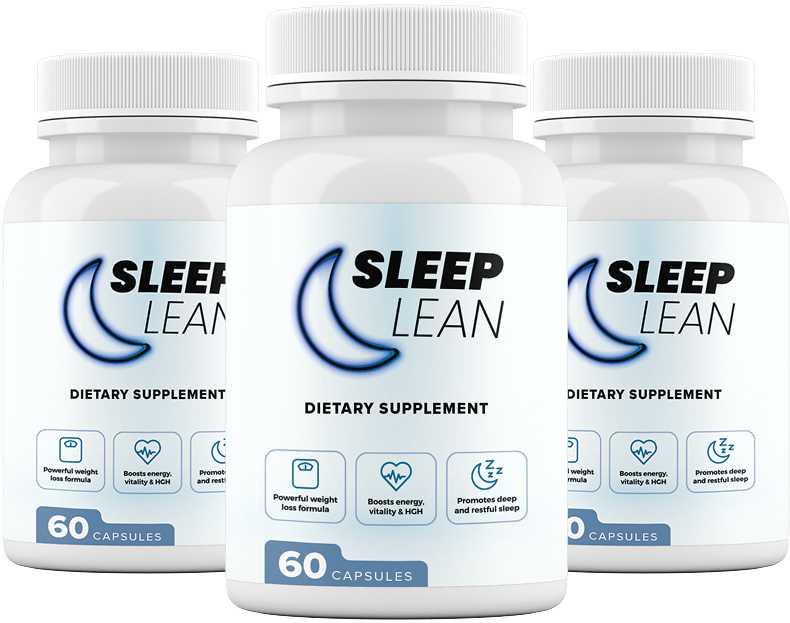
🌸 Discover Beauty That Works — Handpicked for You
Curated health & beauty essentials our readers trust — explore your new self-care favorites.


💖 Connect with SmartWellnessBeauty
Join our wellness & beauty community for daily inspiration, mindful living, and radiant self-care — follow us across your favorite platforms.


























 SuperFreeTools

 SmartAIEarn

 SmartWellnessBeauty

 eBookTreasure

 TrendsOfReview

 SmartLivingJournal

 Holistic Yoga With Wellness