

Did you know that over 50 million adults in the United States suffer from chronic pain, significantly impacting their quality of life? Modifying eating habits can be a game-changer for those seeking relief. Certain natural remedies involving dietary changes have been shown to alleviate chronic pain by reducing inflammation.
Incorporating specific food combinations into your diet can be a powerful tool in managing chronic pain. By understanding how different foods interact, you can harness their chronic pain relief properties to improve your overall well-being.
Key Takeaways
- Modifying your diet can significantly impact chronic pain levels.
- Certain foods have anti-inflammatory properties that can help alleviate pain.
- Combining specific foods can enhance their natural pain-relieving effects.
- A well-planned diet can be a crucial component of a comprehensive pain management strategy.
- Incorporating natural remedies into your daily routine can lead to improved overall health.
Understanding Chronic Pain and Its Effects
Chronic pain is not just a symptom, but a condition that requires comprehensive understanding and management to alleviate its debilitating effects. It is a complex issue that affects not only the physical well-being of an individual but also their mental health.
What is Chronic Pain?
Chronic pain is defined as pain that persists for more than 12 weeks, often beyond the normal healing time of an injury. Unlike acute pain, which serves as a warning sign for injury or illness, chronic pain can become a condition in its own right, impacting daily activities and overall quality of life.
“Chronic pain is a major public health problem worldwide, affecting an estimated 1 in 5 adults in the United States alone,” according to recent health studies. This statistic underscores the need for effective management strategies.
Common Causes of Chronic Pain
The causes of chronic pain are varied and can include inflammatory conditions, nerve damage, and even psychological factors. Inflammation, in particular, plays a significant role in chronic pain, as it can lead to the sensitization of pain pathways.
- Arthritis
- Fibromyalgia
- Nerve damage (neuropathic pain)
Reducing inflammation through anti-inflammatory measures is a key strategy in managing chronic pain. This can involve dietary changes, among other approaches.
Impact on Daily Life
Chronic pain can have a profound impact on an individual’s daily life, affecting their ability to work, engage in social activities, and even perform routine tasks. The emotional toll of chronic pain should not be underestimated, as it can lead to depression and anxiety.
“Living with chronic pain can be like being in a constant state of fight or flight, making it difficult to relax or enjoy activities that were once pleasurable.”
Managing chronic pain effectively requires a multifaceted approach that includes medical treatment, lifestyle changes, and potentially, dietary adjustments aimed at reducing inflammation.
The Role of Diet in Managing Chronic Pain
The connection between diet and chronic pain is significant, with certain foods influencing inflammation. A well-balanced diet can play a crucial role in alleviating chronic pain by reducing inflammation and promoting overall health.
How Food Choices Influence Inflammation
Food choices have a direct impact on inflammation in the body. Consuming foods with anti-inflammatory properties can help reduce chronic pain. These include foods rich in omega-3 fatty acids, antioxidants, and fiber.
- Fatty fish like salmon and sardines are high in omega-3 fatty acids.
- Leafy greens such as spinach and kale are rich in antioxidants.
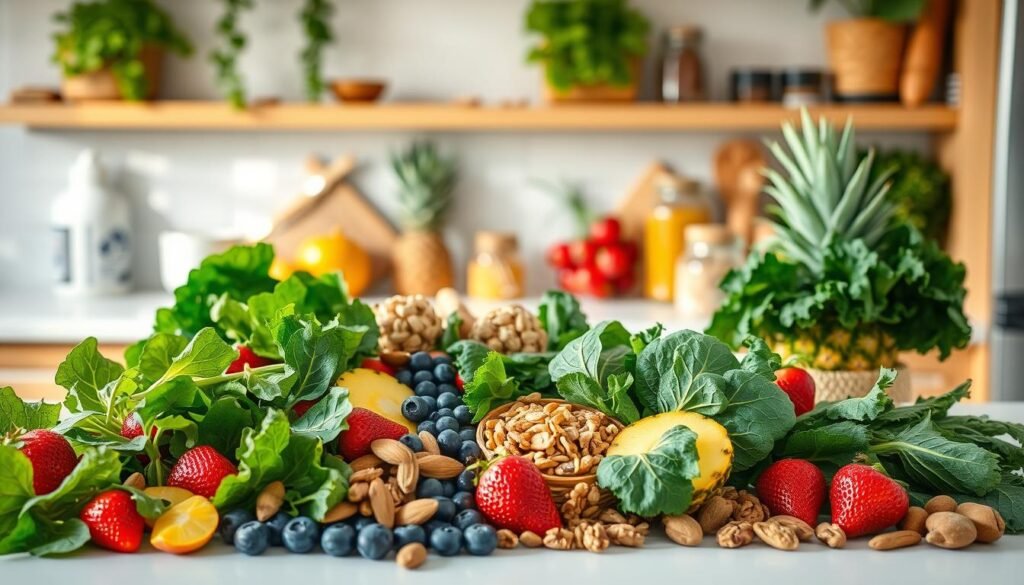
- Berries, including blueberries and raspberries, are packed with antioxidants.
Importance of Nutrient-Rich Foods
Nutrient-rich foods are essential for maintaining a healthy diet and managing chronic pain. These foods provide the body with the necessary vitamins, minerals, and antioxidants to function optimally.
- Nuts and seeds are rich in healthy fats and antioxidants.
- Whole grains like brown rice and quinoa provide fiber and essential nutrients.
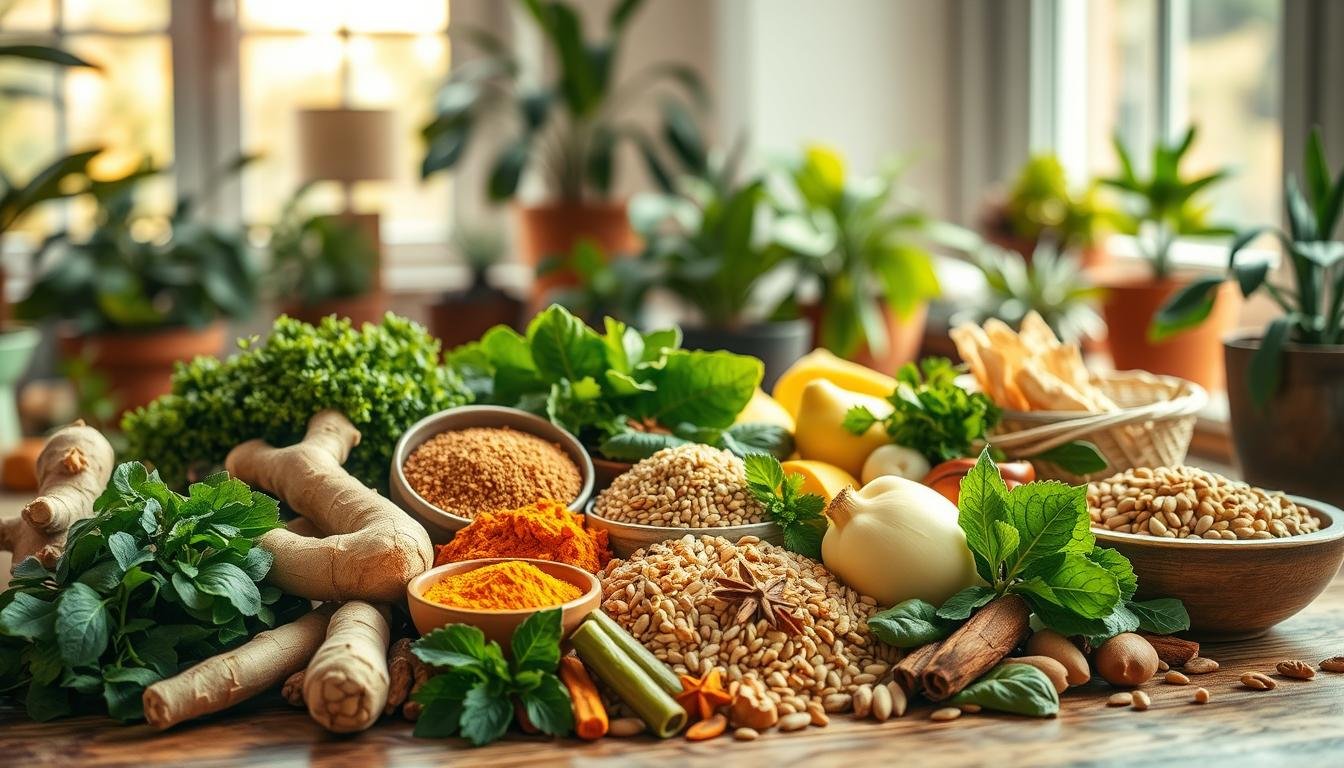
- Turmeric and ginger have potent anti-inflammatory properties.
By incorporating these foods into your diet, you can take a proactive approach to managing chronic pain and improving your overall well-being.
Combo
Certain food pairings have been found to be particularly effective in pain management strategies. By combining foods that complement each other in terms of nutritional benefits, individuals can potentially enhance their pain relief efforts.
When it comes to managing chronic pain, diet plays a crucial role. Incorporating the right food combinations into one’s diet can be a powerful approach to alleviating pain. For instance, pairing foods rich in anti-inflammatory compounds with those high in antioxidants can create a synergistic effect that amplifies their individual benefits.
The concept of using food combinations for pain relief is based on the idea that certain nutrients and compounds can work together to provide enhanced benefits. By understanding which foods to pair, individuals can take a proactive approach to managing their chronic pain.
As we explore the specific food combinations that are beneficial for pain relief, it’s essential to keep in mind that everyone’s body is different. What works for one person may not work for another, so it’s crucial to experiment and find the combinations that work best for you.
1: Turmeric and Ginger
Did you know that nearly 1 in 5 adults in the United States suffer from joint pain? This condition can significantly impact daily life, making everyday activities a challenge. Fortunately, natural remedies like turmeric and ginger have been found to offer relief. Turmeric contains curcumin, a compound known for its potent anti-inflammatory properties. When combined with ginger, which is rich in antioxidants, it can help alleviate joint pain.
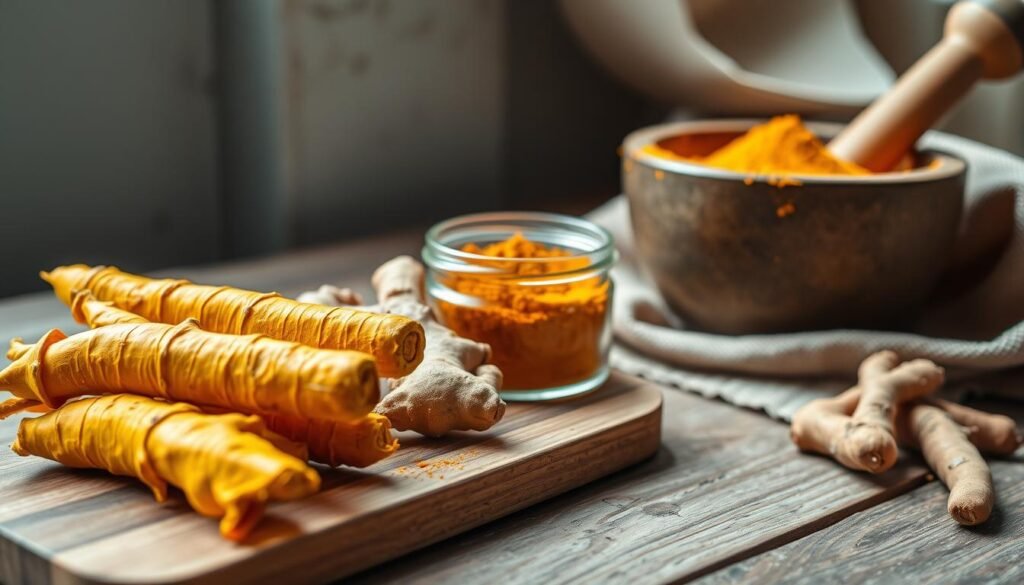
The synergy between turmeric and ginger creates a powerful duo that can help reduce inflammation and promote overall well-being. By incorporating these ingredients into your daily routine, you may find significant relief from joint pain.
Key Takeaways
- Turmeric and ginger are natural remedies that can help alleviate joint pain.
- Curcumin in turmeric has potent anti-inflammatory properties.
- Ginger is rich in antioxidants that can help reduce inflammation.
- The combination of turmeric and ginger can promote overall well-being.
- Increasing these ingredients in your diet may provide relief from joint pain.
Combo
The synergy between specific food combinations can significantly enhance their anti-inflammatory properties. One effective combination is pairing fatty fish with leafy greens.
Fatty fish, such as salmon and sardines, are rich in omega-3 fatty acids, which are known for their anti-inflammatory effects. Leafy greens like spinach and kale are packed with antioxidants and other nutrients that complement the benefits of omega-3s.
- Enhanced reduction of inflammation
- Improved heart health
- Better nutrient absorption
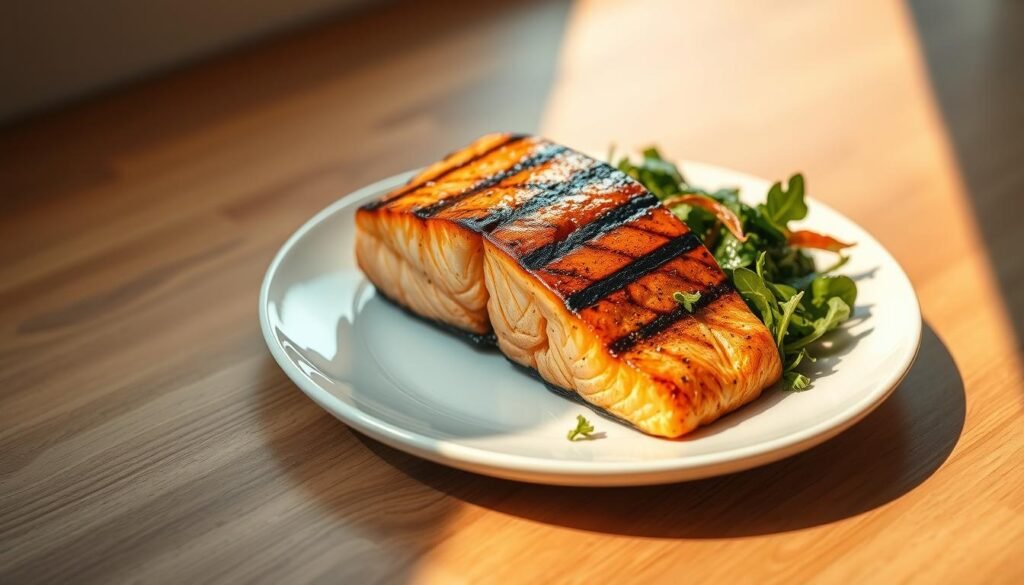
To incorporate this combo into your diet, try having a grilled salmon salad with spinach, or add kale to your fish-based soups. This combination not only tastes great but also works synergistically to provide anti-inflammatory benefits.
2: Fatty Fish and Leafy Greens
Did you know that nearly 50 million adults in the United States suffer from chronic pain? Incorporating specific dietary changes can significantly alleviate this condition. One effective combination is consuming fatty fish alongside leafy greens.
Fatty fish are rich in omega-3 fatty acids, which have potent anti-inflammatory properties. When paired with leafy greens that are abundant in antioxidants, this duo supports holistic health and can be a game-changer for those seeking chronic pain relief.
Key Takeaways
- Fatty fish and leafy greens provide a powerful combination for health benefits.
- Omega-3 fatty acids in fatty fish have anti-inflammatory effects.
- Leafy greens are rich in antioxidants that support overall well-being.
- Together, they can help alleviate chronic pain.
- This dietary duo supports holistic health and wellness.
Combo
The concept of food therapy involves using diet to prevent and manage diseases, including chronic pain. Certain food combinations can be therapeutic, providing the body with the necessary nutrients to reduce inflammation and promote healing.
One of the key aspects of food therapy is understanding how different foods interact with each other. For instance, combining foods high in antioxidants with those that have anti-inflammatory properties can enhance their individual benefits. Turmeric and ginger are a classic example, where turmeric’s curcumin is known for its potent anti-inflammatory effects, and ginger has been shown to aid in reducing pain and inflammation.
“The right food can be medicine, and the wrong food can make our condition worse.”
A well-balanced diet that includes a variety of whole foods can help manage chronic pain. The table below highlights some beneficial food combinations:
| Food Combination | Benefits |
|---|---|
| Fatty Fish and Leafy Greens | Rich in omega-3 fatty acids and antioxidants, reducing inflammation. |
| Turmeric and Ginger | Combines anti-inflammatory properties to reduce pain and inflammation. |
| Berries and Nuts | High in antioxidants and healthy fats, supporting heart health and reducing inflammation. |
Incorporating these food combinations into one’s diet can be a step towards managing chronic pain naturally. It’s about making informed choices that support overall health and well-being.
3: Berries and Nuts
Did you know that incorporating berries and nuts into your diet can significantly impact your pain management? Berries are rich in antioxidants, which help reduce inflammation, a key factor in managing pain.
Nuts are an excellent source of healthy fats and magnesium, a mineral that plays a crucial role in pain regulation and muscle relaxation. Together, berries and nuts form a potent combination that supports overall health and well-being.
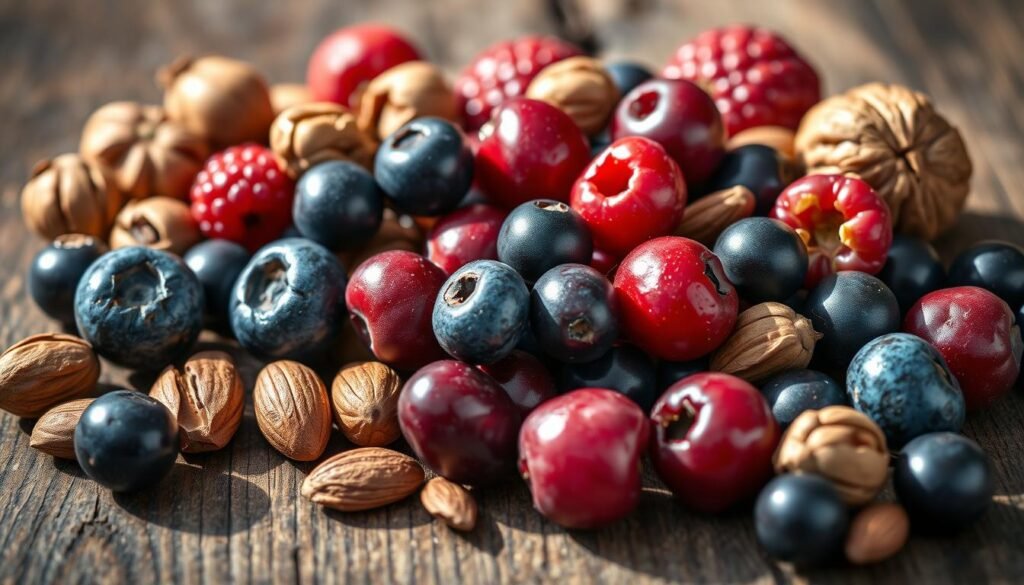
By combining these nutrient-dense foods, individuals can adopt a more holistic approach to managing pain, leveraging the natural benefits of these dietary components.
Key Takeaways
- Berries are rich in antioxidants, which help reduce inflammation.
- Nuts are a good source of healthy fats and magnesium, aiding in pain regulation.
- Together, berries and nuts support overall health and well-being.
- This combination is a natural approach to pain management.
- Incorporating berries and nuts into your diet can have a significant impact on pain relief.
Other Foods to Consider for Pain Relief
While the previous sections highlighted key food combinations for pain relief, other foods also possess anti-inflammatory properties worth considering. Incorporating these into your diet can further enhance your body’s ability to manage chronic pain.
Spices That Help Reduce Inflammation
Certain spices have been used for centuries for their medicinal properties, including their ability to reduce inflammation. Turmeric, for instance, contains curcumin, a compound known for its potent anti-inflammatory effects. Other beneficial spices include:
- Ginger, which has been shown to reduce pain and inflammation.
- Cinnamon, known for its anti-inflammatory properties.
- Cayenne pepper, containing capsaicin, which can help reduce pain.
Fruits and Vegetables with Anti-Inflammatory Properties
A variety of fruits and vegetables are rich in antioxidants and other compounds that can help reduce inflammation. Some examples include:
- Berries, such as blueberries and raspberries, which are high in antioxidants.
- Leafy greens like spinach and kale, rich in vitamins and minerals that combat inflammation.
- Tomatoes, which contain lycopene, an antioxidant that has anti-inflammatory properties.
Including a diverse range of these foods in your diet can help in managing chronic pain and improving overall health.
Lifestyle Changes Alongside Dietary Changes
Chronic pain management extends beyond diet; incorporating other healthy lifestyle habits is also vital. Adopting a holistic approach can significantly enhance overall well-being and provide relief from chronic pain.
Incorporating Exercise for Better Health
Regular physical activity is a crucial component of a healthy lifestyle, especially for individuals dealing with chronic pain. Exercise not only helps in maintaining physical function but also improves mental health by reducing symptoms of anxiety and depression. Activities such as yoga, swimming, and brisk walking are excellent options as they are low-impact and can be adapted to different fitness levels.
Gentle exercises like yoga and Pilates can help improve flexibility and reduce stiffness, making them ideal for individuals with joint pain. Moreover, aerobic exercises such as cycling or swimming can enhance cardiovascular health without putting excessive strain on the joints.
The Importance of Hydration
Adequate hydration is another essential aspect of managing chronic pain. Water helps in maintaining the health of joints by keeping them lubricated and supporting the overall health of connective tissues. Even mild dehydration can lead to symptoms such as headaches and fatigue, which can exacerbate the perception of pain.
Drinking enough water throughout the day is crucial. It’s recommended to drink at least eight glasses of water a day, though individual needs may vary based on activity level, climate, and overall health.

By incorporating regular exercise and staying properly hydrated, individuals can take significant steps towards managing their chronic pain and enhancing their overall quality of life. These lifestyle changes, combined with dietary adjustments, offer a comprehensive approach to achieving holistic health and jointoint pain relief.
When to Seek Professional Help
Chronic pain relief often involves a combination of dietary adjustments and medical interventions, making it essential to know when to seek professional guidance. While dietary changes can be beneficial, it’s crucial to understand the limits of self-management and the importance of professional medical advice.
Signs It’s Time to Consult a Doctor
If you’re experiencing any of the following, it may be time to consult a healthcare professional: persistent pain that interferes with daily activities, sudden severe pain, or pain accompanied by other concerning symptoms like fever or swelling. Early intervention can prevent long-term damage and improve pain management strategies.
Additionally, if you’ve tried dietary changes and other self-management techniques without seeing improvement, it’s a clear sign that you should seek medical advice. A healthcare professional can provide a proper diagnosis and recommend appropriate treatments.
Integrating Diet with Medical Treatments
Effective chronic pain management often requires a holistic approach, combining dietary changes with medical treatments. Your healthcare provider can help you develop a personalized plan that incorporates nutrition, exercise, and potentially medication or other therapies.
For instance, while certain food combinations can help reduce inflammation and promote pain relief, medication or physical therapy might be necessary to address underlying conditions. By integrating diet with medical treatments, you can enhance your overall pain management strategy.
- Discuss your dietary changes with your doctor to ensure they complement your medical treatment.
- Keep a pain journal to track your symptoms and the effectiveness of your combined approach.
- Be open to adjusting your plan as needed based on professional guidance.
Success Stories: Real-Life Experiences
Many individuals have found relief from chronic pain through dietary changes, embracing the power of food therapy. This approach has not only helped them manage their pain but also improved their overall well-being.
Testimonials of Pain Relief with Food Combos
Several individuals have shared their success stories after incorporating specific food combinations into their diets. For instance, combining turmeric with ginger has been a game-changer for many, reducing inflammation and alleviating pain.
“After years of suffering from chronic arthritis, I started consuming turmeric and ginger tea daily. Within a few months, I noticed a significant reduction in my pain levels. It was life-changing!” –
Another effective combination is fatty fish with leafy greens. The omega-3 fatty acids in fish like salmon, when paired with the antioxidants in spinach, have shown remarkable anti-inflammatory effects.
| Food Combination | Reported Benefits |
|---|---|
| Turmeric & Ginger | Reduced inflammation, alleviated pain |
| Fatty Fish & Leafy Greens | Anti-inflammatory effects, improved joint health |
| Berries & Nuts | Antioxidant-rich, reduced oxidative stress |
Expert Opinions on Natural Remedies
Experts in the field of nutrition and pain management have weighed in on the benefits of dietary changes for chronic pain relief. According to Dr. Sarah Johnson, a renowned nutritionist, “Incorporating anti-inflammatory foods into one’s diet can significantly reduce chronic pain. It’s a holistic approach that addresses the root cause rather than just the symptoms.”
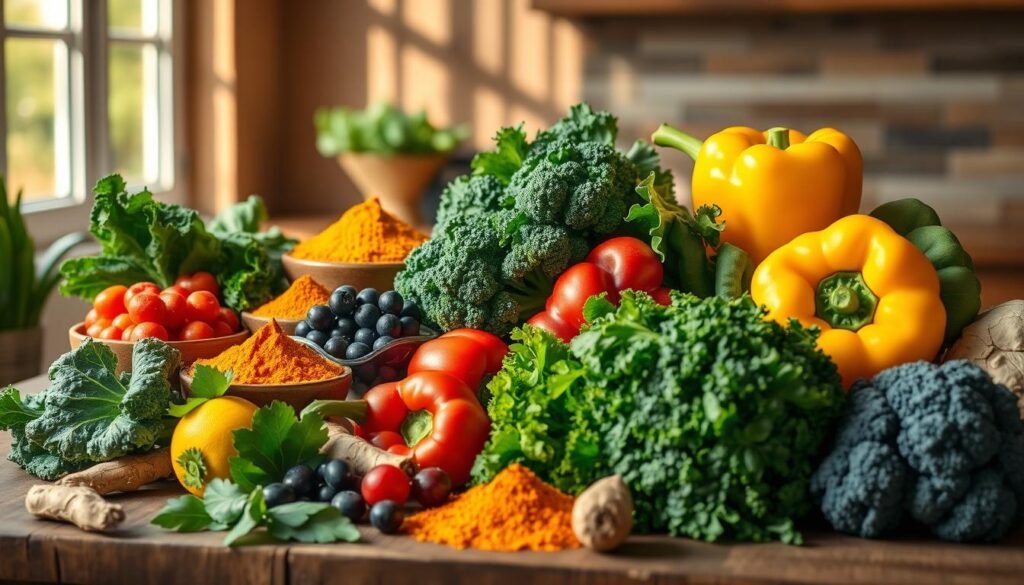
The consensus among healthcare professionals is that while medication can provide temporary relief, it’s the long-term dietary changes that can lead to sustained improvements in chronic pain management.
Conclusion: Empowering Yourself with Diet
By making informed dietary choices, individuals can take control of their chronic pain management. Incorporating natural remedies into your daily meals can be a powerful step towards achieving holistic health.
Pain Relief through Food Choices
Food combos like turmeric and ginger, fatty fish and leafy greens, and berries and nuts can help alleviate chronic pain. These combinations work synergistically to reduce inflammation and promote overall well-being.
Experimenting with Your Diet
It’s essential to explore different food options to find what works best for you. By doing so, you can develop a personalized approach to managing chronic pain and improving your quality of life. Embracing a holistic health approach through diet can lead to significant improvements in overall health.
FAQ
What are some natural remedies for chronic pain relief?
How do dietary changes help manage chronic pain?
Can food therapy be used in conjunction with medical treatments?
Are there any specific spices that can help reduce inflammation?
How important is hydration in managing chronic pain?
Can lifestyle changes, such as exercise, help alleviate chronic pain?
What are some signs that indicate it’s time to seek professional help for chronic pain?
How can I incorporate anti-inflammatory foods into my diet?
🌸 Discover Weight Management Supplements That Works — Handpicked for You
Curated health & beauty essentials our readers trust — explore your new self-care favorites.



🌸 Discover Beauty That Works — Handpicked for You
Curated health & beauty essentials our readers trust — explore your new self-care favorites.

💖 Connect with SmartWellnessBeauty
Join our wellness & beauty community for daily inspiration, mindful living, and radiant self-care — follow us across your favorite platforms.
























 Smart Tools World

 SmartAIEarn

 SmartWellnessBeauty

 Smart Resource Vault

 TrendsOfReview

 SmartLivingJournal

 Holistic Yoga With Wellness