


Ease Neck & Shoulder Tension in 3 Simple Steps

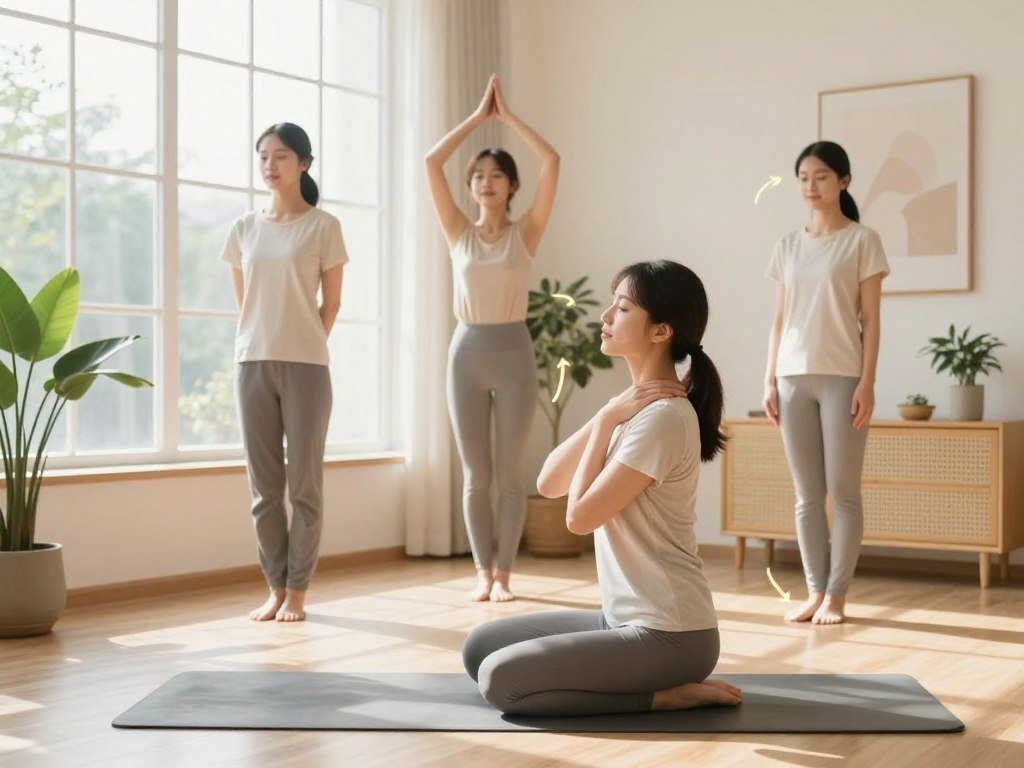
Did you know that nearly 75 percent of adults across the United States suffer from physical symptoms that daily stress causes? This pressure often settles right within your upper body, turning flexible muscles into stiff knots. When anxiety peaks, your body tightens up, leading to chronic discomfort that makes focusing on work or family nearly impossible.
Finding relief does not have to involve complex medical visits or expensive gear. You can actually ease neck & shoulder tension in 3 simple steps by using mindful movements and targeted stretches. By incorporating specific yoga poses and stress management habits, you can reclaim your comfort and boost your energy levels quickly.
Learning to relax these specific areas helps prevent long-term aches and improves your overall posture. Taking just a few minutes each day to focus on these regions can transform how you feel from morning to night. Let’s dive into how you can start feeling better right now with a few easy adjustments to your routine.
Key Takeaways
- Chronic upper body pain often stems from high levels of daily anxiety.
- Gentle stretches provide immediate relief for stiff muscular regions.
- Yoga poses help realign your posture and reduce physical strain.
- Consistent stress management prevents long-term cervical discomfort.
- Short daily routines can significantly improve your overall well-being.
- Simple movements are effective tools for managing body stiffness.
Why Your Neck and Shoulders Are Crying Out for Help
Stress and anxiety can manifest physically, often causing discomfort in the neck and shoulder region. When you experience a stressful event or a bout of anxiety, your body’s “fight-or-flight” response is triggered, leading to muscle contraction. This automatic reaction is a natural response to stress, but it can result in persistent tension in the neck and shoulders.
The muscles in your neck and shoulders are particularly prone to holding tension due to their involvement in maintaining posture and responding to stress. Chronic stress can lead to persistent muscle contraction, resulting in pain and discomfort. Understanding the link between stress, anxiety, and physical tension is crucial for addressing the root cause of neck and shoulder pain.
To better understand how stress affects the body, let’s look at the physiological response. When stressed, the body releases stress hormones like cortisol and adrenaline. These hormones prepare the body to either fight or flee, causing muscles to tense up. Over time, this tension can lead to pain and stiffness, particularly in the neck and shoulder area.
| Common Causes | Effects on Neck and Shoulders |
|---|---|
| Stress and Anxiety | Muscle contraction and tension |
| Poor Posture | Strain on muscles and joints |
| Prolonged Sitting | Increased risk of developing chronic pain |
By recognizing the causes of neck and shoulder tension, you can take the first step towards finding relief. The following sections will guide you through simple yet effective techniques for easing tension and promoting relaxation.
What’s Really Causing Your Neck and Shoulder Pain
Understanding the root causes of neck and shoulder pain is crucial for effective relief. Years of poor posture can weaken the muscles and joints in your neck, leading to chronic pain over time. This section will explore the common factors that contribute to neck and shoulder tension.
The Desk Job Dilemma: How Sitting Is Hurting You
Sitting for long periods, especially with poor posture, can lead to significant strain on your neck and shoulder muscles. Prolonged sitting is common in many desk jobs, and without regular movement, muscles can become stiff and painful.
- Poor ergonomic setup at workstations
- Lack of regular breaks to stretch
- Long hours spent in a static position

Stress That Lives in Your Muscles
Stress is a significant contributor to muscle tension, particularly in the neck and shoulders. When we’re stressed, our body’s “fight or flight” response causes muscles to tense up. Chronic stress can lead to persistent pain and discomfort.
Engaging in stress relief exercises can help alleviate this tension. Techniques such as deep breathing, meditation, and yoga can be particularly effective.
Tech Neck and Smartphone Posture Problems
The widespread use of smartphones and other devices has led to a new condition known as “tech neck.” Looking down at screens for extended periods can strain the neck muscles and lead to pain.
To mitigate this, it’s essential to be mindful of your posture when using devices. Holding your device at eye level and taking regular breaks can help reduce the risk of developing tech neck.
Some simple adjustments include:
- Using a device holder to maintain a neutral neck position
- Practicing good posture when sitting or standing
- Limiting screen time and taking breaks
Getting Ready: What You Need Before You Start
As you prepare to ease your neck and shoulder tension, it’s essential to set the stage for a successful relaxation experience. This involves creating a conducive environment and preparing your body for the exercises.
Finding Your Quiet Space for Relief
Finding a quiet, comfortable space is crucial for effective relaxation. Relaxation techniques work best when you’re not distracted by your surroundings. Identify a spot where you can sit or stand without being disturbed.
“The key is not to prioritize what’s going on in your schedule, but to schedule your priorities.” – Stephen Covey. This quote emphasizes the importance of making time for relaxation.
| Characteristics of a Good Relaxation Space | Tips for Achieving Them |
|---|---|
| Quiet | Turn off notifications, find a quiet room, or use noise-cancelling headphones. |
| Comfortable | Use a chair or mat that supports your back, and keep the temperature comfortable. |
| Clutter-free | Clear the area of any clutter or distractions to promote a sense of calm. |
Quick Warm-Up Movements to Prepare Your Body
Before starting the exercises, it’s beneficial to do some quick warm-up movements. This helps increase blood flow to your muscles and reduces the risk of injury.
- Gently roll your shoulders forward and backward.
- Tilt your head from side to side, bringing your ear towards your shoulder.
- Do some light neck rotations, slowly turning your head to the right and then to the left.
Start each exercise slowly and ease off if you start to feel pain. This will help you get the most out of your relaxation routine.
Step 1: The Gentle Neck Release Technique
Begin your journey to a tension-free neck and shoulders with the Gentle Neck Release Technique, a gentle and accessible exercise.
How to Position Yourself for Maximum Benefit
To get the most out of the Gentle Neck Release, it’s essential to position yourself correctly. Sit or stand with your back straight, ensuring your posture is relaxed yet upright. This initial posture helps in targeting the right muscles.
Performing the Slow Neck Tilt Stretch
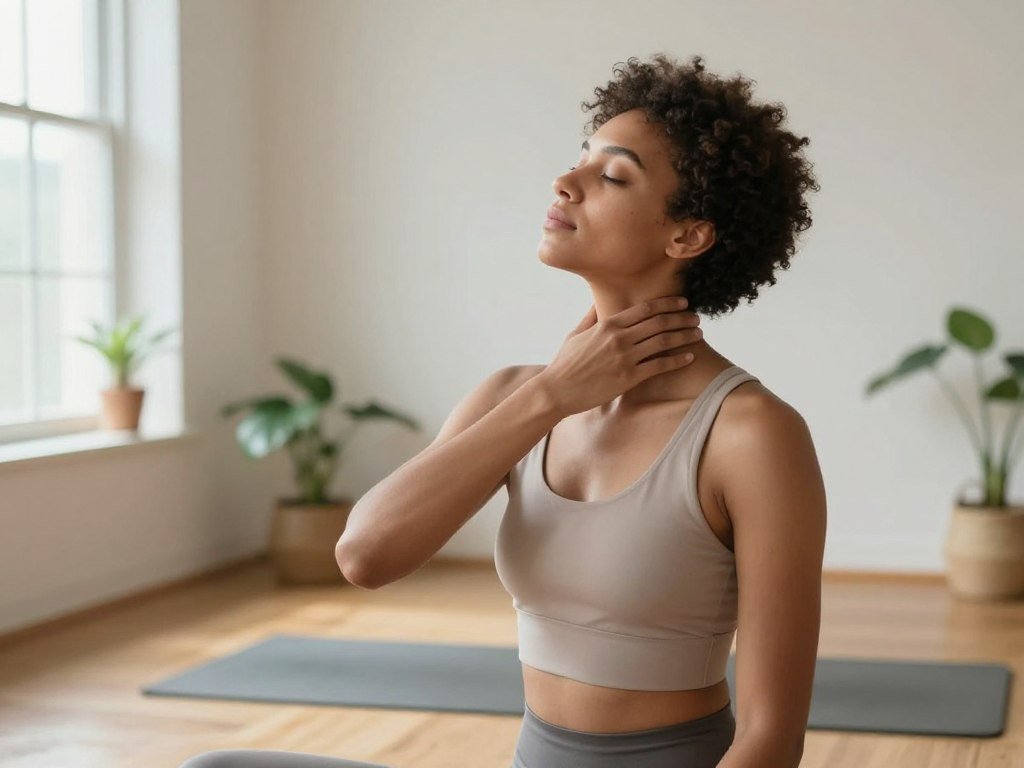
Lower your head and gently bring your chin toward your chest. You should feel a stretch in the back of your neck. Gently tilt your head to the right side, keeping the movement smooth and controlled. Hold this position for 30 seconds to allow the muscles to relax.
Adding Side-to-Side Neck Rotations
After tilting your head to one side, slowly rotate it to the other side. Continue this side-to-side movement gently, avoiding any jerky motions. This rotation helps in loosening the neck muscles further.
How Long to Hold Each Position
For the Gentle Neck Release Technique, hold each tilt or rotation for about 30 seconds. This duration allows for maximum relaxation of the tense muscles. Repeat the exercise a few times on each side to achieve the best results.
Step 2: Shoulder Blade Squeeze and Roll
Moving on to the second step, you’ll learn how to relieve shoulder tightness. This exercise is designed to ease tension in the upper back and improve your posture. By incorporating the Shoulder Blade Squeeze and Roll into your routine, you’ll be taking a significant step towards reducing overall neck and shoulder discomfort.
Getting Your Posture Right Before You Begin
Before you start the Shoulder Blade Squeeze and Roll, it’s essential to ensure you’re sitting with the correct posture. Sit with your spine upright and your feet firmly planted on the floor. This position will help you get the most out of the exercise and prevent any unnecessary strain.
The Shoulder Blade Squeeze: Step-by-Step Instructions
To perform the Shoulder Blade Squeeze, gently squeeze your shoulder blades together. Hold this squeeze for 15-30 seconds. You should feel a gentle tension in your upper back as you do this. This exercise helps to strengthen the muscles between your shoulder blades, which can become weak from poor posture or prolonged sitting.
Following Up with Shoulder Rolls for Complete Relief
After you’ve completed the Shoulder Blade Squeeze, follow up with some Shoulder Rolls to further relax your muscles. Roll your shoulders forward and backward in a circular motion. Repeat this process several times, focusing on releasing any remaining tension.
Coordinating Your Breathing with Each Movement
To maximize the effectiveness of the Shoulder Blade Squeeze and Roll, coordinate your breathing with the movements. Inhale as you prepare to squeeze or roll your shoulders, and exhale as you release. This synchronization will help you relax further and enhance the benefits of the exercise.
Step 3: Upper Trapezius Stretch for Deep Muscle Release
Deep muscle release is achievable through the Upper Trapezius Stretch, a simple yet effective technique. This stretch targets the upper trapezius muscle, a common area for tension buildup that contributes to neck pain.
Setting Up Your Body Position Correctly
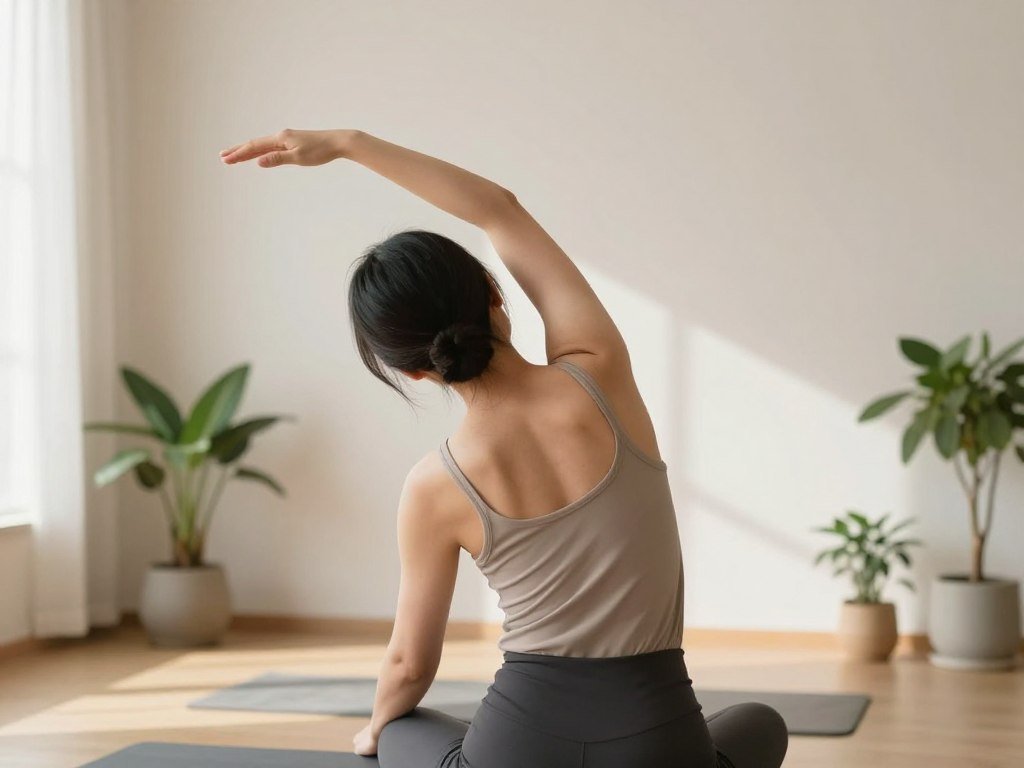
To perform the Upper Trapezius Stretch, start by sitting in a firm chair or standing up straight. Maintaining good posture is crucial for the effectiveness of this stretch. Keep your shoulder down as you lean away from it, and gently tilt your head toward that shoulder.
How to Perform the Stretch Without Injury
It’s essential to be gentle when performing the Upper Trapezius Stretch to avoid causing further strain. Hold the stretch for 15 to 30 seconds and avoid bouncing or forcing the stretch beyond a comfortable point.
The Hold-and-Release Method That Works
The hold-and-release method involves holding the stretch for a specified duration and then slowly releasing it. This technique helps in gradually loosening the tight muscles without causing injury.
Adjusting the Stretch for Your Pain Level
The intensity of the Upper Trapezius Stretch can be adjusted based on your pain level. If you’re experiencing severe pain, start with a gentler version of the stretch and gradually increase the depth as your muscles relax.
| Adjustment Level | Description | Duration |
|---|---|---|
| Gentle | Minimal tilt, less strain | 15 seconds |
| Moderate | Noticeable tilt, some strain | 20-25 seconds |
| Deep | Full tilt, significant stretch | 30 seconds |
By incorporating the Upper Trapezius Stretch into your routine, you can reduce neck pain naturally and improve your overall comfort and posture.
The Best Times of Day to Practice These Exercises
Understanding when to practice these exercises can make a significant difference in reducing tension headache relief. Incorporating stretching into your daily routine at the right times can enhance their effectiveness and provide you with better relief from neck and shoulder tension.
Starting Your Morning with Tension Relief
Beginning your day with these exercises can set a positive tone and help prevent tension from building up throughout the day. By gently stretching your neck and shoulders in the morning, you can improve your circulation and flexibility.
- Start with gentle movements to wake up your muscles.
- Gradually increase the depth of your stretches as you warm up.
Taking Effective Stretch Breaks at Work
If you spend long hours at a desk, taking regular breaks to stretch is crucial. Every one to two hours, take a few minutes to perform these exercises to prevent neck stiffness and reduce muscle fatigue.
- Stand up and stretch your arms over your head.
- Perform the neck tilt and shoulder blade squeeze exercises.
- Take a short walk to get your blood flowing.
Unwinding Before Bed with Gentle Stretches
Practicing these exercises before bed can help you relax and prepare your body for a restful night’s sleep. Gentle stretching can signal to your muscles that it’s time to unwind.
Remember to breathe deeply and slowly as you stretch to enhance relaxation.
Mistakes That Can Make Your Pain Worse
Relieving neck and shoulder pain requires not just the right techniques, but also avoiding certain mistakes that can worsen the condition. As you follow the 3 simple steps to ease neck & shoulder tension, being mindful of these common errors can make a significant difference in your journey to neck pain relief.
Many individuals unintentionally exacerbate their condition due to a few critical missteps. Understanding these pitfalls is crucial for a successful recovery.
Danger of Pushing Too Hard Too Fast
One of the most common mistakes is pushing your body beyond its limits. When you force your muscles beyond a comfortable range, you risk causing micro-tears that can lead to increased pain and inflammation.
- Listen to your body: If you experience sharp pain, stop immediately.
- Gradual progress: Ease into the stretches and exercises.
Why Holding Your Breath Reduces Effectiveness
Holding your breath during exercises can lead to tension in the muscles, counteracting the relief you’re trying to achieve. Proper breathing is essential for maximizing the benefits of your stretches.
- Breathe in as you prepare for the stretch.
- Exhale as you move into the stretch.
Taking Your Time: Slow and Steady Wins
Rushing through the exercises not only reduces their effectiveness but can also lead to injury. Taking your time allows your muscles to relax and benefit fully from the stretches.

By avoiding these common mistakes and following the guidelines provided, you can enhance your journey to ease neck & shoulder tension in 3 simple steps. Remember, the goal is neck pain relief through gentle, consistent practice.
Bonus Ways to Ease Neck & Shoulder Tension in 3 Simple Steps
To further alleviate neck and shoulder tension, consider incorporating these bonus techniques into your routine. While the three simple steps provide a solid foundation for relief, additional methods can enhance your progress and offer even more comfort.
These supplementary techniques focus on creating a more conducive environment for relaxation and reducing muscle strain. By incorporating them into your daily routine, you can experience a more significant reduction in neck and shoulder tension.
Using Heat and Cold Therapy for Faster Relief
Applying heat or cold to the affected area can significantly alleviate tension. Heat therapy, such as using a heating pad, relaxes stiff muscles and increases blood flow, promoting relaxation. On the other hand, cold therapy, like using an ice pack, reduces inflammation and numbs the pain.
Alternating between heat and cold can be particularly effective. For instance, starting with cold to reduce inflammation, followed by heat to relax the muscles, can provide comprehensive relief.
The Hydration Connection to Muscle Tension
Staying hydrated is crucial for maintaining muscle health. Dehydration can lead to muscle cramps, spasms, and increased tension. Drinking enough water throughout the day helps keep your muscles flexible and less prone to strain.
Aim to drink at least eight glasses of water a day, and adjust according to your activity level and climate. Additionally, incorporating hydrating foods into your diet can further support muscle health.
Simple Desk Setup Changes That Make a Difference
Your workspace setup plays a significant role in preventing and alleviating neck and shoulder tension. Ensuring your monitor is at eye level, your chair is at the correct height, and your keyboard is positioned to avoid bending your wrists can make a substantial difference.
Consider using an ergonomic chair and a standing desk to alternate between sitting and standing throughout the day. These simple adjustments can reduce strain on your neck and shoulders.
Keeping Tension Away for Good
Sustained relief from neck and shoulder pain is achievable through a combination of exercises, posture correction, and stress management. By incorporating these practices into your daily routine, you can significantly reduce the occurrence of tension in these areas.
Strengthening Exercises to Support Your Neck and Shoulders
Strengthening the muscles around your neck and shoulders can provide better support and reduce tension.
- Neck Stretching: Gently tilt your head to the side, bringing your ear towards your shoulder. Hold for 30 seconds and repeat on the other side.
- Shoulder Rolls: Roll your shoulders forward and backward in a circular motion. Repeat for 10-15 repetitions.
These exercises can be done regularly to improve muscle strength and flexibility.
Building Better Posture Habits All Day Long
Maintaining a proper posture is crucial in preventing neck and shoulder tension.
“Good posture is the foundation of a healthy back and neck.”
To achieve this:
- Keep your hips, shoulders, and ears in a straight line when standing or sitting.
- Adjust your workspace to promote good posture, such as positioning your computer monitor at eye level.
Managing Stress Before It Reaches Your Muscles
Stress is a significant contributor to muscle tension. Practicing relaxation techniques such as deep breathing, meditation, or yoga can help manage stress levels.
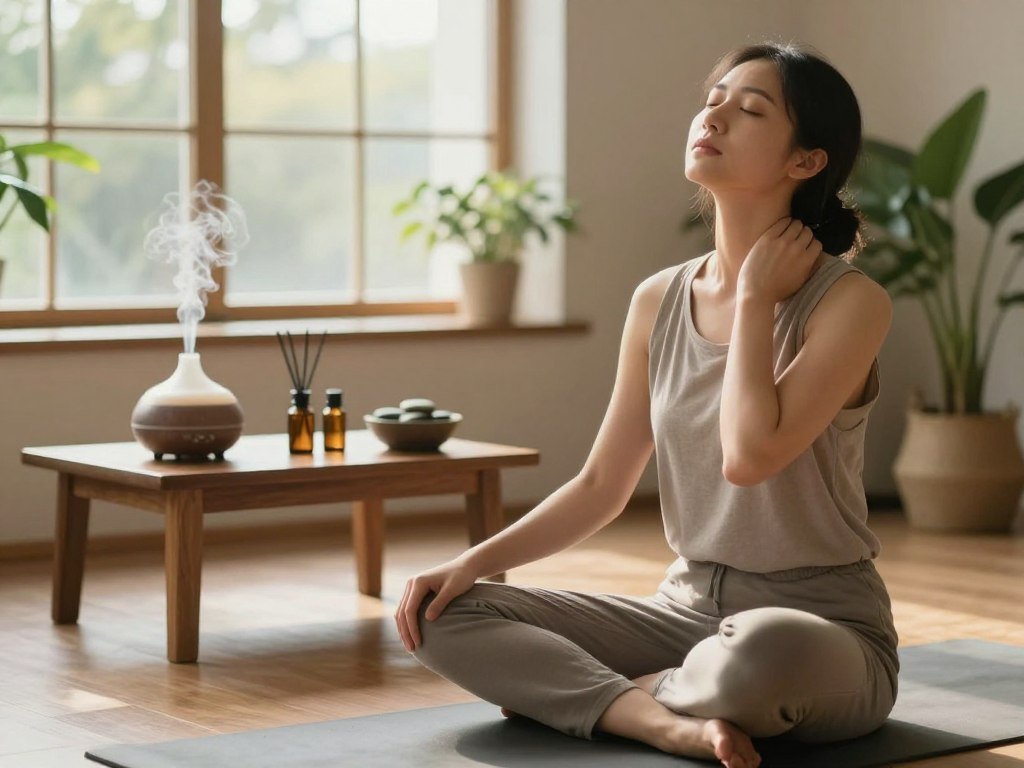
By combining these strategies, you can effectively reduce neck pain naturally and improve your overall well-being.
When Home Remedies Aren’t Enough
If you’re experiencing persistent or severe neck and shoulder pain, it may be time to look beyond home remedies. While easy neck stretches and techniques to relieve shoulder tightness can be beneficial for many, there are instances where these methods may not provide sufficient relief.
In such cases, it’s crucial to understand when to seek further assistance. Certain symptoms can indicate a more serious underlying condition that requires professional medical attention.
Red Flag Symptoms You Should Never Ignore
Some symptoms warrant immediate medical evaluation. These include:
- Severe pain that doesn’t improve with rest or stretches
- Numbness, tingling, or weakness in your arms or hands
- Loss of bladder or bowel control
- Recent trauma or injury to the neck or shoulder area
- Unexplained weight loss accompanied by pain
If you’re experiencing any of these red flag symptoms, it’s essential to consult a healthcare professional promptly.
Which Healthcare Professionals Can Help You
Depending on the cause and severity of your neck and shoulder pain, you may need to consult different types of healthcare professionals. These can include:
- Primary Care Physicians: They can assess your overall health and refer you to specialists if needed.
- Orthopedic Specialists: Experts in musculoskeletal conditions, they can diagnose and treat issues related to your neck and shoulders.
- Physical Therapists: They can provide targeted exercises and therapies to improve mobility and strength.
- Chiropractors: They specialize in spinal manipulation and adjustments that can help alleviate pain.
Consulting the right professional can make a significant difference in addressing your specific condition and finding effective relief from neck and shoulder tension.
Conclusion
Relieving neck and shoulder tension is achievable through simple, consistent practices. By incorporating the three steps outlined – gentle neck release, shoulder blade squeeze and roll, and upper trapezius stretch – you can significantly reduce tension headache relief and improve overall well-being.
Combining these exercises with additional strategies such as heat and cold therapy, proper hydration, and stress management can further enhance their effectiveness. Regular practice and awareness of your posture and body positioning are key to maintaining a tension-free neck and shoulders.
By making these simple adjustments and techniques a part of your daily routine, you can say goodbye to persistent discomfort and hello to a healthier, more relaxed you.
FAQ
How can I find neck pain relief while working at a computer all day?
What are the best stress relief exercises for a tight upper back?
Can I really reduce neck pain naturally without medication?
How often should I perform these easy neck stretches?
What should I do for immediate tension headache relief?
Are there specific relaxation techniques to help relieve shoulder tightness?
🌸 Discover Weight Management Supplements That Works — Handpicked for You
Curated health & beauty essentials our readers trust — explore your new self-care favorites.



🌸 Discover Beauty That Works — Handpicked for You
Curated health & beauty essentials our readers trust — explore your new self-care favorites.


💖 Connect with SmartWellnessBeauty
Join our wellness & beauty community for daily inspiration, mindful living, and radiant self-care — follow us across your favorite platforms.




















What do you think?
Show comments / Leave a comment