

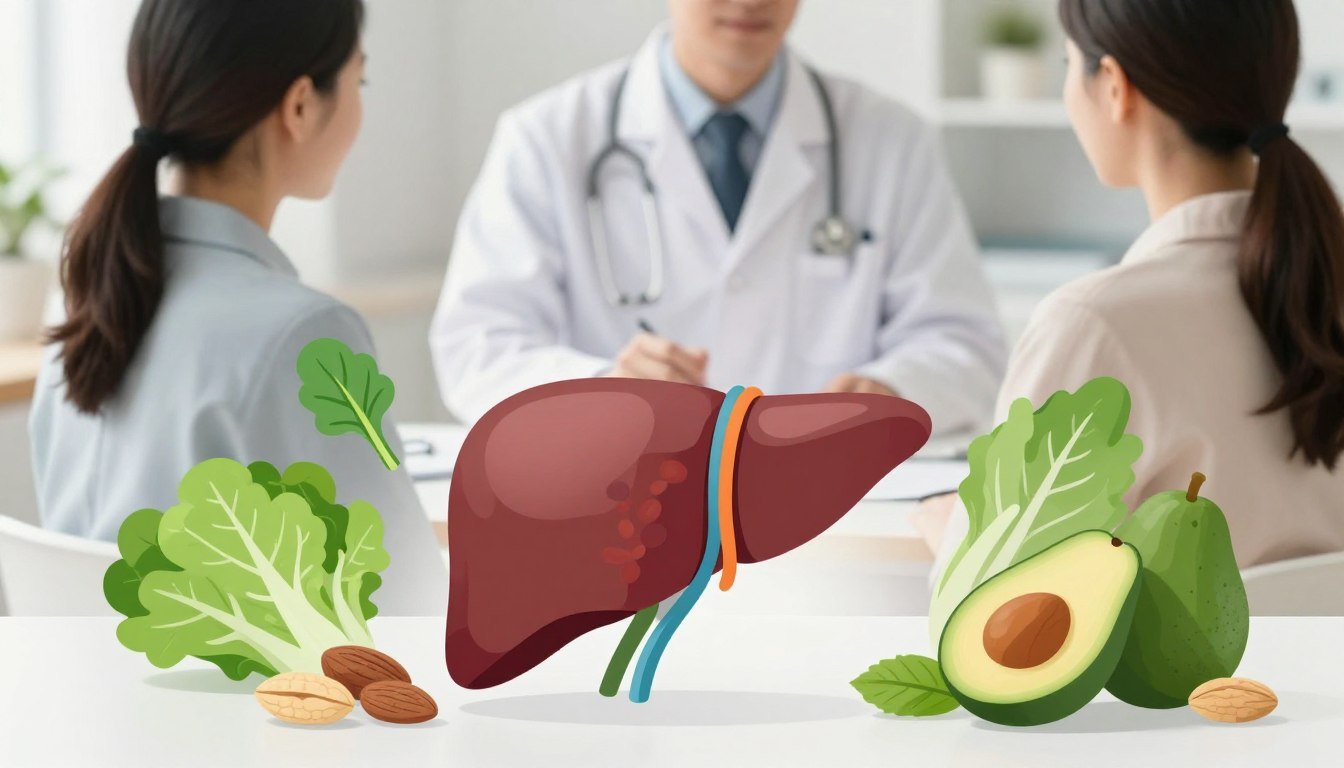
Did you know that the liver performs over 500 vital functions, including detoxification, protein synthesis, and production of biochemicals necessary for digestion?
This vital organ plays a central role in maintaining overall wellness, and its importance cannot be overstated. A healthy liver is crucial for energy production, immune function, and overall health.
Maintaining liver health is essential for preventing a range of health issues, from fatty liver disease to cirrhosis. By understanding the importance of liver health and taking steps to maintain it, individuals can significantly improve their overall quality of life.
Key Takeaways
- Understanding the role of the liver in overall wellness
- Recognizing the importance of maintaining liver health
- Learning how to prevent common liver health issues
- Discovering the benefits of a healthy liver
- Exploring ways to support liver function
Understanding Your Liver: The Body’s Vital Filtration System
As the body’s primary filtration system, the liver works tirelessly to detoxify our blood and metabolize nutrients. It is a complex organ that performs a multitude of critical functions essential for our overall health.
Key Functions of the Liver
The liver’s key functions include filtering toxins from the blood, producing bile to aid in digestion, and storing glycogen for energy. It also plays a crucial role in metabolizing medications and detoxifying harmful substances.
- Detoxification: Removing harmful substances from the blood
- Metabolism: Processing nutrients and medications
- Production of bile: Aiding in digestion and absorption of fats
Why Liver Health Matters for Overall Wellness
Maintaining liver health is crucial for overall wellness because a healthy liver ensures proper detoxification, metabolism, and energy storage. Liver health facts indicate that a compromised liver can lead to various health issues, including metabolic disorders and increased susceptibility to infections.
Adopting healthy liver habits such as a balanced diet, regular exercise, and avoiding excessive alcohol consumption can significantly contribute to liver health.
Liver Anatomy and Physiology
The liver is composed of lobules, which are its functional units, and is supplied by a rich network of blood vessels. Understanding liver anatomy and physiology is vital for appreciating how it performs its various functions.
Liver health is intricately linked with its anatomy and physiological functions, making it essential to understand its structure to appreciate its importance fully.
Common Liver Conditions and Diseases
Liver diseases encompass a range of conditions, from fatty liver disease to cirrhosis and liver cancer. Understanding these conditions is crucial for maintaining optimal liver health and overall wellness.
Fatty Liver Disease: NAFLD and AFLD
Fatty liver disease is characterized by the accumulation of excess fat in liver cells. There are two main types: Nonalcoholic Fatty Liver Disease (NAFLD) and Alcoholic Fatty Liver Disease (AFLD). NAFLD is associated with obesity, insulin resistance, and metabolic syndrome, while AFLD is directly linked to excessive alcohol consumption.
Viral Hepatitis: Types A, B, and C
Viral hepatitis is an inflammation of the liver caused by one of several viruses. The most common types are hepatitis A, B, and C. Hepatitis A and B can be prevented with vaccines, while hepatitis C is typically treated with antiviral medications.
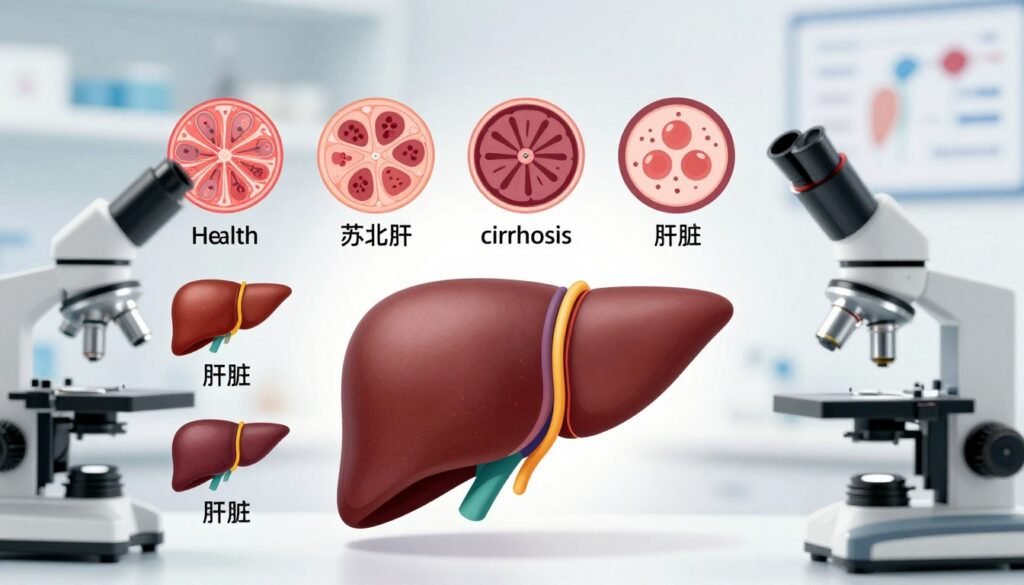
Cirrhosis: Causes and Progression
Cirrhosis is a late stage of scarring (fibrosis) of the liver caused by many forms of liver diseases and conditions, such as hepatitis and chronic alcoholism. The progression of cirrhosis can lead to liver failure, emphasizing the need for early detection and management.
Liver Cancer and Other Serious Conditions
Liver cancer, often a result of chronic liver disease, is a serious condition with significant mortality rates. Other conditions, such as autoimmune hepatitis and primary biliary cholangitis, also pose significant risks to liver health.
| Liver Condition | Causes | Prevention/Treatment |
|---|---|---|
| NAFLD | Obesity, Insulin Resistance | Diet, Exercise, Weight Management |
| AFLD | Excessive Alcohol Consumption | Reduce/Eliminate Alcohol Intake |
| Viral Hepatitis | Viral Infections | Vaccination (A & B), Antiviral Medications (C) |
For liver health advice and resources, it’s essential to consult healthcare professionals who can provide personalized guidance and treatment plans.
Risk Factors That Compromise Liver Health
Several factors can jeopardize liver health, making it essential to identify and mitigate them. By understanding these risks, individuals can take proactive steps to protect their liver and maintain overall well-being.
Alcohol Consumption: How Much Is Too Much
Alcohol is a significant risk factor for liver disease. Excessive alcohol consumption can lead to conditions like alcoholic fatty liver disease and cirrhosis. It’s crucial to be aware of the recommended alcohol intake limits to prevent liver damage.
Poor Diet, Obesity, and Metabolic Syndrome
A diet high in processed foods and sugars, combined with a sedentary lifestyle, can contribute to obesity and metabolic syndrome, both of which are linked to non-alcoholic fatty liver disease (NAFLD). Maintaining a healthy weight through a balanced diet and regular exercise is vital for liver health.
Viral Infections and Autoimmune Factors
Viral hepatitis infections, such as hepatitis B and C, can cause significant liver damage. Autoimmune conditions, where the body’s immune system attacks liver cells, also pose a risk. Understanding these risks can help in taking preventive measures.
Medications, Environmental Toxins, and Chemical Exposure
Certain medications and exposure to environmental toxins can harm the liver. Being aware of these risks and taking steps to minimize exposure is crucial for maintaining liver health.
Warning Signs of Liver Problems
The liver plays a crucial role in our overall health, and recognizing the warning signs of liver problems is essential for early intervention. Liver health issues can manifest in various ways, making it important to be aware of the signs that indicate a problem.
Early Physical Symptoms to Watch For
Early signs of liver problems can include fatigue, loss of appetite, and nausea. Some individuals may also experience discomfort or pain in the upper right abdomen, where the liver is located. It’s crucial to pay attention to these symptoms, as they can be indicative of underlying liver issues.
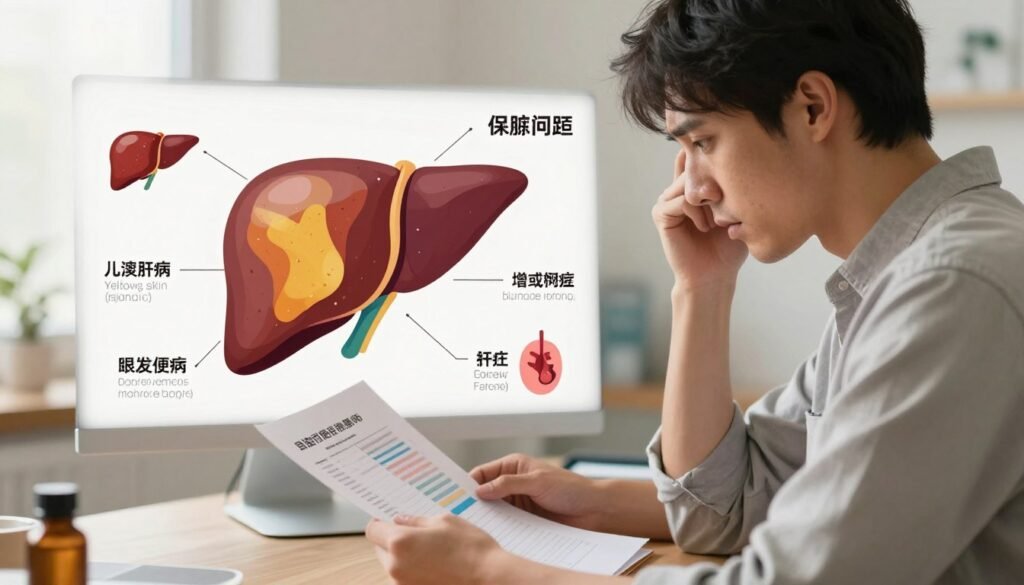
Advanced Warning Signs
As liver disease progresses, more severe symptoms can develop, such as jaundice (yellowing of the skin and eyes), dark urine, and swelling in the legs and abdomen. These advanced warning signs require immediate medical attention.
Laboratory Indicators of Liver Dysfunction
Laboratory tests can also reveal signs of liver dysfunction, including elevated liver enzymes (ALT and AST) and abnormal bilirubin levels. Regular check-ups and blood tests can help identify liver problems early on.
The Ultimate Liver Health Guide: Prevention Strategies
Maintaining a healthy liver is crucial for overall well-being, and there are several strategies you can adopt to protect it. A comprehensive approach to liver health involves a combination of daily habits, preventive measures, and informed choices about lifestyle and environment.
Daily Habits for Liver Protection
Developing healthy daily habits is fundamental to liver protection. This includes maintaining a balanced diet rich in fruits, vegetables, and whole grains, as well as engaging in regular physical activity. Aiming for at least 30 minutes of moderate exercise most days of the week can significantly contribute to liver health.
- Eating a diet rich in antioxidants
- Staying hydrated by drinking plenty of water
- Avoiding excessive sugar and saturated fats
Vaccination and Infection Prevention
Vaccinations play a critical role in preventing liver infections. Getting vaccinated against hepatitis A and B can significantly reduce the risk of these viral infections. Additionally, practicing safe hygiene, such as washing hands regularly, especially after using the bathroom and before eating, is crucial.
Alcohol Management Strategies
Managing alcohol consumption is vital for liver health. Limiting alcohol intake to moderate levels (up to one drink per day for women and up to two drinks per day for men) can help prevent alcohol-related liver damage.
Toxin Avoidance in Home and Environment
Avoiding exposure to toxins is another key strategy. This includes being cautious with chemicals at home, using protective gear when handling toxic substances, and avoiding smoking.
By incorporating these prevention strategies into daily life, individuals can significantly reduce their risk of liver disease and promote overall health and well-being.
Nutrition for Optimal Liver Function
Nutrition plays a vital role in supporting liver health and preventing liver diseases. A well-balanced diet can help maintain optimal liver function, reduce the risk of liver damage, and support overall well-being.
Liver-Friendly Foods and Antioxidants
Incorporating liver-friendly foods into your diet can significantly benefit liver health. Foods rich in antioxidants, such as berries, leafy greens, and cruciferous vegetables, help protect the liver from damage caused by free radicals. Additionally, foods high in omega-3 fatty acids, like salmon and walnuts, can reduce inflammation and promote liver health.

Foods and Ingredients to Limit or Avoid
Certain foods and ingredients can harm liver health and should be limited or avoided. These include processed foods, sugary drinks, and foods high in saturated and trans fats. Limiting alcohol consumption is also crucial, as excessive alcohol can cause significant liver damage.
Hydration Importance and Beverage Choices
Adequate hydration is essential for liver function, as water helps flush out toxins and waste products. Drinking plenty of water throughout the day can support liver health. Other beneficial beverages include green tea and coffee, which have been shown to have protective effects on the liver.
Sample Meal Plan for Liver Health
A sample meal plan for liver health might include breakfast options like oatmeal with berries and nuts, lunch options such as grilled chicken with leafy greens and whole grains, and dinner choices like baked salmon with roasted vegetables. Snacking on fresh fruits and raw vegetables can also support liver health.
Exercise and Physical Activity Benefits for Liver Health
Exercise plays a crucial role in enhancing liver function and overall well-being. Regular physical activity can help reduce liver fat, improve insulin sensitivity, and promote overall health.
How Exercise Improves Liver Function
Physical activity has been shown to have a positive impact on liver health by reducing inflammation and improving metabolic function. Aerobic exercises, such as walking, cycling, or swimming, are particularly effective in enhancing liver function.
Recommended Exercise Types and Intensity
A combination of aerobic exercise and resistance training is recommended for optimal liver health benefits. The American Heart Association suggests at least 150 minutes of moderate-intensity aerobic activity or 75 minutes of vigorous-intensity activity per week.
| Exercise Type | Intensity | Benefits for Liver Health |
|---|---|---|
| Aerobic Exercise | Moderate to Vigorous | Reduces liver fat, improves insulin sensitivity |
| Resistance Training | Moderate | Enhances metabolic function, builds muscle |
Creating a Sustainable Fitness Routine
To maintain a consistent exercise routine, it’s essential to choose activities you enjoy and schedule them into your daily planner. Consistency is key to reaping the long-term benefits of exercise for liver health.
Natural Remedies and Supplements for Liver Support
The quest for optimal liver health has led many to explore the potential benefits of natural remedies and supplements. As part of a comprehensive approach to wellness, these alternatives can offer support for liver function and overall health.
Evidence-Based Herbal Remedies
Certain herbal remedies have been studied for their potential to support liver health. Milk thistle, for instance, is widely recognized for its antioxidant properties and is often used to promote liver wellness. Other herbs like Turmeric and Andrographis are also being explored for their potential benefits.

Milk Thistle and Other Popular Supplements
Milk thistle, with its active compound silymarin, is one of the most popular supplements for liver support. It’s believed to help protect liver cells from damage and promote regeneration. Other supplements like vitamin E and omega-3 fatty acids are also considered beneficial for liver health.
Safety Considerations and Potential Interactions
While natural remedies and supplements can be beneficial, it’s crucial to consider their safety and potential interactions with other medications. Some supplements can interact with prescription drugs or exacerbate underlying health conditions.
Consulting Healthcare Providers Before Supplementation
Before adding any supplements to your regimen, it’s essential to consult with a healthcare provider. They can help determine the safety and efficacy of the supplement for your specific needs and ensure it won’t interfere with any existing treatments.
By taking a thoughtful and informed approach to using natural remedies and supplements, individuals can make informed decisions about their liver health.
Medical Treatments and Interventions for Liver Disease
Effective management of liver conditions requires a comprehensive approach, including medical treatments. Liver disease treatment encompasses a broad spectrum of interventions, from pharmacological treatments to surgical procedures and, in severe cases, liver transplantation.
Medications for Various Liver Conditions
Several medications are used to treat liver diseases, depending on the condition’s nature and severity. For instance, antiviral medications are crucial in managing viral hepatitis, while corticosteroids and immunosuppressants may be used for autoimmune hepatitis. Ursodeoxycholic acid is often prescribed for primary biliary cholangitis.
Surgical Options and Procedures
Surgical interventions are sometimes necessary for liver disease management. Procedures such as radiofrequency ablation or transarterial chemoembolization can be used to treat liver cancer. Surgical resection may also be an option for certain patients with early-stage liver cancer or other localized liver conditions.
Liver Transplantation: Process and Outcomes
Liver transplantation is a life-saving option for patients with end-stage liver disease. The process involves a comprehensive evaluation to determine eligibility, followed by waiting for a suitable donor liver. Post-transplant care is critical for the success of the procedure.
Advances in immunosuppressive therapy have significantly improved long-term outcomes for liver transplant recipients.
Understanding these medical treatments and interventions is crucial for patients and healthcare providers to make informed decisions about liver disease management.
Monitoring Your Liver Health: Tests and Screenings
Regular monitoring is crucial for maintaining optimal liver health. Various tests and screenings help detect liver problems early, ensuring timely intervention. Understanding these diagnostic tools can empower you to take proactive steps towards liver health.
Routine Blood Tests and What They Mean
Blood tests are a primary method for assessing liver health. They measure liver enzymes and proteins, indicating potential liver damage or dysfunction. For instance, elevated alanine transaminase (ALT) and aspartate transaminase (AST) levels can signal liver injury.

Imaging Studies: Ultrasound, CT, and MRI
Imaging studies provide detailed visuals of the liver, helping diagnose conditions like fatty liver disease or tumors. Ultrasound is commonly used due to its non-invasive nature, while CT and MRI scans offer more detailed images for complex diagnoses.
Liver Biopsy: When It’s Necessary
A liver biopsy involves taking a tissue sample for microscopic examination. It’s typically recommended when other tests are inconclusive or when assessing the extent of liver damage.
Recommended Screening Schedule
The frequency of liver health screenings depends on individual risk factors, such as family history or existing health conditions. Consulting with a healthcare provider can help determine the best screening schedule for your specific needs.
Special Considerations for Different Populations
Liver health is influenced by a range of factors that vary across different populations and life stages. Understanding these differences is crucial for providing tailored advice and interventions.
Children and Adolescents: Emerging Concerns
Liver health in children and adolescents is affected by factors such as obesity, genetic disorders, and lifestyle habits. Early education on healthy liver habits can significantly impact long-term liver health.
Pregnant Women and Liver Health
Pregnancy can affect liver function, and certain conditions like intrahepatic cholestasis of pregnancy (ICP) require careful management. Monitoring liver health during pregnancy is essential for both mother and fetus.
Older Adults: Age-Related Changes
Aging affects liver function, with changes in liver size, blood flow, and regeneration capacity. Older adults should be aware of these changes and adjust their lifestyle accordingly.
People with Diabetes, Heart Disease, or Obesity
Individuals with these conditions are at higher risk for liver disease. Managing these conditions through diet, exercise, and medication can also support liver health.
| Population Group | Liver Health Considerations |
|---|---|
| Children and Adolescents | Obesity, genetic disorders, lifestyle education |
| Pregnant Women | Monitoring for conditions like ICP |
| Older Adults | Aging-related changes in liver function |
| Individuals with Diabetes, Heart Disease, or Obesity | Managing underlying conditions to support liver health |
By understanding the unique liver health information relevant to different populations, individuals can take proactive steps to maintain their liver health.
Conclusion: Committing to Lifelong Liver Health
Maintaining a healthy liver requires a long-term commitment to adopting healthy habits and strategies discussed throughout this liver health guide. By understanding your liver’s vital functions and the risks that can compromise its health, you can take proactive steps to protect it.
Following the liver health advice provided in this guide, you can significantly reduce your risk of developing liver conditions such as fatty liver disease, viral hepatitis, and cirrhosis. Incorporating liver-friendly foods into your diet, managing alcohol consumption, and staying physically active are crucial steps toward optimal liver function.
Regular monitoring and screenings, as well as being aware of the warning signs of liver problems, will help you stay on top of your liver health. By making these practices a part of your lifestyle, you can enjoy the benefits of a healthy liver and overall well-being for years to come.
FAQ
What are the main functions of the liver?
What are the common liver conditions and diseases?
How can I maintain liver health?
What are the warning signs of liver problems?
Can nutrition and diet impact liver health?
How does exercise benefit liver health?
Are there any natural remedies or supplements that support liver health?
What medical treatments are available for liver disease?
How can I monitor my liver health?
Are there any special considerations for different populations regarding liver health?
What are some healthy liver habits I can adopt?
🌸 Discover Weight Management Supplements That Works — Handpicked for You
Curated health & beauty essentials our readers trust — explore your new self-care favorites.


🌸 Discover Beauty That Works — Handpicked for You
Curated health & beauty essentials our readers trust — explore your new self-care favorites.

💖 Connect with SmartWellnessBeauty
Join our wellness & beauty community for daily inspiration, mindful living, and radiant self-care — follow us across your favorite platforms.
























 Smart Tools World

 SmartAIEarn

 SmartWellnessBeauty

 Smart Resource Vault

 TrendsOfReview

 SmartLivingJournal

 Holistic Yoga With Wellness