


Soothe Stress: 3 Steps to Calm Cortisol Face Fast


Did you know that nearly 75% of Americans experience physical symptoms from high tension every month? This surprising reality often shows up where we least expect it: our own reflection. One of the most frustrating signs is a puffy, rounded appearance often called moon face.
When you want to soothe stress, your body needs more than just a deep breath. High hormone levels trigger water retention and inflammation that settles right in your cheeks and jawline. This change can make you feel disconnected from your usual self.
Learning how you calm cortisol is the secret for reclaiming your natural glow and reducing that unwanted swelling. You can actually transform your look face fast by following a few simple lifestyle tweaks. These adjustments help restore balance and confidence in your daily routine.
Key Takeaways
- Chronic tension increases visible puffiness in the jaw and cheeks.
- High hormone levels cause the body to store excess water and salt.
- Managing daily internal pressure helps restore your natural facial structure.
- Specific lifestyle changes reduce inflammatory swelling without expensive treatments.
- A holistic approach is essential for long-term skin health and definition.
- Lowering hormone spikes quickly improves how your reflection looks in the mirror.
Understanding Cortisol Face and Its Impact on Your Appearance
Elevated cortisol levels can lead to noticeable changes in facial appearance, a condition now commonly referred to as cortisol face. Cortisol, often termed the “stress hormone,” plays a crucial role in our body’s response to stress. When cortisol levels remain high over prolonged periods, it can manifest in various physical changes, particularly in the face.
What Is Cortisol Face?
Cortisol face refers to the visible changes in facial appearance caused by elevated cortisol levels. These changes can include puffiness, altered fat distribution, and inflammation. The condition is not just a cosmetic issue but a sign of underlying stress and potential health concerns. Understanding cortisol face is the first step towards addressing its causes and mitigating its effects.
The Science Behind Stress-Induced Facial Changes
When we experience stress, our body releases cortisol as part of the “fight or flight” response. Chronically elevated cortisol levels can lead to:
- Fluid retention and puffiness
- Changes in fat distribution, leading to a rounder face
- Increased inflammation, which can cause redness and acne
Effective cortisol management involves reducing stress through various techniques, including meditation, exercise, and proper sleep. By addressing the root cause, individuals can alleviate the symptoms of cortisol face.
Why Cortisol Face Has Become a Growing Concern
In today’s fast-paced world, stress has become an unfortunate norm for many. The constant pressure to perform, coupled with the demands of modern life, has led to an increase in stress levels. As a result, conditions like cortisol face are becoming more prevalent. Stress relief techniques, such as deep breathing, yoga, and mindfulness, are becoming essential tools for managing cortisol levels and preventing the negative impacts on facial appearance.
By understanding the causes and effects of cortisol face, individuals can take proactive steps towards managing their stress and cortisol levels, ultimately reducing the appearance of cortisol face and improving their overall well-being.
How Elevated Cortisol Levels Affect Your Facial Features
The impact of high cortisol on your face is multifaceted, affecting everything from puffiness to skin texture. When stress triggers the release of cortisol, it can lead to a cascade of effects that are visible on your face. Understanding these changes is crucial for addressing them effectively.

Puffiness and Water Retention in the Face
One of the most immediate effects of elevated cortisol is water retention, leading to puffiness in the face. This occurs because cortisol causes the body to hold onto water, resulting in a swollen appearance, particularly around the eyes and cheeks. Reducing cortisol levels through natural stress remedies like meditation and deep breathing can help alleviate this puffiness.
Increased Inflammation and Redness
Cortisol’s impact on the skin also includes increased inflammation, which can manifest as redness and irritation. While cortisol is known as an anti-inflammatory hormone, chronically elevated levels can lead to complex interactions in the body that sometimes result in increased inflammation. Practicing relaxation tips such as yoga or progressive muscle relaxation can help mitigate this effect.
Breakouts and Skin Texture Changes
High cortisol levels are also associated with skin issues like acne and changes in skin texture. The hormone can stimulate the sebaceous glands to produce more oil, leading to clogged pores and breakouts. Moreover, the inflammation caused by cortisol can result in a dull, uneven skin texture. Incorporating anti-inflammatory skincare and maintaining a consistent skincare routine can help manage these issues.
By understanding how cortisol affects facial features, individuals can take proactive steps towards mitigating these effects. This includes adopting natural stress remedies and skincare practices that counteract the negative impacts of elevated cortisol.
Recognizing the Signs You’re Experiencing Cortisol Face
If you’re noticing changes in your facial appearance that seem linked to your stress levels, you’re not alone. Cortisol face, a condition influenced by elevated cortisol levels, can manifest in various ways, making it crucial to identify its signs early for effective stress reduction strategies.
Morning Facial Swelling and Puffiness
One of the most common signs of cortisol face is morning facial swelling and puffiness. This occurs due to water retention, a direct consequence of cortisol’s impact on the body’s fluid balance. When cortisol levels are high, the body tends to hold onto more water, leading to a puffy appearance, especially in the morning.
Changes in Facial Contours and Definition
High cortisol levels can also lead to changes in facial contours and definition. Stress can cause fat redistribution in the face, leading to a rounder or more moon-shaped appearance. Incorporating anxiety relief methods into your daily routine can help mitigate this effect.
Skin Issues That Accompany High Cortisol
Cortisol face is often accompanied by various skin issues, including acne, redness, and overall dullness. The increased oil production and inflammation caused by high cortisol levels can exacerbate skin conditions, making it essential to adopt stress reduction strategies as part of your skincare routine.
| Signs of Cortisol Face | Description |
|---|---|
| Morning Facial Swelling | Puffiness due to water retention caused by high cortisol levels. |
| Changes in Facial Contours | Redistribution of fat leading to a rounder or moon-shaped face. |
| Skin Issues | Acne, redness, and dullness resulting from increased oil production and inflammation. |
Recognizing these signs is the first step towards managing cortisol face. By understanding the impact of cortisol on your facial appearance, you can take proactive steps towards reducing stress and alleviating its visible effects.
Step 1: Implement Immediate Facial Massage and Lymphatic Drainage Techniques
To soothe stress and calm cortisol, implementing immediate facial massage and lymphatic drainage techniques is a crucial first step. Facial massage and lymphatic drainage can help reduce cortisol face by promoting relaxation and improving facial circulation.
Why Lymphatic Drainage Works for Cortisol Face
Lymphatic drainage is a technique that helps remove toxins and excess fluids from the face, reducing puffiness and inflammation associated with cortisol face. By stimulating the lymph nodes, lymphatic drainage promotes a more defined facial contour and a smoother complexion.
The lymphatic system plays a vital role in removing waste products from the body. When it becomes sluggish, it can lead to facial swelling and other issues. Regular lymphatic drainage can help maintain a healthy lymphatic system and reduce the visible effects of cortisol face.
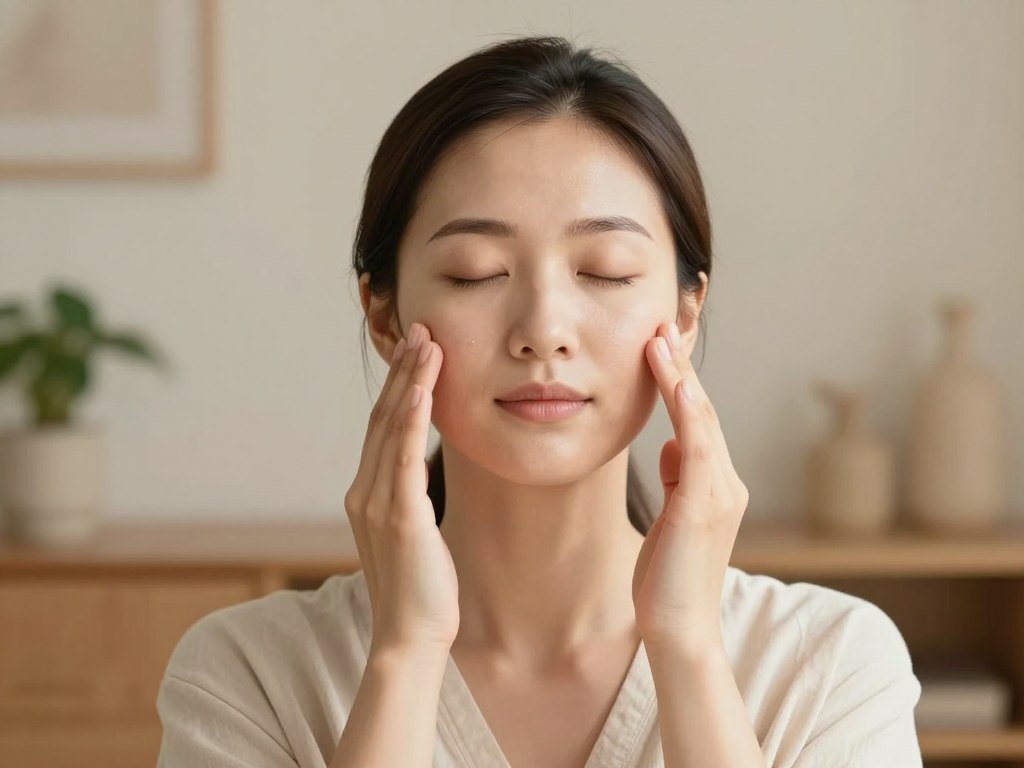
The Five-Minute Morning Facial Massage Routine
A simple five-minute facial massage routine can be incorporated into your morning skincare regimen to help reduce cortisol face. Start by gently massaging your face in circular motions, focusing on areas with noticeable puffiness or tension.
Here’s a basic routine:
- Gently massage the forehead with your fingertips.
- Use your ring fingers to massage the under-eye area.
- Massage the cheeks and jawline using upward strokes.
Tools That Enhance Lymphatic Drainage
Several tools can enhance the effectiveness of lymphatic drainage. These include:
| Tool | Description | Benefits |
|---|---|---|
| Facial rollers | Rolling devices that help stimulate lymph nodes. | Reduces puffiness, promotes lymphatic flow. |
| Gua sha tools | Scraping tools that stimulate blood flow and lymphatic drainage. | Improves circulation, reduces inflammation. |
| Lymphatic drainage devices | Specialized devices designed to stimulate lymph nodes. | Enhances lymphatic flow, reduces facial swelling. |
Step 2: Practice Targeted Breathing Exercises to Lower Cortisol Quickly
By incorporating targeted breathing exercises into your daily routine, you can effectively manage cortisol levels and alleviate cortisol face symptoms. Breathing techniques have been shown to have a positive impact on stress relief and overall well-being.
The Cortisol-Breathing Connection
The relationship between breathing patterns and cortisol levels is well-documented. When we’re stressed, our breathing becomes shallow and rapid, which can exacerbate cortisol production. Conversely, conscious, controlled breathing can help mitigate this effect.
Deep, diaphragmatic breathing stimulates the parasympathetic nervous system, promoting relaxation and reducing cortisol levels. This is because slow, deliberate breaths signal to the brain that it’s time to calm down and relax.
The 4-7-8 Breathing Method for Instant Calm
The 4-7-8 breathing technique, also known as the “Relaxation Breath,” is a simple yet powerful method for reducing stress. To practice:
- Inhale through your nose for a count of 4
- Hold your breath for a count of 7
- Exhale through your mouth for a count of 8
This cycle can be repeated as needed, ideally 2-3 times. The 4-7-8 method helps slow down your heart rate and promote relaxation, making it an effective stress relief technique.
Box Breathing for Rapid Stress Reduction
Box breathing is another effective technique that involves breathing in for a count of 4, holding for 4, exhaling for 4, and holding again for 4. This creates a “box” shape with your breath, promoting balance and calmness.
Box breathing is often used by athletes and individuals in high-stress professions to quickly regain composure. It’s a simple yet potent relaxation tip that can be practiced anywhere.
Alternate Nostril Breathing for Balance
Alternate nostril breathing is a yogic technique that balances the breath and calms the nervous system. To practice:
- Close your right nostril with your thumb and inhale through the left
- Close the left nostril with your ring finger and exhale through the right
- Inhale through the right, close it, and exhale through the left
This technique helps balance the body’s energy and can be particularly effective in reducing stress and promoting relaxation.
By incorporating these breathing exercises into your daily routine, you can better manage cortisol levels and reduce the appearance of cortisol face. Regular practice enhances the body’s ability to handle stress, leading to a more relaxed and calm demeanor.
Step 3: Apply Cold Therapy and Anti-Inflammatory Skincare
The third step in soothing cortisol face involves leveraging the power of cold therapy and anti-inflammatory skincare to reduce inflammation and promote facial wellness. Cold therapy, in particular, has gained popularity for its ability to constrict blood vessels, reduce swelling, and tighten pores, thereby providing an instant calming effect on the skin.
How Cold Therapy Reduces Cortisol-Related Inflammation
Cold therapy works by constricting blood vessels and reducing blood flow to the affected area, which in turn decreases inflammation and puffiness associated with cortisol face. This technique is not only effective but also easy to incorporate into your daily skincare routine.
Benefits of Cold Therapy:
- Reduces inflammation and puffiness
- Tightens pores for a smoother complexion
- Constricts blood vessels to decrease redness
Ice Rolling Techniques for Maximum Depuffing
Ice rolling is a simple yet effective method for applying cold therapy. By gently rolling an ice cube over the face, you can stimulate lymphatic drainage and reduce facial swelling. For best results, use a dedicated ice roller or wrap an ice cube in a cloth to avoid direct contact with the skin.
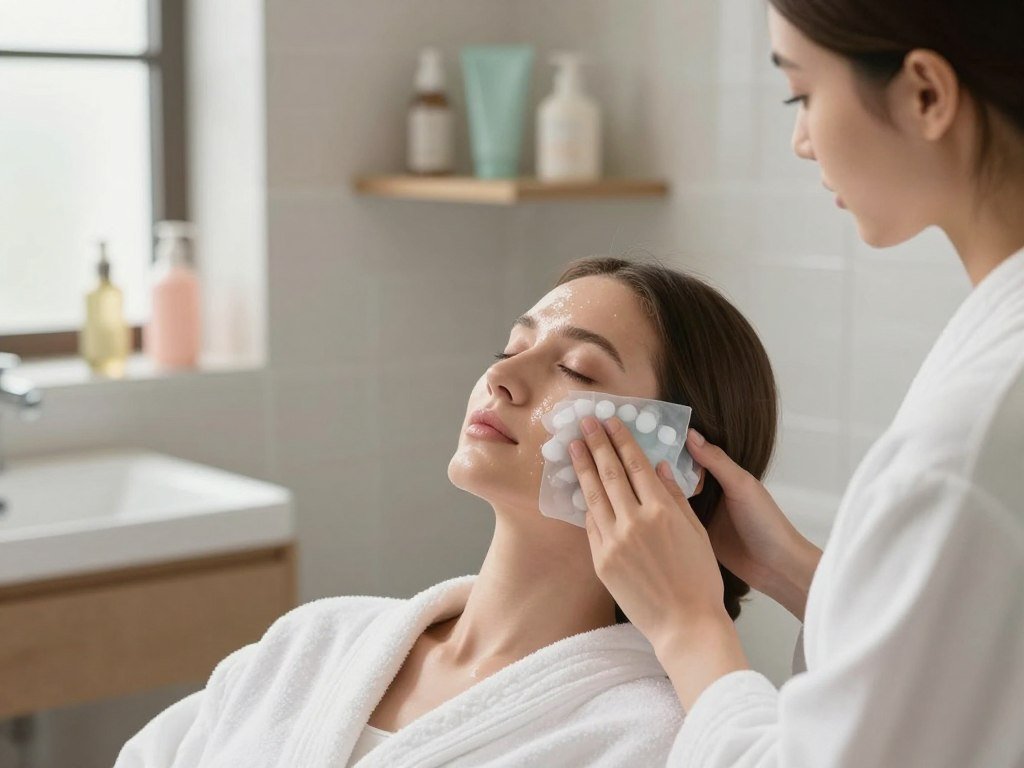
DIY Cold Compress Methods
For those without an ice roller, a cold compress can be an effective alternative. Simply wet a cloth with cold water, wring it out, and apply it to the face for a few minutes. You can also store a damp cloth in the refrigerator for a quick and easy cold compress.
Best Anti-Inflammatory Skincare Ingredients
In addition to cold therapy, incorporating anti-inflammatory skincare ingredients can further enhance your cortisol management routine. Some of the most effective ingredients include:
| Ingredient | Benefits |
|---|---|
| Green Tea Extract | Antioxidant properties, reduces inflammation |
| Turmeric | Curcumin content helps in reducing inflammation |
| Aloe Vera | Soothes and calms the skin, reducing redness |
By combining cold therapy with these anti-inflammatory skincare ingredients, you can create a comprehensive routine for managing cortisol face and promoting overall facial wellness.
Additional Natural Stress Relief Techniques for Facial Wellness
Beyond the initial steps to calm cortisol face, there are additional natural stress relief techniques that can enhance facial wellness. These methods work synergistically with the previously discussed steps to provide a comprehensive approach to managing stress and promoting facial health.
Guided Meditation for Cortisol Reduction
Guided meditation is a powerful tool for reducing cortisol levels and promoting relaxation. By focusing on a guided audio or visual cue, individuals can calm their mind and body, leading to a decrease in stress hormones. Regular practice of guided meditation can lead to sustained cortisol reduction and improved facial wellness.
Progressive Muscle Relaxation
Progressive muscle relaxation is a technique that involves systematically tensing and relaxing different muscle groups in the body. This method can help reduce overall muscle tension, including in the face, and promote a sense of calm. By incorporating progressive muscle relaxation into your daily routine, you can enhance your natural stress relief techniques and improve facial wellness.
| Technique | Benefits | Frequency |
|---|---|---|
| Guided Meditation | Cortisol reduction, relaxation | Daily |
| Progressive Muscle Relaxation | Reduced muscle tension, calmness | 2-3 times a week |
| Aromatherapy | Mood enhancement, stress relief | As needed |
Aromatherapy with Lavender and Bergamot
Aromatherapy involves the use of essential oils to promote relaxation and reduce stress. Lavender and bergamot are particularly effective in anxiety relief methods, as they have a calming effect on the nervous system. Incorporating aromatherapy into your daily routine can be as simple as using a diffuser or applying a few drops of essential oil to your pulse points.
Gentle Face Yoga Exercises
Gentle face yoga exercises can help improve facial wellness by increasing blood flow and reducing tension in the facial muscles. These exercises can be done daily and are a great way to relax and rejuvenate the face. By combining face yoga with other natural stress relief techniques, individuals can experience enhanced benefits for their overall well-being and facial health.
Lifestyle Changes for Long-Term Cortisol Management
Achieving long-term cortisol management requires a holistic approach that incorporates lifestyle changes. By making a few simple adjustments to your daily routine, you can significantly reduce cortisol levels and soothe stress. This, in turn, can help to calm cortisol face and promote overall well-being.

Establishing a Consistent Sleep-Wake Cycle
A consistent sleep-wake cycle is crucial for regulating cortisol levels. Irregular sleep patterns can disrupt the body’s natural cortisol rhythm, leading to increased stress and facial tension. To establish a healthy sleep-wake cycle, aim for 7-9 hours of sleep each night and maintain a consistent bedtime and wake-up time, even on weekends.
Creating Morning and Evening Routines That Reduce Stress
Developing morning and evening routines can help signal to your body when it’s time to be alert and when it’s time to relax. A morning routine that includes gentle stretching, meditation, or deep breathing can help set a positive tone for the day. In the evening, a calming routine such as reading, yoga, or a warm bath can help reduce stress and prepare your body for sleep.
The Role of Regular Exercise in Hormone Balance
Regular exercise plays a vital role in maintaining hormone balance, including cortisol regulation. Exercise can help reduce stress and anxiety by releasing endorphins, also known as “feel-good” hormones. Aim for at least 30 minutes of moderate-intensity exercise per day, such as brisk walking, cycling, or swimming.
Setting Boundaries to Minimize Daily Stressors
Setting boundaries is essential for minimizing daily stressors and reducing cortisol levels. Learn to say “no” to commitments that drain your energy and say “yes” to those that nourish your mind, body, and soul. Establish clear boundaries with work, social media, and other areas of your life to maintain a healthy work-life balance.
By incorporating these lifestyle changes into your daily routine, you can effectively manage cortisol levels, soothe stress, and promote overall well-being. Remember, it’s all about making small, sustainable changes that add up to make a significant difference over time.
Foods That Help Reduce Cortisol Levels Naturally
Certain nutrients and foods have been shown to naturally reduce cortisol, promoting overall well-being. A diet rich in whole foods, fruits, vegetables, and lean proteins can help mitigate the effects of stress on the body.
Omega-3 Fatty Acids from Wild-Caught Salmon and Walnuts
Omega-3 fatty acids are known for their anti-inflammatory properties and their role in reducing cortisol levels. Foods rich in omega-3s include wild-caught salmon and walnuts. Incorporating these foods into your diet can help in managing stress.
Benefits of Omega-3s:
- Reduces inflammation
- Supports brain health
- Helps in lowering cortisol levels
Magnesium-Rich Dark Leafy Greens and Pumpkin Seeds
Magnesium is a crucial mineral that plays a significant role in stress management. Dark leafy greens like spinach and kale, as well as pumpkin seeds, are rich in magnesium. Consuming these foods can help relax the body and reduce cortisol.
Magnesium-rich foods can be easily incorporated into salads, smoothies, or as a snack.
Adaptogenic Ashwagandha and Rhodiola Rosea
Adaptogenic herbs like ashwagandha and rhodiola rosea have been used for centuries to manage stress. These herbs help the body adapt to stress and promote balance in cortisol levels.
| Adaptogen | Benefits |
|---|---|
| Ashwagandha | Reduces stress and anxiety, improves sleep quality |
| Rhodiola Rosea | Enhances mental performance, reduces fatigue |
Probiotic Foods for Gut-Brain Axis Support
The gut-brain axis plays a crucial role in stress management. Probiotic foods like yogurt, kefir, and sauerkraut support gut health, which in turn can help reduce cortisol levels.
By incorporating these foods into your diet, you can take a proactive approach to managing cortisol levels and promoting overall well-being.
When to Seek Professional Help for Chronic Stress and Cortisol Issues
For those experiencing persistent stress and cortisol-related problems, seeking professional guidance can be a vital step towards recovery. Chronic stress and cortisol imbalances can have far-reaching effects on both physical and mental health, making it essential to recognize when self-help techniques are no longer sufficient.
Warning Signs That Indicate Medical Evaluation Is Needed
Certain symptoms can indicate that your stress and cortisol levels require medical attention. These include:
- Persistent fatigue and sleep disturbances
- Significant weight changes, particularly in the abdominal area
- Prolonged periods of anxiety or depression
- Severe skin issues, such as acne or rashes
- Unexplained hair loss or brittle hair
If you’re experiencing several of these symptoms simultaneously, it’s crucial to consult with a healthcare professional to rule out underlying conditions that may be contributing to your stress and cortisol imbalances.
Healthcare Professionals Who Specialize in Stress Management
Several types of healthcare professionals can provide assistance with stress management and cortisol regulation. These include:
| Professional | Specialization | Services Offered |
|---|---|---|
| Endocrinologists | Hormone imbalances, including cortisol | Diagnostic testing, medication, and lifestyle guidance |
| Naturopathic Doctors | Holistic approaches to stress and hormone management | Nutritional counseling, herbal supplements, and stress reduction techniques |
| Mental Health Professionals | Stress, anxiety, and depression management | Counseling, therapy, and coping strategies |
Choosing the right professional depends on your specific needs and the nature of your stress and cortisol issues.
Testing Options for Cortisol Levels
To accurately diagnose cortisol imbalances, healthcare professionals may employ various testing methods. These can include:
- Saliva tests to measure cortisol levels throughout the day
- Blood tests to assess cortisol and other hormone levels
- Urine tests to evaluate cortisol excretion over a 24-hour period
These tests can provide valuable insights into your cortisol levels and help guide treatment decisions.

Conclusion
By understanding the impact of cortisol on your facial features and incorporating simple yet effective techniques, you can soothe stress and calm cortisol face fast. The three steps outlined – facial massage and lymphatic drainage, targeted breathing exercises, and cold therapy with anti-inflammatory skincare – offer a comprehensive approach to stress relief and cortisol management.
Implementing these natural stress remedies and relaxation tips into your daily routine can lead to significant improvements in your overall well-being and facial wellness. By adopting stress reduction strategies and anxiety relief methods, you can achieve a more radiant and healthy appearance.
Start your journey to a calmer, more balanced you by making these stress relief techniques a part of your daily life. With consistent practice and patience, you can effectively manage cortisol levels and enjoy the benefits of a more relaxed and refreshed face.
FAQ
How can I soothe stress and calm cortisol face fast?
What are the most effective lymphatic drainage tools for cortisol management?
Are there specific stress reduction strategies that improve skin texture?
Which skincare ingredients work as anxiety relief methods for the skin?
What lifestyle changes offer the best natural stress remedies for facial puffiness?
Can diet really help me calm cortisol and reduce facial inflammation?
When should I seek professional help for stress-related facial changes?
🌸 Discover Weight Management Supplements That Works — Handpicked for You
Curated health & beauty essentials our readers trust — explore your new self-care favorites.


🌸 Discover Beauty That Works — Handpicked for You
Curated health & beauty essentials our readers trust — explore your new self-care favorites.

💖 Connect with SmartWellnessBeauty
Join our wellness & beauty community for daily inspiration, mindful living, and radiant self-care — follow us across your favorite platforms.




















What do you think?
Show comments / Leave a comment