


Scalp Care Secrets for Radiant Hair & Skin

Did you know that a healthy scalp is the foundation for radiant hair and glowing skin? Many of us focus on the end result – beautiful locks and a clear complexion – but often overlook the root cause: scalp health.
When it comes to achieving voluminous hair and healthy skin, the importance of scalp care cannot be overstated. By prioritizing scalp health tips, individuals can unlock the secrets to a more vibrant and resilient appearance.
Key Takeaways
- Healthy scalp is crucial for radiant hair and skin
- Scalp care is often overlooked but is vital for overall hair and skin health
- Prioritizing scalp health can lead to more vibrant and resilient hair and skin
- Achieving a healthy scalp requires attention to scalp care routines
- Simple changes to scalp care can make a significant difference in hair and skin health
Understanding the Connection Between Scalp Health and Overall Appearance
A healthy scalp is the foundation for radiant hair and glowing skin, making it essential to understand its importance. Your scalp isn’t just the skin beneath your hair; it’s a complex ecosystem with over 100,000 hair follicles, sebaceous glands, and a delicate microbiome that requires balance to function optimally.
The Science Behind Scalp-Hair-Skin Relationship
The scalp, hair, and skin are interconnected through a complex network of biological processes. The health of your scalp directly influences hair growth and skin condition. For instance, a scalp rich in nutrients and with a balanced microbiome supports healthy hair growth, while an imbalanced scalp can lead to issues like dandruff, itchiness, or even hair loss.
Nourishment and care for the scalp are crucial for maintaining this balance. A well-nourished scalp ensures that hair follicles receive the necessary nutrients for growth, and it also affects the skin’s appearance by influencing its oil production and overall health.
Common Signs of an Unhealthy Scalp
Recognizing the signs of an unhealthy scalp is the first step towards achieving a holistic scalp care guide. Common issues include:
- Dryness and flakiness, often associated with dandruff or dry scalp conditions.
- Itchiness, which can be caused by irritation, allergic reactions, or infections.
- Oiliness and product buildup, leading to greasy hair and potentially clogged pores.
- Redness and irritation, which can be symptoms of conditions like seborrheic dermatitis.
By understanding these signs and addressing them appropriately with scalp health tips and treatments, you can work towards achieving a healthier scalp, which in turn contributes to radiant hair and glowing skin.
The Anatomy of Your Scalp: Why It Deserves Special Attention
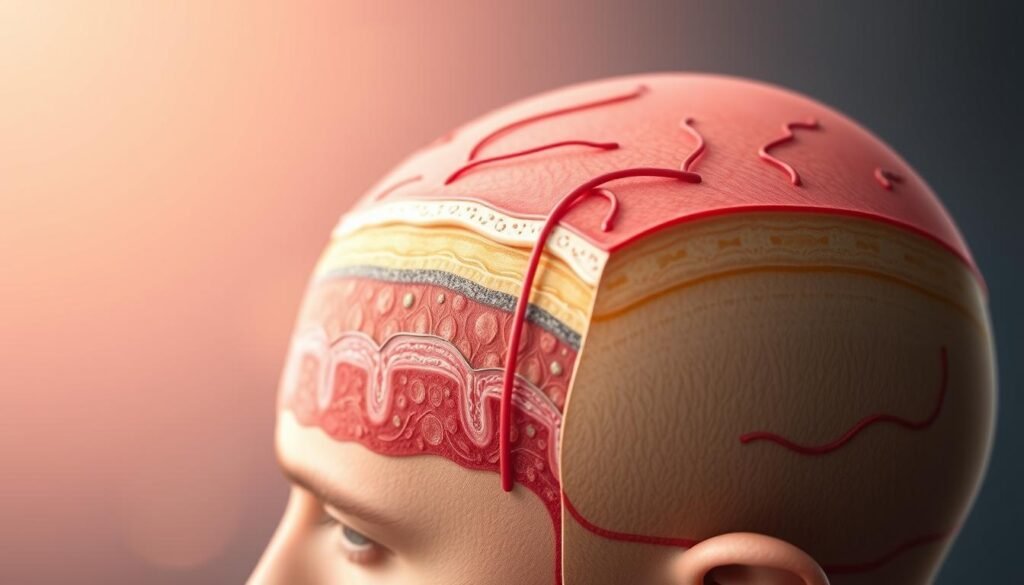
Your scalp is more than just a surface for hair growth; it’s a complex ecosystem that plays a crucial role in the health of your hair and skin. Understanding the anatomy of your scalp is essential for maintaining a healthy scalp care routine.
Layers of the Scalp and Their Functions
The scalp consists of multiple layers, each with distinct functions that contribute to overall scalp health. These layers include:
- The skin layer, which provides a barrier against external factors
- The subcutaneous layer, containing fat and connective tissue
- The galea aponeurotica, a tough fibrous layer
- The loose areolar tissue, which allows for scalp mobility
- The pericranium, the outermost layer covering the skull
Each layer works together to support hair follicles and facilitate hair growth. A healthy scalp anatomy is vital for optimal hair growth cycles.
How Scalp Health Affects Hair Growth Cycles
The health of your scalp directly impacts your hair growth cycles. A scalp in good condition supports the three phases of hair growth: anagen (growth), catagen (transitional), and telogen (resting). Factors such as scalp irritation, inflammation, or conditions like dandruff can disrupt these cycles, leading to hair loss or slowed growth.
Maintaining a healthy scalp through proper scalp care routine tips can help ensure that your hair grows strong and healthy. This includes regular cleansing, gentle exfoliation, and nourishing treatments tailored to your scalp type.
By understanding the importance of scalp anatomy and its impact on hair growth, you can take proactive steps to care for your scalp and promote healthy hair growth cycles.
Common Scalp Issues and Their Root Causes
A healthy scalp is the foundation of beautiful hair and skin, but various common scalp issues can disrupt this balance. Understanding these problems and their underlying causes is crucial for maintaining a healthy scalp and, by extension, beautiful hair and skin.
Dandruff and Seborrheic Dermatitis
Dandruff and seborrheic dermatitis are two of the most common scalp issues. Dandruff is characterized by flakes of dead skin, while seborrheic dermatitis is a more severe condition that causes red, itchy, and flaky skin. Both conditions can be caused by a combination of factors, including sensitivity to hair care products, stress, and fungal infections.
Using natural scalp remedies such as tea tree oil and apple cider vinegar can help alleviate symptoms. Tea tree oil has antifungal properties that can combat fungal infections, while apple cider vinegar can help balance the scalp’s pH.
Dryness and Itchiness
Dryness and itchiness are common scalp problems that can be caused by a lack of moisture, harsh hair care products, or environmental factors. To combat dryness, it’s essential to use gentle, moisturizing shampoos and conditioners. Additionally, incorporating a scalp serum or oil into your routine can help lock in moisture.
Itchiness can often be a sign of an underlying issue such as dandruff or eczema. Using a scalp scrub or exfoliant can help remove dead skin cells and reduce itchiness. For persistent itchiness, consider consulting a dermatologist for further guidance.
Oiliness and Product Buildup
Oiliness and product buildup are common scalp issues, particularly for those with oily hair. Using a clarifying shampoo once a week can help remove product residue and excess oil. It’s also beneficial to use lightweight, oil-free products that won’t clog pores or weigh hair down.
For those prone to oiliness, minimizing the use of heavy styling products and washing hair regularly can help control oil production. Natural remedies like lemon juice and clay masks can also help absorb excess oil and purify the scalp.
Scalp Acne and Folliculitis
Scalp acne and folliculitis are inflammatory conditions that can cause red bumps, itchiness, and discomfort. These conditions are often caused by clogged pores, sweat, and bacterial infections. Maintaining good scalp hygiene, using non-comedogenic products, and avoiding tight hairstyles can help prevent these issues.
Treatment for scalp acne and folliculitis may involve using salicylic acid or benzoyl peroxide products to unclog pores and reduce inflammation. In severe cases, consulting a dermatologist for prescription treatments may be necessary.
Essential Components of a Healthy Scalp Care Routine
A healthy scalp care routine involves a combination of proper cleansing, exfoliation, and hydration techniques. By incorporating these essential components into your daily routine, you can maintain a healthy scalp and achieve radiant hair and skin.
Cleansing Techniques That Won’t Strip Natural Oils
Gentle cleansing is crucial for maintaining the natural balance of your scalp. Use a mild shampoo that is formulated for your scalp type, and avoid using hot water, which can strip your scalp of its natural oils.
To cleanse your scalp effectively:
- Massage your scalp gently with your fingertips to loosen dirt and oil.
- Rinse your scalp thoroughly with lukewarm water.
- Avoid using harsh scrubbers or exfoliating gloves, which can irritate your scalp.
Exfoliation: When and How to Do It Right
Exfoliating your scalp helps remove dead skin cells and promote healthy hair growth. Use a scalp scrub or a gentle exfoliating treatment containing ingredients like sugar or salt once or twice a week.
| Exfoliation Method | Frequency | Benefits |
|---|---|---|
| Scalp Scrub | 1-2 times a week | Removes dead skin cells, promotes healthy hair growth |
| Gentle Exfoliating Treatment | 1 time a week | Helps control dandruff, reduces itchiness |
Hydration and Moisturization Strategies
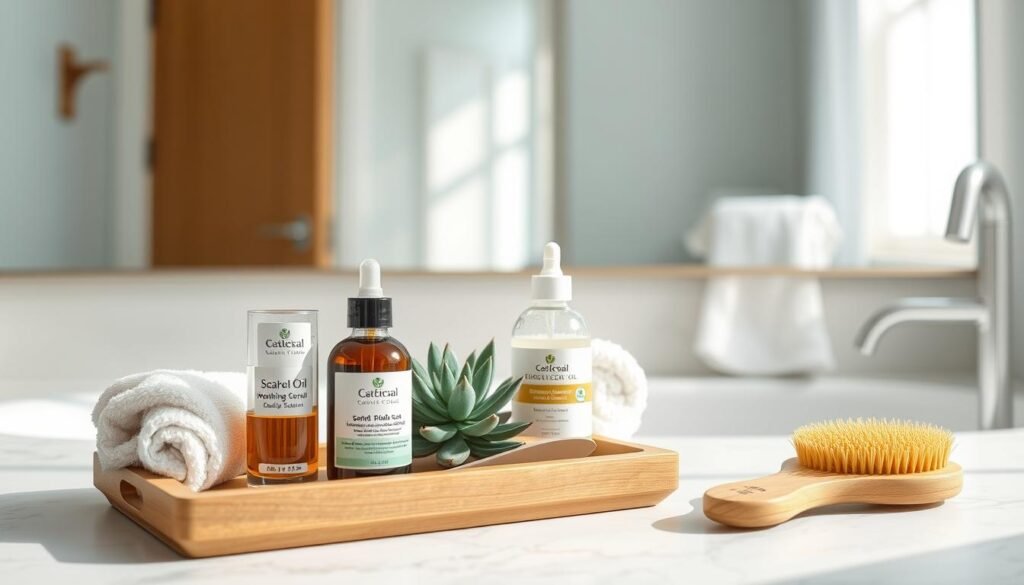
Hydrating and moisturizing your scalp is essential for maintaining its natural balance. Use a scalp serum or a moisturizing mask containing ingredients like coconut oil, argan oil, or shea butter.
To hydrate and moisturize your scalp effectively:
- Apply a scalp serum or moisturizing mask after cleansing and exfoliating.
- Leave the treatment on for at least 30 minutes before rinsing.
- Use a hydrating shampoo and conditioner to lock in moisture.
By incorporating these essential components into your scalp care routine, you can achieve a healthy, balanced scalp and radiant hair and skin.
Scalp Care Secrets for Radiant Hair & Skin: Expert-Approved Techniques
Expert-approved scalp care techniques can transform your hair and skin health. By incorporating simple yet effective methods into your routine, you can achieve a healthier scalp, which in turn promotes radiant hair and glowing skin.
Scalp Massage Benefits and Methods
Scalp massage is a powerful technique that stimulates blood flow, promoting healthy hair growth and reducing stress. To incorporate scalp massage into your routine, use your fingertips to massage your scalp in circular motions for about 5 minutes, ideally before shampooing.
Benefits of Scalp Massage:
- Increases blood flow to the scalp
- Reduces stress and tension
- Promotes healthy hair growth
- Improves scalp health
Pre-Shampoo Treatments Worth Trying
Pre-shampoo treatments can nourish and protect your scalp before washing. Some effective treatments include:
- Coconut oil or olive oil masks to moisturize the scalp
- Apple cider vinegar rinses to balance the scalp’s pH
- Tea tree oil treatments to combat dandruff and itchiness
| Treatment | Benefits |
|---|---|
| Coconut Oil Mask | Moisturizes and nourishes the scalp |
| Apple Cider Vinegar Rinse | Balances scalp pH and reduces flaking |
| Tea Tree Oil Treatment | Combats dandruff and itchiness |
Post-Wash Care for Optimal Scalp Health
After washing your hair, it’s essential to care for your scalp to maintain its health. Some post-wash care tips include:
- Using a cool or lukewarm water rinse to close the pores
- Avoiding harsh towel-drying, instead gently patting dry
- Applying a scalp serum or oil to lock in moisture
By incorporating these expert-approved techniques into your scalp care routine, you can achieve a healthier, more radiant scalp, which in turn promotes vibrant hair and glowing skin.
Nutrition and Lifestyle Factors That Impact Scalp Health
Your diet and lifestyle choices have a direct impact on the health and appearance of your scalp. A balanced diet rich in essential nutrients, adequate hydration, and effective stress management can all contribute to a healthy scalp.
Essential Nutrients for a Healthy Scalp
A diet lacking in essential nutrients can lead to scalp issues such as dryness, itchiness, or excessive oiliness. Key nutrients for scalp health include vitamins A, C, and E, along with minerals like zinc and iron. These nutrients support the health of the scalp by promoting cell turnover, reducing inflammation, and enhancing the overall condition of the hair follicles.
| Nutrient | Benefit to Scalp Health | Food Sources |
|---|---|---|
| Vitamin A | Promotes cell turnover and reduces flakiness | Carrots, sweet potatoes, spinach |
| Vitamin C | Boosts collagen production and improves hair growth | Oranges, strawberries, bell peppers |
| Zinc | Regulates oil production and reduces inflammation | Oysters, beef, chicken, pumpkin seeds |
Hydration and Its Effect on Scalp Condition
Adequate hydration is crucial for maintaining a healthy scalp. Water helps to keep the scalp hydrated, reducing the risk of dryness and itchiness. Drinking enough water throughout the day is essential for overall health, including the health of your scalp.
Stress Management for Better Scalp Health
High levels of stress can negatively impact scalp health, potentially leading to conditions such as alopecia areata or telogen effluvium. Effective stress management techniques include meditation, yoga, and deep breathing exercises. These practices can help reduce stress and promote overall well-being, including the health of your scalp.

Incorporating these nutrition and lifestyle factors into your daily routine can significantly improve the health and appearance of your scalp. By focusing on a balanced diet, staying hydrated, and managing stress, you can promote a healthy scalp and enjoy the benefits of healthier hair and skin.
Natural Remedies and DIY Treatments for Scalp Care
Nature provides a wealth of ingredients that can be used to create effective scalp treatments. For centuries, people have turned to natural remedies to address various scalp issues, from dryness and itchiness to oiliness and dandruff. These remedies not only offer a more holistic approach to scalp care but also often come with fewer side effects compared to commercial products.
Herbal Infusions and Essential Oils
Herbal infusions and essential oils have been used for their therapeutic properties. For scalp care, certain herbs and oils are particularly beneficial.
- Tea Tree Oil: Known for its antifungal and antibacterial properties, tea tree oil can help combat dandruff and scalp acne.
- Lavender Oil: Lavender oil can soothe an itchy scalp and promote relaxation, which can indirectly benefit scalp health by reducing stress.
- Chamomile Infusion: Chamomile can calm irritated scalp skin and reduce inflammation.
Kitchen Ingredients That Work Wonders
Many kitchen ingredients can be repurposed for scalp care, offering a convenient and cost-effective solution.
| Ingredient | Benefit | Usage |
|---|---|---|
| Coconut Oil | Moisturizes and nourishes the scalp | Apply as a pre-shampoo treatment or overnight mask |
| Apple Cider Vinegar | Balances scalp pH and reduces dandruff | Use as a final rinse after shampooing |
| Honey | Hydrates and soothes the scalp | Apply as a mask, leave on for 30 minutes before rinsing |
DIY Scalp Masks and Treatments
Creating your own scalp masks and treatments can be a fun and effective way to care for your scalp. Here are a few recipes to get you started:
- Avocado and Banana Mask: Mash ripe avocado and banana, mix in a tablespoon of honey. Apply to the scalp and leave on for 20-30 minutes before rinsing.
- Oatmeal and Yogurt Soother: Mix cooked oatmeal with plain yogurt and a teaspoon of honey. Apply to the scalp, leave on for 15-20 minutes.
Choosing the Right Products for Your Scalp Type
A healthy scalp is the foundation of beautiful hair, and the right products can make all the difference. To achieve this, it’s crucial to understand your scalp type and select products that cater to its specific needs.
Identifying Your Scalp Type
Before choosing scalp care products, you need to identify your scalp type. There are generally four scalp types: normal, dry, oily, and combination. Understanding your scalp type will help you narrow down the products that will work best for you.
- Normal Scalp: Balanced, neither too oily nor too dry.
- Dry Scalp: Tends to be flaky, itchy, and sensitive.
- Oily Scalp: Greasy, prone to product buildup and sometimes dandruff.
- Combination Scalp: Mix of oily and dry scalp characteristics, often oily at the roots and dry at the ends.
Ingredients to Look For and Avoid
Once you’ve identified your scalp type, look for products with ingredients that address your specific scalp concerns. Here are some ingredients to look for and avoid:
| Scalp Type | Ingredients to Look For | Ingredients to Avoid |
|---|---|---|
| Dry Scalp | Coconut oil, shea butter, argan oil | Harsh sulfates, artificial fragrances |
| Oily Scalp | Tea tree oil, salicylic acid, citrus extracts | Heavy oils, comedogenic ingredients |
| Normal Scalp | Balancing antioxidants, gentle cleansers | Overly harsh or overly moisturizing ingredients |
Product Recommendations for Different Scalp Conditions
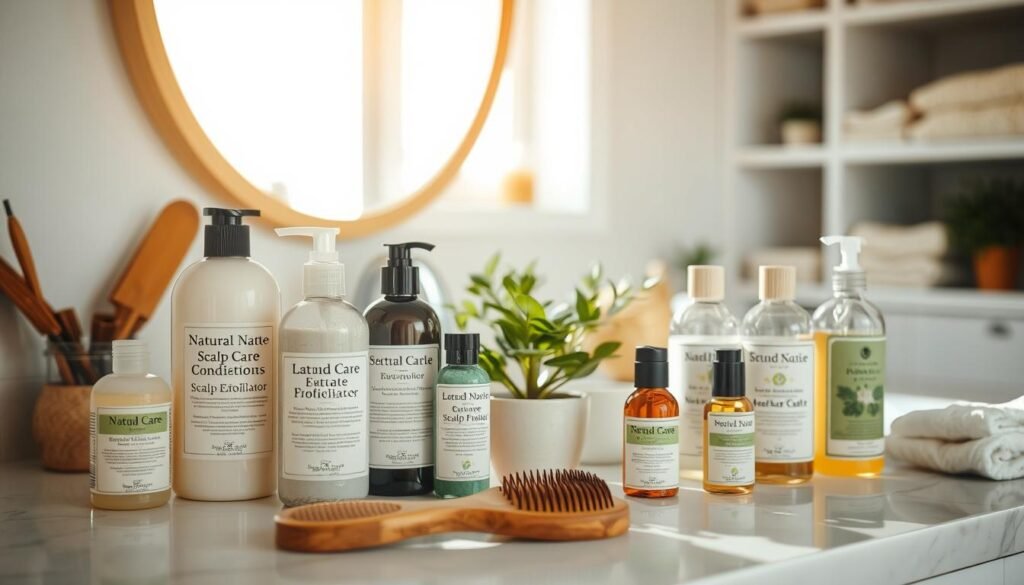
Here are some product recommendations based on different scalp conditions:
- For Dry Scalp: Look for moisturizing shampoos and conditioners with ingredients like glycerin and ceramides.
- For Oily Scalp: Use lightweight, oil-free products that won’t clog pores, and consider products containing salicylic acid for exfoliation.
- For Sensitive Scalp: Opt for fragrance-free and hypoallergenic products to minimize irritation.
By understanding your scalp type and choosing the right products, you can maintain a healthy scalp and achieve radiant hair.
Seasonal Adjustments to Your Scalp Care Routine
Seasonal changes can significantly impact your scalp’s health, making it crucial to adjust your care routine accordingly. As the environment around us changes with the seasons, so do the needs of our scalp.
Winter Scalp Care Strategies
During the winter months, the cold weather and dry air can strip your scalp of its natural moisture, leading to dryness and itchiness. To combat this, consider the following strategies:
- Use a gentle, moisturizing shampoo to help retain moisture.
- Apply a scalp serum or oil that contains nourishing ingredients like argan oil or coconut oil.
- Reduce the frequency of washing your hair to prevent stripping it of its natural oils.
As noted by scalp care experts, “Maintaining moisture is key during the winter months.”
“A dry scalp can lead to irritation and flakiness, so it’s essential to keep it hydrated.”
Summer Protection and Hydration
Summer brings its own set of challenges, including increased sweat and sun exposure, which can affect scalp health. To protect your scalp during the summer:
- Wear a hat or use a scalp sunscreen to protect against UV damage.
- Keep your scalp clean by washing your hair more frequently, but be sure to use a gentle shampoo.
- Stay hydrated to keep your scalp healthy from the inside out.
| Season | Scalp Care Tips |
|---|---|
| Winter | Moisturize, reduce washing frequency |
| Summer | Protect from sun, stay hydrated |
Transitional Weather Adjustments
During the spring and autumn, the weather can be unpredictable, requiring adjustments in your scalp care routine. Consider:
- Using a clarifying shampoo to remove product buildup.
- Adjusting your moisturizing routine based on the humidity levels.
- Being mindful of allergens and irritants that may become more prevalent during these seasons.
Key Takeaway: Adjusting your scalp care routine to the current season is crucial for maintaining a healthy scalp and promoting radiant hair and skin.
Conclusion: Embracing Holistic Scalp Care for Lifelong Benefits
By embracing a holistic approach to scalp care, individuals can unlock the scalp care secrets to healthier, more radiant hair and skin. This comprehensive method involves not just the right products and techniques but also nutrition, lifestyle adjustments, and stress management.
Holistic scalp care is about understanding the intricate relationship between scalp health, hair, and skin. By adopting this approach, you can enjoy lifelong benefits, including improved hair growth, reduced scalp issues, and a more radiant complexion.
To reap these lifelong benefits, it’s essential to be consistent and patient. Incorporating scalp care secrets into your routine can make a significant difference. This includes regular scalp massage and pre-shampoo treatments, as well as the right nutrition for a healthy scalp.
By making holistic scalp care a priority, you’re investing in your overall well-being. Start your journey to healthier, more radiant hair and skin today by embracing the principles of holistic scalp care.
FAQ
What are the common signs of an unhealthy scalp?
How often should I exfoliate my scalp?
What are the best natural remedies for scalp care?
How can I identify my scalp type?
What are the essential nutrients for a healthy scalp?
How can I protect my scalp from seasonal changes?
Can stress affect my scalp health?
What are the benefits of scalp massage?
How can I choose the right products for my scalp type?
🌸 Discover Weight Management Supplements That Works — Handpicked for You
Curated health & beauty essentials our readers trust — explore your new self-care favorites.


🌸 Discover Beauty That Works — Handpicked for You
Curated health & beauty essentials our readers trust — explore your new self-care favorites.

💖 Connect with SmartWellnessBeauty
Join our wellness & beauty community for daily inspiration, mindful living, and radiant self-care — follow us across your favorite platforms.

















What do you think?
Show comments / Leave a comment