


Rosehip Oil: The Secret to Radiant, Regenerated Skin

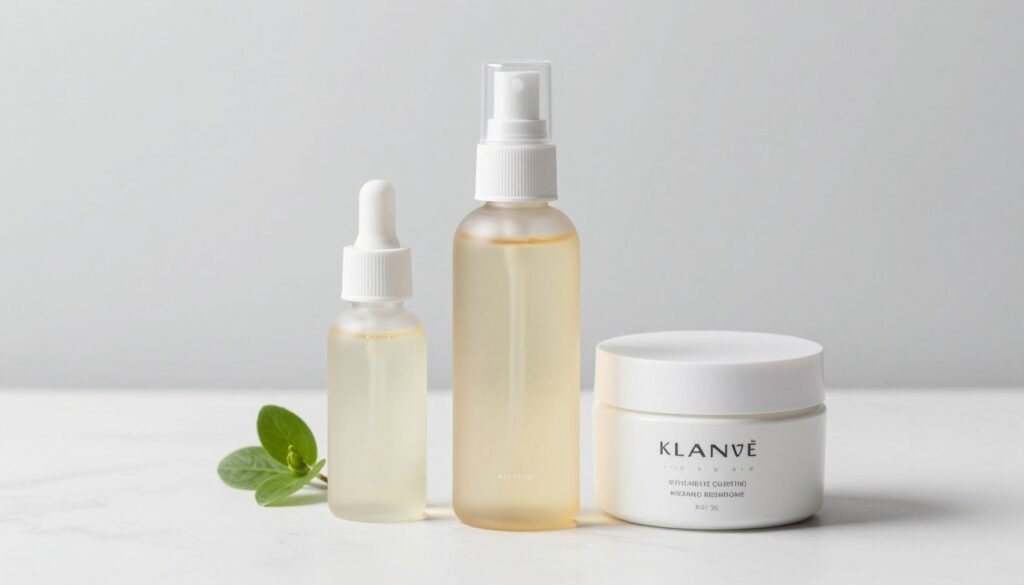
Achieving radiant skin is a universal desire, and nature has provided us with a powerful tool to make it happen: rosehip oil. Rich in essential fatty acids, vitamins, and antioxidants, this natural oil has become a staple in many skincare routines.
With its regenerative properties, rosehip oil helps to rejuvenate the skin, leaving it looking smoother and more vibrant. As part of a natural skincare regimen, it offers a promising solution for those seeking to enhance their skin’s health and appearance.
Key Takeaways
- Discover the benefits of using rosehip oil for skincare.
- Learn how rosehip oil’s components contribute to radiant skin.
- Understand the role of natural skincare in achieving regenerated skin.
- Explore the regenerative properties of rosehip oil.
- Find out how to incorporate rosehip oil into your skincare routine.
What is Rosehip Oil and Where Does It Come From?
Rosehip oil, extracted from the seeds of rose plants, is a treasure trove of nutrients beneficial for skin health. This precious oil is derived from the fruits of wild rose bushes, particularly from the Rosa rubiginosa or Rosa moschata species.
The Botanical Origins of Rosehip Oil
Rosehip oil is obtained from the seeds of rosehip fruits, which are the pseudo-fruits of rose plants. The seeds within these fruits are rich in essential fatty acids and vitamins, making them an ideal ingredient for skincare.
The process begins with the harvesting of rosehips, typically done by hand to ensure quality. The seeds are then extracted and cold-pressed to obtain the oil, preserving its natural nutrients and properties.
Traditional Uses Throughout History
Rosehip oil has been used for centuries in traditional medicine and skincare. Ancient civilizations, including the Egyptians and Mayans, valued rosehip oil for its healing and regenerative properties.
In the past, rosehip oil was used to treat various skin conditions, from wounds to skin irritations. Its historical use is a testament to its effectiveness and safety.
Modern Extraction Methods
Today, the extraction of rosehip oil is done using modern methods that preserve its natural benefits. Cold-pressing is the preferred method, as it doesn’t involve heat, which can damage the oil’s nutritional profile.
| Extraction Method | Description | Benefits |
|---|---|---|
| Cold-Pressing | Mechanical pressing without heat | Preserves nutrients, natural aroma |
| Solvent Extraction | Using solvents to extract oil | Higher yield, but may lose some nutrients |
The cold-pressing method is favored for its ability to retain the oil’s natural antioxidants and fatty acids, making it a superior choice for skincare.
The Powerful Composition of Rosehip Oil
At the heart of rosehip oil’s skincare benefits lies a unique combination of essential fatty acids, vitamins, and antioxidants. This complex blend is what makes rosehip oil an effective solution for various skin concerns, from aging to hydration.

Essential Fatty Acids: Omega-3, 6, and 9
Rosehip oil is rich in essential fatty acids, including Omega-3, 6, and 9. These fatty acids play a crucial role in maintaining the skin’s barrier function, promoting hydration, and supporting skin elasticity. Omega-3 fatty acids, in particular, are known for their anti-inflammatory properties, which can help in reducing the appearance of fine lines and wrinkles.
The presence of linoleic and linolenic acids in rosehip oil contributes to its anti-aging and hydrating properties. A study highlighted by
“The nutritional profile of rosehip oil makes it an excellent moisturizer, capable of penetrating deep into the skin to nourish and regenerate skin cells.”
supports the use of rosehip oil for skin health.
| Fatty Acid | Benefits |
|---|---|
| Omega-3 | Anti-inflammatory, promotes skin elasticity |
| Omega-6 | Hydrates the skin, supports barrier function |
| Omega-9 | Enhances skin elasticity, nourishes skin cells |
Vitamins and Antioxidants
Rosehip oil is also abundant in vitamins A and C, which are powerful antioxidants. Vitamin C is crucial for collagen production and brightening the skin, while vitamin A (retinol) helps in cell regeneration and reducing the appearance of fine lines and wrinkles. The antioxidant properties of these vitamins protect the skin from environmental stressors and promote overall skin health.
The synergy between vitamins and fatty acids in rosehip oil makes it a comprehensive skincare solution. The oil’s ability to nourish, regenerate, and protect the skin makes it an invaluable addition to any skincare routine.
Bioactive Compounds
Beyond its fatty acids and vitamins, rosehip oil contains other bioactive compounds that contribute to its skincare benefits. These include phenolic compounds and carotenoids, which have antioxidant properties that help in protecting the skin from damage caused by free radicals.
The combination of these bioactive compounds with essential fatty acids and vitamins makes rosehip oil a potent anti-aging and hydrating treatment. Its ability to address multiple skin concerns simultaneously makes it a highly sought-after ingredient in natural skincare products.
Rosehip Oil: Your Secret to Radiant, Regenerated Skin
Rosehip oil is the key to unlocking your skin’s natural radiance and regeneration. This natural oil has been gaining popularity for its numerous benefits, particularly in promoting healthy, glowing skin.
How Rosehip Oil Promotes Cell Regeneration
Rosehip oil is rich in essential fatty acids, including omega-3, 6, and 9, which play a crucial role in cell regeneration. These fatty acids help to nourish the skin, promoting the repair and regeneration of skin cells. As a result, the skin appears smoother, more even-toned, and radiant.
Cell regeneration is a critical process in maintaining healthy, youthful-looking skin. By supporting this natural process, rosehip oil can help to reduce the appearance of fine lines and wrinkles, leaving the skin looking more vibrant and regenerated.
The Science Behind Skin Radiance
The radiance associated with healthy skin is largely due to its ability to reflect light evenly. Rosehip oil’s high content of vitamins A and C, along with its antioxidant properties, helps to improve skin elasticity and reduce hyperpigmentation. This results in a more even skin tone and a brighter complexion.
Antioxidants play a vital role in protecting the skin from environmental stressors and damage caused by free radicals. By neutralizing these harmful agents, rosehip oil helps to preserve the skin’s natural glow and radiance.
| Benefit | Description |
|---|---|
| Cell Regeneration | Promotes the repair and regeneration of skin cells, resulting in smoother, more even-toned skin. |
| Skin Radiance | Improves skin elasticity and reduces hyperpigmentation, leading to a brighter complexion. |
| Antioxidant Protection | Neutralizes free radicals, protecting the skin from environmental stressors and damage. |
Before and After: Visual Results
Many users have reported significant improvements in their skin after incorporating rosehip oil into their skincare routine.
Visual results often include a reduction in fine lines and wrinkles, improved skin elasticity, and a more radiant complexion.
By understanding the benefits and science behind rosehip oil, individuals can make informed decisions about incorporating this natural oil into their skincare regimen for radiant, regenerated skin.
Top 7 Skin Benefits of Rosehip Oil
With its rich composition, rosehip oil offers a multitude of advantages for skin health. This natural oil is packed with essential fatty acids, vitamins, and antioxidants that work synergistically to improve skin texture and appearance.
Reducing Fine Lines and Wrinkles
Rosehip oil is renowned for its anti-aging properties, primarily due to its high content of vitamin A, which promotes cell regeneration and collagen production. Regular application can lead to a significant reduction in fine lines and wrinkles, giving the skin a smoother and more youthful appearance.
Fading Scars and Hyperpigmentation
The oil’s regenerative properties also help in fading scars and hyperpigmentation. The essential fatty acids present in rosehip oil facilitate the healing process, reducing the appearance of scars and promoting a more even skin tone.
Improving Skin Elasticity
Rosehip oil’s rich composition of omega-3 and omega-6 fatty acids helps improve skin elasticity. By nourishing the skin, it enhances its flexibility and firmness, making it look more vibrant and healthy.
Hydrating Dry Skin
One of the key benefits of rosehip oil is its ability to hydrate dry skin. The oil’s hydrating properties ensure that the skin remains moisturized, reducing dryness and flakiness.

| Skin Benefit | Description |
|---|---|
| Reducing Fine Lines and Wrinkles | Promotes cell regeneration and collagen production |
| Fading Scars and Hyperpigmentation | Facilitates healing and reduces scar appearance |
| Improving Skin Elasticity | Nourishes skin with essential fatty acids |
| Hydrating Dry Skin | Moisturizes and reduces dryness |
How to Choose the Highest Quality Rosehip Oil
In a sea of rosehip oil options, discerning the superior from the mediocre is essential for skincare success. With the growing popularity of natural skincare, the market is flooded with various products, making it challenging to identify the best rosehip oil for your needs.
Cold-Pressed vs. Refined Oils
The method of extraction is a critical factor in determining the quality of rosehip oil. Cold-pressed rosehip oil is considered superior because it is extracted without heat, preserving the delicate nutrients and fatty acids. In contrast, refined oils may undergo chemical processing, which can strip away some of the oil’s natural benefits.
Organic Certification Importance
Opting for organically certified rosehip oil ensures that the oil is produced without the use of harmful pesticides, herbicides, or synthetic fertilizers. This not only benefits your skin but also supports environmentally friendly farming practices.
Color, Smell, and Texture Indicators
High-quality rosehip oil typically has a distinct deep orange-red color and a mild, nutty aroma. The texture should be smooth and not too thick or too thin. Any significant deviation from these characteristics could indicate lower quality or adulteration.
Packaging and Storage Considerations
The packaging of rosehip oil is crucial in maintaining its quality. Dark glass bottles are preferred as they protect the oil from light degradation. Additionally, proper storage in a cool, dry place away from direct sunlight is essential to preserve the oil’s potency.
By considering these factors, you can make an informed decision when selecting a rosehip oil that meets your skincare needs and preferences.
Incorporating Rosehip Oil into Your Daily Skincare Routine
Rosehip oil is a versatile skincare product that can be used in various ways to enhance your daily routine. Its rich composition of essential fatty acids and antioxidants makes it an excellent addition to both morning and evening skincare regimens.

Morning Application Techniques
When using rosehip oil in the morning, it’s best to apply a few drops after cleansing and toning. Gently massage the oil into your skin until it’s fully absorbed before applying sunscreen or makeup. This helps to hydrate and protect your skin throughout the day.
As noted by skincare experts, “Using rosehip oil in the morning can help improve skin texture and reduce the appearance of fine lines and wrinkles over time.”
Evening Skincare Rituals
In the evening, rosehip oil can be used as a nourishing treatment to repair and regenerate the skin while you sleep. Apply a few drops after cleansing and toning, and gently massage it into your skin. You can also layer it under your nighttime moisturizer for an extra boost of hydration.
According to a study published in the Journal of Cosmetic Dermatology, rosehip oil has been shown to improve skin elasticity and reduce the appearance of scars and hyperpigmentation.
Layering with Other Products
One of the benefits of rosehip oil is its ability to be layered with other skincare products. You can apply it under your moisturizer, serum, or sunscreen, or use it as a standalone treatment. When layering, start with the lightest consistency and work your way up to the thickest product.
- Apply rosehip oil after cleansing and toning
- Layer under your moisturizer or serum
- Use as a pre-sunscreen treatment for added hydration
Frequency of Use for Different Skin Types
The frequency of using rosehip oil depends on your skin type. For normal to dry skin, you can use it twice a day, morning and evening. For oily skin, start with a once-daily application and adjust as needed. Sensitive skin types should begin with a patch test and gradually increase usage.
As skincare expert Dr. Joshua Zeichner notes, “Rosehip oil is rich in antioxidants and essential fatty acids, making it an excellent choice for dry, mature, or sensitive skin.”
DIY Rosehip Oil Treatments for Enhanced Results
Unlock the full potential of rosehip oil with these simple DIY treatments for radiant, regenerated skin. Rosehip oil is a versatile ingredient that can be used in a variety of skincare applications, from facial serums to body and hair treatments.
Rosehip Facial Serums
Creating a rosehip facial serum is a great way to harness the oil’s regenerative properties. To make a simple serum, mix a few drops of rosehip oil with your favorite moisturizer or serum. You can also add a few drops of essential oils like lavender or chamomile for their calming benefits.
- Rejuvenating Serum: Mix 5 drops of rosehip oil with 10 drops of jojoba oil and 5 drops of vitamin E oil.
- Hydrating Serum: Combine 10 drops of rosehip oil with 15 drops of argan oil and a few drops of hyaluronic acid serum.
Overnight Regenerating Masks
Overnight masks are an excellent way to deeply nourish and regenerate your skin. Rosehip oil is an excellent ingredient for these masks due to its high content of essential fatty acids and antioxidants.
- Mix 1 tablespoon of rosehip oil with 1 tablespoon of honey and 1 teaspoon of yogurt.
- Apply the mixture to your face and leave it on overnight.
- Rinse off with warm water in the morning and pat dry.
Targeted Spot Treatments
Rosehip oil can be used as a targeted treatment for specific skin concerns such as acne scars, hyperpigmentation, or fine lines. Apply a few drops directly to the affected area using a cotton swab.
- Acne Scar Treatment: Mix a few drops of rosehip oil with a small amount of tea tree oil for its antibacterial properties.
- Hyperpigmentation Treatment: Use rosehip oil alone or mixed with a few drops of lemon essential oil for its brightening effects.
Body and Hair Applications
Rosehip oil is not just limited to facial skincare; it can also be used for body and hair treatments. Its nourishing properties make it an excellent moisturizer for dry skin and a great treatment for damaged hair.
- Body Moisturizer: Mix rosehip oil with coconut oil or shea butter for a rich body moisturizer.
- Hair Treatment: Use rosehip oil as a pre-shampoo treatment to nourish and protect your hair.
Who Should (and Shouldn’t) Use Rosehip Oil
Rosehip oil has gained popularity for its numerous skincare benefits, but is it right for everyone? As with any skincare product, understanding your skin type, concerns, and potential sensitivities is crucial before incorporating rosehip oil into your routine.
Ideal Skin Types and Conditions
Rosehip oil is generally suitable for most skin types, including dry, normal, and combination skin. Its hydrating properties and essential fatty acids make it particularly beneficial for dry or mature skin. It’s also known to help with skin regeneration, making it a great option for those looking to reduce fine lines and scars.
For individuals with acne-prone skin, rosehip oil can be beneficial due to its anti-inflammatory properties and ability to regulate sebum production. However, it’s essential to start with a small amount to gauge your skin’s reaction.

Potential Allergies and Sensitivities
While rare, some individuals may be allergic or sensitive to rosehip oil. It’s recommended to perform a patch test before using it extensively. If you experience any redness, itching, or irritation, discontinue use.
“Always patch test a new skincare product, including rosehip oil, to ensure you’re not sensitive to it.”
Pregnancy and Age Considerations
Rosehip oil is generally considered safe during pregnancy, but it’s always best to consult with your healthcare provider before introducing new products into your skincare routine while pregnant or breastfeeding.
For children and teenagers, rosehip oil can be a gentle and natural option for addressing skin concerns. However, it’s crucial to consult with a dermatologist or pediatrician before using it on young skin.
Contraindications with Other Skincare Ingredients
When combining rosehip oil with other skincare products, be cautious of potential interactions. For instance, using rosehip oil with other exfoliating products or retinoids may increase skin sensitivity. Always layer products carefully and monitor your skin’s response.
- Be cautious when using rosehip oil with vitamin C or other antioxidants to avoid irritation.
- Avoid mixing rosehip oil with products containing benzoyl peroxide, as it may reduce the oil’s effectiveness.
By understanding who should and shouldn’t use rosehip oil, you can make informed decisions about incorporating this powerful oil into your skincare routine.
Comparing Rosehip Oil to Other Popular Facial Oils
The world of facial oils is diverse, with rosehip oil being a standout for its regenerative properties. As consumers become more savvy about their skincare choices, understanding the unique benefits of different facial oils is crucial.
Rosehip vs. Jojoba Oil
Rosehip oil and jojoba oil are both popular for their moisturizing properties, but they differ significantly in composition. Rosehip oil is rich in essential fatty acids and vitamins, making it ideal for regenerating skin and reducing fine lines. Jojoba oil, on the other hand, is known for its lightweight, non-greasy texture and is often used for balancing skin’s natural moisture.
- Rosehip Oil: High in omega-3, 6, and 9 fatty acids; promotes cell regeneration.
- Jojoba Oil: Closely mimics the skin’s natural sebum; excellent for hydration without clogging pores.
Rosehip vs. Argan Oil
Argan oil is renowned for its hydrating properties and is rich in antioxidants. While both rosehip and argan oils are beneficial for dry skin, rosehip oil has the added advantage of containing retinoic acid, which can help with skin regeneration and reducing the appearance of scars.
- Rosehip Oil: Contains retinoic acid; beneficial for skin regeneration and scar reduction.
- Argan Oil: Rich in vitamin E and fatty acids; excellent for hydration and anti-aging.
Rosehip vs. Marula Oil
Marula oil is another antioxidant-rich oil that is easily absorbed into the skin. While both marula and rosehip oils are great for anti-aging, rosehip oil’s higher concentration of essential fatty acids may make it more effective for regenerating skin and improving skin elasticity.
- Rosehip Oil: High in essential fatty acids; promotes skin regeneration and elasticity.
- Marula Oil: Rich in antioxidants; easily absorbed and hydrating.
Rosehip vs. Squalane
Squalane is a natural moisturizer that protects the skin from water loss. While squalane is excellent for locking in moisture, rosehip oil provides a broader range of benefits, including anti-aging and skin regeneration due to its rich composition of vitamins and fatty acids.
- Rosehip Oil: Rich in vitamins and fatty acids; promotes anti-aging and skin regeneration.
- Squalane: Natural moisturizer; protects against water loss and hydrates the skin.
In conclusion, while each facial oil has its unique benefits, rosehip oil stands out for its comprehensive skincare benefits, making it a valuable addition to any skincare routine.
Conclusion: Embracing Rosehip Oil for Lifelong Skin Health
Rosehip oil has emerged as a powerful tool in the pursuit of radiant, regenerated skin. Through its rich composition of essential fatty acids, vitamins, and antioxidants, it promotes cell regeneration, improves skin elasticity, and hydrates dry skin.
Regular use of rosehip oil can lead to sustained improvements in skin health and appearance. By incorporating this natural skincare solution into your daily routine, you can achieve a more youthful and vibrant complexion.
As a natural skincare solution, rosehip oil offers a gentle yet effective approach to maintaining healthy, regenerated skin. Its benefits extend beyond aesthetic appeal, supporting long-term skin health.
By embracing rosehip oil, individuals can take a proactive approach to their skincare, leveraging its regenerative properties to achieve radiant skin that looks and feels its best.
FAQ
What is rosehip oil and what are its benefits for the skin?
How do I choose a high-quality rosehip oil?
Can I use rosehip oil on sensitive skin?
How often should I apply rosehip oil to my skin?
Can I use rosehip oil during pregnancy or while breastfeeding?
How does rosehip oil compare to other facial oils like argan or jojoba oil?
Can I mix rosehip oil with other skincare products?
What are some DIY treatments I can make with rosehip oil?
🌸 Discover Weight Management Supplements That Works — Handpicked for You
Curated health & beauty essentials our readers trust — explore your new self-care favorites.



🌸 Discover Beauty That Works — Handpicked for You
Curated health & beauty essentials our readers trust — explore your new self-care favorites.

💖 Connect with SmartWellnessBeauty
Join our wellness & beauty community for daily inspiration, mindful living, and radiant self-care — follow us across your favorite platforms.
























What do you think?
Show comments / Leave a comment