
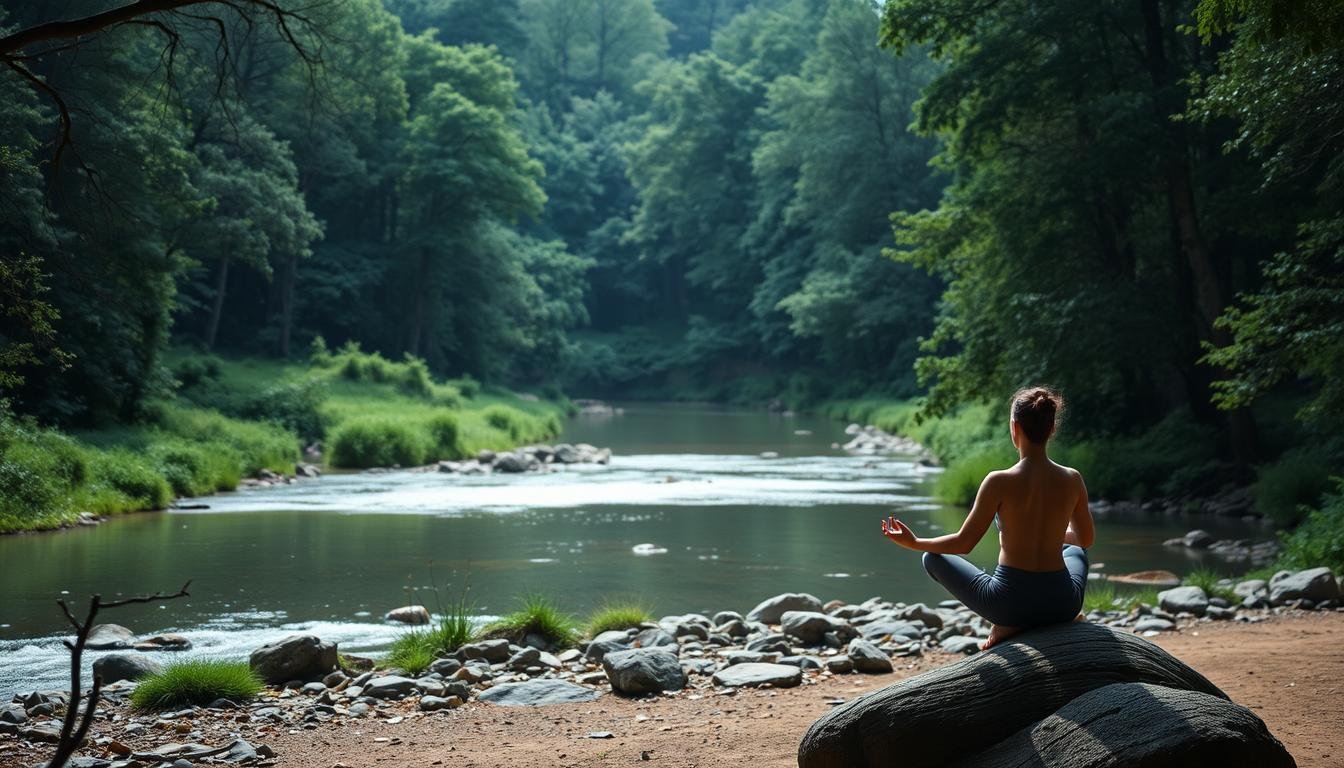
Did you know that chronic stress affects nearly 75% of adults in the United States, potentially leading to serious health issues like anxiety, depression, and cardiovascular disease? In today’s fast-paced world, finding effective stress relief methods is more crucial than ever.
Fortunately, there are numerous natural remedies that can help alleviate stress and promote overall well-being. From mindfulness techniques and herbal supplements to lifestyle changes, this article will explore various strategies to help you manage stress and regain calm in your busy life.
Key Takeaways
- Discover effective natural methods for stress relief
- Learn how mindfulness and relaxation techniques can reduce stress
- Explore the role of lifestyle changes in managing stress
- Understand the benefits of herbal supplements in stress relief
- Find out how to incorporate these strategies into your daily routine
Understanding Stress and Its Effects
Understanding stress is crucial for managing its impact on our well-being. Stress is a complex condition that can manifest differently in different people, influenced by a variety of factors including genetics, social support, coping mechanisms, and personality type.
What Is Stress?
Stress is the body’s natural response to demands or pressures. It can be triggered by various factors, including work-related issues, financial problems, or personal challenges. When we experience stress, our body reacts by releasing hormones like cortisol and adrenaline, preparing us for the “fight or flight” response.
Chronic stress occurs when this response is continually activated, leading to potential health issues. Research indicates that chronic stress can increase the risk of developing conditions such as heart disease, anxiety disorders, and depression.
Common Causes of Stress
Identifying the causes of stress is a crucial step in managing it. Common stressors include:
- Work-related pressures and deadlines
- Financial difficulties
- Relationship issues
- Major life changes
These stressors can vary from person to person, and understanding what triggers stress in an individual can help in devising effective stress management techniques.
Signs and Symptoms of Stress
The signs and symptoms of stress can be diverse, affecting both physical and mental health. Common symptoms include:
- Irritability and mood swings
- Difficulty concentrating
- Sleep disturbances
- Physical complaints like headaches or muscle tension
Recognizing these symptoms early can help in taking proactive measures to reduce stress naturally and prevent its escalation into more serious health issues.
“The greatest weapon against stress is our ability to choose one thought over another.” – William James
This quote highlights the importance of mental control and positive thinking in managing stress.
The Importance of Natural Remedies
Embracing natural remedies can be a crucial step in effectively managing stress and promoting overall well-being. In a world where stress has become an unwelcome companion for many, turning to nature for relief is not just a trend, but a necessity.

Benefits of Choosing Natural Over Medicinal Options
Natural remedies offer a gentler approach to health, minimizing the risk of side effects commonly associated with medicinal options. Choosing natural stress relief methods can lead to more sustainable long-term results, as they often address the root causes of stress rather than just its symptoms.
“The use of natural remedies for stress relief is rooted in the understanding that the body has an innate ability to heal itself,” says a wellness expert. This holistic approach not only alleviates stress but also enhances overall health.
Holistic Approaches to Stress Relief
Holistic stress relief encompasses a wide range of practices, from meditation and yoga to herbal remedies and aromatherapy. These methods work by creating a balance between the body, mind, and spirit, thereby reducing stress and anxiety.
- Meditation and mindfulness practices help calm the mind.
- Yoga combines physical movement with deep breathing techniques.
- Herbal teas, such as chamomile and lavender, are known for their calming effects.
By incorporating these holistic approaches into daily life, individuals can develop effective anxiety remedies that promote a sense of calm and well-being.
“The goal is not to eliminate stress but to learn to live with it in a healthy way.”
This can be achieved through consistent practice of natural and holistic stress relief methods.
Herbal Teas That Help Reduce Stress
Among the various natural stress-relief methods, drinking herbal teas stands out for its simplicity and effectiveness. Herbal teas have been a cornerstone of natural health practices for centuries, offering a calming and soothing way to alleviate stress and anxiety.
Chamomile Tea
Chamomile tea is renowned for its calming effects, making it an excellent choice for those looking to reduce stress. The tea contains apigenin, an antioxidant that binds to certain receptors in the brain, potentially decreasing anxiety and initiating sleep. Drinking a cup of chamomile tea before bed can be a stress busting technique that promotes a restful night’s sleep.
Lavender Tea
Lavender tea is another herbal remedy that has been used for centuries to calm the mind and body. The tea’s soothing properties can help reduce anxiety and stress, promoting relaxation. Lavender tea can be enjoyed at any time of day, but it’s particularly beneficial before bedtime as a stress reduction tip to enhance sleep quality.
Peppermint Tea
Peppermint tea, with its refreshing and invigorating flavor, can also play a role in stress relief. While it might seem counterintuitive to consume a stimulating tea when stressed, peppermint tea can help alleviate tension and improve focus. It’s an excellent choice for a mid-day pick-me-up, offering a mental clarity boost that can help manage stress.
Incorporating these herbal teas into your daily routine can be a simple yet effective stress reduction tip. Whether you’re looking to unwind after a long day or seeking a moment of calm during a busy day, herbal teas offer a natural and soothing solution.
By making herbal teas a part of your daily stress management plan, you can leverage their calming properties to enhance your overall well-being. Experimenting with different teas can help you find the ones that work best for you, making it easier to manage stress in a healthy and natural way.
Breathing Techniques for Immediate Relief
Breathing techniques offer a simple yet powerful method for achieving immediate stress relief. By focusing on the breath, individuals can calm the mind and body, reducing the impact of stress.
Deep Breathing Exercises
Deep breathing exercises involve taking slow, deep breaths through the nose, holding the breath for a few seconds, and then exhaling slowly through the mouth. This technique helps slow down the heart rate and promote relaxation. To practice deep breathing, find a comfortable seated position, place one hand on the belly and the other on the chest, and breathe in deeply through the nose, allowing the belly to rise while the chest remains still.
Box Breathing Method
The box breathing method, also known as square breathing, is a technique used by athletes and individuals in high-stress professions. It involves breathing in for a count of 4, holding the breath for a count of 4, exhaling for a count of 4, and then holding again for a count of 4. This creates a “box” shape with the breath, promoting balance and calm. Box breathing can be practiced anywhere, making it a versatile tool for stress relief.

4-7-8 Breathing Technique
The 4-7-8 breathing technique, also known as the “relaxation breath,” involves breathing in through the nose for a count of 4, holding the breath for a count of 7, and exhaling through the mouth for a count of 8. This technique can help reduce anxiety and promote a good night’s sleep. By practicing the 4-7-8 technique regularly, individuals can develop a greater sense of calm and reduce overall stress levels.
Incorporating these breathing techniques into daily life can provide immediate stress relief and improve overall well-being. Regular practice can lead to better management of stress and a more balanced life.
Mindfulness and Meditation Practices
Mindfulness and meditation are holistic stress relief techniques that have gained recognition for their effectiveness in stress management. These practices empower individuals to enhance their well-being by reducing stress and promoting relaxation.
Guided Imagery
Guided imagery is a meditation technique that involves using visualization to create a peaceful and relaxing environment. By focusing on a guided narrative, individuals can calm their minds and reduce stress.
Benefits of Guided Imagery: Reduces anxiety, improves mood, and enhances relaxation.
Body Scan Meditation
Body scan meditation involves paying attention to different parts of the body, starting from the toes and moving up to the head, to release physical tension. This practice helps in identifying and relaxing areas of stress.
How to Practice: Lie down or sit comfortably, and focus on each body part, releasing tension as you breathe out.
Loving-Kindness Meditation
Loving-kindness meditation, also known as Metta meditation, focuses on cultivating feelings of love, compassion, and kindness towards oneself and others. It helps in reducing stress by promoting a positive and compassionate mindset.
| Meditation Practice | Primary Benefit | Secondary Benefit |
|---|---|---|
| Guided Imagery | Reduces Anxiety | Improves Mood |
| Body Scan Meditation | Relaxes Physical Tension | Enhances Body Awareness |
| Loving-Kindness Meditation | Cultivates Compassion | Promotes Positive Mindset |
By incorporating these mindfulness and meditation practices into daily life, individuals can develop effective stress management techniques and improve their overall well-being.
Physical Activities to Alleviate Stress
Engaging in physical activities is a straightforward and effective way to reduce stress naturally. Exercise can pump up feel-good endorphins and refocus the mind, improving mood and reducing stress. By incorporating physical activities into your daily routine, you can significantly alleviate stress and improve your overall well-being.

Yoga and Its Benefits
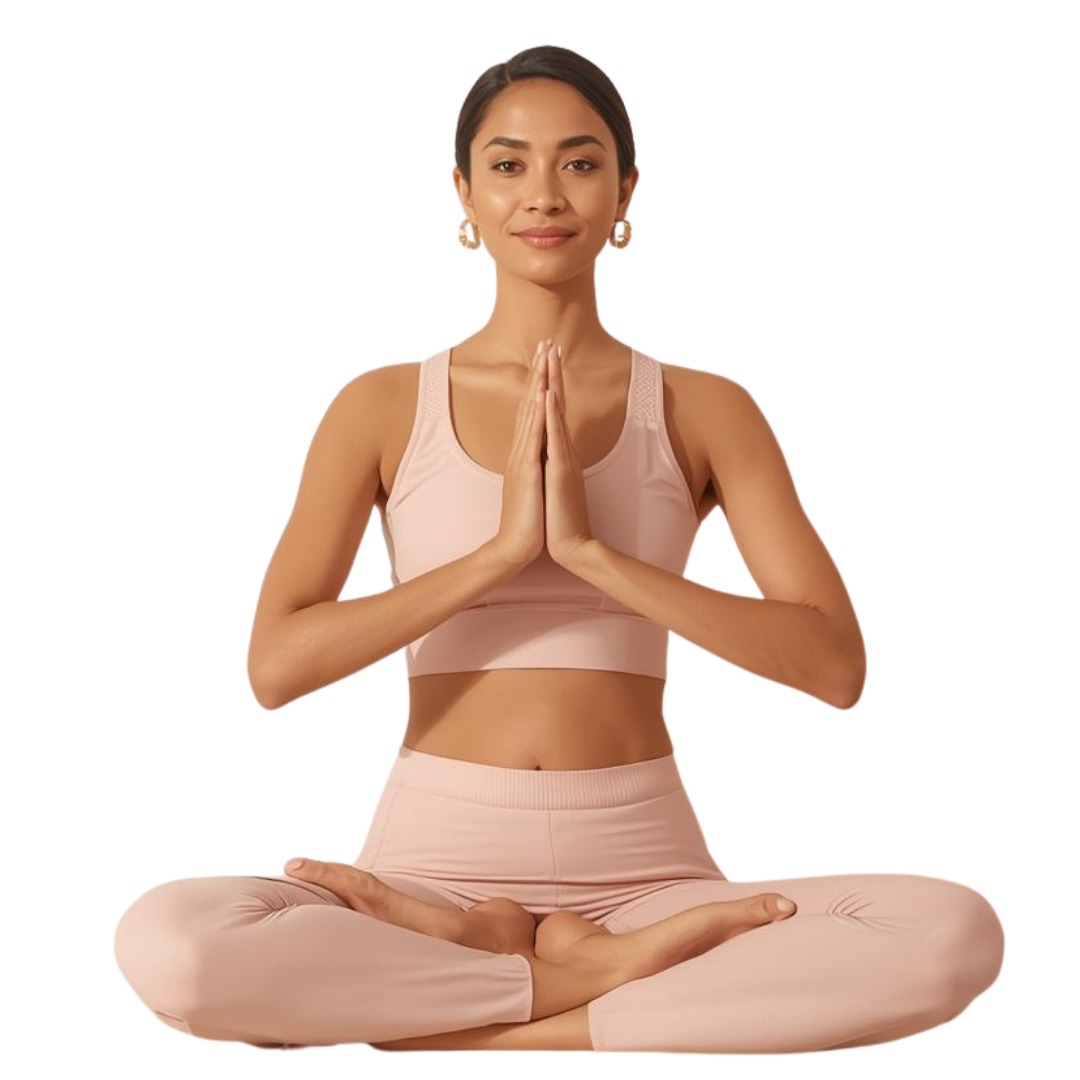
Yoga is a holistic practice that combines physical postures, breathing techniques, and meditation to promote relaxation and reduce stress. Regular yoga practice can help improve flexibility, balance, and strength, while also calming the mind. It is an effective anxiety remedy that can be adapted to suit different ages and fitness levels.
The benefits of yoga extend beyond physical health; it also enhances mental clarity and emotional stability. By focusing on the breath and being present in the moment, yoga helps to quiet the mind and reduce stress.
Quick Workouts for Busy Lifestyles
For those with busy schedules, quick workouts can be an effective way to alleviate stress. Even a short 10-minute workout can make a significant difference. Activities like jumping jacks, running in place, or a quick circuit of bodyweight exercises can get your heart rate up and release endorphins, helping to reduce stress naturally.
These quick workouts can be done anywhere, whether at home, in the office, or during a break. They provide a much-needed break from the daily grind and can help improve focus and productivity.
Walking in Nature
Walking in nature is another excellent way to alleviate stress. Being outdoors and surrounded by natural beauty can have a calming effect on the mind. A leisurely walk in a park or forest can help clear your thoughts and improve your mood.
Nature walks also provide an opportunity to disconnect from technology and reconnect with the natural world. This can be particularly beneficial in today’s fast-paced, technology-driven society, where stress and anxiety are common.
The Role of Nutrition in Stress Management
The food we eat has a significant impact on our stress levels, making nutrition a key factor in stress management. A diet rich in essential nutrients can help mitigate the effects of stress, promoting overall well-being.
Foods That Fight Stress
Incorporating certain foods into your diet can help combat stress. These include:
- Complex Carbohydrates: Foods like whole grains, brown rice, and oats help increase serotonin levels, promoting a sense of calm.
- Fatty Fish: Rich in omega-3 fatty acids, fish like salmon and sardines support brain health and reduce stress.
- Nuts and Seeds: Almonds, walnuts, and chia seeds are rich in healthy fats and antioxidants that help manage stress.
Importance of Hydration
Staying hydrated is crucial for both physical and mental health. Dehydration can exacerbate stress, making it essential to drink plenty of water throughout the day.
Aim for at least 8 cups (64 ounces) of water daily, adjusting according to your activity level and climate.
Supplements for Stress Relief
While a balanced diet is paramount, certain supplements can provide additional support for stress relief. These include:
| Supplement | Benefits |
|---|---|
| Omega-3 Fatty Acids | Supports brain health and reduces inflammation |
| Magnesium | Helps regulate stress response and promotes relaxation |
| Vitamin C | Boosts immune system and reduces stress hormones |
In conclusion, managing stress through nutrition involves a multi-faceted approach, including consuming stress-fighting foods, staying hydrated, and considering supplements. By making informed dietary choices, individuals can better cope with stress and enhance their overall well-being.
Aromatherapy for Stress Reduction
Aromatherapy, with its calming effects, offers a holistic approach to managing stress. This natural therapy involves the use of essential oils derived from plants to promote relaxation and reduce anxiety.
Essential Oils That Calm
Certain essential oils are renowned for their calming properties. These include:
- Lavender Oil: Known for its soothing effects, lavender oil can help reduce anxiety and promote a good night’s sleep.
- Chamomile Oil: Chamomile oil is another calming essential oil that can soothe frayed nerves and calm the mind.
- Bergamot Oil: Bergamot oil has a citrusy scent that can uplift the mood and reduce stress levels.
How to Use Aromatherapy
Aromatherapy can be incorporated into your daily routine in various ways:
- Diffusion: Using a diffuser is one of the most popular methods to enjoy the benefits of aromatherapy. It disperses the essential oil particles into the air, creating a calming atmosphere.
- Topical Application: Essential oils can be applied topically when diluted with a carrier oil. This method is useful for targeted stress relief.
- Bath Salts: Adding a few drops of essential oils to your bath water can create a relaxing and calming experience.
DIY Aromatherapy Blends
Creating your own aromatherapy blends can be a fun and rewarding experience. Here’s a simple recipe to get you started:
Mix 5 drops of lavender oil, 3 drops of chamomile oil, and 2 drops of bergamot oil in a diffuser or with a carrier oil for topical application. This blend promotes relaxation and reduces stress.

By incorporating aromatherapy into your stress management routine, you can enjoy a more relaxed and peaceful state of mind.
Creating a Stress-Free Environment
Creating an environment that fosters relaxation is crucial for reducing stress naturally. A well-designed living space can significantly impact your mental well-being, making it easier to manage daily stressors.
Decluttering Your Space
Decluttering is a fundamental step towards creating a peaceful living environment. Clutter can contribute to feelings of overwhelm and anxiety, making it harder to relax. By organizing your space, you can:
- Reduce visual distractions
- Improve focus and productivity
- Create a sense of control and calmness
Start by tackling one area at a time, sorting items into categories, and getting rid of anything unnecessary. This process can be therapeutic and help you feel more grounded.
The Power of Plants in Your Home
Incorporating plants into your living space can have a profound impact on stress levels. Plants are known to purify the air, improve mood, and create a calming atmosphere. Some of the best plants for stress relief include:
- Lavender
- Snake Plant
- Peace Lily
Caring for plants can also be a meditative activity, encouraging mindfulness and a connection to nature.
Setting Up a Relaxation Zone
Designating a specific area for relaxation can help you unwind and recharge. This could be a cozy reading nook, a meditation corner, or simply a comfortable spot by a window. To create an effective relaxation zone:
- Choose a quiet location
- Use calming colors and textures
- Minimize distractions and electronic devices
By having a dedicated space for relaxation, you can more easily slip into a state of calm, reducing overall stress levels.
By implementing these strategies, you can create a home environment that supports holistic stress relief and enhances your overall well-being.
Sleep and Its Connection to Stress
The relationship between sleep and stress is deeply interconnected. When we’re stressed, it can be challenging to fall asleep or stay asleep, leading to a vicious cycle where lack of sleep further exacerbates stress levels.

Importance of Quality Sleep
Quality sleep is essential for both physical and mental health. During sleep, our body repairs and regenerates tissues, builds bone and muscle, and strengthens our immune system. Moreover, sleep plays a critical role in brain function, with sleep disturbances linked to increased stress and anxiety.
Good sleep hygiene is crucial for managing stress. Practices such as maintaining a consistent sleep schedule, creating a restful sleep environment, and avoiding caffeine and electronics before bedtime can significantly improve sleep quality.
Tips for Better Sleep Hygiene
- Establish a relaxing bedtime routine to signal the body that it’s time to sleep.
- Create a sleep-conducive environment by ensuring the bedroom is dark, quiet, and cool.
- Avoid screens and electronic devices at least an hour before bedtime.
- Limit caffeine intake, especially in the hours leading up to bedtime.
Natural Sleep Aids
For those struggling with sleep, natural sleep aids can be a helpful solution. These include herbal teas like chamomile and lavender, which promote relaxation, and supplements such as melatonin, which regulates sleep-wake cycles.
Incorporating stress management techniques into daily routines can also improve sleep. Techniques such as mindfulness meditation, deep breathing exercises, and yoga can help reduce overall stress levels, making it easier to achieve restful sleep.
By prioritizing sleep and adopting healthy sleep habits, individuals can better manage stress and improve their overall well-being. Effective anxiety remedies often include a combination of good sleep hygiene, relaxation techniques, and a balanced lifestyle.
Seeking Support from Nature
In today’s fast-paced world, seeking solace in nature can be a simple yet effective stress management technique. Spending time outdoors has been shown to have numerous benefits for both physical and mental health.
Nature Walks and Their Benefits
Nature walks are an excellent way to clear your mind and reduce stress. Being surrounded by trees, birds, and the sounds of nature can be incredibly calming. Studies have shown that walking in nature can lower cortisol levels, blood pressure, and heart rate, all indicators of stress.
- Reduces stress and anxiety
- Improves mood and cognitive function
- Enhances creativity and problem-solving skills
Gardening as a Stress Reliever
Gardening is another activity that can provide a sense of calm and fulfillment. The act of nurturing plants and watching them grow can be very therapeutic. Gardening has been linked to reduced symptoms of depression and anxiety, making it a valuable stress relief technique.
- Provides a sense of accomplishment and pride
- Offers a connection to the natural world
- Can be a calming and meditative activity
By incorporating nature walks and gardening into your routine, you can leverage the stress-busting benefits of nature. These activities not only provide immediate relief but also contribute to long-term well-being.
When to Seek Professional Help
While natural remedies and self-care techniques can be helpful in managing stress, there are times when professional help is necessary. Understanding when stress becomes a significant problem and knowing where to seek assistance is crucial for effective stress management.
Recognizing the Signs
Stress can become a problem when it interferes with daily life, causing significant distress or impairment. If you’re experiencing persistent feelings of overwhelm, anxiety, or burnout, it may be time to seek professional help. Incorporating stress reduction tips into your daily routine can help alleviate symptoms, but professional guidance can provide additional support.
Types of Professionals
Various professionals can offer assistance, including mental health professionals, therapists, and counselors. They can provide personalized guidance, support, and therapy to help manage stress. Some may also recommend stress relief supplements or other natural remedies as part of a comprehensive treatment plan.
Complementary Therapies
In addition to traditional therapies, complementary approaches like cognitive-behavioral therapy, mindfulness-based stress reduction, and relaxation techniques can be beneficial. These therapies can be used in conjunction with stress reduction tips and stress relief supplements to enhance overall well-being.
FAQ
What are some effective natural remedies for stress relief?
How can mindfulness and meditation help with stress management?
What role does nutrition play in stress management?
How can aromatherapy be used for stress reduction?
What are some tips for creating a stress-free environment?
How can nature walks and gardening help with stress relief?
When should I seek professional help for stress?
What are some holistic approaches to stress relief?
Can supplements help with stress relief?
How can I incorporate stress-reducing habits into my busy lifestyle?
🌸 Discover Weight Management Supplements That Works — Handpicked for You
Curated health & beauty essentials our readers trust — explore your new self-care favorites.


🌸 Discover Beauty That Works — Handpicked for You
Curated health & beauty essentials our readers trust — explore your new self-care favorites.

💖 Connect with SmartWellnessBeauty
Join our wellness & beauty community for daily inspiration, mindful living, and radiant self-care — follow us across your favorite platforms.














 Smart Tools World

 SmartAIEarn

 SmartWellnessBeauty

 Smart Resource Vault

 TrendsOfReview

 SmartLivingJournal
 Holistic Yoga With Wellness