


Hydration Hacks to Calm Facial Puffiness Quickly

Did you know that nearly 80% of adults experience facial puffiness at some point, often due to dehydration or poor diet? Staying hydrated is crucial for maintaining healthy, plump, and youthful-looking skin. When the body is dehydrated, it retains water, leading to puffiness, especially around the eyes and face.
Drinking enough water and maintaining a balanced diet can significantly alleviate puffiness. Simple hydration hacks can make a big difference in how your skin looks and feels. This article will explore effective strategies to help you reduce facial puffiness quickly and maintain healthy, radiant skin.
Key Takeaways
- Drinking enough water is crucial for reducing facial puffiness.
- A balanced diet plays a significant role in maintaining skin health.
- Simple hydration hacks can help calm puffy skin quickly.
- Understanding the causes of facial puffiness is key to addressing it.
- Maintaining healthy skin involves more than just hydration; it’s about overall lifestyle choices.
Understanding Why Your Face Gets Puffy
Facial puffiness is a widespread concern that can stem from various factors. Understanding the underlying causes is crucial to finding effective facial puffiness remedies.
The Science Behind Facial Swelling
Facial swelling occurs when fluid accumulates in the facial tissues, leading to puffiness. This can be due to various reasons, including dehydration, high salt intake, and allergies. The body’s natural response to inflammation also plays a role in facial swelling.
| Cause | Effect | Remedy |
|---|---|---|
| Dehydration | Water retention | Drink water |
| High salt intake | Fluid accumulation | Reduce salt consumption |
| Allergies | Inflammation | Antihistamines or allergy medication |
Common Triggers of Morning Puffiness
Morning puffiness can be triggered by several factors, including lack of sleep, poor diet, and fluid retention during sleep. Understanding these triggers can help in reducing facial swelling quickly.
- Lack of sleep or poor sleep quality
- Consuming high-sodium foods before bedtime
- Not drinking enough water throughout the day
When Puffiness Signals a Bigger Problem
While occasional facial puffiness is normal, persistent or severe puffiness can be a sign of an underlying health issue. Conditions such as hypothyroidism, kidney disease, and hormonal imbalances can cause facial swelling. If you’re experiencing persistent puffiness, it’s essential to consult a healthcare professional.
The Connection Between Hydration and Facial Puffiness
Facial puffiness can be directly influenced by our hydration levels, a connection that’s often overlooked. When we don’t drink enough water, our body tends to retain more fluid, leading to swelling. Understanding this relationship is key to addressing the issue effectively.
How Dehydration Causes Water Retention
Dehydration triggers a defense mechanism in the body, causing it to hold onto water. This can result in facial puffiness, among other symptoms. Drinking enough water is essential to signal to the body that it doesn’t need to retain excess fluid.
Key factors that contribute to dehydration-induced water retention include:
- Inadequate water intake
- High sodium consumption
- Environmental factors like hot weather
The Paradox of Drinking More Water to Reduce Swelling
While it might seem counterintuitive, drinking more water can actually help reduce facial swelling. When the body is well-hydrated, it is less likely to retain excess water. This concept is crucial for those seeking natural ways to soothe puffy skin.
“Drinking water is like giving your body a hug from the inside out. It helps flush out toxins and keeps your skin looking healthy and vibrant.”
Signs Your Puffiness Is Hydration-Related
If you’re experiencing facial puffiness, there are several signs to look out for to determine if it’s related to hydration levels:
- Your urine is dark yellow or you’re not urinating frequently
- You experience dry skin or mouth
- Puffiness is accompanied by other signs of dehydration like headaches or fatigue
By paying attention to these signs and adjusting your hydration habits accordingly, you can take a significant step towards reducing facial puffiness and improving overall hydration for skin health.
Hydration Hacks: Calm Facial Puffiness Fast
Reducing facial puffiness requires a comprehensive approach to hydration, starting with how much water you drink. Proper hydration is essential for maintaining fluid balance and reducing swelling.
The Optimal Water Intake Formula for Your Body
Drinking enough water is crucial, but the amount varies from person to person. A general guideline is to drink at least eight 8-ounce glasses a day, known as the 8×8 rule. However, individual needs may differ based on activity level, climate, and body size. To determine your optimal water intake, consider factors like your weight and physical activity level.
Strategic Timing: When to Drink Water Throughout the Day
When you drink water is just as important as how much you drink. Drinking water at strategic times can enhance its effectiveness in reducing facial puffiness. For example, drinking a glass of water as soon as you wake up can help kickstart your metabolism and rehydrate your body after a night of sleep.
Additionally, drinking water before meals can aid in digestion and prevent overeating, which can contribute to bloating. It’s also beneficial to drink water before and after exercise to replenish lost fluids.
Adding Electrolytes for Better Absorption and Balance
Drinking water alone may not be enough; incorporating electrolytes can enhance absorption and maintain fluid balance. Electrolytes like potassium, sodium, and magnesium play a crucial role in regulating hydration levels. Adding a pinch of sea salt or an electrolyte tablet to your water can help replenish these essential minerals.
“The key to effective hydration is not just drinking water, but ensuring that your body can absorb and utilize it properly.”
Temperature Matters: Cold vs. Room Temperature Water
The temperature of the water you drink can also impact its effectiveness in reducing facial puffiness. Cold water can help constrict blood vessels and reduce swelling, while room temperature water may be more easily absorbed by the body. Experimenting with both temperatures can help you determine what works best for you.
By incorporating these hydration hacks into your daily routine, you can effectively reduce facial puffiness and achieve a more refreshed appearance.
The Power of Hydrating Foods for De-Puffing
Incorporating the right foods into your diet can significantly reduce facial puffiness. Hydrating foods not only provide essential nutrients but also help in flushing out excess fluids from the body, thereby reducing facial swelling.
Cucumber: Nature’s Hydration Hero
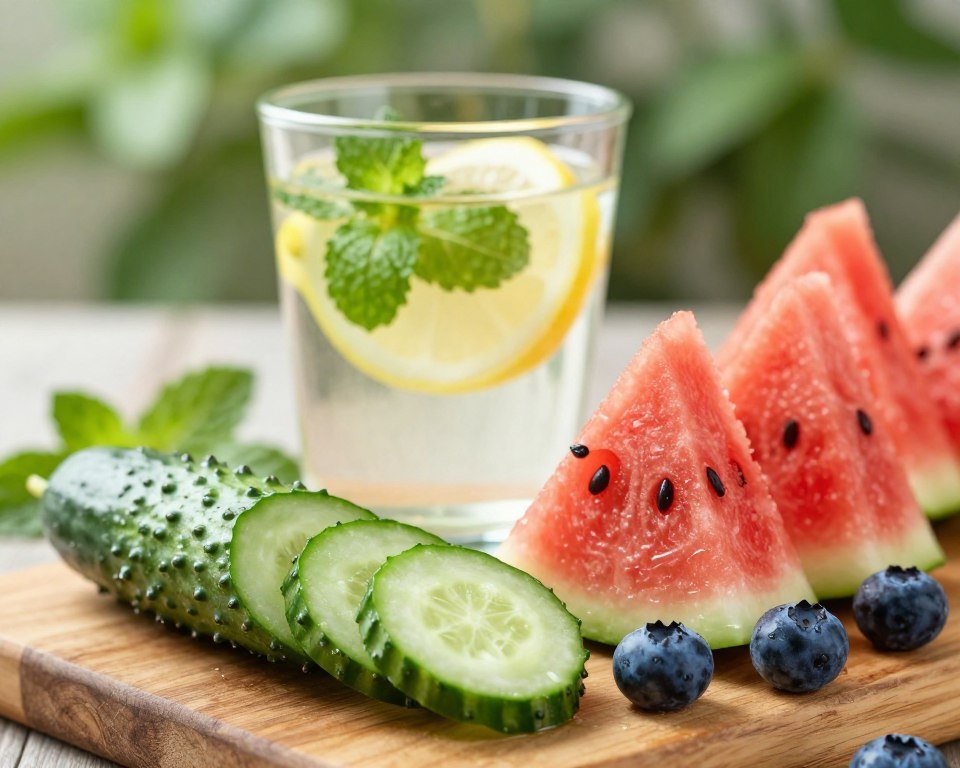
Cucumber is renowned for its high water content and natural diuretic properties, making it an excellent choice for reducing facial puffiness. It’s rich in antioxidants and has anti-inflammatory properties that help soothe the skin.
- Slice cucumber and add it to your water for a refreshing drink.
- Incorporate cucumber into salads or use it as a topping for sandwiches.
- Enjoy cucumber as a snack on its own or paired with hummus.
Watermelon and Celery for Natural Diuretic Effects
Watermelon and celery are other hydrating foods that can help alleviate facial puffiness. Watermelon is composed of about 92% water, making it highly effective in hydrating the body and flushing out toxins. Celery, on the other hand, acts as a natural diuretic, helping reduce water retention.
Potassium-Rich Foods to Balance Sodium Levels
Consuming potassium-rich foods can help balance sodium levels in the body, thereby reducing facial puffiness. Foods like bananas, avocados, and leafy greens are excellent sources of potassium.
- Include bananas in your breakfast or as a mid-morning snack.
- Add avocados to your salads or make guacamole.
- Increase your intake of leafy greens like spinach and kale.
Anti-Inflammatory Berries and Leafy Greens
Berries such as blueberries and strawberries, along with leafy greens like spinach, are rich in antioxidants and have anti-inflammatory properties. These foods help in reducing inflammation and promoting overall skin health.
- Add berries to your oatmeal or yogurt.
- Blend leafy greens into smoothies.
- Use spinach in salads or as a sautéed side dish.
Topical Hydration Techniques That Work Fast
For instant relief from facial puffiness, topical hydration techniques are a game-changer. These methods provide a quick and effective way to soothe and calm the skin, reducing puffiness and leaving your face looking refreshed and revitalized.
Sheet Masks and Overnight Hydrating Masks
Sheet masks and overnight hydrating masks are a popular choice for those seeking to reduce facial puffiness. These masks are soaked in serums rich in hyaluronic acid and other hydrating ingredients that help to lock in moisture and soothe the skin.
- Intensive Hydration: Sheet masks provide an intense dose of hydration, helping to reduce puffiness and leave the skin feeling soft and supple.
- Convenience: They are easy to use and require minimal effort, making them a great addition to any skincare routine.
Some recommended sheet masks include those with ingredients like aloe vera and green tea, known for their anti-inflammatory properties.
Facial Mists and Thermal Spring Water Sprays
Facial mists and thermal spring water sprays offer a quick and refreshing way to hydrate the skin throughout the day. These products help to maintain the skin’s moisture barrier and can be used as needed to reduce puffiness.
“Facial mists can be used at any time, even over makeup, to give the skin a refreshing boost.”
- Instant Refreshment: Facial mists provide an instant pick-me-up, helping to reduce puffiness and leave the skin feeling refreshed.
- Hydration on-the-go: They are perfect for use throughout the day, especially in dry or air-conditioned environments.
Hyaluronic Acid Serums for Deep Skin Hydration
Hyaluronic acid serums are renowned for their ability to provide deep and lasting hydration to the skin. By attracting and retaining moisture, these serums help to reduce facial puffiness and improve skin elasticity.
When choosing a hyaluronic acid serum, look for products that combine hyaluronic acid with other hydrating ingredients for enhanced benefits.
Moisturizers That Lock in Hydration
Moisturizers play a crucial role in maintaining the skin’s hydration levels and preventing puffiness. Look for moisturizers that contain ingredients like ceramides, niacinamide, and hyaluronic acid, which help to lock in moisture and support the skin’s barrier function.
A good moisturizer should be applied after cleansing and toning, and can be used both in the morning and at night for optimal hydration.
By incorporating these topical hydration techniques into your skincare routine, you can effectively reduce facial puffiness and achieve a smoother, more radiant complexion.
Cold Therapy Combined with Hydration
Cold therapy, when paired with adequate hydration, offers a potent solution for puffy skin. Facial swelling can be a distressing issue, but there are several cold therapy techniques that can help alleviate it.
Ice Rolling Techniques for Immediate Results
Ice rolling is a simple yet effective method to reduce facial puffiness. By rolling an ice-cold tool over your face, you can constrict blood vessels and reduce swelling. To try ice rolling:
- Store your ice roller in the freezer overnight.
- Gently roll it over your face in the morning, focusing on puffy areas.
- Repeat this process daily for optimal results.
Cold Compress Methods Using Household Items
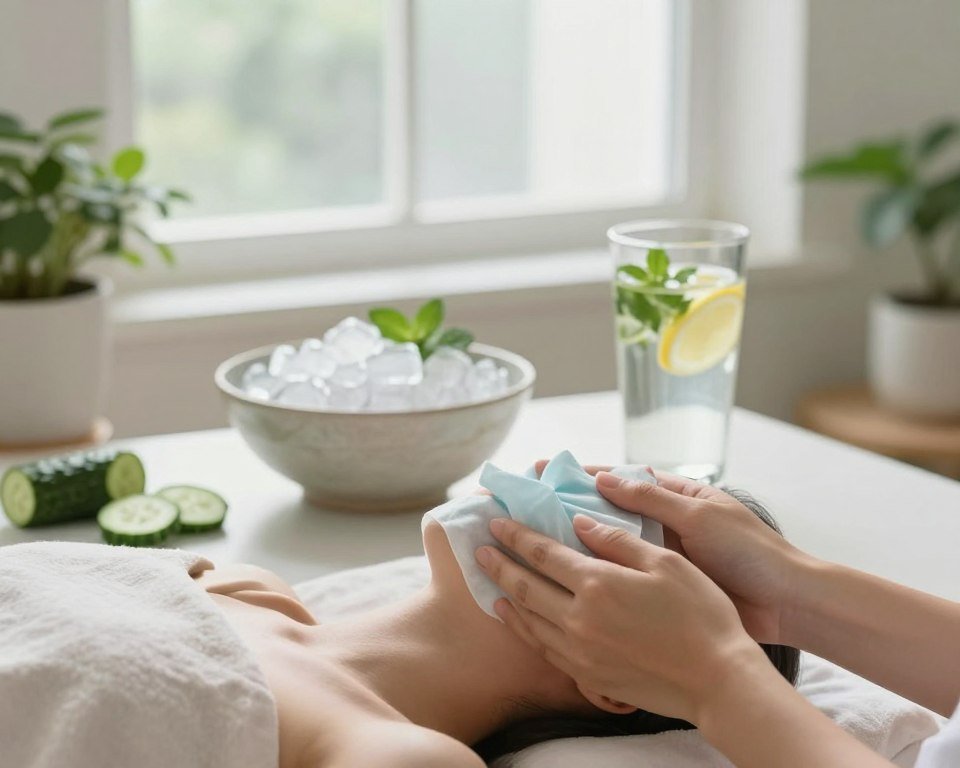
A cold compress is another effective way to reduce facial swelling quickly. You can easily create one using household items:
- Soak a clean cloth in cold water, then wring it out.
- Place the cloth in the refrigerator for a few minutes to chill.
- Apply the cold compress to your face for 5-10 minutes.
This natural method can help soothe puffy skin and is a great alternative when you don’t have an ice roller handy.
Storing Skincare Products in the Refrigerator
Storing certain skincare products in the refrigerator can enhance their effectiveness. Cooling products like face masks, serums, and creams can help reduce inflammation and tighten the skin, making it look smoother and less puffy.
Some products that benefit from refrigeration include:
- Eye creams to reduce under-eye puffiness.
- Sheet masks for an intense cooling effect.
- Hydrating serums to boost their refreshing properties.
By incorporating cold therapy into your skincare routine and maintaining proper hydration, you can naturally soothe puffy skin and achieve a more radiant complexion.
Facial Massage to Boost Lymphatic Drainage
Facial massage is a simple yet effective technique for reducing puffiness by enhancing lymphatic drainage. By stimulating the lymph nodes, facial massage helps to eliminate toxins and excess fluids that can cause facial swelling.
Simple Self-Massage Techniques for Beginners
For those new to facial massage, starting with simple techniques can be very beneficial. Begin by gently massaging your face in circular motions using your fingertips. Focus on areas prone to puffiness, such as under the eyes and around the mouth.
- Use gentle, upward strokes to massage the forehead.
- Employ circular motions around the eyes, being careful not to pull the delicate skin.
- Massage the cheeks using upward and outward strokes.
Using Gua Sha Tools Effectively
Gua sha tools have gained popularity for their ability to enhance lymphatic drainage and reduce facial tension. To use a gua sha tool effectively, hold it at a 45-degree angle against your skin and gently scrape in one direction, focusing on areas of tension.
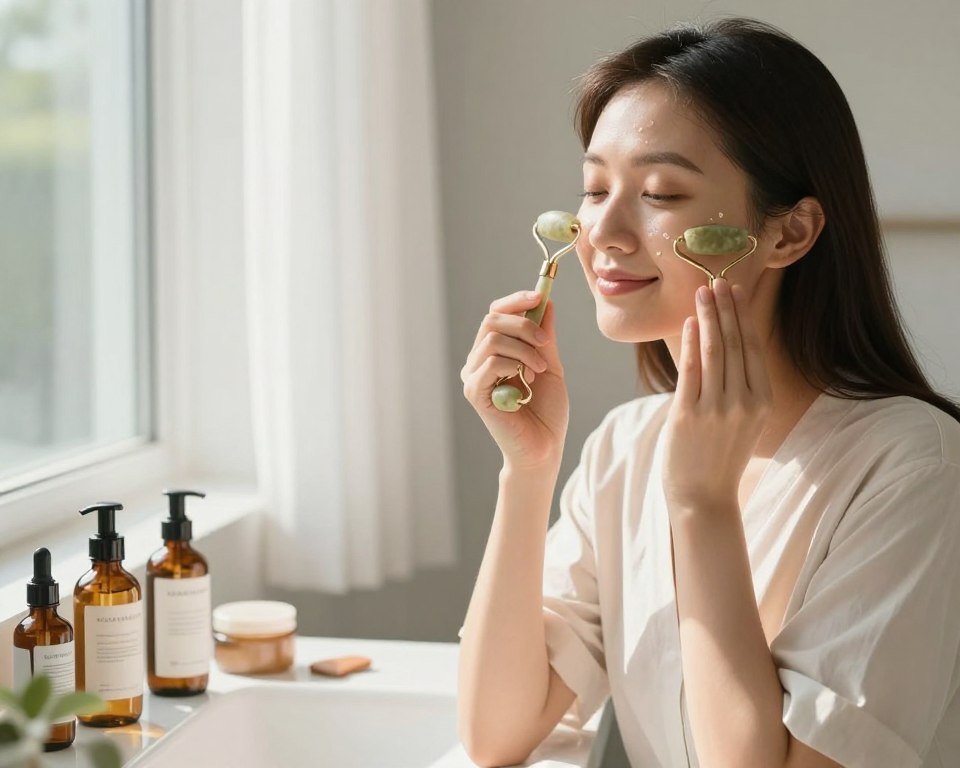
Jade Rollers and Rose Quartz Rollers for Morning Depuffing
Jade and rose quartz rollers are popular tools for facial massage, known for their cooling effects and ability to reduce puffiness. Rolling these tools over the face in the morning can help stimulate lymphatic drainage and leave the skin looking refreshed.
Tips for Using Rollers:
- Store the roller in the refrigerator overnight to enhance its cooling effect.
- Roll in upward and outward motions, focusing on areas prone to puffiness.
- Use gentle pressure to avoid stretching the skin.
By incorporating these facial massage techniques into your daily routine, you can effectively reduce facial puffiness and promote a more radiant complexion.
Herbal Teas and Beverages That Reduce Puffiness
Drinking herbal teas is a simple yet effective way to alleviate facial swelling and promote overall skin health. These natural beverages offer a range of benefits, from anti-inflammatory effects to diuretic properties, that can help reduce puffiness.
Green Tea for Anti-Inflammatory Benefits
Green tea is renowned for its anti-inflammatory properties, thanks to its high content of antioxidants called catechins. These compounds help reduce inflammation in the body, which can contribute to facial puffiness. Drinking green tea regularly can lead to a noticeable reduction in facial swelling.
Key Benefits of Green Tea:
- Reduces inflammation
- Rich in antioxidants
- Promotes overall skin health

Dandelion and Parsley Tea as Natural Diuretics
Dandelion and parsley teas are natural diuretics that help the body flush out excess fluids. This can be particularly beneficial for reducing facial puffiness caused by water retention. These teas are also rich in vitamins and minerals that support overall health.
The diuretic effect helps reduce bloating and puffiness.
Lemon Water and Ginger Tea for Detoxification
Lemon water and ginger tea are excellent for detoxification. Lemon helps stimulate digestion and boost the immune system, while ginger has anti-inflammatory properties that can aid in reducing swelling. Together, they make a potent combination for alleviating facial puffiness.
Benefits of Lemon Water and Ginger Tea:
- Enhances digestion
- Boosts immune system
- Reduces inflammation
Peppermint and Chamomile for Calming Effects
Peppermint and chamomile teas are known for their calming effects. Stress is a common cause of facial puffiness, and these teas can help mitigate that stress. Peppermint invigorates and cools, while chamomile soothes and calms, making them both excellent choices for reducing puffiness.
These teas promote relaxation and reduce stress-related puffiness.
Lifestyle Adjustments to Prevent Facial Swelling
Making a few straightforward lifestyle tweaks can significantly reduce facial puffiness. By incorporating simple changes into your daily routine, you can achieve a more radiant and less swollen complexion.
Sleep Position and Pillow Elevation Tips
Your sleep position can significantly impact facial swelling. Sleeping on your side or stomach can cause fluid to accumulate in your face, leading to puffiness. To minimize this, try to sleep on your back and use an extra pillow to elevate your head. This can help reduce fluid retention and alleviate morning puffiness.
Tips for better sleep positioning:
- Use a contoured pillow to support your neck and keep your head elevated.
- Avoid sleeping with your face buried in the pillow.
- Consider using a wedge pillow to prop yourself up.
Reducing Sodium and Processed Food Intake
Consuming high amounts of sodium can lead to water retention, causing facial swelling. Reducing your intake of processed and high-sodium foods can help alleviate this issue. Opt for fresh, whole foods and season your meals with herbs and spices instead of salt.
| High-Sodium Foods | Low-Sodium Alternatives |
|---|---|
| Processed meats (e.g., bacon, sausages) | Fresh meats (e.g., chicken, turkey) |
| Canned soups and vegetables | Fresh or frozen vegetables |
| Instant noodles and packaged meals | Homemade meals using fresh ingredients |
Managing Alcohol Consumption and Its Effects
Alcohol can cause dehydration, leading to facial swelling. To manage this, it’s essential to drink plenty of water when consuming alcohol. Additionally, limiting your overall alcohol intake can help reduce the likelihood of facial puffiness.
Tips for managing alcohol consumption:
- Drink water between alcoholic beverages.
- Choose lower-alcohol drinks or alternate between alcoholic and non-alcoholic beverages.
- Avoid drinking alcohol before bedtime.
Stress Management and Cortisol Control
High stress levels can lead to increased cortisol production, which can cause facial swelling. Engaging in stress-reducing activities such as meditation, yoga, or deep breathing exercises can help manage cortisol levels and alleviate facial puffiness.
By incorporating these lifestyle adjustments, you can effectively reduce facial swelling and achieve a smoother, more radiant complexion.
Quick Morning Routines for Puffy Face Relief
Morning puffiness can be tackled effectively with the right techniques applied immediately after waking up. A quick and efficient morning routine can make a significant difference in reducing facial swelling.
The First 5 Minutes After Waking Up
The first few minutes after waking up are crucial in setting the tone for the rest of the day. Hydrating is key. Drinking a glass of cold water can help kickstart your metabolism and reduce puffiness. Additionally, a simple facial massage can stimulate blood flow and help drain excess fluids.
To maximize the benefits, consider incorporating a facial mist or a cold compress to help tighten the skin and reduce swelling.
Combining Multiple Techniques for Maximum Effect
Combining different techniques can enhance their effectiveness. For instance, using a hydrating serum followed by a facial massage can improve lymphatic drainage and reduce puffiness. Another effective combination is applying a cold compress and then using a hydrating mask.
| Technique | Benefits |
|---|---|
| Facial Massage | Improves lymphatic drainage, reduces puffiness |
| Cold Compress | Reduces swelling, tightens skin |
| Hydrating Serum | Provides deep hydration, improves skin elasticity |
Emergency De-Puffing Before Important Events
For those times when you need a quick fix before an important event, having an emergency de-puffing routine can be a lifesaver. This can include using a facial mist, applying a cold compress, or even a quick ice roll to reduce swelling.
By incorporating these quick morning routines into your daily regimen, you can effectively reduce facial puffiness and start your day looking refreshed and revitalized.
Supplements and Vitamins That Support Skin Health
While skincare routines are crucial, certain supplements and vitamins play a significant role in supporting skin health and reducing puffiness. A well-balanced diet rich in essential nutrients is fundamental to maintaining healthy skin, but sometimes additional support is needed.
Vitamin C for Collagen Production and Skin Elasticity
Vitamin C is renowned for its role in collagen production and enhancing skin elasticity. It helps in neutralizing free radicals, which can damage skin cells and lead to puffiness. Foods rich in vitamin C, such as citrus fruits and berries, are excellent for skin health. However, supplementing with vitamin C can ensure you’re getting enough to make a noticeable difference.
Omega-3 Fatty Acids for Reducing Inflammation
Omega-3 fatty acids are powerful anti-inflammatory agents that can help reduce facial puffiness caused by inflammation. Found in fish oil supplements and foods like salmon and flaxseeds, omega-3s support the health of skin cells and improve their ability to regenerate.
Magnesium for Water Balance and Bloating
Magnesium is crucial for maintaining the body’s water balance and can help alleviate bloating, which often contributes to facial puffiness. It regulates the body’s internal hydration levels and supports the health of skin cells.
Vitamin E and B-Complex Benefits
Vitamin E is another antioxidant that protects skin cells from damage and supports skin health. Meanwhile, B-complex vitamins play a vital role in various bodily functions, including skin health. They help in reducing stress, which is a common cause of facial puffiness.
Incorporating these supplements and vitamins into your daily routine can significantly support your skin health and reduce facial puffiness. Always consult with a healthcare professional before starting any new supplement regimen to ensure it’s tailored to your specific needs.
Conclusion
By incorporating the discussed hydration hacks, topical techniques, and lifestyle adjustments, you can effectively reduce facial puffiness and maintain healthy, hydrated skin. Proper hydration is essential for skin health, as it helps to flush out toxins and keep your skin looking its best.
Drinking the right amount of water, using hydrating products, and consuming foods rich in water content can all contribute to reducing facial puffiness. Additionally, techniques like cold therapy, facial massage, and herbal teas can provide quick relief from puffiness.
By making a few simple changes to your daily routine, you can say goodbye to a puffy face and hello to a more radiant, healthy-looking complexion. Focus on hydration for skin health and explore various facial puffiness remedies to find what works best for you.
FAQ
What causes facial puffiness?
How does hydration help reduce facial puffiness?
What are some quick hydration hacks to calm facial puffiness?
Can certain foods help reduce facial puffiness?
How can I incorporate hydrating foods into my diet?
What are some topical hydration techniques that can help reduce facial puffiness?
How does cold therapy help reduce facial puffiness?
Can facial massage help reduce facial puffiness?
Are there any herbal teas or beverages that can help reduce facial puffiness?
What lifestyle adjustments can help prevent facial swelling?
Are there any supplements or vitamins that can support skin health and reduce facial puffiness?
How can I quickly alleviate a puffy face in the morning?
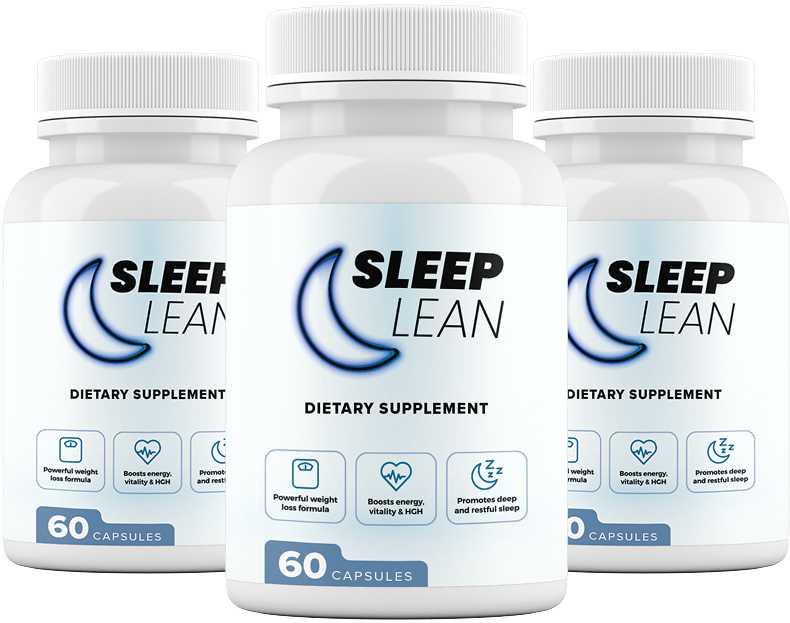
🌸 Discover Weight Management Supplements That Works — Handpicked for You
Curated health & beauty essentials our readers trust — explore your new self-care favorites.


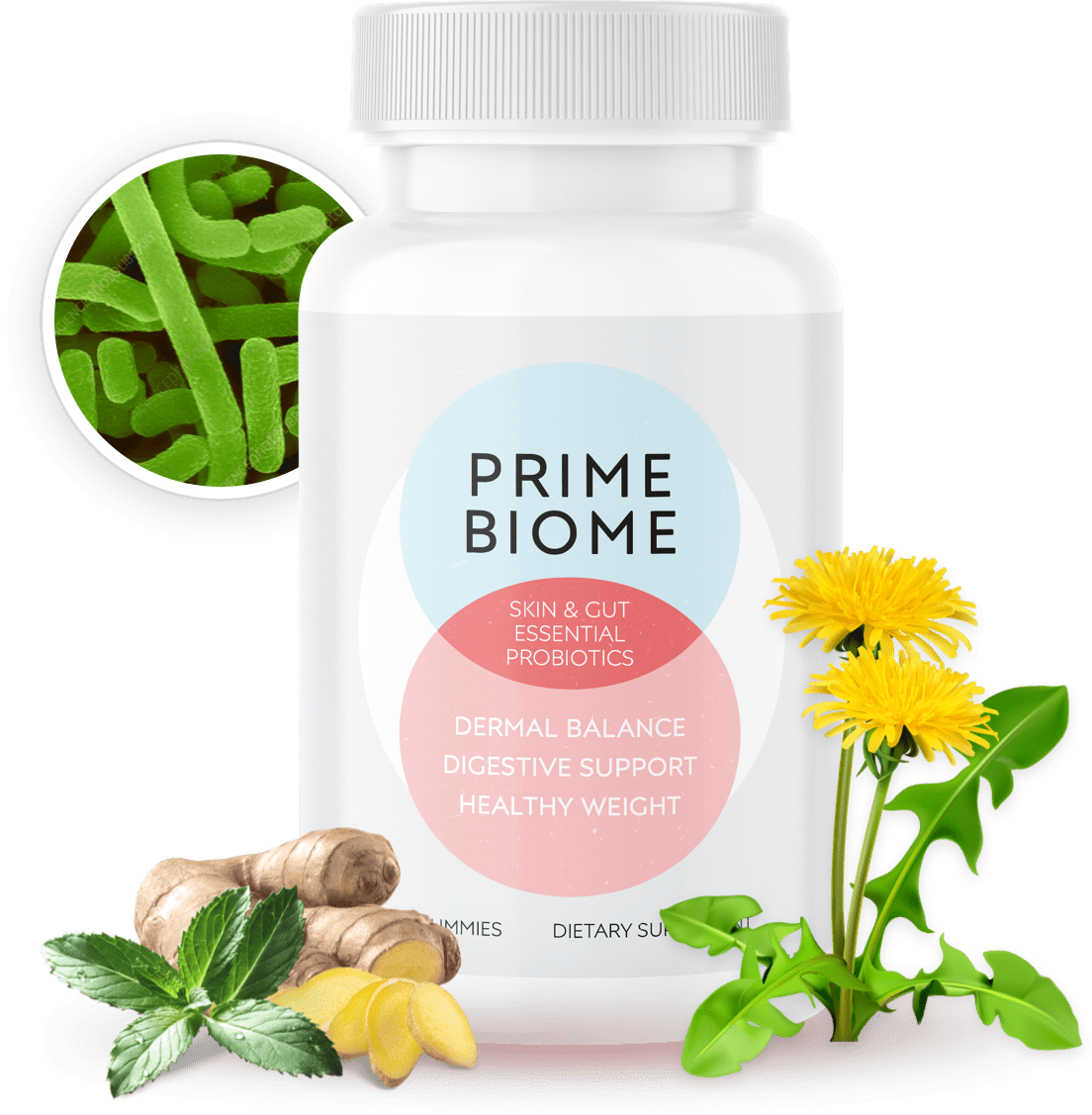
🌸 Discover Beauty That Works — Handpicked for You
Curated health & beauty essentials our readers trust — explore your new self-care favorites.

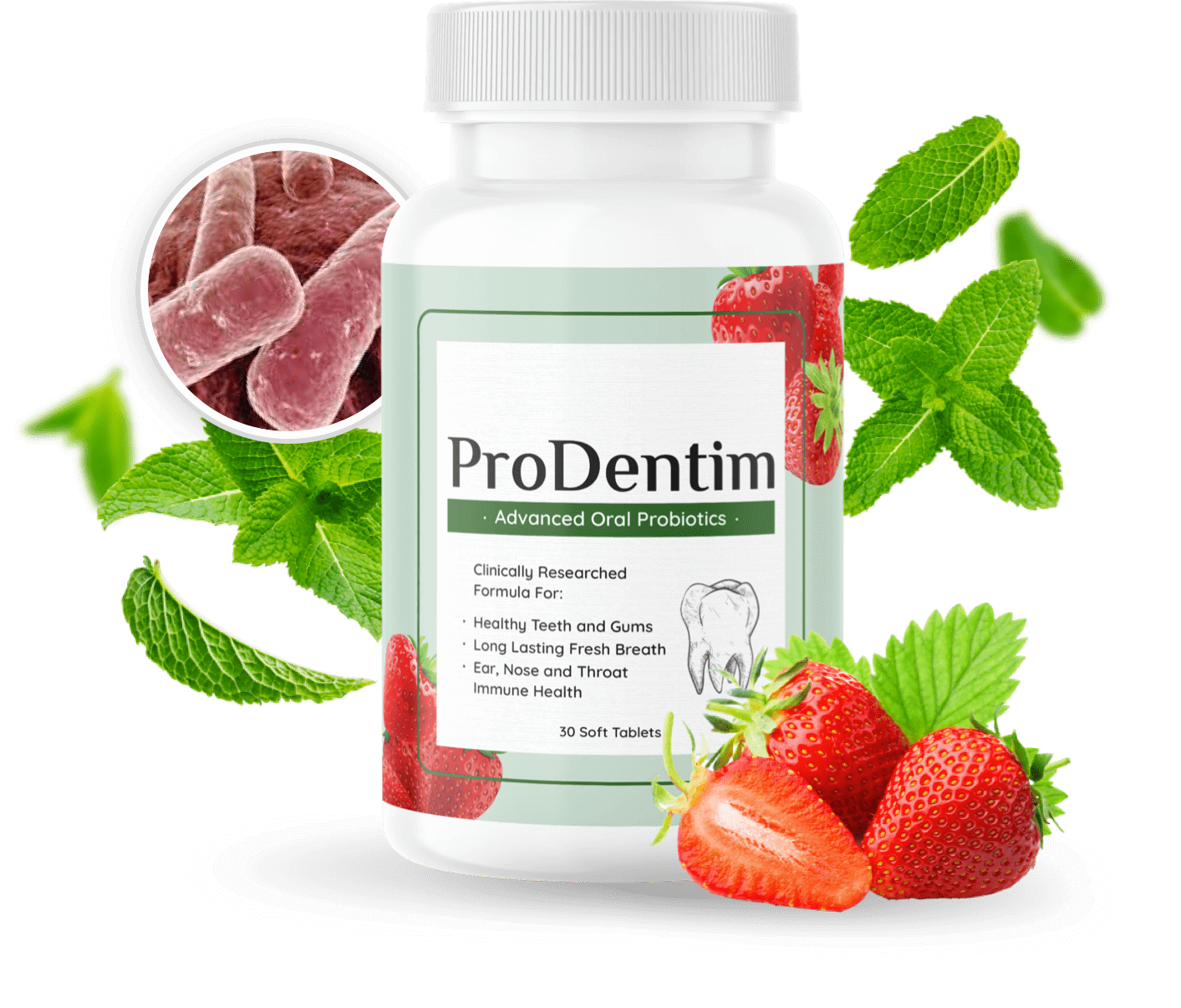
💖 Connect with SmartWellnessBeauty
Join our wellness & beauty community for daily inspiration, mindful living, and radiant self-care — follow us across your favorite platforms.















What do you think?
Show comments / Leave a comment