


Houseplants: Glow Up Your Skin & Home Naturally

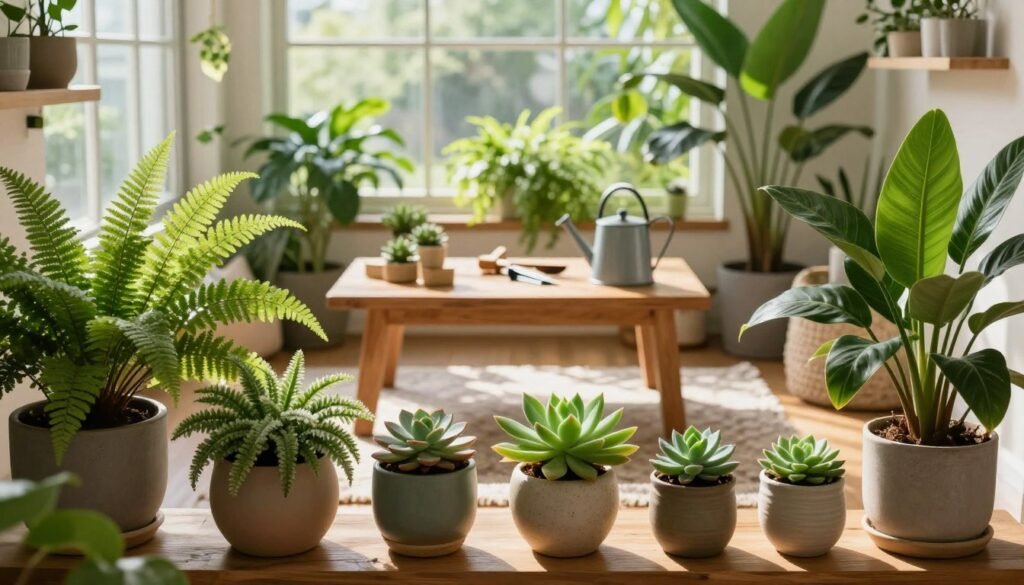
Indoor gardening with houseplants is a simple yet effective way to enhance both your skin health and home decor. Not only do they add a touch of natural beauty to your living space, but they also offer numerous health benefits.
By incorporating natural home decor elements like houseplants, you can create a healthier indoor environment. Studies have shown that indoor plants can improve air quality and boost your overall well-being.
With the growing interest in indoor gardening, it’s clear that people are looking for ways to bring the outdoors in. By doing so, you can create a more balanced and harmonious living space that promotes health and relaxation.
Key Takeaways
- Houseplants improve indoor air quality.
- They enhance natural home decor.
- Indoor gardening promotes overall well-being.
- Houseplants can boost skin health.
- They add a touch of natural beauty to your home.
The Science Behind Plants and Skin Health
The relationship between indoor plants and skin health is more than just aesthetic; it’s grounded in the science of air quality and hydration. Indoor plants have been found to play a significant role in improving the quality of the air we breathe, which in turn affects our skin’s health.
How Plants Improve Air Quality and Reduce Skin Irritants
Plants are natural air purifiers, capable of removing various pollutants and toxins from the air, including volatile organic compounds (VOCs) that can cause skin irritation. By incorporating air purifying plants into our homes, we can significantly reduce the concentration of these harmful substances, thereby creating a healthier environment for our skin.
The process by which plants purify the air involves absorbing pollutants through their leaves and roots, which are then broken down and used as nutrients. This natural filtration system not only improves indoor air quality but also contributes to a reduction in skin irritants, promoting healthier skin.
Plant-Based Humidity and Its Effect on Skin Hydration
In addition to purifying the air, plants also contribute to maintaining optimal humidity levels indoors. Through a process known as transpiration, plants release moisture into the air, which can help to counteract the dryness often associated with indoor environments. This plant-based humidity can have a direct positive effect on skin hydration, helping to keep the skin supple and hydrated.
Maintaining the right balance of humidity is crucial for skin health. Dry air can lead to dry, irritated skin, while overly humid conditions can foster the growth of mold and mildew, also harmful to the skin. By incorporating plants that thrive in indoor conditions, such as those that are adept at regulating humidity, we can create a more balanced environment that supports organic skincare principles.
Embracing plant therapy as part of our daily routine can lead to noticeable improvements in skin health. By understanding and leveraging the scientific benefits that plants offer, we can cultivate a healthier, more radiant complexion from the inside out.
The Connection Between Indoor Air Quality and Skin Health
Indoor air quality plays a crucial role in determining skin health, and understanding this connection is key to maintaining a healthy complexion. The air we breathe indoors is often filled with pollutants that can cause skin irritation, dryness, and other dermatological issues. Poor indoor air quality can lead to skin problems, making it essential to identify common indoor pollutants and find effective ways to mitigate their effects.
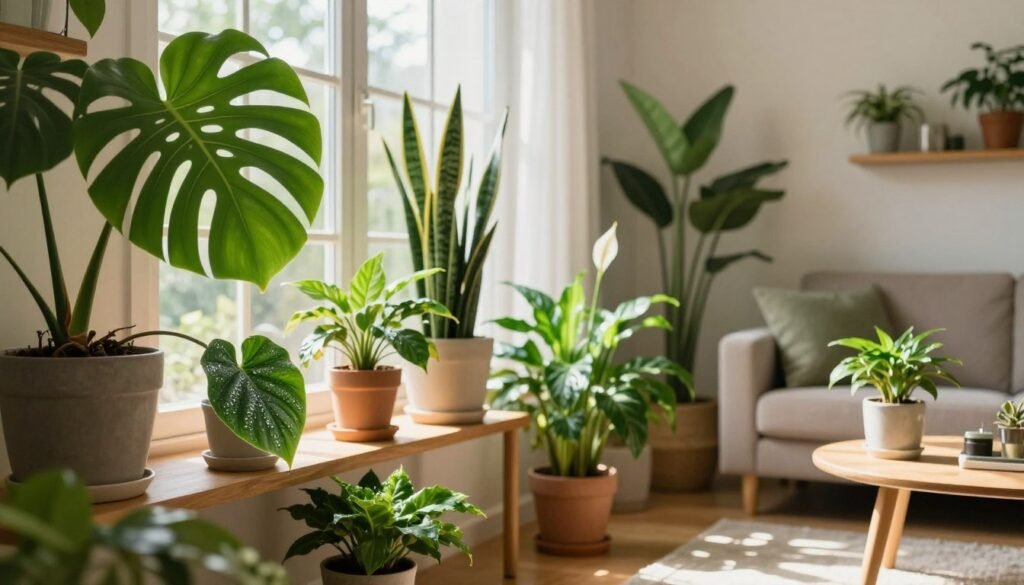
Common Indoor Pollutants That Affect Your Skin
Indoor environments can harbor a variety of pollutants, including volatile organic compounds (VOCs), particulate matter (PM), and other harmful substances. These pollutants can come from various sources such as building materials, household cleaning products, and even furniture. Exposure to these pollutants can result in skin issues, ranging from mild irritation to severe conditions like eczema.
Some of the most common indoor pollutants include:
- Formaldehyde, often found in adhesives and resins
- Benzene, a chemical present in plastics and synthetic fibers
- Trichloroethylene, commonly used in dry cleaning and some household products
How Plants Filter These Harmful Elements
Indoor plants are not just decorative; they play a significant role in purifying the air. Through a process known as phytoremediation, plants can absorb and break down pollutants, improving indoor air quality. Certain plants are more effective at air purification, making them valuable additions to indoor spaces.
“Plants are capable of removing a wide range of air pollutants, including VOCs and particulate matter, thereby improving indoor air quality and contributing to healthier skin.”
By incorporating air-purifying plants into our homes and workplaces, we can reduce exposure to harmful pollutants and promote healthier skin. This natural and effective solution aligns with the principles of organic skincare, emphasizing the importance of a healthy environment for skin wellbeing.
Top 10 Air-Purifying Plants for Healthier Skin
Air-purifying plants are not just decorative; they play a crucial role in enhancing skin health. By removing toxins and pollutants from the air, these plants contribute to a healthier environment that benefits your skin.
Snake Plants: The Bedroom Essential
Snake Plants are known for their ability to purify the air and release oxygen at night, making them an ideal bedroom companion. They are low-maintenance and can thrive in low-light conditions.
Aloe Vera: Natural Skincare Powerhouse
Aloe Vera is renowned for its skincare benefits. It not only purifies the air but also provides a natural remedy for soothing skin irritations.
Spider Plants: Easy-Care Air Filters
Spider Plants are easy to care for and effective at removing air pollutants. They are great for beginners and can be grown in a variety of lighting conditions.
Peace Lily: Toxin-Removing Beauty
The Peace Lily is a beautiful plant that excels at removing toxins from the air. It prefers well-drained soil and moderate lighting.
Here is a summary of the top 10 air-purifying plants beneficial for healthier skin:
| Plant Name | Air Purifying Benefits | Care Tips |
|---|---|---|
| Snake Plant | Releases oxygen at night, removes toxins | Low-light, infrequent watering |
| Aloe Vera | Purifies air, soothes skin irritations | Bright light, sparing watering |
| Spider Plant | Removes air pollutants | Varied lighting, moderate watering |
| Peace Lily | Removes toxins, beautiful blooms | Moderate light, well-drained soil |
| Dracaena | Removes benzene, trichloroethylene | Varied lighting, moderate watering |
By incorporating these plants into your home, you can create a healthier environment that promotes better skin health. Remember to choose plants that fit your lifestyle and care capabilities.
Humidity-Boosting Plants for Natural Skin Hydration
Indoor plants are not just decorative; some species are particularly effective at boosting humidity, which is beneficial for skin hydration. By incorporating these plants into your home, you can create a more humid microclimate that supports healthier, more hydrated skin.
Boston Ferns: The Humidity Champions
Boston Ferns are renowned for their ability to thrive in humid environments and, in turn, contribute to the moisture levels in the air. These lush, green plants are not only beautiful additions to any room but also work tirelessly to maintain optimal humidity levels.
Benefits of Boston Ferns:
- High transpiration rate, significantly contributing to humidity
- Lush foliage adds aesthetic value to indoor spaces
- Prefers bright, indirect light, making them versatile for various rooms
English Ivy: Beautiful and Beneficial
English Ivy is another plant that excels at increasing humidity. It’s also known for its air-purifying qualities, making it a dual-benefit addition to your indoor garden. English Ivy is relatively easy to care for and can thrive in a variety of lighting conditions.
Why Choose English Ivy?
- It’s an effective air purifier, removing toxins from the environment
- Can be trained to climb or trail, offering versatile decorative options
- Adaptable to different lighting conditions, from bright to low light
Areca Palms: Tropical Moisture Makers
Areca Palms are not only visually striking but also highly effective at boosting humidity. They are relatively low maintenance and can add a tropical touch to your home decor. Their feathery leaves are a delight to behold and can significantly enhance the aesthetic of any room.
Areca Palm Benefits:
- Effective at increasing humidity and improving air quality
- Feathery, arching fronds create a beautiful, tropical ambiance
- Prefers bright, indirect light and consistent moisture
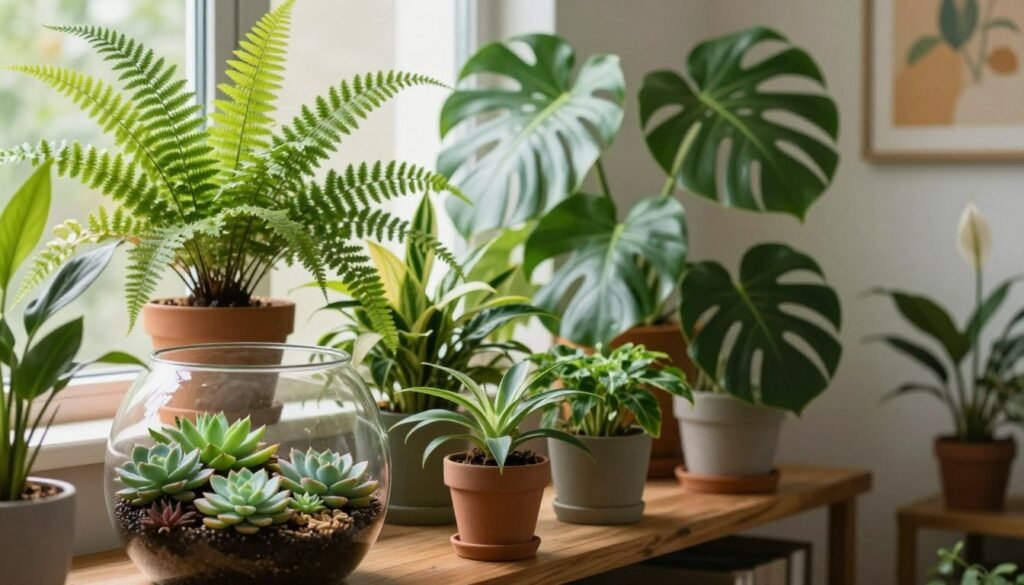
By incorporating these humidity-boosting plants into your indoor space, you can enjoy healthier, more hydrated skin while also enhancing your home’s aesthetic appeal.
Plants with Direct Skincare Applications
For centuries, plants have been used in skincare for their therapeutic and nourishing benefits. Many plants can be grown indoors and used directly to enhance your skincare routine, providing natural and effective solutions for various skin concerns.
Growing Your Own Aloe Vera Skincare Station
Aloe vera is renowned for its soothing and hydrating properties. By growing aloe vera at home, you can have a constant supply of this miracle plant to soothe sunburns, hydrate your skin, and reduce inflammation.
- Easy to Grow: Aloe vera thrives in indoor conditions with minimal care.
- Versatile: Use the gel directly on your skin or mix it with other natural ingredients for enhanced benefits.
- Quick Relief: Aloe vera provides immediate relief for irritated skin.
Lavender: Calming for Both Mind and Skin
Lavender is not just a calming herb for the mind; it’s also beneficial for the skin. Its anti-inflammatory and antiseptic properties make it ideal for treating acne and soothing irritated skin.
- Promotes Relaxation: Lavender oil can be used in aromatherapy to promote relaxation and reduce stress.
- Skin Soother: Lavender oil can be applied topically to reduce redness and irritation.
- Natural Antiseptic: Lavender’s antiseptic properties help in preventing infections.
Mint and Rosemary: Herbal Remedies at Your Fingertips
Mint and rosemary are not only great for cooking, but they also have significant skincare benefits. Mint can cool and soothe the skin, while rosemary can improve circulation and reduce the appearance of fine lines.
- Cooling Effect: Mint leaves can be used to create a refreshing face mask.
- Stimulates Circulation: Rosemary can help improve blood circulation, giving your skin a healthy glow.
- Antioxidant Properties: Both mint and rosemary are rich in antioxidants, which help protect the skin from damage.
By incorporating these plants into your skincare routine, you can harness their natural benefits to achieve healthier, more radiant skin. Whether you have dry skin, acne, or just want to maintain a healthy glow, these plants offer versatile and effective solutions.
Houseplants: Glow Up Your Skin & Home Naturally Through Strategic Placement
To get the most out of your houseplants, it’s crucial to place them strategically around your home. The benefits of houseplants, from improved air quality to enhanced skin health, can be maximized with thoughtful placement.
Bedroom Plants for Better Sleep and Skin Regeneration
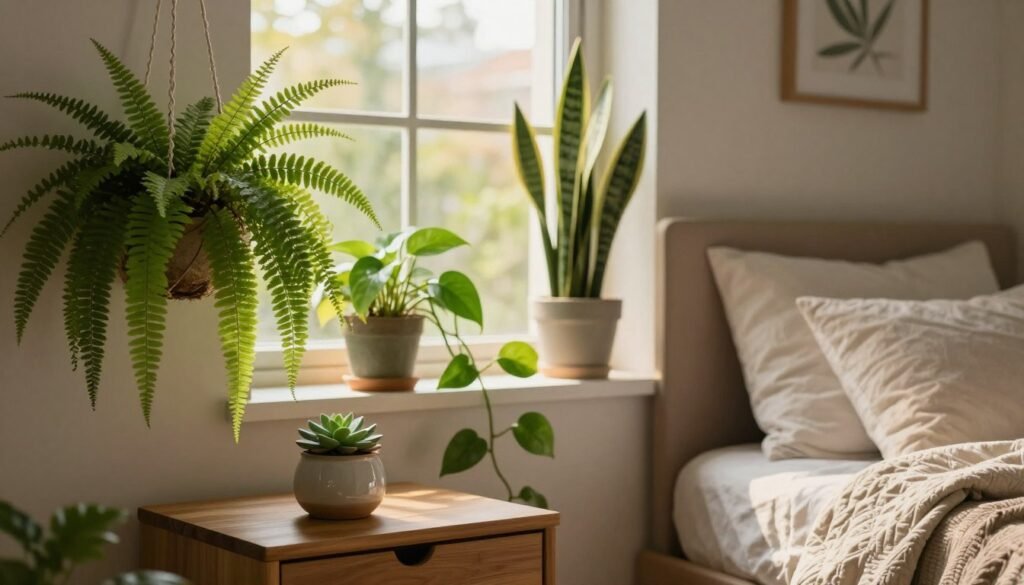
The bedroom is a sanctuary for rest and rejuvenation. Certain houseplants can enhance this environment by promoting better sleep and supporting skin regeneration. Plants like Lavender and Snake Plants are known for their calming effects and ability to purify the air, making them ideal for the bedroom.
Bathroom Plants That Thrive in Humidity
Bathrooms offer a unique environment for plants that thrive in humid conditions. Boston Ferns and Orchids are excellent choices for bathrooms as they not only tolerate the moisture but also add a touch of natural beauty to the space. These plants can help maintain a balanced humidity level and purify the air.
Living Room Arrangements for Maximum Air Purification
The living room is often the heart of the home, where families spend a lot of time together. To maximize air purification in this area, consider arranging plants like Peace Lilies and Spider Plants in a way that they are spread out across the room. This strategic placement can help distribute their air-purifying benefits more effectively.
| Room | Recommended Plants | Benefits |
|---|---|---|
| Bedroom | Lavender, Snake Plants | Better sleep, skin regeneration |
| Bathroom | Boston Ferns, Orchids | Thrives in humidity, air purification |
| Living Room | Peace Lilies, Spider Plants | Maximum air purification |
By strategically placing houseplants in different rooms, you can enhance their benefits and create a healthier, more beautiful living space. Whether it’s improving sleep, thriving in humidity, or purifying the air, the right plants in the right places can make all the difference.
Essential Care Tips for Healthy, Beneficial Plants
To keep your indoor plants thriving and beneficial for your skin, it’s crucial to understand their care requirements. Proper care is essential for maintaining healthy and beneficial plants. By following the right care tips, you can ensure your plants continue to purify the air, maintain optimal humidity, and provide natural skincare benefits.
Watering Schedules for Different Plant Types
Watering is one of the most critical aspects of plant care. Different plants have varying watering needs based on their species, soil, and environment. For instance, plants like Snake Plants and ZZ Plants prefer drier soil and can survive with less frequent watering, while plants like Boston Ferns and Peace Lilies require consistently moist soil.
To determine the right watering schedule, check the soil moisture by inserting your finger into the soil up to the first knuckle. If the soil feels dry, it’s time to water. It’s also important to consider factors like pot size, soil type, and the current season, as these can affect how quickly the soil dries out.
| Plant Type | Watering Frequency | Soil Moisture Preference |
|---|---|---|
| Snake Plant | Every 7-10 days | Dry between waterings |
| Boston Fern | Every 2-3 days | Consistently moist |
| Peace Lily | Every 7-10 days | Moderately moist |
Light Requirements: Finding the Perfect Spot
Light is another crucial factor in plant care. Different plants have different light requirements, ranging from low to bright light. Understanding these needs is essential for placing your plants in the most suitable locations within your home.
For example, plants like Chinese Evergreen and Pothos can thrive in low-light conditions, making them ideal for rooms with limited natural light. On the other hand, plants like Aloe Vera and Succulents require bright, direct light to photosynthesize effectively.
Soil and Fertilizer Basics for Indoor Plants
The right soil and fertilizer can significantly impact your plant’s health. Use a well-draining potting mix to prevent waterlogged soil, which can lead to root rot. Fertilizers provide essential nutrients that may be lacking in the soil, promoting healthy growth and development.
For most houseplants, a balanced, water-soluble fertilizer is sufficient. Dilute the fertilizer to half the recommended strength to avoid burning the roots. Fertilize your plants during the growing season (spring and summer) and reduce or stop fertilizing during the dormant season (fall and winter).
Pest Management Without Harmful Chemicals
Indoor plants can be susceptible to pests like spider mites, mealybugs, and scale. Managing these pests without using harmful chemicals is crucial for maintaining a healthy indoor environment.
Inspect your plants regularly for signs of pests. If you find any, isolate the affected plant to prevent the infestation from spreading. Use natural pest control methods like neem oil or insecticidal soap to treat the affected plants. These methods are effective and safe for your indoor environment.
By following these essential care tips, you can ensure your indoor plants remain healthy and continue to provide numerous benefits for your skin and overall well-being.
Creating a Plant-Based Skincare Routine
By integrating plants into your daily skincare regimen, you can harness their therapeutic benefits. This approach not only enhances your skin’s health but also contributes to a more sustainable and natural beauty routine.
Morning Rituals with Your Plant Allies
Starting your day with a plant-based skincare routine can set a positive tone for your skin’s health. Begin by washing your face with a gentle cleanser infused with aloe vera or green tea, both known for their soothing properties.
After cleansing, apply a toner made from witch hazel or rosewater to balance your skin’s pH and tighten pores. Follow this with a moisturizer containing plant extracts like chamomile or calendula, which can help hydrate and protect your skin throughout the day.
Evening Wind-Down with Plant-Powered Relaxation
In the evening, your skincare routine can become a relaxing ritual. Start by removing your makeup with a gentle cleansing oil infused with lavender, known for its calming effects. Then, cleanse your face with a cream-based cleanser that contains soothing plant extracts.
Apply a plant-based serum containing ingredients like hyaluronic acid from marshmallow root or vitamin C from citrus fruits to address specific skin concerns such as dryness or dullness.
Weekly Skin Treatments Using Homegrown Ingredients
For an extra boost, incorporate weekly treatments using ingredients from your indoor garden. For example, you can create a face mask using mashed avocado and a drizzle of honey for hydration and nourishment.
| Plant Ingredient | Skincare Benefit | Usage |
|---|---|---|
| Aloe Vera | Soothes and hydrates | Face mask, moisturizer |
| Lavender | Calms and relaxes | Cleansing oil, serum |
| Green Tea | Antioxidant properties | Toner, face mask |
By incorporating these plant-based elements into your skincare routine, you can enjoy healthier, more radiant skin while promoting a connection with nature.
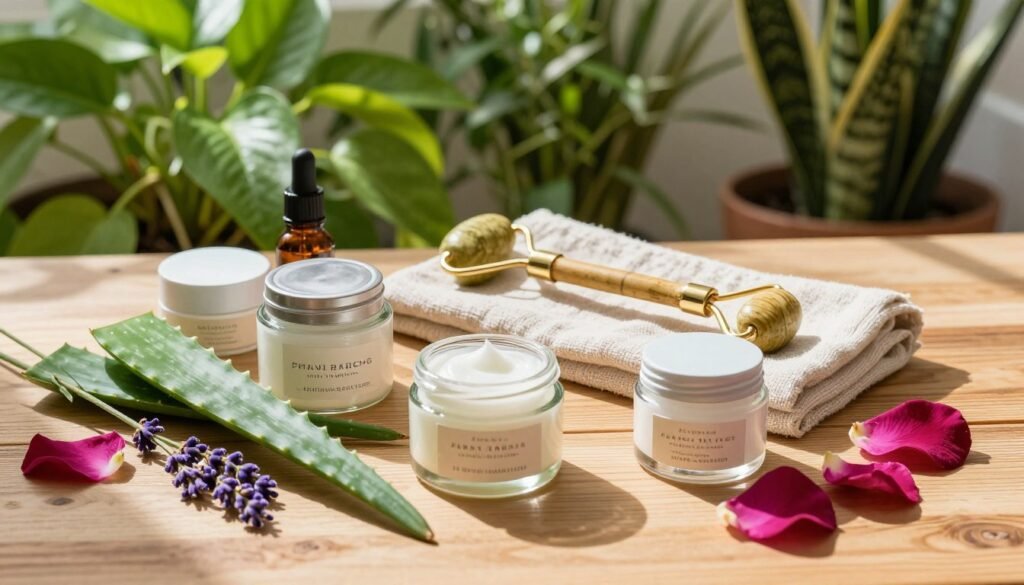
Styling Your Home with Skin-Friendly Plants
Incorporating plants into your home decor not only enhances aesthetics but also promotes healthier skin. By choosing the right plants and styling them effectively, you can create a beautiful and beneficial living space.
Aesthetic Arrangements That Maximize Benefits
To get the most out of your indoor plants, consider their placement carefully. Grouping plants together can create a mini-greenhouse effect, increasing the humidity around them and benefiting your skin. Use decorative pots that complement your home’s style to enhance the visual appeal.
Tips for Effective Grouping:
- Choose plants with varying textures and heights to add visual interest.
- Place plants in areas with appropriate light conditions for their needs.
- Consider using a plant stand or tiered planter to maximize space.
Plant Shelves and Hanging Gardens
For homes with limited floor space, utilizing vertical space can be a game-changer. Plant shelves and hanging gardens allow you to display multiple plants while keeping the floor clear. This not only saves space but also adds a decorative element to your rooms.
Hanging plants like spider plants or ivy can add a whimsical touch to any room. Ensure that the hanging baskets or planters are securely fastened to support the weight of the plants and soil.
Incorporating Plants into Small Spaces
Even in small apartments or rooms, there are numerous ways to incorporate plants. Consider compact or dwarf varieties of plants that don’t take up much space. Window sill gardens or narrow shelves against walls can be ideal for small spaces.
Small Space Solutions:
- Use wall-mounted planters or adhesive hooks to hang small plants.
- Opt for vertical gardening systems designed for indoor use.
- Select plants that thrive in low-light conditions if your space is limited in natural light.
By thoughtfully incorporating plants into your home, you can enhance both your living space and your skin health. Experiment with different arrangements and types of plants to find what works best for you.
Seasonal Adjustments for Year-Round Plant Benefits
To maximize the benefits of indoor plants throughout the year, it’s essential to make seasonal adjustments to their care. As the environment inside your home changes with the seasons, so do the needs of your plants. By adapting your care routine, you can ensure your plants continue to purify the air, boost humidity, and enhance your skin health year-round.
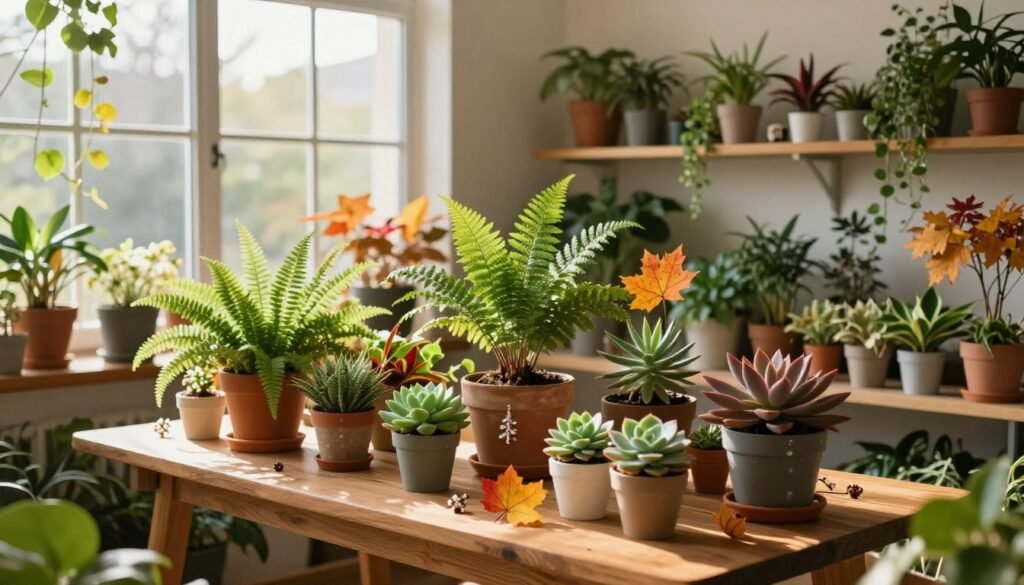
Winter Care: Combating Dry Indoor Air
During the winter months, indoor air tends to be drier due to heating systems. This dryness can affect both your skin and your plants. To combat this, consider the following plant care tips:
- Increase watering frequency for plants that prefer moist soil, but avoid overwatering.
- Use a humidifier near your plants to maintain a healthy humidity level.
- Group plants together to create a microclimate that benefits from their collective transpiration.
Summer Strategies: Keeping Plants Thriving in Heat
Summer brings its own set of challenges for indoor plants, including increased temperatures and potentially more direct sunlight. To keep your plants thriving:
- Move plants away from direct sunlight to prevent scorching.
- Increase watering as plants grow more rapidly and may dry out faster.
- Consider repotting plants that have outgrown their containers.
Seasonal Plant Rotation for Optimal Benefits
Rotating your plants seasonally can help ensure they receive the right amount of light and thrive in changing conditions. For example, plants that prefer brighter light can be moved to sunnier spots in the spring and summer, while those that prefer shade can be brought out in the fall and winter when sunlight is scarce.
By implementing these indoor gardening strategies, you can enjoy the benefits of your plants all year round, from improved air quality to enhanced skin health. Remember, a little seasonal adjustment can go a long way in keeping your indoor garden healthy and thriving.
Beyond Physical Benefits: Plants for Mental Wellbeing and Skin Health
The benefits of indoor plants extend far beyond aesthetics, impacting both our mental wellbeing and skin health. The presence of plants in our living and working spaces can have a profound effect on our mental state, reducing stress and promoting a sense of calm, which in turn can improve our skin health.
The Stress-Skin Connection
Stress is a well-known factor that can negatively impact skin health, leading to issues such as acne, rosacea, and eczema. The calming presence of indoor plants can help mitigate this stress. Studies have shown that being around plants can lower cortisol levels, blood pressure, and heart rate, all indicators of stress.
Plant therapy is becoming increasingly recognized as a legitimate method for reducing stress and improving mental wellbeing. By incorporating plants into our daily environments, we can create a more serene and peaceful atmosphere that benefits both our mind and skin.
How Plant Care Becomes Self-Care
Caring for plants can be a therapeutic activity that promotes mindfulness and self-care. The act of nurturing plants can help individuals develop a greater sense of responsibility and self-worth. Moreover, the simple tasks involved in plant care, such as watering and pruning, can be meditative, providing a much-needed break from the stresses of daily life.
By making plant care a part of our routine, we not only improve the health and appearance of our plants but also enhance our own mental wellbeing. This, in turn, can lead to healthier, more radiant skin.
Creating Mindful Moments with Your Indoor Garden
Creating a mindful connection with nature through our indoor gardens can have profound effects on our mental health. By taking a few moments each day to appreciate the beauty and tranquility of our plants, we can cultivate a greater sense of calm and wellbeing.
Here are some ways to create mindful moments with your indoor garden:
- Spend a few minutes each day observing your plants, noticing their shapes, colors, and textures.
- Use the sensory experience of touching the soil, smelling the plants, and listening to the sounds they make to ground yourself in the present moment.
- Practice gratitude by reflecting on the beauty and benefits your plants bring to your life.
| Mindful Activity | Benefits |
|---|---|
| Observing Plants | Reduces stress, promotes calmness |
| Touching Soil | Grounds you in the present, reduces anxiety |
| Reflecting on Plant Benefits | Cultivates gratitude, enhances wellbeing |
By incorporating these mindful practices into our daily routine, we can enhance our mental wellbeing and, by extension, our skin health. The connection between our mental state and skin is undeniable, and indoor plants offer a natural, effective way to promote both.
Conclusion: Embracing the Plant-Skin-Home Connection
Integrating houseplants into your daily life can have a transformative impact on both your skin health and home environment. By understanding the connection between plants, skin health, and natural home decor, you can harness the benefits of plant therapy to create a more balanced and healthy lifestyle.
As discussed, certain plants like aloe vera and snake plants not only purify the air but also provide direct skincare benefits. By incorporating these plants into your home and skincare routine, you can enhance your skin’s natural glow and overall wellbeing.
Creating a plant-friendly home environment is not just about aesthetics; it’s about cultivating a space that promotes health and relaxation. With the right plants and a little care, you can enjoy the benefits of natural home decor and plant therapy, leading to a more serene and healthy living space.
By embracing the plant-skin-home connection, you can take the first step towards a more holistic approach to health and wellbeing. So, start your journey today and discover the positive impact that houseplants can have on your life.
FAQ
What are the best houseplants for improving skin health?
How do houseplants improve indoor air quality?
Can I use plants directly for skincare?
How often should I water my indoor plants?
How can I incorporate plants into my skincare routine?
What are some tips for styling my home with plants?
How do I care for my plants during different seasons?
Can plants really help with mental wellbeing and skin health?
🌸 Discover Weight Management Supplements That Works — Handpicked for You
Curated health & beauty essentials our readers trust — explore your new self-care favorites.



🌸 Discover Beauty That Works — Handpicked for You
Curated health & beauty essentials our readers trust — explore your new self-care favorites.

💖 Connect with SmartWellnessBeauty
Join our wellness & beauty community for daily inspiration, mindful living, and radiant self-care — follow us across your favorite platforms.

























What do you think?
Show comments / Leave a comment