

Did you know that understanding and working with your menstrual cycle can significantly improve your overall health and well-being? By adopting cycle-syncing self-care rituals, you can better align your lifestyle habits with your body’s natural rhythms.
Cycle syncing involves adjusting your diet, exercise routines, and other daily habits according to the different phases of your menstrual cycle. This approach can help you feel more in tune with your body and potentially alleviate symptoms associated with your period.
By embracing this holistic approach, you can cultivate a deeper understanding of your body and make informed choices to enhance your physical and emotional well-being. This introduction sets the stage for exploring the benefits and practical applications of cycle-syncing in achieving hormone harmony.
Key Takeaways
- Understanding your menstrual cycle is crucial for overall health.
- Cycle syncing involves adjusting lifestyle habits according to your cycle.
- This approach can help alleviate symptoms associated with your period.
- Adopting cycle-syncing self-care rituals can enhance physical and emotional well-being.
- Embracing a holistic approach can lead to a deeper understanding of your body.
Understanding the Power of Cycle-Syncing
Ancient cultures intuitively understood the power of cycle-syncing, a practice now backed by modern science to enhance overall well-being. This approach involves aligning daily habits and lifestyle choices with the different phases of the menstrual cycle to optimize physical, emotional, and mental health.
What Is Cycle-Syncing?
Cycle-syncing refers to the practice of adjusting one’s lifestyle, including diet, exercise, work, and self-care routines, according to the phases of the menstrual cycle. By doing so, women can potentially mitigate symptoms associated with hormonal fluctuations, such as mood swings, energy crashes, and physical discomfort.
This holistic approach encourages a deeper understanding of the body’s natural rhythms and how they impact overall health. It involves being attuned to the different phases of the menstrual cycle and making informed choices to support well-being during each phase.
The Science Behind Hormonal Fluctuations
Hormonal changes throughout the menstrual cycle significantly influence various physiological and psychological processes. Research has shown that fluctuations in estrogen and progesterone levels can affect metabolism, energy levels, emotional regulation, and even cognitive performance.
For instance, studies have found that women tend to have greater verbal fluency during the ovulatory phase due to increased estrogen levels. Conversely, the luteal phase, characterized by rising progesterone levels, may trigger heightened stress sensitivity and cravings.
Understanding these hormonal shifts is crucial for making informed lifestyle choices that support overall health and well-being.
Why Modern Women Need Hormone Harmony
In today’s fast-paced world, many women often overlook their natural hormonal rhythms, leading to potential imbalances and discomfort. By embracing cycle-syncing, women can take a proactive approach to managing their health and enhancing their quality of life.
By aligning self-care rituals and lifestyle habits with the menstrual cycle, women can experience numerous benefits, from improved physical health to enhanced emotional well-being and increased productivity.
Cycle-syncing offers a powerful tool for modern women to reconnect with their bodies and foster a more harmonious, balanced life.
The Four Phases of Your Menstrual Cycle
The menstrual cycle is divided into distinct phases, each with unique characteristics that influence a woman’s physical and emotional state. Understanding these phases is key to optimizing women’s health rituals and overall wellbeing.
Menstrual Phase: Days 1-5
The menstrual phase is the first stage of the cycle, marked by bleeding as the body sheds the uterine lining. Hormonal changes during this phase include a drop in estrogen and progesterone levels. Energy levels may be lower, and it’s a period for rest and renewal.
Key characteristics: Bleeding, low energy, introspection.
Follicular Phase: Days 6-14
Following menstruation, the follicular phase begins, characterized by an increase in estrogen levels as the body prepares for ovulation. This phase is associated with rising energy and a sense of renewal.
Increased creativity and social engagement are common during this phase.
Ovulatory Phase: Days 15-17
Ovulation marks a peak in estrogen levels, typically occurring around day 14 of a 28-day cycle. It’s a time of heightened fertility and often increased confidence and energy.
Key characteristics: Peak fertility, increased confidence, heightened senses.
Luteal Phase: Days 18-28
The luteal phase follows ovulation, with a rise in progesterone levels to prepare the uterus for a potential pregnancy. If pregnancy doesn’t occur, hormone levels drop, leading to menstruation. This phase can be associated with premenstrual symptoms for some women.
Self-reflection and preparation for the upcoming cycle are common themes.
| Phase | Days | Hormonal Changes | Energy Levels |
|---|---|---|---|
| Menstrual | 1-5 | Drop in estrogen and progesterone | Low |
| Follicular | 6-14 | Increase in estrogen | Rising |
| Ovulatory | 15-17 | Peak estrogen | High |
| Luteal | 18-28 | Rise in progesterone, then drop if no pregnancy | Varies, often decreasing |
By understanding and aligning with these phases, women can optimize their health rituals, from nutrition and exercise to rest and emotional wellness practices, enhancing overall menstrual cycle optimization.

Benefits of Aligning Self-Care with Your Cycle
Cycle-syncing self-care is a powerful approach to achieving hormone harmony and enhancing overall quality of life. By aligning self-care practices with the menstrual cycle, women can experience significant benefits across various aspects of their health and wellbeing.
Physical Health Improvements
One of the primary benefits of cycle-syncing is the improvement in physical health. By tailoring self-care practices to the different phases of the menstrual cycle, women can better manage symptoms associated with menstruation, such as cramps and bloating. For example, during the menstrual phase, incorporating warm baths or using heating pads can help alleviate cramps. Additionally, maintaining a balanced diet rich in nutrients can support overall physical health.
Emotional Wellbeing Enhancement
Cycle-syncing self-care also significantly enhances emotional wellbeing. By understanding and working with the hormonal fluctuations throughout the cycle, women can better regulate their emotions and reduce symptoms of anxiety and depression. For instance, during the luteal phase, when progesterone levels are higher, engaging in relaxing activities such as meditation or yoga can help manage mood swings.
Productivity and Energy Optimization
Aligning self-care with the menstrual cycle can also optimize productivity and energy levels. By recognizing the natural ebbs and flows of energy throughout the cycle, women can plan their activities more effectively. For example, during the follicular phase, when energy levels tend to be higher, tackling important tasks or engaging in creative projects can be particularly productive.
Reproductive Health Support
Furthermore, cycle-syncing self-care provides valuable support for reproductive health. By being more attuned to the body’s natural rhythms, women can better understand their fertility windows and make informed decisions about their reproductive health. This awareness can be particularly beneficial for those trying to conceive or manage menstrual irregularities.
In conclusion, aligning self-care practices with the menstrual cycle offers a holistic approach to supporting women’s health, enhancing physical and emotional wellbeing, optimizing productivity, and supporting reproductive health. By embracing cycle-syncing wellness tips, women can take a proactive role in achieving holistic hormone health and improving their overall quality of life.
Menstrual Phase Self-Care Rituals
As we navigate the menstrual phase, incorporating specific self-care practices can help alleviate discomfort and enhance our health. This phase, typically spanning days 1-5 of our cycle, is a time when our bodies need extra care and nourishment.

Nutrition Recommendations
Nourishing our bodies with the right foods during the menstrual phase is crucial for hormone balancing self-care. Focus on consuming warm, comforting meals that are rich in nutrients. Incorporate foods high in omega-3 fatty acids, such as salmon and flaxseeds, to help reduce inflammation and ease cramps.
- Include ginger in your diet, as it has natural anti-inflammatory properties that can help soothe menstrual cramps.
- Shatavari, an adaptogenic herb, can be consumed as a supplement or tea to help replenish energy and support reproductive health.
- Stay hydrated by drinking plenty of water and herbal teas, such as chamomile and peppermint, which can help relax the body and reduce discomfort.
Movement & Exercise Practices
While it’s essential to listen to your body and rest during the menstrual phase, gentle exercise can also be beneficial. Engage in low-intensity activities like yoga or light stretching to help ease cramps and improve circulation.
Gentle yoga practices can be particularly helpful in reducing menstrual discomfort. Focus on poses that promote relaxation and flexibility, such as child’s pose and downward-facing dog.
Rest & Recovery Strategies
Adequate rest is vital during the menstrual phase. Prioritize getting enough sleep and allow yourself time to relax and recharge. Create a calming bedtime routine to improve the quality of your sleep.
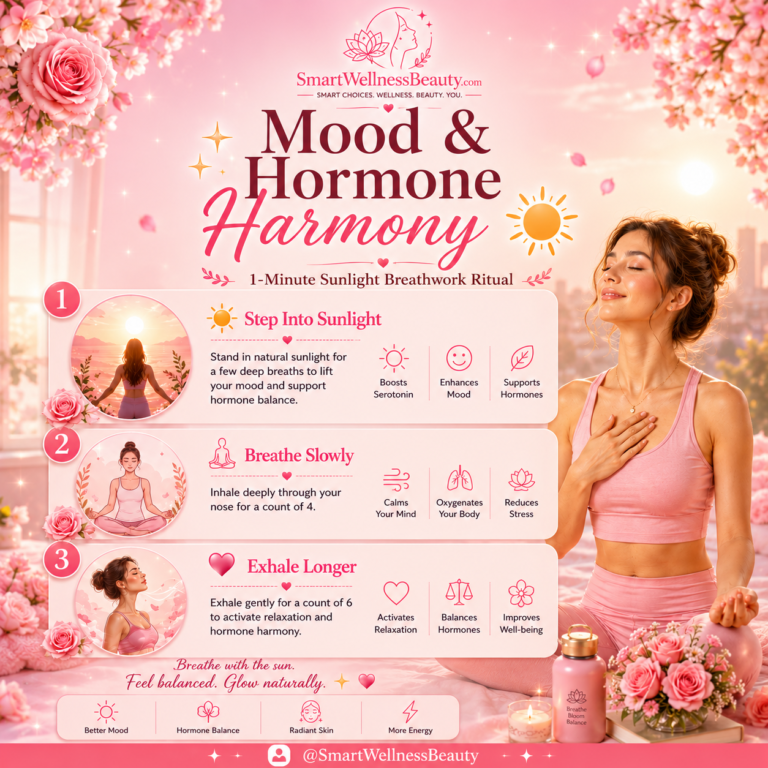
- Practice deep breathing exercises or meditation to help calm your mind and body.
- Take warm baths or use a heating pad to soothe cramps and relax your muscles.
- Limit your exposure to screens and electronic devices before bedtime to promote better sleep.
Emotional Wellness Support
The menstrual phase can also be a time of emotional sensitivity. Engage in activities that support your emotional well-being, such as journaling or spending time in nature.
Journaling can be a powerful tool for processing emotions and reflecting on your experiences. Take time to write down your thoughts and feelings, and explore any patterns or insights that emerge.
By incorporating these self-care rituals into your menstrual phase, you can better support your overall health and well-being, promoting hormone balancing self-care and a more harmonious cycle.
Follicular Phase Self-Care Rituals
As we transition into the follicular phase, our bodies start to feel a surge in energy, making it an ideal time to focus on self-care rituals that promote natural hormone regulation. This phase is characterized by rising estrogen levels, which can enhance creativity, vitality, and overall well-being.
Nutrition Recommendations
During the follicular phase, it’s essential to fuel your body with nutrient-rich foods that support hormonal balance. Incorporate foods high in antioxidants, such as berries and leafy greens, to help maintain healthy estrogen levels. Additionally, include foods rich in omega-3 fatty acids, like salmon and walnuts, to support overall hormonal health.
- Berries and leafy greens for antioxidant support
- Salmon and walnuts for omega-3 fatty acids
- Whole grains for fiber and nutrient intake
| Food Group | Examples | Benefits |
|---|---|---|
| Fruits | Berries, citrus fruits | High in antioxidants and vitamins |
| Proteins | Salmon, lean meats | Rich in omega-3 fatty acids and protein |
| Grains | Whole grains, quinoa | Provides fiber and essential nutrients |
Movement & Exercise Practices
The increased energy during the follicular phase makes it an excellent time to engage in strength training and other physical activities that boost vitality. Consider incorporating exercises like yoga or Pilates to enhance flexibility and balance.
- Strength training to build muscle and boost energy
- Yoga or Pilates for flexibility and balance
- Cardio exercises for overall fitness
Creative Expression Activities
As creativity peaks during the follicular phase, take advantage of this energy by engaging in creative activities. Whether it’s painting, writing, or crafting, allow yourself to express your imagination and tap into your creative potential.
- Painting or drawing to express creativity
- Writing stories or journaling
- Crafting or DIY projects
Social Connection Opportunities
The follicular phase is also a great time to nurture social connections and build relationships. Plan social activities, such as meeting friends or attending community events, to enhance your sense of belonging and support.
By incorporating these self-care rituals into your daily routine during the follicular phase, you can support natural hormone regulation and enhance your overall well-being.
Ovulatory Phase Self-Care Rituals
The ovulatory phase is a time of heightened vitality, making it the perfect opportunity to focus on self-care rituals that nourish both body and soul. During this phase, estrogen peaks, bringing confidence and a desire for social interaction. It’s an ideal time to engage in activities that not only enhance our physical well-being but also our emotional and social connections.

Nutrition Recommendations
Nourishing your body during the ovulatory phase involves consuming foods that support hormonal balance and overall health. Consider incorporating:
- Leafy greens like spinach and kale, rich in antioxidants
- Fatty fish such as salmon, which support heart health
- Avocados, a great source of healthy fats
- Berries, packed with vitamins and minerals
These foods not only provide essential nutrients but also help in maintaining energy levels throughout the day.
Movement & Exercise Practices
With increased energy during the ovulatory phase, it’s an excellent time to engage in more intense physical activities. Consider:
- High-Intensity Interval Training (HIIT) for cardiovascular health
- Strength training to build muscle and boost metabolism
- Dance classes, which can be a fun way to stay active
- Outdoor activities like hiking or cycling, which combine exercise with nature
These activities not only improve physical health but also enhance mental well-being.
Communication & Leadership Activities
The confidence boost during ovulation makes it an ideal time to take on leadership roles or engage in activities that involve public speaking or communication. Try:
- Leading a project at work or taking charge of a community initiative
- Engaging in networking events or conferences
- Participating in group activities or team sports
- Practicing assertive communication in personal and professional settings
These activities help in building confidence and strengthening social bonds.
Intimacy & Relationship Nurturing
With heightened sensuality and energy, the ovulatory phase is also a great time to nurture intimacy and connections with others. Consider:
- Planning a romantic evening or surprise for your partner
- Engaging in meaningful conversations with loved ones
- Participating in social activities that bring joy and connection
- Practicing self-love and self-care rituals that enhance personal intimacy
These practices help in deepening relationships and fostering a sense of connection.
Luteal Phase Self-Care Rituals
With progesterone levels rising during the luteal phase, incorporating self-care rituals can help manage symptoms and enhance overall wellbeing. This phase is characterized by a natural shift inward, making it an ideal time to focus on restorative practices that nourish both body and mind.
Nutrition Recommendations
During the luteal phase, it’s beneficial to consume foods that support hormonal balance and alleviate potential symptoms like bloating and mood swings. Incorporating complex carbohydrates, lean proteins, and healthy fats can help stabilize blood sugar levels and promote feelings of fullness and satisfaction.
Nourishing Foods: Include plenty of fiber-rich vegetables, whole grains, and foods high in omega-3 fatty acids, such as salmon and walnuts, to support overall health and reduce inflammation.
Movement & Exercise Practices
As energy levels may decrease during the luteal phase, it’s essential to adjust exercise routines accordingly. Gentle, low-impact activities can help maintain physical health without exerting too much strain.
- Engage in restorative yoga or gentle Pilates to promote flexibility and relaxation.
- Consider shorter, more leisurely walks to maintain cardiovascular health without overexertion.
Organization & Completion Tasks
The luteal phase is a great time to tie up loose ends and complete any pending tasks. This can help reduce stress and create a sense of accomplishment as you approach the end of your cycle.
Task Management: Make a list of tasks you want to complete, and tackle them one by one. This could include organizing your workspace, finishing a project, or preparing for the upcoming cycle.
Self-Reflection Practices
Self-reflection is a powerful tool during the luteal phase, allowing you to tune into your inner self and gain insights into your experiences throughout the cycle.
Engage in journaling or meditation to reflect on your thoughts, feelings, and physical sensations. This practice can help you identify patterns, release emotions, and cultivate a deeper understanding of your body and its needs.
Hormone Harmony: Cycle-Syncing Self-Care Rituals for Optimal Wellness
Achieving hormone harmony through cycle-syncing self-care rituals can be a game-changer for women’s health. By understanding and working with the body’s natural cycles, women can optimize their wellness and improve their overall quality of life.
Creating Your Personalized Cycle-Syncing Calendar
To implement cycle-syncing effectively, creating a personalized calendar is essential. This involves tracking your menstrual cycle and noting the different phases. By doing so, you can plan your self-care rituals according to your body’s needs.
Steps to Create Your Calendar:
- Track your menstrual cycle for a few months to understand your pattern.
- Mark the different phases (menstrual, follicular, ovulatory, and luteal).
- Plan self-care rituals according to each phase.
- Adjust your calendar as needed based on your unique patterns.
Tracking Tools and Resources
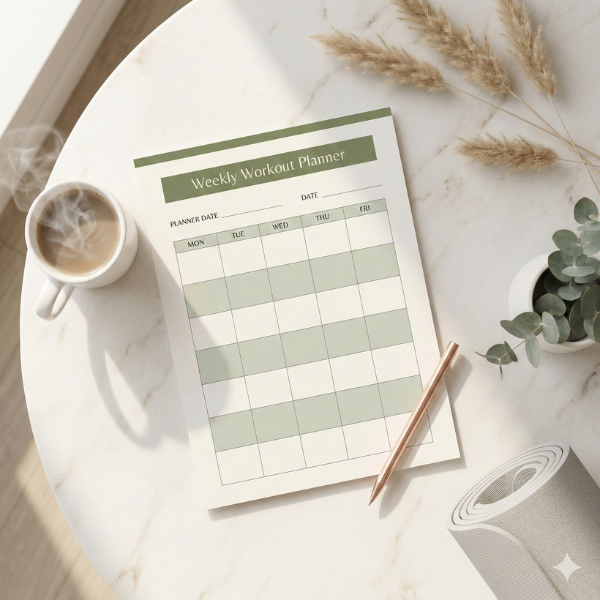
Various tools and resources are available to help track your cycle and implement cycle-syncing self-care rituals. These include mobile apps, physical planners, and online communities.
| Tool | Description | Benefits |
|---|---|---|
| Mobile Apps (e.g., Clue, Flo) | Digital tracking of menstrual cycle and symptoms. | Easy to use, personalized insights, reminders. |
| Physical Planners | Manual tracking using a dedicated planner. | Tactile experience, customizable, no screen time. |
| Online Communities | Support groups and forums for sharing experiences. | Community support, shared knowledge, motivation. |

Adjusting Rituals Based on Your Unique Patterns
It’s crucial to adjust your self-care rituals based on your unique patterns and needs. This may involve tweaking your calendar, trying different rituals, or seeking additional support.
Tips for Adjusting Rituals:
- Listen to your body and adjust your rituals accordingly.
- Be patient and give your body time to respond.
- Seek support from healthcare professionals if needed.
By creating a personalized cycle-syncing calendar, utilizing tracking tools, and adjusting rituals based on unique patterns, women can achieve hormone harmony and optimal wellness.
Getting Started: A Beginner’s Guide to Cycle-Syncing
Getting started with cycle-syncing is easier than you think, and it can lead to significant improvements in overall well-being. By understanding and working with your menstrual cycle, you can optimize your self-care rituals to support your physical, emotional, and reproductive health.
First Steps for Cycle Awareness
The first step in cycle-syncing is to become aware of your menstrual cycle. Start by tracking your cycle using a period app, calendar, or journal. Record the first day of your period, the duration of your cycle, and any symptoms you experience throughout the month. This will help you identify patterns and understand your body’s natural rhythms.
As you track your cycle, pay attention to your energy levels, mood, and physical sensations. This awareness will allow you to anticipate and prepare for the different phases of your cycle.
Simple Rituals to Implement Immediately
Once you have a basic understanding of your cycle, you can start implementing simple self-care rituals to support your health. Begin with small, gentle shifts in your habits, such as:
- Adjusting your exercise routine to match your energy levels
- Incorporating nourishing foods into your diet during different phases of your cycle
- Prioritizing rest and relaxation during times of low energy
These simple changes can have a significant impact on your overall well-being and help you develop a deeper connection with your body.
Common Challenges and Solutions
As you begin your cycle-syncing journey, you may encounter challenges such as irregular cycles, hormonal imbalances, or difficulty adjusting to new self-care rituals. To overcome these challenges, consider the following solutions:
- Consult with a healthcare provider to address any underlying hormonal imbalances
- Use a combination of tracking methods to monitor your cycle and symptoms
- Start with small, manageable changes and gradually build up to more significant adjustments
By being aware of these potential challenges and having solutions in place, you can stay on track and continue to make progress on your cycle-syncing journey.
Building Consistency Over Time
Consistency is key when it comes to cycle-syncing. To build lasting habits, start by committing to small, achievable changes and gradually build up to more significant adjustments. Be patient with yourself and remember that it’s okay to make mistakes or encounter setbacks along the way.
By incorporating cycle-syncing into your daily routine and being consistent in your practice, you can experience the many benefits of menstrual cycle optimization and holistic hormone health. With time and patience, you’ll become more attuned to your body’s natural rhythms and be better equipped to support your overall well-being.
Addressing Common Hormone Imbalances Through Self-Care
Many women experience hormone-related issues, and understanding how to address these imbalances is crucial for overall wellness. Hormone imbalances can manifest in various ways, affecting not just physical health but also emotional wellbeing. By incorporating cycle-syncing wellness tips and hormone balancing self-care practices into daily life, women can better manage their symptoms and improve their quality of life.
Signs of Hormone Imbalance
Recognizing the signs of hormone imbalance is the first step towards addressing the issue. Common symptoms include:
- Irregular menstrual cycles
- Mood swings and emotional changes
- Fatigue and energy crashes
- Bloating and weight changes
- Sleep disturbances
These symptoms can be associated with various hormone-related conditions, including PCOS and endometriosis. Understanding the specific symptoms and how they relate to your cycle is crucial for effective self-care.
PCOS-Specific Considerations
For women with Polycystic Ovary Syndrome (PCOS), managing hormone imbalances often involves a combination of lifestyle changes and targeted self-care practices. Some key considerations include:
- Maintaining a healthy weight through balanced nutrition and regular exercise
- Managing stress through mindfulness and relaxation techniques
- Getting adequate sleep to support hormone regulation

Endometriosis Support Strategies
Endometriosis is another condition that can significantly impact hormone balance and overall wellbeing. Support strategies include:
- Following an anti-inflammatory diet rich in fruits, vegetables, and omega-3 fatty acids
- Engaging in regular physical activity to reduce symptoms
- Practicing stress management techniques such as yoga or meditation
These strategies can help alleviate symptoms and improve quality of life.
When to Seek Professional Help
While self-care practices are essential for managing hormone imbalances, there are times when professional help is necessary. If you’re experiencing severe symptoms or if your symptoms persist despite trying various self-care strategies, it’s crucial to consult with a healthcare provider. They can offer personalized guidance, diagnose underlying conditions, and recommend appropriate treatments.
By combining professional guidance with effective self-care practices, women can better manage hormone imbalances and achieve overall wellness.
Nutrition and Lifestyle Foundations for Hormone Health
To achieve optimal hormone health, it’s essential to focus on the interconnected aspects of nutrition, stress management, sleep, and environmental factors. A well-balanced lifestyle supports the body’s natural hormone regulation processes, promoting overall wellbeing and harmony.
Anti-Inflammatory Eating Patterns
An anti-inflammatory diet is crucial for maintaining hormone balance. This involves consuming foods rich in omega-3 fatty acids, antioxidants, and fiber, while minimizing processed and high-sugar foods.
- Incorporate foods like salmon, leafy greens, and berries into your diet.
- Avoid or limit foods that can cause inflammation, such as refined sugars and processed meats.
As Dr. Andrew Weil notes, “An anti-inflammatory diet is not just about avoiding certain foods, but also about consuming a variety of whole, nutrient-dense foods.”
“The best diet is one that is balanced, varied, and tailored to an individual’s nutritional needs.”
| Food Group | Examples | Benefits |
|---|---|---|
| Fatty Fish | Salmon, Sardines | Rich in Omega-3 fatty acids, reducing inflammation |
| Leafy Greens | Spinach, Kale | High in Antioxidants and Fiber |
| Berries | Blueberries, Strawberries | Rich in Antioxidants and Vitamins |
Stress Management Techniques
Effective stress management is vital for hormone health. Chronic stress can disrupt the body’s natural hormone balance, leading to issues like adrenal fatigue and hormonal imbalances.
Some beneficial stress management techniques include:
- Meditation and mindfulness practices
- Yoga and tai chi
- Deep breathing exercises
Sleep Optimization Strategies
Sleep optimization is critical for hormone regulation. Poor sleep quality can disrupt hormone production, leading to imbalances.
To improve sleep, consider:
- Establishing a consistent sleep schedule
- Creating a relaxing bedtime routine
- Avoiding screens before bedtime
Environmental Toxin Reduction
Reducing exposure to environmental toxins is essential for maintaining hormone health. Toxins can interfere with hormone production and balance.
Some strategies for minimizing exposure include:
- Using non-toxic household cleaning products
- Avoiding plastics with BPA and phthalates
- Choosing organic produce when possible
By focusing on these foundational aspects, individuals can support their hormone health and overall wellbeing, creating a harmonious balance in their lives.
Conclusion
By embracing cycle syncing and incorporating menstrual cycle self-care rituals into daily life, women can experience profound improvements in their overall health and well-being. This holistic approach to hormone health empowers individuals to take control of their bodily rhythms, fostering a deeper connection with their physical and emotional needs.
As we’ve explored throughout this article, aligning self-care practices with the different phases of the menstrual cycle can lead to significant benefits, from improved physical health to enhanced emotional wellbeing. By adopting a holistic hormone health approach, women can optimize their energy, productivity, and overall quality of life.
As you continue on your journey towards hormone harmony, remember that consistency and patience are key. Start by implementing small changes to your daily routine, and be gentle with yourself as you navigate your unique cycle. With time, you’ll become more attuned to your body’s needs, and the positive impact of menstrual cycle self-care will become increasingly evident.
FAQ
What is cycle-syncing and how does it work?
How do I track my menstrual cycle?
What are the benefits of cycle-syncing for hormone harmony?
How can I adjust my nutrition to support hormone balance during my menstrual cycle?
What self-care rituals can I practice during the different phases of my menstrual cycle?
How can I manage symptoms of hormone imbalance, such as PCOS or endometriosis?
What are some common challenges to cycle-syncing, and how can I overcome them?
How can I prioritize self-care and make it a sustainable part of my lifestyle?
Can cycle-syncing help with stress management and overall well-being?
🌸 Discover Weight Management Supplements That Works — Handpicked for You
Curated health & beauty essentials our readers trust — explore your new self-care favorites.


🌸 Discover Beauty That Works — Handpicked for You
Curated health & beauty essentials our readers trust — explore your new self-care favorites.

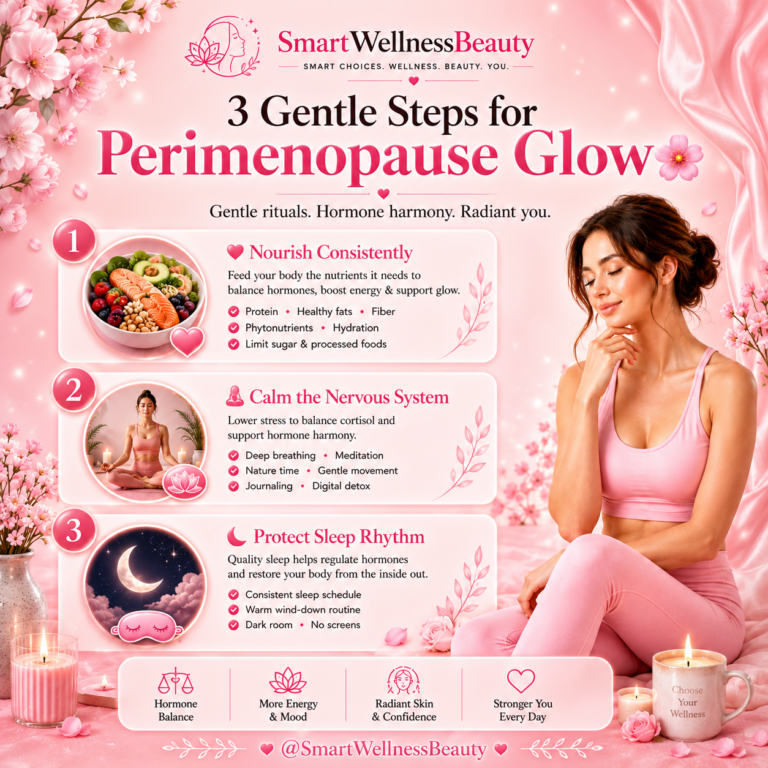
💖 Connect with SmartWellnessBeauty
Join our wellness & beauty community for daily inspiration, mindful living, and radiant self-care — follow us across your favorite platforms.














 Smart Tools World

 SmartAIEarn

 SmartWellnessBeauty

 Smart Resource Vault

 TrendsOfReview

 SmartLivingJournal
 Holistic Yoga With Wellness