


Forest Bathing: Nature’s Secret for Inner & Outer Glow


In recent years, spending time in nature has become more than just a leisure activity; it’s been a lifeline for many. The concept of forest bathing, or shinrin-yoku, has been practiced in Japan for decades and is now gaining popularity worldwide.
Originating in Japan, forest bathing involves immersing oneself in the natural environment to promote physical and mental well-being. This practice has been shown to have numerous health benefits, from reducing stress levels to boosting the immune system, contributing to both inner and outer glow.
As people look for nature’s secret to improve their health, forest bathing stands out as a simple yet effective method. By incorporating this practice into your routine, you can experience the profound impact it has on your overall well-being.
Key Takeaways
- Discover the origins and benefits of forest bathing.
- Learn how nature immersion can improve mental health.
- Understand the physical health benefits associated with shinrin-yoku.
- Explore ways to incorporate forest bathing into your lifestyle.
- Find out how this practice can enhance your overall well-being.
The Ancient Practice of Shinrin-Yoku
In the 1980s, Japan introduced shinrin-yoku as a response to the stresses of urban living, and it has since become a cornerstone of preventive healthcare.
Shinrin-yoku, which translates to “forest bathing,” is more than just a leisurely walk in the woods; it’s a therapeutic practice that involves immersing oneself in the natural environment to promote physical and mental well-being.
Origins in Japanese Culture
The concept of shinrin-yoku is deeply rooted in Japanese culture, where nature has long been revered for its spiritual and healing properties. Traditional Japanese gardens and the practice of “satoyama” (a managed forest ecosystem) have influenced the development of shinrin-yoku.
This cultural background emphasizes harmony with nature, reflecting a broader philosophy that sees humans as part of, not separate from, the natural world.
From Traditional Wisdom to Modern Science
The transition of shinrin-yoku from a traditional practice to a scientifically recognized form of therapy involved rigorous research. Studies have shown that spending time in forests can have a positive impact on various physiological and psychological parameters.
| Parameter | Effect of Shinrin-Yoku | Scientific Basis |
|---|---|---|
| Cortisol Levels | Reduced stress | Lower cortisol levels measured |
| Blood Pressure | Lower blood pressure | Improved cardiovascular health |
| Immune Function | Boosted immune system | Increased natural killer cell activity |
These findings underscore the potential of shinrin-yoku as a complementary therapy for various health conditions, supported by modern scientific evidence.
Understanding Forest Bathing: Nature’s Secret for Inner & Outer Glow
By definition, forest bathing involves immersing oneself in the natural environment to promote health and well-being. This practice, known as Shinrin-yoku, has its roots in Japanese culture and has been embraced worldwide for its numerous benefits.
What Forest Bathing Really Means
Forest bathing is not just a casual walk in the woods; it’s a mindful and intentional practice that involves using all five senses to connect with nature. It’s about being present in the natural environment, observing the sights, sounds, and smells around you, and letting go of distractions.
Mindfulness is a key component of forest bathing. It’s the practice of being fully engaged in the current moment, without judgment. By focusing on the present, individuals can reduce stress and increase their sense of well-being.

How It Differs from Hiking or Exercise
Unlike hiking or exercise, the goal of forest bathing is not to reach a destination or achieve a certain physical outcome. Instead, it’s about slowing down and immersing oneself in the natural environment. While hiking can be a form of exercise, forest bathing is more about mental and emotional rejuvenation.
| Activity | Primary Focus | Benefits |
|---|---|---|
| Forest Bathing | Mindfulness and connection with nature | Reduced stress, improved mental well-being |
| Hiking | Physical exercise and reaching a destination | Physical fitness, sense of accomplishment |
| Exercise | Physical activity and health improvement | Improved physical health, increased energy |
In summary, forest bathing is a unique practice that offers a distinct set of benefits compared to other outdoor activities. By understanding what forest bathing entails, individuals can better appreciate its value for enhancing both inner and outer well-being.
The Science Behind Forest Bathing
The therapeutic benefits of forest bathing are backed by a growing body of scientific evidence. This practice, known as Shinrin-Yoku, has been studied for its various health benefits, ranging from boosting the immune system to reducing stress levels.
Phytoncides: The Natural Aromatherapy
Phytoncides are airborne chemicals given off by trees and other plants. These natural compounds have been shown to have numerous health benefits, including enhancing immune function and reducing stress. The inhalation of phytoncides during forest bathing is believed to be a key factor in its therapeutic effects.
Physiological Effects on the Human Body
Research has demonstrated that forest bathing can have a positive impact on various physiological parameters. For instance, studies have shown decreases in cortisol levels, blood pressure, and heart rate after forest bathing sessions. These effects contribute to an overall reduction in stress and improvement in well-being.
A study published in the Journal of Environmental Psychology found that individuals who spent time in the forest exhibited lower levels of cortisol and blood pressure compared to those who spent time in urban environments. This highlights the potential of forest bathing as a natural stress-reduction technique.
Research Studies and Evidence
Numerous studies have investigated the effects of forest bathing on human health. The evidence suggests that regular forest bathing can lead to improved immune function, reduced inflammation, and enhanced mental health.
| Health Benefit | Description | Research Evidence |
|---|---|---|
| Immune System Boost | Increased natural killer cell activity | Study: Li et al. (2010) |
| Stress Reduction | Lower cortisol levels and blood pressure | Study: Kobayashi et al. (2019) |
| Mental Health Improvement | Reduced symptoms of anxiety and depression | Study: Morita et al. (2007) |
The table above summarizes some of the key health benefits associated with forest bathing, along with relevant research studies that support these findings.
Physical Health Benefits of Forest Immersion
The natural environment of forests offers a multitude of benefits for our physical health, from boosting the immune system to improving cardiovascular health. Forest bathing, or Shinrin-Yoku, has been shown to have a positive impact on various physiological processes, contributing to overall wellness.
Immune System Boost
One of the significant physical health benefits of forest bathing is its ability to enhance immune function. Studies have found that spending time in forests increases the production of natural killer cells, which play a crucial role in fighting off infections and diseases. The presence of phytoncides, organic compounds emitted by trees, is believed to contribute to this immune-boosting effect.
Cardiovascular Improvements
Regular forest bathing has been linked to improvements in cardiovascular health, including lower blood pressure and reduced risk of heart disease. The calming effect of being in nature, combined with the physical activity often associated with walking in forests, contributes to these cardiovascular benefits.

Better Sleep and Energy Levels
Forest bathing can also have a positive impact on sleep quality and energy levels. Exposure to natural light and the calming environment of forests can help regulate sleep patterns, while the reduction in stress levels can lead to increased energy.
| Physical Health Benefit | Description |
|---|---|
| Immune System Boost | Increased production of natural killer cells due to phytoncides |
| Cardiovascular Improvements | Lower blood pressure and reduced risk of heart disease |
| Better Sleep and Energy | Regulated sleep patterns and reduced stress levels |
By incorporating forest bathing into your routine, you can experience these physical health benefits firsthand. Whether it’s a walk in a nearby park or a hike in a more remote forest, the natural environment has much to offer in terms of enhancing our overall health and well-being.
Mental Wellness Through Nature Connection
As the world grapples with rising mental health concerns, the ancient practice of forest bathing offers a natural, effective solution for reducing stress and improving cognitive function. By immersing oneself in the natural environment of a forest, individuals can experience a range of mental wellness benefits.
Stress Reduction and Cortisol Levels
One of the most significant advantages of forest bathing is its ability to reduce stress levels. Being in nature has been shown to lower cortisol levels, the hormone associated with stress, leading to a more relaxed state of being. Lower cortisol levels can result in improved overall well-being and a reduction in stress-related health issues.
- Reduces cortisol levels
- Lowers blood pressure
- Improves mood
Anxiety and Depression Relief
Forest bathing has also been linked to relief from anxiety and depression. The peaceful environment and the sensory experience of being in the forest contribute to these mental health benefits. Studies have indicated that spending time in nature can alleviate symptoms of anxiety and depression, promoting a healthier mental state.
The calming effects of nature can help individuals manage their symptoms more effectively, leading to an improved quality of life.
Improved Focus and Cognitive Function
In addition to reducing stress and alleviating symptoms of anxiety and depression, forest bathing can also improve cognitive function. The practice has been shown to enhance focus, creativity, and problem-solving skills. By giving the mind a break from the constant stimuli of daily life, forest bathing allows for mental rejuvenation.
- Enhances focus and concentration
- Boosts creativity
- Improves problem-solving skills
In conclusion, forest bathing is a valuable practice for maintaining mental wellness. By reducing stress, alleviating symptoms of anxiety and depression, and improving cognitive function, it offers a comprehensive approach to mental health care.
Beauty Benefits: How Trees Enhance Your Outer Glow
As we immerse ourselves in the tranquility of the forest, we not only rejuvenate our minds but also enhance our outer glow. The practice of forest bathing, or Shinrin-Yoku, has been shown to have a positive impact on our physical appearance, particularly in terms of skin health and overall beauty.

Skin Health and Forest Air
The clean air in forests, rich in oxygen and phytoncides, can have beneficial effects on the skin. Phytoncides, organic compounds emitted by trees, have been shown to boost our immune system and potentially improve skin health. The antioxidants present in forest air can help protect the skin from damage caused by free radicals, leading to a more radiant and healthier complexion.
Some of the key benefits of forest air for skin health include:
- Improved skin elasticity due to increased collagen production
- Reduced inflammation, which can lead to conditions such as acne
- Enhanced skin hydration, resulting in a more supple and youthful appearance
The Natural Anti-Aging Effects
Forest bathing can also contribute to the natural anti-aging process. The antioxidants and phytoncides in the forest environment help combat oxidative stress, a key factor in the aging process. By reducing oxidative stress, forest bathing can help minimize the appearance of fine lines and wrinkles, promoting a smoother and more youthful appearance.
The anti-aging benefits of forest bathing can be attributed to:
- The high concentration of oxygen in forest air, which helps to rejuvenate skin cells
- The presence of phytoncides, which have been shown to have anti-inflammatory properties
- The overall reduction in stress levels, as high stress is known to accelerate the aging process
By incorporating forest bathing into your routine, you can experience these beauty benefits firsthand, enhancing your outer glow and promoting overall well-being.
How to Practice Forest Bathing Effectively
Practicing forest bathing effectively requires a mindful approach to connecting with nature. It’s not just about walking in the woods; it’s about immersing yourself in the environment through a deliberate and gentle process.
Finding the Right Location
The first step in practicing forest bathing is to find a suitable location. Look for a forest or a natural area that is quiet and free from distractions. Accessibility is also important; the location should be easy to reach and navigate. Choose a place with diverse natural elements such as trees, flowers, water bodies, or wildlife to keep your senses engaged.
The Five Senses Approach
Forest bathing encourages you to engage all five senses. Take time to listen to the sounds around you, from the chirping of birds to the rustling of leaves. Smell the forest air, rich with the scent of trees and earth. Touch the bark of trees, feel the texture of leaves, or dip your hands in a stream. Observe the surroundings with a soft gaze, taking in the colors and shapes. Finally, if you have food or drink with you, savor the taste mindfully.
“Nature is not a place to visit. It is home.” – Gary Snyder
Recommended Duration and Frequency
For effective forest bathing, it’s recommended to spend at least 30 minutes to an hour in the forest. This allows you to slow down and truly immerse yourself in the environment. As for frequency, practicing forest bathing a few times a week can be beneficial for both physical and mental health. However, even a single visit can have a positive impact.
Guided vs. Self-Directed Practice
Forest bathing can be practiced either with a guide or on your own. Guided forest bathing can be particularly helpful for beginners, as guides can provide insights into the natural surroundings and help you stay focused. On the other hand, self-directed practice allows for a more personal and flexible experience. You can choose your own pace and path, and it’s a good way to deepen your connection with nature over time.
Regardless of the approach you choose, the key is to be present and mindful. Forest bathing is a journey, not a destination, and its benefits are deeply rooted in the simplicity of being in nature.
Forest Bathing Etiquette and Safety
Forest bathing is not just about immersing yourself in nature; it’s also about respecting the environment and ensuring your safety. As you prepare to connect with the natural world, understanding the basics of forest bathing etiquette and safety can enhance your experience.
Respecting Nature and Wildlife
When practicing forest bathing, it’s essential to minimize your impact on the environment. Stay on designated trails to avoid damaging vegetation and disturbing wildlife habitats. Be mindful of your surroundings and keep a safe distance from animals, even if they seem friendly. Remember, you are a guest in their home.
Responsible forest bathing also involves not littering and taking all trash with you when you leave. This helps preserve the beauty and integrity of the forest for future visitors.

Weather Considerations
Checking the weather forecast before heading out is crucial. Be prepared for changing conditions by dressing in layers and bringing appropriate gear, such as waterproof clothing or a hat for sun protection. Avoid forest bathing during severe weather conditions like heavy rain, thunderstorms, or extreme heat.
- Wear comfortable, sturdy shoes suitable for walking.
- Bring water and snacks to stay hydrated and energized.
- Carry a map or GPS device to navigate the trails.
Essential Items to Bring
To ensure a safe and enjoyable forest bathing experience, it’s important to be prepared. Bringing the right items can make a significant difference. Essentials include comfortable clothing, a water bottle, snacks, a map, and a first-aid kit.
Additionally, consider bringing a journal to record your observations and reflections. This can enhance your connection with nature and provide a meaningful way to document your experience.
By being mindful of forest bathing etiquette and safety, you can fully immerse yourself in the natural world while preserving it for others to enjoy.
Forest Bathing for Different Seasons
Forest bathing is a year-round activity that adapts to the changing seasons, providing unique experiences and benefits. As nature transforms around us, our approach to forest bathing can also evolve to maximize its therapeutic effects.
Spring and Summer Practices
During spring and summer, forest bathing is characterized by the vibrant colors and fragrances of blooming flowers and fresh greenery. The warmth of these seasons invites a more leisurely pace, allowing practitioners to fully immerse themselves in the sensory delights of nature.
- Engage your senses: Notice the colors, scents, and sounds around you. Spring blossoms and summer wildflowers offer a feast for the eyes and nose.
- Explore new areas: As trails become more accessible, take the opportunity to explore different parts of the forest.
- Stay hydrated: Remember to drink plenty of water, especially during the warmer months.
Fall Foliage Immersion
Autumn brings a dramatic change to the forest landscape, with foliage turning brilliant shades of red, orange, and yellow. This season offers a unique visual spectacle that can enhance the forest bathing experience.
“The clear mind is the key to a healthy life.” – A quote that resonates with the clarity and crispness of fall air, inviting a deeper connection with nature.
- Take time to appreciate the changing colors and how they affect your mood and perception.
- Notice the texture of fallen leaves underfoot, adding a tactile dimension to your experience.
- Enjoy the cooler temperatures, which can make for more comfortable walking and longer stays in the forest.
Winter Forest Bathing
Winter transforms the forest into a serene and peaceful environment. The snow-covered landscapes and quieter atmosphere can provide a deeply meditative experience.
- Dress warmly: Ensure you’re properly dressed for the cold weather to fully enjoy your forest bathing experience.
- Notice the silence: The reduced noise levels can make you more aware of your surroundings and inner state.
- Observe the snow: Watch how snow changes the forest’s appearance, creating a sense of stillness and tranquility.
By adapting our forest bathing practices to the changing seasons, we can deepen our connection with nature and enhance the benefits we derive from this practice. Whether it’s the blooming flowers of spring, the vibrant life of summer, the colorful foliage of fall, or the serene landscapes of winter, each season offers a unique opportunity to rejuvenate and find inner peace.
Conclusion: Embracing the Forest as Your Wellness Ally
Incorporating forest bathing into your lifestyle can be a powerful way to enhance your overall well-being. This natural practice combines physical, mental, and emotional benefits, offering a holistic approach to health.
With its roots in Japanese culture, forest bathing has evolved into a scientifically-backed method for improving health. It boosts your immune system, improves cardiovascular health, and reduces stress and anxiety.
Embracing the forest as your wellness ally allows you to experience these benefits. Forest bathing is an effective approach for improving physical health, mental wellness, and your connection with nature.
Start your forest bathing journey today by finding a nearby forest or nature reserve. This natural path to wellness can lead to a healthier, more balanced you.
FAQ
What is forest bathing, and how does it differ from a regular walk in the woods?
What are phytoncides, and how do they contribute to the benefits of forest bathing?
How often should I practice forest bathing to experience its benefits?
Can forest bathing be practiced in any type of forest or natural setting?
Is guided forest bathing more effective than self-directed practice?
What should I bring with me when I go forest bathing?
How can I practice forest bathing during different seasons?
Can forest bathing help with mental health issues like anxiety and depression?
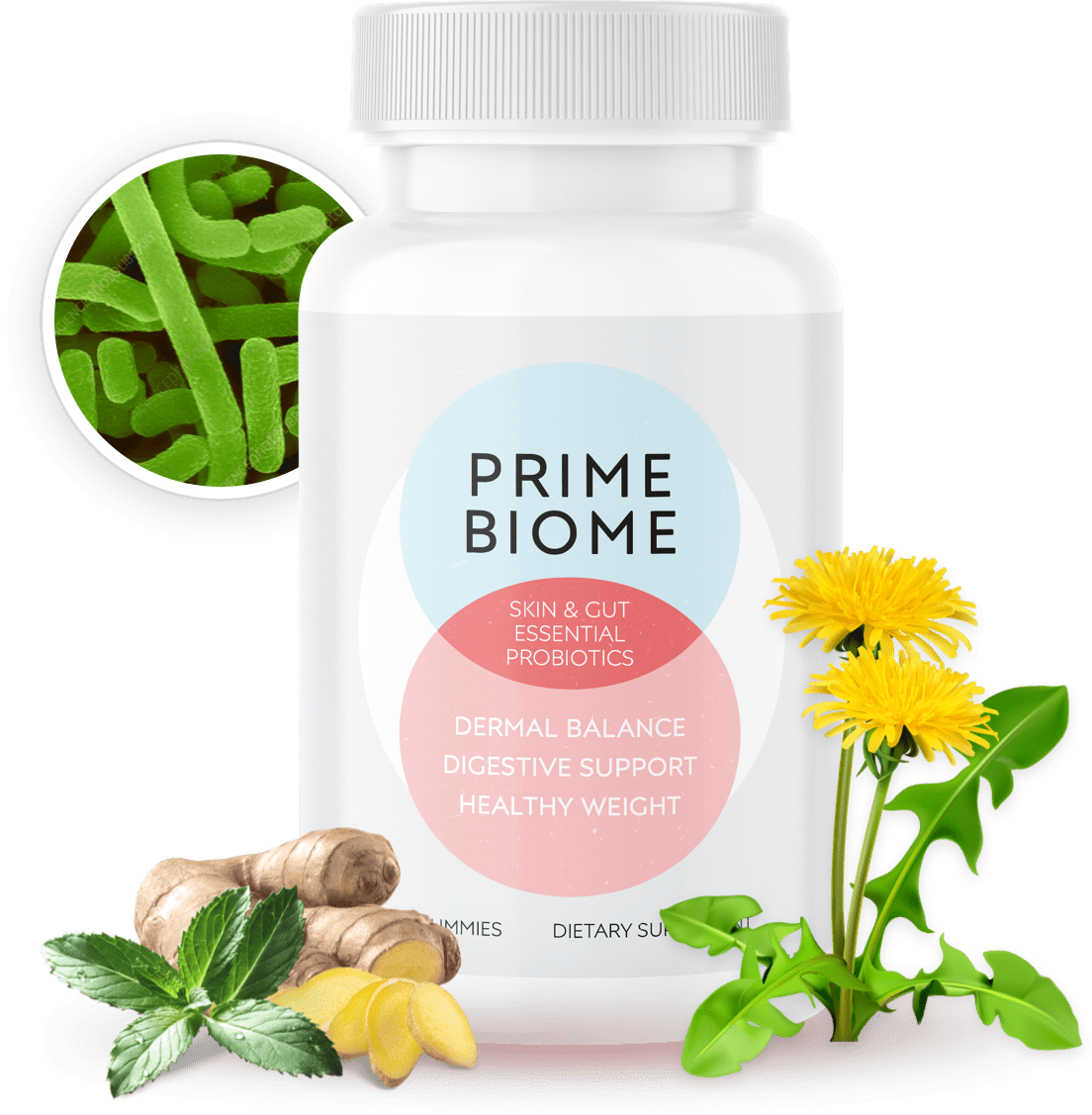
🌸 Discover Weight Management Supplements That Works — Handpicked for You
Curated health & beauty essentials our readers trust — explore your new self-care favorites.



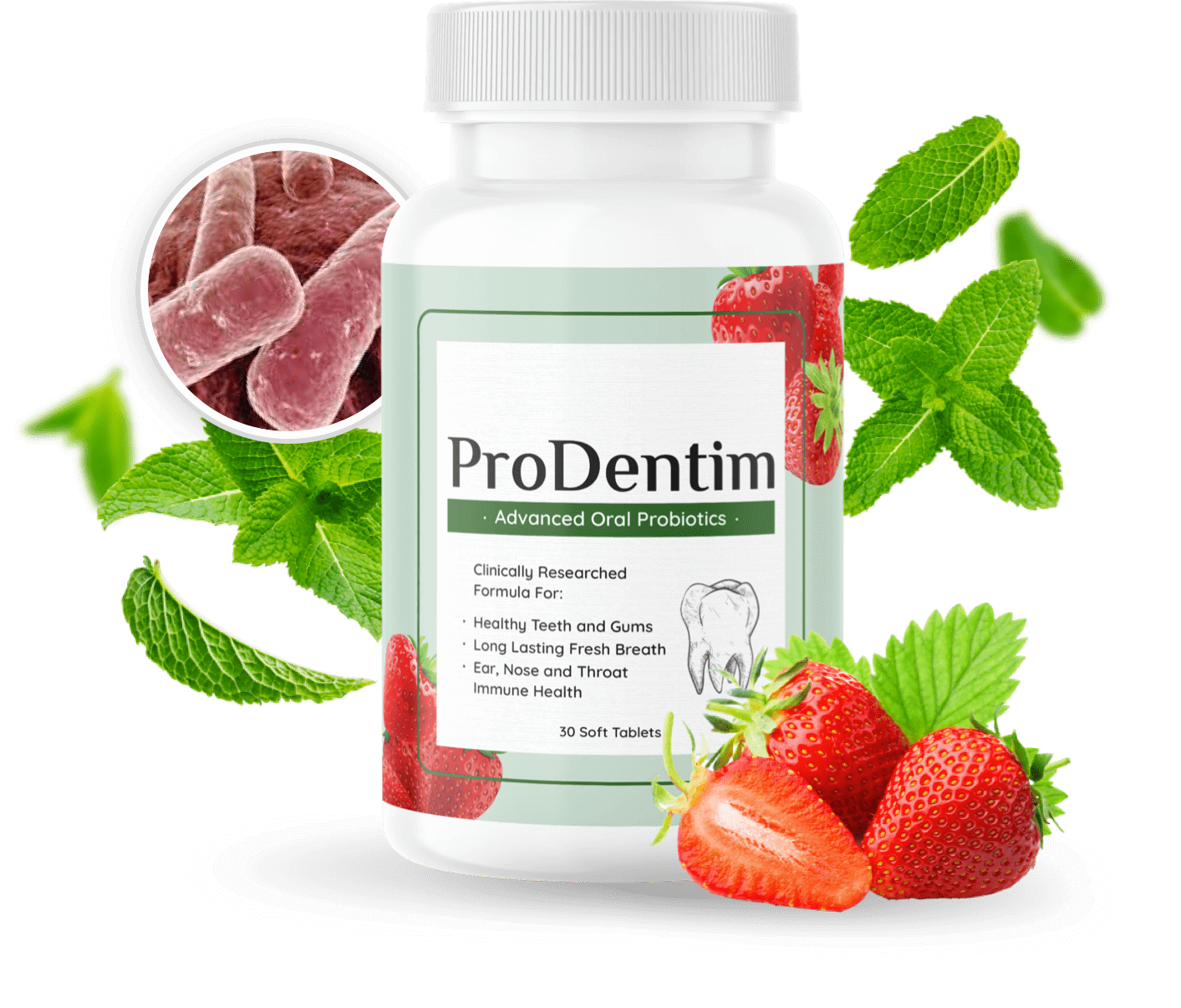
🌸 Discover Beauty That Works — Handpicked for You
Curated health & beauty essentials our readers trust — explore your new self-care favorites.

💖 Connect with SmartWellnessBeauty
Join our wellness & beauty community for daily inspiration, mindful living, and radiant self-care — follow us across your favorite platforms.
























What do you think?
Show comments / Leave a comment