

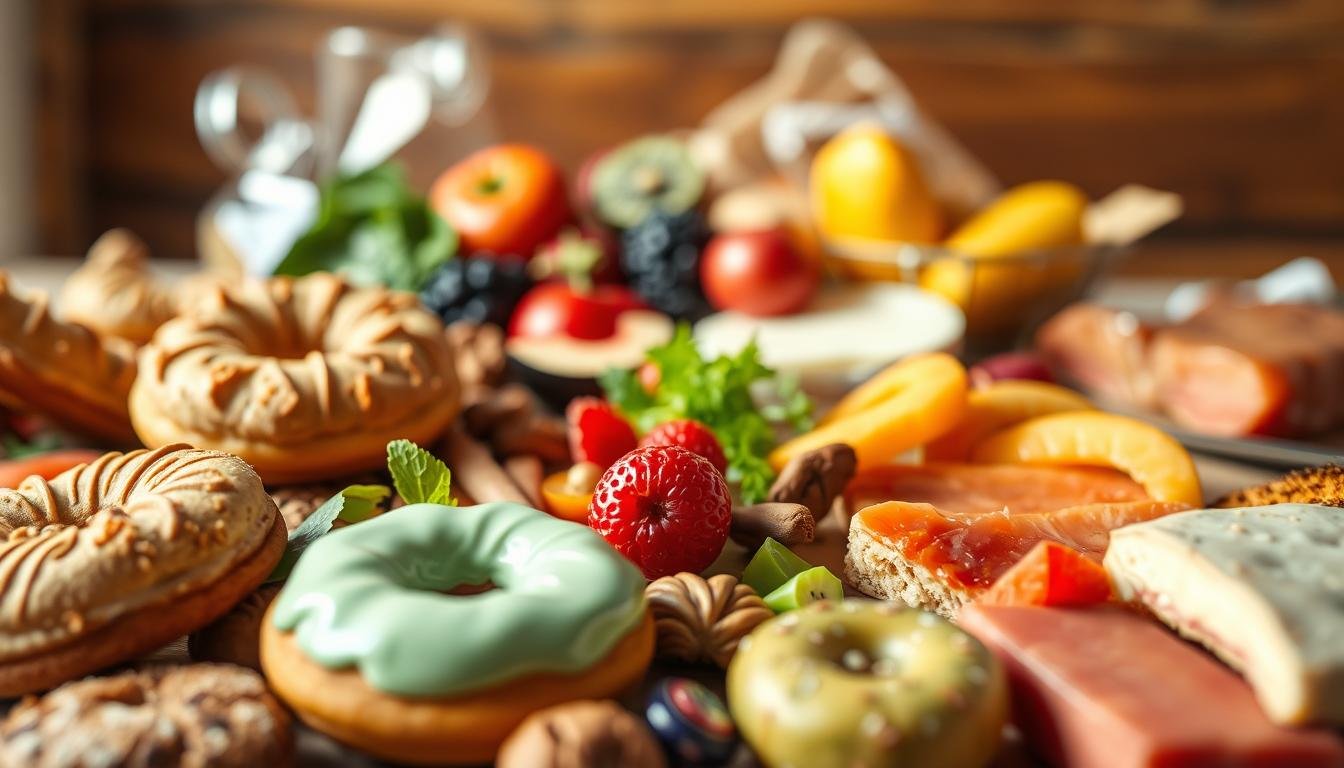
Did you know that nearly 50% of people who start a weight loss program plateau within the first year? Sometimes, the issue isn’t your willpower or effort — it’s the diet foods you choose. Even with good intentions, certain seemingly healthy options can lead to frustration and a plateau in your weight loss efforts.
When working hard to change your eating habits, it’s disheartening to see little progress. Certain weight loss foods, despite being perceived as healthy, can actually be counterproductive to your goals. Understanding which foods might be hindering your progress is crucial to overcoming this plateau.
Key Takeaways
- Some healthy foods can hinder weight loss.
- Understanding the impact of diet choices is crucial.
- Certain foods can lead to a weight loss plateau.
- Making informed food choices can help overcome plateaus.
- Being aware of counterproductive foods is key to success.
Understanding Weight Loss and Food Choices
The journey to weight loss is often marred by trial and error, but metabolic science offers a guiding light. “Learning new ways to eat and move can be a process of trial and error,” says Raymond Plodkowski, MD, a weight management specialist at Scripps Clinic Center Del Mar. “But metabolic science can offer a lot of guidance for people who are serious about taking control of their weight.”
Understanding how weight loss works is crucial for making informed decisions about diet and lifestyle. At its core, weight loss occurs when the body burns more calories than it consumes. However, the rate and efficiency of this process can be significantly influenced by the types of food we eat.
The Science Behind Weight Loss
Weight loss is fundamentally about creating a calorie deficit. However, not all calories are created equal. The quality of the diet plays a critical role in how efficiently the body can lose weight. Diets rich in whole foods, such as vegetables, fruits, lean proteins, and whole grains, tend to support weight loss more effectively than diets dominated by processed foods.
Metabolic science tells us that different foods have varying effects on our metabolism. For instance, protein-rich foods require more energy to digest than carbohydrates or fats, potentially increasing the metabolic rate. On the other hand, highly processed foods often contain empty calories that provide little nutritional value while hindering weight loss efforts.
How Food Impacts Your Metabolism
The metabolic impact of food is not just about the calories; it’s also about how those foods influence hunger, satiety, and metabolic rate. Foods high in fiber, for example, tend to be more filling, reducing the likelihood of overeating. Conversely, foods high in sugar can lead to spikes in blood sugar followed by crashes, potentially increasing hunger and cravings for more unhealthy foods.
To support weight loss, it’s essential to focus on nutrient-dense foods that not only provide essential vitamins and minerals but also support a healthy metabolism. Incorporating a variety of colorful vegetables, lean proteins, and healthy fats into meals can help achieve a balanced diet that supports weight loss goals.
By understanding the science behind weight loss and how different foods impact metabolism, individuals can make more informed choices about their diet. This knowledge empowers people to adopt a more effective and sustainable approach to weight loss, moving beyond fad diets and towards a healthier, more balanced lifestyle.
Common Foods That Derail Weight Loss
Certain foods can significantly derail your weight loss journey, and being aware of them is key to success. When trying to lose weight, it’s not just about cutting calories but also about making informed food choices that support your goals.
Sugary Beverages You Should Avoid
Sugary beverages are among the top culprits when it comes to weight gain. Drinks like soda, sports drinks, and sweetened teas or coffees are high in calories and added sugars. Diet sodas, although calorie-free, can still trick your brain into craving sweets, potentially leading to overeating. Artificial sweeteners in diet sodas may cause a small insulin release because your body anticipates sugar, which can be counterproductive to weight loss efforts.
Avoiding sugary beverages is a straightforward way to reduce your calorie intake and minimize your consumption of added sugars. Opting for water, unsweetened tea, or black coffee instead can significantly impact your weight loss journey.

The Hidden Dangers of Processed Snacks
Processed snacks are another common obstacle to weight loss. These snacks are often high in unhealthy fats, added sugars, and sodium. They can be very addictive, making it difficult to stop at just one serving. Processed snacks also tend to be low in essential nutrients, leaving you feeling unsatisfied and potentially leading to overeating.
To avoid the pitfalls of processed snacks, focus on whole, nutrient-dense foods like fruits, vegetables, nuts, and seeds. These foods are not only more nutritious but also more filling, helping you stay on track with your weight loss goals.
Choosing Whole Grains Over Refined
The type of grains you consume can also impact your weight loss efforts. Refined grains, such as white bread and pasta, are stripped of fiber and nutrients, making them less satiating and more likely to cause a spike in blood sugar levels. On the other hand, whole grains like brown rice, quinoa, and whole-wheat bread are rich in fiber and nutrients, helping you feel fuller for longer.
Switching from refined grains to whole grains can make a significant difference in your weight loss journey. Whole grains not only support weight loss but also contribute to overall health and well-being.
The Role of Healthy Fats
Incorporating the right types of fat into your diet can make a significant difference in your weight loss efforts. Healthy fats are not only a source of energy but also play a crucial role in the absorption of vitamins and the maintenance of healthy cells.
Avocado and Nuts: Friend or Foe?
Avocados and nuts are high in healthy fats, making them a great addition to a weight loss diet. However, they are also calorie-dense, which means moderation is key. For example, a single avocado contains around 320 calories, so it’s essential to balance it with other nutrient-dense foods.
To reap the benefits of avocados and nuts without overdoing it, try incorporating them into your meals in controlled portions. A serving size of nuts is typically an ounce, or about a handful, while for avocado, it’s half of the fruit.
How Much Fat is Too Much?
The daily intake of fat varies based on overall calorie needs and dietary goals. Generally, it’s recommended that 20-35% of your daily calories come from fat. For someone on a 2,000 calorie diet, this translates to about 44-77 grams of fat per day.
To put this into perspective, here are some examples of foods high in healthy fats and their fat content:
- 1 avocado: 32g
- 1 ounce of almonds: 14g
- 1 tablespoon of olive oil: 14g
It’s clear that while these foods are rich in healthy fats, they can add up quickly. Therefore, being mindful of portion sizes is crucial for maintaining a balanced diet that supports weight loss.
Dairy Products and Weight Loss
The relationship between dairy consumption and weight loss is complex and warrants a closer look. Dairy products are a significant source of nutrients, including calcium, protein, and vitamins, which can play a role in weight management.
When considering dairy’s impact on weight loss, it’s essential to differentiate between various types of dairy products. The debate between low-fat and full-fat dairy is particularly relevant.
Low-Fat vs. Full-Fat Dairy
Low-fat dairy products were once considered the go-to choice for those watching their weight. However, recent studies suggest that full-fat dairy might not be as detrimental as once thought. In fact, some research indicates that full-fat dairy can be more satiating, potentially leading to lower overall calorie intake.
On the other hand, low-fat dairy products often contain added sugars to enhance flavor, which can be counterproductive to weight loss efforts. For instance, flavored yogurts can contain up to 20 grams of added sugar per serving, significantly increasing calorie intake without providing a feeling of fullness.

Lactose Intolerance and Weight Gain
Lactose intolerance, the inability to digest lactose due to insufficient lactase enzyme production, can also impact weight loss. Symptoms of lactose intolerance include bloating, gas, and discomfort, which can lead to reduced dairy consumption. However, some lactose-intolerant individuals might still consume dairy, potentially hindering their weight loss efforts due to discomfort and digestive issues.
Understanding whether you are lactose intolerant and adjusting your dairy intake accordingly can be crucial. For those who are intolerant, exploring lactose-free or low-lactose dairy options can help mitigate adverse effects while still allowing for the nutritional benefits of dairy.
In conclusion, dairy products can be part of a healthy weight loss diet when chosen wisely. Opting for products that are high in protein, low in added sugars, and appropriate for your lactose tolerance can make a significant difference.
Mindless Eating Habits
Many people struggle with mindless eating, which can derail their weight loss efforts. Mindless eating involves consuming food without being fully aware of the quantity or the act of eating itself. This habit can lead to overconsumption of calories, ultimately hindering weight loss progress.
Trigger Foods That Lead to Overindulgence
Certain foods can trigger overeating due to their high palatability and the emotional responses they elicit. These trigger foods are often high in sugar, salt, or unhealthy fats, making them difficult to stop at just one serving. Common trigger foods include:
- Salted snacks like chips or pretzels
- Sweet treats such as cookies or ice cream
- Comfort foods like pizza or fried chicken
Being aware of these trigger foods is the first step in managing mindless eating. By identifying and limiting exposure to these foods, individuals can reduce the likelihood of overindulgence.
The Importance of Portion Control
Portion control is a crucial aspect of managing weight loss. Eating appropriate portions helps in maintaining a calorie deficit, which is necessary for losing weight. Here are some strategies for effective portion control:
- Using smaller plates to reduce serving sizes
- Measuring food portions to avoid overeating
- Eating slowly to allow the brain to register fullness
To further illustrate the impact of portion control, consider the following table comparing common food portions to their calorie counts:
| Food Item | Standard Portion | Calorie Count |
|---|---|---|
| Pasta | 1 cup | 200 calories |
| Grilled Chicken | 3 oz | 140 calories |
| French Fries | 1 serving (medium) | 320 calories |
By being mindful of portion sizes and choosing nutrient-dense foods, individuals can better manage their calorie intake and support their weight loss goals. Incorporating best foods for weight loss into your diet, such as vegetables, lean proteins, and whole grains, can also aid in achieving a healthy weight.
The Impact of Alcohol on Weight Loss
For individuals on a weight loss diet, understanding the effects of alcohol is crucial. Alcohol can be a significant obstacle for those trying to lose weight, not just because of its caloric content but also due to its impact on appetite and food choices.
Caloric Content of Different Types of Alcohol
Alcohol is high in calories, with each gram providing approximately 7 calories. Different types of alcoholic beverages vary significantly in their caloric content. For example, a standard serving of beer (12 oz) contains around 150 calories, while a glass of wine (5 oz) can range from 120 to 200 calories, depending on the type. Cocktails and mixed drinks can be even more calorie-dense, often containing added sugars and mixers that increase their caloric content.

How Alcohol Can Affect Your Appetite
Apart from its caloric content, alcohol can also affect weight loss by influencing appetite. Drinking alcohol can lower inhibitions, leading to poorer food choices and overeating. Additionally, alcohol can stimulate appetite, making it harder to stick to a diet. It’s essential to be mindful of these effects when consuming alcohol while trying to lose weight.
To make informed choices, it’s helpful to understand how different alcoholic beverages fit into your overall diet. Being aware of the caloric content and potential impact on appetite can help you make weight loss friendly choices.
The Truth About “Diet” Foods
The reality of ‘diet’ foods might surprise you, as they often hide unhealthy ingredients. Many products labeled as “healthy” or “low-calorie” can be misleading, and even “zero calorie” foods can hinder your weight-loss journey.
When trying to lose weight, it’s essential to understand that not all “diet” foods are created equal. Some may be low in calories but high in artificial sweeteners, preservatives, or other unhealthy additives.
Are Low-Calorie Options Really Better?
Low-calorie options can be beneficial for weight loss, but they are not always the healthier choice. Many low-calorie products contain artificial sweeteners like aspartame or sucralose, which can be detrimental to overall health.
Some studies suggest that consuming artificial sweeteners can lead to increased cravings for sweet foods, potentially hindering weight loss efforts. On the other hand, some low-calorie foods are made with natural ingredients and can be a healthy alternative.
To make informed choices, it’s crucial to read labels carefully and opt for products with minimal processing and natural ingredients.
The Sugar Replacement Debate
The debate surrounding sugar replacements is ongoing. While sugar substitutes can help reduce calorie intake, their long-term effects on health are not entirely understood.
Some sugar replacements, like stevia or monk fruit, are considered natural and may be a better choice than artificial sweeteners. However, others, like aspartame, have been linked to potential health risks.
When choosing sugar replacements, it’s essential to be aware of the potential risks and benefits. Moderation is key, and it’s also important to focus on reducing overall sugar intake rather than relying on substitutes.
In conclusion, while “diet” foods can be a helpful tool for weight loss, it’s crucial to be aware of their ingredients and potential drawbacks. By making informed choices and focusing on whole, nutrient-dense foods, you can achieve a healthier and more sustainable weight loss journey.
Timing Your Meals
The old adage “eat breakfast like a king, lunch like a prince, and dinner like a pauper” has some merit when it comes to timing your meals for weight loss. Research suggests that when you eat can be just as important as what you eat, making meal timing a valuable weight loss diet tip.
The Benefits of Eating on a Schedule
Eating on a schedule can help regulate hunger and support weight loss by ensuring that you’re fueling your body at optimal times. This can lead to improved metabolism and reduced cravings for unhealthy snacks. By sticking to a consistent eating schedule, you can also avoid overeating and make healthier food choices.
A well-planned eating schedule can also help you develop a healthier relationship with food. By eating at the same times each day, you can train your body to expect food at certain times, reducing the likelihood of mindless snacking.

Intermittent Fasting: Is It Right for You?
Intermittent fasting is another approach to meal timing that has gained popularity in recent years. This involves restricting your eating to certain windows of time, such as eating only during an 8-hour window and fasting for the remaining 16 hours. Some people find that intermittent fasting helps them lose weight and improve their overall health.
However, intermittent fasting isn’t for everyone. It’s essential to consider your lifestyle, health status, and personal preferences before adopting this or any other meal timing strategy. For example, individuals with certain medical conditions or those who are malnourished may need to avoid fasting.
If you’re considering intermittent fasting, start by exploring different methods and consulting with a healthcare professional to determine the best approach for your needs.
Emotional Eating and Its Triggers
Understanding emotional eating is crucial for overcoming the challenges it poses to weight loss journeys. Emotional eating can be a significant obstacle, often leading to consuming high-calorie foods that hinder weight loss efforts.
Emotional eating involves using food as a coping mechanism for emotional states such as stress, anxiety, or sadness. This behavior can be particularly challenging because it involves both psychological and physiological responses.
Identifying Emotional Triggers
To manage emotional eating, it’s essential to identify the triggers that lead to this behavior. Common emotional triggers include:
- Stress at work or home
- Boredom or lack of engaging activities
- Emotional states like sadness or anxiety
- Certain social situations or events
Keeping a food diary can be a helpful tool in identifying patterns and triggers of emotional eating. By recording what you eat, when you eat, and how you feel, you can begin to recognize the emotional states that precede eating.
Healthier Alternatives to Comfort Foods
Once you’ve identified your emotional triggers, the next step is to find healthier alternatives to comfort foods. This doesn’t mean you have to cut out your favorite foods entirely, but rather find healthier versions or alternatives.
For example, if you’re craving something sweet, consider reaching for fruit or dark chocolate instead of ice cream or candy. If you’re looking for something crunchy, try raw vegetables with hummus instead of potato chips.
| Comfort Food | Healthier Alternative |
|---|---|
| Ice Cream | Greek Yogurt with Berries |
| Potato Chips | Raw Vegetables with Hummus |
| Pizza | Whole Grain Pizza with Vegetables |
By understanding and addressing emotional eating, you can reduce its impact on your weight loss journey. Finding healthier alternatives to comfort foods is a significant step towards achieving your weight loss goals.
Final Thoughts on Weight Loss and Food
Achieving and maintaining weight loss is a journey that involves more than just cutting calories or following a specific diet. It’s about adopting a lifestyle that incorporates weight loss nutrition tips and focuses on the best foods for weight loss. By understanding how different foods impact your body, you can make informed choices that support your goals.
Nourishing Your Body with Sustainable Eating
Adopting a sustainable diet that emphasizes whole, nutrient-dense foods is crucial for long-term weight loss success. This approach not only helps you shed pounds but also improves your overall health and well-being. Incorporating a variety of fruits, vegetables, lean proteins, and whole grains into your meals can provide the necessary nutrients while keeping you satisfied.
Listening to Your Body for Better Choices
Paying attention to your body’s hunger and fullness cues is equally important. By tuning into your internal signals, you can develop a healthier relationship with food and avoid overeating. This mindful approach to eating, combined with a balanced diet rich in best foods for weight loss, can help you achieve a healthier weight and improve your overall quality of life.
FAQ
What are some common foods that can hinder weight loss efforts?
Are healthy fats like avocados and nuts good for weight loss?
How does dairy affect weight loss?
Can mindless eating habits hinder weight loss?
How does alcohol impact weight loss?
Are “diet” foods a good option for weight loss?
Can timing meals help with weight loss?
How can I overcome emotional eating?
What are some key takeaways for successful weight loss?
🌸 Discover Weight Management Supplements That Works — Handpicked for You
Curated health & beauty essentials our readers trust — explore your new self-care favorites.


🌸 Discover Beauty That Works — Handpicked for You
Curated health & beauty essentials our readers trust — explore your new self-care favorites.


💖 Connect with SmartWellnessBeauty
Join our wellness & beauty community for daily inspiration, mindful living, and radiant self-care — follow us across your favorite platforms.






















 Smart Tools World

 SmartAIEarn

 SmartWellnessBeauty

 Smart Resource Vault

 TrendsOfReview

 SmartLivingJournal

 Holistic Yoga With Wellness