


Cycle-Syncing Nutrition: Balance Hormones, Boost Glow

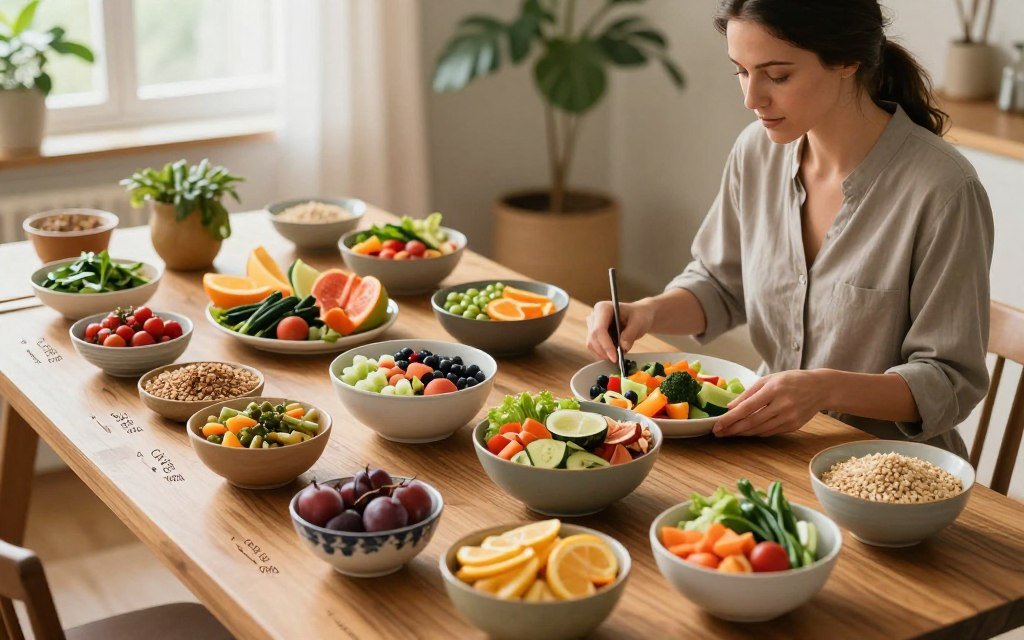
Did you know that a woman’s brain can actually change in size by nearly 2% over a single monthly cycle? This amazing internal shift happens because our biological systems follow a very specific rhythmic pattern. Embracing cycle-syncing nutrition means eating with your biological clock instead of fighting against it.
Many women spend years feeling out of sync with their own bodies and energy levels. However, small adjustments to your daily grocery list can lead to massive improvements. When you understand your needs, you can work with your body rather than against it.
By matching your specific meals to your body’s changing phases, you can naturally balance hormones and feel more vibrant. You do not need a restrictive diet to see real results in your mood. Simple changes to your breakfast or dinner can make a world of difference for your stability.
This hormone harmony eating plan is a gentle way to support your physical and emotional health. When you give your system the right fuel at the right time, you truly start to boost glow from the inside out. It is time to reclaim your energy and feel your best every day of the month.
Key Takeaways
- Align your food choices with the four distinct menstrual phases.
- Support the endocrine system using nutrient-dense, whole food ingredients.
- Stabilize your energy and mood by timing your carbohydrate intake.
- Reduce common PMS symptoms through strategic and healthy dietary habits.
- Improve your skin clarity and natural radiance with specific nutrients.
- Listen to your body’s hunger cues as they change weekly.
1. What Is Cycle-Syncing Nutrition?
Embracing cycle-syncing nutrition means making informed food choices that complement the natural fluctuations in your hormonal levels throughout your menstrual cycle. This approach to dietary planning is grounded in the understanding that the menstrual cycle is not just a reproductive process, but a complex interplay of hormones that influence various aspects of health, including energy levels, mood, and skin health.
Understanding the Concept
Cycle-syncing nutrition is based on the principle that by adjusting your diet according to the four phases of your menstrual cycle (menstrual, follicular, ovulatory, and luteal), you can support your hormonal health and overall well-being. Each phase is characterized by different hormone levels, primarily estrogen and progesterone, which have distinct effects on the body.
For instance, during the menstrual phase, the body is in a state of renewal, and nutrient-rich foods can support this process. As Dr. Alisa Vitti, a pioneer in the field of hormonal health, notes, “By fueling your body with the right foods at the right time, you can enhance your hormonal balance and improve your overall health.”
The Connection Between Food and Hormones
The food we eat plays a crucial role in influencing our hormonal balance. Certain nutrients can support or hinder the production and regulation of hormones. For example, foods rich in omega-3 fatty acids, such as salmon, can support the production of hormones, while foods high in sugar can lead to insulin resistance, disrupting hormonal balance.
The connection between diet and hormonal health is complex and bidirectional. Not only can food choices affect hormone levels, but hormonal fluctuations can also influence food cravings and metabolism. Understanding this dynamic is key to successfully implementing cycle-syncing nutrition.
Why Your Skin Reflects Your Hormonal Health
The skin is often considered a reflection of overall health, and hormonal fluctuations can significantly impact skin health. For example, many women experience changes in skin clarity and hydration levels throughout their menstrual cycle due to variations in estrogen and progesterone levels.
“Hormonal changes can affect the skin’s natural barrier function, leading to issues like acne, dryness, or sensitivity,” explains a dermatology expert. “By adjusting your diet to support hormonal balance, you can also support skin health.”
By understanding the connection between hormonal health and skin condition, individuals can make informed dietary choices to not only support their hormonal well-being but also enhance their skin’s health and appearance.
2. The Science Behind Cycle-Syncing and Hormonal Health
The menstrual cycle is a complex interplay of hormones, and nutrition can significantly influence this delicate balance. Understanding this intricate relationship is crucial for harnessing the power of cycle-syncing nutrition to support hormonal health.
How Hormones Fluctuate Throughout Your Cycle
Throughout the menstrual cycle, hormone levels fluctuate dramatically. Estrogen and progesterone are the primary hormones involved, with levels surging and dropping at different stages. During the follicular phase, estrogen levels rise, promoting energy and vitality. In contrast, progesterone levels increase during the luteal phase, often leading to feelings of calmness and relaxation.
Key Hormonal Changes:
- Estrogen peaks during the ovulation phase, enhancing fertility and overall well-being.
- Progesterone prepares the uterus for a potential pregnancy, influencing mood and energy levels.
As noted by Dr. Lisa Mosconi, a renowned nutritionist and women’s health expert, “Nutrition plays a critical role in supporting hormonal balance. By making informed dietary choices, women can better support their hormonal health throughout their cycle.”
“The food we eat has a profound impact on our hormonal health. By choosing nutrient-dense foods, we can support the natural fluctuations in our hormones and promote overall well-being.”
Why Nutrition Matters for Hormonal Balance
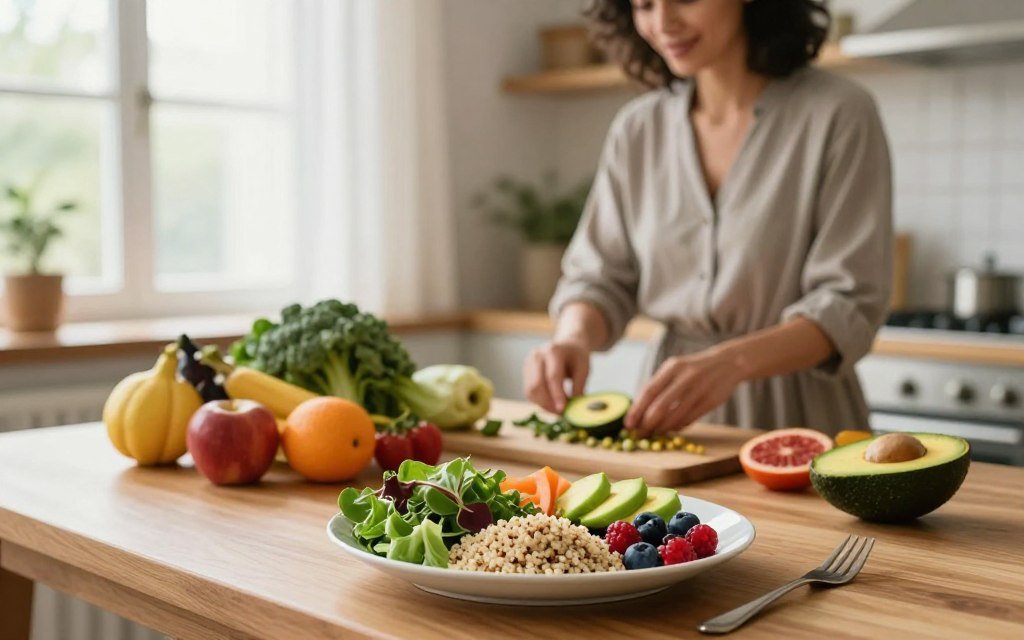
Nutrition is fundamental to supporting hormonal health. A balanced diet provides the necessary building blocks for hormone production and regulation. Certain nutrients, such as omega-3 fatty acids, vitamin D, and magnesium, play critical roles in maintaining hormonal balance.
| Nutrient | Role in Hormonal Health | Food Sources |
|---|---|---|
| Omega-3 Fatty Acids | Supports hormone production and reduces inflammation | Salmon, walnuts, chia seeds |
| Vitamin D | Regulates hormone production and overall health | Fatty fish, fortified dairy products, sunlight exposure |
| Magnesium | Supports hormone regulation and reduces symptoms of PMS | Dark leafy greens, nuts, whole grains |
By understanding how hormones fluctuate and the role of nutrition in supporting hormonal balance, women can make informed choices to support their health and well-being. A hormone harmony eating plan that incorporates nutrient-dense foods can help mitigate symptoms associated with hormonal fluctuations and promote overall health.
3. The Four Phases of Your Menstrual Cycle Explained
To effectively cycle-sync your nutrition, it’s essential to comprehend the four phases of your menstrual cycle. Each phase is characterized by distinct hormonal fluctuations that can significantly influence your nutritional needs and dietary choices.
Menstrual Phase: Days 1-5
The menstrual phase is the first stage of your cycle, typically lasting between 3 to 7 days, with the first day being the start of your period. During this phase, your body is shedding the uterine lining, and hormone levels, particularly estrogen and progesterone, are at their lowest.
Nutritional Needs: Focus on replenishing lost nutrients, especially iron, due to blood loss. Include iron-rich foods like lentils, spinach, and red meat in your diet.
- Warm, nourishing foods like soups and stews
- Iron-rich foods to combat potential deficiency
- Foods high in omega-3 fatty acids for their anti-inflammatory properties
Follicular Phase: Days 6-14
Following menstruation, the follicular phase begins, marked by an increase in estrogen levels as the body prepares for ovulation. This phase is about renewal and growth.
Nutritional Needs: Support rising estrogen levels with foods that promote hormonal balance and overall health.
- Leafy greens and other vegetables rich in fiber
- Fruits, particularly those high in vitamin C like citrus fruits and berries
- Whole grains for sustained energy and fiber
Ovulation Phase: Days 15-17
Ovulation is a brief but significant phase where estrogen peaks, and there’s a surge in luteinizing hormone (LH), leading to the release of an egg. This is the most fertile period in your cycle.
Nutritional Needs: Support peak hormone levels and enhance fertility with nutrient-dense foods.
- Antioxidant-rich foods to support overall health
- Foods high in vitamin E, like nuts and seeds, to support hormone production
- Protein-rich foods to support overall bodily functions
Luteal Phase: Days 18-28
The luteal phase follows ovulation and is characterized by an increase in progesterone levels, preparing the uterus for a potential pregnancy. If pregnancy doesn’t occur, hormone levels drop, leading to the start of a new cycle.
Nutritional Needs: Focus on stabilizing blood sugar levels and managing symptoms of premenstrual syndrome (PMS) with the right dietary choices.
- Complex carbohydrates to help stabilize blood sugar
- Magnesium-rich foods to alleviate PMS symptoms
- B-vitamin rich foods to support energy production and mood stabilization
4. Menstrual Phase Nutrition: Nourish and Restore
The start of your menstrual cycle is an opportunity to reboot your health by incorporating hormone-balancing foods into your diet. During this phase, your body sheds its uterine lining, resulting in the loss of essential nutrients.
It’s a critical time to focus on replenishing what’s lost and supporting your overall health through a balanced diet. By doing so, you can alleviate some of the discomforts associated with menstruation and support your hormonal health.
Best Hormone-Balancing Foods for Menstruation
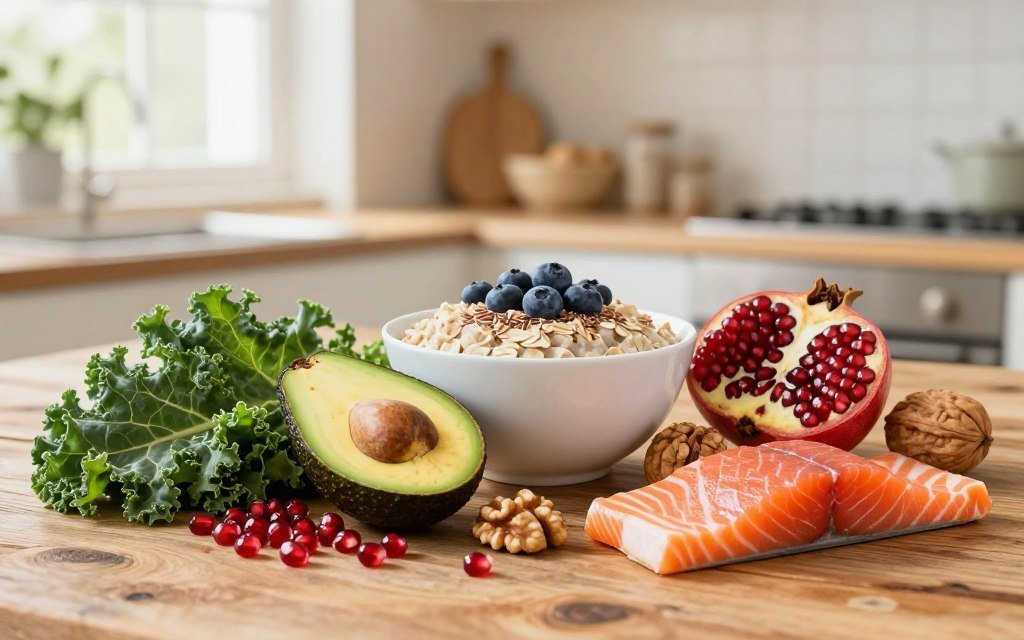
Foods rich in iron, omega-3 fatty acids, and antioxidants are particularly beneficial during the menstrual phase. Iron-rich foods like lentils, spinach, and red meat help replenish lost iron. Omega-3 fatty acids found in salmon and flaxseeds reduce inflammation, while antioxidants in berries and leafy greens combat oxidative stress.
Key Nutrients to Prioritize
Prioritizing key nutrients is crucial during the menstrual phase. Iron is vital for replacing lost red blood cells. Omega-3 fatty acids help in reducing menstrual cramps and inflammation. Antioxidants support overall health by fighting free radicals.
- Iron-rich foods: Lentils, spinach, red meat
- Omega-3 sources: Salmon, flaxseeds, chia seeds
- Antioxidant-rich foods: Berries, leafy greens, other fruits and vegetables
Foods to Avoid During Your Period
Certain foods can exacerbate menstrual symptoms. It’s advisable to limit or avoid processed foods, high-sugar snacks, and caffeine, as they can lead to energy crashes and worsen cramps.
By making informed dietary choices, you can better support your body’s needs during the menstrual phase and contribute to a healthier menstrual cycle.
5. Follicular Phase Nutrition: Energize and Build
With estrogen on the rise during the follicular phase, it’s essential to adjust your diet to support hormone production and boost your metabolism. This phase, which typically occurs from days 6 to 14 of your menstrual cycle, is characterized by increasing energy levels and a heightened sense of well-being.
To capitalize on this natural energy surge, focus on consuming nutrient-dense foods that support estrogen production and metabolism. A well-balanced diet during this phase can enhance your overall health and contribute to a radiant glow.
Foods That Support Rising Estrogen
During the follicular phase, incorporating foods that support estrogen production can be particularly beneficial. These include:
- Legumes such as lentils and chickpeas, which are rich in phytoestrogens.
- Flaxseeds and chia seeds, known for their lignan content, which supports hormone balance.
- Berries and other fruits that are high in antioxidants and fiber.
Metabolism-Boosting Nutrition Choices
As your metabolism picks up during the follicular phase, include foods that naturally boost your metabolic rate. These include:
- Green tea, which contains catechins that can enhance metabolism.
- Spicy foods like chili peppers, which contain capsaicin, a metabolism booster.
- Lean proteins such as chicken and fish, which require more energy to digest, thus supporting metabolic health.
| Food Group | Examples | Benefits |
|---|---|---|
| Legumes | Lentils, Chickpeas | Rich in phytoestrogens, supports estrogen production |
| Seeds | Flaxseeds, Chia Seeds | High in lignans, supports hormone balance |
| Fruits | Berries, Apples | High in antioxidants and fiber |
Meal Ideas for the Follicular Phase
To support your nutritional needs during the follicular phase, consider incorporating the following meal ideas into your diet:
- A berry smoothie bowl with chia seeds and flaxseeds for a nutrient-packed breakfast.
- A lentil salad with mixed greens and a citrus vinaigrette for lunch.
- Grilled chicken or fish with roasted vegetables for dinner.
By focusing on these nutritional strategies during the follicular phase, you can support your body’s natural rhythms and enhance your overall well-being, contributing to a hormone harmony eating plan that promotes a healthy glow.
6. Ovulation Phase Nutrition: Peak Performance Eating
During ovulation, your estrogen levels surge, creating an opportunity to support your health with targeted nutrition. This phase is critical for hormonal balance and overall well-being. By focusing on the right foods, you can enhance your natural glow and support peak hormone levels.
Supporting Peak Hormone Levels
To support peak hormone levels during ovulation, it’s essential to consume foods rich in nutrients that complement estrogen’s effects. Leafy greens like spinach and kale are packed with folate, which supports hormone regulation. Additionally, foods high in omega-3 fatty acids, such as salmon, can help maintain hormonal balance.
Anti-Inflammatory Foods for Ovulation
Inflammation can disrupt hormonal balance, making anti-inflammatory foods a crucial part of your ovulation phase nutrition. Berries are not only rich in antioxidants but also have anti-inflammatory properties. Other beneficial foods include turmeric, which contains curcumin, a potent anti-inflammatory compound, and green tea, known for its antioxidant properties.
“The food you eat can either be the safest and most powerful form of medicine or the slowest form of poison.” – Ann Wigmore
Foods That Enhance Your Natural Glow
A healthy, radiant complexion is often a reflection of good hormonal health. During ovulation, incorporating foods that enhance your natural glow can be particularly beneficial. Avocados are rich in healthy fats that nourish the skin, while citrus fruits like oranges and grapefruits are high in vitamin C, which supports collagen production.
| Food Group | Examples | Benefits |
|---|---|---|
| Leafy Greens | Spinach, Kale | Supports hormone regulation |
| Omega-3 Rich Foods | Salmon, Walnuts | Maintains hormonal balance |
| Anti-Inflammatory Foods | Berries, Turmeric | Reduces inflammation |
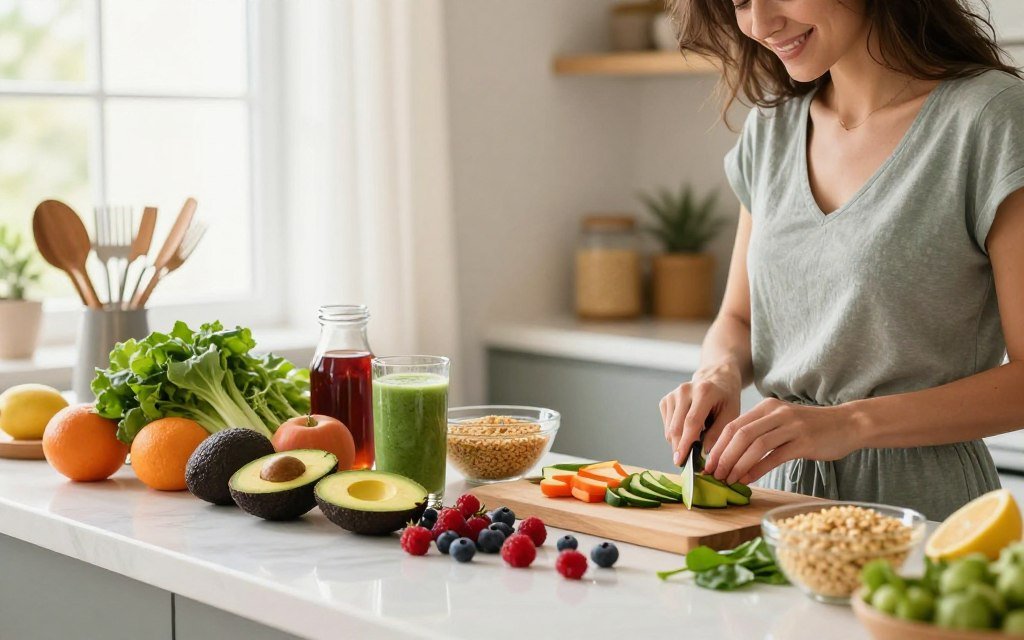
By making informed nutritional choices during the ovulation phase, you can support your hormonal health and enhance your natural glow. This, in turn, contributes to overall well-being and peak performance.
7. Luteal Phase Nutrition: Stabilize and Soothe
In the luteal phase, it’s essential to focus on hormone-balancing foods that stabilize your mood and energy. As progesterone levels rise, you may experience symptoms like bloating, mood swings, and fatigue. The right dietary choices can help alleviate these symptoms and support overall health.
Managing PMS Through Diet
Managing PMS symptoms through diet involves making informed food choices that help regulate hormonal fluctuations. Increasing complex carbohydrates can help boost serotonin levels, which can improve mood. Foods rich in omega-3 fatty acids, such as salmon and walnuts, can also reduce inflammation and alleviate symptoms.
It’s also crucial to stay hydrated by drinking plenty of water. Limiting processed foods and sugars can help minimize bloating and energy crashes. Incorporating foods high in fiber, like leafy greens and whole grains, can support digestive health and reduce discomfort.
Blood Sugar Balancing Foods
Balancing blood sugar levels is vital during the luteal phase. Complex carbohydrates like sweet potatoes, whole grains, and legumes release glucose slowly, preventing spikes in blood sugar. Including protein-rich foods like lean meats, beans, and lentils can also help regulate blood sugar levels.
Healthy fats, such as those found in avocados, nuts, and seeds, support hormone production and can help keep you full, reducing the temptation to snack on high-sugar foods. A balanced diet that includes these foods can help stabilize energy levels and reduce cravings for unhealthy snacks.
Magnesium and B-Vitamin Rich Choices
Magnesium and B-vitamins are crucial during the luteal phase. Magnesium-rich foods like dark leafy greens, almonds, and dark chocolate can help alleviate symptoms like cramps, bloating, and mood swings. B-vitamins, particularly B6, play a role in neurotransmitter synthesis and can help manage mood and energy levels.
Foods rich in B-vitamins include lean meats, fish, eggs, whole grains, and leafy greens. Incorporating these foods into your diet can support hormonal balance and overall well-being. Supplements can also be considered if dietary sources are insufficient, but it’s always best to consult with a healthcare provider.
8. Glow-Boosting Recipes for Every Phase
As we explore the connection between food and hormonal balance, incorporating phase-specific recipes can be a game-changer for your health and radiance. By tailoring your diet to the specific nutritional needs of each phase of your menstrual cycle, you can support your body’s natural rhythms and enhance your overall well-being.
Nourishing your body with the right foods can make a significant difference in how you feel during each phase. Here are some delicious and nutritious recipes to support you throughout your cycle.
Menstrual Phase: Warming Iron-Rich Lentil Stew
During the menstrual phase, it’s essential to replenish iron stores and maintain warmth. A warming iron-rich lentil stew is the perfect remedy. This comforting dish is packed with iron from lentils and spinach, and it’s easy to digest.
- 1 cup lentils, rinsed and drained
- 2 cups vegetable broth
- 1 onion, chopped
- 2 cloves garlic, minced
- 1 cup spinach
- 1 teaspoon cumin
Combine lentils, broth, onion, and garlic in a pot. Bring to a boil, then simmer until lentils are tender. Stir in spinach and cumin. Serve warm.
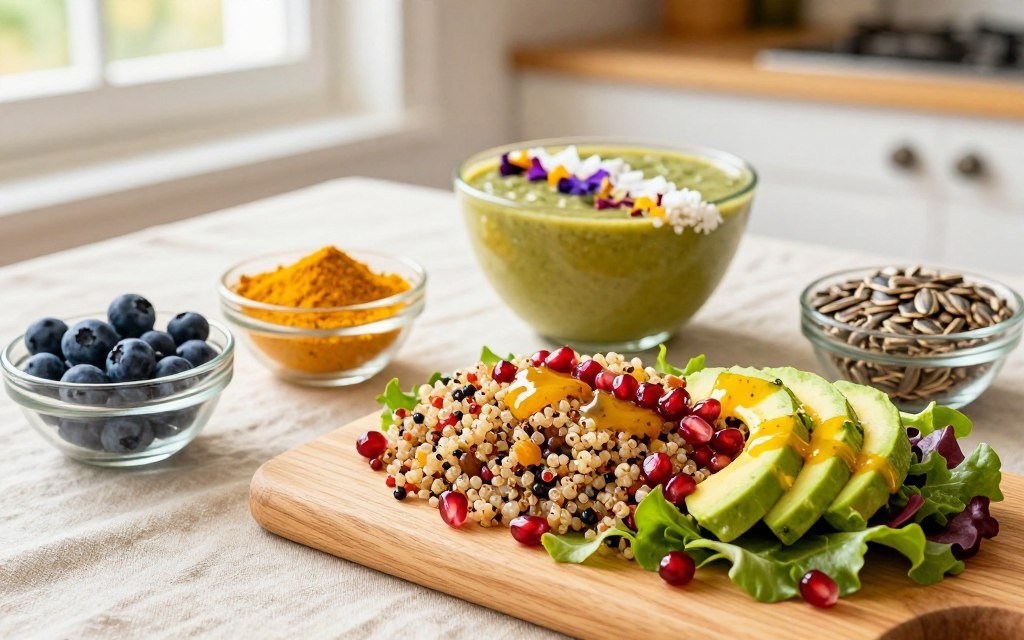
Follicular Phase: Energizing Berry Smoothie Bowl
As estrogen levels rise during the follicular phase, your energy increases. An energizing berry smoothie bowl is a great way to capitalize on this energy boost. Packed with antioxidants and fiber, this recipe supports your rising estrogen levels and provides sustained energy.
- 1 cup frozen mixed berries
- 1/2 banana
- 1/2 cup almond milk
- 1 tablespoon chia seeds
- Top with granola and fresh berries
Blend berries, banana, and almond milk. Top with chia seeds, granola, and fresh berries.
Ovulation Phase: Rainbow Fiber-Packed Salad
During ovulation, your body is at its peak performance. A rainbow fiber-packed salad celebrates this peak by providing a variety of vitamins and minerals. This colorful salad supports your health and enhances your natural glow.
- 2 cups mixed greens
- 1 cup cherry tomatoes, halved
- 1 cup sliced bell peppers
- 1/2 cup sliced avocado
- 1/4 cup chopped walnuts
Combine greens, cherry tomatoes, bell peppers, and avocado. Top with walnuts and your favorite dressing.
Luteal Phase: Comforting Sweet Potato and Chickpea Bowl
In the luteal phase, your body craves comfort and nourishment. A comforting sweet potato and chickpea bowl is the perfect comfort food. Rich in complex carbohydrates and protein, this dish helps stabilize your mood and energy.
- 2 medium sweet potatoes, roasted
- 1 can chickpeas, drained and rinsed
- 1/4 cup tahini
- 2 tablespoons lemon juice
- Salt and pepper to taste
Roast sweet potatoes and mix with chickpeas, tahini, and lemon juice. Season with salt and pepper.
By incorporating these glow-boosting recipes into your diet, you can support your hormonal balance and enhance your overall health and radiance. Each recipe is tailored to the specific nutritional needs of its corresponding phase, ensuring you’re fueling your body with the right foods at the right time.
9. Essential Nutrients for Hormone Harmony Throughout Your Cycle
A well-nourished body is better equipped to maintain hormone balance, and certain nutrients are key to this process. To support hormone harmony throughout your menstrual cycle, it’s essential to focus on specific nutrients that play a crucial role in hormonal health.
Omega-3 Fatty Acids
Omega-3 fatty acids are vital for reducing inflammation and supporting the production of hormones. Foods rich in omega-3s include fatty fish like salmon and sardines, as well as flaxseeds and chia seeds.
Benefits of Omega-3s:
- Reduces inflammation
- Supports hormone production
- Promotes healthy skin
B Vitamins Complex
B vitamins are essential for energy production and play a significant role in maintaining hormone balance. Key food sources include leafy greens, nuts, and whole grains.
B Vitamins Benefits:
- Supports energy production
- Maintains hormone balance
- Promotes healthy brain function
Magnesium and Zinc
Magnesium and zinc are crucial minerals that support hormone production and regulation. Include magnesium-rich foods like dark leafy greens and zinc-rich foods like oysters and beef in your diet.
| Nutrient | Food Sources | Benefits |
|---|---|---|
| Magnesium | Dark leafy greens, nuts, seeds | Supports hormone production, relaxes muscles |
| Zinc | Oysters, beef, chicken, pumpkin seeds | Regulates hormone production, supports immune function |
Antioxidants for Skin Glow
Antioxidants help protect the skin from damage and promote a healthy glow. Include antioxidant-rich foods like berries, leafy greens, and other fruits and vegetables in your diet.
Antioxidant Benefits:
- Protects skin from damage
- Promotes healthy skin glow
- Supports overall health
10. Creating Your Personalized Hormone Harmony Eating Plan
To achieve hormone harmony, it’s essential to create a personalized eating plan that caters to your unique nutritional needs throughout your menstrual cycle. This approach not only helps in balancing your hormones but also enhances your overall well-being.
Tracking Your Cycle
Understanding your menstrual cycle is the first step towards creating a hormone harmony eating plan. Tracking your cycle helps you identify the different phases and their corresponding nutritional requirements. You can use a period tracking app or a calendar to mark the start and end of your cycle.
Key aspects to track:
- Duration of your cycle
- Intensity of your flow
- Symptoms experienced during different phases (cramps, bloating, mood swings)
- Ovulation timing
Meal Planning Strategies
Once you have a clear understanding of your cycle, you can start planning your meals according to your nutritional needs during each phase. Here are some strategies to consider:
| Phase | Nutritional Needs | Meal Ideas |
|---|---|---|
| Menstrual | Iron-rich foods, omega-3 fatty acids | Beet salad with walnuts, lentil soup |
| Follicular | Foods high in vitamin C, fiber-rich foods | Berries with yogurt, whole grain toast with avocado |
| Ovulation | Antioxidant-rich foods, protein-rich foods | Grilled chicken with roasted vegetables, quinoa salad with nuts |
| Luteal | Magnesium-rich foods, complex carbohydrates | Sweet potato with black beans, dark chocolate |
Adapting to Your Unique Needs
Every individual’s nutritional needs are different, and it’s crucial to adapt your eating plan accordingly. Factors such as age, activity level, and health conditions can influence your dietary requirements.
Listen to your body: Pay attention to how your body responds to different foods and adjust your diet accordingly. If you notice certain foods exacerbating symptoms, consider alternatives.
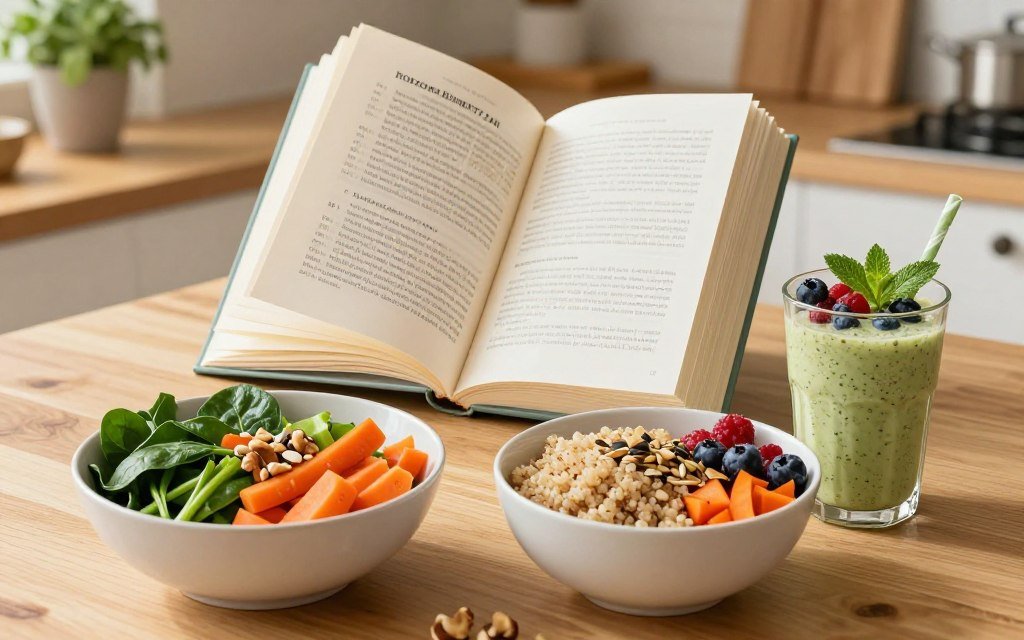
By tracking your cycle, planning your meals, and adapting to your unique needs, you can create a personalized hormone harmony eating plan that supports your overall health and well-being.
11. Common Mistakes to Avoid with Cycle-Syncing Nutrition
Successfully practicing cycle-syncing nutrition requires knowledge of the frequent missteps that can disrupt hormonal balance. By being aware of these common mistakes, you can tailor your approach to maximize its effectiveness and achieve a more balanced and healthy cycle.
Over-Restricting Calories
One of the primary mistakes individuals make when adopting cycle-syncing nutrition is over-restricting calories. During certain phases of your menstrual cycle, your body may require more calories to support hormonal changes and energy needs. Failing to adjust your caloric intake accordingly can lead to nutrient deficiencies and negatively impact your overall health.
Nutritional Needs Across the Cycle:
| Phase | Caloric Needs | Key Nutrients |
|---|---|---|
| Menstrual | Lower caloric needs | Iron, Vitamin C |
| Follicular | Increasing caloric needs | Protein, Complex Carbohydrates |
| Ovulation | Peak energy needs | Antioxidants, Healthy Fats |
| Luteal | Slightly higher caloric needs | Magnesium, B Vitamins |
Ignoring Individual Variations and Cycle Irregularities
Another critical error is ignoring individual variations in menstrual cycles and irregularities. Each person’s cycle is unique, and what works for one individual may not work for another. It’s essential to track your cycle and adjust your nutrition plan based on your specific needs and responses to different foods.
Listening to your body and being flexible with your cycle-syncing approach can significantly enhance its effectiveness.
Expecting Immediate Results
Expecting immediate results from cycle-syncing nutrition is a common pitfall. Hormonal balance and overall health improvements take time. It’s crucial to be patient and consistent with your nutritional approach, allowing your body the time it needs to adjust and respond.
Neglecting Hydration and Sleep
Neglecting hydration and sleep is another mistake that can undermine the benefits of cycle-syncing nutrition. Adequate hydration supports hormonal balance, while sufficient sleep is essential for overall health and well-being. Ensuring you get enough water and restful sleep is vital for maximizing the effectiveness of your nutritional efforts.
By avoiding these common mistakes and adopting a well-informed and personalized approach to cycle-syncing nutrition, you can better support your hormonal health and overall well-being.
12. Lifestyle Factors That Support Cycle-Syncing Nutrition
To fully harness the power of cycle-syncing nutrition, it’s essential to consider complementary lifestyle factors that support hormonal balance and overall well-being. Lifestyle factors such as sleep, stress management, and movement practices play a crucial role in enhancing the effectiveness of a hormone harmony eating plan.
“When we align our lifestyle choices with our nutritional strategies, we create a powerful synergy that amplifies the benefits of cycle-syncing,” notes a leading expert in the field of nutritional endocrinology.
Sleep and Circadian Rhythm
Adequate sleep and a balanced circadian rhythm are foundational to hormonal health. During sleep, the body regulates hormones that are crucial for menstrual cycle regulation, such as insulin, cortisol, and estrogen.
- Establish a consistent sleep schedule to support your body’s natural rhythms.
- Create a sleep-conducive environment to improve sleep quality.
- Avoid screens and stimulating activities before bedtime to promote relaxation.
Stress Management Techniques
Chronic stress can disrupt hormonal balance, making stress management a critical component of cycle-syncing nutrition. Techniques such as meditation, deep breathing, and yoga can help mitigate stress.
“Stress management is not a one-size-fits-all approach; it’s about finding what works best for you and making it a consistent part of your routine.”
Movement Practices for Each Phase
Tailoring your exercise routine to the different phases of your menstrual cycle can further support hormone balance. For example, during the follicular phase, you may find you have more energy for intense workouts, while during the luteal phase, gentler exercises like yoga or walking may be more beneficial.
| Cycle Phase | Recommended Movement Practices |
|---|---|
| Menstrual Phase | Restorative yoga, light stretching |
| Follicular Phase | High-intensity interval training (HIIT), strength training |
| Ovulation Phase | Cardio, dance-based workouts |
| Luteal Phase | Gentle yoga, brisk walking |
Building Sustainable Habits
The key to long-term success with cycle-syncing nutrition and lifestyle practices is building sustainable habits. This involves gradual changes that you can maintain over time, rather than attempting drastic changes that may not be sustainable.
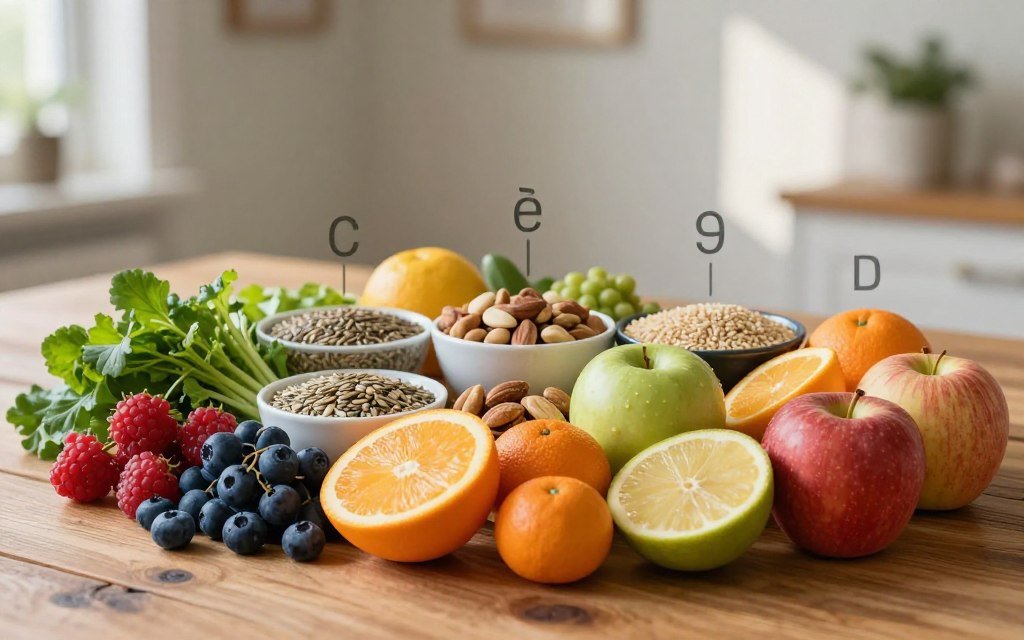
Conclusion
Embracing cycle-syncing nutrition is a journey towards understanding and supporting your body’s unique needs. By tuning into your menstrual cycle and adjusting your diet accordingly, you can balance hormones and enhance your overall well-being.
This approach is not a one-size-fits-all solution but rather a personalized tool for nourishing your body. As you’ve learned, different phases of your cycle call for distinct nutritional strategies to support hormonal fluctuations and energy needs.
By incorporating the principles of cycle-syncing nutrition, you can boost your glow from the inside out. This holistic approach encourages a deeper connection with your body, fostering a more intuitive and compassionate relationship with your nutritional needs.
As you continue on this path, remember that patience and self-awareness are key. Cycle-syncing nutrition is a practice that evolves with you, helping you navigate the ebbs and flows of your hormonal cycle with greater ease and confidence.
FAQ
Can I start a menstrual cycle diet if I am on hormonal birth control?
What are the best hormone-balancing foods for someone just starting out?
How soon will I see the benefits of cycle-syncing nutrition on my skin?
Are there specific glow-boosting recipes that help with luteal phase breakouts?
Is cycle-syncing nutrition expensive to maintain?
Can cycle-syncing help with heavy periods or severe cramping?
🌸 Discover Weight Management Supplements That Works — Handpicked for You
Curated health & beauty essentials our readers trust — explore your new self-care favorites.


🌸 Discover Beauty That Works — Handpicked for You
Curated health & beauty essentials our readers trust — explore your new self-care favorites.

💖 Connect with SmartWellnessBeauty
Join our wellness & beauty community for daily inspiration, mindful living, and radiant self-care — follow us across your favorite platforms.














What do you think?
Show comments / Leave a comment