


Did you know that according to the CDC, one in three American adults doesn’t get enough sleep? This staggering statistic highlights the widespread need for effective natural energy boosters beyond caffeine. Many are seeking caffeine-free energy tips to start their day on a positive note.
Finding alternative caffeine-free energy tips is crucial for those looking to boost their energy levels without relying on caffeine. This article explores various strategies to help you achieve sustained energy throughout the day.
Key Takeaways
- Discover the importance of a consistent sleep schedule for natural energy.
- Learn how nutrition plays a role in maintaining energy levels.
- Explore stress-reducing techniques for a more energized you.
- Understand the benefits of incorporating physical activity into your daily routine.
- Find out how to harness the power of natural light for an energy boost.
Understanding Energy Levels
Energy levels play a significant role in our daily lives, affecting everything from productivity to overall well-being. Maintaining optimal energy is crucial for tackling daily tasks with vigor and enthusiasm.
What Affects Your Energy?
Several factors can influence your energy levels, including hydration, nutrition, sleep quality, and physical activity. Being dehydrated, for instance, can increase feelings of tiredness and lethargy. Even mild dehydration can lead to an energy dip.
Nutritional choices also play a critical role. Consuming foods high in sugar and unhealthy fats can lead to energy crashes, while nutrient-dense foods can provide sustained energy.
Signs of Low Energy
Recognizing the signs of low energy is the first step towards addressing the issue. Common indicators include persistent fatigue, difficulty concentrating, and a general feeling of being unwell.
- Feeling tired despite getting enough rest
- Difficulty concentrating or making decisions
- Physical symptoms like headaches or muscle pain
The Importance of Consistent Energy
Maintaining consistent energy levels is vital for both physical and mental health. It enables you to perform daily tasks efficiently and enjoy a better quality of life.
| Benefits of Consistent Energy | Description |
|---|---|
| Improved Productivity | Ability to complete tasks efficiently without excessive fatigue |
| Better Mental Health | Reduced stress and anxiety due to stable energy levels |
| Enhanced Physical Performance | Capability to engage in physical activities without undue exhaustion |
The Power of Hydration
Hydration plays a significant role in energizing the body and enhancing overall well-being. Drinking water right away in the morning can help rehydrate the body and boost energy levels.
Water’s Impact on Energy
Water is essential for nearly every bodily function, including those that directly impact energy levels. Even mild dehydration can cause fatigue, headaches, and difficulty concentrating. Proper hydration helps maintain the balance of bodily fluids, which is crucial for transporting nutrients and oxygen to cells, regulating body temperature, and removing waste products.

Tips for Staying Hydrated
To stay hydrated, follow these simple tips:
- Drink at least eight glasses of water a day.
- Increase water intake during and after exercise.
- Monitor urine output; it should be pale yellow.
- Eat hydrating foods like watermelon and cucumbers.
Consistency is key when it comes to hydration. Making it a habit to drink water regularly throughout the day can significantly impact energy levels.
Hydration Myths Debunked
There are several myths surrounding hydration that need to be addressed:
- Myth: You need to drink eight glasses of water a day. Reality: Hydration needs vary based on body size, activity level, and climate.
- Myth: Caffeine dehydrates you. Reality: While caffeine is a diuretic, moderate consumption does not lead to dehydration in most people.
Understanding the facts about hydration can help you make informed decisions about your fluid intake and maintain optimal energy levels.
Nutritional Choices for Energy
Making informed nutritional choices is key to sustaining energy and vitality. The right foods can help boost your energy levels naturally, reducing the need for caffeine and other stimulants.
Foods That Boost Energy Naturally
Incorporating certain foods into your diet can significantly enhance your energy levels. Complex carbohydrates, such as whole grains, are excellent sources of sustained energy. Additionally, leafy greens like spinach are rich in iron, which is crucial for transporting oxygen to cells, thereby boosting energy.
Nuts and seeds are another great snack option, providing a mix of healthy fats and proteins that help maintain energy levels. Eating a nourishing breakfast, as mentioned, can help boost energy levels and provide sustained energy throughout the morning.
The Role of Macronutrients
Macronutrients, including carbohydrates, proteins, and fats, play a vital role in energy production. Carbohydrates are the body’s primary energy source, while proteins are essential for repairing and building tissues. Healthy fats, found in foods like avocados and nuts, are crucial for brain function and can provide a sustained energy release.
Balancing these macronutrients in your meals can help maintain stable energy levels. For instance, a meal that includes a mix of complex carbohydrates, lean protein, and healthy fats can provide a feeling of fullness and energy.
Timing Your Meals for Optimal Energy
The timing of your meals can also impact your energy levels. Eating regular, balanced meals throughout the day can help prevent energy dips. It’s also beneficial to include a source of protein and complex carbohydrates in your meals to sustain energy release.
For example, having a balanced breakfast that includes oatmeal (complex carbohydrate) with nuts (healthy fat) and fruit can provide sustained energy. Similarly, a lunch that includes lean protein, whole grains, and vegetables can help maintain energy levels throughout the afternoon.
Sleep Hygiene for Better Energy
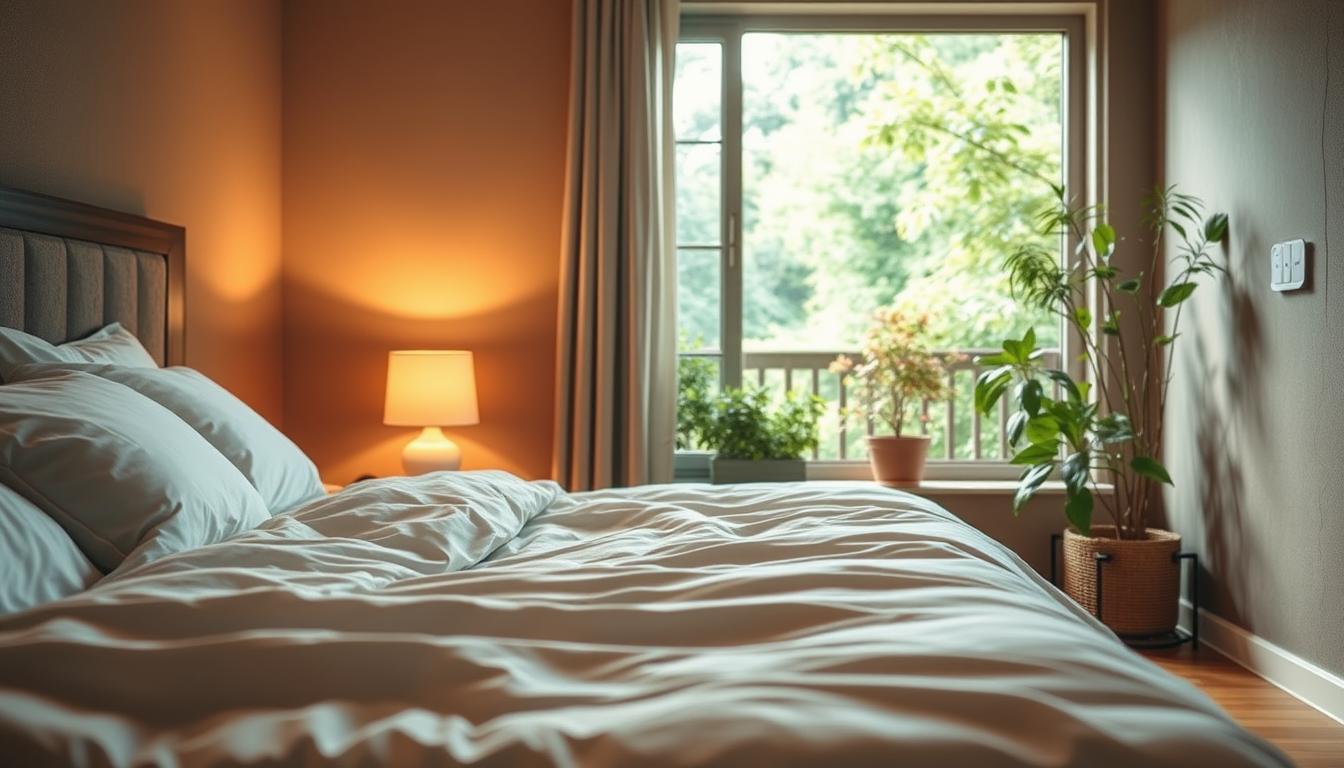
Boosting energy doesn’t just involve what you do during the day, but also how you sleep at night. Sleep hygiene is a crucial aspect of maintaining energy levels, and it involves practices that help improve the quality of your sleep.
Establishing a Sleep Routine
Following a consistent bedtime routine can help program your mind and body to prepare for sleep, leading to improved energy levels in the morning. This routine can include activities like reading, meditation, or a warm bath. Consistency is key; try to go to bed and wake up at the same time every day, even on weekends.
Impact of Sleep Quality on Energy
The quality of your sleep directly affects your energy levels. Poor sleep quality can lead to fatigue, decreased productivity, and a weakened immune system. Deep sleep is particularly important as it’s the stage where your body repairs and rejuvenates itself.
Improving sleep quality involves creating a sleep-conducive environment, such as keeping your bedroom cool, dark, and quiet, and investing in a comfortable mattress.
Napping: Pros and Cons
Napping can be a double-edged sword when it comes to energy. On one hand, a short nap can refresh your mind and boost energy levels. On the other hand, long or poorly timed naps can interfere with your nighttime sleep, leading to decreased energy.
- Keep naps short (under 30 minutes) to avoid entering deep sleep.
- Avoid napping close to bedtime.
- Use napping as a supplement to, not a replacement for, good nighttime sleep.
By focusing on sleep hygiene, including establishing a consistent sleep routine, improving sleep quality, and napping wisely, you can significantly enhance your energy levels naturally.
The Role of Physical Activity
Engaging in physical activity is a powerful way to increase energy levels naturally. Regular exercise not only enhances physical health but also boosts mental well-being, leading to increased energy levels throughout the day.
Boosting Energy Through Exercise
Exercise increases energy by improving cardiovascular health, enhancing muscle strength, and boosting metabolism. It also releases endorphins, which are natural mood lifters that can help reduce fatigue.
“Exercise is a celebration of what your body can do, not a punishment for what you ate.” – Unknown
Quick Energy-Boosting Activities
For those looking for a quick energy boost, activities such as brisk walking, yoga, or even a short dance session can be highly effective. These activities not only provide an immediate energy boost but also contribute to overall physical fitness.
- Brisk walking
- Yoga
- Dancing
- Swimming
- Cycling
Staying Active Throughout the Day
To maintain energy levels, it’s essential to stay active throughout the day. Simple changes such as taking the stairs instead of the elevator, walking to a coworker’s desk instead of sending an email, or doing a few stretching exercises during breaks can make a significant difference.
| Activity | Energy Boost Level | Duration |
|---|---|---|
| Brisk Walking | High | 10-15 minutes |
| Yoga | Medium | 15-30 minutes |
| Dancing | High | 10-20 minutes |
Moving your body in the morning, whether through gentle yoga or a brisk walk, can help set a positive tone for the day and boost energy levels. Incorporating physical activity into your daily routine is a caffeine-free energy tip that can have lasting benefits.
Mindfulness and Meditation
Practicing mindfulness and meditation can be a game-changer for those seeking a non-caffeinated energy boost. By incorporating these practices into your daily routine, you can experience a significant improvement in your overall vitality.
The Connection Between Mindfulness and Energy
Mindfulness and meditation have been shown to reduce stress and increase energy levels by promoting relaxation and improving focus. Regular practice can help you stay energized throughout the day.
Mindfulness involves being present in the moment, paying attention to your thoughts and feelings without judgment. This practice can help reduce mental fatigue and increase productivity.
Simple Meditation Techniques
There are several simple meditation techniques that can help boost your energy. One effective method is focused breathing, where you concentrate on your breath, letting go of distracting thoughts.
- Start by finding a quiet, comfortable spot to sit.
- Close your eyes and take slow, deep breaths.
- Focus on the sensation of the breath moving in and out of your body.
Benefits of Deep Breathing Exercises
Deep breathing exercises are a powerful tool for increasing energy. By slowing down your breathing, you can calm your mind and reduce stress.
| Benefit | Description |
|---|---|
| Reduces Stress | Deep breathing helps calm the mind and body, reducing overall stress levels. |
| Improves Focus | By concentrating on your breath, you can improve your ability to focus. |
| Boosts Energy | Deep breathing can help increase oxygen flow, boosting your energy levels. |

By incorporating mindfulness and meditation into your daily routine, you can experience a natural energy boost without relying on caffeine. Regular practice can lead to sustained vitality and overall well-being.
Energizing Herbal Teas
In the quest for energy without coffee, many are turning to herbal teas for a natural boost. Herbal teas have been consumed for centuries, not only for their flavor but also for their potential to enhance energy levels and overall well-being.
Best Herbal Teas for Boosting Energy
Certain herbal teas are renowned for their energizing properties. Peppermint tea, for instance, is known for its invigorating aroma and ability to improve mental focus. Chai tea, with its blend of spices, can also provide a gentle energy lift without the jitters associated with caffeine.
Other notable mentions include ginger tea, which can help reduce fatigue, and yerba mate, a traditional South American beverage that is said to promote vitality.
The Science Behind Herbal Benefits
The science behind the energizing effects of herbal teas lies in their bioactive compounds. For example, peppermint contains menthol, which can help increase alertness. Similarly, ginger has compounds like gingerol, which may contribute to its energizing effects.
“The bioactive compounds in herbal teas can have a profound impact on our energy levels and overall health.”
Research into the specific benefits of various herbal teas is ongoing, but evidence suggests that these natural beverages can be a valuable part of a healthy lifestyle.
How to Prepare Energizing Teas
Preparing herbal teas is a straightforward process. Generally, it involves steeping the herbs in hot water. The ratio of herbs to water and the steeping time can vary depending on the type of tea.
- For peppermint tea, use fresh leaves and steep for 5-7 minutes.
- Ginger tea can be made by slicing fresh ginger and steeping it for 10 minutes.
- Chai tea often involves a blend of spices and black tea, steeped together for a rich flavor.
Experimenting with different herbs and preparation methods can help you find the perfect energizing tea to suit your taste preferences.
The Impact of Sunlight
Natural sunlight exposure is linked to improved energy levels and overall well-being. Sunlight is not just a source of vitamin D; it plays a significant role in regulating our circadian rhythms, which in turn affects our energy levels throughout the day.

Why Sunlight Matters for Energy Levels
Exposure to natural sunlight helps regulate our internal clock, which is crucial for maintaining consistent energy levels. When we’re exposed to sunlight, our bodies produce serotonin, a neurotransmitter that helps regulate our energy and mood. This is why people often feel more energized and alert during sunny days.
Boosting Energy with Sunlight can be as simple as taking a short walk outside during your lunch break or spending time in a sunny park. Even a few minutes of sunlight exposure can make a significant difference in how you feel.
Safe Sun Exposure Tips
While sunlight is beneficial, it’s essential to practice safe sun exposure to avoid the risks associated with UV radiation. Here are some tips:
- Limit your sun exposure during peak hours (10 am – 4 pm).
- Wear protective clothing, including a hat and sunglasses.
- Apply sunscreen with a Sun Protection Factor (SPF) of at least 30.
- Seek shade when possible.
Alternatives: Light Therapy Options
For individuals who live in areas with limited sunlight or experience Seasonal Affective Disorder (SAD), light therapy can be an effective alternative. Light therapy involves exposure to a specialized light that mimics natural sunlight, helping to regulate circadian rhythms and improve energy levels.
Light therapy lamps are designed to provide a specific intensity of light that is similar to natural sunlight. These lamps can be particularly helpful during the winter months or for people who work night shifts.
By incorporating sunlight or light therapy into your daily routine, you can naturally increase your energy levels and enhance your overall well-being.
Time Management for Energy Efficiency
To maintain vitality without relying on caffeine, it’s essential to optimize your time management skills. Effective time management can significantly reduce fatigue and improve overall energy levels.
Prioritizing Tasks to Minimize Fatigue
One of the key strategies in managing energy levels is prioritizing tasks based on their importance and urgency. By focusing on critical tasks first, you can ensure that you’re making the most of your energy.
- Identify tasks that are both urgent and important.
- Use the Eisenhower Matrix to categorize tasks into four quadrants: urgent & important, important but not urgent, urgent but not important, and not urgent or important.
- Focus on completing tasks in the first quadrant before moving to others.
Time Blocking Techniques
Time blocking is a powerful technique that involves scheduling your tasks into fixed, uninterrupted blocks of time. This method can help you stay focused and avoid multitasking, which can drain your energy.
To implement time blocking effectively:
- Schedule your tasks in a calendar, allocating specific time slots for each task.
- Leave some buffer time between tasks to account for unexpected interruptions.
- Commit to focusing on a single task during each time block.
Recognizing Your Peak Productivity Hours
Understanding your peak productivity hours can help you schedule your most demanding tasks during the times when you’re most energized and focused.
To identify your peak hours:
- Track your energy levels throughout the day for a week to identify patterns.
- Schedule critical tasks during your peak energy periods.
- Use your lower energy periods for less demanding tasks or relaxation.
| Time Management Strategy | Description | Benefits |
|---|---|---|
| Prioritizing Tasks | Focus on urgent and important tasks first | Reduces stress, increases productivity |
| Time Blocking | Schedule tasks in fixed time slots | Improves focus, reduces multitasking |
| Peak Productivity Hours | Schedule critical tasks during high energy periods | Maximizes energy, enhances performance |
By implementing these time management strategies, you can significantly boost your energy levels and maintain vitality throughout the day without relying on caffeine or other stimulants.
Leveraging Technology for Focus
Technology can be a powerful ally in enhancing concentration and reducing distractions. By utilizing the right tools and strategies, individuals can significantly improve their focus and maintain their energy levels throughout the day.
Apps to Enhance Concentration
There are numerous apps designed to help improve concentration and reduce distractions. Some popular options include:
- Focus@Will: An app that provides music specifically designed to help individuals concentrate.
- Freedom: A tool that blocks distracting websites and apps across all your devices.
- Forest: A productivity app that gamifies focus by growing a virtual forest as you stay on task.
These apps can be instrumental in creating a conducive work environment that fosters productivity.

Setting Up a Distraction-Free Environment
Creating a distraction-free environment is crucial for maintaining focus. This can be achieved by:
- Minimizing clutter and organizing your workspace.
- Using noise-cancelling headphones or playing background music that enhances concentration.
- Implementing website blockers or apps that help you stay on track.
By setting up your environment to support focus, you can significantly boost your productivity and energy levels.
The Role of Music in Energy Boosting
Music can play a significant role in enhancing energy and focus. Certain types of music, such as classical or instrumental tracks, can help create a conducive environment for concentration. Additionally, music without lyrics can be particularly effective in minimizing distractions.
Experimenting with different genres and playlists can help you find the music that best boosts your energy and enhances your focus.
Social Connections and Support
Having a supportive social network can be a powerful tool in combating fatigue and enhancing vitality. Social connections play a significant role in our overall energy levels and well-being.
How Socializing Can Energize You
Socializing is not just about having fun; it’s also a great way to boost your energy. Engaging in conversations, sharing experiences, and laughing with others can help reduce stress and increase feelings of happiness and energy.
When we socialize, our brains release endorphins, also known as “feel-good” hormones, which can help counteract fatigue. Moreover, being around others can motivate us to be more active, whether it’s going for a walk, trying a new activity, or participating in a group sport.
Finding Supportive Communities
Finding the right community is key to energizing your social life. Whether it’s joining a club that aligns with your interests, volunteering, or participating in group fitness classes, being around like-minded individuals can enhance your energy levels.
Supportive communities provide a sense of belonging, which is crucial for our emotional and mental well-being. They offer a platform to share experiences, receive support, and engage in activities that can help boost energy.
Planning Energizing Group Activities
Organizing group activities can be a fun and effective way to energize yourself and others. Activities such as group hikes, potluck dinners, or game nights not only provide opportunities for socializing but also create lasting memories.
| Activity | Benefits | Energy Boost |
|---|---|---|
| Group Hikes | Improves physical health, reduces stress | High |
| Potluck Dinners | Encourages socializing, sharing cultures | Moderate |
| Game Nights | Enhances mental stimulation, promotes laughter | High |
By incorporating social connections and support into your daily life, you can naturally boost your energy levels without relying on caffeine or other stimulants. Fostering a strong social network is a healthy energy alternative that benefits both body and mind.
Strategies for Sustained Energy
Maintaining energy levels throughout the day is crucial for productivity and overall well-being. By incorporating simple yet effective habits into your daily routine, you can boost your energy without caffeine hacks and achieve sustained vitality.
Creating a Daily Routine
Establishing a consistent daily routine can help regulate your energy levels. This includes setting a regular sleep schedule, eating nutritious meals, and engaging in physical activity. By doing so, you’ll be using natural ways to energize your body and mind.
Assessing Energy-Draining Habits
Identifying habits that drain your energy is crucial for making positive changes. Limiting screen time, avoiding heavy meals, and managing stress can all contribute to vitality without caffeine. By being mindful of these factors, you can maintain your energy levels.
Long-term Lifestyle Changes
Making long-term lifestyle changes can have a significant impact on your energy levels. This includes incorporating stress-reducing techniques, such as meditation, and engaging in regular physical activity. By adopting these habits, you can achieve sustained energy and overall well-being.
FAQ
What are some natural energy boosters that don’t involve caffeine?
How can I stay hydrated throughout the day to maintain my energy levels?
What are some foods that can help boost my energy naturally?
How can I improve my sleep hygiene to boost my energy?
Can exercise really increase my energy levels?
How can mindfulness and meditation help boost my energy?
Are there any herbal teas that can help boost my energy?
How can I manage my time more efficiently to boost my energy?
Can social connections really impact my energy levels?
How can I create a sustained energy-boosting routine?
What are some strategies for maintaining energy without relying on caffeine?
🌸 Discover Weight Management Supplements That Works — Handpicked for You
Curated health & beauty essentials our readers trust — explore your new self-care favorites.


🌸 Discover Beauty That Works — Handpicked for You
Curated health & beauty essentials our readers trust — explore your new self-care favorites.

💖 Connect with SmartWellnessBeauty
Join our wellness & beauty community for daily inspiration, mindful living, and radiant self-care — follow us across your favorite platforms.























 Smart Tools World

 SmartAIEarn

 SmartWellnessBeauty

 Smart Resource Vault

 TrendsOfReview

 SmartLivingJournal

 Holistic Yoga With Wellness