


Aromatherapy: Elevate Your Self-Care Rituals

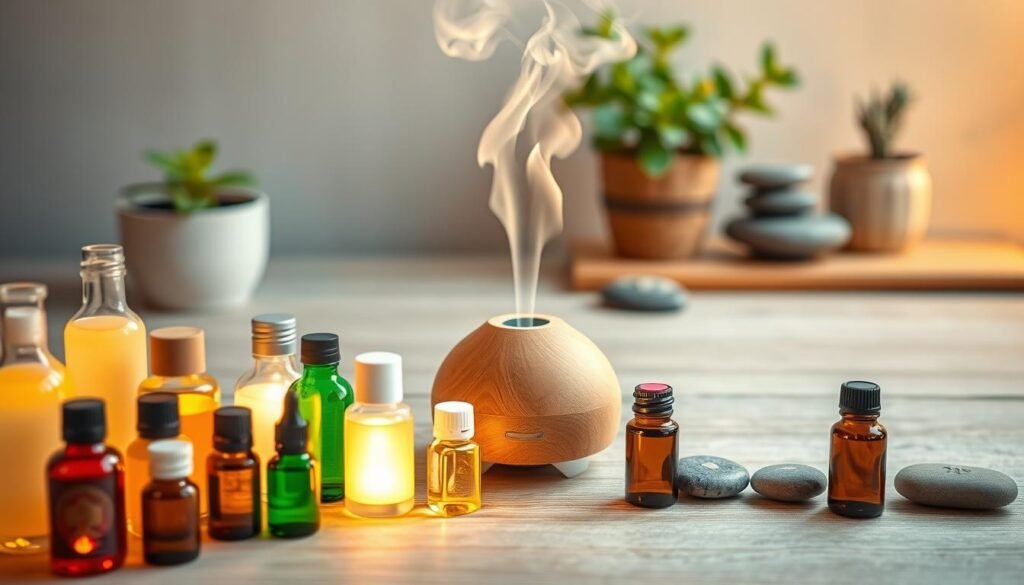
In today’s fast-paced world, finding balance and tranquility is essential for our overall wellbeing. One way to achieve this is by incorporating aromatherapy into our daily routines. Aromatherapy is the use of essential oils to support our mood, energy, and wellbeing.
By leveraging the power of essential oils, individuals can create a more holistic approach to their self-care rituals. This practice not only promotes relaxation but also enhances our overall holistic wellness. As we explore the world of aromatherapy, we can discover new ways to elevate our self-care and improve our quality of life.
Key Takeaways
- Discover the benefits of incorporating aromatherapy into your daily routine.
- Learn how essential oils can support your mood and energy.
- Explore the role of aromatherapy in promoting holistic wellness.
- Find new ways to enhance your self-care rituals.
- Improve your overall wellbeing with aromatherapy.
The Ancient Art of Aromatherapy: A Historical Perspective
With a rich history that spans thousands of years, aromatherapy has evolved as a holistic approach to well-being. This ancient practice has been cherished for its ability to heal the body, calm the mind, and uplift the spirit. As we explore the historical background of aromatherapy, we uncover its origins, cultural significance, and evolution over time.
Origins and Cultural Significance
The use of essential oils for therapeutic purposes dates back to ancient civilizations, where they were valued for their medicinal and spiritual properties. Cultures around the world, from Egypt to China, have utilized aromatherapy in various forms, incorporating it into their traditional healing practices. The significance of these natural remedies lies not only in their physical healing properties but also in their ability to connect individuals with their cultural heritage.
In ancient Egypt, for example, essential oils were used extensively in rituals and for medicinal purposes, highlighting their importance in daily life and spiritual practices. Similarly, in traditional Chinese medicine, aromatherapy played a crucial role in balancing the body’s energy, or “qi.” The cultural significance of aromatherapy is thus deeply intertwined with the history of human civilization.
Evolution Through the Ages
As civilizations rose and fell, the practice of aromatherapy evolved, influenced by the discoveries and knowledge of each era. The ancient Greeks and Romans further developed the use of essential oils, incorporating them into their bathing rituals and public health practices. During the Middle Ages, the knowledge of aromatherapy was preserved and expanded upon by Arabian alchemists, who developed methods for distilling essential oils that are still in use today.
The modern practice of aromatherapy has its roots in the early 20th century, when the term “aromatherapy” was coined by French chemist René-Maurice Gattefossé. His work, along with that of other pioneers, has led to the contemporary understanding and application of aromatherapy as a complementary therapy. Today, aromatherapy continues to be celebrated for its natural remedies and holistic approach to health, reflecting a timeless appeal that transcends cultures and centuries.
Understanding the Science Behind Aromatherapy
By understanding how aromatherapy works at a neurological level, we can better appreciate its potential benefits for relaxation and stress relief. Aromatherapy involves the use of essential oils derived from plants, which are inhaled or applied topically to influence our mood, cognitive function, and overall well-being.
How Scents Affect the Brain
When we inhale essential oils, the molecules travel up our nostrils and bind to olfactory receptors in the nasal cavity. This binding process triggers a signal that is transmitted to the limbic system, a part of the brain that plays a crucial role in emotion, memory, and the stress response. The limbic system is closely linked with the hypothalamus, which regulates various physiological processes, including heart rate, blood pressure, and hormone production.
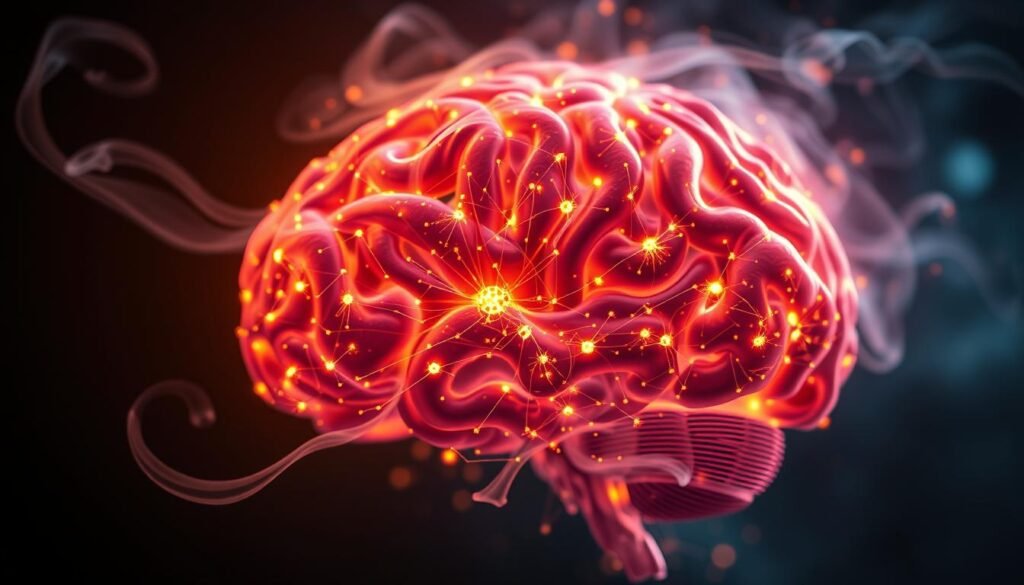
The direct connection between the olfactory system and the limbic system explains why smells can evoke powerful emotional responses and memories. This is why aromatherapy can be particularly effective in managing stress and anxiety.
The Mind-Body Connection
Aromatherapy exploits the intimate connection between the mind and body. The emotional and psychological effects of essential oils can lead to tangible physiological changes, such as reduced inflammation, improved sleep quality, and enhanced mood. By influencing the mind-body axis, aromatherapy can promote a state of relaxation and reduce stress levels.
Research-Backed Benefits
Numerous studies have investigated the benefits of aromatherapy for various health outcomes. Research has shown that aromatherapy can be effective in reducing anxiety and depression, improving sleep quality, and alleviating pain. For instance, a study published in the Journal of Clinical Nursing found that aromatherapy significantly reduced anxiety in patients undergoing surgery.
- Aromatherapy can decrease anxiety and stress levels.
- It can improve sleep quality and duration.
- Aromatherapy has been shown to reduce pain perception.
- Certain essential oils have antimicrobial properties.
By understanding the science behind aromatherapy, individuals can harness its potential to enhance their well-being and quality of life. Whether through diffusion, topical application, or inhalation, aromatherapy offers a versatile and natural approach to managing stress and promoting relaxation.
Essential Oils: The Building Blocks of Aromatherapy
Aromatherapy relies heavily on essential oils, which are concentrated plant extracts with various therapeutic properties. These oils are derived from different parts of plants, including leaves, flowers, roots, and bark, through processes like steam distillation or solvent extraction.
How Essential Oils Are Produced
The production of essential oils involves several methods, with steam distillation being one of the most common. This process involves passing steam through the plant material, causing the oil to vaporize and then be collected through condensation. Other methods include cold pressing, particularly for citrus oils, and solvent extraction for delicate botanicals.
Key production methods include:
- Steam distillation
- Cold pressing
- Solvent extraction
Quality Factors to Consider
When selecting essential oils, several quality factors should be considered to ensure their efficacy and safety. These include the oil’s purity, the method of production, and the botanical name of the plant. High-quality oils are typically organic, non-synthetic, and free from additives.
It’s also crucial to check for proper labeling, including the Latin name of the plant, the country of origin, and the distillation date. This information helps in verifying the authenticity and quality of the essential oil.
Popular Essential Oils and Their Properties
Some of the most popular essential oils used in aromatherapy include lavender, tea tree, and eucalyptus oils. Lavender oil is known for its calming and relaxing properties, while tea tree oil is valued for its antimicrobial benefits. Eucalyptus oil is often used for its decongestant properties.
Common uses for these oils include:
- Relaxation and stress relief
- Skin care and wound healing
- Respiratory support
Understanding the properties and uses of different essential oils can help individuals tailor their aromatherapy practices to their specific needs, enhancing their overall well-being.
Aromatherapy: Elevate Your Self-Care Rituals Through Different Methods
To fully embrace the benefits of aromatherapy, it’s essential to explore the different methods of application. Aromatherapy can be incorporated into daily life in various ways, each offering unique benefits for self-care and wellness.
Diffusion Methods
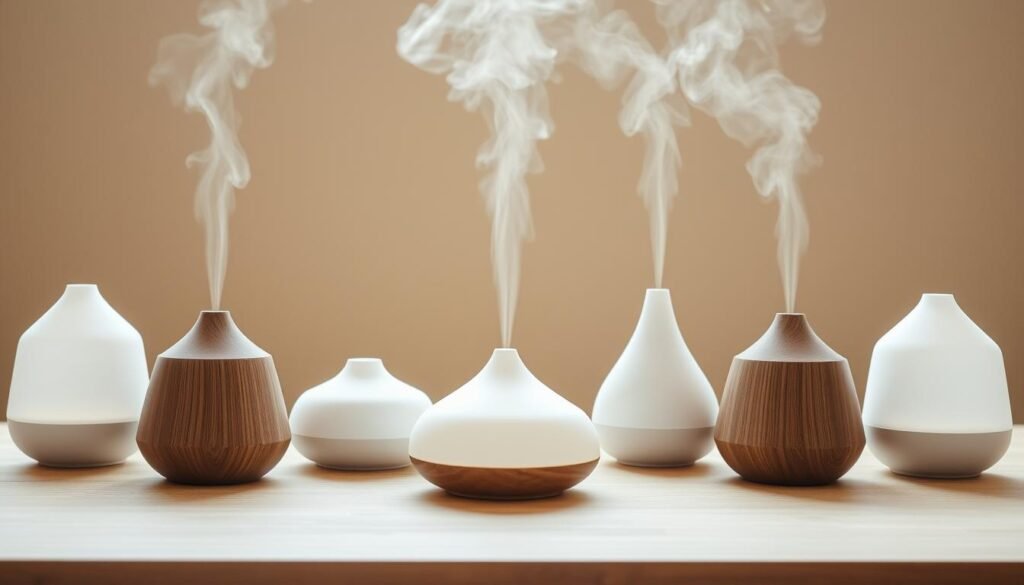
Diffusion is a popular method for enjoying the benefits of aromatherapy. By dispersing essential oils into the air, aroma diffusers can enhance mood, improve sleep, and even help alleviate symptoms of anxiety and depression.
There are several types of diffusers available, including:
- Nebulizing diffusers, which use a jet of compressed air to atomize the essential oil
- Ultrasonic diffusers, which create a fine mist using high-frequency sound waves
- Heat diffusers, which warm the essential oil to release its fragrance
Topical Applications
Topical application involves applying essential oils directly to the skin. This method can be highly effective for targeted relief, such as reducing inflammation or soothing muscle tension.
It’s crucial to dilute essential oils with a carrier oil before applying them to the skin to avoid irritation. Popular carrier oils include coconut, jojoba, and sweet almond oil.
| Essential Oil | Carrier Oil | Dilution Ratio |
|---|---|---|
| Lavender | Coconut | 1:3 |
| Tea Tree | Jojoba | 1:5 |
| Eucalyptus | Sweet Almond | 1:2 |
Inhalation Techniques
Inhalation is a direct and effective way to experience the benefits of aromatherapy. This can be done through simple methods like inhaling from a cloth or handkerchief with a few drops of essential oil, or using a steam inhaler.
Steam inhalation is particularly beneficial for respiratory issues, as it helps to loosen mucus and ease congestion.
Bathing with Essential Oils
Adding essential oils to your bathwater can create a relaxing and rejuvenating experience. The warm water helps to absorb the oils, promoting relaxation and reducing stress.
For a calming bath, consider combining lavender and chamomile essential oils. Always ensure the essential oils are fully dissolved in the bathwater to avoid skin irritation.
Creating a Personal Aromatherapy Sanctuary at Home
By incorporating aromatherapy into your home, you can create a peaceful retreat that nurtures both body and mind. This sanctuary will serve as a haven where you can escape the stresses of daily life and rejuvenate your senses. Aromatherapy offers a holistic approach to wellness, and with the right setup, you can enjoy its benefits in the comfort of your own home.
Setting Up Your Space
The first step in creating your aromatherapy sanctuary is to designate a quiet and comfortable space. This could be a corner of your bedroom, a reading nook, or even a dedicated room if you have the luxury of extra space. The key is to choose an area where you can relax without distractions.
To enhance the ambiance, consider the following elements:
- Soft Lighting: Use candles or dimmable lamps to create a calming atmosphere.
- Comforting Textures: Incorporate plush rugs, pillows, and throws to make the space inviting.
- Calming Colors: Paint the walls with soothing colors like lavender or pale blue to promote relaxation.
Essential Equipment for Beginners
To get started with aromatherapy, you’ll need some basic equipment. Here are the essentials:
- Essential Oil Diffuser: This device disperses the fragrance of essential oils into the air, creating a therapeutic atmosphere.
- Essential Oils: Begin with a few versatile oils like lavender, chamomile, and eucalyptus.
- Carrier Oils: Used for diluting essential oils for topical application, carrier oils like coconut or jojoba oil are must-haves.
As you become more comfortable with aromatherapy, you can expand your collection with other equipment like roll-on bottles, bath salts, and scented candles.
Incorporating Aromatherapy into Daily Routines
To fully benefit from your aromatherapy sanctuary, it’s essential to incorporate it into your daily routines. Here are some tips:
- Morning Boost: Start your day with an invigorating essential oil blend to boost energy and mental clarity.
- Evening Wind-Down: Use calming scents like lavender or chamomile in the evening to promote relaxation and prepare for sleep.
- During Meditation: Enhance your meditation practice with aromatherapy by using a diffuser or applying diluted essential oils to your pulse points.
As noted by Evolve Organic Beauty, “Creating a consistent ritual around scent can gently guide your body into balance.” By making aromatherapy a part of your daily routine, you can experience a profound impact on your overall well-being.
DIY Aromatherapy Spa Treatments for Ultimate Self-Care
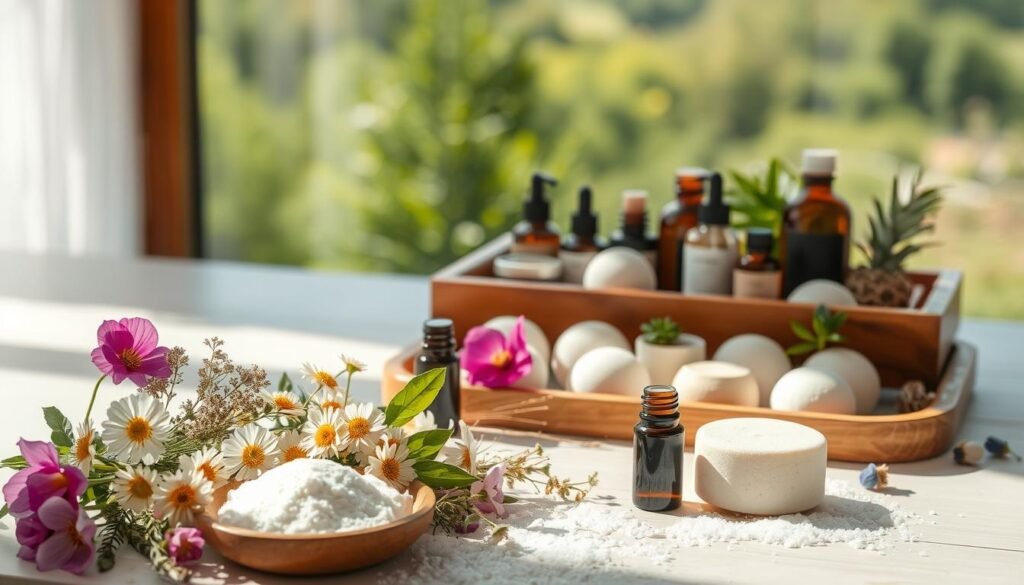
Transform your home into a serene oasis with DIY aromatherapy spa treatments that promote relaxation and rejuvenation. Aromatherapy can be seamlessly woven into massages, facials, and body rituals, offering a truly holistic approach to wellness. By incorporating essential oils into your self-care routine, you can enhance your overall wellbeing and create a peaceful atmosphere that calms the mind and soothes the body.
Relaxing Aromatherapy Bath Blends
Creating a relaxing bath blend is a simple way to unwind after a long day. To make a calming bath soak, mix 1 cup of Epsom salt with 10 drops of lavender essential oil and 5 drops of chamomile essential oil. The magnesium in Epsom salt helps to relax muscles, while lavender and chamomile promote a peaceful state of mind.
Rejuvenating Facial Steam Treatments
Facial steam treatments are an excellent way to rejuvenate the skin. To create a rejuvenating facial steam, add 5-7 drops of tea tree essential oil to a bowl of hot water. The antimicrobial properties of tea tree oil help to cleanse the skin and reduce inflammation. Cover your head with a towel and inhale the steam for 5-7 minutes to open up your pores and refresh your complexion.
Nourishing Body Oil Formulations
Nourishing body oils can be used to moisturize and hydrate the skin. To create a nourishing body oil, mix 1/4 cup of jojoba oil with 10 drops of geranium essential oil and 5 drops of frankincense essential oil. Geranium oil helps to balance hormones, while frankincense oil promotes skin elasticity and reduces the appearance of fine lines.
Calming Pillow Mists and Room Sprays
Calming pillow mists and room sprays can help to create a peaceful sleep environment. To make a calming pillow mist, combine 1/2 cup of water with 10 drops of lavender essential oil and 5 drops of bergamot essential oil in a spray bottle. Shake well and spray on your pillow before bedtime to promote relaxation and improve sleep quality.
| Treatment | Essential Oils | Benefits |
|---|---|---|
| Relaxing Bath Blend | Lavender, Chamomile | Relaxes muscles, promotes peaceful state of mind |
| Rejuvenating Facial Steam | Tea Tree | Cleanses skin, reduces inflammation |
| Nourishing Body Oil | Geranium, Frankincense | Balances hormones, promotes skin elasticity |
| Calming Pillow Mist | Lavender, Bergamot | Promotes relaxation, improves sleep quality |
Aromatherapy for Specific Wellness Needs
With its diverse range of essential oils, aromatherapy provides a natural and effective way to address various health concerns. By tailoring aromatherapy practices to specific wellness needs, individuals can experience targeted benefits that enhance their overall well-being.
Stress Relief and Anxiety Management
Aromatherapy is particularly effective in managing stress and anxiety. Essential oils such as lavender, chamomile, and bergamot have a calming effect on the mind and body, reducing feelings of overwhelm and promoting relaxation. To experience stress relief, try using a diffuser with a calming blend or applying diluted essential oils to pulse points.
Sleep Enhancement and Insomnia Relief
For those struggling with sleep, aromatherapy offers a natural solution. Essential oils like vetiver, ylang-ylang, and sandalwood promote a restful night’s sleep by creating a calming atmosphere. Use a bedtime diffuser or add a few drops of these oils to your pillowcase to enhance sleep quality.
Energy Boosting and Mental Clarity
Aromatherapy can also be used to boost energy and improve mental clarity. Invigorating essential oils such as peppermint, eucalyptus, and rosemary can help increase focus and reduce mental fatigue. Try using a refreshing essential oil blend in a diffuser or inhaling directly from a cloth or handkerchief.
Seasonal Support and Immune Boosting
During changing seasons, aromatherapy can provide additional support for immune health. Essential oils like eucalyptus, tea tree, and oregano have antimicrobial properties that can help protect against seasonal illnesses. Use these oils in a diffuser or apply topically to support immune function.
By incorporating aromatherapy into your daily routine, you can experience a range of benefits that cater to your specific wellness needs. Whether you’re seeking stress relief, improved sleep, or energy boosting, aromatherapy offers a natural and effective solution.
Safety Guidelines and Best Practices
Understanding the safety guidelines for aromatherapy is essential for a safe and effective experience. While aromatherapy offers numerous benefits, the safe use of essential oils is paramount to enjoying their therapeutic properties.
Dilution Guidelines and Ratios
Essential oils are highly concentrated and must be diluted before applying to the skin. A general dilution ratio is 1-3% essential oil to carrier oil. For example, for every 1 teaspoon of carrier oil, you can add 5-15 drops of essential oil. Always consult a healthcare professional or a certified aromatherapist for specific guidance.
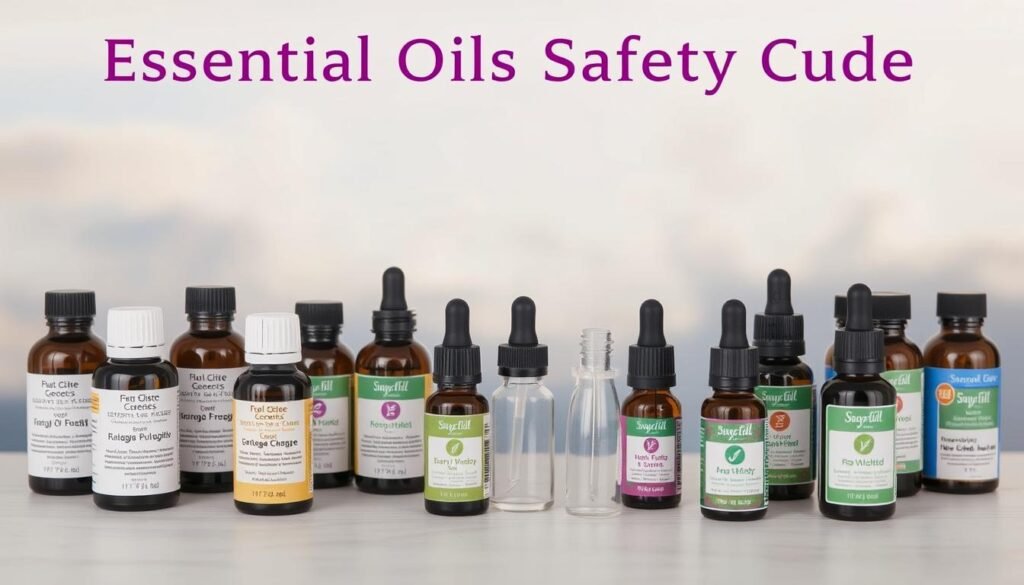
Contraindications and Precautions
Certain essential oils can cause allergic reactions or interact with medications. For instance, individuals with epilepsy should avoid Rosmarinus officinalis (Rosemary) essential oil. Pregnant women and people with specific health conditions should consult a healthcare provider before using essential oils.
Storage and Shelf Life
Proper storage of essential oils is crucial to maintain their potency and safety. Store them in dark glass bottles, away from direct sunlight and heat sources. Most essential oils have a shelf life of 1-5 years, depending on the oil and storage conditions.
Using Aromatherapy with Children and Pets
When using aromatherapy around children and pets, extra caution is necessary. Some essential oils can be toxic to pets, and children’s skin can be more sensitive. Always dilute essential oils more heavily for children and consult with a healthcare professional before use.
By following these safety guidelines and best practices, you can enjoy the benefits of aromatherapy while minimizing risks. Remember, the key to safe aromatherapy practice is knowledge, caution, and responsible use of essential oils.
Conclusion: Embracing Aromatherapy as a Lifestyle
Aromatherapy is more than a pleasant fragrance; it’s a natural, powerful tool for achieving balance and wellness in every area of life. By incorporating aromatherapy into your daily routine, you can enhance your self-care rituals and promote overall holistic wellness.
As you explore the world of aromatherapy, you can create a personal sanctuary that nurtures both body and mind. Simple practices, such as diffusing essential oils or using them in topical applications, can significantly impact your mental and physical health.
To fully embrace aromatherapy as a lifestyle, start by introducing it into your daily self-care rituals. Experiment with different essential oils and methods to find what works best for you. With consistent practice, aromatherapy can become a powerful ally in your journey towards holistic wellness and a more balanced life.
FAQ
What is aromatherapy and how does it work?
What are the benefits of using aromatherapy for stress relief?
How do I choose high-quality essential oils?
Can I use essential oils directly on my skin?
How can I incorporate aromatherapy into my daily routine?
Are there any safety precautions I should take when using aromatherapy with children and pets?
Can aromatherapy help with sleep enhancement?
How do I store essential oils properly?
🌸 Discover Weight Management Supplements That Works — Handpicked for You
Curated health & beauty essentials our readers trust — explore your new self-care favorites.



🌸 Discover Beauty That Works — Handpicked for You
Curated health & beauty essentials our readers trust — explore your new self-care favorites.

💖 Connect with SmartWellnessBeauty
Join our wellness & beauty community for daily inspiration, mindful living, and radiant self-care — follow us across your favorite platforms.



















What do you think?
Show comments / Leave a comment