

Did you know that over 1.3 million women in the United States enter the transition phase of midlife every single year? This natural shift often brings unexpected changes that can leave you feeling disconnected from your own body. Embracing this season with the right tools is the secret to maintaining your inner spark.
Finding reliable wellness advice online can feel like a maze. For instance, many expert communities on Instagram require users to log in or sign up just to view essential health tips. We believe your path to wellness should be accessible, clear, and supportive.
You deserve to navigate this chapter with grace and confidence. By focusing on simple, sustainable habits, you can reclaim your vitality and feel like yourself again. Let’s explore how to restore your natural balance and enjoy a radiant, healthy life.
Key Takeaways
- Understand the natural biological shifts occurring during midlife.
- Learn how to access expert wellness advice without digital barriers.
- Discover sustainable habits that support your long-term vitality.
- Embrace a positive mindset to navigate physical changes with ease.
- Prioritize self-care routines that fit into your busy American lifestyle.
Understanding the Perimenopause Transition
Navigating the transition into perimenopause often feels like learning a new language your body is speaking. It is a time of profound change, and many women turn to online communities on platforms like Instagram to find shared experiences. While these digital spaces require users to log in or sign up to view content, they offer a sense of belonging that makes the journey feel less lonely. Seeking this connection is a wonderful way to start your path toward hormone harmony.
The Biological Shift in Hormone Levels
At the heart of this transition is a complex dance of hormones, primarily estrogen and progesterone. During your reproductive years, these hormones follow a predictable rhythm, but as you enter perimenopause, that rhythm begins to shift. Fluctuations become the new normal, leading to unpredictable cycles and varying levels of intensity in your daily life.
These hormonal swings are not just about your cycle; they influence your brain chemistry, energy levels, and even your skin health. Understanding that these changes are biologically driven can help you feel more empowered. You are not losing control; your body is simply recalibrating for a new phase of life.
Common Signs Your Body is Changing
Because every woman’s experience is unique, the signs of perimenopause can vary significantly. However, there are several common indicators that your body is signaling a shift. Recognizing these early can help you take proactive steps to support your well-being.
Keep an eye out for these frequent changes:
- Irregular periods: Changes in flow, duration, or frequency are often the first indicators.
- Temperature sensitivity: You may experience sudden hot flashes or night sweats.
- Mood fluctuations: Increased irritability, anxiety, or feelings of being overwhelmed are common.
- Sleep disturbances: Difficulty falling or staying asleep can impact your daily energy.
- Skin changes: You might notice increased dryness or a loss of natural elasticity.
By identifying these signs early, you can begin to implement gentle strategies to restore your hormone harmony. Remember that this transition is a natural part of your life story, and with the right tools, you can navigate it with grace and confidence.
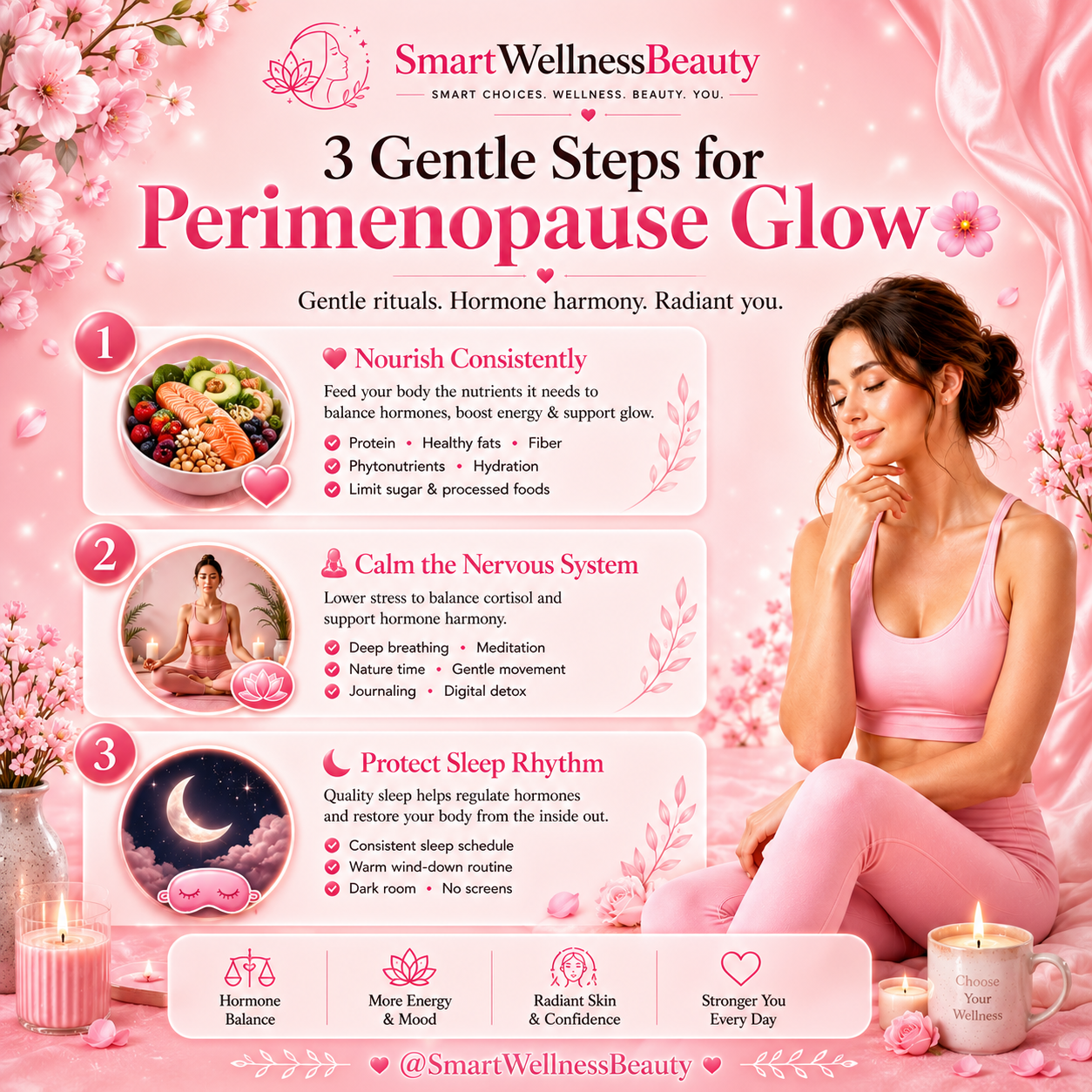
Achieving Hormone Harmony: 3 Gentle Steps for Perimenopause Glow
Sustainable vitality is built on the foundation of small, consistent actions rather than drastic overhauls. When your body enters the transition of perimenopause, the urge to find an immediate fix can be overwhelming. However, true hormone harmony is best achieved by honoring your body’s unique rhythm through a steady, patient approach.

The Philosophy of Gentle Support
Our philosophy centers on the belief that long-term wellness is a marathon, not a sprint. By choosing gentle steps, you allow your nervous system to adapt to hormonal fluctuations without added stress. This supportive mindset shifts the focus from fighting your symptoms to nurturing your overall well-being.
It is easy to get lost in the noise of social media, where influencers often showcase perfect routines. You might find yourself browsing platforms like Instagram, where you must log in or sign up to view content, only to feel pressured by unrealistic standards. Remember that your journey is personal, and your health goals should reflect your own needs rather than someone else’s highlight reel.
Why Small Changes Yield Big Results
Many people underestimate the power of minor adjustments in their daily lives. When you implement gentle steps, you create a cumulative effect that builds resilience over time. These tiny, manageable habits are far more sustainable than intense, short-lived programs that often lead to burnout.
Consistency is the secret ingredient to lasting change. By focusing on small, intentional shifts, you foster a sense of hormone harmony that radiates from the inside out. Embracing this path ensures that you feel your best every single day, providing the stability your body craves during this transformative season of life.
Step One: Nourishing Your Body from Within
Nourishing your body from within is the most effective way to maintain your natural perimenopause glow during this season of life. When your hormones begin to shift, your internal systems require extra support to stay balanced and resilient. By choosing nutrient-dense foods, you provide the essential building blocks your body needs to thrive.
Prioritizing Hormone-Friendly Nutrients
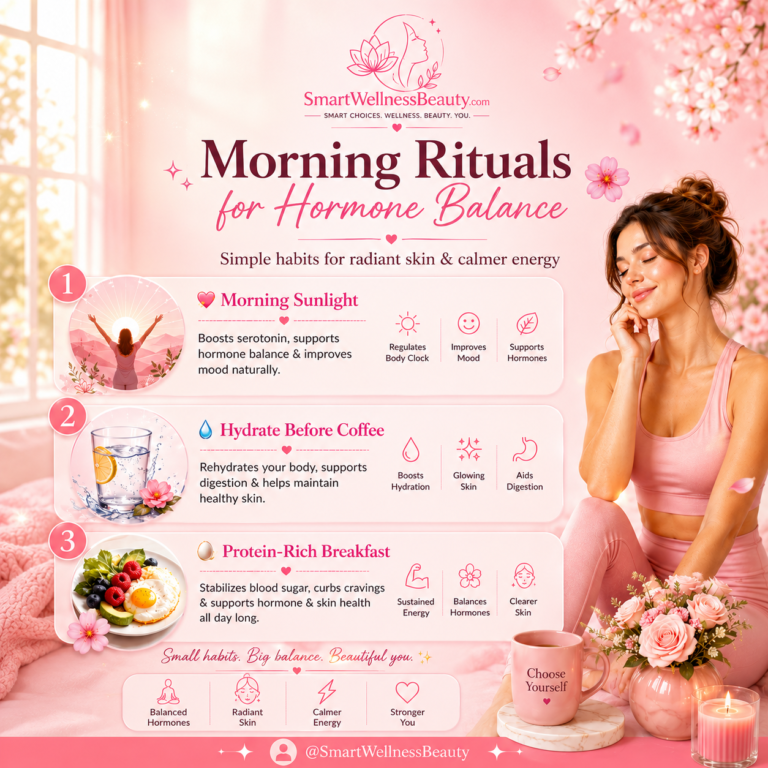
Focusing on whole, unprocessed foods is one of the most practical perimenopause tips for daily meal planning. Stable blood sugar levels are vital for managing energy and mood swings throughout the day. Incorporating specific nutrients can help stabilize your system and reduce common symptoms.
Consider adding these powerhouses to your grocery list to support your endocrine health:
- Healthy Fats: Avocados, walnuts, and flaxseeds provide omega-3 fatty acids that support hormone production.
- Cruciferous Vegetables: Broccoli, kale, and cauliflower help your body process estrogen more efficiently.
- High-Quality Protein: Lean meats, beans, and lentils keep you full and support muscle maintenance.
- Magnesium-Rich Foods: Dark leafy greens and pumpkin seeds help calm the nervous system and improve sleep quality.
Hydration Strategies for Skin Elasticity
As estrogen levels decline, your skin may lose some of its natural moisture and firmness. Staying hydrated is a simple yet transformative habit that directly impacts your skin elasticity. Drinking enough water ensures that your cells remain plump and your complexion stays clear.
Beyond plain water, you can boost your hydration through your diet by choosing water-rich fruits and vegetables. Cucumbers, watermelon, and celery are excellent additions that provide both hydration and essential vitamins. These perimenopause tips are easy to implement and help you maintain a radiant, healthy look from the inside out.
Remember that consistency is key when it comes to your daily habits. By prioritizing these nutritional foundations, you are actively investing in your long-term wellness and lasting vitality.
Step Two: Cultivating Restorative Movement
Your movement practice should evolve to honor the unique needs of your body during this phase of life. Instead of viewing exercise as a demanding chore, try to see it as a celebration of what your body can achieve. By incorporating gentle steps into your weekly schedule, you can maintain your fitness while protecting your energy reserves.

Balancing Intensity with Recovery
High-intensity workouts can sometimes place extra strain on your endocrine system when your hormones are already in flux. It is essential to find a sustainable balance that allows for adequate recovery time between sessions. Prioritizing restorative movement ensures that you build strength without triggering unnecessary cortisol spikes.
Listen closely to your body’s signals each day. If you feel depleted, opt for lower-impact activities that still keep your joints mobile and your muscles engaged. These gentle steps toward a balanced routine will help you feel more vibrant and less prone to burnout.
Yoga and Pilates for Stress Regulation
Yoga and Pilates are excellent tools for managing stress and improving physical flexibility. These practices focus on controlled breathing and mindful alignment, which help soothe the nervous system. By dedicating time to these disciplines, you create a sanctuary for both your mind and body.
The following table outlines how different movement styles impact your body during this transition:
| Movement Type | Primary Benefit | Intensity Level |
|---|---|---|
| Restorative Yoga | Deep Relaxation | Low |
| Mat Pilates | Core Stability | Moderate |
| Brisk Walking | Cardiovascular Health | Low to Moderate |
| Strength Training | Bone Density | Moderate to High |
Integrating these gentle steps into your lifestyle provides a foundation for long-term health. Remember that consistency matters more than intensity. By choosing activities that nourish rather than drain you, you support your body’s natural rhythm and promote a sense of inner harmony.
Step Three: Establishing a Mindful Skincare Ritual
Embracing a mindful skincare ritual is a powerful way to support your skin during these hormonal shifts. As your body undergoes significant changes, your complexion often signals a need for a more intentional approach. By treating your daily routine as a moment of calm, you can effectively maintain that signature perimenopause glow while nurturing your mental well-being.
Adapting Your Routine for Changing Skin Needs
During this transition, you might notice your skin becoming drier or more sensitive than in previous years. It is completely normal to experience shifts in texture as estrogen levels fluctuate. You should prioritize gentle cleansing methods that do not strip away your natural oils.
Consider swapping harsh foaming cleansers for creamy, hydrating formulas. This simple adjustment helps preserve your skin’s moisture levels throughout the day. When you listen to what your skin needs, you are better equipped to protect your perimenopause glow against environmental stressors.
Selecting Ingredients That Support Barrier Health
Focusing on ingredients that strengthen your skin barrier is essential for long-term health. Look for products rich in ceramides, hyaluronic acid, and squalane to lock in hydration. These components work together to repair the surface of your skin, ensuring it remains supple and resilient.
Incorporating antioxidants like Vitamin C or niacinamide can also brighten your complexion and improve overall tone. These ingredients are excellent for sustaining a healthy perimenopause glow while providing a protective shield against daily pollutants. Remember, consistency is the key to seeing lasting results in your skin’s appearance and comfort.
Managing Stress to Support Natural Hormone Balance
Chronic stress acts as a silent disruptor to your natural rhythm during these transformative years. When life feels overwhelming, your body often struggles to maintain the delicate hormone balance required for a smooth transition. By intentionally lowering your stress response, you create a more hospitable environment for your internal systems to find their new equilibrium.

The Impact of Cortisol on Perimenopause Symptoms
During perimenopause, your body becomes increasingly sensitive to cortisol, the primary stress hormone. When you remain in a state of high alert, your adrenal glands work overtime, which can exacerbate common symptoms like hot flashes and mood swings. This physiological link highlights why managing your mental load is just as important as your physical health.
“The greatest weapon against stress is our ability to choose one thought over another.”
Persistent stress keeps your system in a “fight or flight” mode, leaving little energy for hormonal regulation. Understanding this connection allows you to prioritize rest as a non-negotiable part of your daily routine. Consider the following table to see how stress affects your body during this phase:
| Stress Level | Physiological Effect | Impact on Transition |
|---|---|---|
| Low | Stable cortisol | Smoother symptom management |
| Moderate | Fluctuating levels | Occasional fatigue |
| High | Chronic elevation | Increased intensity of symptoms |
Simple Breathing Techniques for Daily Calm
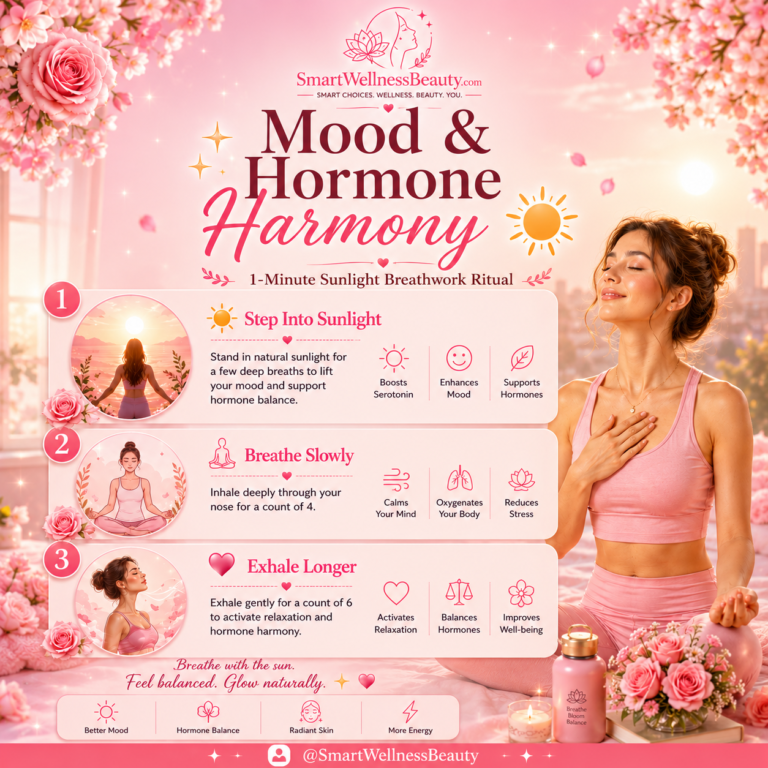
You do not need hours of free time to begin calming your nervous system. Simple, intentional breathing can be practiced anywhere, whether you are at your desk or waiting in line. These techniques signal to your brain that it is safe to relax, which directly supports your hormone balance.
Try the “Box Breathing” method to reset your focus. Inhale deeply for four counts, hold your breath for four counts, exhale slowly for four counts, and hold again for four counts. Repeating this cycle just three times can significantly lower your heart rate and quiet a racing mind.
Another effective tool is the “4-7-8” technique. Inhale through your nose for four seconds, hold for seven, and exhale audibly through your mouth for eight. Practicing this mindful habit daily helps you reclaim your sense of calm and fosters a more resilient body.
The Role of Sleep Hygiene in Hormone Regulation
Quality sleep serves as the foundation for your body’s natural recovery during the transition years. When you prioritize your sleep hygiene, you provide your system with the essential tools needed for effective hormone regulation. Consistent rest helps your body manage the daily stressors that often feel more intense during this time.
Creating a Sanctuary for Rest
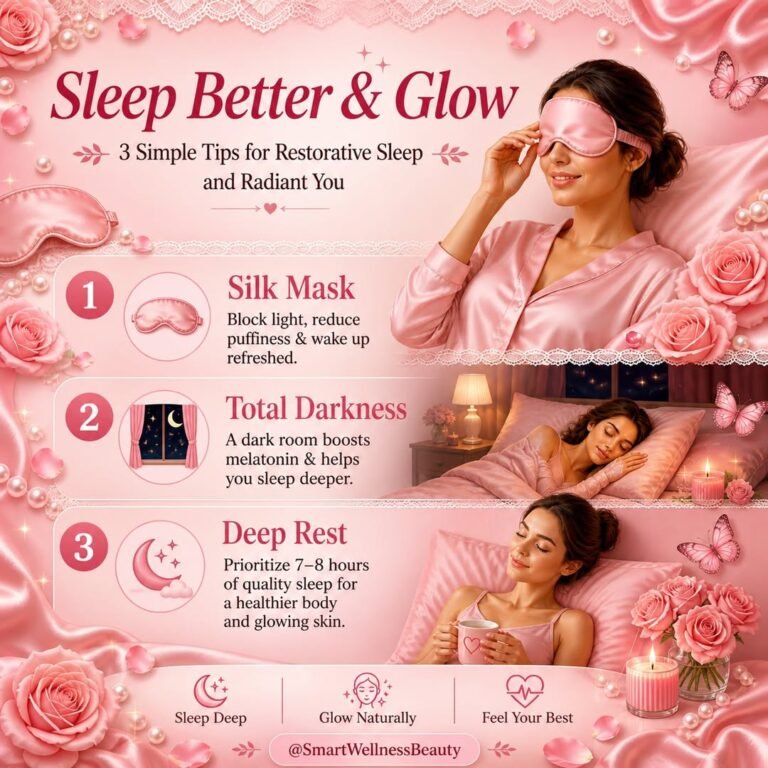
Your bedroom should be a dedicated space that signals to your brain that it is time to wind down. Start by keeping the room cool, dark, and quiet to encourage deeper cycles of sleep. These simple perimenopause tips can transform your nightly routine into a restorative experience.
Consider removing electronic devices from your bedside table to reduce blue light exposure. Investing in high-quality, breathable bedding made from natural fibers like cotton or bamboo can also make a significant difference. A calm environment acts as a physical boundary between your busy day and your necessary recovery time.
“Sleep is the golden chain that ties health and our bodies together.”
Addressing Night Sweats and Sleep Disruptions
Many women experience sudden temperature fluctuations that interrupt their rest. To manage these moments, keep a glass of cool water nearby and wear moisture-wicking pajamas. Layering your bedding allows you to adjust quickly if you wake up feeling overheated during the night.
If you find yourself awake, try gentle breathing exercises to calm your nervous system. Avoid checking the clock, as this often increases anxiety and makes falling back asleep more difficult. By focusing on these perimenopause tips, you can regain control over your nightly rest and support your overall hormone regulation throughout the transition.
Natural Supplements and Herbal Support
When you seek natural hormone support, it is essential to prioritize safety and evidence-based choices. While many plants offer relief, your body deserves a strategy that is both effective and tailored to your unique health history. Approaching this path with care ensures that you can achieve better hormone balance without unnecessary risks.
Consulting with Healthcare Professionals
Before you add any new supplement to your daily regimen, you must speak with a qualified healthcare provider. Even natural ingredients can interact with medications or underlying health conditions. A professional can help you navigate the vast market of wellness products to find what is truly safe for you.
Your doctor or a registered dietitian can provide a personalized assessment of your needs. They will consider your current symptoms and medical background to create a plan that supports your long-term wellness. Always prioritize transparency by sharing every supplement you are considering during your consultation.
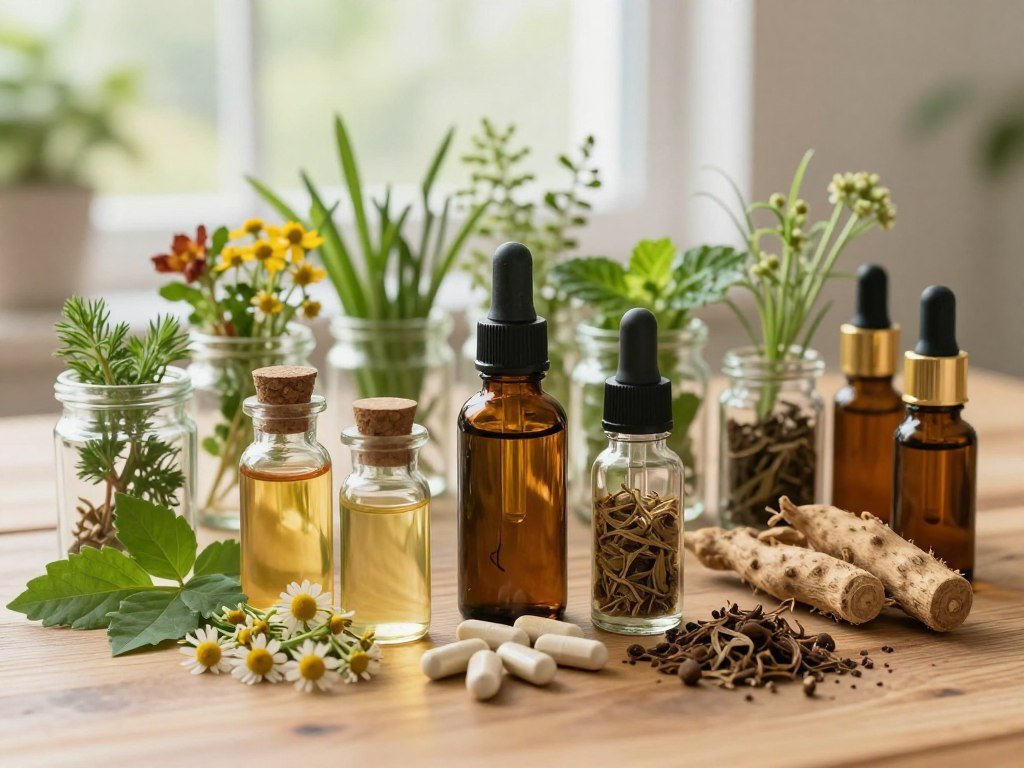
Common Botanicals for Symptom Management
Many individuals find that specific herbs provide a gentle way to manage the physical shifts of midlife. These botanicals are often used to help stabilize mood and reduce the intensity of common discomforts. Integrating these options can be a powerful step toward achieving hormone balance.
Here are a few widely recognized botanicals that are frequently discussed in the context of natural hormone support:
- Black Cohosh: Often used to help reduce the frequency and severity of hot flashes.
- Red Clover: Contains isoflavones that may mimic estrogen and support bone health.
- Evening Primrose Oil: Frequently chosen for its potential to soothe breast tenderness and skin dryness.
Remember that consistency is key when working with herbal remedies. It may take several weeks of steady use before you notice significant changes in how you feel. Listen to your body and keep a record of your progress to share with your healthcare team.
Building a Supportive Community
Finding your tribe is a vital step in prioritizing your long-term women’s health and emotional well-being. This transition often feels overwhelming, but you do not have to navigate these changes in isolation. Surrounding yourself with people who truly understand your journey can provide the validation and comfort you deserve.
Finding Connection During the Transition
Seeking out like-minded individuals is easier than you might think in our digital age. You can start by looking for local workshops or wellness groups that focus on women’s health and holistic living. These spaces often host discussions where you can meet others who are currently experiencing similar life shifts.
Online forums and social media groups also offer a wealth of connection for those who prefer to start from home. Look for communities that prioritize empathy and evidence-based information. Engaging in these groups allows you to ask questions and receive support from those who have already navigated the path you are currently on.
Sharing Experiences to Reduce Isolation
There is immense power in opening up about your personal challenges. When you share your story, you often find that your struggles are not unique, which helps to dissolve feelings of loneliness. Authentic connection is built when we move past surface-level conversations and discuss the reality of our daily lives.
By exchanging practical wisdom, you gain new tools to manage your symptoms effectively. Remember that your voice matters, and your experiences can serve as a beacon of hope for others in the community. Prioritizing these connections ensures that your journey toward better women’s health is supported by a foundation of shared strength and collective wisdom.
Tracking Your Progress and Celebrating Wins
Tracking your progress is more than just data; it is a roadmap to feeling your best during this transition. By observing how your body reacts to different lifestyle choices, you gain the clarity needed to refine your approach to natural hormone support. This practice turns abstract feelings into actionable insights that empower your daily decisions.
Using Journals to Monitor Symptom Patterns
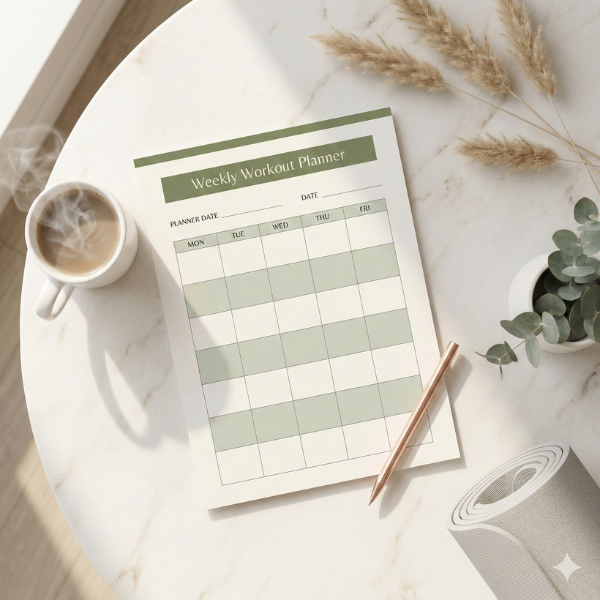
A simple journal can become your most trusted tool for identifying patterns in your physical and emotional health. Start by noting your energy levels, sleep quality, and any specific symptoms you experience throughout the day. Over time, these entries reveal how your habits influence your overall hormone regulation.

Consistency is key when you are looking for trends in your cycle or daily well-being. When you see a clear connection between your nutrition or movement and how you feel, you can make informed adjustments to your routine. This proactive method ensures that your efforts toward natural hormone support remain effective and personalized.
Focusing on Non-Scale Victories
It is easy to get caught up in numbers, but true progress is often found in how you feel rather than what the scale says. Celebrating non-scale victories—such as waking up feeling refreshed or noticing a steady mood throughout the afternoon—is vital for your mental well-being. These wins are significant indicators that your body is responding positively to your new lifestyle.
Recognizing these improvements reinforces your commitment to long-term hormone regulation. Every time you acknowledge a small success, you build the motivation needed to stay the course. Remember that your journey is unique, and every positive shift is a meaningful step forward in your health story.
Overcoming Common Challenges During Perimenopause
Navigating the shifting tides of your emotions is a core part of maintaining your long-term women’s health. This transition period often brings unexpected hurdles, but approaching them with kindness can make a significant difference in your daily life.
Navigating Mood Swings with Compassion
It is common to feel like your emotions are on a rollercoaster during this phase. Self-compassion is your most powerful tool when you experience sudden irritability or sadness. Instead of judging yourself, try to acknowledge these feelings as a natural response to hormonal fluctuations.
Practicing mindfulness can help you create space between a trigger and your reaction. When you feel overwhelmed, take a moment to breathe deeply or step away from the situation. Remember that your women’s health journey is unique, and it is perfectly okay to prioritize your emotional well-being above your to-do list.
When to Seek Medical Intervention
While many symptoms are a normal part of the transition, some signs indicate that you should consult a professional. If your mood swings become debilitating or interfere with your ability to function, it is time to reach out for support. Prioritizing your women’s health means knowing when to ask for expert guidance.
Do not hesitate to contact your doctor if you experience persistent anxiety, severe depression, or physical symptoms that do not improve with lifestyle changes. A healthcare provider can offer personalized strategies to ensure you feel your best. The following table outlines when to manage symptoms at home versus when to seek medical advice.
| Symptom Type | Self-Management Approach | When to See a Doctor |
|---|---|---|
| Mild Mood Swings | Journaling and gentle exercise | If symptoms persist for months |
| Sleep Disruptions | Cool room and herbal tea | If insomnia impacts daily work |
| Emotional Distress | Mindfulness and community support | If you feel hopeless or overwhelmed |
| Physical Changes | Balanced diet and hydration | If you notice sudden, severe pain |
Conclusion
Achieving hormone harmony remains a personal journey that rewards patience, consistency, and self-love. You possess the power to create a lifestyle that supports your vitality during this unique life stage.
Implementing these gentle steps helps you manage symptoms while moving forward with confidence. Your health stays a top priority as you navigate these changes. Trust your body to adapt as you integrate these habits into your daily routine.
Brands like Ritual or Thorne offer tools that might assist your wellness path when paired with professional guidance. Small shifts in your mindset lead to lasting improvements in how you feel each day.
This guide serves as a helpful companion as you continue to nurture your well-being. Share your experiences with friends or join local wellness groups to keep your motivation high. Your commitment to self-care defines the quality of your experience during this transition.
FAQ
How can I achieve hormone harmony during this life transition?
What are the most common signs that my body is entering perimenopause?
Why are small lifestyle changes more effective than quick fixes for hormone balance?
How does stress impact my natural hormone support journey?
Can my skincare routine really help me achieve a perimenopause glow?
What role does sleep hygiene play in menopause support?
Where can I find a community of women going through the same transition?
When should I consider medical intervention for my symptoms?
🌸 Discover Weight Management Supplements That Works — Handpicked for You
Curated health & beauty essentials our readers trust — explore your new self-care favorites.


🌸 Discover Beauty That Works — Handpicked for You
Curated health & beauty essentials our readers trust — explore your new self-care favorites.

💖 Connect with SmartWellnessBeauty
Join our wellness & beauty community for daily inspiration, mindful living, and radiant self-care — follow us across your favorite platforms.



















 Smart Tools World

 SmartAIEarn

 SmartWellnessBeauty

 Smart Resource Vault

 TrendsOfReview

 SmartLivingJournal

 Holistic Yoga With Wellness