

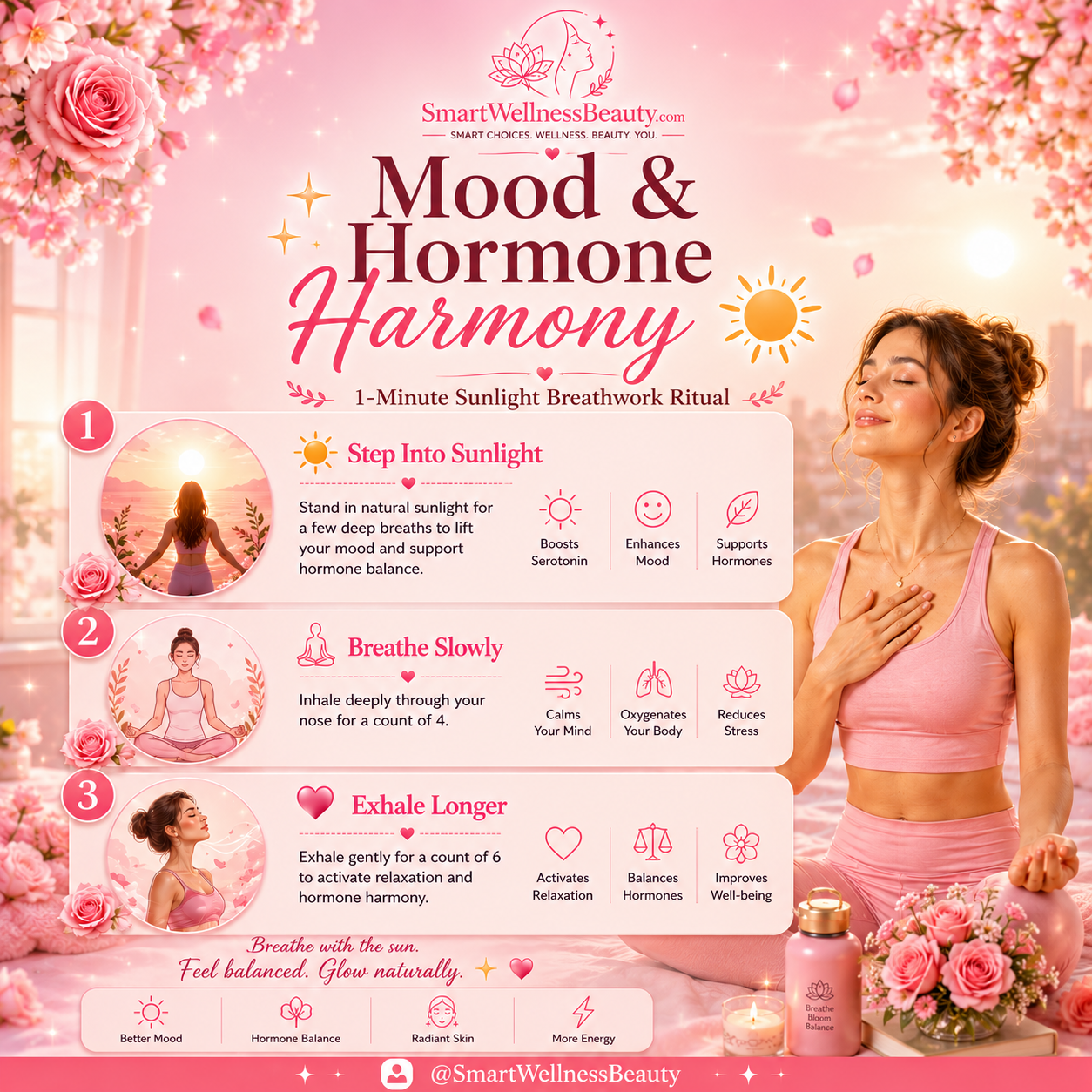
Did you know that nearly 80% of adults struggle with daily fatigue because their internal clocks are out of sync? This common issue often stems from a lack of exposure to natural light during the early hours of the day.
By combining morning rays with intentional breathing, you can effectively reset your biological rhythm. This simple practice acts as a powerful tool to boost your energy and mental clarity.
Transforming your wellness does not require hours of effort. You can achieve lasting results by dedicating just 1 min to this routine. Integrating these habits helps you maintain balance throughout your busy schedule, ensuring you feel your best every single day.
Key Takeaways
- Reset your internal clock using natural morning light.
- Improve your daily energy levels with intentional breathing.
- Support your physical health through simple, quick routines.
- Enhance mental clarity by aligning with your natural rhythm.
- Build long-term wellness habits that fit into a busy lifestyle.
The Science Behind Sunlight Breathwork: Mood & Hormone Harmony in 1 Min
Sunlight breathwork: mood & hormone harmony in 1 min is more than just a wellness trend; it is a powerful physiological reset. By combining natural light exposure with rhythmic breathing, you send a direct signal to your brain to regulate internal chemistry. This practice helps bridge the gap between your environment and your body’s stress response systems.
When you step into the light and focus on your breath, you trigger a parasympathetic nervous system response. This shift lowers cortisol levels while simultaneously boosting serotonin production. The synergy of these two elements creates a state of calm that is both immediate and sustainable for your daily routine.
Understanding these mechanisms allows you to appreciate why such a brief practice yields significant results. The following table outlines how this specific combination influences your body’s key regulatory systems during a short session.
| Biological Factor | Impact of Sunlight | Impact of Breathwork | Combined Result |
|---|---|---|---|
| Cortisol Levels | Regulates rhythm | Reduces spikes | Balanced stress |
| Serotonin | Increases synthesis | Improves circulation | Enhanced mood |
| Nervous System | Alertness signal | Calming signal | Optimal focus |
By integrating sunlight breathwork: mood & hormone harmony in 1 min into your morning, you provide your body with the tools it needs to maintain balance. This simple, evidence-based approach ensures that your hormonal health remains a priority, even on your busiest days.
Understanding the Circadian Rhythm and Hormonal Regulation
Understanding your internal master clock is the first step toward achieving lasting hormonal balance. This biological system, known as the circadian rhythm, acts as a 24-hour guide for your body’s essential functions. It dictates when you feel alert and when your body prepares for restorative sleep.
When you align your daily habits with this natural cycle, you support your overall well-being. By paying attention to these rhythms, you can effectively manage your energy levels throughout the day.

How Light Signals Impact Cortisol and Melatonin
Morning light serves as the primary trigger for your internal clock. When sunlight hits your eyes, it sends a signal to the brain to suppress melatonin, the hormone responsible for sleepiness. Simultaneously, it triggers a healthy rise in cortisol, which helps you feel alert and ready to start your morning.
This precise timing is vital for maintaining hormonal balance. If you miss this morning light, your body may struggle to regulate these hormones correctly. Consistent exposure helps your system stay synchronized, ensuring you feel energized during the day and relaxed at night.
The Role of Serotonin in Daily Mood Stabilization
Beyond sleep cycles, natural light plays a critical role in your emotional health. Exposure to sunlight stimulates the production of serotonin, a neurotransmitter that stabilizes your mood and promotes feelings of happiness. This process is essential for maintaining hormonal balance and emotional resilience.
When you start your day with light, you set a positive tone for your mental state. This simple habit helps keep your mood steady, even when faced with daily stressors. Below is a summary of how light exposure influences your key hormones.
| Hormone | Primary Function | Impact of Morning Light |
|---|---|---|
| Cortisol | Energy and Alertness | Promotes healthy morning rise |
| Melatonin | Sleep Regulation | Suppresses production for wakefulness |
| Serotonin | Mood Stabilization | Increases levels for better mood |
The Physiological Benefits of Combining Light and Breath
Discover how the simple act of breathing in the light can harmonize your body’s most vital functions. When you intentionally pair sunlight exposure with rhythmic breathing, you create a unique physiological state that helps boost mood and energy. This combination acts as a natural reset button for your entire system.
Regulating the Autonomic Nervous System
Your autonomic nervous system often stays stuck in a high-stress “fight or flight” mode due to modern demands. By practicing focused breathwork while exposed to natural light, you signal your body to shift into a restorative state. This transition is a cornerstone of effective holistic health practices that promote long-term calm.
As your heart rate slows, your body begins to prioritize recovery over reaction. This deep stillness allows your nervous system to recalibrate, making it easier to maintain emotional balance throughout the day.
Enhancing Oxygenation for Cellular Energy
Intentional breathing techniques do more than just calm the mind; they actively flood your bloodstream with fresh oxygen. This surge of oxygenated blood reaches your cells, providing a clean and sustainable boost mood and energy without the need for caffeine or sugar. Integrating these holistic health practices ensures your cells have the fuel they need to function at their peak.
The following table highlights how this practice shifts your internal environment from a state of depletion to one of vitality.
| Physiological Marker | Before Practice | After Practice |
|---|---|---|
| Nervous System | Sympathetic (Stress) | Parasympathetic (Calm) |
| Blood Oxygen | Low/Shallow | High/Optimal |
| Cellular Energy | Sluggish | Rejuvenated |
| Mental Clarity | Foggy | Sharp |
Preparing Your Environment for Optimal Light Exposure
You can transform any corner of your home into a sanctuary for light-based wellness. Creating a dedicated space is the first step toward successfully integrating natural light therapy into your daily routine. By choosing a spot that feels comfortable and inviting, you ensure that your practice remains a consistent part of your life.

Choosing the Right Time of Day for Maximum Impact
Timing is everything when it comes to regulating your internal clock. The early morning hours, specifically within the first hour of waking, provide the most potent signals for your brain. This window helps reset your circadian rhythm and boosts your mood for the day ahead.
If you cannot practice immediately upon waking, aim for a consistent time before noon. Consistency is far more important than the exact minute you choose. Establishing a reliable habit allows your body to anticipate the light, making the physiological benefits more pronounced over time.
Safety Precautions for Direct and Indirect Sunlight
While sunlight is vital for health, you must prioritize safety to avoid eye strain or skin damage. You should never look directly at the sun, as this can cause permanent damage to your retinas. Instead, focus on indirect light or simply being outdoors where the ambient brightness is sufficient.
If you are practicing near a window, ensure the glass is clean to allow maximum light penetration. If you feel any discomfort or squinting, move to a slightly shaded area. Using natural light therapy effectively means finding a balance that feels restorative rather than taxing.
| Exposure Method | Best Time | Safety Level |
|---|---|---|
| Direct Sunlight | Early Morning | Low (Avoid direct gaze) |
| Indirect/Ambient | Mid-Morning | High |
| Window-Filtered | Anytime | Very High |
Step-by-Step Guide to Sunlight Breathwork
If you are looking for quick relaxation methods to start your day, this structured approach provides the perfect foundation. Mastering the mechanics of your breath ensures that you maximize the physiological benefits of your morning light exposure. By following these precise steps, you turn a simple habit into a powerful tool for nervous system regulation.
Finding Your Comfortable Seated Position
Begin by finding a quiet space where you can sit upright without distraction. You might choose a sturdy chair or a cushion on the floor, provided your spine remains naturally aligned. Keeping your back straight allows your diaphragm to move freely, which is essential for deep, unobstructed breathing.
Rest your hands gently on your knees or in your lap to release any tension in your shoulders. Close your eyes softly to minimize visual input and focus entirely on the sensation of the air entering your lungs. This physical stability acts as an anchor for your mind, preparing you for the rhythmic cycle ahead.
“Breath is the bridge which connects life to consciousness, which unites your body to your thoughts.”
The One-Minute Rhythmic Breathing Technique
Once you are settled, begin the cycle by inhaling deeply through your nose for four seconds. Allow your belly to expand fully, ensuring that your lungs fill with fresh oxygen. Hold this breath for a count of four seconds, feeling the calming effect spread through your chest and limbs.
Exhale slowly through your mouth for four seconds, releasing any lingering stress or tension. Repeat this cycle of inhaling, holding, and exhaling for exactly one minute. This specific pattern is one of the most efficient quick relaxation methods available, helping you reset your internal clock and stabilize your mood before the day truly begins.
Integrating Mindfulness Breathing Exercises into Your Morning Routine
Transforming your sunrise hours into a sanctuary for wellness requires simple, intentional habits. Many experts, including Dr. Mark Hyman, suggest that you avoid checking screens or emails immediately upon waking. By keeping your digital devices away, you protect your mental space and allow your body to wake up naturally.
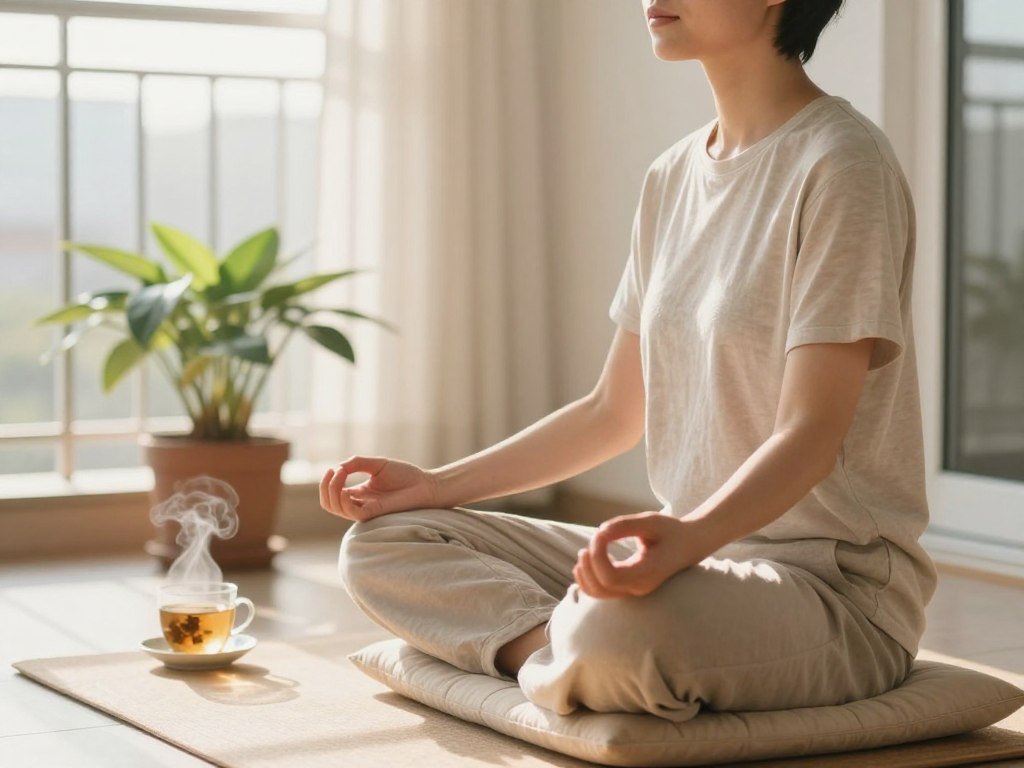
Establishing a dedicated time for mindfulness breathing exercises helps you anchor your day in calm. When you prioritize this practice before the chaos of the world takes over, you signal to your nervous system that you are safe and grounded.
Creating Consistency for Long-Term Hormonal Balance
Consistency is the true secret to achieving lasting hormonal balance. When you perform your breathwork at the same time every morning, your body begins to anticipate the shift into a parasympathetic state. This regularity helps regulate cortisol levels, preventing the mid-morning spikes that often lead to fatigue.
“We are what we repeatedly do. Excellence, then, is not an act, but a habit.”
Think of your morning routine as a foundational investment in your future self. Even five minutes of focused breathing can create a ripple effect that improves your mood and energy throughout the entire day.
Combining Breathwork with Morning Movement
To amplify your results, consider pairing your breathwork with gentle physical movement. Practices like Chi Gong or light stretching help circulate oxygenated blood through your system, further supporting hormonal balance. This combination creates a powerful synergy that prepares your body for the physical demands of the day.
The following table outlines how different morning activities contribute to your overall well-being when paired with mindfulness breathing exercises.
| Activity | Primary Benefit | Impact on Hormones |
|---|---|---|
| Deep Rhythmic Breathing | Nervous System Reset | Lowers Cortisol |
| Gentle Chi Gong | Improved Circulation | Stabilizes Energy |
| Mindful Stretching | Muscle Tension Relief | Reduces Stress |
By integrating these simple, intentional movements, you create a sustainable rhythm. This approach ensures that your health remains a priority, regardless of how busy your schedule becomes.
Natural Light Therapy Techniques Beyond Breathwork
Expanding your wellness routine beyond simple breathing exercises can unlock deeper biological benefits. While focused breathwork is a powerful tool, natural light therapy encompasses a broader range of techniques to support your biological synchronization. By diversifying your habits, you ensure your body remains in tune with nature regardless of the season.
The Importance of Full-Spectrum Light Exposure
Full-spectrum light is essential for maintaining a healthy circadian rhythm throughout the year. This type of light mimics the natural solar spectrum, which helps regulate your hormones and boosts your overall mood. When you prioritize consistent exposure, you provide your cells with the signals they need to function at their peak.
Integrating natural light therapy into your daily life does not have to be complicated. Simply spending time outdoors during the early morning hours can significantly improve your biological alignment. This practice helps stabilize your internal clock, making it easier to wake up feeling refreshed and alert.
Managing Light Intake During Winter Months
During the darker winter months, natural sunlight may be less accessible, which can disrupt your hormonal balance. It is important to be proactive about your light exposure when the days grow shorter. You might consider using a high-quality light box that mimics the intensity of the sun to maintain your emotional resilience.
Another effective strategy involves maximizing your time near windows during the brightest parts of the day. Even on cloudy days, the ambient light provides benefits that artificial indoor lighting simply cannot match. By staying mindful of your environment, you can continue to utilize natural light therapy to support your health all year long.
Stress Relief Techniques for Busy Professionals
Modern professional life demands constant focus, yet our energy levels naturally fluctuate throughout the day. When deadlines loom and meetings stack up, finding effective stress relief techniques becomes a necessity rather than a luxury. By integrating small, intentional shifts into your schedule, you can maintain high performance without burning out.
Micro-Breaks for Mental Clarity
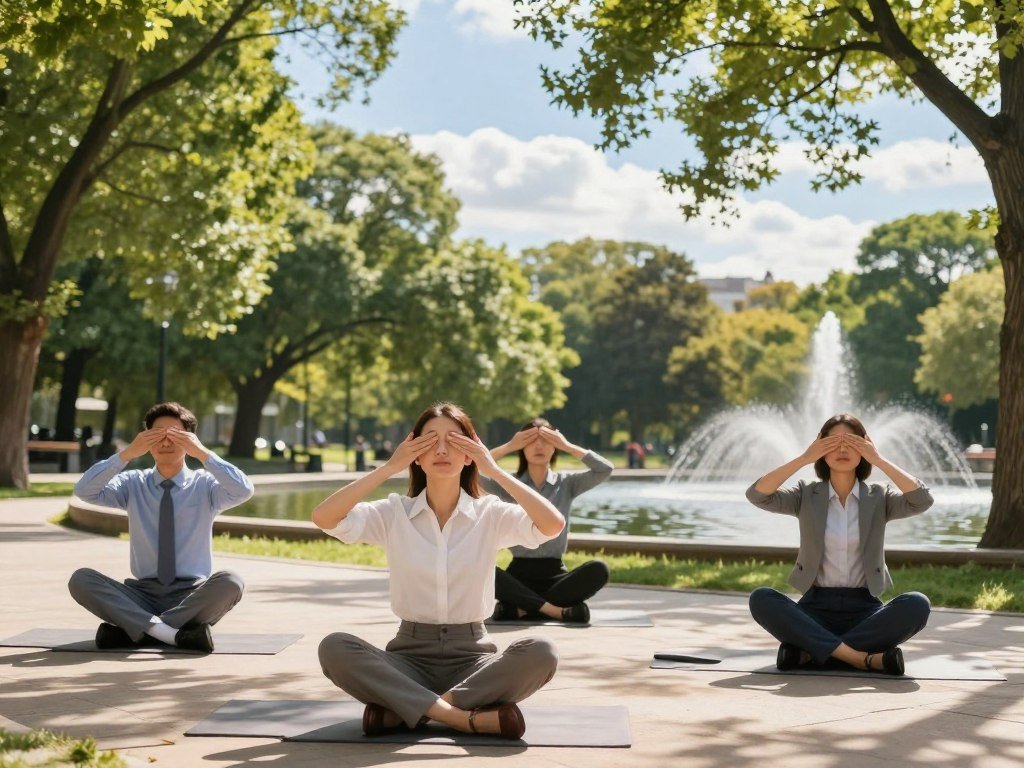
A micro-break is a brief, intentional pause taken during the workday to reset your cognitive state. Instead of scrolling through social media, these moments allow your brain to recover from intense concentration. True mental clarity often arrives when we step away from the screen and reconnect with our physical presence.
You can implement these quick relaxation methods by simply closing your eyes for sixty seconds. During this time, focus entirely on the sensation of your breath entering and leaving your body. This practice helps clear the mental clutter that accumulates during back-to-back conference calls.
“The greatest weapon against stress is our ability to choose one thought over another.”
Using Breathwork to Combat Afternoon Slumps
The dreaded afternoon slump often stems from a combination of mental fatigue and a drop in physiological alertness. Rather than reaching for another cup of coffee, try a rhythmic breathing exercise to stimulate your nervous system. This approach provides a natural energy boost that is both discreet and highly effective.
By regulating your intake of oxygen, you can signal to your body that it is time to shift from a state of tension to one of calm alertness. These quick relaxation methods are perfect for the office environment because they require no special equipment. You can perform them at your desk, in a quiet corner, or even in your car before a meeting.
| Break Type | Primary Benefit | Time Required |
|---|---|---|
| Standard Coffee Break | Social interaction | 10-15 Minutes |
| Digital Distraction | Temporary escape | 5-10 Minutes |
| Breathwork Session | Hormonal balance | 1-2 Minutes |
| Physical Stretching | Muscle tension relief | 3-5 Minutes |
Incorporating these stress relief techniques into your daily routine ensures that you remain resilient against the pressures of a demanding career. Consistency is the key to long-term success. Even on your busiest days, taking just one minute to breathe can make a significant difference in your overall mood and productivity.
Holistic Health Practices to Support Your Hormonal System
True vitality stems from a synergy of nutritional choices, restorative sleep, and intentional mental wellness practices. While light and breathwork provide immediate benefits, your endocrine system thrives when you integrate diverse holistic health practices into your daily routine. By adopting these habits, you create a robust framework that protects your health against the stressors of modern life.
Nutritional Foundations for Mood Stability
What you put on your plate directly influences your hormonal signaling and emotional resilience. A diet rich in whole, unprocessed foods provides the essential building blocks for neurotransmitter production. Focus on these key nutritional pillars to maintain steady energy throughout the day:
- Healthy Fats: Incorporate avocados, walnuts, and wild-caught salmon to support hormone synthesis.
- Complex Carbohydrates: Choose quinoa, sweet potatoes, and oats to prevent blood sugar spikes that trigger cortisol.
- Gut-Friendly Foods: Include fermented items like kimchi or yogurt to foster a healthy microbiome, which is vital for serotonin production.
Avoiding excessive sugar and refined stimulants is equally important for long-term mood stability. When your blood sugar remains stable, your body avoids the “fight or flight” response often caused by energy crashes.
The Connection Between Sleep Hygiene and Hormone Health
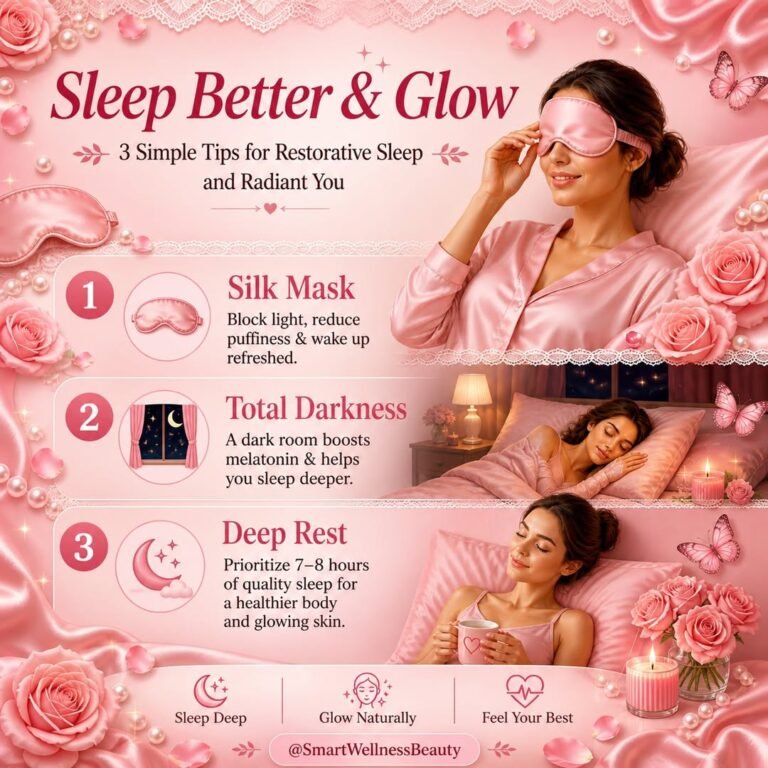
Sleep is the primary window for your body to repair and recalibrate its hormonal output. Poor sleep hygiene disrupts the delicate balance of melatonin and cortisol, leading to increased feelings of anxiety and fatigue. Establishing a consistent evening routine is one of the most effective mental wellness practices you can adopt.
Consider these strategies to improve your sleep quality and hormonal recovery:
- Consistent Timing: Go to bed and wake up at the same time every day to anchor your circadian rhythm.
- Digital Sunset: Turn off screens at least one hour before bed to allow natural melatonin production to begin.
- Cool Environment: Keep your bedroom temperature slightly lower to signal to your body that it is time for deep, restorative rest.
By prioritizing these holistic health practices, you provide your body with the necessary environment to thrive. Consistency in your nutrition and sleep habits will amplify the positive effects of your daily breathwork and light exposure.
Common Mistakes to Avoid During Sunlight Breathwork
Even the most beneficial wellness habits can become counterproductive if performed with the wrong technique. While sunlight breathwork is a powerful tool for your daily routine, it is essential to approach the practice with awareness. By identifying potential pitfalls early, you can ensure that your stress relief techniques remain both safe and effective.

Over-Breathing and Hyperventilation Risks
One of the most frequent errors beginners make is forcing the breath or breathing too rapidly. When you over-breathe, you may inadvertently trigger a stress response rather than a relaxation state. This can lead to hyperventilation, which often causes lightheadedness or tingling sensations.
Instead of pushing your lungs to their limit, focus on a gentle and rhythmic flow. Effective stress reduction strategies prioritize quality over quantity. Keep your breathing steady to maintain the delicate balance of oxygen and carbon dioxide in your system.
Ignoring Body Cues and Discomfort
Your body is the best guide for determining the intensity of your practice. If you feel any strain, tension, or dizziness, it is a clear signal to slow down or stop entirely. Ignoring these physical cues can lead to unnecessary fatigue and may discourage you from continuing your routine.
Always remember that stress reduction strategies should feel restorative, not like a chore. If you experience discomfort, take a moment to reset and return to your natural resting breath. By honoring your body’s limits, you build a sustainable foundation for long-term stress relief techniques that truly support your hormonal health.
Tracking Your Progress and Mood Improvements
You might be surprised by how quickly your body adapts when you start tracking your daily habits. By keeping a simple log, you can effectively boost mood and energy while staying motivated on your wellness journey.
Journaling Your Daily Energy Levels
Consistency is the secret ingredient to success. When you commit to mindfulness breathing exercises for just one week, you will likely notice significant internal shifts in your vitality.
Try to record your energy levels at the same time each day. Note whether you feel alert, sluggish, or balanced after your morning practice. Over time, these notes will reveal clear patterns that help you optimize your schedule.
Recognizing Subtle Shifts in Emotional Resilience
Beyond physical energy, pay attention to how you handle stress throughout the day. You may find that you react with more patience or clarity during challenging moments. These subtle shifts are strong indicators that your nervous system is finding a new, healthier baseline.
Tracking these emotional changes allows you to celebrate small wins. It reinforces the habit and encourages you to continue your practice to boost mood and energy consistently. Use the table below to organize your daily observations and stay on track.
| Day | Energy Level (1-10) | Mood State | Focus Quality |
|---|---|---|---|
| Monday | 5 | Neutral | Moderate |
| Wednesday | 7 | Positive | High |
| Friday | 8 | Optimistic | Excellent |
| Sunday | 9 | Calm | Stable |
Conclusion
Sunlight breathwork offers a simple way to harmonize your mood and hormones in just one minute each day. By making these mental wellness practices a core part of your morning, you build a lasting foundation for health and emotional resilience.
Consistency remains the key to unlocking the full potential of your body. These stress reduction strategies work best when you commit to them as part of your natural daily cycle. You will notice how small, intentional changes lead to significant improvements in your overall well-being.
Take a moment to observe how your energy shifts as you align your breath with the morning light. Your journey toward better hormonal balance starts with this single, powerful habit. Stay curious about your progress and keep listening to what your body needs to thrive.
FAQ
What exactly is sunlight breathwork: mood & hormone harmony in 1 min?
How does this practice provide such rapid stress relief techniques for busy professionals?
Can mindfulness breathing exercises really contribute to long-term hormonal balance?
What should I do if I cannot access direct sunlight during the winter months?
How can I track the effectiveness of these stress reduction strategies?
Are there other holistic health practices that complement sunlight breathwork?
🌸 Discover Weight Management Supplements That Works — Handpicked for You
Curated health & beauty essentials our readers trust — explore your new self-care favorites.



🌸 Discover Beauty That Works — Handpicked for You
Curated health & beauty essentials our readers trust — explore your new self-care favorites.


💖 Connect with SmartWellnessBeauty
Join our wellness & beauty community for daily inspiration, mindful living, and radiant self-care — follow us across your favorite platforms.


























 Smart Tools World

 SmartAIEarn

 SmartWellnessBeauty

 Smart Resource Vault

 TrendsOfReview

 SmartLivingJournal

 Holistic Yoga With Wellness