

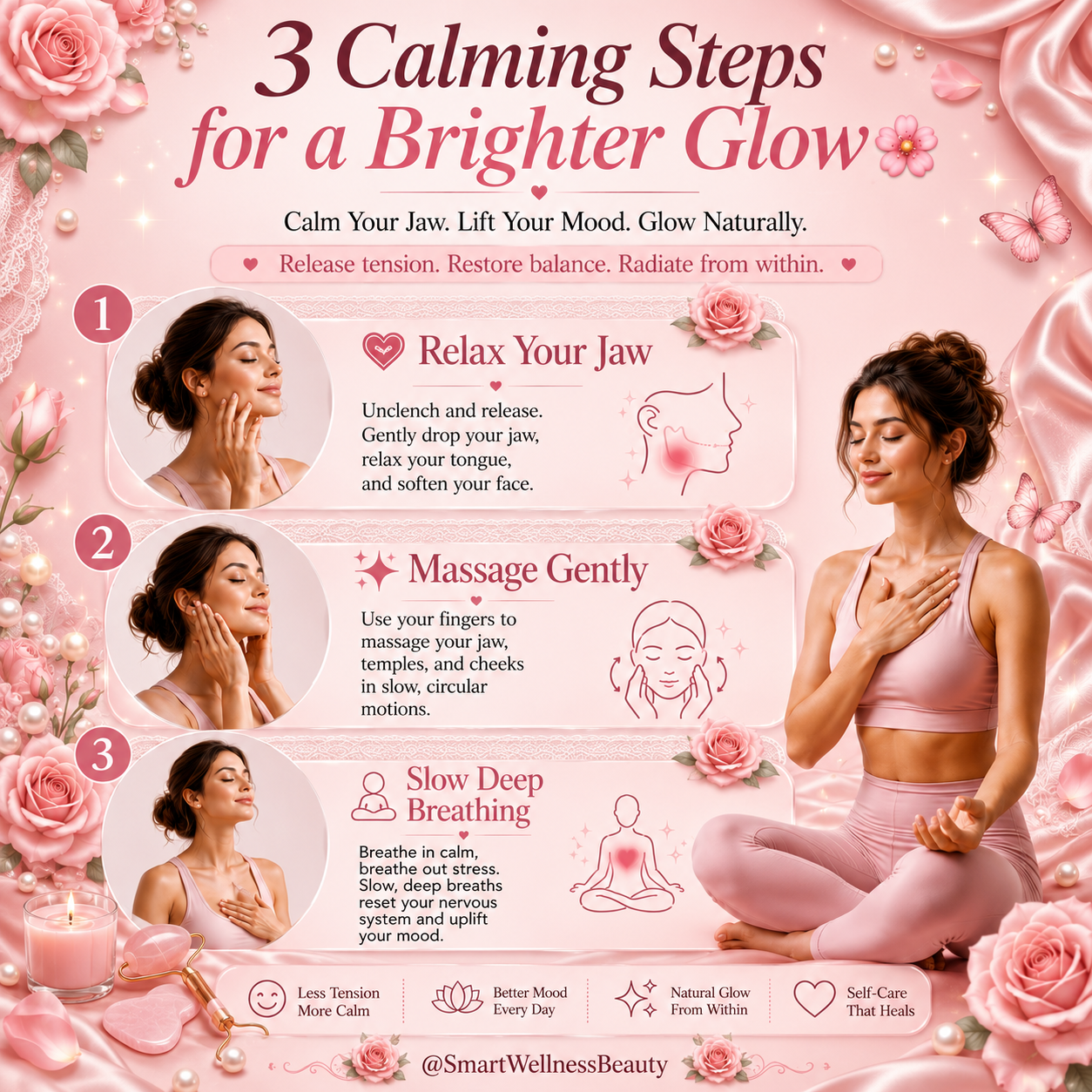
Did you know that nearly 70% of adults unknowingly clench their facial muscles throughout the day? This hidden habit often leads to discomfort and premature signs of aging that many people struggle to identify.
You might have noticed wellness influencers on Instagram sharing routines to help ease jaw tension. While these platforms require user authentication to view specific content, the underlying message remains clear: physical relaxation is vital.
Prioritizing your facial health is the first move toward achieving that radiant, youthful look you desire. By adopting simple daily habits, you can release stored stress and reveal your most confident self.
Key Takeaways
- Recognize that facial muscle clenching is a common source of hidden daily stress.
- Understand how social media wellness trends highlight the importance of facial relaxation.
- Learn that physical relief is essential to maintaining an authentic, youthful appearance.
- Discover how small, consistent habits lead to long-term improvements in your facial structure.
- Embrace the connection between mental well-being and your outward confidence.
Understanding the Connection Between Jaw Tension and Facial Radiance
Chronic jaw tension does more than cause discomfort; it actively changes the way your face appears to the world. When you hold stress in your masseter muscles, you create a cycle of constant contraction that can lead to a hardened, square jawline over time. This persistent tightness often restricts blood flow, which can leave your skin looking tired and lacking its natural glow.
Many people turn to platforms like Instagram to find wellness tips, yet they often miss the connection between muscle health and beauty. While social media provides a wealth of information, it is vital to remember that true jaw tension relief requires consistent, mindful practice rather than just a quick fix. By learning to soften these muscles, you allow your face to regain its natural, relaxed contours.
The impact of releasing this tension goes beyond simple comfort. When you prioritize jaw tension relief, you are investing in the long-term vitality of your facial structure. Consider these primary benefits of maintaining a relaxed jaw:
- Improved lymphatic drainage, which helps reduce puffiness around the lower face.
- A softer, more youthful appearance by preventing the “clenched” look.
- Enhanced blood circulation that promotes a brighter, healthier complexion.
Ultimately, your facial aesthetics are deeply tied to how you carry your stress. Incorporating jaw tension relief into your daily routine is a powerful way to reclaim your radiance. By staying informed and practicing gentle release techniques, you can effectively counteract the physical signs of daily pressure.
The Anatomy of Stress: Why We Clench Our Jaws
Stress does not just live in your mind; it physically anchors itself in your facial muscles. When we face pressure, our bodies trigger an ancient fight-or-flight response. This survival mechanism prepares us to react, often causing us to tighten our muscles involuntarily.
The primary muscles involved in this process are the masseter and the temporalis. These powerful muscles allow us to chew, but they also act as a storage unit for emotional and physical strain. Seeking jaw tension relief starts with recognizing that this tightness is a biological reaction to modern life.
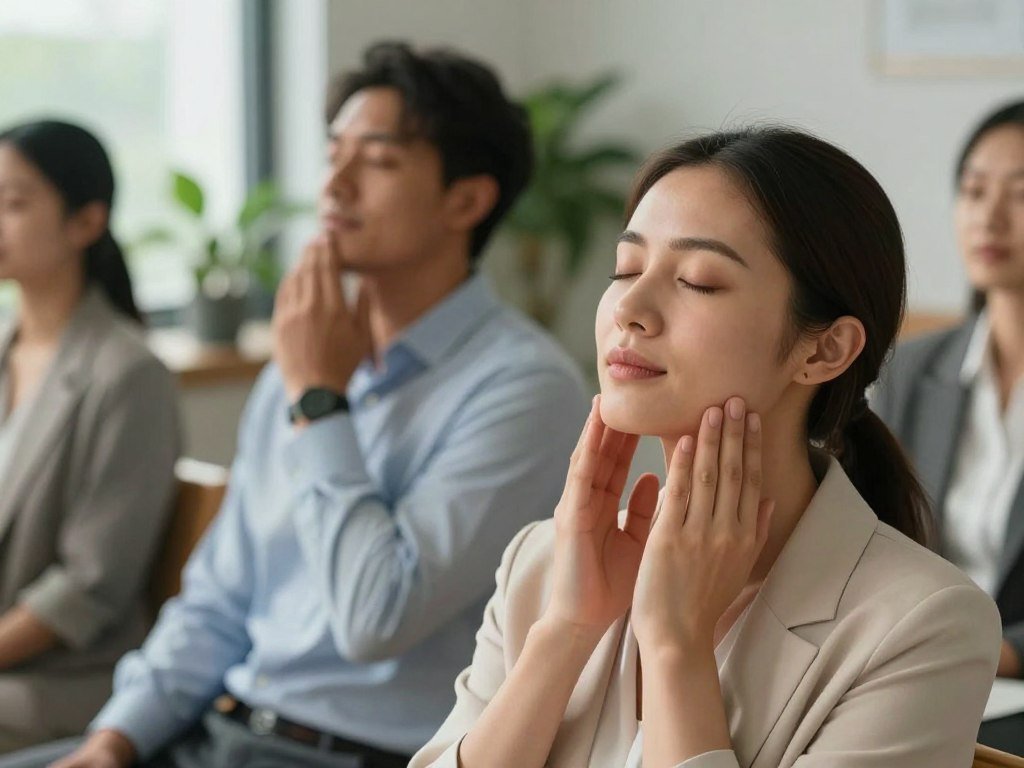
Modern habits often exacerbate this issue without us even realizing it. For instance, many people find themselves subconsciously clenching while focusing on screens or scrolling through social media platforms like Instagram. This constant state of low-level alertness keeps the jaw in a state of chronic contraction.
To break this cycle, it is helpful to identify the common triggers that lead to muscle tightness. Consider these factors that contribute to your daily stress load:
- Digital fatigue: Staring at devices for hours can lead to a forward-head posture that strains the jaw.
- Subconscious habits: Checking notifications or engaging with high-stimulation content can trigger a “brace” response.
- Emotional processing: Unresolved stress often manifests as a physical clenching of the teeth.
By acknowledging these patterns, you can begin your journey toward effective jaw tension relief. Understanding that your body is simply trying to protect you allows you to approach your self-care with more compassion. You have the power to retrain these muscles to let go of the day’s weight.
Step One: Mindful Awareness and Breathwork
Awareness is the quiet bridge between chronic clenching and a relaxed, glowing face. By choosing to observe your physical state, you begin the essential process of jaw tension relaxation. This foundational step requires no special equipment, only a willingness to check in with yourself throughout the day.
Identifying Triggers Throughout the Day
Many of us carry stress in our faces without even realizing it. You might find your teeth clenched while focusing on a difficult email or during a stressful commute. These moments are your primary triggers, and recognizing them is the first phase of effective jaw tension release exercises.
Try setting a gentle reminder on your phone to perform a quick body scan every few hours. When the alarm sounds, ask yourself: “Is my tongue resting on the roof of my mouth, or is it pressing against my teeth?” If you notice tightness, consciously drop your jaw and soften your facial muscles.
“Breath is the link between the mind and the body, serving as a natural anchor when the world feels overwhelming.”
Diaphragmatic Breathing for Systemic Relaxation
Once you identify a moment of tension, use your breath to reset your nervous system. Diaphragmatic breathing, often called belly breathing, signals your body to shift from a “fight or flight” state into a calm, restorative mode. This simple shift is vital for long-term jaw tension relaxation.
To practice, place one hand on your chest and the other on your belly. Inhale slowly through your nose, allowing your belly to expand while keeping your chest still. As you exhale, feel your jaw soften and release, making these jaw tension release exercises a seamless part of your daily routine.
Step Two: Targeted Self-Massage Techniques
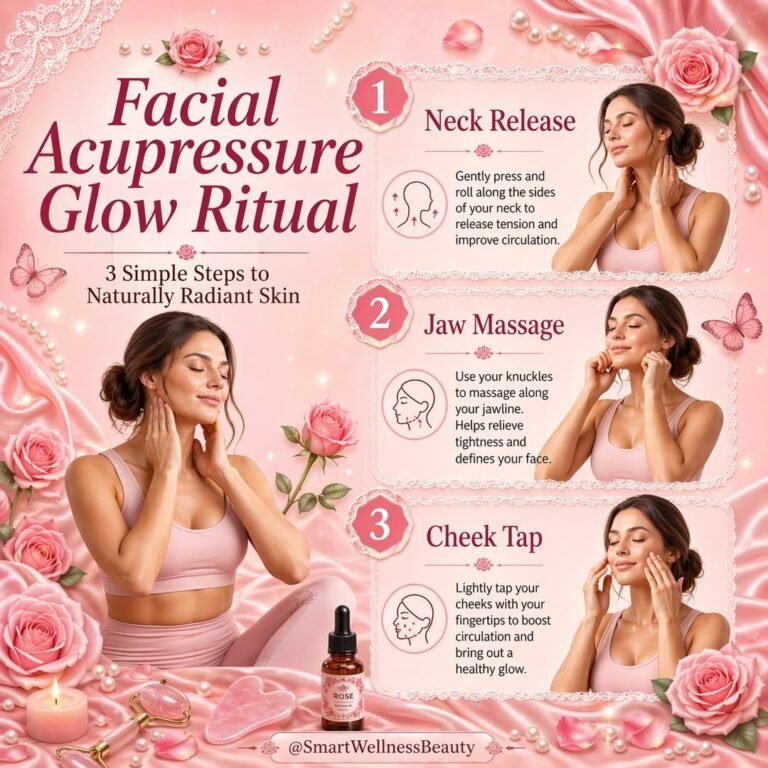
Your hands are the best tools for reducing jaw tension and restoring your natural glow. By applying gentle, intentional pressure, you can encourage your muscles to let go of the stress accumulated throughout the day. This practice is a vital step toward achieving lasting jaw tension relaxation.

Locating the Masseter Muscles
To begin, you must first identify the masseter muscles, which are the primary muscles used for chewing. Place your fingers on your cheeks, just below your cheekbones and in front of your ears. Clench your teeth slightly, and you will feel a firm muscle bulge outward under your fingertips.
Once you have located this area, relax your jaw completely. Use your index and middle fingers to apply steady, firm pressure in a small, controlled manner. Avoid pressing too hard, as the goal is to soothe the tissue rather than cause discomfort.
Gentle Circular Motion for Lymphatic Drainage
After softening the muscle, incorporate gentle circular motions to promote lymphatic drainage. This technique helps move stagnant fluid away from the jawline, which is excellent for reducing jaw tension and minimizing facial puffiness. Start at the center of your chin and slowly work your way toward your earlobes.
Maintain a light touch, as the lymphatic system responds best to subtle movements. This rhythmic motion not only aids in detoxification but also provides a calming effect on your nervous system. Consistent practice will help you maintain a more sculpted and refreshed appearance.
Using Gua Sha Tools for Deeper Release
For those seeking a deeper therapeutic release, a Gua Sha tool can be a game-changer. These smooth, stone tools allow you to apply consistent pressure across the jawline without tiring your fingers. Always use a facial oil to ensure the tool glides smoothly over your skin.
Hold the tool at a shallow angle and sweep it gently from your chin toward your ear. This motion helps to break up adhesions in the fascia and encourages blood flow to the area. It is a highly effective method for achieving deep jaw tension relaxation.
| Technique | Primary Benefit | Best For |
|---|---|---|
| Finger Massage | Muscle softening | Daily maintenance |
| Lymphatic Drainage | Reduced puffiness | Morning routine |
| Gua Sha | Deep tissue release | Weekly intensive care |
Step Three: Ease Jaw Tension with Daily Stretching
Movement is a powerful tool for unlocking the tension held deep within your jaw. While massage provides immediate relief, consistent movement patterns help prevent the buildup of stress in your facial muscles. By adopting these calming techniques for jaw tension, you can maintain long-term comfort and a more radiant appearance.
The Tongue-to-Roof Release Technique
The tongue-to-roof release is a simple yet highly effective way to disengage your jaw muscles instantly. To perform this, place the tip of your tongue against the roof of your mouth, just behind your front teeth. Gently apply light pressure while keeping your teeth slightly apart.
This position naturally encourages the jaw to drop and relax. It serves as a reset button for your facial muscles throughout the day. When you feel yourself clenching, take a moment to return to this neutral, resting state.
Neck and Shoulder Alignment Exercises
Your jaw does not exist in isolation; it is deeply connected to the alignment of your neck and shoulders. Poor posture often forces the jaw to compensate, leading to chronic tightness. Incorporating jaw tension release exercises that focus on the upper body can significantly improve your overall facial health.
True relaxation begins with the alignment of the spine, as the muscles of the neck and jaw are inextricably linked in their response to stress.
Try performing gentle neck tilts and shoulder rolls to release stored tension. By keeping your shoulders down and back, you reduce the strain placed on your temporomandibular joints. This holistic approach ensures that your jaw remains loose and comfortable.
Integrating Jaw Stretches into Your Morning Routine
Proactive care is the best way to prevent tension before your day even begins. By dedicating just five minutes each morning to these movements, you set a positive tone for your facial muscles. Consistency is the key to lasting results.
| Exercise Type | Primary Benefit | Daily Frequency |
|---|---|---|
| Tongue-to-Roof | Muscle Disengagement | As needed |
| Neck Tilts | Posture Correction | 3 times daily |
| Shoulder Rolls | Tension Release | Morning and Night |
Start your day by performing these jaw tension release exercises while looking in the mirror. This practice not only helps you monitor your progress but also encourages a mindful connection with your body. Over time, these small habits will lead to a noticeable improvement in your facial glow and comfort.
The Role of Hydration and Nutrition in Muscle Health
Beyond physical movements, what you eat and drink significantly impacts your muscle health. When your body lacks essential nutrients, muscles often become prone to spasms and chronic tightness. Integrating proper nutrition is one of the most effective calming techniques for jaw tension that you can practice daily.

Electrolytes like magnesium and potassium serve as the building blocks for healthy nerve signaling. Magnesium, in particular, acts as a natural muscle relaxant by helping to regulate nerve impulses. When you maintain adequate levels of these minerals, your jaw muscles are far less likely to lock up under stress.
Staying hydrated is equally vital for keeping your muscle tissues supple and resilient. Dehydration can cause tissues to become brittle, which often exacerbates the feeling of clenching. By drinking enough water throughout the day, you support the natural elasticity of your facial muscles.
Simple dietary adjustments can serve as powerful calming techniques for jaw tension when combined with your existing wellness routine. Focus on incorporating leafy greens, nuts, and seeds to boost your mineral intake naturally. These small, consistent changes provide the internal support your body needs to stay relaxed and pain-free.
Lifestyle Adjustments to Prevent Chronic Clenching
Preventing chronic clenching starts with small, intentional changes to your everyday routine. While immediate relief techniques are helpful, long-term jaw tension management requires a closer look at your environment. By adjusting how you move and rest, you can significantly lower the physical stress placed on your facial muscles.
Ergonomic Tips for Desk Workers
Many people unknowingly contribute to their own discomfort by maintaining poor posture during the workday. A common culprit is the “forward-head carriage,” where the neck leans toward the screen, forcing the jaw to compensate and tighten. Correcting your alignment is a vital step in reducing jaw tension throughout the day.
Ensure your monitor sits at eye level to keep your neck neutral and your spine straight. Keep your feet flat on the floor and your shoulders relaxed, rather than hunched toward your ears. These simple ergonomic shifts prevent the chain reaction of strain that often travels from your upper back directly into your jaw.
Sleep Hygiene and Nighttime Grinding Prevention
Nighttime grinding, or bruxism, often stems from high stress levels or poor sleep quality. Establishing a calming evening ritual helps signal to your body that it is time to release the day’s accumulated pressure. Prioritizing deep relaxation before bed is essential for effective jaw tension management.
Consider your pillow positioning to ensure your head and neck remain supported in a neutral alignment. If you find yourself waking up with a sore jaw, try incorporating gentle heat or light massage before you drift off. These consistent habits are key to reducing jaw tension and waking up feeling refreshed and pain-free.
How to Ease Jaw Tension: 3 Calming Steps for a Brighter Glow
Bringing harmony to your face is easier than you might think when you follow these three core steps. By learning how to ease jaw tension, you unlock a more vibrant and refreshed appearance. This simple routine helps you reclaim your natural glow through consistent, mindful practice.
First, prioritize mindful awareness to catch yourself clenching before it becomes a habit. Second, incorporate gentle massage to release stored stress in your facial muscles. Finally, use daily stretches to maintain flexibility and prevent future tightness.
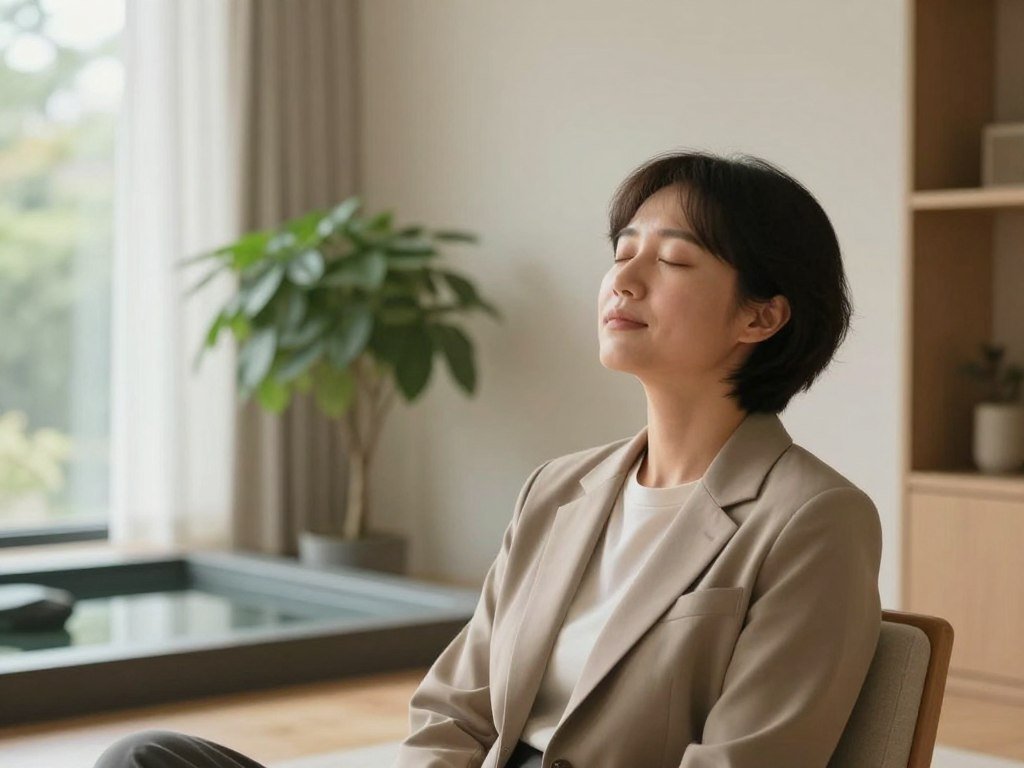
When you combine these techniques, you create a powerful defense against the physical signs of stress. It is important to remember that you have the tools to ease jaw tension right at your fingertips. Small, intentional movements throughout your day lead to significant improvements in your overall facial wellness.
Commit to this transformative journey with confidence and patience. As you integrate these habits, you will find it much easier to ease jaw tension and enjoy a brighter, more relaxed complexion every single day.
The Impact of Emotional Well-being on Facial Aesthetics
Chronic stress acts like an invisible sculptor, carving tension lines into your skin. When we hold onto anxiety, our facial muscles often tighten in response, which can lead to a tired or aged appearance. Effective jaw tension management is not just about physical relief; it is about addressing the emotional roots of that tightness.
Our faces are the primary canvas for our internal state. When we experience prolonged periods of worry, the body naturally enters a state of high alert. This constant state of vigilance causes us to clench our teeth and tighten our jaw, often without even realizing it. Over time, this emotional burden becomes etched into our features, dulling our natural radiance.
Fostering a positive mindset is a powerful tool for maintaining a glowing, relaxed face. By practicing emotional regulation, you can soften your expression and reduce the physical strain on your facial muscles. Integrating mindfulness into your daily life supports your jaw tension management efforts, allowing your true, vibrant self to shine through.
True beauty is deeply connected to how we feel on the inside. When you prioritize your mental health, you are actively investing in your physical aesthetics. Taking time to breathe and release emotional weight will help you maintain a softer, more youthful look that reflects your inner peace.
When to Seek Professional Help for TMJ Issues
Even with the best natural jaw tension remedies, some symptoms signal that it is time to see a specialist. While self-care is a powerful tool for daily comfort, it is important to recognize when your body requires professional intervention. Knowing your limits is a key part of maintaining long-term facial health.
If you notice persistent clicking, popping, or locking of the jaw, these may be signs of a deeper issue. You should also seek help if you experience chronic pain that does not improve with rest or gentle massage. These symptoms often indicate that the underlying structure of the joint needs expert evaluation.

Consulting with a dentist or a physical therapist is a proactive step toward recovery. These professionals can provide a formal diagnosis and create a treatment plan tailored to your specific needs. Relying on natural jaw tension remedies is excellent for prevention, but professional guidance ensures you are addressing the root cause of your discomfort.
| Symptom Type | Home Care Approach | Professional Intervention |
|---|---|---|
| Mild Stiffness | Daily stretching | Preventative check-up |
| Occasional Clicking | Mindful breathing | Diagnostic imaging |
| Locked Jaw | Not recommended | Urgent medical care |
| Chronic Pain | Heat therapy | Customized splinting |
Ultimately, taking charge of your health means knowing when to ask for help. By balancing home habits with expert advice, you can protect your jaw and maintain a brighter, pain-free glow. Do not hesitate to reach out to a professional if your symptoms persist or worsen over time.
Creating a Sustainable Self-Care Ritual
Building a lasting habit for your facial health requires more than just good intentions. Consistency serves as the primary engine for any successful wellness journey. When you commit to small, daily actions, you create a foundation for lasting physical comfort and a brighter appearance.
Integrating natural jaw tension remedies into your schedule does not have to feel like a chore. By anchoring these practices to existing habits, such as brushing your teeth or drinking your morning coffee, you ensure they become a seamless part of your day. This approach removes the friction that often leads to skipping important self-care moments.
Tracking your progress is a powerful way to stay motivated and see how far you have come. Consider keeping a simple journal or using a habit-tracking app to log your daily stretches and massage sessions. Seeing your streak grow provides a sense of accomplishment that encourages you to keep alleviating jaw tension every single day.
To maintain your momentum, focus on these essential strategies for long-term success:
- Set a specific time: Dedicate five minutes during your morning or evening routine exclusively to your jaw care.
- Create a relaxing environment: Use soft lighting or calming music to make your ritual feel like a treat rather than a task.
- Celebrate small wins: Acknowledge the days when you feel less tightness, as these victories build confidence in your routine.
- Stay flexible: If you miss a day, simply pick it back up the next morning without judgment.
By making self-care a non-negotiable habit, you protect your facial muscles from the cumulative effects of daily stress. Over time, these calming techniques will naturally support a more relaxed jaw and a radiant, healthy glow that reflects your inner well-being.
Conclusion
Your journey toward a softer, more relaxed appearance begins with small, intentional shifts in your daily habits. By prioritizing the health of your facial muscles, you invite a sense of calm that radiates from within.
Consistent practice remains the most effective path for alleviating jaw tension. Integrating mindful breathing, gentle massage, and targeted stretches creates a powerful foundation for long-term wellness. These simple habits work in harmony to release stored stress and restore your natural glow.
Commit to these techniques today to experience the physical and emotional benefits of a relaxed jaw. Your face reflects your inner state, so treat yourself with the care you deserve. Start your routine now and enjoy the lasting transformation that comes with a balanced, tension-free life.
FAQ
How can I start seeing immediate results for jaw tension relief?
What are the most effective calming techniques for jaw tension?
Can using a Gua Sha tool provide significant jaw tension relaxation?
Are there specific jaw tension release exercises I can do at my desk?
What are some natural jaw tension remedies I can try at home?
Why does stress specifically cause me to clench my masseter muscles?
When should I stop self-treating and seek professional help for TMJ issues?
How does emotional well-being impact my facial aesthetics?
Can sleep hygiene really help in alleviating jaw tension?
🌸 Discover Weight Management Supplements That Works — Handpicked for You
Curated health & beauty essentials our readers trust — explore your new self-care favorites.



🌸 Discover Beauty That Works — Handpicked for You
Curated health & beauty essentials our readers trust — explore your new self-care favorites.


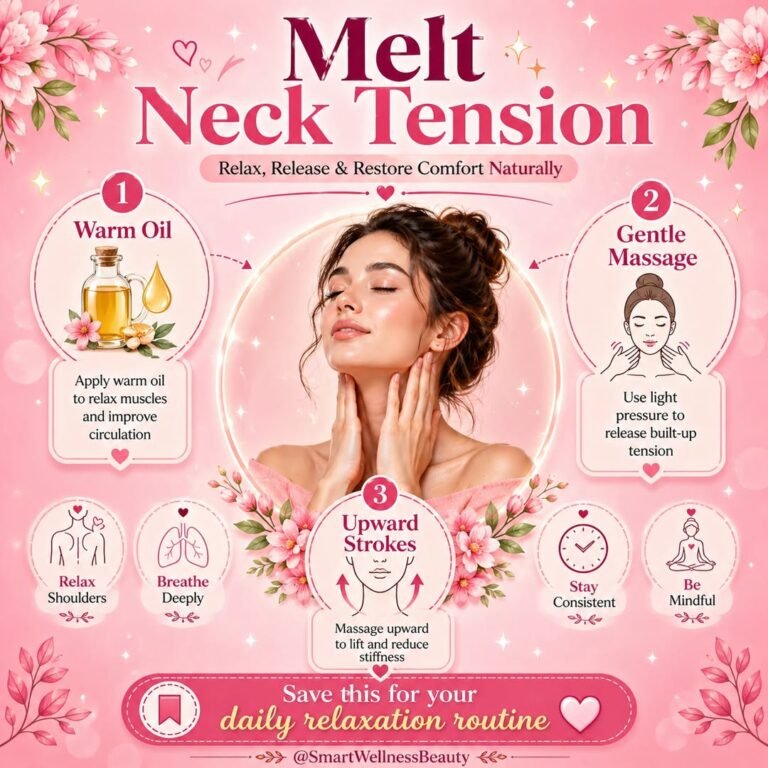
💖 Connect with SmartWellnessBeauty
Join our wellness & beauty community for daily inspiration, mindful living, and radiant self-care — follow us across your favorite platforms.
























 Smart Tools World

 SmartAIEarn

 SmartWellnessBeauty

 Smart Resource Vault

 TrendsOfReview

 SmartLivingJournal

 Holistic Yoga With Wellness