

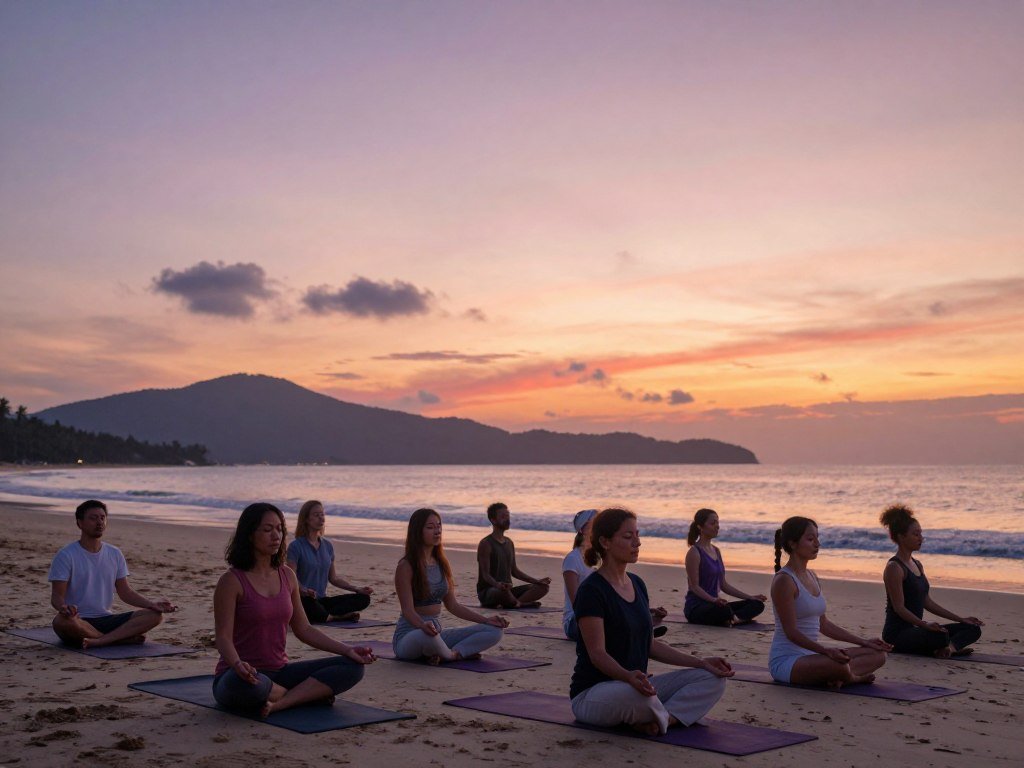
Did you know that nearly 70% of adults struggle to disconnect from their daily tasks before bed? This constant state of alertness keeps our bodies in a high-alert mode long after the sun goes down.
Engaging in sunset breathwork is a powerful way to signal to your nervous system that it is time to wind down. By focusing on intentional patterns, you can effectively release stress that has accumulated throughout your busy afternoon.
This nightly ritual helps balance hormones by lowering cortisol levels naturally. It serves as a gentle companion for anyone seeking to reclaim their peace of mind. Let’s explore how these simple techniques can transform your evening routine.
Key Takeaways
- Evening breathing aligns with natural body rhythms.
- Lowering cortisol improves sleep quality.
- Simple rituals create a mental transition.
- Consistent practice supports endocrine health.
- Intentional breathing fosters emotional calm.
The Science Behind Sunset Breathwork: Release Stress & Balance Hormones
Sunset breathwork offers a unique way to align your physiology with the natural transition of the day. By engaging in healing breathwork during the evening, you provide your body with the tools it needs to wind down effectively. This practice helps bridge the gap between a busy day and a restorative night of sleep.
Understanding the Circadian Rhythm and Cortisol
Your body operates on an internal clock known as the circadian rhythm. Ideally, cortisol levels should peak in the morning to help you wake up and gradually decline as the sun sets. However, modern stressors often cause an unnatural spike in cortisol during the evening hours.
When this hormone remains elevated, your body stays in a state of high alert. This prevents the natural release of melatonin, which is essential for deep, quality sleep. Utilizing sunset breathwork helps signal to your brain that it is time to lower these stress markers and prepare for rest.
How Conscious Breathing Influences the Autonomic Nervous System
Conscious breathing acts as a direct remote control for your autonomic nervous system. When you are stressed, your body defaults to the sympathetic state, often called the “fight or flight” mode. Through healing breathwork, you can manually trigger the parasympathetic nervous system, also known as the “rest and digest” mode.
This shift is not just a feeling; it is a measurable change in your internal chemistry. By slowing your exhale, you stimulate the vagus nerve, which lowers your heart rate and blood pressure. The following table illustrates how these two states differ during your evening transition.
| Feature | Sympathetic State | Parasympathetic State |
|---|---|---|
| Heart Rate | Elevated | Calm and Steady |
| Cortisol Levels | High | Low |
| Primary Goal | Survival | Restoration |
| Breath Pattern | Shallow/Rapid | Deep/Slow |
By practicing these techniques, you move away from the chaos of the day. Consistent sunset breathwork allows you to reclaim your evening and support your long-term hormonal health.
The Physiological Connection Between Breath and Hormonal Health
The way you breathe every evening can either fuel your stress or help you find deep, restorative balance. Your respiratory system acts as a direct bridge between your conscious mind and your internal chemical environment. By mastering this connection, you can effectively release stress and reclaim your vitality.
Impact of Chronic Stress on Endocrine Function
When you live in a state of constant tension, your endocrine system remains on high alert. Prolonged elevation of cortisol, the primary stress hormone, eventually leads to adrenal fatigue. This state creates systemic imbalances that negatively affect your mood, sleep quality, and energy levels.
Chronic stress essentially forces your body to prioritize survival over maintenance. Over time, this makes it difficult to balance hormones naturally. The following table illustrates how different states of the nervous system impact your internal chemistry.
| Body State | Cortisol Level | Hormonal Impact |
|---|---|---|
| Chronic Stress | High/Persistent | Suppressed Recovery |
| Balanced State | Regulated | Optimal Repair |
| Deep Relaxation | Low/Baseline | Hormonal Equilibrium |
Regulating Adrenal Output Through Controlled Exhalation
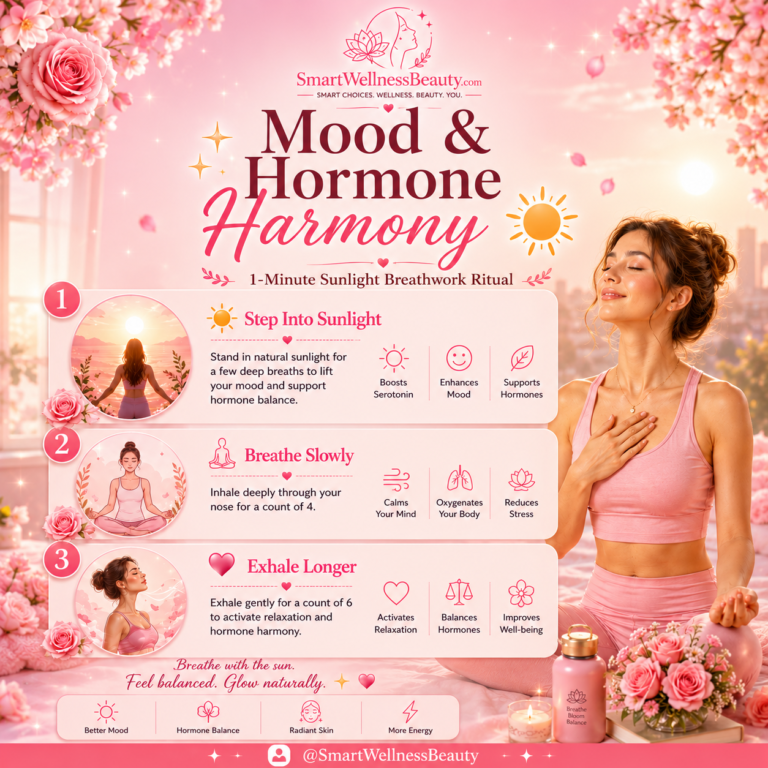
You can manually down-regulate your adrenal output by focusing on the length of your exhalation. When you exhale longer than you inhale, you signal your parasympathetic nervous system to take control. This simple shift provides your body with a much-needed recovery period after a long day.
“The breath is the anchor of the soul, a bridge between the physical body and the unseen forces that govern our well-being.”
By practicing this technique, you learn to release stress on command. This consistent practice is essential to balance hormones and maintain long-term health. Remember that your breath is a powerful tool for internal regulation that is always available to you.
Preparing Your Sacred Space for Evening Practice
When you curate a specific space for your evening rituals, you signal to your nervous system that it is time to let go. Establishing a dedicated sanctuary for your relaxation technique is the first step toward lasting calm. By removing external clutter, you create a mental boundary between the demands of the day and your personal time for restoration.
Creating a Calming Environment at Sunset
The transition from daylight to dusk offers a natural window to shift your internal state. You should aim to minimize noise and digital interruptions to foster a profound sense of safety. When your environment feels secure, your body naturally lowers its guard, making it easier to engage in your chosen relaxation technique.
Consider choosing a corner of your home that remains quiet during the evening hours. Even a small, dedicated area can serve as a powerful anchor for your practice. Consistency in location helps your brain recognize that it is time to shift gears and prioritize your hormonal health.
The Role of Lighting and Sensory Cues
Lighting significantly influences your circadian rhythm and overall mood. Opt for warm, dim lamps or candles to mimic the natural sunset glow, which helps reduce cortisol levels. Harsh overhead lights can disrupt your body’s ability to prepare for sleep, so prioritize soft, ambient illumination.
Incorporating sensory cues can further deepen your experience and make your relaxation technique more effective. Using calming essential oils like lavender or chamomile can act as a gentle trigger for your senses. Soft textures, such as a weighted blanket or a comfortable cushion, provide physical comfort that supports emotional release.
| Element | Recommended Choice | Benefit |
|---|---|---|
| Lighting | Warm, dim lamps | Reduces cortisol production |
| Aromatherapy | Lavender or cedarwood | Promotes nervous system calm |
| Comfort | Weighted blankets | Provides grounding sensation |
| Sound | Soft ambient music | Masks external distractions |
By intentionally preparing your environment, you make it significantly easier to commit to your daily relaxation technique. These small adjustments create a supportive container for your health journey. When you invest time in your surroundings, you are truly investing in your long-term well-being.
Foundational Techniques for Natural Stress Relief
Finding effective natural stress relief does not require expensive equipment or hours of free time. By mastering a few simple patterns, you can signal to your body that it is time to transition from the busyness of the day into a state of restorative calm. These methods serve as the essential building blocks for anyone looking to improve their evening wellness routine.
Diaphragmatic Breathing for Deep Relaxation
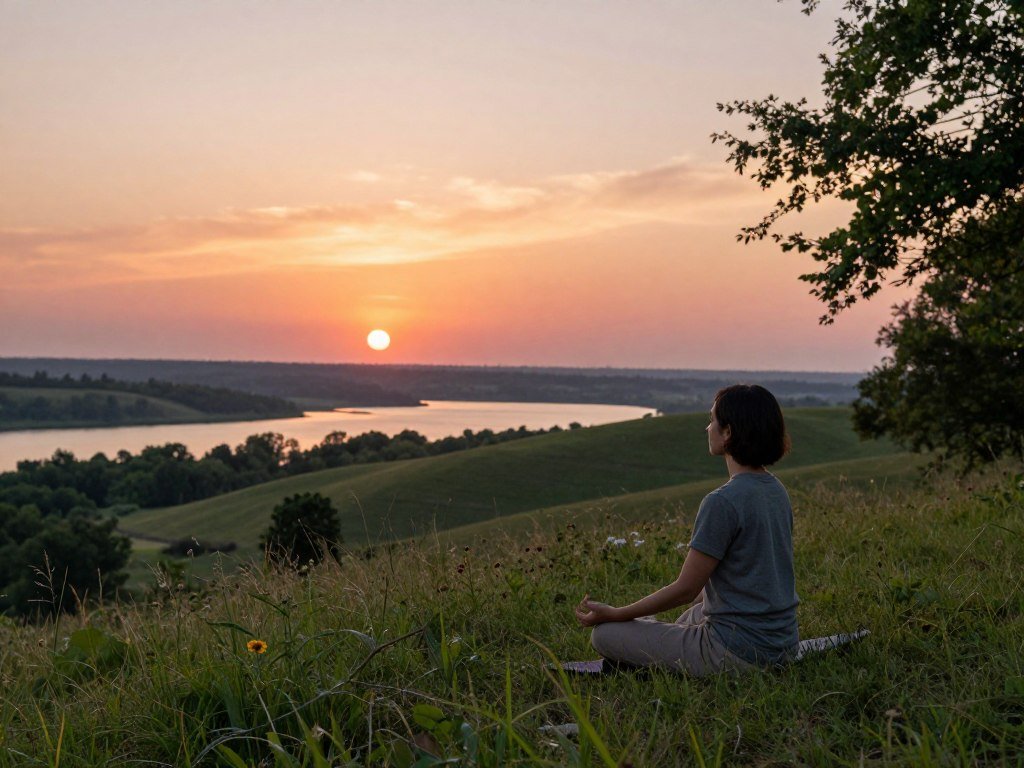
Diaphragmatic breathing, often called belly breathing, is a highly effective relaxation technique that engages your full lung capacity. By focusing on expanding your abdomen rather than your chest, you encourage the vagus nerve to activate the body’s parasympathetic nervous system. This shift helps lower your heart rate and reduces the physical tension that accumulates throughout a long day.
To practice this, place one hand on your chest and the other on your belly. Inhale slowly through your nose, feeling your stomach rise while your chest remains relatively still. Exhale gently through pursed lips, allowing your belly to fall naturally as you release all the air from your lungs.
The 4-7-8 Technique for Nervous System Reset
When your mind feels restless or overwhelmed, the 4-7-8 method acts as a powerful nervous system reset. This rhythmic pattern forces you to slow down your breathing, which helps quiet internal chatter and prepares your body for deep, restful sleep. It is a perfect relaxation technique to incorporate into your nightly wind-down ritual.
Follow these steps to perform the cycle correctly:
- Inhale quietly through your nose for a count of 4.
- Hold your breath gently for a count of 7.
- Exhale completely through your mouth, making a whooshing sound, for a count of 8.
Repeat this cycle up to four times to experience the full benefits of this natural stress relief practice. Consistency is key, so try to perform these cycles at the same time each evening to help your body recognize the cue for rest.
Advanced Mindfulness Practice for Hormonal Equilibrium
Moving beyond foundational breathwork allows you to refine your internal state with greater precision. As you become more comfortable with your evening routine, incorporating an advanced mindfulness practice can help you achieve deeper levels of relaxation. These techniques are specifically designed to support your body’s natural ability to maintain hormonal balance after a long day.
Box Breathing to Stabilize Mood
Box breathing is a rhythmic technique often used by high-performance individuals to maintain composure under pressure. By inhaling, holding, exhaling, and holding again for equal counts of four, you create a predictable pattern that signals safety to your nervous system. This mindfulness practice is highly effective for stabilizing your mood when you feel overwhelmed or scattered.
To begin, sit comfortably and clear your mind. Inhale through your nose for four seconds, hold for four, exhale for four, and hold the empty lungs for four. This cycle helps to regulate cortisol levels and brings a sense of immediate calm to your evening.
Alternate Nostril Breathing for Hemispheric Balance
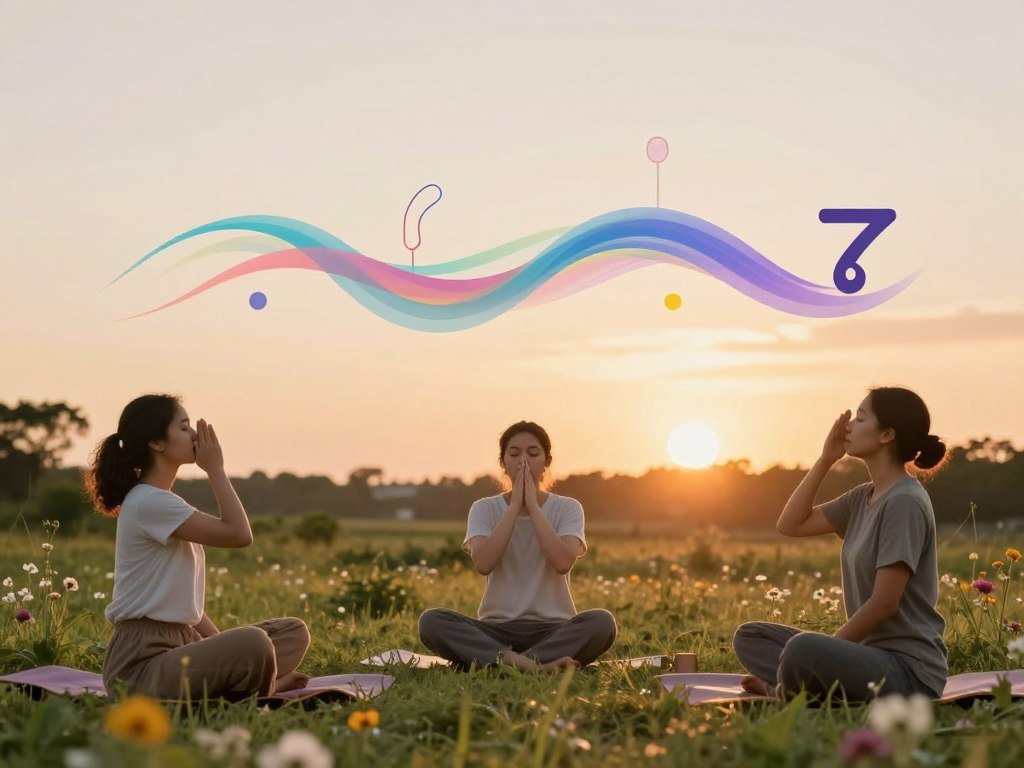
Alternate nostril breathing, or Nadi Shodhana, is an ancient technique that promotes harmony between the left and right hemispheres of the brain. By gently closing one nostril at a time, you encourage a balanced flow of energy throughout your body. This specific mindfulness practice is excellent for clearing mental fog and preparing your mind for restful sleep.
Focus on slow, steady breaths as you alternate sides. You will likely notice a shift in your mental clarity and a reduction in racing thoughts. Consistent application of this mindfulness practice serves as a powerful tool for long-term hormonal equilibrium.
| Technique | Primary Benefit | Difficulty Level |
|---|---|---|
| Box Breathing | Mood Stabilization | Beginner-Friendly |
| Alternate Nostril | Hemispheric Balance | Intermediate |
| Diaphragmatic | Deep Relaxation | Foundational |
Integrating Sunset Breathwork into Your Daily Routine
Transforming your health starts with the small, consistent choices you make as the sun begins to set. When you commit to a regular mindfulness practice, you provide your body with the stability it needs to regulate hormones effectively. Consistency acts as the foundation for long-term physiological change.
Consistency and the Power of Habit Stacking
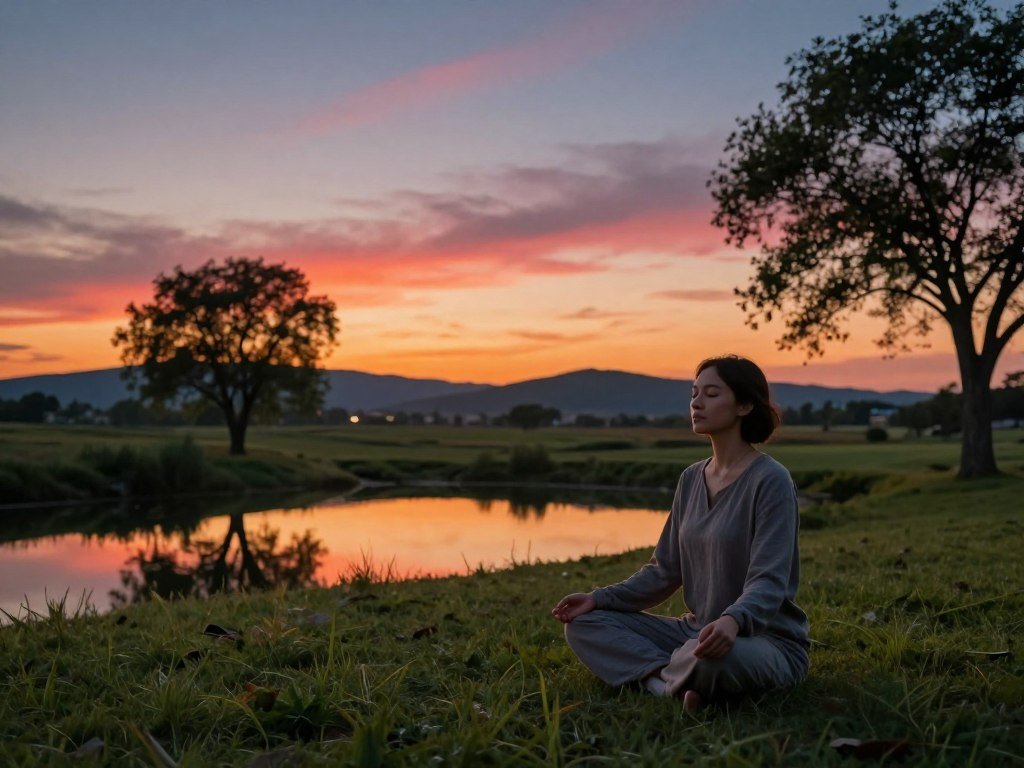
The most effective way to ensure you never miss a session is through the strategy of habit stacking. By anchoring your sunset breathwork to an existing evening activity, you remove the need for extra willpower. For example, you might choose to practice immediately after brushing your teeth or while winding down with a book.
Linking your new routine to a familiar trigger creates a seamless transition into relaxation. This approach turns a conscious effort into an automatic part of your evening. Over time, your nervous system will begin to anticipate this calm period, making it easier to enter a state of rest.
Overcoming Common Barriers to Evening Practice
It is natural to face obstacles like mental fatigue or a busy schedule when trying to start something new. If you feel too tired to sit for a long session, remember that even five minutes of focused breathing can provide significant benefits. You do not need a perfect environment to reap the rewards of your mindfulness practice.
If time is your biggest hurdle, try setting a gentle alarm on your phone to signal the start of your sunset breathwork. This simple cue helps you prioritize your well-being before the day slips away. By making this time a non-negotiable appointment with yourself, you protect your hormonal health and ensure a more restful night.
Nutritional and Lifestyle Synergy for Hormone Balancing Exercise
You can amplify the benefits of your practice by making small, intentional adjustments to your evening nutrition and environment. While breathwork serves as a powerful tool for natural stress relief, its effectiveness is deeply tied to how you treat your body throughout the day. Creating a holistic routine ensures that your internal systems remain calm and receptive to change.
Supporting Breathwork with Evening Nutrition
What you consume in the hours leading up to your practice significantly impacts your endocrine system. Avoiding heavy stimulants like caffeine or high-sugar snacks is essential to prevent unwanted cortisol spikes. These spikes can easily counteract the calming effects of your hormone balancing exercise, keeping your body in a state of high alert when it should be winding down.
Instead, focus on nutrient-dense options that support stable blood sugar levels. Choosing complex carbohydrates or magnesium-rich foods can help signal to your nervous system that it is time to rest. This nutritional foundation provides the necessary support for your body to recover effectively.
The Importance of Digital Detox Before Bedtime
Modern technology often acts as a barrier to the deep relaxation required for hormonal health. Exposure to blue light from smartphones and laptops suppresses melatonin production, which is vital for your sleep-wake cycle. By committing to a digital detox, you allow your brain to transition naturally into a state of natural stress relief.
Establishing a screen-free window before bed helps maintain the equilibrium you worked so hard to achieve during your breathing sessions. This simple lifestyle shift protects your circadian rhythm and ensures your body remains primed for restoration. Consider the following comparison to optimize your evening habits:
| Habit Category | Supportive Choice | Disruptive Choice |
|---|---|---|
| Evening Snack | Herbal tea or almonds | Sugary treats or soda |
| Digital Usage | Reading a physical book | Scrolling social media |
| Environment | Dim, warm lighting | Bright overhead LEDs |
Tracking Your Progress and Physiological Shifts
Keeping a record of your evening practice helps you unlock the secrets to your own physical well-being. When you commit to a hormone balancing exercise, observing how your body reacts is just as important as the practice itself. By documenting your journey, you create a roadmap that highlights your personal growth and success.

Journaling Your Emotional and Physical State
Start by keeping a simple notebook or a digital log near your meditation space. Each evening, take two minutes to write down how you feel before and after your breathing session. Note any tension in your shoulders or the speed of your thoughts as you begin.
Tracking these details allows you to identify patterns that might otherwise go unnoticed. You might find that specific techniques help you release stress faster on busy days. Over time, this data becomes a powerful tool for refining your approach to wellness.
Recognizing Signs of Improved Hormonal Balance
As you continue your practice, you will likely notice subtle shifts in your daily life. One of the first signs that you are beginning to balance hormones effectively is a noticeable improvement in your sleep quality. You may find it easier to fall asleep and wake up feeling more refreshed.
Another indicator is a sense of stable moods throughout the day, even when faced with challenges. You might also experience a steady increase in your energy levels, avoiding the typical afternoon slump. These positive changes serve as clear evidence that your body is finding its natural equilibrium.
Remember that every person responds differently to these practices. Stay patient with yourself as you learn to balance hormones through consistent effort. Celebrating these small victories will keep you motivated to maintain your healthy habits for the long term.
Safety Considerations and Best Practices
Approaching your evening routine with mindfulness ensures that your path to balance remains both gentle and sustainable. While healing breathwork is a natural and effective way to support your well-being, it is essential to honor your physical limits. By staying present and attentive, you can enjoy the benefits of your practice without unnecessary strain.
Listening to Your Body During Breath Retention
Breath retention is a powerful component of many routines, but it should never feel forced or uncomfortable. If you notice feelings of lightheadedness, dizziness, or tension, gently return to your natural breathing rhythm immediately. Your body provides subtle cues when it needs to release a hold, and learning to trust these signals is a vital part of your growth.
To maintain a safe and effective hormone balancing exercise, consider these guidelines:
- Always practice in a comfortable, seated, or lying position.
- Never push your breath hold beyond what feels easy and relaxed.
- Stop immediately if you experience any sharp pain or sudden discomfort.
- Focus on a soft, relaxed belly rather than straining your chest or neck.
When to Consult a Healthcare Professional
While most people can safely engage in these practices, certain health profiles require extra caution. If you have pre-existing respiratory or cardiovascular conditions, it is wise to speak with your doctor before starting a new regimen. A professional can provide personalized advice to ensure your healing breathwork aligns with your specific health needs.
| Condition Type | Safety Focus | Action Required |
|---|---|---|
| Respiratory Issues | Airway comfort | Consult your physician |
| Cardiovascular Health | Heart rate stability | Seek medical guidance |
| General Wellness | Mindful awareness | Listen to your body |
Prioritizing safety ensures that your hormone balancing exercise remains a positive and sustainable part of your life. By staying informed and listening to your body, you create a foundation for long-term success and inner peace.
Conclusion
Sunset breathwork offers a simple yet profound way to reclaim your health in an increasingly fast-paced world. By consistently applying these techniques, you can effectively manage stress, support your endocrine system, and foster a deeper sense of inner peace.
Start small to build lasting change. Dedicate just a few minutes each evening to quiet your mind and regulate your nervous system. Consistency turns these moments into a powerful tool for long-term wellness.
Listen to your body as you embark on this journey toward better hormonal balance. Your physical and emotional state will guide you toward the specific rhythms that serve your needs best. Pay attention to the subtle shifts in your energy levels and mood as you embrace this practice.
Make your evening practice a cherished ritual that restores your vitality every single day. Share your experiences with friends or family to build a supportive community around these healthy habits. Your commitment to this path creates a foundation for a more balanced and vibrant life.
FAQ
What exactly is sunset breathwork and how does it help me release stress?
Can a simple breathing routine really help to balance hormones?
What is the most effective relaxation technique for beginners?
How does the circadian rhythm influence the effectiveness of this mindfulness practice?
Are there specific breathing exercises to help stabilize mood swings?
How can I integrate sunset breathwork into a busy evening schedule?
Should I change my diet to support these hormone-balancing exercises?
When should I see a professional regarding my hormonal health?
🌸 Discover Weight Management Supplements That Works — Handpicked for You
Curated health & beauty essentials our readers trust — explore your new self-care favorites.



🌸 Discover Beauty That Works — Handpicked for You
Curated health & beauty essentials our readers trust — explore your new self-care favorites.


💖 Connect with SmartWellnessBeauty
Join our wellness & beauty community for daily inspiration, mindful living, and radiant self-care — follow us across your favorite platforms.






















 Smart Tools World

 SmartAIEarn

 SmartWellnessBeauty

 Smart Resource Vault

 TrendsOfReview

 SmartLivingJournal
 Holistic Yoga With Wellness