


Did you know that intentional deep breathing can alter your heart rate and immune response in under three minutes? This simple act is a scientifically proven tool for managing stress and reclaiming your internal rhythm.
By focusing on your inhalation and exhalation, you can shift your body from a state of high tension to one of calm. Utilizing morning breaths: energize & balance hormones fast helps you reset your physiology before the day begins.
Consistency is the secret to unlocking these profound physiological shifts. Dedicating just a few minutes each day allows you to influence your endocrine system and set a positive tone for your wellness journey.
Key Takeaways
- Deep breathing acts as a powerful, natural stress reliever for the body.
- Intentional air patterns directly impact your heart, brain, and immune system.
- You can shift your internal state from stress to stability in minutes.
- Regular practice supports the endocrine system and improves daily vitality.
- Mastering these techniques provides a foundation for long-term health.
The Science Behind Breathwork and Hormone Regulation
Your body possesses an internal chemistry set that responds instantly to the rhythm of your breathing. By shifting how you inhale and exhale, you send direct signals to your brain that can alter your physiological state. This process is a foundational element of effective hormone regulation techniques that anyone can practice at home.
How Breathing Patterns Influence the Endocrine System
The endocrine system acts as a complex communication network, and your breath serves as a primary messenger. When you experience stress, your hypothalamus acts as a command center, releasing corticotropin-releasing hormone (CRH). This hormone triggers a cascade of events that prepares your body for immediate action.
Conscious breathing helps you regain control over this automatic response. By slowing your respiratory rate, you signal to the hypothalamus that you are safe. This simple shift is a powerful tool for breathwork for hormone balance, allowing you to calm the endocrine system before your day even begins.
The Connection Between Cortisol and Morning Energy
Cortisol is often misunderstood as purely negative, but it is essential for your morning wake-up cycle. However, when stress levels remain high, this hormone can become imbalanced, leading to feelings of exhaustion or anxiety. Learning to manage this output is key to maintaining steady energy throughout the day.
If you start your morning in a state of “fight or flight,” your body produces excess cortisol. Utilizing specific hormone regulation techniques allows you to dampen this spike and find a more stable baseline. Consistent breathwork for hormone balance helps you avoid the cycle of morning stress, ensuring your hormones support your vitality rather than draining it.
Morning Breaths: Energize & Balance Hormones Fast
The early morning hours offer a unique window to reset your endocrine system through breath. By engaging in slow, deep breathing, you stimulate the parasympathetic nervous system, which acts as a natural brake on the stress response. This simple shift allows you to approach your day with calm rather than reactive tension.

Why Morning is the Optimal Time for Hormonal Reset
Your body naturally experiences a cortisol spike upon waking, which prepares you for the day ahead. Implementing morning breath techniques during this transition helps regulate that surge, preventing the “fight or flight” mode from taking over too early. This proactive approach ensures your hormonal baseline remains stable throughout the morning.
The primary morning breathwork benefits include heightened mental clarity and a significant reduction in daily anxiety. When you dedicate time to this practice, you are essentially training your nervous system to prioritize balance. This consistency is key to feeling energized and focused without relying solely on stimulants like caffeine.
Preparing Your Body for Conscious Breathing
To get the most out of your practice, you must create a supportive environment. Find a quiet, comfortable space where you can sit upright with your spine aligned. This physical posture allows your diaphragm to move freely, which is essential for deep, restorative breathing.
Before you begin, take a moment to set a clear intention for your session. Connecting with your breath in a calm, intentional way prepares your mind for the day’s challenges. By prioritizing these morning breath techniques, you establish a foundation of wellness that supports your long-term hormonal health.
Diaphragmatic Breathing for Adrenal Support
Diaphragmatic breathing serves as a foundational pillar for anyone looking to master their internal chemistry. By engaging the diaphragm, you shift your body from a state of constant “fight or flight” into a restorative mode. This practice is widely considered one of the most effective hormone balancing exercises available today.
When you breathe deeply into your belly, you improve oxygen exchange throughout your entire system. This process helps in balancing hormones naturally by signaling to your brain that you are safe. As your nervous system calms, your adrenal glands can finally stop overproducing stress hormones.
Technique for Deep Belly Breathing
To begin, find a comfortable seated position or lie flat on your back. Place one hand on your chest and the other on your abdomen. Inhale slowly through your nose, focusing on expanding your belly while keeping your chest relatively still.
Exhale gently through pursed lips, feeling your abdomen deflate as you release the air. Repeat this cycle for five to ten minutes each morning. This simple routine is a powerful way to start your day with intention and physical stability.
“Breath is the bridge which connects life to consciousness, which unites your body to your thoughts.”
Benefits for Long-Term Stress Management
Consistent practice of deep breathing helps prevent the exhaustion often associated with chronic tension. By training your body to remain calm, you protect your adrenal health over the long term. This is a key strategy for those interested in balancing hormones naturally through sustainable habits.
The following table highlights the physiological differences between shallow chest breathing and deep diaphragmatic breathing:
| Feature | Shallow Breathing | Deep Belly Breathing |
|---|---|---|
| Oxygen Intake | Minimal | Optimal |
| Nervous System | Sympathetic (Stress) | Parasympathetic (Rest) |
| Adrenal Impact | Increases Cortisol | Lowers Cortisol |
| Mental Clarity | Foggy/Anxious | Focused/Calm |
Incorporating these hormone balancing exercises into your daily life creates a buffer against modern stressors. Over time, you will notice a significant shift in your overall energy and emotional resilience.
Alternate Nostril Breathing to Harmonize Brain Hemispheres
If you want to harmonize your brain hemispheres, look no further than the ancient art of alternate nostril breathing. This practice, known as Nadi Shodhana, is one of the most effective morning breath techniques for clearing mental fog. By alternating the flow of air between your nostrils, you encourage a state of calm alertness that prepares your mind for complex decision-making.
Integrating these energizing breathing exercises into your daily routine helps you feel centered and ready to tackle your goals. It acts as a gentle reset button for your cognitive functions, allowing you to start your day with a clear perspective.

Step-by-Step Guide to Nadi Shodhana
To begin this practice, find a comfortable seated position with your spine tall and relaxed. You will use your right hand to guide the airflow, keeping your movements smooth and intentional.
- Close your right nostril with your right thumb and inhale slowly through your left nostril.
- Pause briefly at the top of your breath, then close your left nostril with your ring finger.
- Release your thumb and exhale fully through your right nostril.
- Inhale through the right nostril, close it, and exhale through the left to complete one full cycle.
Repeat this process for five to ten minutes to experience the full benefits. Consistency is key when using these morning breath techniques to improve your mental focus over time.
Impact on Nervous System Equilibrium
The rhythmic nature of Nadi Shodhana has a profound effect on your autonomic nervous system. By slowing down your respiratory rate, you signal to your body that it is safe to transition from a state of stress to one of calm equilibrium.
These energizing breathing exercises help balance the sympathetic and parasympathetic branches of your nervous system. This balance is essential for maintaining steady energy levels throughout the morning. When your nervous system is in harmony, you are less likely to experience the mid-morning crashes that often follow high-stress starts.
Box Breathing for Sustained Morning Focus
When your mind feels scattered in the morning, this simple four-part breathing technique can help you regain control. Often used by Navy SEALs to maintain composure under extreme pressure, this method is a powerful way to lower blood pressure and steady your nerves. By incorporating this into your daily routine, you can unlock significant morning breathwork benefits that carry you through your most demanding tasks.
The Four-Phase Breathing Cycle
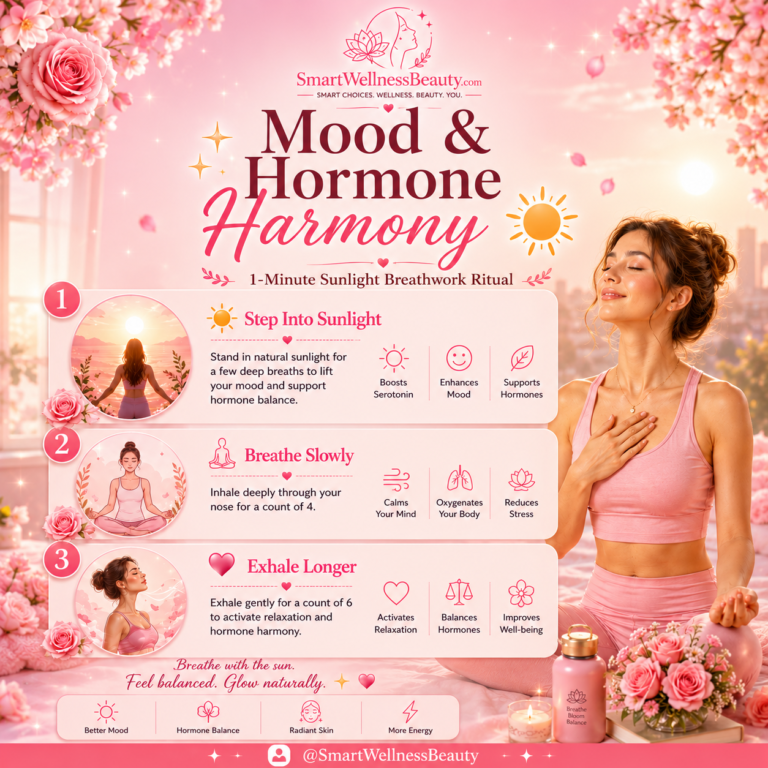
The beauty of this practice lies in its rhythmic simplicity. You begin by inhaling slowly through your nose for a count of four, filling your lungs completely. Next, you hold that breath for a count of four, allowing the oxygen to circulate effectively.
After the hold, you exhale steadily through your mouth for another count of four. Finally, you hold your lungs empty for a count of four before starting the cycle again. This structured pattern acts as a reset button for your autonomic nervous system, moving you from a state of stress to one of calm readiness.
Enhancing Mental Clarity and Alertness
By stabilizing your heart rate, this technique allows you to approach your morning with a sense of steady, controlled energy. It is an excellent tool for anyone who experiences racing thoughts or early-day anxiety. You will find that your ability to concentrate improves as your body enters a state of balanced physiological harmony.
Consistent practice helps you cultivate a sharp, alert mind that is ready to tackle complex challenges. Embracing these morning breathwork benefits ensures that you start your day with intention rather than reaction. With just a few minutes of focused breathing, you can transform your mental state and sustain your focus for hours to come.
Kapalbhati Breath for Metabolic Activation
Awakening your internal systems requires more than just physical movement; it requires the rhythmic power of the Skull Shining Breath. This practice is widely recognized as one of the most effective hormone balancing exercises for those seeking a natural metabolic spark. By focusing on rapid, rhythmic exhalations, you can effectively clear the cobwebs from your mind and prepare for a productive day.

Understanding the Skull-Shining Breath
Kapalbhati is often described as a natural alternative to your morning cup of coffee. The technique involves forceful, short exhalations followed by passive, automatic inhalations. This process oxygenates the brain and stimulates circulation throughout the entire body.
When you master these specific hormone regulation techniques, you create a internal environment that fights morning sluggishness. It is a powerful tool to sharpen your focus and ignite your metabolic fire before you even step out the door.
Safety Precautions and Contraindications
While this practice is invigorating, it is important to approach it with caution. Because of the intensity of the breath, certain individuals should avoid this technique to ensure their safety. If you are unsure about your physical readiness, always consult with a healthcare professional first.
Please refrain from practicing Kapalbhati if you fall into any of the following categories:
- High blood pressure or cardiovascular conditions.
- Pregnancy or recent abdominal surgery.
- History of hernia or severe respiratory issues.
- Glaucoma or significant eye pressure concerns.
“The breath is the bridge which connects life to consciousness, which unites your body to your thoughts.”
By respecting these boundaries, you can safely incorporate these hormone regulation techniques into your life. Remember that consistency is the key to long-term success with these hormone balancing exercises. Listen to your body, stay within your limits, and enjoy the natural energy boost that follows your practice.
Integrating Breathwork into Your Morning Routine
Creating an energizing morning routine is the most effective way to anchor your health goals. When you make these practices a non-negotiable part of your day, you provide your body with the stability it needs to thrive. Consistency acts as the bridge between simple exercises and long-term hormonal health.
Creating a Dedicated Space for Practice
Setting up a quiet yoga corner at home helps signal to your mind that it is time to slow down and focus inward. You do not need a large room to make this work effectively. A small corner featuring a comfortable mat, a soothing plant, or a soft cushion can serve as your personal sanctuary.
By keeping this area tidy and inviting, you remove the friction that often prevents us from starting our practice. When your space is ready, you are far more likely to show up for yourself every single day. This physical anchor transforms a simple habit into a meaningful ritual.
Combining Breathwork with Mindfulness and Movement
You can amplify the benefits of your energizing morning routine by layering in gentle movement or mindfulness. Try pairing your deep breathing with light stretching to wake up your muscles and improve circulation. This combination helps release physical tension while simultaneously calming the nervous system.
If you prefer a more meditative approach, spend a few minutes in silence after your breathwork session. This allows the body to integrate the physiological shifts you have just initiated. By blending these elements, you create a holistic experience that supports your well-being throughout the entire day.
Remember that the goal is to build a sustainable rhythm that fits your lifestyle. Whether you have five minutes or twenty, the act of showing up consistently is what truly matters. An energizing morning routine is not about perfection; it is about showing up for your health with intention.
Common Mistakes to Avoid During Morning Sessions
Even the most effective habits can become counterproductive if you ignore your body’s natural limits. When you begin your journey with energizing breathing exercises, it is tempting to push for immediate results. However, your body requires a gentle approach to adapt to these new physiological demands.
Over-exertion and Hyperventilation Risks
Rapid breathing is often controlled by the sympathetic nervous system, which is the part of the body activated by stress. If you breathe too quickly or forcefully, you may accidentally trigger a “fight or flight” response instead of the calm, alert state you desire. This can lead to lightheadedness, tingling sensations, or even anxiety.
Hyperventilation occurs when you exhale too much carbon dioxide, disrupting the delicate balance of your blood chemistry. To avoid this, always prioritize slow, controlled movements over rapid, shallow breaths. If you feel dizzy, stop immediately and return to your natural, rhythmic breathing pattern until you feel grounded again.

The Importance of Consistency Over Intensity
Many beginners believe that more intensity equals better results, but this is rarely the case with breathwork. Building a sustainable habit is far more beneficial than pushing your limits during a single session. By practicing energizing breathing exercises at a moderate pace, you allow your nervous system to regulate itself effectively.
Consistency ensures that your body adapts safely to these new patterns over time. Think of your morning practice as a marathon rather than a sprint. When you choose consistency over intensity, you create a foundation for lasting hormonal balance and mental clarity.
Follow these simple guidelines to keep your practice safe and effective:
- Listen to your body: If you feel strain or discomfort, reduce the intensity of your breath.
- Start slow: Begin with shorter sessions and gradually increase the duration as you feel more comfortable.
- Focus on quality: Prioritize deep, diaphragmatic breaths rather than trying to force a high volume of air.
- Stay present: Use your morning energizing breathing exercises to connect with your body, not to compete with it.
Tracking Your Progress and Hormonal Shifts
Tracking the subtle shifts in your physiology provides a roadmap for long-term wellness. When you commit to a daily practice, you create a unique data set that reflects your body’s internal environment. This data-driven approach allows you to refine your routine to better suit your specific needs.
Journaling Your Energy Levels and Mood
Maintaining a simple journal is one of the most effective ways to observe the benefits of breathwork for hormone balance. Each morning, take two minutes to record your baseline energy, your current mood, and the quality of your sleep. Over time, these entries reveal patterns that might otherwise go unnoticed.
You might find that specific breathing techniques correlate with higher afternoon productivity or a calmer evening state. By documenting these details, you gain clarity on how you are balancing hormones naturally through your dedicated efforts. Consistency in your notes helps you identify which sessions provide the most significant boost to your well-being.
“Awareness is the first step in the healing process, as it allows us to observe the subtle language of our own biology.”
Recognizing Subtle Signs of Hormonal Balance
Scientific research supports the idea that your brain changes in response to consistent practice. Studies using MRI scans show that regular yoga and breathwork practitioners have increased gray matter in areas of the brain linked to emotional regulation. This structural change often manifests as a greater sense of calm during stressful situations.
As you continue your journey, look for small, positive indicators of progress. You may notice improved skin clarity, more stable appetite, or a deeper sense of mental focus throughout the day. These are all signs that your endocrine system is finding a more harmonious rhythm.
| Metric | Early Stage | Advanced Stage |
|---|---|---|
| Morning Energy | Sluggish/Groggy | Alert/Balanced |
| Stress Response | Reactive/Anxious | Calm/Measured |
| Mood Stability | Frequent Swings | Consistent/Steady |
By monitoring these markers, you empower yourself to take control of your health. Remember that patience is essential when working toward long-term hormonal equilibrium. Every breath you take with intention brings you closer to your goal of balancing hormones naturally and achieving lasting vitality.
Lifestyle Factors That Amplify Breathwork Results
While breathwork is powerful, your daily habits act as the fuel for your hormonal engine. By aligning your lifestyle with your breathing practice, you create a comprehensive foundation for lasting vitality and hormonal equilibrium. This synergy ensures that your energizing morning routine delivers the best possible results for your endocrine system.

Hydration and Morning Nutrition
Proper hydration and nutrition are foundational elements that support the body’s ability to regulate hormones. When you wake up, your body is naturally dehydrated after a long night of rest. Drinking a glass of water before starting your energizing morning routine helps jumpstart your metabolism and prepares your cells for oxygen intake.
Nutrition also plays a critical role in how your hormones respond to stress. Consider these simple tips to support your endocrine health:
- Prioritize protein: Including a source of protein in your first meal helps stabilize blood sugar levels.
- Healthy fats: Incorporate fats like avocado or nuts to provide the building blocks for hormone production.
- Avoid sugar spikes: Minimize refined sugars early in the day to prevent cortisol crashes.
The Role of Sleep Quality in Hormone Health
Sleep quality serves as a vital pillar for hormone health, ensuring your body is primed for the benefits of breathwork. Without adequate rest, your endocrine system struggles to recover, making it difficult to maintain balance throughout the day. High-quality sleep acts as the ultimate reset button for your nervous system.
“The bridge between despair and hope is a good night’s sleep.”
When you prioritize deep, restorative sleep, you enhance the effectiveness of your energizing morning routine. A well-rested body is more resilient to stress and more responsive to the calming effects of conscious breathing. By focusing on these lifestyle pillars, you empower your body to thrive and maintain hormonal harmony naturally.
Conclusion
Building a sustainable habit of morning breathwork offers a natural path to hormonal harmony. You possess the tools to influence your internal state using nothing but your own lungs and focus.
Mastering techniques like diaphragmatic breathing or Nadi Shodhana provides a reliable way to manage stress responses. These practices serve as a foundation for long-term well-being and mental clarity. You gain control over your energy levels by dedicating just a few minutes each day to these intentional patterns.
Consistency remains the most vital element in your journey toward better health. Small, daily efforts yield significant shifts in how your body handles pressure and maintains balance. Start your practice with patience and observe the subtle changes in your mood and vitality.
Share your experiences with these techniques to inspire others on their wellness path. Your commitment to a mindful morning ritual creates a ripple effect of health throughout your entire day. Embrace this simple yet profound shift to unlock your full potential.
FAQ
How quickly can I expect results from morning breaths: energize & balance hormones fast?
Are these hormone balancing exercises safe for everyone?
Can an energizing morning routine replace my morning coffee?
How long should I practice breathwork for hormone balance each day?
What is the best way to start balancing hormones naturally if I’m a beginner?
Do these hormone regulation techniques help with morning anxiety?
🌸 Discover Weight Management Supplements That Works — Handpicked for You
Curated health & beauty essentials our readers trust — explore your new self-care favorites.



🌸 Discover Beauty That Works — Handpicked for You
Curated health & beauty essentials our readers trust — explore your new self-care favorites.


💖 Connect with SmartWellnessBeauty
Join our wellness & beauty community for daily inspiration, mindful living, and radiant self-care — follow us across your favorite platforms.


























 Smart Tools World

 SmartAIEarn

 SmartWellnessBeauty

 Smart Resource Vault

 TrendsOfReview

 SmartLivingJournal

 Holistic Yoga With Wellness