
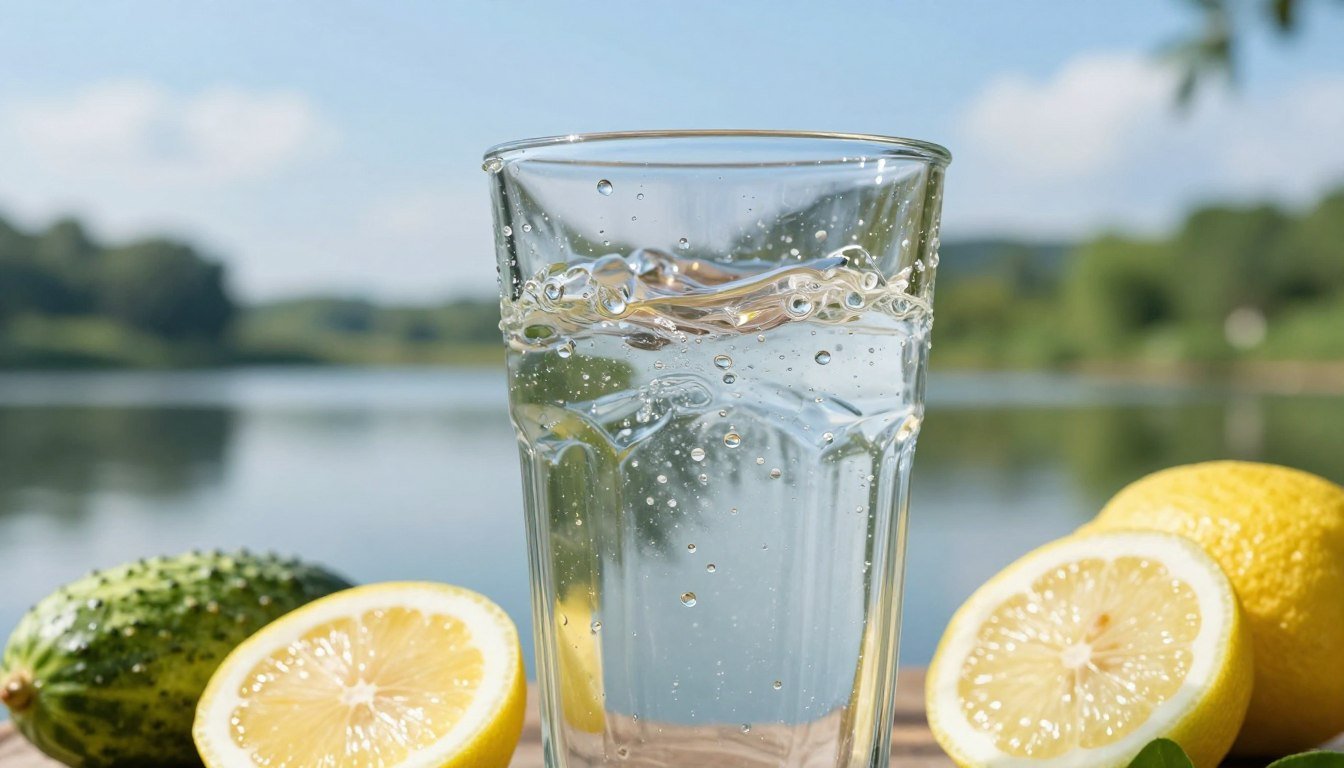
Did you know that up to 60% of our bodies are made up of water? According to Dr. Andrew Huberman, water plays a crucial role in our bodily functions, from regulating body temperature to facilitating the proper functioning of our organs. Drinking enough water is essential for maintaining optimal health.
Water is vital for our survival, and its importance cannot be overstated. It helps in maintaining healthy skin, muscles, and joints. Moreover, proper hydration is linked to improved cognitive function and physical performance.
Key Takeaways
- Water constitutes a significant portion of our body weight.
- Adequate hydration is crucial for bodily functions.
- Drinking enough water improves cognitive and physical performance.
- Water helps maintain healthy skin, muscles, and joints.
- Proper hydration is linked to overall well-being.
Why Water Is Fundamental to Human Health
Water is the backbone of human health, playing a crucial role in nearly every bodily function. The human body comprises around 60% water, and staying hydrated supports overall health.
The Role of Water in Bodily Functions
Water is essential for various physiological processes, including regulating body temperature, transporting nutrients and oxygen to cells, and removing waste products. Proper hydration is crucial for maintaining physical performance, especially during intense exercise, heat, and heavy sweating. Even mild dehydration can lead to reduced performance and increased risk of heat-related illnesses.
A study on hydration levels highlights that even slight dehydration can cause significant declines in physical performance. This underscores the importance of adequate water consumption, particularly for athletes and individuals engaging in strenuous activities.
Water as the Foundation of Life
Water is often referred to as the “foundation of life” due to its critical role in sustaining life. It is a medium for chemical reactions, a solvent for minerals and vitamins, and a lubricant for joints. The benefits of proper hydration extend beyond physical health, influencing cognitive function and overall well-being.
| Benefits of Water | Description |
|---|---|
| Regulates Body Temperature | Water helps maintain the body’s temperature through sweating. |
| Transports Nutrients | Water is a medium for transporting nutrients and oxygen to cells. |
| Removes Waste | Water aids in removing waste products from the body. |
As highlighted by the table, water’s role in the body is multifaceted, supporting various bodily functions that are essential for maintaining health. Ensuring adequate hydration is vital for reaping these benefits.
“Water is the driving force of all nature.” – Leonardo da Vinci
This quote by Leonardo da Vinci encapsulates the significance of water in our lives, emphasizing its fundamental role in our health and well-being.
THE ESSENTIAL WATER GUIDE: BENEFITS, INTAKE, & QUALITY
Adequate hydration is crucial for overall health and well-being. Drinking water is a simple yet effective way to maintain various bodily functions and overall health.
Understanding Hydration Science
Hydration science involves understanding how water is absorbed, utilized, and retained by the body. Drinking water can help maximize physical performance, and even mild dehydration can impair many aspects of brain function. The body’s water balance is delicate, and factors such as climate, physical activity, and individual health can influence hydration needs.
Research has shown that even slight dehydration can cause significant declines in cognitive and physical performance. Thus, understanding hydration science is essential for optimizing daily water intake.
Water’s Role in Nutrition
Water plays a vital role in nutrition by aiding in the digestion and absorption of nutrients. It also helps in regulating body temperature and maintaining healthy skin. Adequate hydration is linked to improved nutrient uptake and overall better health outcomes.
Balancing Electrolytes and Water
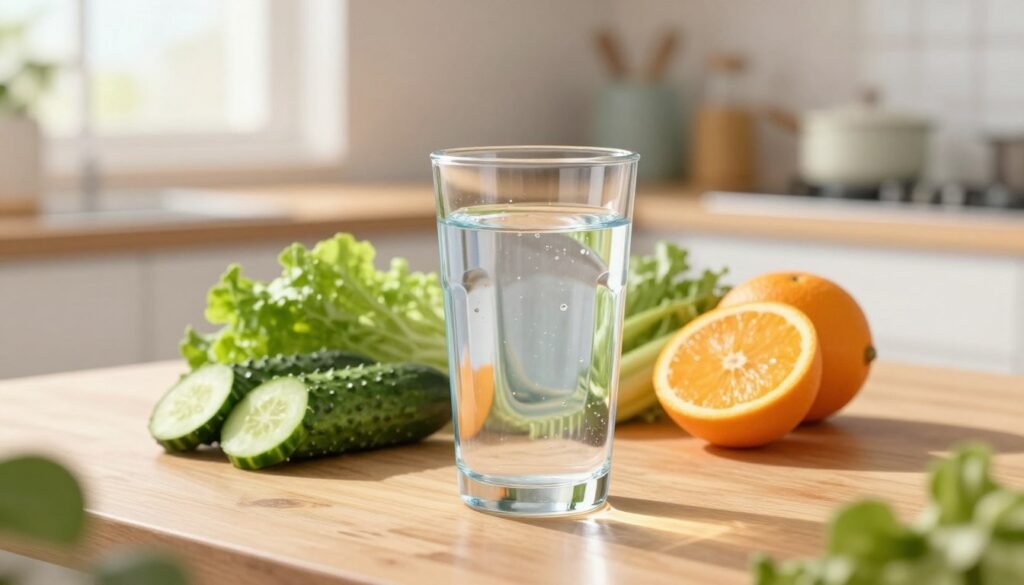
Balancing electrolytes and water is crucial for maintaining proper hydration. Electrolytes, such as sodium and potassium, help regulate the balance of fluids in the body. Drinking water should be balanced with the intake of electrolyte-rich foods or supplements, especially during and after intense physical activity.
The recommended daily water intake varies, but a common rule is to drink eight 8-ounce glasses of water per day. However, individual needs may vary based on activity level, climate, and health status.
The Essential Health Benefits of Proper Hydration
Proper hydration is the cornerstone of overall health, influencing everything from physical performance to cognitive function. Adequate water intake is essential for maintaining the body’s homeostasis, ensuring that various bodily functions operate smoothly.
Physical Performance Enhancement
Drinking enough water is crucial for athletes and individuals who engage in regular physical activity. Even mild dehydration can cause a decline in physical performance, as it affects endurance, strength, and coordination. Proper hydration helps regulate body temperature and transport nutrients and oxygen to cells, enhancing overall physical performance.
Cognitive Function Improvement
Hydration also plays a significant role in cognitive function. Dehydration can lead to decreased focus, memory, and mood. Adequate hydration ensures that the brain functions optimally, improving concentration and mental performance.
Digestive Health Support
Water is vital for healthy digestion. It helps dissolve nutrients and minerals, making them more accessible to the body. Proper hydration also prevents constipation by softening stool and promoting regular bowel movements.
Skin Health and Appearance
Hydration is essential for maintaining healthy skin. Water helps keep the skin hydrated, reducing the appearance of fine lines and wrinkles. It also improves skin elasticity, giving it a more youthful appearance.
| Health Benefit | Description |
|---|---|
| Physical Performance | Enhances endurance, strength, and coordination |
| Cognitive Function | Improves focus, memory, and mood |
| Digestive Health | Supports healthy digestion and prevents constipation |
| Skin Health | Maintains skin hydration, reducing fine lines and wrinkles |
Recognizing Dehydration: Signs Your Body Needs More Water
Dehydration can be a silent threat, often masquerading as fatigue or a simple headache, making it crucial to identify its early signs. Staying hydrated is essential for maintaining bodily functions, and recognizing the signs of dehydration can help prevent more severe health issues.
Early Warning Signals
The body sends out signals when it needs more water. Early warning signs include dry mouth, dark urine, and fatigue. These symptoms indicate that the body is losing more fluids than it’s taking in. By paying attention to these signs, individuals can take proactive steps to rehydrate and avoid more serious complications.

Severe Dehydration Symptoms
If dehydration progresses, it can lead to severe symptoms such as rapid heartbeat, sunken eyes, and even fainting. In severe cases, dehydration can be life-threatening, requiring immediate medical attention. It’s critical to understand the progression of dehydration to provide timely intervention.
Dehydration in Different Age Groups
Dehydration affects different age groups in various ways. Infants and young children are particularly vulnerable due to their high water turnover rate. Their small bodies can quickly lose water, making it essential for caregivers to monitor their hydration levels closely.
Older adults may experience dehydration due to decreased thirst sensation and changes in the body’s ability to regulate fluids. Understanding these differences is key to providing appropriate care and following staying hydrated tips tailored to each age group.
How Much Water Should You Really Drink Daily?
The question of how much water to drink daily doesn’t have a one-size-fits-all answer. The amount of water we need varies significantly based on age, gender, activity level, and even the season.
Standard Recommendations by Age and Gender
Generally, the recommendation is to drink at least eight 8-ounce glasses of water per day, a guideline that has been widely adopted. However, specific needs can vary. For instance, the National Academies of Sciences, Engineering, and Medicine recommend a daily water intake of 2.7 liters for women and 3.7 liters for men.
| Age Group | Recommended Daily Water Intake |
|---|---|
| Children (4-8 years) | 1.7 liters |
| Men | 3.7 liters |
| Women | 2.7 liters |
Adjusting Intake Based on Activity Level
Individuals with high physical activity levels need more water to replenish lost fluids. For example, athletes or those who engage in strenuous exercise may need to drink an additional 16-20 ounces of water for every pound of body weight lost during activity.
Seasonal Considerations for Water Consumption
Climate also plays a significant role in determining water needs. In hot or humid weather, we tend to lose more water through sweat, necessitating increased intake. Conversely, in dry environments, the body loses moisture more quickly, also requiring more hydration.
Understanding these factors can help tailor your water intake to your specific needs, enhancing the water consumption benefits and supporting overall health.
Factors That Influence Your Personal Hydration Needs
The amount of water you need daily is influenced by multiple factors, making it essential to understand what affects your hydration levels. Adequate hydration is crucial for maintaining optimal health, and various individual factors play a significant role in determining your personal hydration needs.
Exercise and Physical Activity
Physical activity is a significant factor that influences hydration needs. When you exercise, you lose water through sweat, which needs to be replenished to maintain proper hydration levels. The intensity and duration of your workouts will determine how much extra water you need. For instance, athletes or individuals engaging in strenuous physical activity may need to drink more water to compensate for lost fluids.
Climate and Environmental Conditions
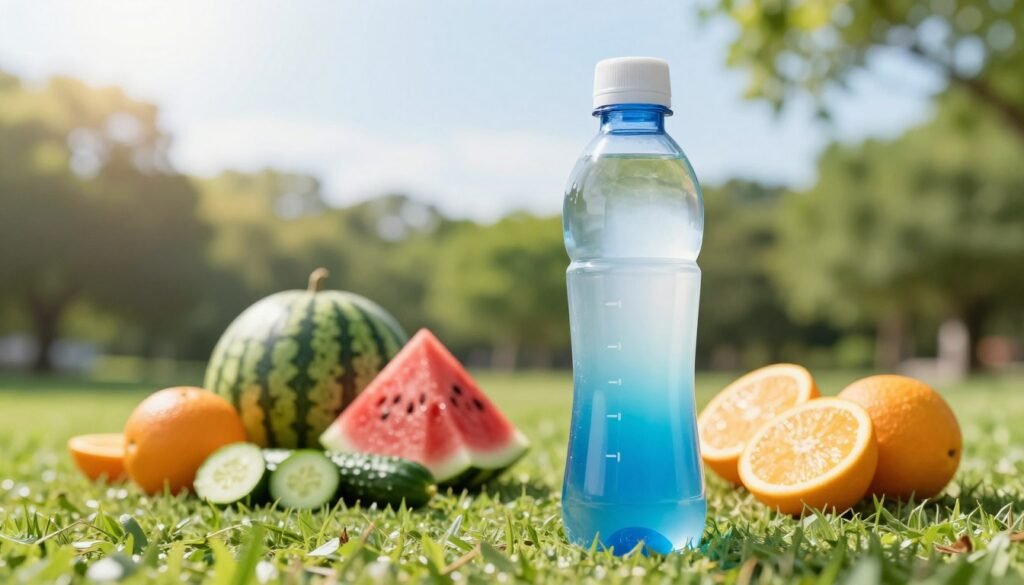
Climate and environmental conditions also impact your hydration needs. Hot and humid weather causes you to sweat more, leading to increased fluid loss. Conversely, dry or cold climates can also affect hydration by causing you to lose moisture. Understanding the climate you’re in and adjusting your water intake accordingly is vital for staying hydrated.
Health Status and Medications
Your health status and any medications you’re taking can significantly influence your hydration needs. Certain medical conditions, such as diabetes or kidney disease, may require adjustments in water intake. Additionally, some medications, like diuretics, can lead to increased fluid loss, necessitating higher water consumption.
Pregnancy and Breastfeeding
Women who are pregnant or breastfeeding have different hydration needs. Pregnancy increases the demand for fluids due to the increased blood volume and the needs of the fetus. Breastfeeding also requires additional hydration to support milk production. Ensuring adequate hydration during these periods is crucial for both the mother’s and baby’s health.
| Factor | Impact on Hydration Needs |
|---|---|
| Exercise and Physical Activity | Increased fluid loss through sweat; need to replenish lost fluids |
| Climate and Environmental Conditions | Hot/humid weather increases sweat; dry/cold climates cause moisture loss |
| Health Status and Medications | Certain conditions (e.g., diabetes) and medications (e.g., diuretics) affect fluid balance |
| Pregnancy and Breastfeeding | Increased fluid needs due to blood volume changes and milk production |
As highlighted by the table, various factors influence personal hydration needs. It’s essential to be aware of these factors and adjust your water intake accordingly to maintain optimal hydration.
“Adequate hydration is crucial for physical performance, cognitive function, and overall health. Understanding and responding to your body’s hydration needs is key to maintaining well-being.”
Understanding Water Quality: What’s in Your Glass?
Understanding what’s in your glass is crucial for ensuring the water you drink is safe and healthy. Drinking water quality is a critical aspect of our health, and it’s essential to be aware of the common contaminants, safety standards, and treatment methods available.
Common Contaminants in Drinking Water
Drinking water can be contaminated with various substances, including lead, bacteria, viruses, and chemicals. These contaminants can enter the water supply through different means, such as aging infrastructure, agricultural runoff, or inadequate waste management. For instance, lead can leach into water from old pipes, while bacteria and viruses can be present due to poor sanitation.
- Lead and other heavy metals
- Bacteria and viruses
- Chemicals and pesticides
- Pharmaceuticals and personal care products
Water Safety Standards in the United States
The United States has established regulations to ensure drinking water safety. The Safe Drinking Water Act (SDWA) sets standards for over 150 contaminants in drinking water. Public water systems must comply with these standards to ensure the water is safe for consumption.
Testing Your Home Water Supply
If you have a private water supply or are concerned about your tap water, testing is a crucial step. You can use home water testing kits or hire a certified laboratory to analyze your water. Regular testing can help identify contaminants and ensure your water is safe to drink.
Water Treatment Methods
Various water treatment methods are available to improve water quality. These include filtration systems, reverse osmosis, and disinfection. Choosing the right treatment method depends on the type and level of contaminants present in your water.
- Activated carbon filtration
- Reverse osmosis
- Ultraviolet (UV) light disinfection
By understanding the importance of water quality and taking steps to ensure your drinking water is safe, you can protect your health and wellbeing. Regular testing and appropriate treatment can make a significant difference in the quality of your drinking water.
Comparing Water Sources: Tap, Filtered, Bottled, and More
The quest for clean drinking water has led to a multitude of choices, from tap water to bottled water and beyond. Understanding the differences between these sources is essential for making informed decisions about our drinking water.
Municipal Tap Water: Facts and Misconceptions
Municipal tap water is treated and regulated to meet safety standards. However, concerns about contaminants and taste often lead consumers to explore alternative sources.
- Tap water is regulated by the EPA.
- It may contain additives like fluoride.
- Taste and odor can vary by location.
Home Filtration Systems: Types and Benefits
Home filtration systems offer a convenient way to improve tap water quality. Various types, including activated carbon and reverse osmosis systems, cater to different needs and budgets.
Key benefits include:
- Improved taste and odor.
- Reduced contaminants.
- Cost-effective in the long run.
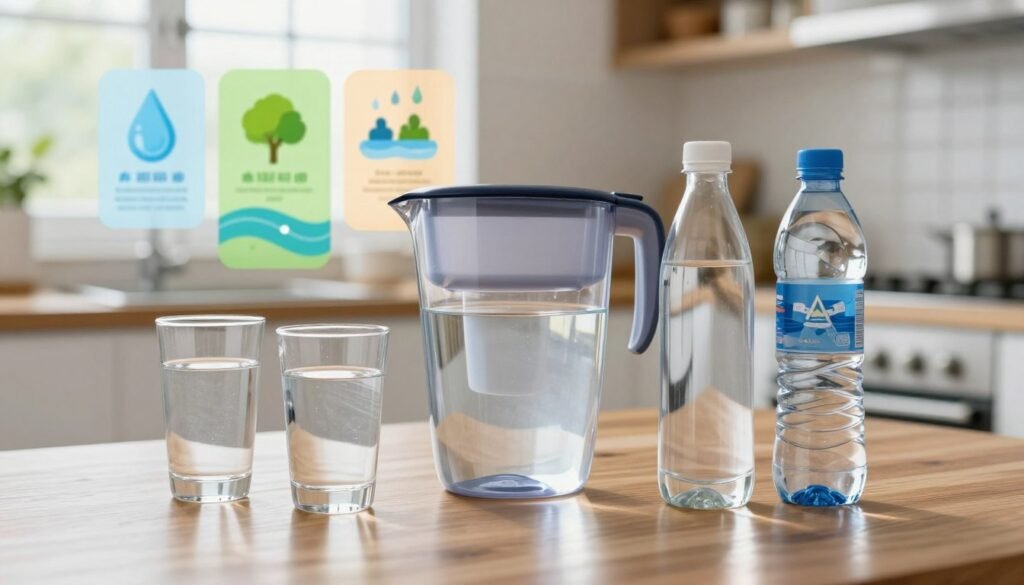
Bottled Water: Convenience vs. Environmental Impact
Bottled water is a popular choice for its convenience. However, its environmental impact, including plastic waste and carbon footprint, raises significant concerns.
Spring and Mineral Waters: Natural Benefits
Spring and mineral waters are prized for their natural origin and mineral content. They offer a unique taste and potential health benefits, although their quality can vary.
Staying hydrated is crucial, and understanding the sources of our drinking water is the first step. By considering the pros and cons of each water source, we can make choices that align with our health goals and environmental values.
Practical Strategies to Increase Your Daily Water Intake
Staying hydrated is crucial, and there are several practical ways to ensure you’re drinking enough water every day. By incorporating a few simple habits into your daily routine, you can significantly improve your hydration levels.
Creating a Hydration Schedule
One effective way to boost your water intake is by creating a hydration schedule. Divide your day into segments and set reminders to drink water at specific times, such as when you wake up, at lunchtime, and before bed. This can help make drinking water a habitual part of your daily routine.
Flavor Enhancement Ideas for Water
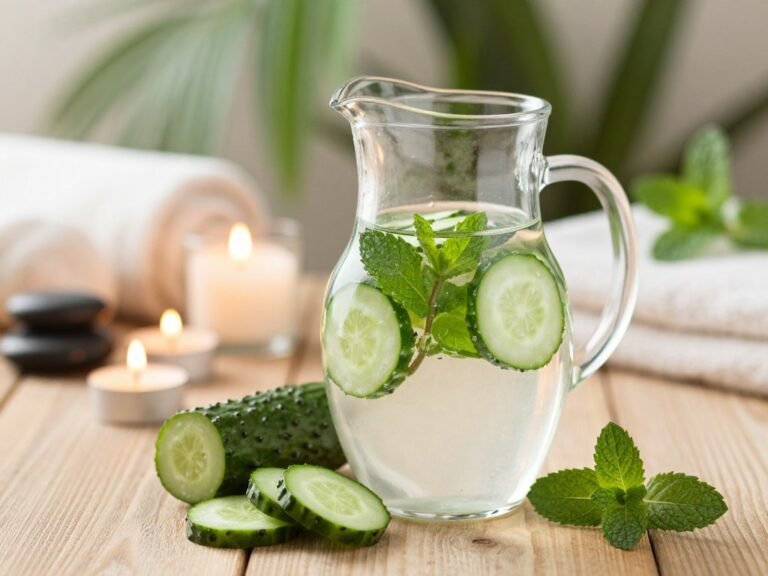
If plain water is too boring for you, consider adding slices of lemon, lime, or cucumber to give it a refreshing taste. You can also try infusing water with fruits or herbs like mint or berries for a flavorful twist.
Technology and Apps for Tracking Hydration
Leverage technology to track your hydration. There are numerous apps available that allow you to set daily water intake goals and track your progress. Some popular options include Waterlogged, Hydro Coach, and Plant Nanny.
Hydrating Foods to Complement Water Intake
In addition to drinking water, you can also increase your hydration levels by consuming hydrating foods like watermelon, celery, and tomatoes. These foods have high water content and can contribute to your overall hydration.
By implementing these strategies, you can ensure you’re meeting your daily hydration needs and maintaining optimal hydration levels, as outlined in the essential water guide: benefits, intake, & quality.
Conclusion: Embracing Water as Your Health Ally
Embracing water as a health ally involves understanding its importance, recognizing dehydration, and making informed choices about water intake and quality. By grasping the benefits of drinking water, individuals can significantly enhance their overall well-being.
Access to clean water sources is fundamental to reaping these benefits. Whether it’s tap, filtered, or bottled water, ensuring the water you drink is safe and clean is crucial. By being mindful of water quality and adjusting intake according to individual needs, people can optimize their hydration.
By incorporating the strategies outlined in this guide, readers can cultivate healthy hydration habits that support physical performance, cognitive function, and overall health. Embracing water as a vital component of daily life can lead to a healthier, more balanced lifestyle.
FAQ
How much water should I drink daily?
What are the benefits of drinking water?
How can I tell if I’m dehydrated?
What is the best type of water to drink?
How can I increase my daily water intake?
Are there any factors that affect my personal hydration needs?
Can I get enough water from other beverages and foods?
How can I ensure the water I’m drinking is safe?
🌸 Discover Weight Management Supplements That Works — Handpicked for You
Curated health & beauty essentials our readers trust — explore your new self-care favorites.


🌸 Discover Beauty That Works — Handpicked for You
Curated health & beauty essentials our readers trust — explore your new self-care favorites.

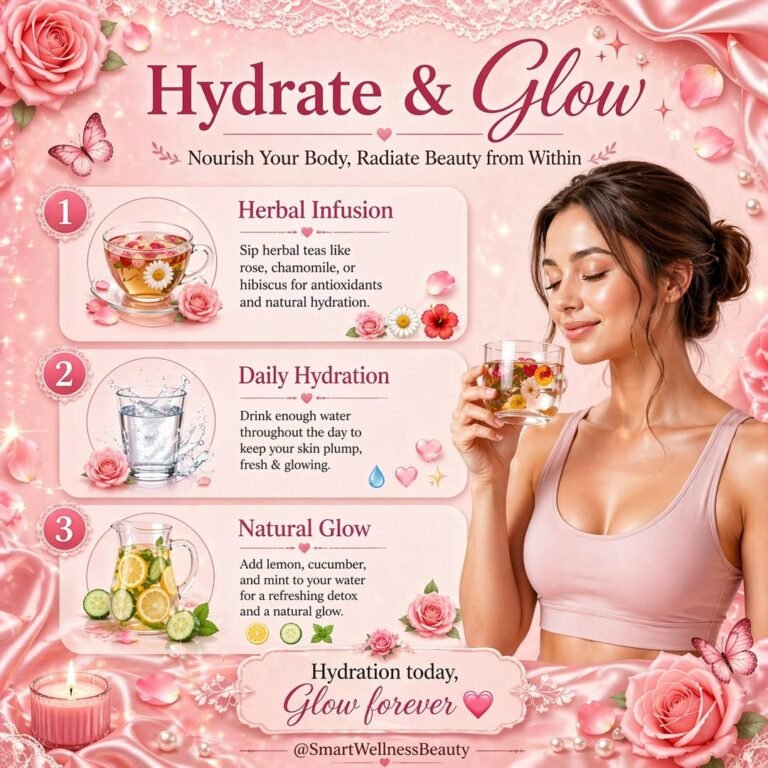
💖 Connect with SmartWellnessBeauty
Join our wellness & beauty community for daily inspiration, mindful living, and radiant self-care — follow us across your favorite platforms.





















 Smart Tools World

 SmartAIEarn

 SmartWellnessBeauty

 Smart Resource Vault

 TrendsOfReview

 SmartLivingJournal

 Holistic Yoga With Wellness