

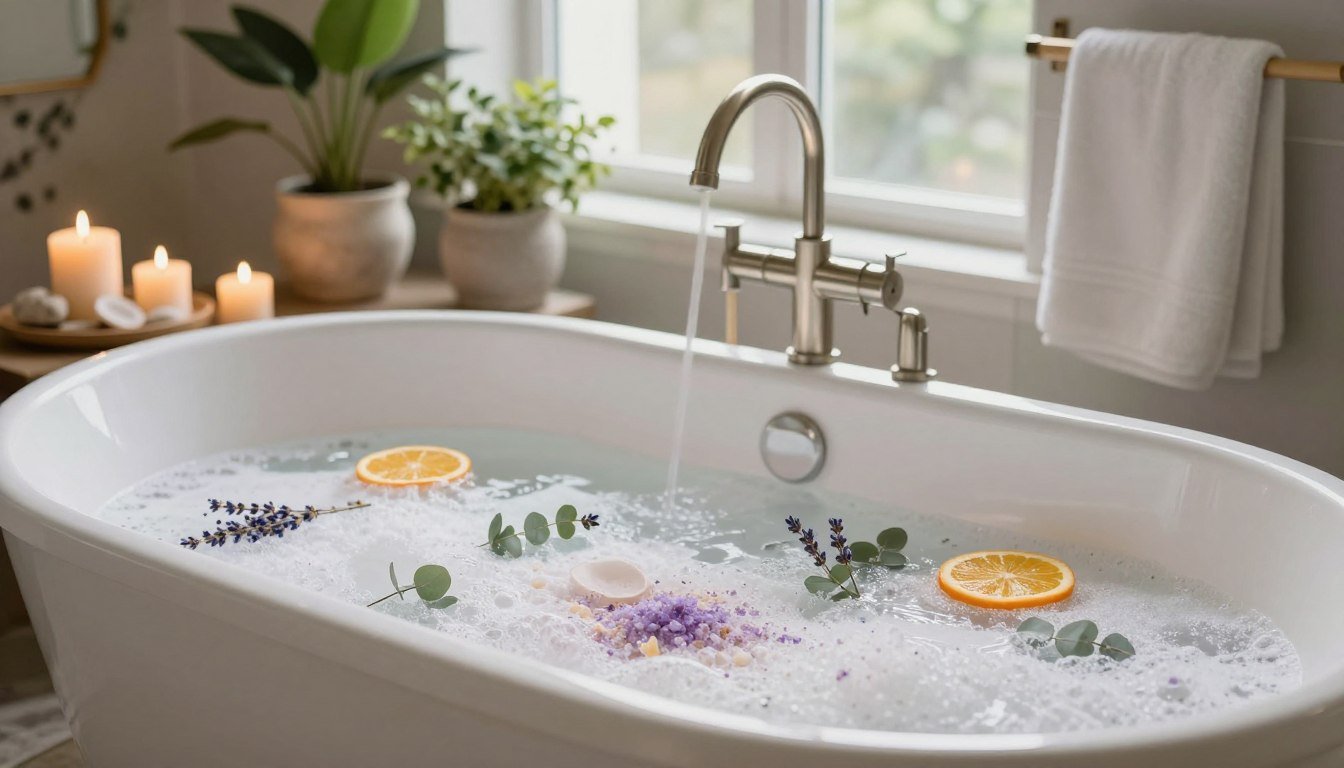
Did you know that chronic stress can lead to dull, tired-looking skin? In today’s fast-paced world, it’s easy to get caught up in the hustle and bustle, neglecting our own well-being. A magnesium bath ritual offers a simple, yet effective way to unwind and rejuvenate.
Indulging in a warm, magnesium-infused soak can help to ease tense muscles and promote a radiant complexion. By incorporating this relaxing practice into your self-care routine, you can say goodbye to stress-related skin woes and hello to a glowing, healthy complexion.
Key Takeaways
- Reduce stress and tension with a magnesium bath ritual
- Promote healthy, glowing skin through relaxation
- Improve overall well-being with a self-care routine
- Enhance muscle relaxation and reduce inflammation
- Support a natural, radiant complexion
The Power of Magnesium for Body and Mind
As an essential mineral, magnesium is involved in over 300 chemical reactions in the body. It is vital for muscle function, brain function, and heart health, making it a crucial element for overall wellness.
Magnesium’s role in the body is multifaceted. It helps regulate muscle and nerve function, supports the immune system, and is even involved in the production of energy within cells. With such a wide range of functions, it’s clear that magnesium is not just beneficial but necessary for maintaining good health.
What Makes Magnesium Essential for Wellness
Magnesium is essential for maintaining healthy muscles, nerves, and heart rhythm. It also plays a critical role in bone health by regulating calcium metabolism. Moreover, magnesium is involved in the synthesis of proteins and nucleic acids, making it fundamental for cellular processes.
The benefits of magnesium extend to mental health as well. It has been shown to help reduce stress and anxiety by regulating the body’s response to stress. This makes magnesium a valuable mineral for both physical and mental well-being.
The Magnesium Deficiency Epidemic
Despite its importance, magnesium deficiency is surprisingly common. It’s estimated that a significant portion of the population does not consume enough magnesium through their diet. Factors contributing to this deficiency include poor diet, certain medications, and increased stress levels.
| Factors Contributing to Magnesium Deficiency | Impact on Health |
|---|---|
| Poor Diet | Inadequate intake of magnesium-rich foods |
| Certain Medications | Interference with magnesium absorption |
| Increased Stress Levels | Higher utilization of magnesium by the body |
Understanding the importance of magnesium and recognizing the signs of deficiency can help individuals take steps to maintain their health. Incorporating magnesium-rich foods or supplements into one’s diet can mitigate the risks associated with deficiency.
Understanding How Magnesium Baths Work
Soaking in a warm magnesium bath is more than just a relaxing experience; it’s a scientifically-backed method for improving overall wellness. Magnesium can be absorbed through the skin, making baths an effective way to replenish magnesium levels.
Transdermal Absorption Science
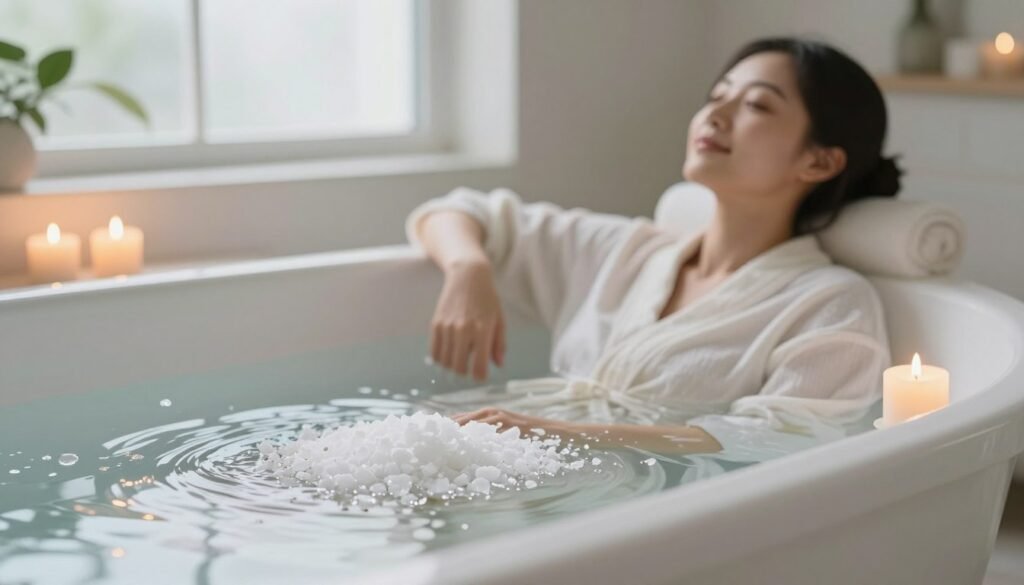
Transdermal absorption allows magnesium to be delivered directly into the bloodstream, bypassing the digestive system. This method can be particularly beneficial for individuals who have trouble absorbing magnesium through oral supplements.
Key factors influencing transdermal absorption include:
- Concentration of magnesium in the bath
- Temperature of the bath water
- Duration of the bath
Comparing Oral vs. Topical Magnesium
Both oral and topical magnesium have their benefits, but they work in different ways. Oral magnesium supplements are ingested and then absorbed into the bloodstream, while topical magnesium is absorbed directly through the skin.
| Characteristics | Oral Magnesium | Topical Magnesium |
|---|---|---|
| Absorption Method | Digestive System | Direct Skin Absorption |
| Onset of Effects | Slower, dependent on digestion | Faster, direct into bloodstream |
| Gastrointestinal Impact | Can cause laxative effects | No gastrointestinal side effects |
Incorporating a magnesium bath into your bath time ritual can be a wonderful way to unwind and soothe your muscles, promoting a muscle soothing bath experience that relaxes both body and mind.
Benefits of a Magnesium Bath Ritual: Relax Muscles & Glow Naturally
Magnesium baths offer a multitude of advantages, from relaxing muscles to promoting a natural glow. By incorporating this practice into your self-care routine, you can experience a range of benefits that enhance both physical and mental well-being.
Muscle Recovery and Pain Relief
One of the primary benefits of magnesium baths is their ability to aid in muscle recovery and provide pain relief. Magnesium helps to reduce muscle cramps, spasms, and soreness by relaxing the muscles and improving circulation. This makes magnesium baths an excellent choice for athletes or individuals who engage in strenuous physical activity.
Stress Reduction and Sleep Improvement
Magnesium baths are also renowned for their ability to reduce stress and improve sleep quality. The magnesium is absorbed through the skin, helping to calm the nervous system and promote a state of relaxation. This can lead to better sleep patterns and an overall reduction in stress levels, contributing to a more balanced and healthy lifestyle.
Skin Rejuvenation and Natural Glow
In addition to the internal benefits, magnesium baths can also have a positive impact on the skin. Magnesium helps to rejuvenate the skin by improving hydration and reducing inflammation. Regular magnesium baths can leave the skin looking healthy and radiant, giving it a natural glow. This makes magnesium baths a great addition to any skincare routine.
By incorporating magnesium baths into your self-care regimen, you can enjoy these benefits and more, enhancing your overall well-being and promoting a relaxing bath routine that soothes both body and mind.
Types of Magnesium for Your Bath
With various types of magnesium available, understanding their differences is key to maximizing the benefits of your bath time ritual. The right type of magnesium can enhance your relaxation, improve your sleep, and rejuvenate your skin.
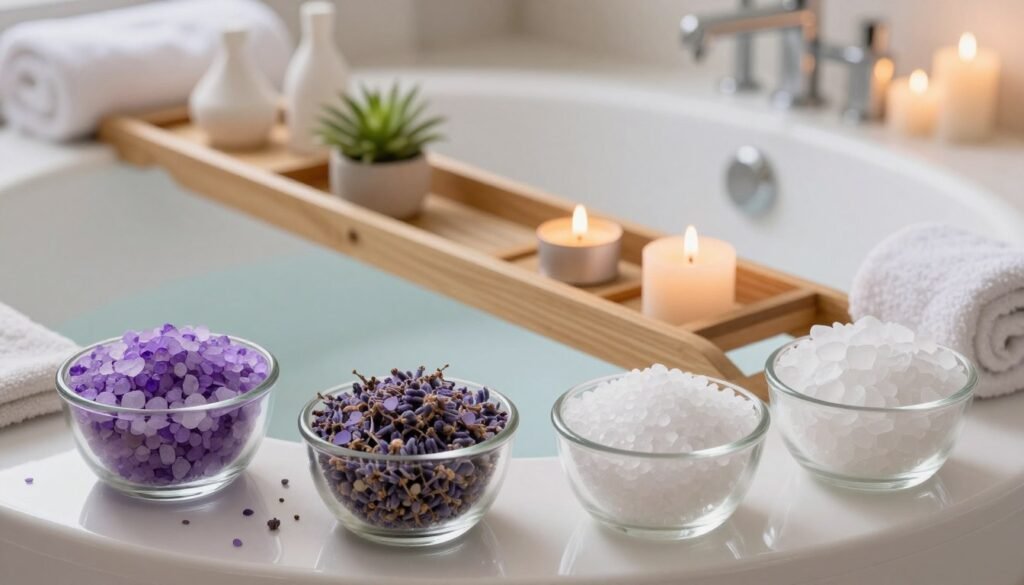
Magnesium is available in several forms, each with its unique characteristics and benefits. Understanding these differences can help you make an informed decision about which type to use in your bath.
Magnesium Chloride: The Most Bioavailable Option
Magnesium chloride is considered one of the most bioavailable forms of magnesium, meaning it’s easily absorbed by the body. It’s particularly effective for promoting relaxation and reducing muscle cramps. Its high bioavailability makes it an excellent choice for those seeking to maximize the therapeutic benefits of their magnesium bath.
Magnesium Sulfate (Epsom Salts): The Classic Choice
Magnesium sulfate, commonly known as Epsom salt, is a popular choice for baths due to its wide availability and affordability. It’s effective in relieving muscle pain, reducing inflammation, and improving circulation. Epsom salts are a traditional favorite for bath soaks, offering a cost-effective way to enjoy the benefits of magnesium.
Magnesium Flakes vs. Crystals vs. Oils
The choice between magnesium flakes, crystals, and oils often comes down to personal preference and specific needs. Flakes and crystals are both highly soluble and can be easily added to bath water, while oils offer a more luxurious and moisturizing experience. Each form has its advantages, and experimenting with different types can help you find what works best for you.
In conclusion, the type of magnesium you choose for your bath can significantly impact your experience. By understanding the different forms available and their benefits, you can tailor your bath time ritual to meet your specific needs, whether that’s relaxation, pain relief, or skin rejuvenation.
Creating Your Perfect Magnesium Bath Setup
To maximize the benefits of a magnesium bath, it’s essential to create a serene and relaxing environment. This involves considering several factors that contribute to a calming and rejuvenating experience.
Temperature and Timing Considerations
The temperature of your magnesium bath is crucial for comfort and effectiveness. Warm water, between 98°F and 104°F, is ideal for relaxation and magnesium absorption. As for timing, 20-30 minutes is recommended for a full magnesium bath experience. This duration allows your body to fully absorb the magnesium and relax your muscles.
| Temperature Range | Bath Duration | Benefits |
|---|---|---|
| 98°F – 104°F | 20-30 minutes | Optimal magnesium absorption, muscle relaxation |
| Below 98°F | Variable | Less effective magnesium absorption |
| Above 104°F | Variable | Potential discomfort, dehydration risk |
Setting the Mood: Lighting, Music, and Ambiance
Creating a peaceful ambiance is vital for a relaxing bath routine. Soft lighting and calming music can significantly enhance your magnesium bath experience. Consider dimming the lights and playing soothing music in the background to create a tranquil atmosphere.
Step-by-Step Magnesium Bath Ritual Guide
To fully immerse yourself in the benefits of a magnesium bath, follow this step-by-step guide. A well-crafted magnesium bath ritual can be a powerful tool for relaxation and rejuvenation. By preparing properly, soaking mindfully, and caring for your skin after the bath, you can maximize the benefits of this self-care practice.
Pre-Bath Preparation
Before you begin your magnesium bath ritual, it’s essential to prepare your environment and your body. Start by setting the mood with soft lighting and calming music. Ensure the bathroom is at a comfortable temperature, and consider lighting some candles to create a peaceful ambiance. Prepare your magnesium bath by adding the recommended amount of magnesium flakes or salts to your bathwater.
- Choose a quiet, comfortable space for your bath
- Set the water temperature to a comfortable level, between 98°F and 104°F
- Add magnesium flakes or salts according to the product instructions
The Soaking Process
Once your bath is prepared, it’s time to soak. Relax your muscles and let the magnesium work its magic. Soaking in a magnesium bath can help to relax muscles and reduce stress. Aim to soak for at least 20 minutes to allow for optimal magnesium absorption.
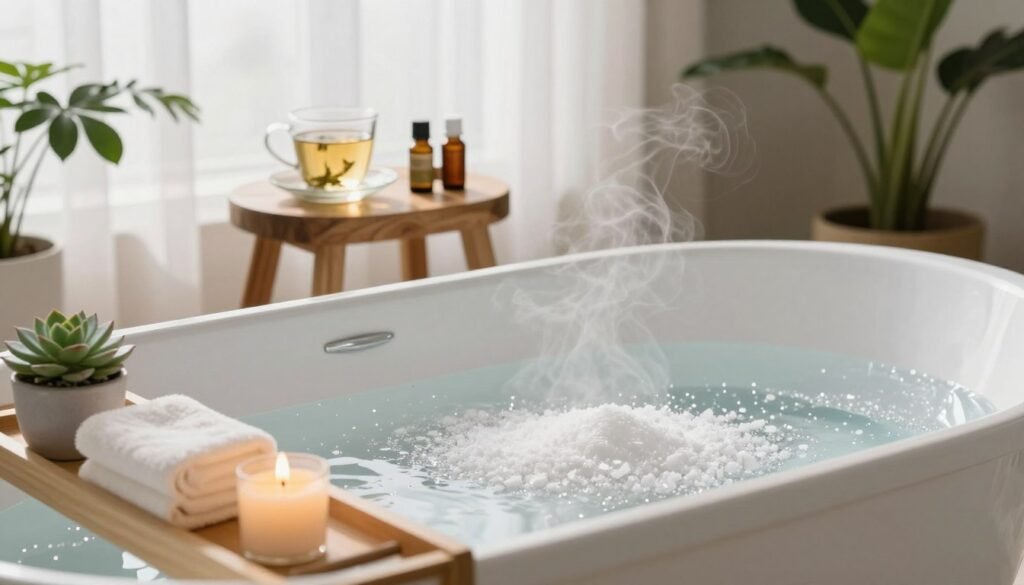
As you soak, focus on your breath and let go of any tension or stress. You can enhance your experience by practicing gentle stretches or meditation.
Post-Bath Care
After your bath, take the time to care for your skin. Gently pat dry with a towel, and consider applying a moisturizer to lock in hydration. This is also a great opportunity to practice some gentle self-care, such as journaling or simply enjoying a quiet moment to yourself.
By following this step-by-step guide, you can create a magnesium bath ritual that will leave you feeling relaxed, rejuvenated, and ready to take on the day.
Magnesium Bath Recipes for Different Needs
Elevate your bath time ritual with these magnesium bath recipes tailored to specific needs. Magnesium baths are not just a relaxing experience; they can be customized to address various health and beauty concerns, from muscle recovery to skin rejuvenation.
Muscle Recovery Bath Blend
For those who engage in strenuous physical activity, a muscle recovery bath blend can be incredibly beneficial. Mix 1 cup of magnesium flakes with 1/2 cup of Epsom salt and 10 drops of arnica essential oil. This combination helps reduce muscle inflammation and promotes faster recovery.
Sleep-Enhancing Night Bath
A sleep-enhancing night bath can significantly improve the quality of your sleep. Combine 1 cup of magnesium chloride with 1/4 cup of dried lavender buds and 5 drops of chamomile essential oil. The magnesium and calming herbs work together to relax your body and mind, preparing you for a restful night’s sleep.
Skin-Glowing Detox Bath
For a skin-glowing detox bath, mix 1 cup of magnesium sulfate with 1/2 cup of sea salt and 10 drops of grapefruit essential oil. This blend helps detoxify the skin, reduce inflammation, and leave your skin with a natural glow.
| Bath Type | Magnesium Type | Additional Ingredients | Benefits |
|---|---|---|---|
| Muscle Recovery | Magnesium Flakes | Epsom Salt, Arnica Essential Oil | Reduces muscle inflammation, promotes recovery |
| Sleep-Enhancing | Magnesium Chloride | Lavender Buds, Chamomile Essential Oil | Improves sleep quality, relaxes body and mind |
| Skin-Glowing Detox | Magnesium Sulfate | Sea Salt, Grapefruit Essential Oil | Detoxifies skin, reduces inflammation, promotes natural glow |
Establishing a Regular Magnesium Bath Routine
Magnesium baths are most effective when incorporated into a consistent self-care routine. By doing so, you can maximize the benefits of magnesium for your body and mind. Consistency is key to experiencing the full range of benefits, from muscle relaxation to improved sleep.
Frequency Recommendations for Different Needs
The frequency of magnesium baths depends on individual needs. For general wellness and relaxation, 1-2 times a week is sufficient. However, for those seeking relief from muscle cramps or intense physical activity, 3-4 times a week may be more beneficial. It’s essential to listen to your body and adjust your routine accordingly.
- For athletes or individuals with intense physical activity: 3-4 times a week
- For stress relief and relaxation: 1-2 times a week
- For general wellness: 1 time a week
Incorporating Magnesium Baths into Your Self-Care Schedule
Incorporating magnesium baths into your self-care schedule can be simple and rewarding. Consider setting a specific day and time each week that works for you, such as Sunday evening to unwind before the week ahead. You can also combine magnesium baths with other self-care practices like meditation, reading, or yoga to enhance the experience.
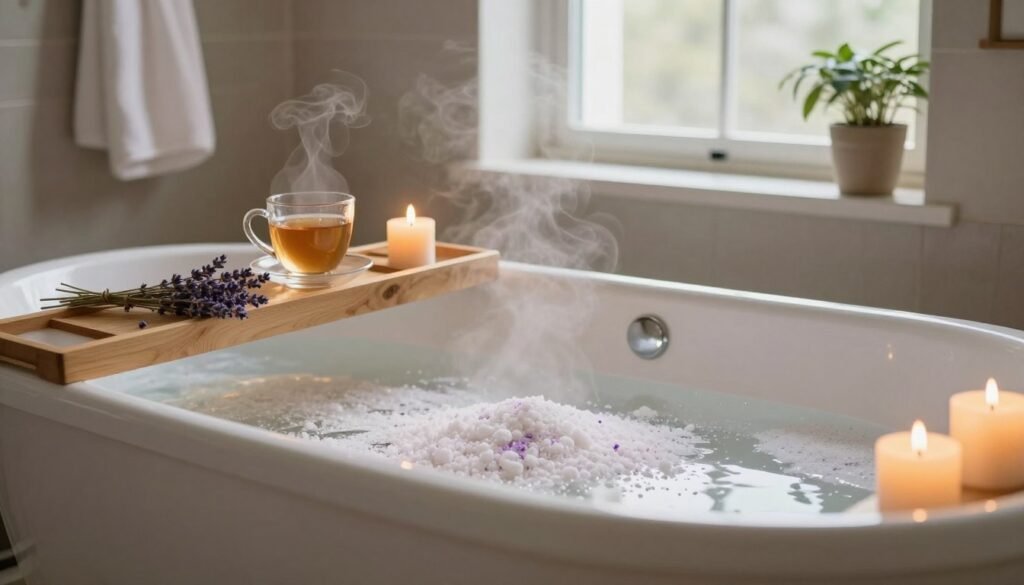
By making magnesium baths a regular part of your routine, you can enjoy a deeper sense of relaxation and well-being. Experiment with different frequencies and combinations with other self-care activities to find what works best for you.
Precautions and Considerations
While magnesium baths offer numerous benefits, it’s crucial to be aware of certain precautions to ensure a safe and enjoyable experience. Magnesium baths are generally safe for most people, but there are specific considerations to keep in mind.
Who Should Avoid Magnesium Baths
Certain individuals should avoid magnesium baths or consult with a healthcare professional before use. These include:
- People with severe kidney problems, as they may have difficulty processing the magnesium.
- Those with heart conditions or taking medications for heart-related issues.
- Pregnant women, especially those with high-risk pregnancies, should consult their doctor.
- Individuals with open wounds or skin infections, as magnesium can potentially irritate these conditions.
| Condition | Precaution |
|---|---|
| Severe Kidney Problems | Consult a doctor before use |
| Heart Conditions | Consult a doctor before use |
| Pregnancy | Consult a doctor, especially for high-risk pregnancies |
| Open Wounds or Skin Infections | Avoid using magnesium baths |
Potential Side Effects and How to Minimize Them
While rare, some individuals may experience side effects from magnesium baths, such as dizziness, nausea, or skin irritation. To minimize these risks:
- Start with a small amount of magnesium and gradually increase as needed.
- Ensure the bath water is not too hot, as this can exacerbate potential side effects.
- Stay hydrated by drinking water before, during, and after the bath.
Conclusion: Embracing the Healing Power of Magnesium Baths
Incorporating a magnesium bath ritual into your self-care routine can be a transformative experience, promoting deep relaxation and overall well-being. By leveraging the power of magnesium, you can relieve muscle tension, improve sleep quality, and achieve a natural glow.
A relaxing bath routine with magnesium can become a sanctuary from the stresses of daily life. As you’ve learned, magnesium baths offer a multitude of benefits, from muscle recovery and pain relief to stress reduction and skin rejuvenation. By making this ritual a regular part of your routine, you can glow naturally and maintain a healthy, radiant complexion.
To fully harness the benefits of magnesium baths, consider establishing a consistent relaxing bath routine. This can involve setting aside time each week to unwind and recharge in a warm, magnesium-rich bath. By prioritizing your well-being and embracing the healing power of magnesium baths, you can cultivate a deeper sense of relaxation and tranquility in your daily life.
FAQ
What is a magnesium bath ritual?
How does magnesium get absorbed through the skin?
What are the benefits of using magnesium chloride in a bath?
Can I use Epsom salts as a substitute for magnesium flakes?
How often should I take a magnesium bath?
Are there any potential side effects of taking magnesium baths?
Can I combine magnesium with other bath ingredients?
How long should I soak in a magnesium bath?
Are magnesium baths suitable for everyone?
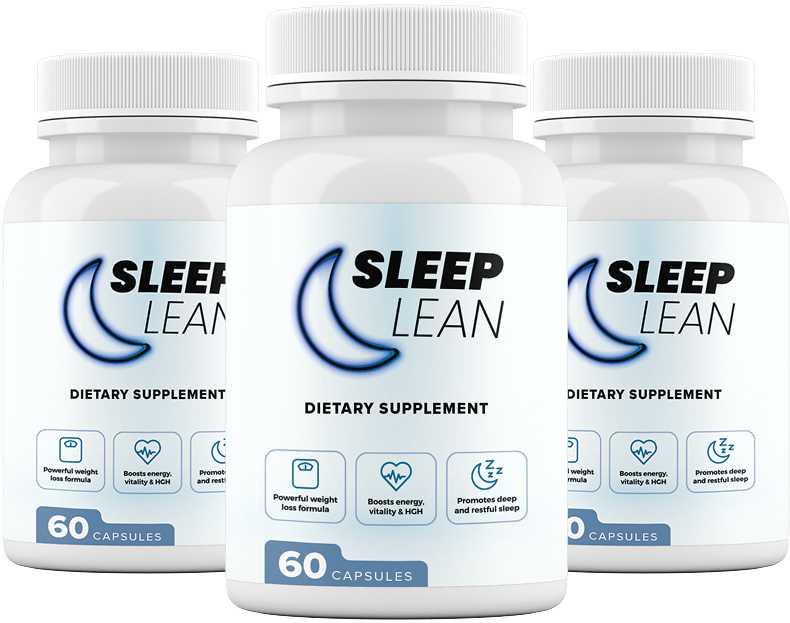
🌸 Discover Weight Management Supplements That Works — Handpicked for You
Curated health & beauty essentials our readers trust — explore your new self-care favorites.


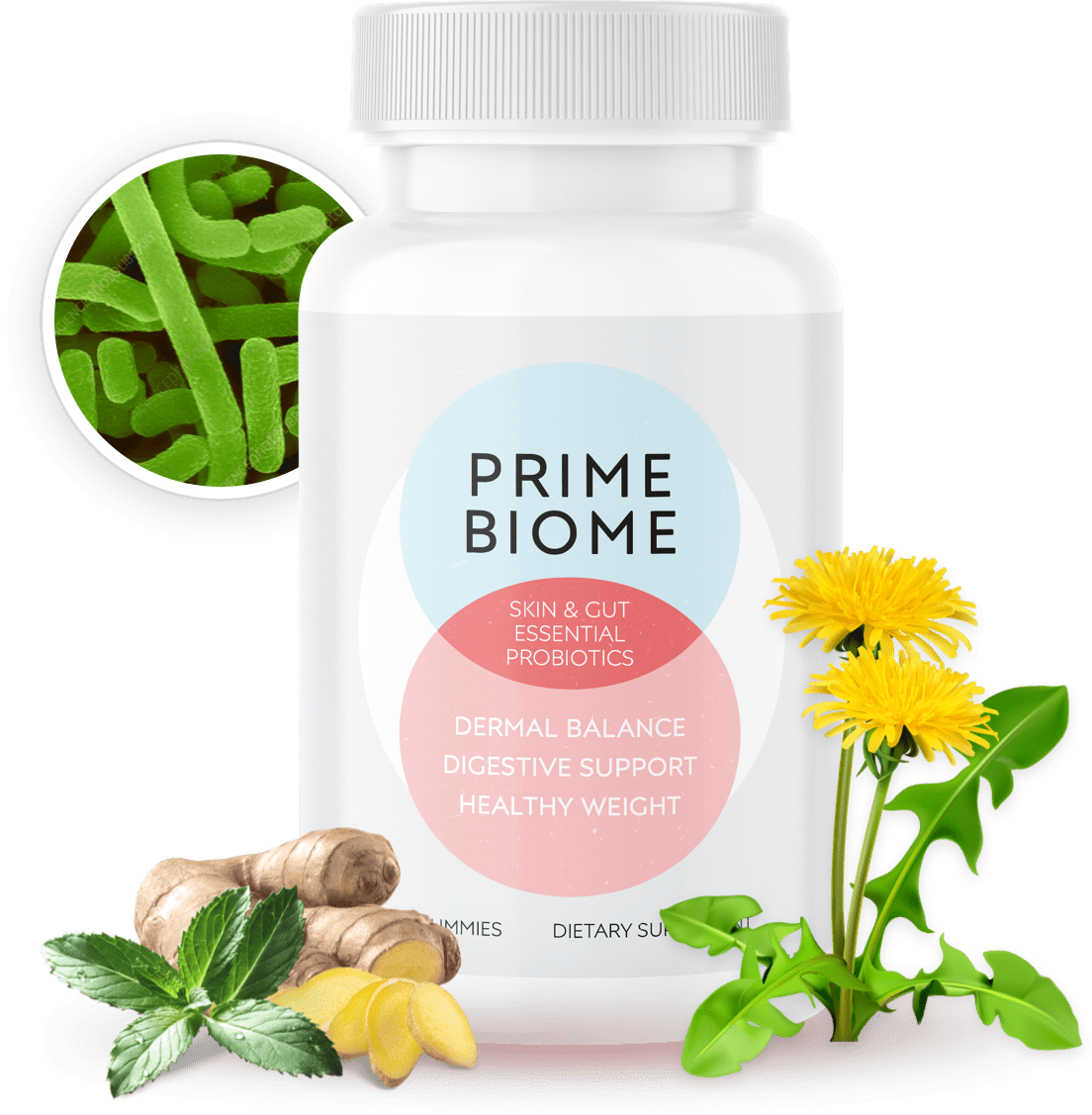
🌸 Discover Beauty That Works — Handpicked for You
Curated health & beauty essentials our readers trust — explore your new self-care favorites.

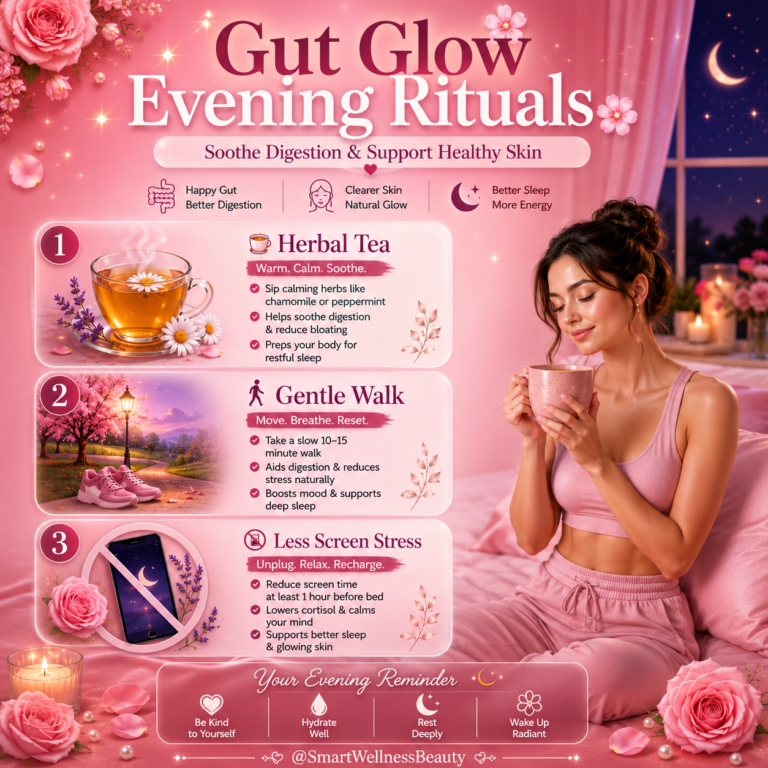
💖 Connect with SmartWellnessBeauty
Join our wellness & beauty community for daily inspiration, mindful living, and radiant self-care — follow us across your favorite platforms.





















 Smart Tools World

 SmartAIEarn

 SmartWellnessBeauty

 Smart Resource Vault

 TrendsOfReview

 SmartLivingJournal
 Holistic Yoga With Wellness