
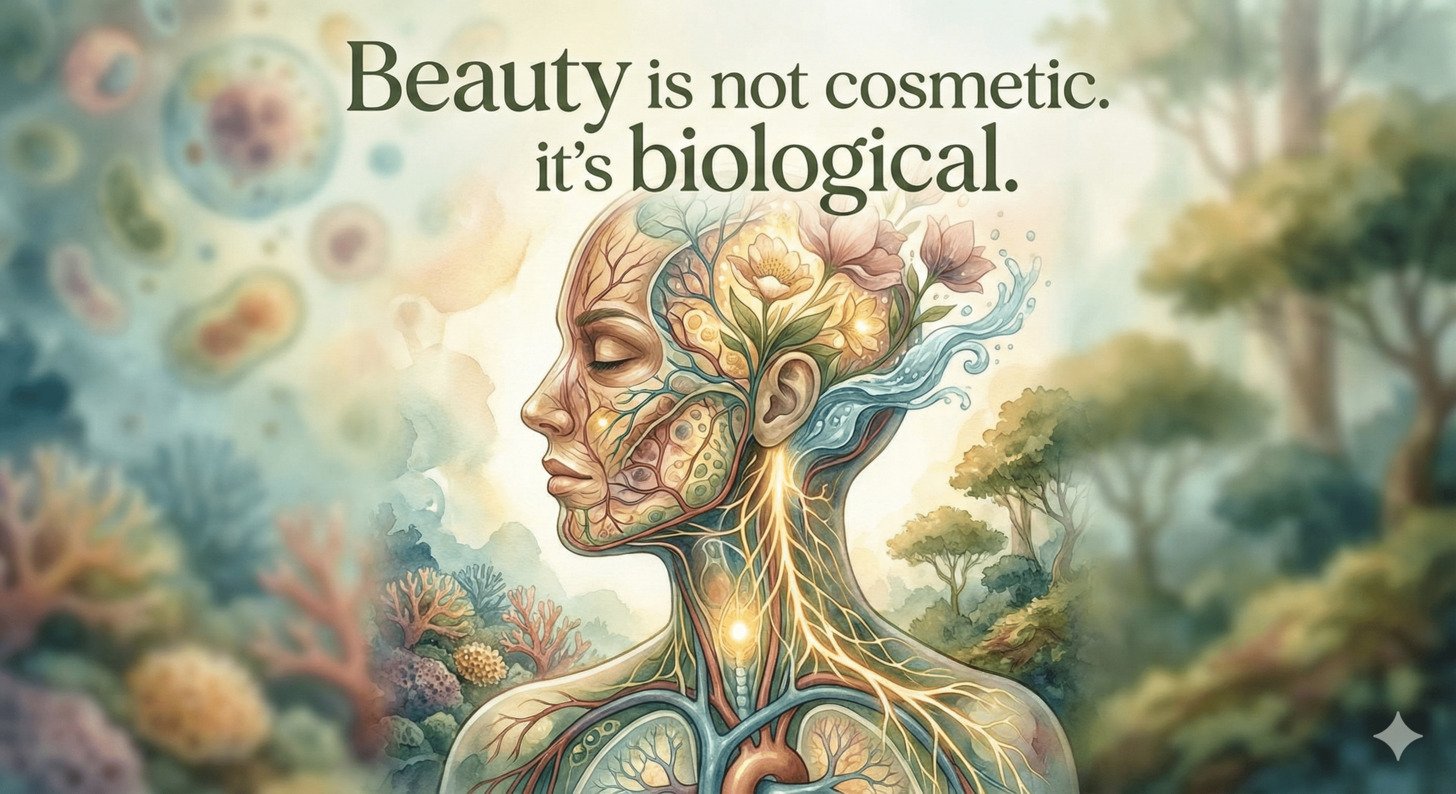
Did you know that a person’s overall health can significantly impact their appearance? According to Dr. Josh, “Beauty isn’t just skin deep, it radiates on every level from a core of good health.” This statement underscores the idea that natural beauty is not just about physical appearance but is deeply connected to one’s biological well-being.
Clear skin, bright eyes, and strong hair are often indicators of a well-functioning body. When our internal health is in balance, it reflects on our external appearance, making us look more vibrant and healthy. This connection between health and beauty is what makes beauty is not cosmetic. it’s biological a crucial concept to understand.
Key Takeaways
- Overall health significantly impacts one’s appearance.
- Natural beauty is linked to biological well-being.
- Indicators like clear skin and bright eyes reflect internal health.
- A balanced body often results in a more vibrant appearance.
- Understanding the biological aspect of beauty is essential.
The Science Behind Our Perception of Beauty
Our brains are wired to recognize beauty, and this recognition is closely linked to health and survival instincts. As Dr. Josh notes, “We’re wired to recognize beauty because it’s an ancient health signal.” This statement underscores the biological basis of beauty perception, suggesting that our attraction to certain traits is rooted in evolution.
Evolutionary Basis of Beauty Standards
Beauty standards are not arbitrary; they have an evolutionary basis. Throughout history, certain physical traits have been associated with good health, high fertility, and strong immune systems. For instance, clear skin, bright eyes, and symmetrical features are universally considered attractive because they signal good health and genetic fitness.
The evolutionary perspective suggests that our perception of beauty is influenced by the need to identify healthy mates and ensure the survival of our genes. This theory is supported by studies showing that people across different cultures tend to agree on what constitutes attractiveness, indicating a universal standard of beauty that transcends cultural boundaries.
How Our Brains Process Beauty
The processing of beauty in our brains involves a complex network of regions, including those associated with emotion, reward, and cognition. When we perceive something or someone as beautiful, it activates the brain’s reward system, releasing dopamine and creating a feeling of pleasure.
This neurological response is not limited to visual perception; it is also influenced by other factors such as personality, behavior, and even scent. The integration of these various inputs helps to create our overall perception of beauty, making it a multi-sensory experience that is both subjective and influenced by biological imperatives.
Understanding the science behind our perception of beauty highlights the concept of beauty from within. It’s not just about external appearance; it’s about the internal health and biological processes that contribute to our overall attractiveness. This perspective encourages a holistic approach to beauty, focusing on health and wellness as the foundation of true beauty.
Beauty Is Not Cosmetic. It’s Biological
The biological aspects of beauty are gaining attention, revealing that it’s not just about cosmetics, but about overall health. As supermodel Christy Turlington once said, “Aging skin is driven more by biology than by birthdays.” This perspective underscores the importance of understanding the biological underpinnings of beauty.
Our bodies are complex systems where biology plays a crucial role in determining our attractiveness and overall health. The way we look is influenced by a multitude of biological factors, including genetics, hormonal balance, and the health of our microbiome.
The Biological Markers of Health and Attractiveness
Several biological markers are associated with health and attractiveness. These include:
- Skin Health: Clear, glowing skin is often seen as a sign of good health. Biological markers such as collagen production, skin elasticity, and the presence of certain nutrients can indicate skin health.
- Hormonal Balance: Hormones play a significant role in our appearance, affecting everything from skin and hair to body composition.
- Microbiome Health: A balanced gut microbiome is crucial for overall health and can impact our appearance, particularly skin health.
These biological markers are not just indicators of health; they also play a role in how attractive we are perceived to be. Research has shown that certain characteristics, such as clear skin and healthy hair, are universally considered attractive across different cultures.
| Biological Marker | Influence on Attractiveness | Health Implications |
|---|---|---|
| Skin Health | Clear skin is associated with youth and health | Indicates overall health and immune function |
| Hormonal Balance | Affects body composition and skin/hair health | Crucial for metabolic health and energy |
| Microbiome Health | Impacts skin health and overall well-being | Essential for digestion and immune system |
Why Cosmetics Only Enhance What Biology Creates
Cosmetics can enhance our appearance, but they work within the limits set by our biology. For instance, makeup can cover blemishes, but it can’t change the underlying skin health. Similarly, hair dye can change our hair color, but it can’t improve the health of our hair follicles.
“The best cosmetics are those that enhance our natural beauty, not try to change it entirely.”
Understanding the biological basis of beauty can help us adopt a more holistic approach to beauty and wellness. By focusing on our overall health and well-being, we can achieve a more natural and lasting beauty.
The Gut-Beauty Connection
Beauty isn’t just about what you see on the surface; it’s also about what’s happening inside your gut. The connection between gut health and beauty is becoming increasingly clear, with research showing that a healthy digestive system is crucial for achieving radiant beauty.
According to Dr. Josh, “Bad breath smells unpleasant, but can also indicate an unbalanced gut.” This statement highlights the importance of gut health, not just for oral health, but for overall well-being and appearance.
How Digestive Health Affects Your Skin
Digestive health has a direct impact on your skin. A balanced gut microbiome is essential for maintaining healthy skin, as it aids in the absorption of nutrients and the elimination of toxins. When your gut is out of balance, it can lead to skin issues such as acne, rosacea, and eczema.
Nourishing your gut with the right foods can help to improve your skin’s appearance. Foods rich in probiotics, such as yogurt and kefir, can support the growth of beneficial bacteria in your gut, leading to healthier, more radiant skin.
The Microbiome’s Role in Appearance
The microbiome plays a crucial role in your overall appearance, influencing not just your skin, but also your hair and nails. A balanced microbiome ensures that your body is able to absorb the nutrients it needs to maintain healthy, vibrant hair and strong, healthy nails.
Research has shown that an imbalance in the microbiome, also known as dysbiosis, can lead to a range of issues, including hair loss, brittle nails, and skin problems. By maintaining a healthy balance of gut bacteria through a balanced diet and probiotics, you can support your overall appearance and feel more confident in your own skin.
- Eating a diet rich in fruits, vegetables, and whole grains can help support a healthy microbiome.
- Incorporating probiotics into your daily routine can aid in maintaining a balanced gut.
- Avoiding processed foods and sugars can help reduce the risk of dysbiosis.
Hormonal Balance: The Hidden Beauty Regulator
Hormones have a profound impact on our appearance, affecting skin, hair, and body composition. As Angel Turlington notes, “Hormonal health begins as early as the teenage years and is crucial for overall beauty and wellness.” This statement underscores the significance of hormonal balance in our overall beauty and wellness.
Maintaining hormonal balance is essential for a radiant appearance. Hormones influence various bodily functions, from skin health to hair growth and body fat distribution. When our hormones are in balance, we are more likely to experience healthy, glowing skin, luscious hair, and an optimal body composition.
Effects on Skin, Hair, and Body Composition
Hormonal fluctuations can significantly affect our skin, hair, and body composition. For instance, thyroid hormones play a crucial role in regulating metabolism, which in turn affects body weight and composition. Similarly, estrogen and testosterone levels influence skin health and hair growth.
| Hormone | Effect on Skin | Effect on Hair | Effect on Body Composition |
|---|---|---|---|
| Thyroid Hormones | Dryness or oiliness | Hair loss or thinning | Weight gain or loss |
| Estrogen | Improves skin elasticity | Promotes hair growth | Regulates fat distribution |
| Testosterone | Increases sebum production | Enhances hair growth | Increases muscle mass |
Balancing Hormones Naturally
Balancing hormones naturally is crucial for maintaining a healthy and beautiful appearance. This can be achieved through a combination of dietary changes, lifestyle modifications, and stress management techniques.
Dietary Changes: Eating a balanced diet rich in whole foods, fruits, vegetables, and lean proteins can help support hormonal balance. Certain nutrients like omega-3 fatty acids, vitamin D, and probiotics play a crucial role in hormone regulation.
Lifestyle Modifications: Regular exercise, adequate sleep, and maintaining a healthy weight are also essential for hormonal balance. Exercise, in particular, can help regulate insulin levels and improve overall hormonal health.
By understanding the impact of hormonal balance on our beauty and taking steps to maintain healthy hormone levels, we can enhance our natural beauty and overall wellness.
Nutrition as Your Beauty Foundation
A well-balanced diet is the cornerstone of natural beauty, influencing not just our physical health but also our appearance. The food we eat provides our body with the necessary building blocks to maintain healthy skin, hair, and nails. By focusing on nutrient-rich foods, we can enhance our natural beauty from within.
Essential Nutrients for Glowing Skin
Certain nutrients are particularly beneficial for skin health. Vitamin C is crucial for collagen production and can be found in citrus fruits and leafy greens. Omega-3 fatty acids, found in fish and nuts, help reduce inflammation and promote healthy skin. Additionally, antioxidants such as those in berries and green tea can protect the skin from environmental stressors.
How Diet Affects Hair, Nails, and Overall Appearance
A diet rich in essential nutrients can significantly impact the health and appearance of our hair and nails. Biotin, found in eggs and nuts, is known to strengthen hair and nails. Iron, particularly in red meat and spinach, is vital for healthy hair growth. Furthermore, a diet that includes a variety of whole foods can enhance our overall appearance by providing the necessary nutrients for optimal health.
As advocated by beauty expert Angel Turlington, incorporating products like About Time, a collagen and beauty nutrient blend, into our daily routine can help nourish the skin from within, complementing a balanced diet.
Sleep: The Ultimate Beauty Treatment
Beauty sleep is not just a myth; it’s a biological necessity for looking our best. Dr. Josh emphasizes the importance of sleep and relaxation for overall health and beauty, highlighting that a good night’s sleep is crucial for both physical and mental rejuvenation.
During sleep, our bodies undergo various processes that are essential for maintaining a healthy and attractive appearance. This includes the regulation of hormones that affect skin, hair, and body composition, as well as the repair and regeneration of cells.
The Science Behind Restorative Rest
Sleep is divided into different stages, including REM and non-REM sleep, each playing a critical role in our overall health. Non-REM sleep is particularly important for physical restoration, including the release of growth hormones that help repair and regenerate tissues.
Key Processes During Sleep:
- Cell repair and regeneration
- Hormone regulation
- Inflammation reduction
- Improved skin hydration
These processes contribute to a more radiant complexion, healthier hair, and a more youthful appearance. By prioritizing sleep, individuals can enhance their natural beauty from the inside out.

Consequences of Poor Sleep on Appearance
Sleep deprivation can have significant negative effects on our appearance. Lack of sleep can lead to dark circles under the eyes, puffy eyelids, and a pale complexion. Moreover, chronic sleep deprivation can accelerate the aging process, leading to more pronounced wrinkles and fine lines.
| Effects of Sleep Deprivation | Impact on Appearance |
|---|---|
| Dark circles and puffy eyes | Gives a tired, aged look |
| Increased stress hormones | Can lead to acne and skin issues |
| Reduced collagen production | Results in more wrinkles and fine lines |
By understanding the importance of sleep for our appearance and overall health, we can take a holistic approach to beauty. This involves not just external care routines but also prioritizing rest and relaxation as part of our daily regimen.
Incorporating healthy sleep habits into our lifestyle can significantly enhance our natural beauty, supporting a more radiant and youthful appearance. This aligns with the concept of holistic beauty, where inner health and outer beauty are interconnected.
Stress and Beauty: The Biological Connection
The link between stress and beauty is more than just skin-deep; it’s rooted in our biology. Chronic stress can have a profound impact on our appearance, affecting our skin, hair, and overall health. According to Dr. Josh, “Chronic stress dims your glow,” highlighting the significant role stress plays in our beauty and wellness.
Effects of Stress Hormones on Appearance
When we experience stress, our body releases stress hormones like cortisol. Elevated cortisol levels can lead to a variety of beauty concerns, including acne, hair loss, and skin dullness. Cortisol’s impact on our appearance is multifaceted, affecting not just our skin but also our hair and body composition.
Stress can also lead to poor sleep and unhealthy eating habits, further exacerbating its negative effects on our beauty and health. The interplay between stress, lifestyle, and beauty is complex, requiring a holistic approach to manage its impacts effectively.
| Stress Effect | Biological Impact | Beauty Consequence |
|---|---|---|
| Increased Cortisol | Disrupts skin barrier function | Acne, skin dullness |
| Poor Sleep | Affects hormone regulation | Dark circles, puffy eyes |
| Unhealthy Eating | Deprives skin of essential nutrients | Dull skin, hair loss |
Managing Stress for Better Looks
Managing stress is crucial for maintaining our beauty and overall health. Techniques such as meditation, yoga, and deep breathing exercises can help reduce stress levels. Incorporating these practices into our daily routine can lead to a more radiant appearance and improved well-being.
A healthy lifestyle, including a balanced diet and regular exercise, also plays a significant role in mitigating the effects of stress on our beauty. By focusing on our overall health, we can enhance our natural beauty and resilience to stress.
By understanding the biological connection between stress and beauty, we can take proactive steps to manage stress and enhance our appearance. This holistic approach to beauty and wellness not only improves our looks but also contributes to our overall health and well-being.
Exercise: Sculpting Beauty From Within
Exercise plays a pivotal role in enhancing our natural beauty from the inside out. As Dr. Josh mentions, when people become healthier and feel better, their appearance also transforms. This transformation is not just about physical changes; it’s deeply rooted in biological improvements that exercise brings about.
How Physical Activity Changes Your Biology
Regular physical activity triggers a cascade of biological responses that enhance our appearance. It improves circulation, boosting the delivery of oxygen and nutrients to the skin, hair, and other tissues. Exercise also stimulates the lymphatic system, helping to remove toxins from the body. Moreover, physical activity influences hormone regulation, which in turn affects skin health, body composition, and overall attractiveness.
Key biological changes due to exercise include:
- Increased production of antioxidants, which combat oxidative stress and improve skin health
- Enhanced collagen production, leading to firmer, more youthful-looking skin
- Improved insulin sensitivity, reducing the risk of metabolic disorders that can affect appearance

The Right Types of Exercise for Natural Beauty
Not all exercises are created equal when it comes to enhancing beauty. A balanced routine that includes cardiovascular exercise, strength training, and flexibility exercises can provide comprehensive benefits.
Recommended exercises for natural beauty:
- Cardiovascular Exercises: Activities like running, cycling, or swimming improve heart health and circulation, giving the skin a healthy glow.
- Strength Training: Lifting weights or doing bodyweight exercises can enhance muscle tone, improving body composition and overall appearance.
- Flexibility and Balance Exercises: Practices such as yoga or Pilates improve flexibility, reduce stress, and promote better posture, all of which contribute to a more attractive and youthful appearance.
By incorporating a mix of these exercises into your routine, you can harness the power of physical activity to sculpt beauty from within, enhancing both your inner health and outer appearance.
Hydration: The Overlooked Beauty Essential
Hydration is fundamental to maintaining a healthy and youthful appearance, yet it’s frequently underestimated. Adequate water intake is crucial for flushing out toxins, maintaining skin elasticity, and ensuring that our bodies function optimally.
As Angelina Jolie once highlighted, hydration plays a significant role in maintaining healthy, youthful skin. This underscores the importance of water in our beauty regimen, often serving as a simple yet effective measure to enhance our appearance.
How Water Intake Affects Your Appearance
Water intake has a direct impact on our skin’s health and appearance. Proper hydration helps maintain skin elasticity, reducing the appearance of fine lines and wrinkles. It also aids in the detoxification process, giving the skin a clearer and more radiant appearance.
Drinking enough water is essential for maintaining the balance of bodily fluids, which in turn affects our skin’s health. Dehydration can lead to dry, tight skin that is more prone to irritation and less capable of regenerating itself.
Signs of Dehydration in Your Skin and Body
Dehydration can manifest in various ways, affecting not just the skin but the overall appearance. Some common signs include:
- Dry, tight skin
- Dull complexion
- Increased appearance of fine lines and wrinkles
- Fatigue and lack of energy, which can affect overall appearance and posture
Recognizing these signs early can prompt individuals to increase their water intake, potentially reversing some of these effects and improving their overall appearance.
In conclusion, hydration is a critical component of any beauty regimen. By understanding its importance and incorporating adequate water intake into our daily routine, we can significantly enhance our natural beauty and maintain a healthier, more youthful appearance.
Aging Beautifully: The Biology of Graceful Aging
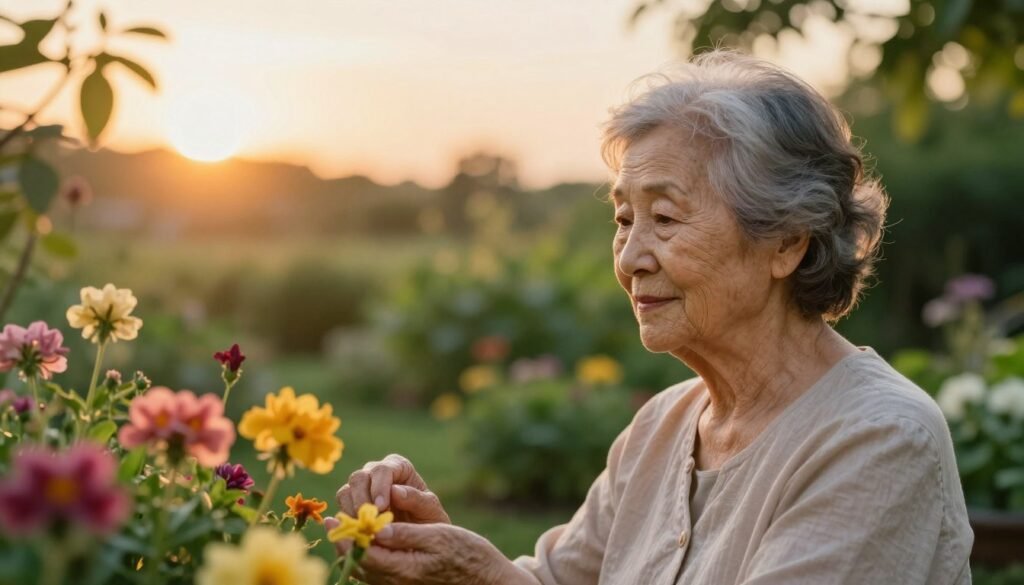
Aging skin, according to Angel Turlington, is driven more by biology than by birthdays, highlighting the importance of understanding the biological aspects of aging. As we journey through life, our bodies undergo a series of changes that affect not just our appearance, but our overall health. The concept of “beauty from within” becomes particularly relevant here, as it emphasizes the role of internal biology in how we age.
Understanding Cellular Aging
Cellular aging is a complex process influenced by a combination of genetic, environmental, and lifestyle factors. At its core, aging involves the gradual deterioration of cellular function, leading to a decline in physiological performance. This process is driven by various mechanisms, including:
- Telomere shortening: Telomeres protect the ends of chromosomes, and their length decreases with each cell division.
- Epigenetic changes: These affect gene expression without altering the DNA sequence itself.
- Loss of proteostasis: The ability to maintain protein homeostasis declines with age.
Biological Approaches to Age Management
Managing the aging process requires a multi-faceted approach that incorporates lifestyle modifications, nutritional interventions, and potentially, therapeutic strategies. The principle of “beauty from the inside out” is key here, as maintaining internal health is crucial for external appearance. Some biological approaches include:
- Nutritional interventions: Diets rich in antioxidants, such as the Mediterranean diet, can help mitigate oxidative stress.
- Lifestyle changes: Regular exercise and adequate sleep are crucial for maintaining physiological function.
- Therapeutic strategies: Emerging research into senolytics and other anti-aging therapies holds promise for future interventions.
By understanding and addressing the biological underpinnings of aging, we can adopt a more holistic approach to aging gracefully, one that aligns with the principles of beauty from within and beauty from the inside out.
The Mind-Beauty Connection
Beauty isn’t just about physical appearance; it’s also about the energy we emit. This concept is echoed in Dr. Josh’s observation that “True beauty isn’t only visual, it’s energetic.” The connection between our mind and beauty is complex, involving how our thoughts, emotions, and confidence levels impact our appearance.
Thoughts and Emotions: The Unseen Beauty Factors
Our thoughts and emotions play a significant role in how we present ourselves to the world. Positive thinking and emotional well-being can enhance our natural beauty, making us appear more vibrant and attractive. Conversely, negative thoughts and stress can detract from our appearance, potentially leading to issues like skin problems or hair loss.
The impact of stress on beauty is particularly noteworthy. Chronic stress can lead to the release of cortisol, a hormone that can cause inflammation, breakouts, and other skin issues. Managing stress through mindfulness, meditation, or exercise can help mitigate these effects, promoting a more radiant appearance.
The Science of Confidence and Perceived Beauty
Confidence is a crucial element of perceived beauty. When we feel confident, we are more likely to stand tall, make eye contact, and smile, all of which can make us appear more attractive to others. Research has shown that confidence can be a significant predictor of attractiveness, sometimes even outweighing physical attributes.
| Factor | Impact on Perceived Beauty | Confidence Boosters |
|---|---|---|
| Positive Thinking | Enhances natural beauty, makes one appear more vibrant | Meditation, Gratitude Journaling |
| Stress Management | Reduces skin issues, promotes healthier appearance | Exercise, Mindfulness Practices |
| Self-Care | Improves overall well-being, enhances beauty | Sleep, Healthy Nutrition |
By focusing on our mental and emotional well-being, we can cultivate a more holistic approach to beauty. This involves not just external care routines, but also internal practices that promote confidence, positivity, and overall wellness.
In conclusion, the mind-beauty connection is a powerful one. By understanding and leveraging this connection, we can enhance our natural beauty and project a more confident, attractive image to the world.
Creating Your Holistic Beauty Plan
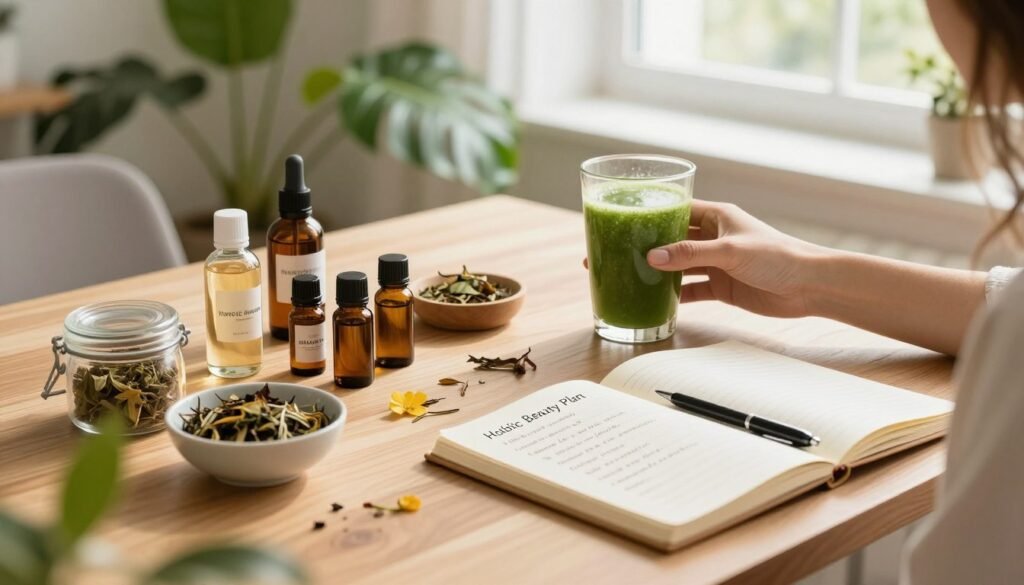
To achieve true beauty, it’s essential to look beyond surface-level treatments and address your unique biological needs. A holistic beauty plan is about understanding the complex interplay between your health, lifestyle, and appearance.
Assessing Your Unique Biological Needs
Assessing your biological needs involves considering various factors that influence your appearance. This includes your genetic predispositions, hormonal balance, and lifestyle choices.
- Genetic predispositions: Understanding your family’s health history can provide insights into potential beauty and health concerns.
- Hormonal balance: Hormones significantly affect your skin, hair, and body composition. Identifying any hormonal imbalances can help you address beauty issues more effectively.
- Lifestyle choices: Your diet, exercise routine, sleep patterns, and stress levels all play a crucial role in your overall appearance.
Implementing Beauty From Within Practices
Once you’ve assessed your unique biological needs, it’s time to implement practices that foster beauty from within. This involves making informed choices about your diet, exercise, sleep, and stress management.
| Practice | Description | Beauty Benefit |
|---|---|---|
| Nutrition | Eating a balanced diet rich in essential nutrients | Glowing skin, healthy hair, and strong nails |
| Exercise | Engaging in regular physical activity | Toned body, improved circulation, and reduced stress |
| Sleep | Getting adequate restful sleep | Reduced dark circles, improved skin regeneration, and overall refreshment |
| Stress Management | Practicing stress-reducing techniques like meditation or yoga | Reduced stress-related skin issues, improved mental well-being |
By implementing these practices and tailoring them to your unique biological needs, you can achieve a more holistic approach to beauty that goes beyond external treatments.
Conclusion: Embracing Beauty as a Reflection of Health
Understanding that beauty is more than skin deep is the first step towards a more holistic approach to appearance. By focusing on inner beauty and overall health, individuals can cultivate a natural glow that goes beyond external cosmetics.
Dr. Josh’s insight that “You don’t need to chase beauty. You can cultivate it by creating health” resonates deeply with this concept. By prioritizing biological well-being, individuals can enhance their natural beauty.
Cultivating health through balanced nutrition, regular exercise, sufficient sleep, and stress management not only improves physical appearance but also boosts overall well-being. This approach encourages a positive body image and self-confidence, reflecting the true essence of inner beauty.
Embracing this holistic view of beauty allows individuals to move beyond superficial beauty standards, fostering a more meaningful and lasting connection with their own bodies and health.
FAQ
What does “beauty is biological” mean?
How does gut health affect my skin and appearance?
Can cosmetics alone make me beautiful?
How do hormones impact my beauty and appearance?
What role does nutrition play in beauty?
How does sleep impact my beauty and appearance?
Can stress really affect my beauty?
How does exercise contribute to natural beauty?
Why is hydration important for beauty?
How can I age beautifully and maintain my natural beauty?
Can my thoughts and emotions really affect my appearance?
How can I create a holistic beauty plan that works for me?
What is holistic beauty, and how can I achieve it?
How can I balance my hormones naturally to improve my beauty?
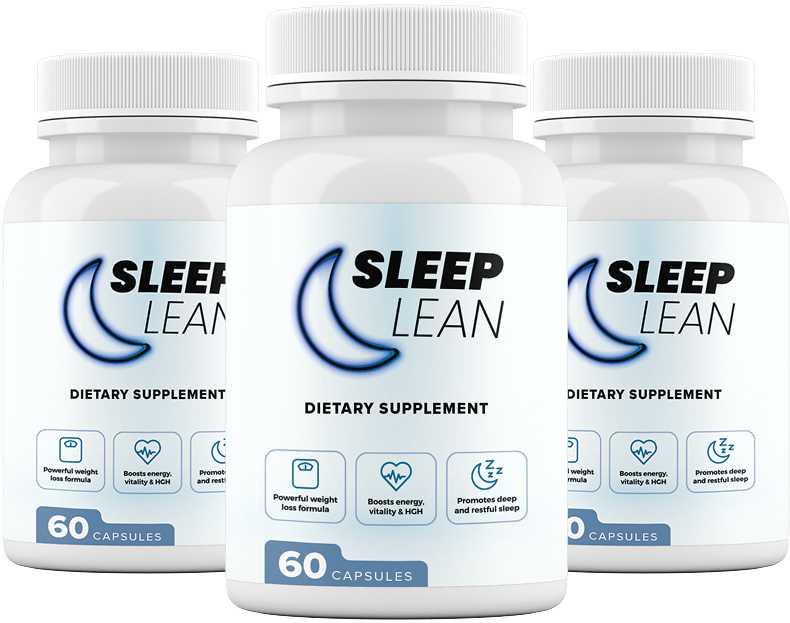
🌸 Discover Weight Management Supplements That Works — Handpicked for You
Curated health & beauty essentials our readers trust — explore your new self-care favorites.


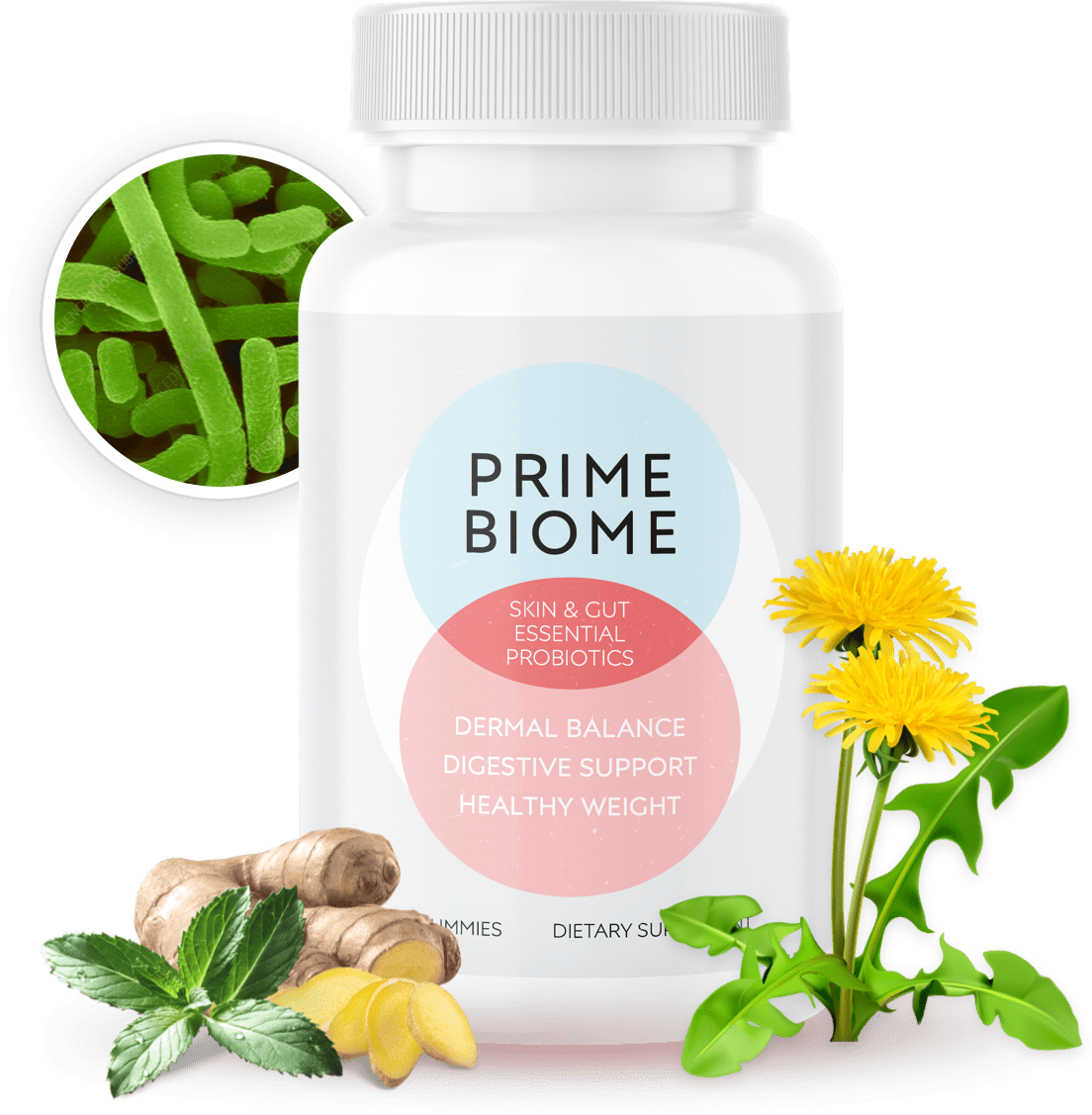
🌸 Discover Beauty That Works — Handpicked for You
Curated health & beauty essentials our readers trust — explore your new self-care favorites.

💖 Connect with SmartWellnessBeauty
Join our wellness & beauty community for daily inspiration, mindful living, and radiant self-care — follow us across your favorite platforms.



















 Smart Tools World

 SmartAIEarn

 SmartWellnessBeauty

 Smart Resource Vault

 TrendsOfReview

 SmartLivingJournal
 Holistic Yoga With Wellness