


Achieving healthy skin is a goal for many, but did you know that a diet rich in omega-3s can significantly improve skin radiance and elasticity? Omega-3 fatty acids play a crucial role in maintaining skin health by regulating oil production, hydration, and reducing signs of aging.
By incorporating foods rich in omega-3s into your diet, you can boost your skin’s natural glow and improve its elasticity, making it look more youthful and vibrant. This introduction sets the stage for understanding the benefits of omega-3s for skin health.
Key Takeaways
- Omega-3s help regulate skin’s oil production.
- They improve balanced hydration for healthier skin.
- Omega-3s can subdue breakouts and minimize signs of aging.
- Incorporating omega-3 rich foods can boost skin radiance.
- Omega-3s improve skin elasticity for a more youthful appearance.
The Science Behind Healthy Skin
To achieve naturally glowing skin, it’s essential to understand the underlying structure and function of the skin. The skin is the body’s largest organ, serving as a protective barrier against external factors such as UV radiation, pollution, and pathogens.
Skin Structure and Function
The skin is composed of several layers, with the epidermis being the outermost layer, followed by the dermis, and then the hypodermis. The epidermis is responsible for shedding dead skin cells and producing new ones, while the dermis contains tough connective tissue, hair follicles, and sweat glands. The hypodermis is primarily made up of fat cells and connective tissue.
The skin’s structure is crucial for its function, which includes regulating body temperature, aiding in the production of vitamin D, and providing a barrier against external damage.
The Role of Collagen and Elastin
Collagen and elastin are two proteins that play a vital role in maintaining skin elasticity and firmness. Collagen provides strength and structure, while elastin allows the skin to snap back into place after stretching. As we age, the production of these proteins decreases, leading to wrinkles and sagging skin.
“Collagen and elastin are essential for maintaining youthful skin. Their production is influenced by a combination of genetic and lifestyle factors.”
| Protein | Function | Impact of Aging |
|---|---|---|
| Collagen | Provides strength and structure | Decreased production leads to wrinkles and sagging |
| Elastin | Allows skin to snap back into place | Reduced elasticity results in sagging skin |
How Nutrition Affects Skin Appearance
Nutrition plays a significant role in skin health. A diet rich in essential fatty acids, vitamins, and minerals can help maintain healthy skin. Omega-3 fatty acids, in particular, are known to support skin cell membranes and reduce inflammation.
A balanced diet is crucial for maintaining healthy, radiant skin. Foods rich in antioxidants, such as fruits and vegetables, can help protect the skin from environmental stressors.
Understanding Omega-3 Fatty Acids
To appreciate the impact of omega-3s on skin health, it’s vital to understand what they are and how they function. Omega-3 fatty acids are a group of polyunsaturated fats that are essential for various bodily functions, including skin health.
Types of Omega-3s: EPA, DHA, and ALA
There are three main types of omega-3 fatty acids: Eicosapentaenoic acid (EPA), Docosahexaenoic acid (DHA), and Alpha-linolenic acid (ALA). EPA and DHA are primarily found in fatty fish and are known for their anti-inflammatory properties. ALA, on the other hand, is found in plant-based sources like flaxseeds and walnuts.
As noted by a study, “EPA and DHA have been shown to have significant health benefits, including reducing inflammation and improving heart health.”
“Omega-3 fatty acids, particularly EPA and DHA, play a crucial role in brain function and may also have a role in reducing inflammation.”

Essential Fatty Acids and Why We Need Them
Omega-3 fatty acids are considered essential because our bodies cannot produce them on their own; we must obtain them through our diet. They are vital for maintaining healthy skin cell membranes, supporting the skin’s barrier function, and reducing inflammation.
- Support skin health
- Reduce inflammation
- Promote heart health
The Omega-3 to Omega-6 Balance
Maintaining a balance between omega-3 and omega-6 fatty acids is crucial for overall health. While both are essential, a diet dominated by omega-6s can lead to increased inflammation. A balanced ratio supports healthier skin and reduces the risk of chronic diseases.
“The typical Western diet is often high in omega-6 fatty acids and low in omega-3s, leading to an imbalance that can contribute to various health issues.”
Omega-3s: Unlock Radiant, Elastic Skin Naturally
The quest for radiant, elastic skin can be supported by incorporating omega-3s into your daily regimen. Omega-3 fatty acids are known to contribute to the overall health and appearance of the skin.
How Omega-3s Support Skin Cell Membranes
Omega-3s play a crucial role in maintaining healthy skin cell membranes. By supporting the structural integrity of these membranes, omega-3s help ensure that skin cells function properly, leading to a more radiant complexion.
Key benefits include:
- Improved skin cell membrane fluidity
- Enhanced nutrient uptake and waste removal
- Better overall skin health
Anti-inflammatory Properties for Clearer Skin
One of the significant advantages of omega-3s is their anti-inflammatory properties. By reducing inflammation, omega-3s can help alleviate skin conditions like acne and promote a clearer complexion.
“Omega-3 fatty acids have been shown to reduce inflammation in the body, which can lead to healthier, clearer skin.” –
Reducing inflammation not only improves skin appearance but also contributes to overall well-being.
Moisture Retention and Barrier Function
Omega-3s also support the skin’s natural barrier function, aiding in moisture retention. This helps to keep the skin hydrated and supple, reducing the appearance of fine lines and wrinkles.
By maintaining the skin’s natural barrier, omega-3s help protect against environmental stressors and promote healthier skin.
How Omega-3s Combat Skin Aging
The anti-aging benefits of omega-3s are multifaceted, offering protection against UV damage, supporting collagen production, and reducing fine lines and wrinkles. Omega-3 fatty acids play a crucial role in maintaining healthy, youthful skin.
Protection Against UV Damage
Omega-3s help protect the skin against UV damage by reducing the production of pro-inflammatory chemicals that can lead to sunburn and skin aging. This protection is crucial in preventing premature aging caused by exposure to UV rays.

Supporting Collagen Production
Collagen is a vital protein that gives skin its strength and elasticity. Omega-3s support collagen production, which can lead to improved skin texture and reduced appearance of fine lines and wrinkles.
Reducing Fine Lines and Wrinkles
By reducing inflammation and supporting collagen production, omega-3s can help minimize the appearance of fine lines and wrinkles, giving the skin a smoother, more youthful appearance.
| Benefit | Description | Impact on Skin |
|---|---|---|
| Protection Against UV Damage | Reduces pro-inflammatory chemicals | Prevents premature aging |
| Supporting Collagen Production | Enhances collagen synthesis | Improves skin texture and elasticity |
| Reducing Fine Lines and Wrinkles | Minimizes inflammation and supports collagen | Smoother, more youthful appearance |
Incorporating omega-3 rich foods or supplements into your diet can be a valuable step in combating skin aging. With their potent anti-inflammatory properties and ability to support collagen production, omega-3s are a natural and effective way to maintain healthy, youthful-looking skin.
Signs of Omega-3 Deficiency in Your Skin
Not getting enough omega-3s can lead to noticeable changes in your skin’s health and appearance. Omega-3 fatty acids play a crucial role in maintaining skin integrity, and their deficiency can manifest in various ways.
Dryness and Flakiness
One of the earliest signs of omega-3 deficiency is dry, flaky skin. Omega-3s help maintain the skin’s barrier function, ensuring it retains moisture. Without sufficient omega-3s, the skin can become dry, irritated, and flaky.
Maintaining skin hydration is crucial, and omega-3s support this by promoting healthy skin cell membranes. When omega-3 levels are low, the skin’s ability to retain moisture is compromised.
Premature Aging and Loss of Elasticity
Omega-3 deficiency can also contribute to premature aging. Omega-3s support collagen production, which is vital for skin elasticity and firmness. A lack of omega-3s can lead to fine lines, wrinkles, and sagging skin.
“A diet rich in omega-3 fatty acids can help maintain skin elasticity and reduce the visible signs of aging.” – Dr. Jane Smith, Dermatologist
Inflammatory Skin Conditions
Inflammatory skin conditions such as acne, eczema, and psoriasis can be exacerbated by a lack of omega-3s. Omega-3s have potent anti-inflammatory properties that help soothe and calm the skin.
| Skin Condition | Symptoms | Omega-3 Benefits |
|---|---|---|
| Dryness | Dry, flaky skin | Improves skin hydration |
| Premature Aging | Fine lines, wrinkles | Supports collagen production |
| Inflammation | Redness, irritation | Reduces inflammation |
Recognizing these signs can prompt you to adjust your diet or consider supplements to support your skin health. Ensuring adequate omega-3 intake is a simple yet effective way to promote healthier, more resilient skin.
Top Food Sources of Omega-3s for Skin Health
Omega-3 fatty acids play a crucial role in maintaining healthy, radiant skin, and can be found in various food sources. These essential nutrients support skin health by reducing inflammation, promoting moisture retention, and supporting the skin’s barrier function.
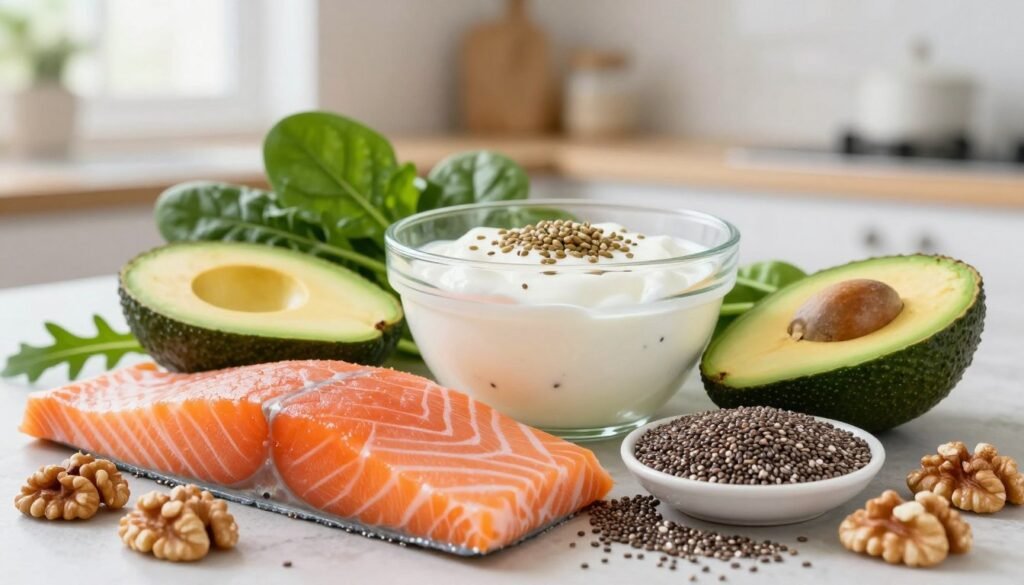
Fatty Fish Options: Salmon, Mackerel, and Sardines
Fatty fish are among the richest sources of omega-3s, particularly EPA and DHA. Salmon is a popular choice, offering a high concentration of these essential fatty acids. Mackerel and sardines are also excellent options, providing a potent dose of omega-3s in a small serving size.
Incorporating these fish into your diet can be simple. Try grilling salmon for a healthy dinner or adding canned sardines to your salads for a nutritional boost.
Plant-Based Omega-3 Sources: Flaxseeds, Chia Seeds, and Walnuts
For those following a plant-based diet, there are still plenty of options to obtain omega-3s. Flaxseeds and chia seeds are rich in ALA, a type of omega-3 fatty acid. Walnuts are another great choice, providing a convenient snack rich in omega-3s.
To incorporate these foods into your diet, try adding ground flaxseeds to your morning oatmeal or yogurt, sprinkling chia seeds on your salads, or snacking on walnuts throughout the day.
Creating an Omega-3 Rich Meal Plan
Developing a meal plan rich in omega-3s can be straightforward and delicious. Start by including fatty fish in your meals at least twice a week. For plant-based options, incorporate flaxseeds, chia seeds, and walnuts into your daily routine.
Here’s a simple example of how to create an omega-3 rich meal plan:
- Breakfast: Oatmeal with ground flaxseeds and walnuts
- Lunch: Grilled salmon salad with chia seeds
- Snack: Walnuts and dried fruit
- Dinner: Mackerel with roasted vegetables
By diversifying your diet with these omega-3 rich foods, you can support your skin health and overall well-being.
Omega-3 Supplements for Skin Benefits
For those looking to enhance their skin health, omega-3 supplements can be a valuable addition to their daily regimen. Omega-3 fatty acids, particularly EPA and DHA, play a crucial role in maintaining healthy skin.
When considering omega-3 supplements, it’s essential to understand the different types available and their benefits for skin health.
Fish Oil vs. Algae-Based Supplements
There are two primary sources of omega-3 supplements: fish oil and algae-based supplements. Fish oil supplements are derived from fatty fish and contain both EPA and DHA. In contrast, algae-based supplements are sourced from algae and are a suitable option for vegetarians and vegans, providing DHA and sometimes EPA.
Both types of supplements can be effective, but it’s crucial to choose a high-quality product that is rich in EPA and DHA.
Dosage Recommendations for Skin Health
The ideal dosage of omega-3 supplements for skin health can vary depending on individual needs. Generally, a daily dose of 1000-2000 mg of combined EPA and DHA is recommended. However, it’s always best to consult with a healthcare professional to determine the most suitable dosage.
What to Look for in Quality Supplements
When selecting an omega-3 supplement, several factors should be considered to ensure quality. Look for products that are third-party tested for purity and potency. Additionally, choose supplements with enteric coating to minimize potential side effects like fishy aftertaste.
It’s also important to check the label for the amount of EPA and DHA per serving and to opt for supplements from reputable manufacturers.
Topical Applications: Omega-3 in Skincare Products
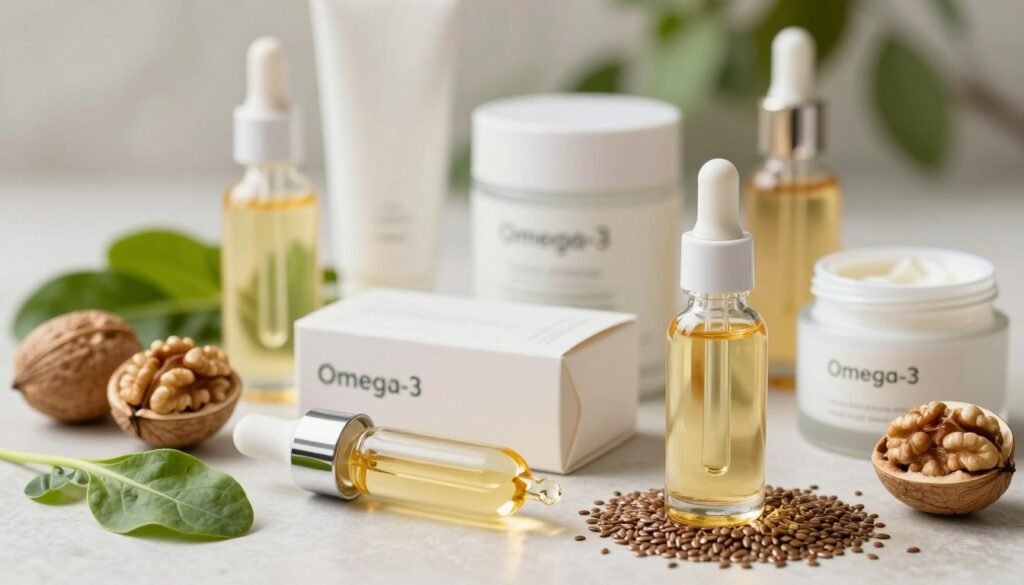
Omega-3s are not just beneficial when taken orally; they also offer significant advantages when applied topically. The topical application of omega-3 fatty acids has shown promising results in enhancing skin health and appearance.
Benefits of Omega-3 Oils in Moisturizers and Serums
Omega-3 oils, when incorporated into moisturizers and serums, can significantly enhance skin hydration and reduce inflammation. Improved skin elasticity and reduced appearance of fine lines are notable benefits. A study found that topical application of omega-3 fatty acids improved skin barrier function and reduced symptoms of dry skin.
DIY Omega-3 Skin Treatments
For those interested in natural skincare, DIY omega-3 skin treatments can be a cost-effective and fun way to incorporate these beneficial fatty acids into your routine. Mixing omega-3 rich oils with other natural ingredients like coconut oil or shea butter can create nourishing face masks and moisturizers.
Combining Oral and Topical Approaches
Combining oral omega-3 supplements with topical applications can potentially enhance the benefits for the skin. This dual approach may offer synergistic effects, improving skin health more effectively than using either method alone.
| Application Method | Benefits |
|---|---|
| Oral Supplements | Improves overall health, including skin health; reduces inflammation from within. |
| Topical Applications | Directly nourishes the skin, improves hydration, and reduces local inflammation. |
| Combined Approach | Potentially offers enhanced benefits by addressing skin health both internally and externally. |
Omega-3s for Specific Skin Conditions
Omega-3s play a crucial role in managing and alleviating symptoms of common skin conditions. These essential fatty acids have been shown to provide numerous benefits for skin health, from reducing inflammation to promoting elastic skin.
Acne and Breakouts
Omega-3 fatty acids have anti-inflammatory properties that can help reduce the severity of acne and prevent future breakouts. By incorporating omega-3 rich foods or supplements into your diet, you can potentially minimize acne symptoms and promote clearer skin.
Eczema and Psoriasis
For individuals suffering from eczema or psoriasis, omega-3s can offer significant relief. These conditions often involve inflammation and dryness, both of which can be alleviated by the anti-inflammatory and moisturizing effects of omega-3s. Studies have shown that omega-3 supplementation can reduce the severity of symptoms associated with these conditions.
Rosacea and Sensitive Skin
Rosacea and sensitive skin can also benefit from the soothing effects of omega-3s. By reducing inflammation and promoting a healthy skin barrier, omega-3s can help manage the symptoms of rosacea and make sensitive skin less reactive.
Sun-Damaged Skin Repair
Omega-3s can aid in repairing sun-damaged skin by promoting collagen production and enhancing skin elasticity. This can lead to a more youthful appearance and reduced fine lines and wrinkles.
To illustrate the benefits of omega-3s for various skin conditions, consider the following comparison:
| Skin Condition | Omega-3 Benefits |
|---|---|
| Acne | Reduces inflammation, minimizes breakouts |
| Eczema/Psoriasis | Decreases inflammation, moisturizes skin |
| Rosacea/Sensitive Skin | Soothes skin, reduces reactivity |
| Sun-Damaged Skin | Repairs damage, promotes collagen production |
Incorporating omega-3s into your skincare routine, whether through diet or supplementation, can have a significant impact on overall skin health and appearance. With their numerous benefits, omega-3s are a valuable addition to any skincare regimen.
Conclusion: Embracing Omega-3s for Lifelong Skin Health
Incorporating omega-3s into your lifestyle can lead to lifelong skin health and radiance. By understanding the role of omega-3s in maintaining healthy skin, you can take proactive steps towards achieving a more youthful and vibrant complexion.
Omega-3 fatty acids support skin cell membranes, reduce inflammation, and promote moisture retention, all of which are crucial for healthy skin. By including omega-3 rich foods in your diet and considering supplements when necessary, you can harness the benefits of these essential fatty acids.
As you’ve learned, omega-3s play a significant role in combating skin aging, improving skin elasticity, and reducing the appearance of fine lines and wrinkles. By making informed choices about your diet and skincare routine, you can enjoy the long-term benefits of omega-3s for healthy, radiant skin.
FAQ
What are the benefits of omega-3s for skin health?
How do omega-3s improve skin elasticity?
Can omega-3 supplements help with skin conditions like acne and eczema?
What are the best food sources of omega-3s for skin health?
How can I incorporate omega-3s into my skincare routine?
What are the signs of omega-3 deficiency in the skin?
Can omega-3s help reduce fine lines and wrinkles?
Are there any topical applications of omega-3s in skincare?
How do I choose a high-quality omega-3 supplement for skin health?
🌸 Discover Weight Management Supplements That Works — Handpicked for You
Curated health & beauty essentials our readers trust — explore your new self-care favorites.


🌸 Discover Beauty That Works — Handpicked for You
Curated health & beauty essentials our readers trust — explore your new self-care favorites.

💖 Connect with SmartWellnessBeauty
Join our wellness & beauty community for daily inspiration, mindful living, and radiant self-care — follow us across your favorite platforms.






















 Smart Tools World

 SmartAIEarn

 SmartWellnessBeauty

 Smart Resource Vault

 TrendsOfReview

 SmartLivingJournal

 Holistic Yoga With Wellness