


Did you know that cardiovascular diseases claim millions of lives worldwide each year? The heart is a vital organ that pumps blood throughout the body, supplying oxygen and nutrients to every cell. However, the demands of modern life often lead to neglect of this critical organ.
Maintaining cardiovascular wellness is crucial for a longer, healthier life. Neglecting heart health can lead to severe consequences, including heart disease. This comprehensive guide will walk you through the importance of heart health, its function, and how to care for it throughout your life.
Key Takeaways
- Understanding the role of the heart in overall health
- Recognizing the risks associated with neglecting heart health
- Learning strategies for maintaining cardiovascular wellness
- Preventing heart disease through lifestyle changes
- Adopting a lifelong approach to heart care
Understanding Your Heart’s Anatomy and Function
To grasp the significance of heart health, it’s essential to understand the heart’s structure and how it works. The heart is a muscular organ that pumps blood through the cardiovascular system, supplying oxygen and nutrients to the body’s tissues and removing carbon dioxide and other wastes.
The Heart’s Structure: Chambers, Valves, and Blood Vessels
The heart is composed of four chambers: the right and left atria, and the right and left ventricles. The atria receive blood returning to the heart, while the ventricles pump blood out of the heart. The heart also contains valves that ensure blood flows in one direction, preventing backflow. The major blood vessels, including the aorta and pulmonary arteries and veins, are connected to the heart, facilitating the circulation of blood throughout the body.
How Your Heart Pumps Blood Throughout Your Body
The process of pumping blood involves the coordinated effort of the heart’s chambers and valves. Blood flows into the atria, then into the ventricles, which contract to pump blood out to the body or lungs. The cardiac cycle refers to the sequence of events that occurs with each heartbeat, involving contraction and relaxation phases. Understanding this process is key to appreciating the importance of maintaining a healthy heart through heart health tips and healthy lifestyle habits.
The Electrical System: Your Heart’s Natural Pacemaker
The heart’s electrical system regulates the heartbeat, ensuring a consistent rhythm. The sinoatrial (SA) node, located in the right atrium, acts as the heart’s natural pacemaker, generating electrical impulses that trigger cardiac contractions. These impulses are conducted through the heart, coordinating the contraction of the atria and ventricles. A healthy electrical system is crucial for maintaining a normal heart rhythm, which is an essential aspect of cardiovascular wellness.
The Remarkable Journey of Blood Through Your Cardiovascular System
The journey of blood through the cardiovascular system is a fascinating and essential process for maintaining overall health. This complex network, comprising the heart, blood vessels, and blood, plays a vital role in delivering oxygen and nutrients to tissues and removing waste products.
To understand the cardiovascular system’s functioning, it’s essential to explore its two primary circuits: the pulmonary and systemic circuits. These circuits work in tandem to ensure that oxygenated blood reaches the body’s tissues and organs.
The Pulmonary Circuit: Oxygenating Your Blood
The pulmonary circuit is responsible for oxygenating the blood. It begins at the right atrium, where deoxygenated blood returns from the body. The blood then flows into the right ventricle, which pumps it through the pulmonary valve into the pulmonary arteries. These arteries carry the blood to the lungs, where it picks up oxygen and releases carbon dioxide through the process of respiration.
The now-oxygenated blood returns to the heart through the pulmonary veins and enters the left atrium. From there, it flows into the left ventricle, which pumps it out to the body through the aorta.
The Systemic Circuit: Delivering Oxygen to Your Body
The systemic circuit is responsible for delivering oxygenated blood to the body’s tissues and organs. It begins with the left ventricle pumping blood into the aorta, the largest artery in the body. The aorta branches into smaller arteries, which further divide into arterioles and capillaries.
In the capillaries, oxygen and nutrients are exchanged for carbon dioxide and waste products. The deoxygenated blood then flows into venules and veins, which return it to the heart, completing the circuit.
The Importance of Healthy Blood Vessels
Healthy blood vessels are crucial for maintaining proper blood flow and overall cardiovascular wellness. Blood vessels, including arteries, veins, and capillaries, play a vital role in the cardiovascular system.
Damage to blood vessels can lead to various cardiovascular conditions, including atherosclerosis, high blood pressure, and peripheral artery disease. Maintaining healthy blood vessels through a balanced diet, regular exercise, and not smoking is essential for overall heart health.
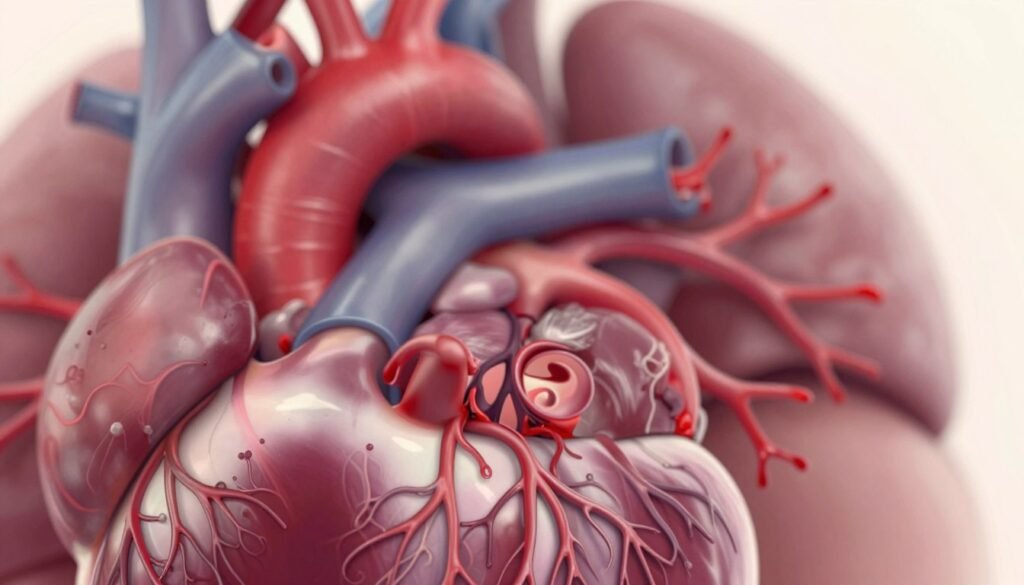
A key aspect of maintaining healthy blood vessels is understanding the factors that affect them. The following table highlights some critical factors and their impact on blood vessel health:
| Factor | Impact on Blood Vessel Health |
|---|---|
| Diet high in saturated fats | Increases risk of atherosclerosis |
| Regular aerobic exercise | Improves blood vessel function and overall cardiovascular health |
| Smoking | Damages blood vessels and increases risk of cardiovascular disease |
| High blood pressure | Can cause damage to blood vessels, leading to cardiovascular complications |
By understanding the journey of blood through the cardiovascular system and the importance of maintaining healthy blood vessels, individuals can take steps to support their overall cardiovascular wellness. This includes adopting a heart-healthy diet, engaging in regular exercise, and managing stress.
Common Heart Conditions and Diseases
Understanding common heart conditions is crucial for prevention and effective management. Heart disease encompasses a range of conditions that affect the heart’s structure and function.
Coronary Artery Disease: The Leading Cause of Heart Problems
Coronary artery disease (CAD) occurs when the coronary arteries, which supply blood to the heart muscle, become narrowed or blocked due to atherosclerosis. This process involves the buildup of cholesterol plaques, leading to reduced blood flow to the heart.
Symptoms of CAD can include chest pain (angina), shortness of breath, or other signs that may indicate a heart attack. Early detection is key to managing CAD effectively.
“The American Heart Association emphasizes that early detection and treatment of heart disease can significantly improve outcomes and save lives.”
Heart Failure: When Your Heart Can’t Keep Up
Heart failure is a condition where the heart is unable to pump enough blood to meet the body’s needs. It can result from various factors, including CAD, high blood pressure, or diabetes.
Managing heart failure involves lifestyle changes, such as dietary adjustments, increased physical activity, and adherence to prescribed medications.
| Condition | Symptoms | Management Strategies |
|---|---|---|
| Coronary Artery Disease | Chest pain, shortness of breath | Lifestyle changes, medications, surgery |
| Heart Failure | Fatigue, swelling, shortness of breath | Medications, lifestyle adjustments, monitoring |
Arrhythmias: When Your Heart’s Rhythm Goes Off-Beat
Arrhythmias refer to irregular heartbeats, which can be too fast, too slow, or irregular. They can be caused by various factors, including heart disease, stress, or certain medications.
Valve Disorders: Problems with Your Heart’s Doorways
Valve disorders occur when the heart valves do not function properly, either due to stenosis (narrowing) or regurgitation (leakage). This can lead to symptoms such as shortness of breath, fatigue, or chest pain.
Regular check-ups are crucial for detecting valve disorders early, allowing for timely intervention.
By understanding these common heart conditions and diseases, individuals can take proactive steps towards heart disease prevention and management. This includes adopting a healthy lifestyle, managing stress, and adhering to the importance of regular check-ups with healthcare providers.
Recognizing Heart Attack and Cardiac Emergency Signs
Knowing the symptoms of a heart attack can be the difference between life and death. Heart attacks and cardiac emergencies are medical crises that require immediate attention. Recognizing the signs is the first step in getting the necessary help quickly.
Classic vs. Atypical Heart Attack Symptoms
Heart attack symptoms can vary significantly from one person to another. While some people experience the classic symptoms often portrayed in media, others may have atypical symptoms that are less well-known.
Classic symptoms include:
- Chest pain or discomfort that feels like pressure, tightness, or a heavy weight
- Pain or discomfort in one or both arms, the back, neck, jaw, or stomach
- Shortness of breath or difficulty breathing
- Lightheadedness or dizziness
- Cold sweats or nausea
Atypical symptoms can be more subtle and may include:
- Fatigue or feeling unusually tired
- Indigestion or heartburn
- Pain in the upper abdomen that radiates to the jaw or arm
It’s crucial to understand that heart attacks can manifest differently in different people, and some may not experience chest pain at all.

When to Call 911: Don’t Wait to Seek Help
If you or someone you’re with is experiencing symptoms of a heart attack, it’s essential to act quickly. Calling 911 or your local emergency number is the first step.
“If you’re experiencing chest pain or other heart attack symptoms, don’t hesitate to call 911. Emergency responders can begin treatment on the way to the hospital, which can significantly improve outcomes.”
When calling 911, be prepared to provide your location and a brief description of the symptoms. Stay on the line until the operator hangs up.
Immediate Actions That Can Save Lives
While waiting for emergency responders to arrive, there are several actions you can take to help:
| Action | Description |
|---|---|
| Stay calm | Panic can increase heart rate, so try to remain as calm as possible. |
| Loosen tight clothing | Remove or loosen any tight clothing that may constrict the chest or neck. |
| Administer aspirin (if advised) | If you’re with someone experiencing a heart attack and you’re advised to do so by the 911 operator, give them an aspirin to chew. |
These immediate actions, combined with prompt medical attention, can significantly improve survival chances and outcomes for heart attack victims.
By being aware of the signs of a heart attack and knowing how to respond, you can play a critical role in saving a life. Heart health tips, such as maintaining cardiovascular wellness and preventing heart disease, are also crucial in reducing the risk of heart attacks.
Risk Factors for Heart Disease You Can’t Control
While some risk factors for heart disease can be managed, others are beyond our control. Understanding these uncontrollable factors is crucial for developing effective heart health strategies.
Age and Heart Health: The Impact of Growing Older
As we age, the risk of developing heart disease increases. This is due in part to the natural wear and tear on our hearts over time. Age-related changes can lead to the stiffening of blood vessels and the heart itself, making it work harder to pump blood.
Family History and Genetic Predisposition
Having a family history of heart disease can significantly increase an individual’s risk. Genetic predisposition plays a role in many aspects of heart health, including blood pressure and cholesterol levels. Understanding your family’s medical history can help you and your healthcare provider make informed decisions about your heart health.
Sex and Gender Differences in Heart Disease
There are significant differences in how heart disease affects men and women. Sex-specific risk factors and symptoms can influence diagnosis and treatment. For instance, women are more likely to experience atypical symptoms during a heart attack, making timely diagnosis more challenging.
Recognizing these differences is essential for providing appropriate care and developing targeted prevention strategies.
Modifiable Risk Factors: Taking Control of Your Heart Health
Taking control of your heart health starts with understanding the modifiable risk factors that contribute to heart disease. By making informed choices and managing these factors, you can significantly reduce your risk of developing heart-related conditions.
Smoking and Tobacco Use: A Direct Path to Heart Disease
Smoking and tobacco use are well-established risk factors for heart disease. Tobacco smoke damages the cardiovascular system and increases the risk of heart attack, stroke, and other cardiovascular conditions. Quitting smoking is a crucial step towards improving heart health.
Benefits of Quitting Smoking:
- Reduced risk of heart attack and stroke
- Improved lung function and overall health
- Lower risk of developing smoking-related cancers
High Blood Pressure: The Silent Killer
High blood pressure, or hypertension, is a significant risk factor for heart disease. It can damage the blood vessels, heart, and kidneys if left unmanaged. Regular monitoring and appropriate management through lifestyle changes and medication can help control high blood pressure.
Tips for Managing High Blood Pressure:
- Maintain a healthy diet low in sodium
- Exercise regularly
- Limit alcohol consumption
Cholesterol Levels: Understanding the Good and the Bad
Cholesterol is a type of fat found in the bloodstream. While it’s essential for various bodily functions, high levels of “bad” LDL cholesterol can increase the risk of heart disease. Understanding and managing cholesterol levels through diet, exercise, and medication (if necessary) is vital for heart health.
| Cholesterol Type | Desirable Level |
|---|---|
| LDL (Bad) Cholesterol | Less than 100 mg/dL |
| HDL (Good) Cholesterol | 60 mg/dL or higher |
| Total Cholesterol | Less than 200 mg/dL |
Diabetes and Heart Disease: A Dangerous Connection
Diabetes significantly increases the risk of heart disease due to the potential damage high blood sugar can cause to blood vessels and nerves. Managing diabetes through lifestyle changes and medication is crucial for reducing the risk of heart-related complications.

By addressing these modifiable risk factors, individuals can take proactive steps towards preventing heart disease and improving overall cardiovascular health. Regular check-ups with healthcare providers and maintaining a healthy lifestyle are key components of heart disease prevention.
Human Heart Health – Complete Wellness Guide
Human heart health is intricately linked with overall wellness, necessitating a holistic approach to cardiovascular care. This comprehensive guide will explore the various facets of maintaining optimal heart health.
The Holistic Approach to Cardiovascular Wellness
Adopting a holistic approach to heart health involves considering all aspects of an individual’s lifestyle and health. This includes dietary habits, physical activity, stress management, and sleep quality. By addressing these factors, individuals can significantly reduce their risk of developing heart-related issues.
Nutritional Balance is a critical component of heart health. Diets rich in fruits, vegetables, whole grains, and lean proteins can help maintain healthy blood pressure and cholesterol levels.
Regular physical activity is another vital aspect. Exercise not only strengthens the heart but also improves circulation and helps manage weight.
Building Your Personal Heart Health Plan
Creating a personalized heart health plan involves assessing your current health status and setting realistic goals. This may include:
- Consulting with healthcare professionals to understand your risk factors.
- Setting specific, achievable goals for diet and exercise.
- Monitoring progress through regular check-ups and health tracking.
By taking these steps, individuals can take proactive control of their heart health.
Tracking Your Heart Health Metrics
Regular monitoring of key health metrics is essential for maintaining heart health. Important metrics include:
| Metric | Target Range | Importance |
|---|---|---|
| Blood Pressure | <120/80 mmHg | Indicates cardiovascular health |
| Cholesterol Levels | <200 mg/dL | Affects heart disease risk |
| Blood Sugar | Fasting: 70-99 mg/dL | Related to diabetes risk |
By understanding and managing these metrics, individuals can make informed decisions about their heart health.
Heart-Healthy Nutrition: Eating for a Strong Heart
Adopting a heart-healthy nutrition plan can significantly reduce the risk of heart disease. A well-balanced diet is crucial for maintaining cardiovascular wellness and overall health. The food choices you make daily can either contribute to or detract from your heart health.

The Mediterranean Diet and Heart Health
The Mediterranean diet is renowned for its cardiovascular benefits. It emphasizes consuming fruits, vegetables, whole grains, and healthy fats, such as those found in olive oil. This dietary pattern has been associated with a reduced risk of heart disease and stroke.
Key Components of the Mediterranean Diet:
- High intake of fruits and vegetables
- Whole grains as a primary source of carbohydrates
- Healthy fats, particularly from olive oil
- Regular consumption of fish and poultry
- Limited intake of red meat and processed foods
DASH Diet: Designed for Cardiovascular Health
The DASH (Dietary Approaches to Stop Hypertension) diet is another eating plan that has been shown to support heart health. It focuses on reducing sodium intake and increasing consumption of nutrients that help lower blood pressure.
The DASH diet recommends:
- Eating a variety of colorful fruits and vegetables
- Incorporating whole grains and lean protein sources
- Choosing low-fat dairy products
- Limiting foods high in saturated fat, cholesterol, and sodium
Foods to Embrace and Foods to Limit
Making informed food choices is vital for heart health. Certain foods can help lower cholesterol, improve blood vessel function, and reduce blood pressure.
Foods to Embrace:
- Fatty fish rich in omega-3 fatty acids, like salmon and sardines
- Nuts and seeds, such as almonds and chia seeds
- Avocados, rich in healthy fats
- Whole grains, like brown rice and quinoa
Foods to Limit:
- Processed and packaged foods high in sodium and unhealthy fats
- Sugary drinks and foods with added sugars
- Red and processed meats
- Foods high in saturated and trans fats
Understanding Sodium, Trans Fats, and Added Sugars
Being mindful of sodium, trans fats, and added sugars is crucial for heart health. These substances can increase blood pressure, raise cholesterol levels, and contribute to weight gain.
“Limiting intake of sodium, trans fats, and added sugars is a critical step in maintaining heart health and reducing the risk of cardiovascular disease.”
By understanding the impact of these dietary components and making informed choices, individuals can significantly improve their heart health and overall well-being.
Physical Activity: Your Heart’s Best Friend
Regular physical activity is a cornerstone of heart health, contributing significantly to overall cardiovascular wellness. Engaging in regular exercise not only strengthens your heart but also improves circulation, boosts mood, and enhances overall well-being.
Aerobic Exercise: Getting Your Heart Pumping
Aerobic exercises, such as walking, running, cycling, and swimming, are excellent for improving heart health. These activities increase your heart rate and blood flow, helping to strengthen your heart and improve cardiovascular function. Aim for at least 150 minutes of moderate-intensity aerobic exercise or 75 minutes of vigorous-intensity aerobic exercise per week.
Strength Training: Building Muscle for Heart Health
Strength training, or resistance exercises, can also play a crucial role in heart health. By building muscle mass, you can improve your metabolism, reduce blood pressure, and enhance overall cardiovascular health. Incorporate strength training exercises into your routine at least two days a week, targeting all major muscle groups.
Finding the Right Exercise Routine for Your Fitness Level
It’s essential to find an exercise routine that suits your fitness level and preferences. Whether you’re a beginner or an experienced athlete, there’s an exercise plan that’s right for you. Consider consulting with a healthcare professional or a fitness expert to develop a personalized exercise plan that meets your needs and goals.
How Much Exercise Do You Really Need?
The amount of exercise you need can vary based on your age, health status, and fitness goals. Generally, adults should aim for at least 150 minutes of moderate-intensity aerobic activity or 75 minutes of vigorous-intensity aerobic activity per week, combined with muscle-strengthening activities on two or more days a week.
| Exercise Type | Frequency/Intensity | Benefits |
|---|---|---|
| Aerobic Exercise | At least 150 minutes/week (moderate intensity) | Improves cardiovascular health, boosts mood |
| Strength Training | 2 or more days/week | Builds muscle, improves metabolism, reduces blood pressure |
By incorporating physical activity into your daily routine, you can significantly enhance your heart health and overall well-being. Remember, every step counts, and finding an enjoyable exercise routine can make a big difference in your long-term commitment to heart health.
Stress Management and Heart Health
Effective stress management is essential for heart health, as it helps mitigate the negative effects of stress on the cardiovascular system. Chronic stress can lead to a range of cardiovascular issues, including high blood pressure, heart disease, and stroke.
Physiological Effects of Stress on Your Heart
When you experience stress, your body’s “fight or flight” response is triggered, releasing stress hormones like cortisol and adrenaline. These hormones increase your heart rate and blood pressure, preparing your body to respond to the perceived threat. While this response is meant to be temporary, chronic stress can lead to prolonged exposure to these hormones, straining your heart.

The physiological effects of stress on the heart can be significant. Chronic stress has been linked to an increased risk of cardiovascular disease, including conditions like hypertension, heart failure, and arrhythmias. Understanding these effects is crucial for developing effective stress management strategies.
Effective Stress Reduction Techniques
Managing stress effectively is critical for maintaining heart health. Several techniques have been shown to be beneficial, including:
- Meditation and Mindfulness: Practices like meditation and mindfulness can help reduce stress by promoting relaxation and reducing stress hormone levels.
- Physical Activity: Regular exercise is a natural stress reliever, improving mood and reducing the risk of cardiovascular disease.
- Deep Breathing Exercises: Deep breathing can help calm the mind and body, reducing stress and promoting relaxation.
- Yoga and Tai Chi: These practices combine physical movement with deep breathing and meditation techniques, offering a holistic approach to stress reduction.
| Stress Reduction Technique | Benefits for Heart Health |
|---|---|
| Meditation and Mindfulness | Reduces stress hormones, promotes relaxation |
| Physical Activity | Improves mood, reduces cardiovascular risk |
| Deep Breathing Exercises | Calms mind and body, reduces stress |
| Yoga and Tai Chi | Combines physical movement with stress reduction techniques |
The Mind-Heart Connection: Mental Health and Heart Disease
There is a significant connection between mental health and heart disease. Conditions like depression and anxiety can increase the risk of cardiovascular disease, while also affecting the management of existing heart conditions. Recognizing this connection is vital for comprehensive heart health care.
By understanding the impact of stress on heart health and implementing effective stress management techniques, individuals can significantly improve their cardiovascular wellness. This holistic approach to heart health emphasizes the importance of mental and emotional well-being alongside physical health.
The Importance of Quality Sleep for Heart Health
Quality sleep is crucial for maintaining a healthy heart, and understanding its importance can be a game-changer for cardiovascular wellness. During sleep, your body repairs and rejuvenates itself, and this process is vital for heart health.
How Sleep Affects Your Heart
Sleep has a significant impact on your heart’s functioning. When you don’t get enough quality sleep, it can lead to increased stress hormones like cortisol and adrenaline, which can raise blood pressure and heart rate. This can put extra strain on your heart, potentially leading to cardiovascular problems over time.
Moreover, sleep influences various physiological processes that are crucial for heart health, including inflammation regulation and glucose metabolism. Poor sleep quality has been linked to higher levels of inflammatory markers, which are associated with an increased risk of heart disease.
Sleep Disorders and Heart Disease Risk
Sleep disorders such as sleep apnea are directly linked to an increased risk of heart disease. Sleep apnea causes pauses in breathing during sleep, leading to fragmented sleep and reduced oxygen levels in the blood. This condition can lead to high blood pressure, heart failure, and other cardiovascular issues.
Other sleep disorders, like insomnia and restless leg syndrome, can also impact heart health by disrupting normal sleep patterns and reducing overall sleep quality. It’s essential to diagnose and treat these conditions to mitigate their effects on the heart.
Tips for Improving Sleep Quality
Improving sleep quality is crucial for heart health. Here are some tips to help you get better sleep:
- Establish a consistent sleep schedule, going to bed and waking up at the same time every day.
- Create a sleep-conducive environment by ensuring your bedroom is dark, quiet, and cool.
- Avoid caffeine and electronic devices before bedtime.
- Engage in regular physical activity, but not too close to bedtime.
- Practice relaxation techniques, such as deep breathing or meditation, to help you unwind before sleep.
By implementing these heart health tips and prioritizing sleep, you can significantly contribute to your overall cardiovascular wellness and adopt healthy lifestyle habits that benefit your heart.
Diagnostic Tests and Procedures for Heart Health
Diagnostic tests and procedures are vital components of heart health care, enabling early detection and prevention of heart diseases. Regular check-ups and screenings can help identify risk factors and detect heart conditions before symptoms become apparent. This proactive approach is crucial for maintaining cardiovascular wellness.
Routine Screenings: Blood Pressure, Cholesterol, and Blood Sugar
Routine screenings are fundamental to assessing heart health. These include:
- Blood Pressure Monitoring: High blood pressure is a significant risk factor for heart disease. Regular monitoring can help manage and control it.
- Cholesterol Level Checks: Understanding your cholesterol levels, including LDL (bad cholesterol) and HDL (good cholesterol), is crucial for assessing heart disease risk.
- Blood Sugar Testing: Diabetes is a risk factor for heart disease. Monitoring blood sugar levels can help manage diabetes and reduce heart disease risk.
These screenings are simple yet effective tools in the prevention of heart disease.

Advanced Cardiac Testing: ECG, Echocardiogram, and Stress Tests
For individuals with risk factors or symptoms of heart disease, advanced cardiac testing may be necessary. These tests include:
- Electrocardiogram (ECG): Measures the electrical activity of the heart, helping diagnose arrhythmias and other heart conditions.
- Echocardiogram: An ultrasound test that provides images of the heart, allowing for the assessment of its structure and function.
- Stress Tests: Evaluate how the heart functions under stress, typically induced by exercise or medication.
These advanced tests provide valuable insights into heart health and help guide treatment decisions.
When to See a Cardiologist
Knowing when to consult a specialist is crucial. You should consider seeing a cardiologist if you:
- Have a family history of heart disease
- Are experiencing symptoms like chest pain, shortness of breath, or palpitations
- Have risk factors such as high blood pressure, diabetes, or high cholesterol
A cardiologist can provide personalized advice and treatment plans to improve heart health.
By understanding the importance of diagnostic tests and procedures, individuals can take proactive steps towards maintaining their heart health and preventing cardiovascular diseases.
Heart Health Across the Lifespan
Heart health is a lifelong journey that requires attention and care across different life stages. As we grow and age, our heart health needs evolve, making it essential to adapt our habits and lifestyle choices to maintain a healthy heart.
Children and Adolescents: Building Heart-Healthy Habits Early
Establishing heart-healthy habits from a young age is crucial for long-term cardiovascular wellness. Encouraging children and adolescents to engage in regular physical activity, eat a balanced diet, and avoid smoking can significantly reduce their risk of heart disease later in life.
- Promote physical activity, such as playing sports or simply playing outside.
- Encourage a diet rich in fruits, vegetables, whole grains, and lean proteins.
- Limit screen time and sedentary activities.
By instilling these habits early, we can help children develop a strong foundation for a lifetime of heart health.
Adults: Maintaining Heart Health During Your Prime Years
During adulthood, maintaining heart health requires a combination of healthy lifestyle choices and regular health check-ups. Adults should focus on managing stress, monitoring their blood pressure and cholesterol levels, and staying physically active.
“The greatest wealth is health.” – Virgil
Key strategies for adults include:
- Engaging in regular aerobic exercise, such as brisk walking or cycling.
- Maintaining a healthy weight through a balanced diet and regular physical activity.
- Managing stress through techniques like meditation or yoga.
Seniors: Special Considerations for Aging Hearts
As we age, our hearts undergo natural changes that can affect their function. Seniors should be aware of these changes and take steps to mitigate their impact.
Special considerations for seniors include:
- Regular check-ups with their healthcare provider to monitor heart health.
- Adjusting their exercise routine to accommodate any physical limitations.
- Staying informed about medications and potential side effects.
By understanding and addressing these unique needs, seniors can maintain their heart health and enjoy a better quality of life.
Women’s Heart Health: Unique Concerns and Considerations
Women’s heart health encompasses a range of factors, including hormonal influences, pregnancy-related complications, and different symptom profiles for heart disease. Understanding these unique aspects is crucial for prevention, diagnosis, and treatment.
Differences in Heart Disease Symptoms Between Genders
Heart disease symptoms can manifest differently in women compared to men. While men often experience the classic symptom of chest pain, women may have more subtle or atypical symptoms.
- Shortness of breath
- Pain in the back, neck, or jaw
- Nausea or vomiting
- Fatigue or feeling weak
Recognizing these differences is vital for timely medical intervention.

Hormonal Influences on Heart Health
Hormones play a significant role in women’s heart health. Estrogen, in particular, is known to have protective effects on the heart.
| Hormone | Effect on Heart Health |
|---|---|
| Estrogen | Protective effects, including improving blood vessel function |
| Progesterone | Can have varying effects depending on the context and combination with estrogen |
Pregnancy and Heart Health
Pregnancy can have significant implications for a woman’s heart health. Conditions such as preeclampsia and gestational diabetes can increase the risk of heart disease later in life.
Managing heart health during pregnancy involves regular check-ups, monitoring for potential complications, and adopting a healthy lifestyle.
By understanding these unique concerns and taking proactive steps, women can reduce their risk of heart disease and maintain overall cardiovascular wellness.
Conclusion: Your Heart Health Journey Starts Today
Embarking on a heart health journey is a lifelong commitment that begins with understanding the importance of cardiovascular wellness and making informed lifestyle choices. By incorporating heart health tips into your daily routine, you can significantly reduce the risk of heart disease and improve your overall well-being.
Maintaining healthy lifestyle habits, such as a balanced diet and regular physical activity, is crucial for a strong heart. As discussed in the previous sections, a holistic approach to cardiovascular wellness involves managing stress, getting quality sleep, and monitoring key health metrics.
By taking control of your heart health, you can enjoy a longer, healthier life. Start by making small changes today, such as increasing your physical activity or adopting a heart-healthy diet. Every step counts, and with persistence and dedication, you can achieve cardiovascular wellness and a healthier, happier you.
FAQ
What are the main functions of the heart in the human body?
How does the cardiovascular system work to maintain overall health?
What are some common heart conditions and diseases, and how can they be prevented?
What are the symptoms of a heart attack, and what should I do in case of a cardiac emergency?
What are some uncontrollable risk factors for heart disease, and how can I mitigate their impact?
How can I manage modifiable risk factors to reduce my risk of heart disease?
What is a holistic approach to cardiovascular wellness, and how can I build a personal heart health plan?
What are some heart-healthy diets, and what foods should I include or limit?
How does physical activity impact heart health, and what type of exercise is recommended?
How does stress affect heart health, and what are effective stress reduction techniques?
Why is quality sleep important for heart health, and how can I improve my sleep?
What diagnostic tests and procedures are used to assess heart health?
How does heart health vary across different life stages, and what are special considerations for different age groups?
What are unique concerns and considerations for women’s heart health?
🌸 Discover Weight Management Supplements That Works — Handpicked for You
Curated health & beauty essentials our readers trust — explore your new self-care favorites.


🌸 Discover Beauty That Works — Handpicked for You
Curated health & beauty essentials our readers trust — explore your new self-care favorites.


💖 Connect with SmartWellnessBeauty
Join our wellness & beauty community for daily inspiration, mindful living, and radiant self-care — follow us across your favorite platforms.


























 Smart Tools World

 SmartAIEarn

 SmartWellnessBeauty

 Smart Resource Vault

 TrendsOfReview

 SmartLivingJournal

 Holistic Yoga With Wellness