
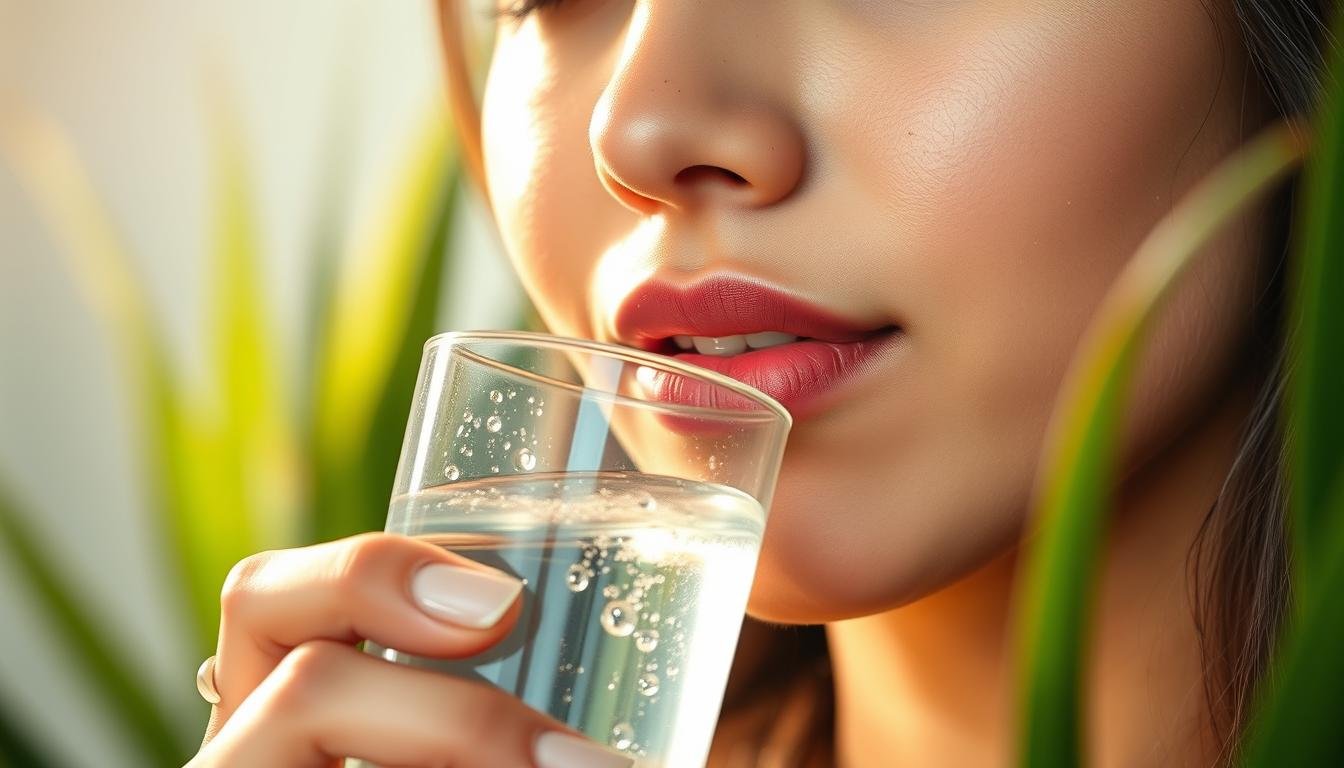
Did you know that nearly 60% of the human body is made up of water, and this water plays a crucial role in maintaining healthy skin hydration? Your skin tells a story—and hydration is the main character. Proper hydration helps in cell turnover, collagen production, and maintaining the skin’s barrier function, all of which are essential for achieving that coveted glow.
When your skin is well-hydrated, it looks more radiant and youthful. Dehydration, on the other hand, can lead to dryness, irritation, and a dull complexion. By understanding the importance of hydration and incorporating it into your daily routine, you can unlock the secret to glowing skin.
Key Takeaways
- Hydration is crucial for maintaining healthy, glowing skin.
- Proper hydration supports cell turnover and collagen production.
- Dehydration can lead to dryness and a dull complexion.
- Incorporating hydration into your daily routine can improve skin health.
- A well-hydrated skin looks more radiant and youthful.
The Science Behind Skin Hydration
To maintain optimal skin health, it’s essential to grasp the fundamentals of skin hydration. The skin’s ability to retain moisture is crucial for its overall appearance and function.
Understanding Your Skin’s Moisture Barrier
The skin’s moisture barrier, also known as the stratum corneum, plays a vital role in preventing water loss and protecting the skin from external factors. A healthy moisture barrier is key to maintaining hydrated skin. It is composed of lipids and natural moisturizing factors that work together to keep the skin supple and resilient.
How Hydration Affects Skin Appearance
Hydration significantly impacts the skin’s appearance. Well-hydrated skin looks plumper, smoother, and more radiant. Conversely, dehydrated skin can appear dull, tight, and more prone to fine lines. Proper hydration is essential for maintaining a youthful and vibrant complexion.
The Difference Between Hydration and Moisture
While often used interchangeably, hydration and moisture refer to different aspects of skin health. Hydration refers to the skin’s water content, whereas moisture relates to the skin’s overall condition and its ability to retain moisture. Understanding this distinction is crucial for developing an effective skincare routine that addresses both hydration and moisture needs.
By grasping the science behind skin hydration, individuals can make informed decisions about their skincare routines, ultimately leading to healthier, more resilient skin.
Hydration Secrets: Glow From Within Every Day
The secret to maintaining hydrated skin lies in a combination of internal and external hydration methods. To achieve radiant skin, it’s crucial to understand how these approaches work together to provide optimal hydration.
Internal vs. External Hydration Approaches
Internal hydration involves drinking enough water and consuming hydrating foods, while external hydration focuses on topical skincare products and treatments. Both are vital for maintaining healthy, glowing skin.
- Internal hydration helps to replenish the body’s water stores and support skin health from the inside out.
- External hydration provides an additional layer of moisture and protection for the skin.
By combining these approaches, you can achieve a more radiant and healthy complexion.

The 24-Hour Hydration Cycle
Our bodies have a natural 24-hour hydration cycle, with different needs at different times of the day. Understanding this cycle can help you tailor your daily hydration habits for optimal skin health.
- Morning: Rehydrate after a night of sleep.
- Throughout the day: Drink water regularly to maintain hydration levels.
- Evening: Prepare your skin for overnight repair with hydrating products.
Seasonal Adjustments for Optimal Hydration
Just as our wardrobes change with the seasons, so too should our hydration habits. Different seasons bring different challenges for our skin’s hydration.
- Summer: Increased humidity can help retain moisture, but beware of dehydration due to heat.
- Winter: Dry air can strip the skin of its natural moisture, requiring more intense hydration.
By adjusting your hydration routine according to the season, you can maintain glowing skin year-round.
Daily Water Intake: Beyond the 8 Glasses Rule
Understanding your daily water intake needs goes beyond following the conventional ‘8 glasses rule’. While this guideline has been widely promoted, individual hydration requirements can vary significantly based on factors such as age, sex, weight, activity level, and climate.
Calculating Your Personal Hydration Needs
To determine your optimal daily water intake, consider the following factors:
- Body Weight: A common recommendation is to drink half an ounce of water per pound of body weight.
- Activity Level: If you’re physically active, you’ll need more water to compensate for fluid loss through sweat.
- Climate: Hot and humid environments increase your hydration needs.
- Age and Sex: Older adults and pregnant or breastfeeding women may require adjusted hydration levels.
Hydration Tracking Methods
Monitoring your hydration can be straightforward with the right tools and techniques:
- Water Tracking Apps: Utilize apps that help you log your daily water intake.
- Physical Water Bottles: Use a marked water bottle to track your consumption visually.
- Urine Color: A simple method to check hydration is by observing urine color; it should be pale yellow.
Signs of Dehydration to Watch For
Recognizing the signs of dehydration is crucial for maintaining optimal hydration:
- Headaches and Fatigue: Early signs that your body needs more fluids.
- Dry Skin: Dehydration can lead to dry, tight skin.
- Dizziness: Feeling dizzy or lightheaded can indicate dehydration.
By understanding your personal hydration needs and monitoring your body’s response, you can improve your skin tone naturally and unlock skin moisture secrets for a healthier, more radiant complexion.
Hydration-Boosting Foods for Radiant Skin
Hydration for healthy, glowing skin isn’t just about drinking water; it’s also about incorporating the right foods into your diet. The foods we eat play a significant role in our skin’s hydration levels and overall appearance.
Water-Rich Fruits and Vegetables
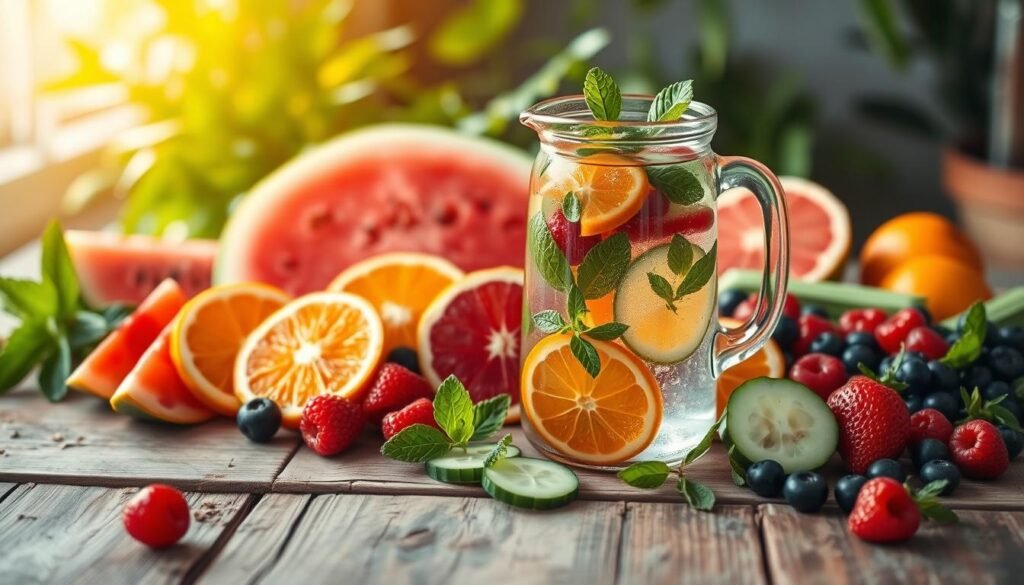
Incorporating water-rich fruits and vegetables into your diet can significantly boost your skin’s hydration. These foods are not only rich in water content but also packed with vitamins and minerals essential for skin health.
- Cucumbers: Composed of about 96% water, cucumbers are one of the most hydrating vegetables you can eat.
- Watermelon: With a water content of around 92%, watermelon is a refreshing way to hydrate your skin.
- Leafy Greens: Spinach, kale, and other leafy greens are rich in water and antioxidants, supporting skin hydration and overall health.
Essential Fatty Acids and Skin Health
Essential fatty acids (EFAs) are crucial for maintaining the skin’s barrier function and hydration. Foods rich in EFAs can help lock in moisture and support skin elasticity.
- Fatty Fish: Salmon, mackerel, and sardines are rich in omega-3 fatty acids, which are known to support skin health.
- Nuts and Seeds: Flaxseeds, chia seeds, and walnuts are excellent sources of omega-3 and omega-6 fatty acids.
- Avocados: Rich in healthy fats, avocados help nourish the skin and support its natural barrier.
Antioxidant-Rich Foods That Support Hydration
Antioxidants play a vital role in protecting the skin from environmental stressors and supporting its natural hydration. Including antioxidant-rich foods in your diet can enhance your skin’s ability to retain moisture.
- Berries: Blueberries, strawberries, and raspberries are packed with antioxidants and vitamins that support skin health.
- Green Tea: Rich in antioxidants, green tea can help protect the skin from damage and support hydration.
- Dark Chocolate: Dark chocolate contains flavonoids, which can improve blood flow and boost skin hydration.
By incorporating these hydration-boosting foods into your diet, you can support your skin’s natural hydration and achieve a more radiant complexion. Remember, a balanced diet combined with adequate water intake is key to maintaining healthy, glowing skin.
Morning Hydration Routine for All-Day Glow
Starting your day with a consistent morning hydration routine can significantly enhance your skin’s natural glow. A well-structured morning routine not only hydrates your skin but also prepares it for the day ahead.
Pre-Breakfast Hydration Habits
Before reaching for your breakfast, it’s essential to rehydrate after a night of sleep. Drinking a glass of water as soon as you wake up can help kickstart your metabolism and rehydrate your skin.
- Drink at least 8 ounces of water upon waking.
- Consider adding a slice of lemon to your water for an extra boost of vitamin C.
- Incorporate hydrating foods like watermelon or cucumber into your breakfast.
AM Skincare Sequence for Maximum Moisture
A well-planned skincare sequence in the morning can help lock in moisture and protect your skin throughout the day. Here’s a simple, effective sequence:
- Cleanse your face with a gentle, hydrating cleanser.
- Apply a toner to help balance your skin’s pH.
- Use a serum rich in hyaluronic acid to lock in moisture.
- Seal everything with a moisturizer that suits your skin type.
Makeup Tips for Hydrated Skin
When your skin is well-hydrated, makeup application becomes smoother and more flawless. Here are some tips to make the most of your hydrated skin:
- Use a hydrating primer before applying makeup.
- Choose a foundation that offers moisturizing benefits.
- Avoid heavy, drying products that can strip your skin of its natural moisture.
By incorporating these tips into your morning routine, you can enjoy hydrated, glowing skin all day long.
Essential Hydrating Skincare Ingredients
Achieving hydrated, glowing skin starts with understanding the essential ingredients in your skincare products. The right combination of ingredients can make a significant difference in how your skin looks and feels.
Hyaluronic Acid: The Hydration Powerhouse
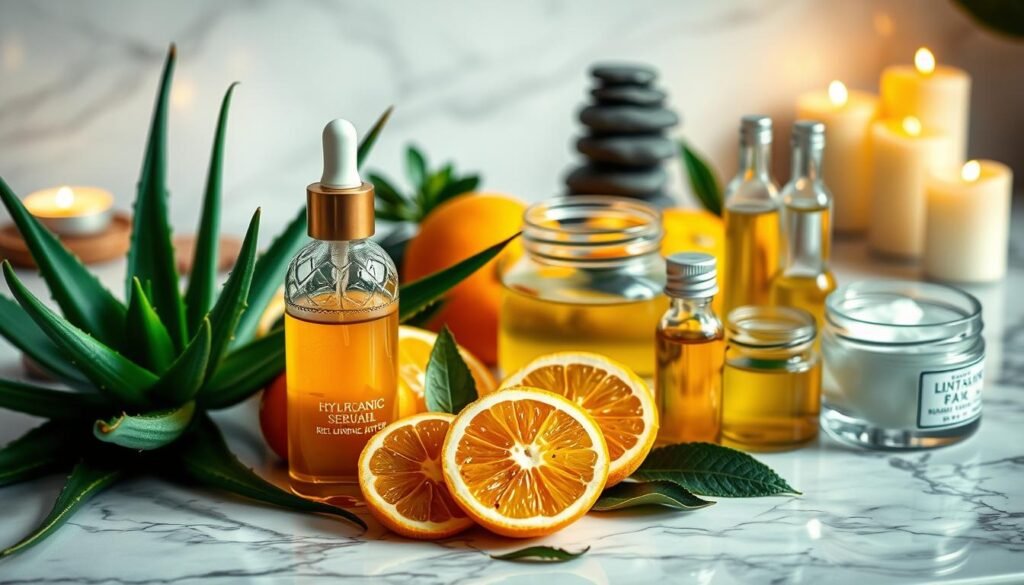
Hyaluronic acid is renowned for its ability to retain moisture, making it a crucial ingredient in hydrating skincare products. It can hold up to 1000 times its weight in water, providing intense hydration and plumping up fine lines and wrinkles.
Using products with hyaluronic acid can help maintain your skin’s natural moisture barrier, leaving it feeling soft and supple. It’s suitable for most skin types, including sensitive skin, and can be found in various products, from serums to moisturizers.
Ceramides, Glycerin, and Other Moisture Magnets
In addition to hyaluronic acid, other ingredients play a vital role in maintaining skin hydration. Ceramides help repair the skin’s barrier function, while glycerin attracts and retains moisture. Other effective moisture magnets include sorbitol, honey, and panthenol.
These ingredients work synergistically to provide long-lasting hydration and protect the skin from environmental stressors. When combined, they can help to improve skin elasticity and reduce the appearance of fine lines and wrinkles.
Natural Hydrators vs. Synthetic Options
The debate between natural and synthetic hydrators is ongoing. Natural ingredients like aloe vera and green tea offer gentle, effective hydration, while synthetic ingredients like hyaluronic acid and glycerin provide potent, clinically-tested benefits.
Ultimately, the choice between natural and synthetic hydrators depends on your skin type and personal preferences. Many effective skincare products combine both natural and synthetic ingredients to achieve optimal hydration and skin health.
Customizing Hydration for Your Skin Type
Achieving healthy, glowing skin starts with understanding your skin type and tailoring your hydration routine accordingly. Different skin types have unique needs, and recognizing these differences is key to providing the right level of hydration.
Dry Skin: Intensive Hydration Strategies
Dry skin requires extra care to lock in moisture and protect it from environmental stressors. Using rich moisturizers and hydrating serums can help to replenish the skin’s barrier.
Key products for dry skin include:
- Moisturizing creams with hyaluronic acid and ceramides
- Hydrating serums containing glycerin
- Overnight masks for intense hydration
“Hydration is the foundation of healthy skin, and dry skin requires a more intensive approach to maintain its natural barrier.”
Oily Skin: Balanced Hydration Without Excess Shine
Oily skin can still benefit from hydration; the key is to use lightweight, oil-free products that won’t clog pores. Gel-based moisturizers and hydrating toners can help balance the skin’s hydration levels without adding excess oil.
| Product Type | Benefits for Oily Skin |
|---|---|
| Gel-based moisturizers | Lightweight hydration without clogging pores |
| Hydrating toners | Balances skin pH and provides hydration |
| Clay masks | Absorbs excess oil, purifies pores |
Combination and Sensitive Skin Approaches
Combination skin requires a balanced approach, targeting dry areas while controlling shine in oily zones. Sensitive skin, on the other hand, needs gentle, fragrance-free products to avoid irritation.
For combination skin, consider:
- Using different products on different areas of the face
- Applying a lightweight moisturizer all over
- Targeted treatments for specific concerns
For sensitive skin, look for:
- Fragrance-free and hypoallergenic products
- Gentle, soothing ingredients like aloe vera
- Patch testing new products before full application
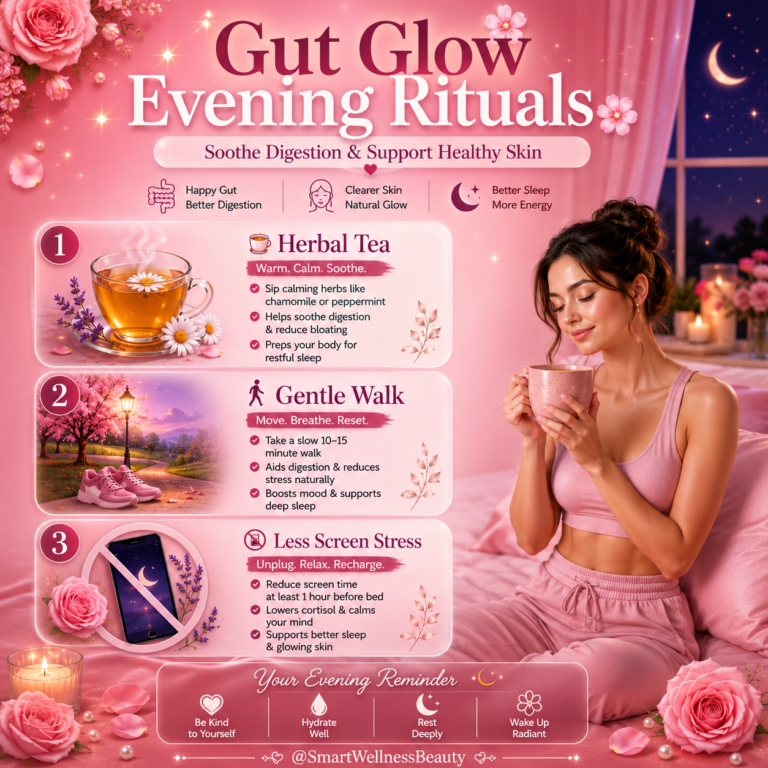
Evening Hydration Rituals for Overnight Repair
The evening is a critical time for skin hydration, allowing for overnight repair and rejuvenation. As we sleep, our skin undergoes a natural regeneration process, making it an ideal time to support hydration and nourishment.
PM Cleansing Without Stripping Moisture
Cleansing is a crucial step in any skincare routine, but it’s particularly important in the evening to remove dirt, makeup, and impurities accumulated throughout the day. To cleanse without stripping moisture, opt for a gentle, hydrating cleanser that effectively removes impurities while maintaining the skin’s natural barrier.
Tips for gentle cleansing:
- Use lukewarm water instead of hot water
- Choose a cleanser with hyaluronic acid or glycerin
- Massage the cleanser onto the skin gently, then rinse thoroughly
Layering Products for Overnight Hydration
Layering products is an effective way to boost hydration overnight. Start with a hydrating toner to balance the skin’s pH, followed by a serum rich in hyaluronic acid or ceramides. Seal everything in with a nourishing moisturizer or night cream.
Key products for layering:
- Hydrating toner
- Serum with hyaluronic acid or ceramides
- Nourishing moisturizer or night cream
Sleep Habits That Affect Skin Hydration
Sleep habits play a significant role in skin hydration. Adequate sleep allows the skin to regenerate and repair itself. Additionally, using a humidifier in the bedroom can help maintain a hydrated environment, preventing dryness and irritation.
| Sleep Habit | Impact on Skin Hydration |
|---|---|
| Adequate sleep (7-8 hours) | Enhances skin regeneration and hydration |
| Using a humidifier | Maintains a hydrated environment, reducing dryness |
By incorporating these evening hydration rituals into your daily routine, you can support your skin’s natural repair process and wake up to a more radiant, hydrated complexion.
Conclusion: Your Personalized Path to Hydrated, Glowing Skin
Achieving hydrated, glowing skin requires a tailored approach to daily hydration habits and skincare. By understanding your skin’s unique needs and incorporating the right strategies, you can unlock a radiant complexion from within.
Developing a personalized hydration plan involves considering factors such as your skin type, lifestyle, and environmental conditions. By combining internal hydration techniques, such as drinking enough water, with external skincare practices, like using hydrating products, you can maintain optimal skin moisture levels.
Glowing skin from within is not just about aesthetics; it’s also a reflection of overall health. By prioritizing daily hydration habits and adopting a skincare routine that suits your skin, you can enjoy a healthy, vibrant complexion that glows with well-being.
FAQ
How does hydration affect my skin’s appearance?
What’s the difference between hydration and moisture?
How can I calculate my personal hydration needs?
What are some hydration-boosting foods that can benefit my skin?
How can I customize my hydration routine for my skin type?
What are some essential ingredients for hydrating skincare products?
How can I establish an effective morning hydration routine?
What are some evening hydration rituals that can help my skin?
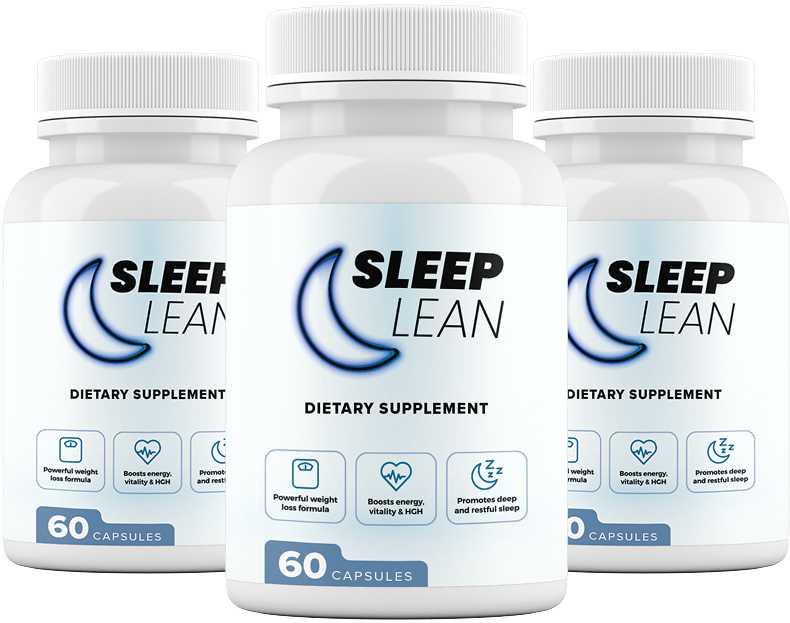
🌸 Discover Weight Management Supplements That Works — Handpicked for You
Curated health & beauty essentials our readers trust — explore your new self-care favorites.


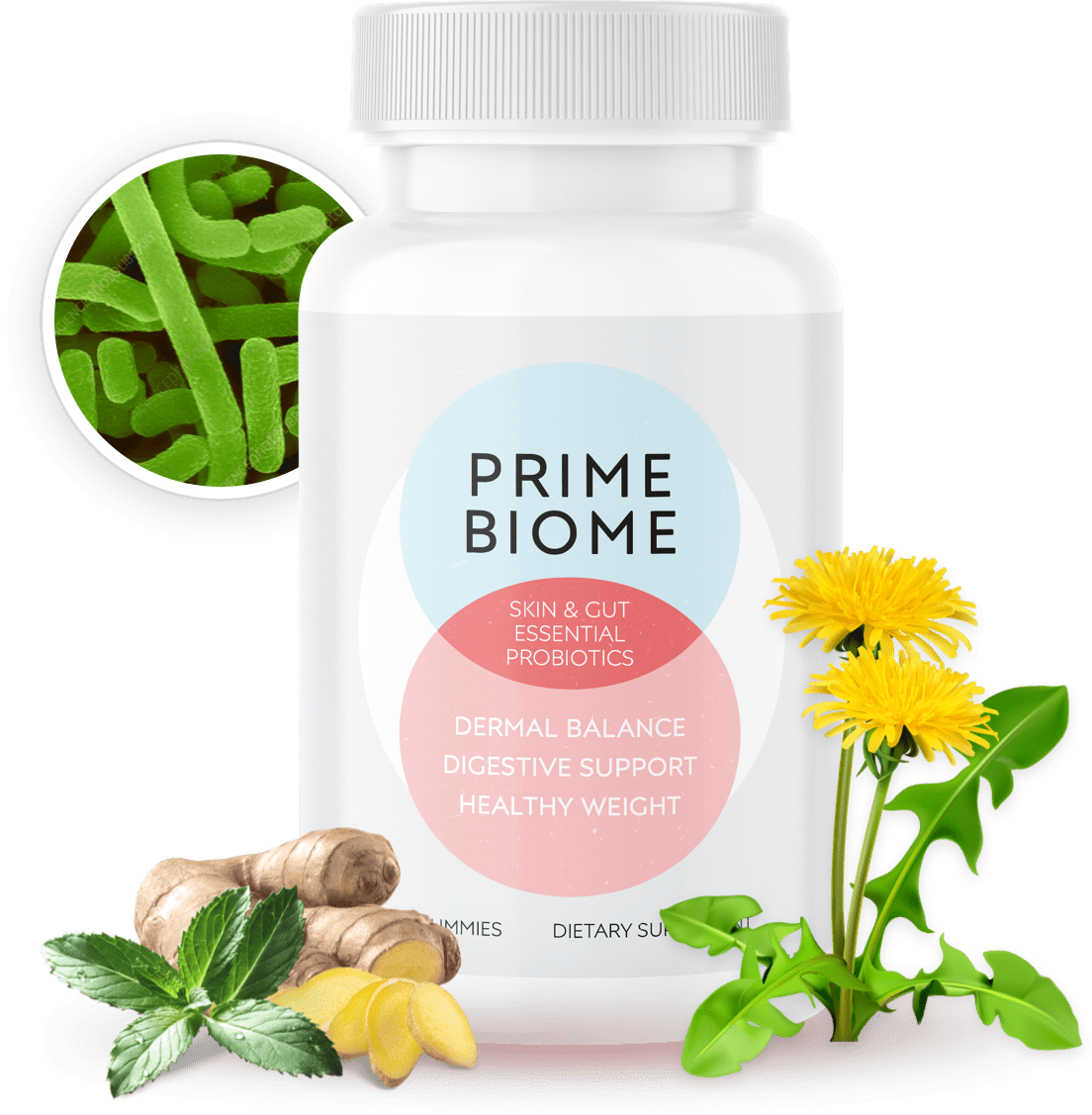
🌸 Discover Beauty That Works — Handpicked for You
Curated health & beauty essentials our readers trust — explore your new self-care favorites.

💖 Connect with SmartWellnessBeauty
Join our wellness & beauty community for daily inspiration, mindful living, and radiant self-care — follow us across your favorite platforms.




















 Smart Tools World

 SmartAIEarn

 SmartWellnessBeauty

 Smart Resource Vault

 TrendsOfReview

 SmartLivingJournal

 Holistic Yoga With Wellness