
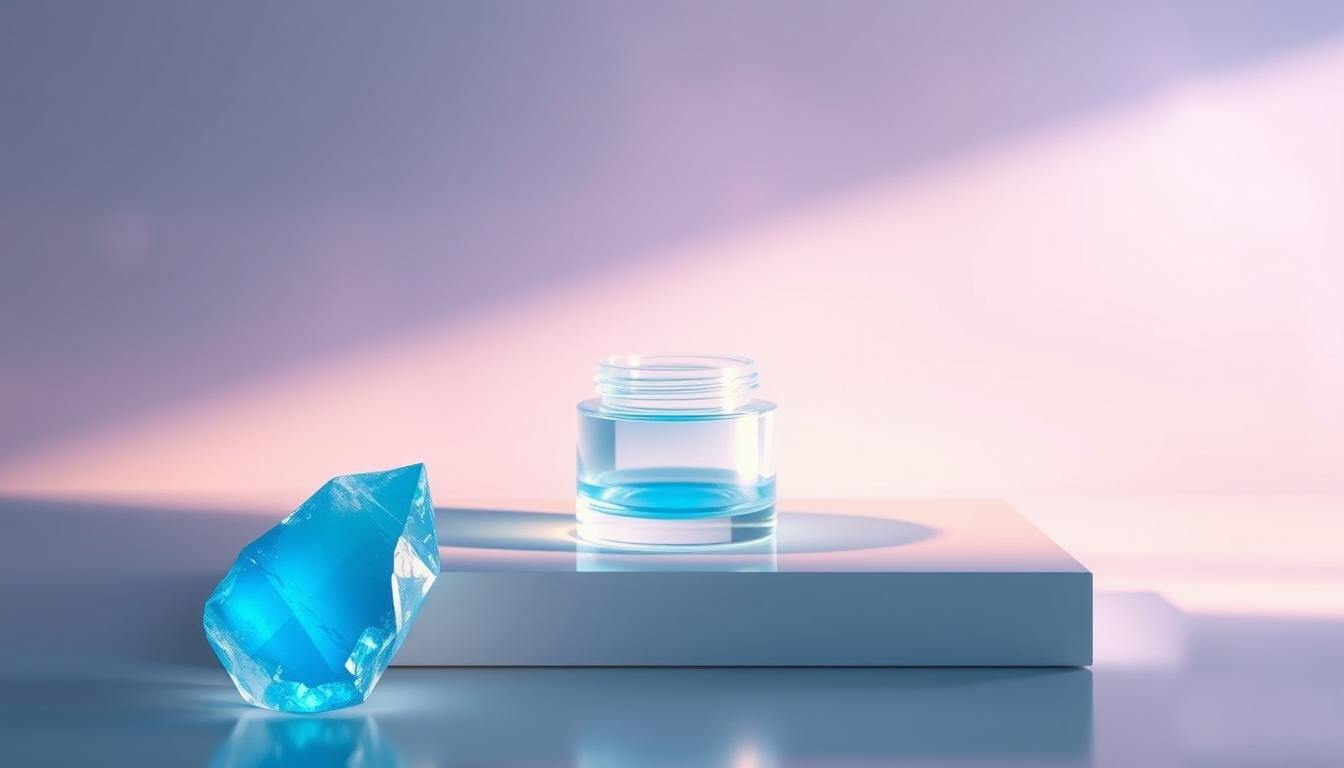
Did you know that digital device usage can cause skin damage? Recent studies have shown that blue light emitted from smartphones, tablets, and computers can accelerate aging and harm skin health.
This is a wake-up call for those who spend a lot of time in front of screens. Blue light protection is becoming an essential part of a skincare routine, just like sunscreen for UV protection.
Key Takeaways
- Blue light from digital devices can cause skin damage.
- Prolonged exposure to blue light can accelerate aging.
- Incorporating blue light protection into your skincare routine is crucial.
- Using products with blue light defense can help mitigate damage.
- A comprehensive skincare routine should include protection from both UV and blue light.
What Is Blue Light and Where Does It Come From?
Understanding blue light is crucial, as it’s not just a part of natural daylight but also emitted by our digital devices. Blue light is a high-energy visible (HEV) light with a wavelength of around 400-450 nanometers, which is on the higher end of the visible light spectrum.
Blue light is emitted by both natural and artificial sources. The sun is the most significant natural source of blue light, but with the rise of digital device usage, artificial sources such as smartphones, computers, and televisions have become significant contributors to our blue light exposure.
Natural vs. Artificial Blue Light Sources
While natural blue light from the sun is a part of our daily exposure, artificial blue light from digital devices is becoming a growing concern. The prolonged use of digital devices, especially in the evening, can lead to increased blue light exposure, potentially affecting our skin and overall health.
| Source | Type | Exposure Level |
|---|---|---|
| Sun | Natural | High |
| Smartphones | Artificial | Moderate |
| Computers | Artificial | Moderate |
| LED Lights | Artificial | Low to Moderate |
How Blue Light Differs from Other Light Types
Blue light differs from UVA and UVB rays in its ability to penetrate the skin. While UVA and UVB rays are primarily responsible for causing sunburn and skin damage, blue light can penetrate deeper into the skin, potentially causing oxidative stress and affecting skin health.
The Science Behind Blue Light’s Effects on Skin
Understanding how blue light interacts with skin is crucial for developing effective skincare strategies. Blue light, a high-energy visible (HEV) light with a wavelength of around 400-450 nanometers, is emitted by digital devices such as smartphones, computers, and televisions.

How Blue Light Penetrates Skin Layers
Blue light has the ability to penetrate deeper into the skin compared to UV light. Research indicates that it can reach the dermis, the layer of skin where collagen and elastin are produced. This deep penetration can lead to oxidative stress and damage to skin cells, affecting skin elasticity and firmness.
The dermis, being rich in fibroblasts, is particularly susceptible to blue light-induced damage. Fibroblasts are cells responsible for producing the extracellular matrix, which gives skin its strength and elasticity. When these cells are damaged, it can result in premature aging, including wrinkles and sagging skin.
Cellular Damage and Oxidative Stress
When blue light penetrates the skin, it triggers the production of reactive oxygen species (ROS), leading to cellular damage and oxidative stress. This stress can impair the skin’s natural barrier function, making it more susceptible to environmental stressors and less capable of repairing itself.
The resultant oxidative stress can also activate pathways that lead to inflammation, a key factor in various skin conditions. Protecting the skin from blue light exposure is, therefore, crucial for maintaining skin health and preventing long-term damage. Incorporating blue light protection into one’s skincare routine can help mitigate these effects, ensuring healthier, more resilient skin.
Signs Your Skin Is Suffering from Blue Light Exposure
As we increasingly rely on digital devices, our skin is exposed to a new kind of environmental stressor: blue light. This exposure can lead to various skin issues, some of which may be immediately noticeable, while others may develop over time.
Visible Symptoms to Watch For
The effects of blue light on the skin can manifest in several ways. Common visible symptoms include hyperpigmentation, fine lines, and a dull complexion. These symptoms occur because blue light penetrates deep into the skin, causing oxidative stress and damaging skin cells.
| Symptom | Description | Impact of Blue Light |
|---|---|---|
| Hyperpigmentation | Dark spots or uneven skin tone | Increased melanin production due to blue light exposure |
| Fine Lines | Small wrinkles, especially around the eyes | Oxidative stress accelerates skin aging |
| Dull Complexion | Lack of skin radiance and glow | Blue light disrupts skin’s natural renewal process |
Long-term Consequences of Unprotected Exposure
If left unprotected, prolonged exposure to blue light can lead to more severe, long-term consequences. These include accelerated aging and potentially even skin damage that could increase the risk of skin conditions. Incorporating a blue light blocking skincare routine can help mitigate these risks.
To protect your skin, consider using blue light skincare products that contain ingredients known to combat blue light damage. A consistent blue light skincare routine can help safeguard your skin against the harmful effects of blue light.
Blue Light Protection: The Skincare Secret You Need to Know
As we increasingly rely on digital devices, our skin faces a new challenge: blue light exposure. Blue light, emitted by smartphones, computers, and televisions, has been shown to cause skin damage, including hyperpigmentation and premature aging.
Why Traditional Sunscreens Aren’t Enough
Traditional sunscreens are designed to protect against UV rays, but they often fall short in defending against blue light. Blue light penetrates deeper into the skin than UV rays, causing oxidative stress and damaging skin cells. To effectively protect against blue light, specific ingredients are needed in your skincare routine.
The Difference Between UV and Blue Light Protection
Understanding the difference between UV and blue light protection is crucial for comprehensive skincare. While UV protection focuses on preventing sunburn and skin cancer, blue light protection targets the prevention of digital aging and hyperpigmentation. Antioxidants and certain minerals play a key role in neutralizing the harmful effects of blue light.
| Protection Type | Targets | Key Ingredients |
|---|---|---|
| UV Protection | Sunburn, Skin Cancer | Zinc Oxide, Titanium Dioxide |
| Blue Light Protection | Digital Aging, Hyperpigmentation | Antioxidants, Iron Oxides |
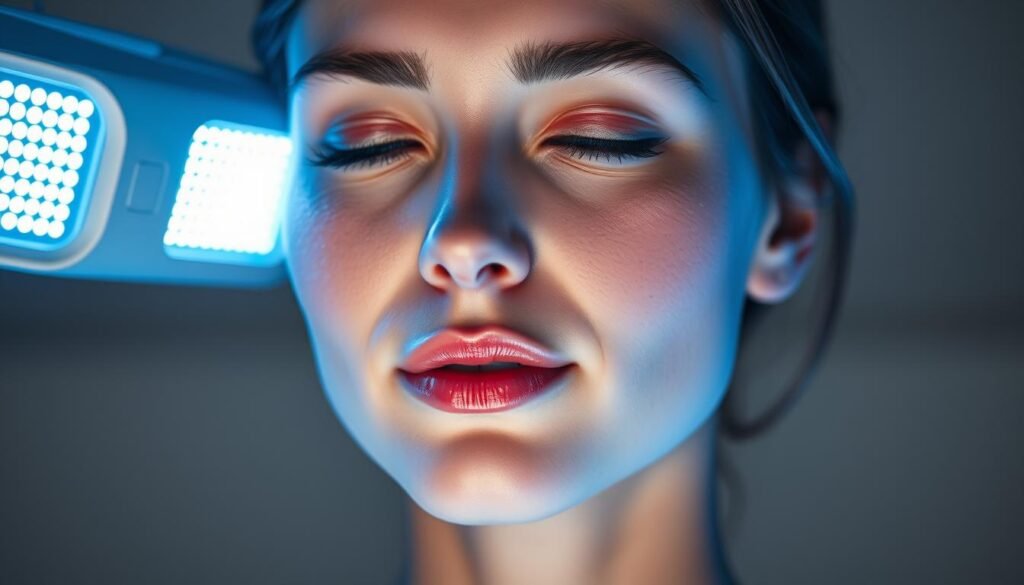
Incorporating products with blue light protection into your daily skincare routine can significantly enhance your skin’s defense against digital damage. Look for products containing antioxidants and minerals known to combat blue light effects.
Key Ingredients That Shield Against Blue Light
With the rise of digital device usage, understanding the ingredients that combat blue light damage is essential for maintaining healthy, resilient skin. As we explore the world of blue light protection, several key ingredients emerge as particularly effective.
Antioxidants That Combat Blue Light Damage
Antioxidants play a crucial role in neutralizing the free radicals generated by blue light exposure. Ingredients like Vitamin C and Vitamin E are renowned for their antioxidant properties, helping to mitigate oxidative stress and protect the skin from damage.
Iron Oxides and Physical Blockers
Iron oxides are physical blockers that can effectively shield the skin from blue light. These minerals work by creating a physical barrier on the skin’s surface, reflecting blue light away from the skin. Iron oxides are often used in conjunction with other protective ingredients to enhance their efficacy.
Niacinamide and Other Protective Actives
Niacinamide is another ingredient that has shown promise in protecting against blue light damage. It improves skin’s barrier function and reduces inflammation, making it an excellent addition to a blue light protection skincare routine. Other protective actives, such as plant extracts and polysaccharides, also contribute to a comprehensive defense against blue light.
| Ingredient | Function | Benefits |
|---|---|---|
| Vitamin C | Antioxidant | Neutralizes free radicals, brightens skin |
| Iron Oxides | Physical Blocker | Reflects blue light, protects skin |
| Niacinamide | Protective Active | Improves skin barrier, reduces inflammation |
By incorporating these ingredients into your skincare routine, you can enhance your skin’s resilience against blue light exposure. As research continues to evolve, we can expect to see even more innovative solutions emerge in the realm of blue light protection.
Top Blue Light Protective Skincare Products
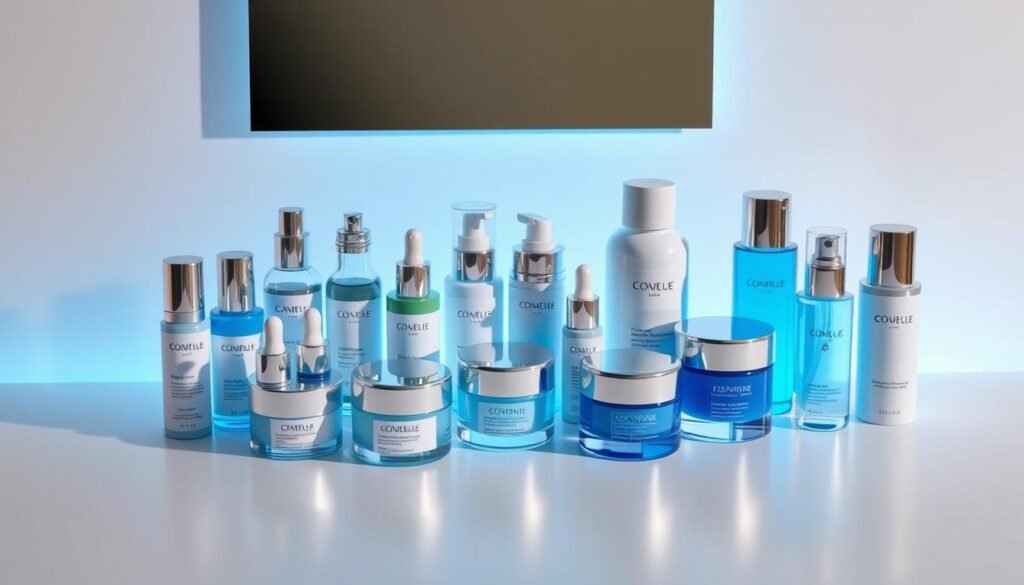
Incorporating blue light protection into your skincare routine is now easier than ever, thanks to a growing range of innovative products. As concern about the effects of blue light on skin health continues to grow, numerous brands have developed products designed to counteract this modern environmental stressor.
Daily Moisturizers with Blue Light Protection
Daily moisturizers that offer blue light protection are an excellent starting point for any skincare routine. These products not only hydrate the skin but also provide a defensive barrier against blue light. Look for moisturizers containing antioxidants like vitamin C or niacinamide, which are known to combat oxidative stress caused by blue light exposure. Some top recommendations include:
- La Roche-Posay Anthelios Melt-In Sunscreen Milk, which combines UV protection with antioxidants.
- Neutrogena Hydro Boost Water Gel, infused with hyaluronic acid for hydration and blue light protection.
Specialized Serums and Treatments
For targeted blue light protection, consider incorporating specialized serums and treatments into your routine. These products often contain higher concentrations of active ingredients that help mitigate blue light-induced skin damage. Key ingredients to look for include:
- Niacinamide, which improves skin elasticity and enhances the skin’s barrier function.
- Antioxidant-rich formulations that neutralize free radicals generated by blue light.
Examples of effective serums include Olay Regenerist Micro-Sculpting Serum and Dr. Denis Gross Skincare C+ Collagen Brighten and Firm Serum.
Makeup Products That Offer Blue Light Defense
Makeup products with blue light defense capabilities are becoming increasingly popular, offering an additional layer of protection for daily use. These products range from foundations to tinted moisturizers and are often formulated with iron oxides, which are known to block blue light. Some standout products are:
- EltaMD UV Clear Broad-Spectrum SPF 46, a tinted sunscreen that protects against both UV and blue light.
- Juice Beauty Stem Cell Foundation, which combines natural ingredients with blue light protection.
By incorporating these products into your daily skincare and makeup routines, you can enjoy enhanced protection against the potential harmful effects of blue light.
Creating a Blue Light-Proof Skincare Routine
Creating a blue light-proof skincare routine is essential for maintaining healthy, youthful skin. As our reliance on digital devices grows, so does our exposure to blue light, which can lead to skin damage and premature aging.
Morning Protection Protocol
Starting your day with a protective skincare routine is crucial. Begin with a blue light blocking moisturizer or serum that contains antioxidants like vitamin C or niacinamide. These ingredients not only protect against blue light but also enhance skin’s brightness and resilience.
As noted by skincare experts, “Using a product with iron oxides can provide an additional layer of protection against blue light.” This is because iron oxides act as physical blockers, much like zinc oxide or titanium dioxide in sunscreens.
Evening Repair and Recovery
In the evening, focus on repair and recovery. Use a gentle cleanser to remove makeup and impurities, followed by a treatment product rich in antioxidants and reparative ingredients. Niacinamide is particularly beneficial for improving skin’s barrier function and reducing inflammation caused by blue light exposure.
As
“The key to effective blue light protection lies in a consistent skincare routine that combines prevention during the day with repair at night.”
By adopting this dual approach, you can significantly reduce the negative impacts of blue light on your skin.
Beyond Skincare: Additional Ways to Protect Your Skin
To comprehensively protect our skin from blue light, we need to look beyond skincare products and incorporate other protective measures. While skincare is a crucial aspect of our daily routine, additional strategies can enhance our blue light defense and overall skin health.
Screen Protectors and Blue Light Filters
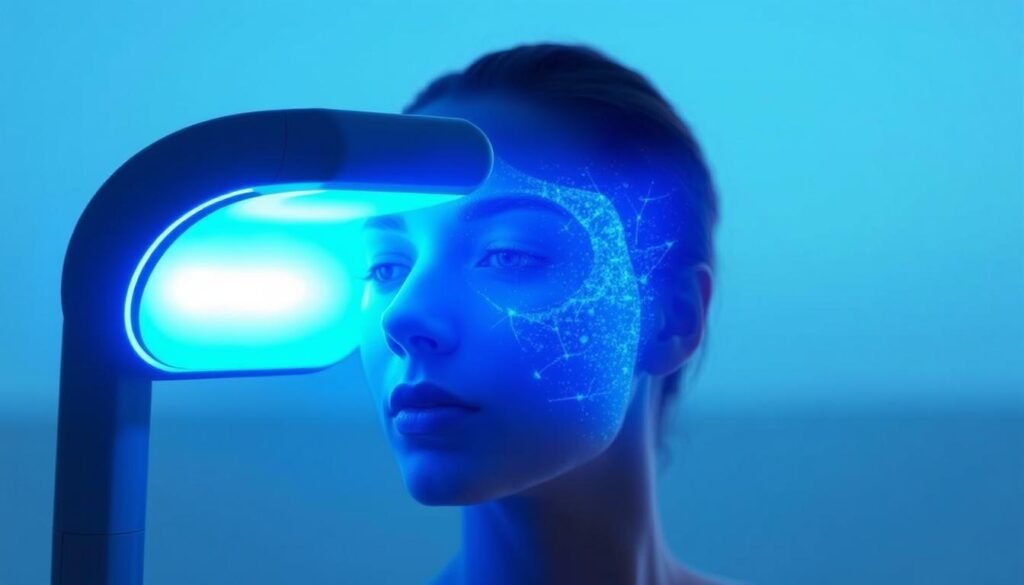
One effective way to reduce blue light exposure is by using screen protectors and blue light filters on our digital devices. These tools can significantly minimize the amount of blue light emitted, thereby reducing its impact on our skin. Many devices now come with built-in blue light filters, or users can opt for third-party screen protectors designed specifically for this purpose.
Digital Habits That Reduce Exposure
Adopting healthier digital habits is another vital aspect of blue light protection. This includes practices such as limiting screen time, using devices in well-lit rooms to reduce screen brightness, and following the 20-20-20 rule: every 20 minutes, look away from your screen and focus on something 20 feet away for 20 seconds. By making these habits a part of our daily routine, we can further enhance our blue light skincare benefits.
| Method | Effectiveness | Ease of Implementation |
|---|---|---|
| Screen Protectors | High | Easy |
| Blue Light Filters | High | Easy |
| Limiting Screen Time | Very High | Moderate |
| 20-20-20 Rule | Moderate | Easy |
Who Needs Blue Light Protection the Most?
The growing awareness of blue light’s impact on skin health raises an important question: who needs blue light protection the most? As we increasingly rely on digital devices for work, entertainment, and communication, the risk of blue light exposure is becoming a concern for many. Identifying those who are most at risk is crucial for taking proactive steps to protect their skin.
Digital Professionals and Heavy Screen Users
Individuals who spend extended periods in front of screens, such as digital professionals, gamers, and heavy social media users, are among those who need blue light protection the most. “Prolonged exposure to blue light can lead to skin damage, including premature aging and hyperpigmentation,” as noted by skincare experts. For these individuals, incorporating blue light protection into their daily skincare routine is essential.
Age and Skin Type Considerations
Age and skin type are also significant factors in determining who needs blue light protection. Younger individuals with a history of excessive screen time may benefit from early adoption of blue light protective measures. Additionally, people with fair skin or those prone to hyperpigmentation may need to be more vigilant about blue light exposure. A comprehensive skincare routine that includes blue light blocking products can help mitigate potential damage.
Debunking Common Myths About Blue Light and Skin
As concerns about blue light’s impact on skin grow, it’s essential to separate fact from fiction. The digital age has brought with it a plethora of information, some of which can be misleading when it comes to understanding blue light’s effects on our skin.
Separating Marketing Claims from Scientific Facts
Many skincare products now claim to offer blue light defense or blue light protection, but not all claims are backed by scientific evidence. It’s crucial to differentiate between marketing hype and research-supported benefits. For instance, some products may claim to protect against blue light, but their formulations might not be effective against the specific wavelengths that cause skin damage.
| Myth | Fact |
|---|---|
| All blue light is harmful | Some exposure to blue light is natural and not all of it causes damage |
| Blue light only affects skin tone | Blue light can penetrate deep into the skin, causing oxidative stress and potentially leading to premature aging |
What Research Actually Shows
Research indicates that prolonged exposure to blue light, especially from digital devices, can lead to skin damage. Studies have shown that blue light can cause oxidative stress, which may result in premature aging. Effective blue light skincare benefits can be achieved through products containing antioxidants and other protective ingredients. By understanding what the research shows, individuals can make informed decisions about their skincare routines and choose products that offer genuine blue light protection.

The Future of Blue Light Protection Technology
Innovations in skincare and technology are paving the way for enhanced blue light protection. As our understanding of blue light’s impact on skin deepens, researchers and manufacturers are developing more effective solutions.
The skincare industry is witnessing significant advancements in blue light protection, driven by the growing awareness of digital device-induced skin damage. Emerging ingredients and formulations are being designed to not only protect against blue light but also to repair and rejuvenate the skin.
Emerging Ingredients and Formulations
New ingredients are being researched for their potential to block or mitigate blue light effects. For instance, certain antioxidants have shown promise in neutralizing the free radicals generated by blue light exposure. Formulations that combine these antioxidants with traditional skincare actives are becoming increasingly popular.
“The future of skincare lies in its ability to adapt to our modern lifestyle, which includes protection against blue light.”
A table summarizing some of the emerging ingredients and their benefits is provided below:
| Ingredient | Benefit |
|---|---|
| Antioxidant X | Neutralizes free radicals |
| Niacinamide | Improves skin elasticity |
| Iron Oxides | Physically blocks blue light |
Innovations in Digital Device Design
Beyond skincare, device manufacturers are also innovating to reduce blue light exposure. Screen protectors and blue light filtering glasses are becoming more prevalent. Moreover, some devices now come with built-in blue light filtering capabilities, adjusting the screen’s color temperature to reduce emission.
As technology continues to evolve, we can expect even more sophisticated methods of blue light protection to emerge, both in skincare and in digital device design.
Conclusion
As we’ve explored throughout this article, blue light exposure is a growing concern for skin health. Understanding the risks and taking proactive steps can make a significant difference in maintaining healthy, youthful-looking skin.
By incorporating blue light protection into your daily skincare routine, you can effectively shield your skin from the negative effects of blue light emitted by digital devices. Look for products containing antioxidants, iron oxides, and niacinamide, which have been shown to combat blue light damage.
Blue light skincare products, such as serums and moisturizers with blue light defense, can be a valuable addition to your morning and evening routines. By combining these products with digital habits like using screen protectors and limiting screen time, you can enjoy comprehensive blue light protection.
Stay ahead of the curve by choosing products from brands that prioritize blue light protection. As technology continues to evolve, it’s essential to be proactive about protecting your skin from the potential risks associated with blue light exposure.
FAQ
What is blue light and how does it affect the skin?
Can blue light protection be achieved through traditional sunscreens?
What are the best skincare ingredients for blue light protection?
How can I incorporate blue light protection into my daily skincare routine?
Are there any additional ways to minimize blue light exposure beyond skincare?
Who is most in need of blue light protection?
Are there any myths surrounding blue light and skin health?
What does the future hold for blue light protection technology?
Can makeup products offer blue light defense?
How can I choose the best blue light-protective skincare products?
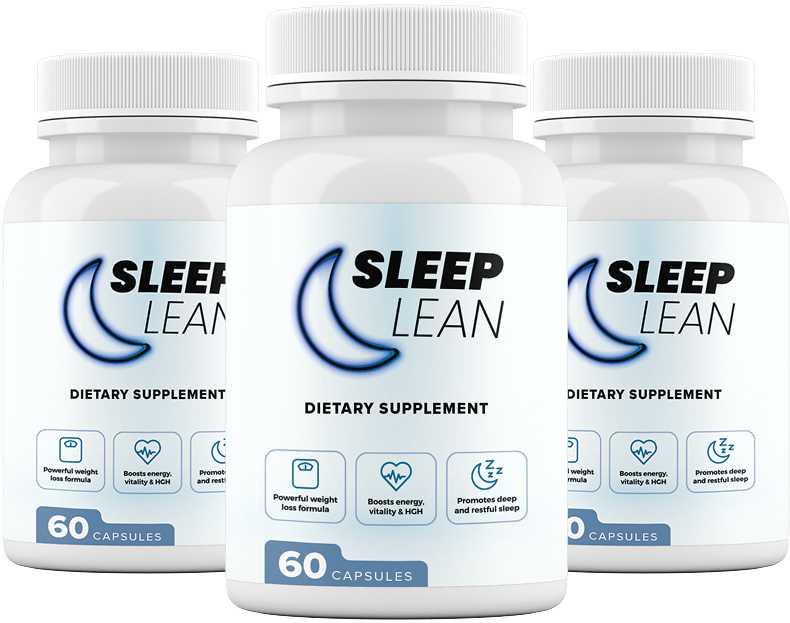
🌸 Discover Weight Management Supplements That Works — Handpicked for You
Curated health & beauty essentials our readers trust — explore your new self-care favorites.


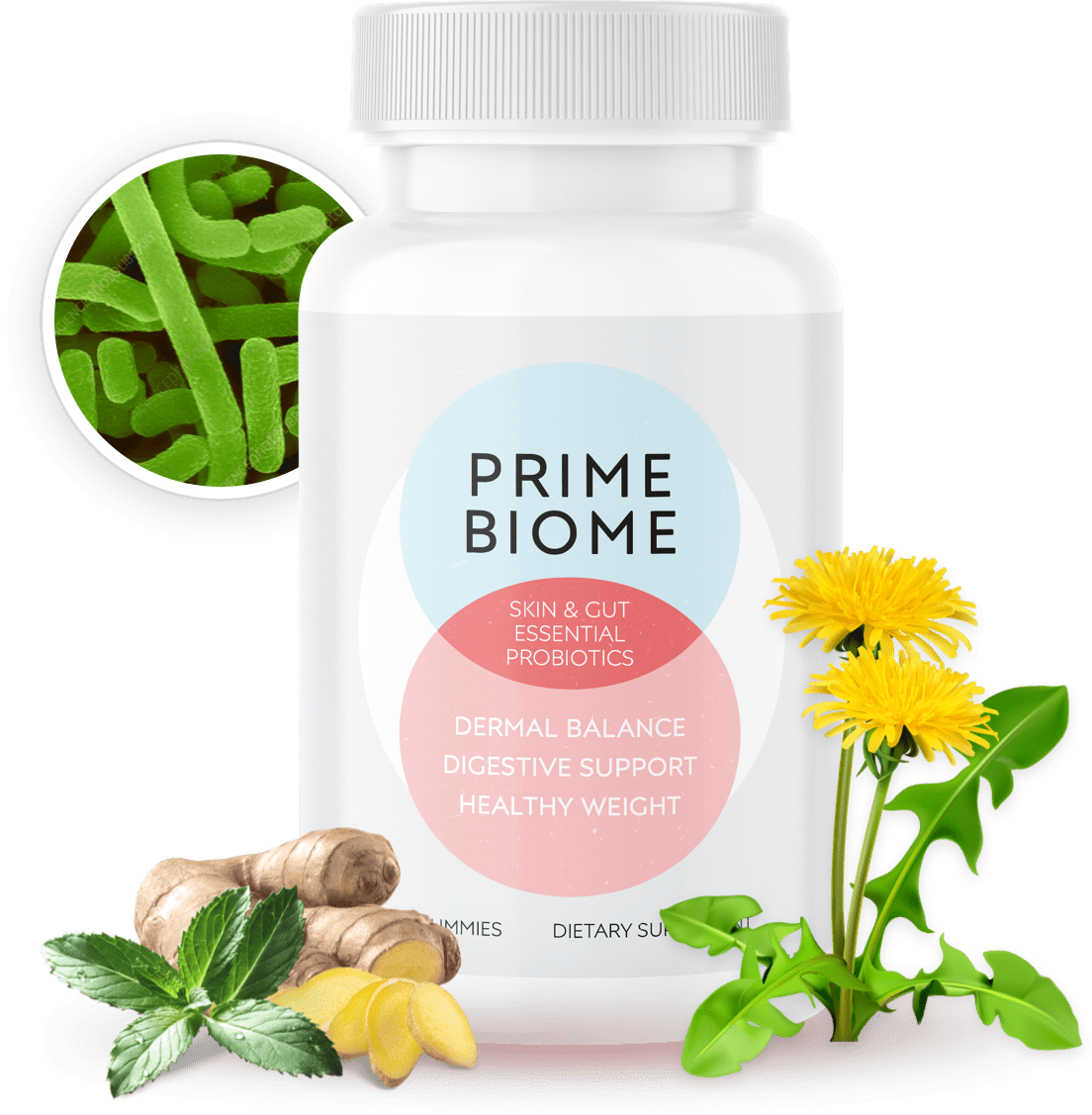
🌸 Discover Beauty That Works — Handpicked for You
Curated health & beauty essentials our readers trust — explore your new self-care favorites.

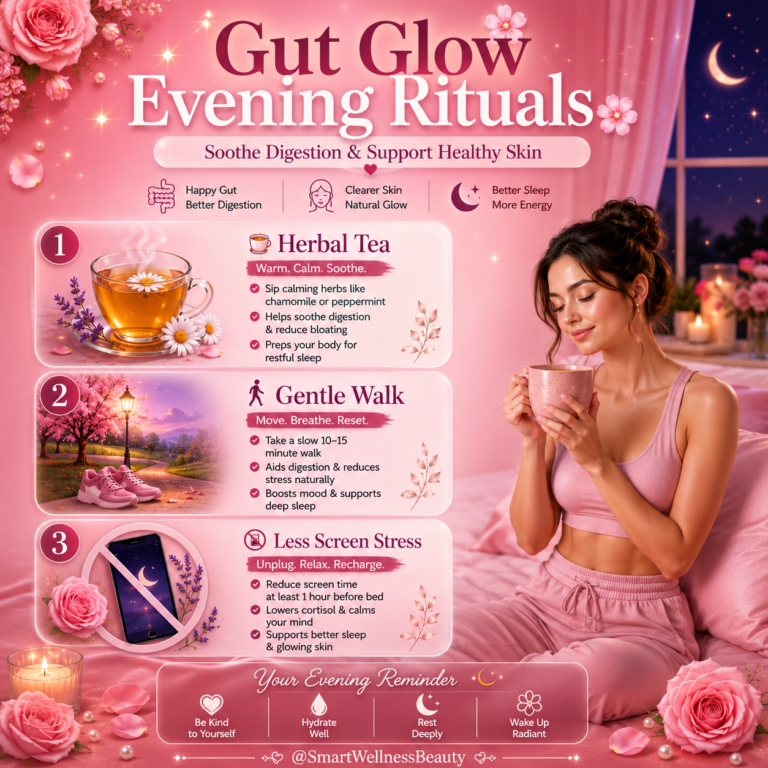
💖 Connect with SmartWellnessBeauty
Join our wellness & beauty community for daily inspiration, mindful living, and radiant self-care — follow us across your favorite platforms.























 Smart Tools World

 SmartAIEarn

 SmartWellnessBeauty

 Smart Resource Vault

 TrendsOfReview

 SmartLivingJournal

 Holistic Yoga With Wellness