

Did you know that nearly 8 in 10 Americans experience stress weekly, with 1 in 5 reporting extreme stress? Mindful practices can significantly reduce this stress.
Incorporating simple breathing exercises into your daily routine can make a significant difference in managing stress and anxiety. By focusing on the present moment and adopting a non-judgmental awareness of your breath, you can calm your mind and reduce feelings of overwhelm.
Key Takeaways
- Mindful breathing reduces stress and anxiety.
- Simple exercises can be part of your daily routine.
- Non-judgmental awareness of breath calms the mind.
- Regular practice enhances emotional regulation.
- Mindful breathing improves overall well-being.
Understanding the Stress Response
Our bodies are wired to respond to stress through a series of automatic physiological reactions. This response is designed to help us react to threats, whether they are physical, emotional, or psychological.
How Your Body Reacts to Stress
When you perceive a threat, your body’s “fight-or-flight” response is triggered. This response is characterized by the release of stress hormones like adrenaline and cortisol, which prepare your body to either confront the threat or flee from it. During this response, you may feel overwhelmed, agitated, or panicked.
Key physiological changes include:
- Increased heart rate and blood pressure
- Rapid breathing
- Tension in muscles
- Heightened senses
The Mind-Body Connection
The stress response is not just physical; it also affects your mental state. Chronic stress can lead to anxiety, depression, and other mental health issues. Understanding the mind-body connection is crucial for managing stress effectively.
The interplay between the mind and body can be seen in several ways:
- Mental stress can manifest as physical symptoms.
- Physical tension can exacerbate mental anxiety.
- Relaxation techniques can calm both the mind and body.
By recognizing how your body reacts to stress and understanding the mind-body connection, you can take the first steps towards effective stress management and relaxation.
The Science Behind Mindful Breathing
As we explore the science behind mindful breathing, it becomes clear that this practice has a profound impact on our nervous system. Mindful breathing is more than just a relaxation technique; it’s a powerful tool that can influence our physiological response to stress.
How Breathing Affects Your Nervous System
Our nervous system is intricately linked with our breathing patterns. When we’re stressed, our breathing becomes shallow and rapid, triggering the sympathetic nervous system to go into “fight or flight” mode. Conversely, deep and slow breathing can activate the parasympathetic nervous system, promoting relaxation and reducing stress.
Deep breathing exercises can help calm the nervous system by slowing down the heart rate and lowering blood pressure. This is achieved by stimulating the vagus nerve, which plays a crucial role in regulating our heart rate and promoting relaxation.
Research on Breathing and Stress Reduction
Numerous studies have investigated the effects of mindful breathing on stress reduction. Research has shown that regular mindfulness exercises, including deep breathing, can lead to significant reductions in stress and anxiety levels.
“Breathing is the most efficient way to influence our autonomic nervous system and, consequently, our stress response.”
A study published in the Journal of Alternative and Complementary Medicine found that participants who practiced mindful breathing experienced a notable decrease in cortisol levels, indicating reduced stress.
| Study | Method | Outcome |
|---|---|---|
| Journal of Alternative and Complementary Medicine | Mindful breathing exercises | Reduced cortisol levels |
| Harvard Business Review | Deep breathing techniques | Improved stress resilience |
| National Center for Complementary and Integrative Health | Mindfulness meditation with breathing focus | Decreased anxiety and depression symptoms |
The table above summarizes some key findings from research on breathing and stress reduction, highlighting the diverse methods and positive outcomes associated with mindful breathing practices.
Benefits of Breathe Calm: Mindful Breathing for Stress Relief
The practice of mindful breathing has been shown to have numerous positive effects on stress management. By focusing on the breath, individuals can calm the mind and reduce the physiological symptoms of stress.
Immediate Benefits
Mindful breathing can provide immediate relief from stress. When practiced during or after a stressful event, it can help calm the nervous system, reducing feelings of anxiety and tension. Deep breathing exercises can slow down the heart rate and lower blood pressure, providing a sense of calm and relaxation.
One of the immediate benefits of mindful breathing is its ability to reduce stress hormones like cortisol. By regulating breathing patterns, individuals can influence their autonomic nervous system, promoting a state of relaxation.
Long-term Benefits
Regular practice of mindful breathing can lead to long-term benefits, including improved stress resilience. By incorporating breathing exercises into daily routines, individuals can enhance their ability to manage stress over time.
Long-term practice can also lead to changes in the brain, with studies showing increased grey matter in areas related to attention and emotional regulation. This can result in better emotional management and reduced stress levels.
Mental Health Improvements
Mindful breathing has been linked to various mental health improvements, including reduced symptoms of anxiety and depression. By promoting relaxation and reducing stress, it can help individuals manage their mental health more effectively.
The practice can also enhance cognitive function, improving concentration and focus. This can be particularly beneficial for individuals dealing with stress-related cognitive impairments.
In conclusion, the benefits of mindful breathing for stress relief are multifaceted, ranging from immediate physiological responses to long-term mental health improvements. By incorporating mindful breathing into daily life, individuals can develop a powerful tool for managing stress and enhancing overall well-being.
Getting Started with Mindful Breathing
To start practicing mindful breathing, it’s essential to create an environment that fosters relaxation. This initial step sets the tone for your practice, helping you transition into a state of calm and focus.
Creating the Right Environment
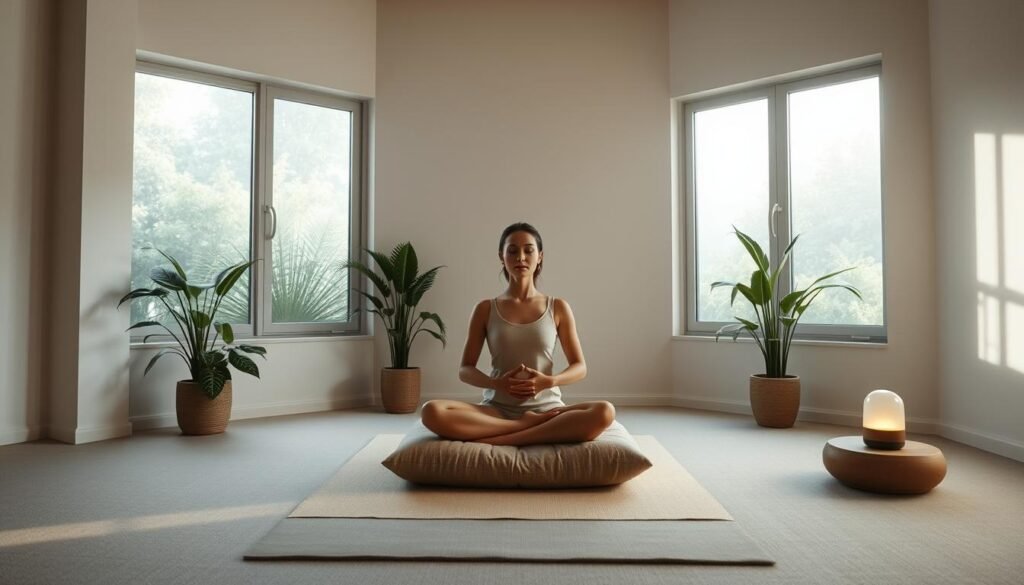
Choosing the right location for your mindful breathing practice is crucial. You can practice in your bed, on your living room floor, or in a comfortable chair—wherever feels most relaxing to you. Ensure that the space is quiet and free from distractions. Consider using elements like candles or soft music to enhance the ambiance, promoting a sense of calm and tranquility.
Body Positioning
Adopting a comfortable body position is vital for effective mindful breathing. Wear loose, comfortable clothing that doesn’t restrict your breathing. You can sit, lie down, or even stand—whatever feels most natural and relaxing. The key is to maintain a posture that allows you to breathe deeply and easily.
Setting Intentions
Before you begin your mindful breathing practice, take a moment to set your intentions. What do you hope to achieve through this practice? Whether it’s to reduce stress, improve focus, or simply take a moment for yourself, clarifying your intentions can enhance the effectiveness of your practice. Consistency is also key; try to practice at the same time once or twice a day to establish a routine.
By following these steps, you can create a meaningful and effective mindful breathing practice that contributes to a more balanced and peaceful life, embracing the principles of mindful living and breathe calm.
Basic Mindful Breathing Techniques
Mindful breathing offers a simple yet effective method for reducing stress and promoting relaxation. By focusing on the breath, individuals can calm the mind and body, leading to a more balanced state of being.
There are several basic mindful breathing techniques that can be easily learned and practiced. These techniques not only help in managing stress but also improve overall respiratory function and mental clarity.
Diaphragmatic Breathing
Diaphragmatic breathing, also known as belly breathing, engages the diaphragm, the muscle that separates the chest and abdominal cavities. This technique involves slowly breathing in and out as fully as possible, allowing the belly to expand like a balloon.
To practice diaphragmatic breathing:
- Place one hand on your belly and the other on your chest.
- Inhale slowly through your nose, allowing your belly to rise as your diaphragm descends. Your chest should not move.
- Exhale slowly through your mouth, allowing your belly to fall as your diaphragm rises.
Benefits: Diaphragmatic breathing can help slow down your heart rate, lower blood pressure, and promote relaxation.
4-7-8 Breathing Method
The 4-7-8 breathing technique, also known as the “Relaxation Breath,” involves breathing in through the nose, holding the breath, and then breathing out through the mouth. This technique can help calm the nervous system.
To practice the 4-7-8 breathing method:
- Inhale through your nose for a count of 4.
- Hold your breath for a count of 7.
- Exhale through your mouth for a count of 8.
This technique can be particularly helpful before bedtime to promote a good night’s sleep.
Box Breathing
Box breathing, also known as square breathing, involves breathing in for a count of 4, holding for a count of 4, exhaling for a count of 4, and holding again for a count of 4. This creates a “box” shape with your breath.
To practice box breathing:
- Inhale for a count of 4.
- Hold your breath for a count of 4.
- Exhale for a count of 4.
- Hold your breath again for a count of 4.
Benefits: Box breathing can improve focus, calm the mind, and reduce stress.
By incorporating these basic mindful breathing techniques into your daily routine, you can experience significant reductions in stress and improvements in overall well-being.
Advanced Breathing Exercises for Deeper Relaxation
Delving into advanced breathing exercises can significantly enhance your ability to relax and manage stress more effectively. These techniques build upon the foundational practices outlined earlier, offering a deeper dive into the world of mindful breathing.
Alternate Nostril Breathing
Alternate Nostril Breathing is a powerful technique that involves closing one nostril and breathing in through the other, then switching to breathe out through the other nostril. This practice is known to balance the breath and calm the nervous system.
How to Practice Alternate Nostril Breathing:
- Sit comfortably with your back straight.
- Close your right nostril with your thumb and inhale through your left nostril.
- Close your left nostril with your ring finger, then release your thumb and exhale through your right nostril.
- Inhale through your right nostril, close it with your thumb, and exhale through your left nostril.
- Continue this cycle for several minutes.
Breath Counting Meditation
Breath Counting Meditation involves focusing on your breath while counting each inhalation and exhalation. This technique helps to quiet the mind and achieve a state of deep relaxation.
Steps for Breath Counting Meditation:
- Find a quiet and comfortable place to sit.
- Close your eyes and take a few deep breaths.
- Begin counting your breaths, starting from one and going up to ten.
- If your mind wanders, gently bring your focus back to your breath and restart the count.
Visualization with Breath
Visualization with Breath combines the power of visualization with the calming effects of mindful breathing. This practice involves imagining a peaceful scene or outcome while focusing on your breath.
Guidelines for Visualization with Breath:
- Choose a peaceful scene or a positive outcome you wish to visualize.
- Close your eyes and take a few deep breaths to calm your mind.
- As you inhale, imagine fresh, calming air filling your lungs.
- As you exhale, imagine any tension or stress leaving your body.
- Continue visualizing your chosen scene, synchronizing it with your breath.
The benefits of these advanced breathing exercises can be significant. Research has shown that regular practice can lead to reduced stress levels, improved mental clarity, and a greater sense of overall well-being.
| Technique | Primary Benefit | Secondary Benefit |
|---|---|---|
| Alternate Nostril Breathing | Balances the breath | Calms the nervous system |
| Breath Counting Meditation | Quiets the mind | Enhances focus |
| Visualization with Breath | Promotes relaxation | Encourages positive imagery |
By incorporating these advanced breathing exercises into your daily routine, you can experience deeper relaxation and improved stress management. Regular practice can lead to a more balanced and peaceful life.
Incorporating Mindful Breathing into Daily Life
Mindful breathing is a simple yet powerful tool that can be seamlessly integrated into daily life to manage stress. By incorporating deep breathing exercises into your daily routine, you can experience significant benefits in stress reduction and overall well-being.
One of the key advantages of mindful breathing is its flexibility. Many breathing exercises take only a few minutes, making them easy to fit into a busy schedule. When you have more time, you can extend your practice to 10 minutes or more for even greater benefits. Consistency is key, so try to practice mindful breathing at the same time once or twice a day.
Morning Breathing Rituals
Starting your day with a mindful breathing practice can set a positive tone for the morning. Begin with a few minutes of deep breathing as soon as you wake up. This can help increase your energy levels and prepare your mind for the day ahead.
- Find a comfortable seated position in bed or on a cushion on the floor.
- Close your eyes and take slow, deep breaths, focusing on the sensation of the breath.
- Gradually increase your practice time as you become more comfortable with the technique.
Midday Stress Relief
The middle of the day can be a challenging time, especially if you’re dealing with a heavy workload or stressful situations. Mindful breathing can provide a quick and effective way to reduce stress and regain focus.
Take a few minutes to step away from your desk, find a quiet spot, and practice some deep breathing exercises. Even a brief practice can make a significant difference in how you feel and perform for the rest of the day.
Evening Wind-Down Practices
Incorporating mindful breathing into your evening routine can help you unwind and prepare for a restful night’s sleep. Practice deep breathing as you transition from the activities of the day to a more relaxed state.
“The breath is the bridge between the body and the mind.” – Thich Nhat Hanh
By making mindful breathing a part of your daily routine, you can enjoy improved stress management and a greater sense of calm throughout your day.
Mindful Breathing for Specific Stressful Situations
In the midst of chaos, mindful breathing offers a serene oasis, helping you to manage stress and regain composure. By incorporating breathing exercises into your daily life, you can better navigate stressful situations with calmness and clarity.
Before Important Meetings or Presentations
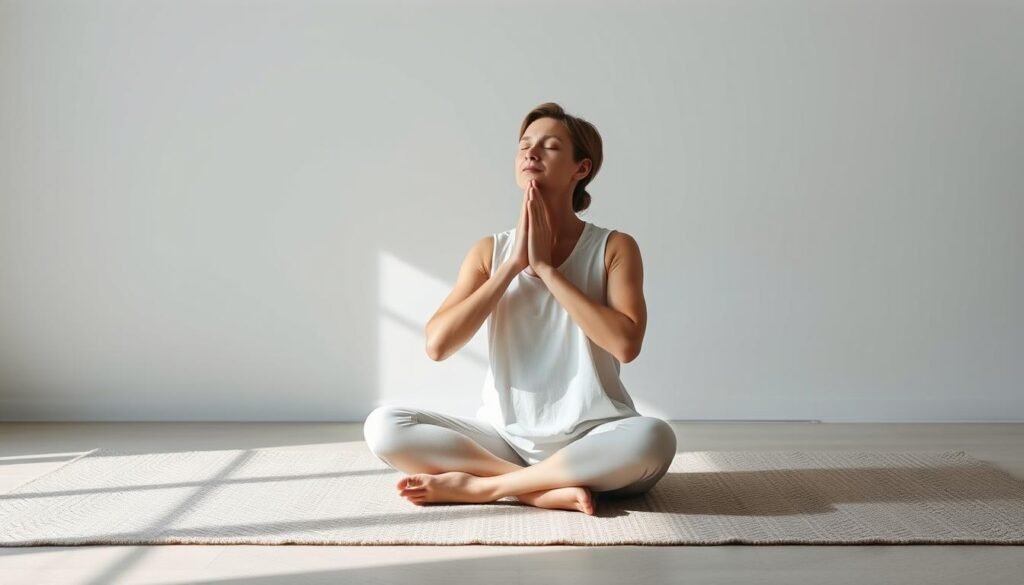
Before stepping into a high-stakes meeting or presentation, take a few moments to practice diaphragmatic breathing. This can help calm your nerves and improve your focus. Sit comfortably, inhale deeply through your nose, hold for a few seconds, and exhale slowly through your mouth.
During Conflict or Difficult Conversations
During tense conversations, it’s easy to get caught up in emotional responses. Practicing mindful breathing can help you stay grounded. Take slow, deep breaths, focusing on the sensation of the breath moving in and out of your body. This simple act can reduce your stress response and help you respond more thoughtfully.
When Feeling Overwhelmed
When you’re feeling overwhelmed, a few minutes of box breathing can make a significant difference. Box breathing involves inhaling for a count of four, holding for a count of four, exhaling for a count of four, and holding again for a count of four. This technique can help calm your mind and regulate your nervous system.
| Situation | Breathing Technique | Benefit |
|---|---|---|
| Before Meetings/Presentations | Diaphragmatic Breathing | Calms nerves, improves focus |
| During Conflict | Mindful Breathing | Reduces stress response, promotes thoughtful response |
| Feeling Overwhelmed | Box Breathing | Calms mind, regulates nervous system |
Combining Mindful Breathing with Other Stress Management Techniques
Enhance your relaxation routine by integrating mindful breathing with complementary stress relief practices. This holistic approach can lead to more effective stress management and overall well-being.
Mindful Movement
Mindful movement, such as yoga or tai chi, combines physical activity with a mindful attitude, promoting relaxation and reducing stress. By incorporating mindful breathing into these practices, you can enhance their stress-relieving benefits.
Mindful walking is another form of mindful movement that can be practiced anywhere, providing an opportunity to combine gentle exercise with deep, controlled breathing.
Progressive Muscle Relaxation
Progressive muscle relaxation involves tensing and relaxing different muscle groups. This technique can be combined with deep breathing for enhanced relaxation. As you breathe in, tense a specific muscle group, and as you breathe out, release the tension.
This practice not only relaxes the muscles but also promotes a sense of calm and reduces overall stress levels.
Journaling
Journaling is a powerful tool for processing emotions and managing stress. By writing down your thoughts and feelings, you can gain clarity and perspective. Combining journaling with mindful breathing can further enhance its benefits.
Take a few minutes to breathe mindfully before you start writing. This can help calm your mind and allow you to reflect more deeply on your experiences.
By integrating mindful breathing with other stress management techniques like mindful movement, progressive muscle relaxation, and journaling, you can develop a robust stress relief strategy tailored to your needs.
Common Challenges and How to Overcome Them
While mindful breathing is simple in theory, putting it into practice can be difficult without the right guidance. Many people face obstacles when trying to incorporate this practice into their daily routine. Understanding these challenges and knowing how to overcome them can make a significant difference in maintaining a consistent mindful breathing practice.
Difficulty Focusing
One of the most common challenges is difficulty focusing on the breath. The mind tends to wander, and it can be hard to maintain concentration. Starting with short sessions can help build focus. Begin with just a few minutes a day and gradually increase the duration as you become more comfortable with the practice.
“The mind is everything; what you think, you become.” – Buddha
“The mind is everything; what you think, you become.”
Finding Time
Another challenge is finding time in a busy schedule. Integrating mindful breathing into daily activities can help. For example, you can practice deep breathing while waiting in line, during a break at work, or right before bed.
- Practice deep breathing during your morning commute.
- Take a few deep breaths before meetings or important events.
- Incorporate breathing exercises into your bedtime routine.
Consistency Issues
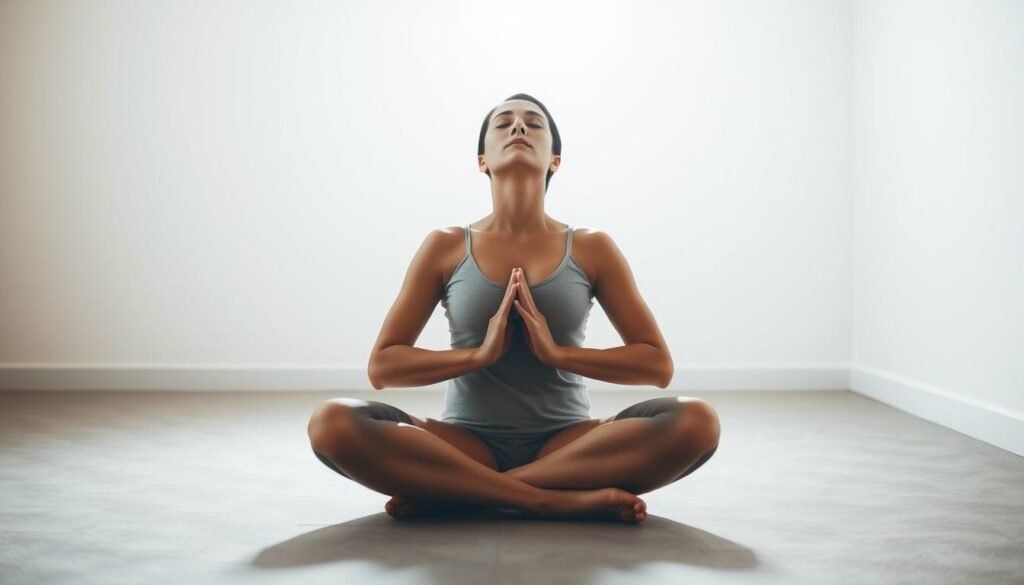
Maintaining consistency is another hurdle. Creating a routine and sticking to it can help. Set a specific time and place for your mindful breathing practice each day. Consistency will make it a habit, and it will become easier over time.
As you overcome these challenges, you’ll find that mindful breathing becomes an integral part of your daily life, providing a sense of calm and relaxation. With persistence and the right strategies, you can make mindful breathing a lasting habit.
Conclusion
Regular practice of mindful breathing can lead to significant reductions in stress and improvements in overall well-being. By incorporating breathe calm techniques into your daily routine, you can develop a powerful tool for stress management.
Mindful breathing helps calm the mind and body, reducing the negative impacts of stress on your health. As you’ve learned, various techniques such as diaphragmatic breathing, 4-7-8 breathing, and box breathing can be easily integrated into your daily life.
By making mindful breathing a habit, you can enhance your ability to manage stress effectively. Start your journey to a calmer, healthier you by committing to regular practice. With consistent effort, you’ll be better equipped to handle life’s challenges and improve your overall quality of life.
FAQ
What is mindful breathing, and how does it help with stress relief?
How do I start practicing mindful breathing, and what is the best environment for it?
Can mindful breathing be practiced anywhere, and is it suitable for all ages?
How often should I practice mindful breathing to see benefits, and how long should each session last?
Can mindful breathing be combined with other stress management techniques, and what are some examples?
What are some common challenges people face when practicing mindful breathing, and how can they be overcome?
Can mindful breathing help with anxiety and depression, and is it a replacement for medical treatment?
How can I incorporate mindful breathing into my daily routine, and what are some tips for making it a habit?
🌸 Discover Weight Management Supplements That Works — Handpicked for You
Curated health & beauty essentials our readers trust — explore your new self-care favorites.



🌸 Discover Beauty That Works — Handpicked for You
Curated health & beauty essentials our readers trust — explore your new self-care favorites.


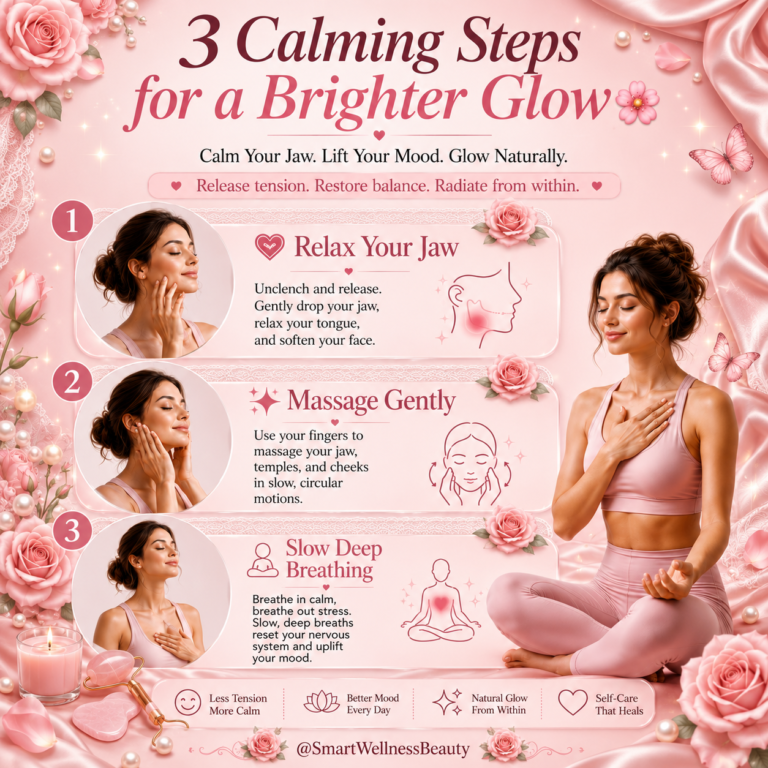
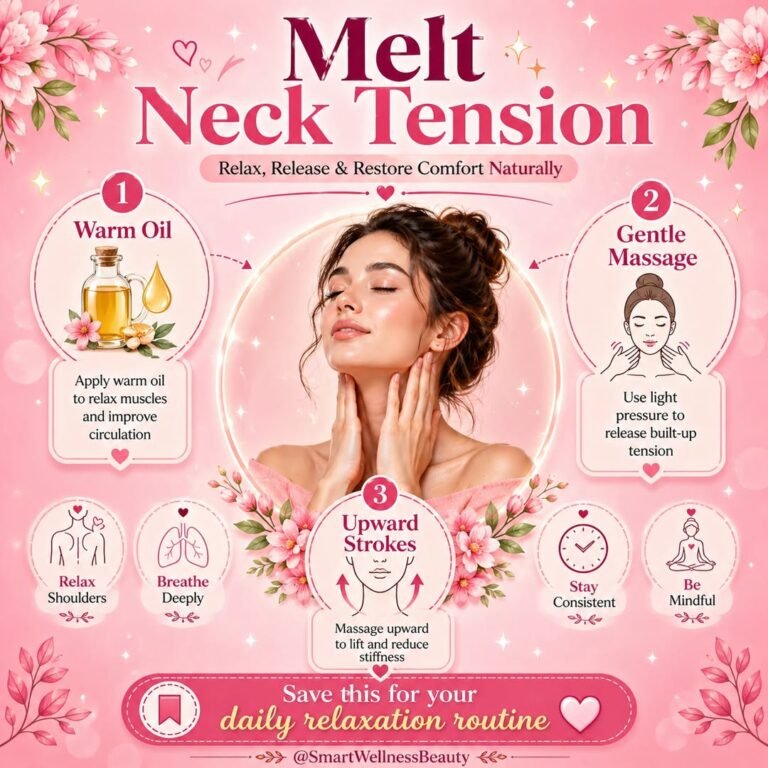
💖 Connect with SmartWellnessBeauty
Join our wellness & beauty community for daily inspiration, mindful living, and radiant self-care — follow us across your favorite platforms.























 Smart Tools World

 SmartAIEarn

 SmartWellnessBeauty

 Smart Resource Vault

 TrendsOfReview

 SmartLivingJournal
 Holistic Yoga With Wellness