


Did you know that a consistent evening routine can significantly impact your sleep quality and hormonal balance? Research shows that a well-planned nighttime routine can positively influence overall health and well-being.
Establishing a calming pre-sleep routine can help signal to your body that it’s time to wind down, leading to restful sleep and a balanced hormonal state. By incorporating simple practices into your daily routine, you can improve the quality of your sleep and wake up feeling refreshed and revitalized.
Key Takeaways
- Establishing a consistent evening routine improves sleep quality.
- A well-planned nighttime routine positively influences hormonal balance.
- Simple practices can be incorporated into your daily routine.
- A calming pre-sleep routine helps signal to your body that it’s time to wind down.
- Improved sleep quality leads to a balanced hormonal state.
The Sleep-Hormone Connection
Sleep plays a vital role in regulating hormones that impact various bodily functions. During sleep, our body balances and adjusts hormonal levels to ensure proper physiological processes.
Quality sleep is essential for maintaining the delicate balance of hormones in our body. Hormones such as cortisol, melatonin, and growth hormone are directly influenced by our sleep patterns.
How Quality Sleep Regulates Cortisol, Melatonin, and Growth Hormone
Quality sleep has a profound impact on the regulation of key hormones:
- Cortisol: Often referred to as the “stress hormone,” cortisol levels are regulated during sleep, helping to manage stress and support overall health.
- Melatonin: This hormone is crucial for our sleep-wake cycle. Melatonin production is triggered by darkness and suppressed by light, making sleep hygiene habits critical for its regulation.
- Growth Hormone: Released during deep sleep, growth hormone is essential for repair, growth, and development.
By ensuring quality sleep, we support the optimal production and regulation of these hormones, contributing to overall well-being.
The Domino Effect: How Poor Sleep Disrupts Hormonal Balance
Conversely, poor sleep can have a cascading effect on hormonal balance, leading to a range of issues:
- Disrupted cortisol levels can lead to increased stress and anxiety.
- Insufficient melatonin production can result in insomnia and other sleep disorders.
- Reduced growth hormone secretion can impact growth and repair processes in the body.
By understanding the importance of sleep in hormone regulation, we can take steps to improve sleep hygiene habits and support hormonal balance.
Understanding Your Body’s Natural Rhythm
The key to restful sleep and balanced hormones lies in understanding and working with your body’s natural circadian rhythm. This internal clock regulates a multitude of physiological processes, including hormone secretion, metabolism, and sleep-wake cycles.
Aligning with Your Circadian Cycle for Hormone Optimization
Your circadian cycle significantly influences hormone production. For instance, cortisol levels typically peak in the morning, helping you feel alert, while melatonin increases in the evening, promoting sleep. Ensuring daily sunlight exposure supports this natural rhythm, as does being mindful of artificial light exposure, especially in the evening.

Identifying Your Personal Sleep Chronotype
Understanding your sleep chronotype can help tailor your sleep schedule for better rest. Generally, individuals fall into one of three categories: morning larks, night owls, or those in between. Identifying your chronotype allows you to plan your day and bedtime routine more effectively.
| Chronotype | Characteristics | Ideal Sleep Schedule |
|---|---|---|
| Morning Lark | Wakes up early, feels most alert in the morning | 10 PM – 6 AM |
| Night Owl | Stays up late, feels most alert in the evening | 1 AM – 9 AM |
| In Between | Somewhere between morning lark and night owl | 11 PM – 7 AM |
Tracking Your Energy Patterns Throughout the Day
Monitoring your energy levels throughout the day can provide insights into your natural rhythm. By noting when you feel most alert or tired, you can adjust your activities and sleep schedule accordingly.
For example, if you notice a natural dip in energy in the early afternoon, a short rest or a walk outside could be beneficial. Similarly, if you’re more alert in the mornings, scheduling important tasks then can be advantageous.
Creating Your Ideal Sleep Sanctuary
Creating an ideal sleep sanctuary involves more than just aesthetics; it’s about crafting a space that promotes deep relaxation and hormonal equilibrium. A well-designed sleep environment can significantly enhance the quality of your sleep and overall well-being.
The Perfect Temperature, Lighting, and Air Quality Formula
Achieving the perfect sleep environment requires balancing several key factors. Temperature plays a crucial role; a cooler bedroom is generally more conducive to sleep, with an ideal temperature range between 60°F and 67°F (15.5°C and 19.4°C). Lighting is another critical element; darkness stimulates the production of melatonin, the hormone responsible for regulating sleep-wake cycles. Consider using blackout curtains or shades to achieve total darkness. Air quality is also vital; ensure good ventilation and consider using an air purifier to remove allergens and pollutants.
Selecting Sleep-Promoting Bedding and Materials
The choice of bedding and materials can significantly impact sleep quality. Opt for natural fibers like cotton, linen, or bamboo for your bedding, as they are breathable and gentle on the skin. Consider a mattress that provides the right level of support and comfort for your sleeping position. Pillows should also be chosen with care; some people prefer memory foam or latex pillows for their support and pressure-relieving properties.
Decluttering for Mental Calm and Better Sleep
A cluttered bedroom can lead to a cluttered mind, making it difficult to relax and fall asleep. Decluttering your sleep space can have a profound impact on mental calm and sleep quality. Remove any unnecessary items from your bedroom, and organize your remaining belongings in a way that promotes a sense of serenity. As the saying goes, “A cluttered space, a cluttered mind.”
“The bedroom is a sanctuary for rest and relaxation. By creating a peaceful and calming environment, you can improve the quality of your sleep and wake up feeling refreshed and rejuvenated.”
Digital Detox: The 90-Minute Pre-Sleep Technology Plan
Implementing a digital detox before sleep can be a game-changer for those struggling with sleep disorders and hormonal imbalances. As we navigate our digital lives, it’s crucial to understand how screen time affects our sleep and hormonal health.
How Blue Light Suppresses Your Natural Melatonin Production
Exposure to blue light from electronic devices can significantly suppress melatonin production, the hormone responsible for regulating our sleep-wake cycles. Blue light exposure can trick the brain into thinking it’s still daytime, making it harder to fall asleep.

To mitigate this effect, consider using:
- Blue light filtering glasses or apps
- Night mode settings on your devices
- Physical screen covers or filters
Screen-Free Evening Activities That Promote Relaxation
Engaging in screen-free activities can help signal to your brain that it’s time to sleep. Some relaxing activities include:
- Reading a book or magazine
- Practicing gentle stretches or yoga
- Listening to calming music or nature sounds
- Journaling or writing in a diary
Essential Tech Tools and Settings for Better Sleep
While it may seem counterintuitive, some tech tools can aid in achieving better sleep. Consider using:
- Sleep tracking apps to monitor your sleep patterns
- Smart alarm clocks that can wake you during a light sleep phase
- White noise machines or apps to create a soothing sleep environment
By implementing a 90-minute pre-sleep technology plan, you can improve your sleep quality and support hormonal balance. Remember, it’s not just about avoiding screens, but also about creating a sleep-conducive environment that promotes relaxation and restfulness.
Evening Nutrition Strategies for Hormone Balance
Your evening diet can significantly impact your sleep hygiene habits and hormone regulation at night. Eating a balanced meal in the evening is crucial for maintaining hormonal balance and ensuring restful sleep.
Sleep-Enhancing Dinner Recipes and Ingredients
Incorporating specific nutrients into your dinner can promote better sleep. Foods rich in magnesium, such as dark leafy greens and nuts, can help relax your body. Similarly, tryptophan-rich foods like turkey and chicken can increase serotonin levels, promoting relaxation.
- Grilled salmon with quinoa and steamed broccoli
- Chicken stir-fry with magnesium-rich spinach
- Vegetable soup with a side of whole-grain bread
The Ideal Timing Window for Your Last Meal
Eating your last meal too close to bedtime can disrupt your sleep. It’s recommended to finish eating at least 2-3 hours before bedtime to allow for proper digestion and to prevent discomfort during the night.
Consider a light snack if you’re hungry before bed, opting for something easy to digest like a banana or a handful of almonds.
Herbal Teas and Elixirs for Hormonal Support
Certain herbal teas can support hormonal balance and promote relaxation. Chamomile tea, for instance, is known for its calming effects, while peppermint tea can help with digestion.
- Chamomile tea for relaxation
- Peppermint tea for digestion
- Lavender tea for its calming properties
By incorporating these evening nutrition strategies, you can improve your sleep hygiene habits and support hormone regulation at night, leading to better overall health and well-being.
Relaxation Techniques That Signal Sleep Readiness
As we wind down, incorporating relaxation techniques into our evening routine can significantly improve sleep quality. These practices help calm the mind and body, signaling that it’s time to sleep.
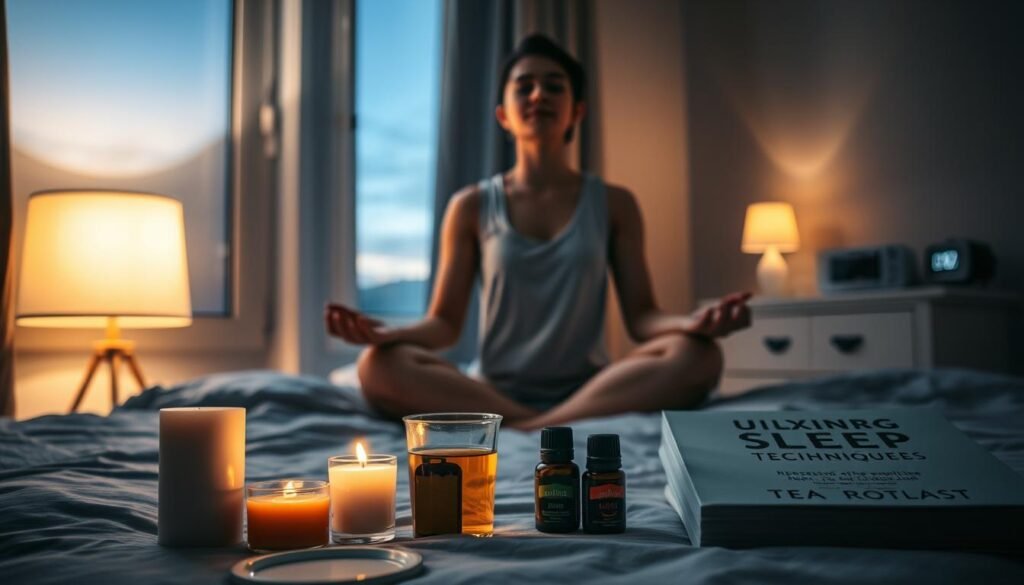
4-7-8 Breathing: A Parasympathetic Nervous System Activator
The 4-7-8 breathing technique, also known as the “Relaxation Breath,” is a powerful tool for activating the parasympathetic nervous system. To practice this technique, inhale through your nose for a count of 4, hold your breath for 7, and exhale through your mouth for 8. This slows down your heart rate and calms your nervous system.
Benefits of 4-7-8 Breathing:
- Reduces stress and anxiety
- Promotes relaxation
- Helps with sleep initiation
15-Minute Progressive Muscle Relaxation Practice
Progressive Muscle Relaxation (PMR) is a technique that involves tensing and relaxing different muscle groups. Start with your toes and work your way up to your head, holding each muscle group for a few seconds before releasing. This practice helps release physical tension and promotes relaxation.
| Muscle Group | Tense (seconds) | Relax (seconds) |
|---|---|---|
| Toes | 5 | 10 |
| Feet | 5 | 10 |
| Calves | 5 | 10 |
Guided Meditation Scripts for Hormone Balance and Sleep
Guided meditation can be a powerful tool for promoting relaxation and hormone balance. By listening to a soothing voice guide you through a meditation, you can calm your mind and prepare your body for sleep.
Sample Guided Meditation Script:
“Imagine yourself in a peaceful place, surrounded by calming energy. With each breath, feel your body relax further, letting go of any tension or stress. As you exhale, imagine any hormonal imbalances or sleep concerns leaving your body.”
By incorporating these relaxation techniques into your evening routine, you can improve sleep quality and promote hormone balance.
Evening Rituals for Restful Sleep & Balanced Hormones
A well-crafted pre-sleep ritual can significantly enhance the quality of your sleep and support hormone regulation. By incorporating specific activities into your evening routine, you can signal to your body that it’s time to sleep, thereby improving the overall quality of your rest and supporting hormonal balance.
The Complete 60-Minute Pre-Sleep Routine Blueprint
Creating an effective pre-sleep routine involves a series of activities that help your body transition into sleep mode. Here’s a 60-minute blueprint you can customize:
- 60-45 minutes before sleep: Begin by dimming the lights and reducing noise levels to create a calming environment.
- 45-30 minutes before sleep: Engage in a relaxing activity, such as reading a book, taking a warm bath, or practicing gentle stretches.
- 30-15 minutes before sleep: Practice deep breathing exercises or meditation to calm your mind and body.
- 15 minutes before sleep: Write in a journal or reflect on your day, allowing yourself to process your thoughts and emotions.
Customizing Rituals for Different Hormonal Concerns
Different hormonal imbalances may require tailored approaches to evening rituals. For instance:
- If you’re experiencing stress and cortisol imbalance, consider incorporating stress-reducing activities like yoga or progressive muscle relaxation into your routine.
- For menstrual cycle-related issues, a warm bath with Epsom salts can help alleviate cramps and promote relaxation.
- If you’re dealing with insomnia or sleep disruptions, try using a mindfulness meditation app or listening to calming music.
By customizing your evening ritual to address your specific hormonal concerns, you can enhance its effectiveness.
Tracking and Measuring Your Ritual Effectiveness
To ensure that your evening ritual is working effectively, it’s crucial to track its impact. Consider keeping a sleep diary to monitor:
| Metric | Description |
|---|---|
| Sleep Quality | Rate your sleep quality each night on a scale of 1-10. |
| Hormonal Symptoms | Track any hormonal symptoms you experience, such as hot flashes or mood swings. |
| Energy Levels | Monitor your energy levels throughout the day to see if your ritual is impacting your daily functioning. |
By regularly assessing these metrics, you can refine your evening ritual to better support your sleep and hormonal health.
Stress Management Practices for Sleep Enhancement
To achieve restful sleep, it’s essential to incorporate stress management techniques into your daily routine. Stress management practices like brain-dumping, worry journaling, gentle yoga, and aromatherapy can significantly enhance sleep quality by reducing stress and promoting relaxation.
Brain-Dumping and Worry Journaling Techniques
Brain-dumping and worry journaling are effective techniques for clearing your mind before sleep. By putting your thoughts and worries down on paper, you can process your emotions and release tension. This practice helps in calming the mind and preparing the body for a restful night’s sleep.
To start brain-dumping, simply grab a notebook and write down everything that’s on your mind. Don’t worry about grammar or spelling; just let your thoughts flow. You can also use prompts like “What’s been stressing me lately?” or “What am I looking forward to tomorrow?” to get started.

Gentle Yoga Sequences for Evening Unwinding
Gentle yoga sequences can help unwind your body and mind, making it easier to fall asleep. Certain poses can calm the nervous system, reduce stress, and promote relaxation.
Some beneficial poses for evening yoga include:
- Child’s Pose (Balasana)
- Cat-Cow Pose (Marjaryasana-Bitilasana)
- Legs Up The Wall Pose (Viparita Karani)
- Corpse Pose (Savasana)
| Yoga Pose | Benefits |
|---|---|
| Child’s Pose | Relaxes the back and promotes calmness |
| Cat-Cow Pose | Improves flexibility and reduces stress |
| Legs Up The Wall Pose | Calms the nervous system and reduces swelling |
| Corpse Pose | Promotes deep relaxation and reduces anxiety |
Aromatherapy Blends for Hormonal Balance and Relaxation
Aromatherapy blends can be used to promote hormonal balance and relaxation. Certain essential oils have a calming effect on the body and can help reduce stress.
Some beneficial essential oils for sleep and hormonal balance include:
- Lavender oil
- Clary sage oil
- Chamomile oil
These oils can be used in a diffuser or applied topically to promote relaxation and improve sleep quality.
Adapting Evening Rituals Through Hormonal Transitions
Hormonal transitions can significantly impact sleep quality, making it essential to adapt evening rituals accordingly. As individuals navigate through different life stages, their hormonal fluctuations require adjustments in sleep practices to maintain hormone balance and overall well-being.
Menstrual Cycle Phases
Understanding the menstrual cycle and its impact on sleep is crucial. During the follicular phase, estrogen levels rise, potentially improving sleep quality. In contrast, the luteal phase is characterized by increased progesterone, which can cause drowsiness but may also lead to fragmented sleep. Adjusting sleep hygiene habits according to these phases can help mitigate sleep disruptions.
- Track your cycle to anticipate and prepare for sleep changes.
- Adjust your evening routine to include relaxation techniques during the luteal phase.
- Consider dietary changes that support sleep, such as increasing tryptophan intake.
Perimenopause and Menopause
During perimenopause and menopause, declining estrogen levels can lead to night sweats and hot flashes, significantly disrupting sleep. Implementing cooling strategies can help alleviate these symptoms.
Cooling Techniques:
- Keep your bedroom cool by adjusting the thermostat or using a fan.
- Use breathable bedding and pajamas to stay cool.
- Consider using a cooling pad or mattress designed for hot sleepers.
Pregnancy and Postpartum Sleep Support
Pregnancy and the postpartum period bring unique challenges to sleep. During pregnancy, physical discomfort and anxiety can disrupt sleep, while postpartum hormonal drops can lead to mood swings and sleep disturbances.
Supportive Strategies:
- Practice gentle stretches and prenatal yoga to improve sleep.
- Establish a bedtime routine that includes relaxation techniques, such as deep breathing or meditation.
- For new mothers, consider napping when the baby naps to compensate for lost sleep.
By adapting evening rituals to the different hormonal transitions, individuals can better support their sleep and hormone balance. This involves being mindful of the body’s changing needs and making appropriate adjustments to sleep hygiene habits.
Troubleshooting Common Sleep Disruptions
A good night’s sleep is crucial for overall health, and troubleshooting common disruptions is key to achieving it. Sleep disruptions can stem from various factors, including lifestyle choices, environmental conditions, and underlying health issues.
Solutions for Racing Thoughts and Difficulty Falling Asleep
Racing thoughts and difficulty falling asleep are common issues that can be addressed through relaxation techniques and sleep-inducing routines. Practicing mindfulness, journaling, or engaging in a calming activity before bed can help calm the mind.
- Mindfulness meditation
- Progressive muscle relaxation
- Journaling before bed
Middle-of-Night Waking: Emergency Reset Protocols
Waking up in the middle of the night can be challenging, but there are strategies to help you fall back asleep. Techniques such as the 4-7-8 breathing method or a short, guided meditation can be effective.
If you find yourself awake, avoid screens and bright lights, and try to relax with a calming activity or a warm bath.
| Technique | Description | Benefit |
|---|---|---|
| 4-7-8 Breathing | Breathe in through the nose for 4 seconds, hold for 7, and out through the mouth for 8 | Promotes relaxation and reduces stress |
| Guided Meditation | Listen to a calming voice guiding you through relaxation techniques | Helps in calming the mind and body |

When to Consult a Sleep Specialist or Hormone Expert
If sleep disruptions persist despite trying various strategies, it may be time to consult a sleep specialist or hormone expert. These professionals can help identify underlying issues related to hormone regulation at night and provide personalized guidance.
Consulting a specialist is particularly important if you experience symptoms like chronic insomnia, sleep apnea, or restless leg syndrome.
Conclusion: Creating Sustainable Sleep Habits for Lifelong Hormonal Health
Developing a consistent sleep routine is vital for maintaining hormonal balance and overall well-being. By incorporating evening rituals for restful sleep & balanced hormones into your daily schedule, you can significantly improve the quality of your sleep.
Establishing hormone-balancing bedtime rituals requires patience and dedication, but the long-term benefits are substantial. As you’ve learned, a well-crafted pre-sleep routine can help regulate cortisol, melatonin, and growth hormone levels, leading to better rest and hormonal balance.
By making these rituals a staple in your daily life, you’ll be better equipped to handle hormonal fluctuations and sleep disruptions. This, in turn, will contribute to a healthier and more balanced you. Start your journey towards restful sleep and hormonal harmony tonight by implementing the strategies outlined in this article.
FAQ
What are the best evening rituals for restful sleep and balanced hormones?
How does quality sleep regulate cortisol, melatonin, and growth hormone?
What are some sleep-enhancing dinner recipes and ingredients?
How can I manage night sweats during perimenopause and menopause?
What are some effective stress management practices for sleep enhancement?
How can I adapt my evening rituals during hormonal transitions?
What are some solutions for racing thoughts and difficulty falling asleep?
When should I consult a sleep specialist or hormone expert?
🌸 Discover Weight Management Supplements That Works — Handpicked for You
Curated health & beauty essentials our readers trust — explore your new self-care favorites.



🌸 Discover Beauty That Works — Handpicked for You
Curated health & beauty essentials our readers trust — explore your new self-care favorites.


💖 Connect with SmartWellnessBeauty
Join our wellness & beauty community for daily inspiration, mindful living, and radiant self-care — follow us across your favorite platforms.


























 Smart Tools World

 SmartAIEarn

 SmartWellnessBeauty

 Smart Resource Vault

 TrendsOfReview

 SmartLivingJournal

 Holistic Yoga With Wellness