
Did you know that nearly 40% of people worldwide struggle with skin issues, from acne to rosacea? For years, the quest for flawless skin has centered around external care routines. However, emerging research has dramatically shifted this focus, revealing that true beauty begins from within. The intricate link between gut health and skin health, known as the gut-skin axis, has become a groundbreaking area of study.
This new understanding underscores the importance of internal gut health in achieving radiant, healthy skin. By exploring the gut-skin connection, individuals can unlock a more holistic approach to skincare, one that emphasizes the balance of gut microbiota as a foundation for external beauty.
Key Takeaways
- The gut-skin connection is a crucial factor in achieving healthy, radiant skin.
- Internal gut health plays a significant role in external skin appearance.
- Balancing gut microbiota is essential for a holistic skincare approach.
- Emerging research highlights the importance of the gut-skin axis in beauty.
- A healthy gut contributes to a more resilient and vibrant complexion.
The Science Behind the Gut-Skin Axis
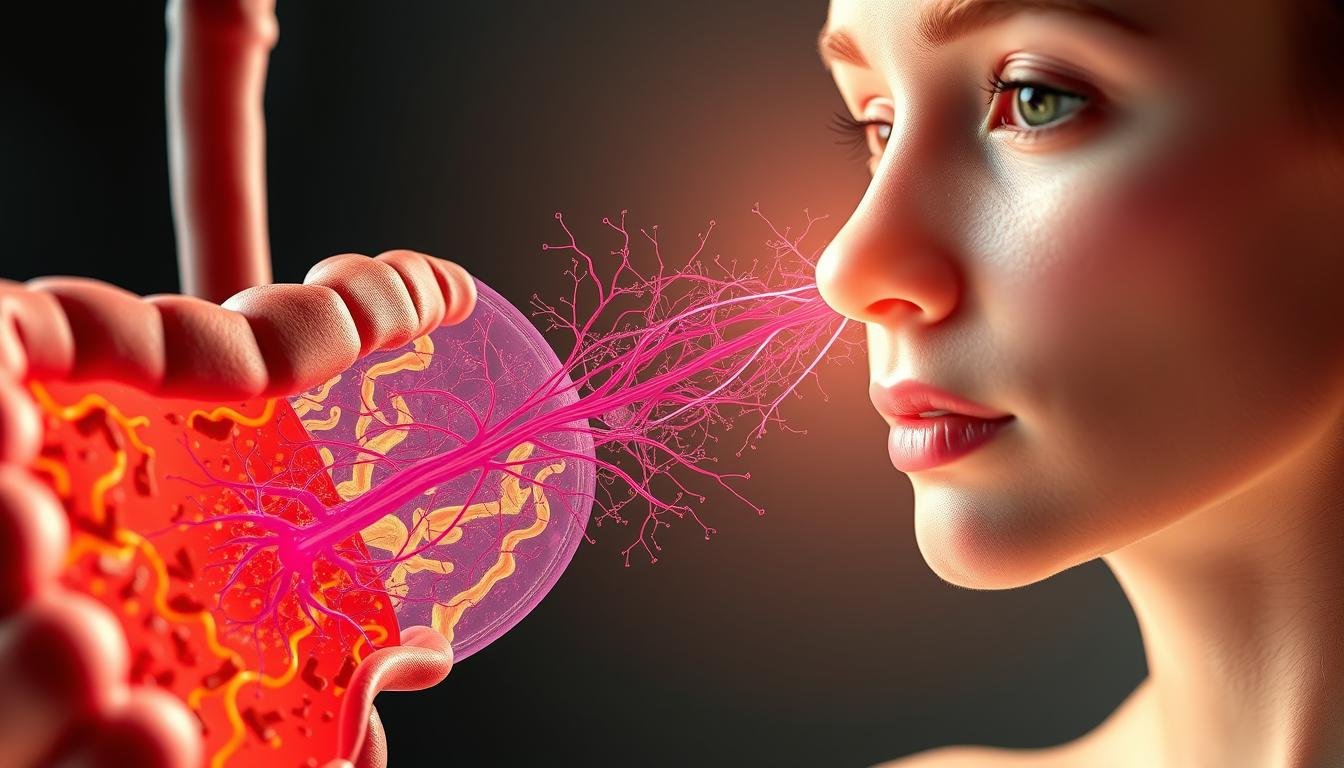
Understanding the gut-skin axis is crucial for unlocking the secrets to radiant and healthy skin. The gut-skin connection refers to the bidirectional communication system between our gut and skin, facilitated by a network of nerves, hormones, immune factors, and biochemical signaling pathways.
Understanding the Gut Microbiome
The gut microbiome is a complex ecosystem consisting of trillions of microorganisms that play a vital role in maintaining our overall health, including skin health. A healthy gut microbiome is essential for a strong immune system, proper nutrient absorption, and production of certain vitamins.
How Your Gut Communicates with Your Skin
The gut and skin communicate through various mechanisms, including the release of hormones and cytokines. For instance, the gut produces neurotransmitters like serotonin, which can influence mood and, subsequently, skin health.
The Role of Inflammation in Skin Health
Inflammation is a common underlying factor in various skin conditions, such as acne, psoriasis, and eczema. The gut-skin connection is critical here, as an imbalance in the gut microbiome can lead to increased inflammation, affecting skin health.
| Factor | Impact on Gut | Impact on Skin |
|---|---|---|
| Inflammation | Increases gut permeability | Leads to skin conditions like acne |
| Microbiome Balance | Essential for nutrient absorption | Influences skin health and appearance |
| Diet | Affects gut microbiome composition | Impacts skin health through nutrient supply |
By understanding the science behind the gut-skin connection, we can better appreciate the importance of maintaining a healthy gut for optimal skin health.
Common Skin Conditions Linked to Gut Health
A growing body of evidence suggests that the gut-skin axis plays a crucial role in the development and exacerbation of various skin conditions. The health of our gut microbiome is intricately linked with our skin’s health, influencing conditions such as acne, eczema, psoriasis, and rosacea.
Acne and Digestive Imbalances
Acne is one of the most common skin conditions associated with gut health. Research indicates that individuals with acne often have an imbalance in their gut microbiota, leading to increased inflammation and exacerbating acne symptoms. Improving gut health through dietary changes and probiotics can help alleviate acne.
Eczema, Psoriasis, and Gut Inflammation
Eczema and psoriasis are characterized by chronic inflammation of the skin, and there’s growing evidence that gut inflammation plays a significant role in these conditions. An imbalance in gut bacteria can lead to increased permeability of the gut lining, allowing toxins to enter the bloodstream and trigger skin inflammation.
Rosacea’s Connection to Digestive Health
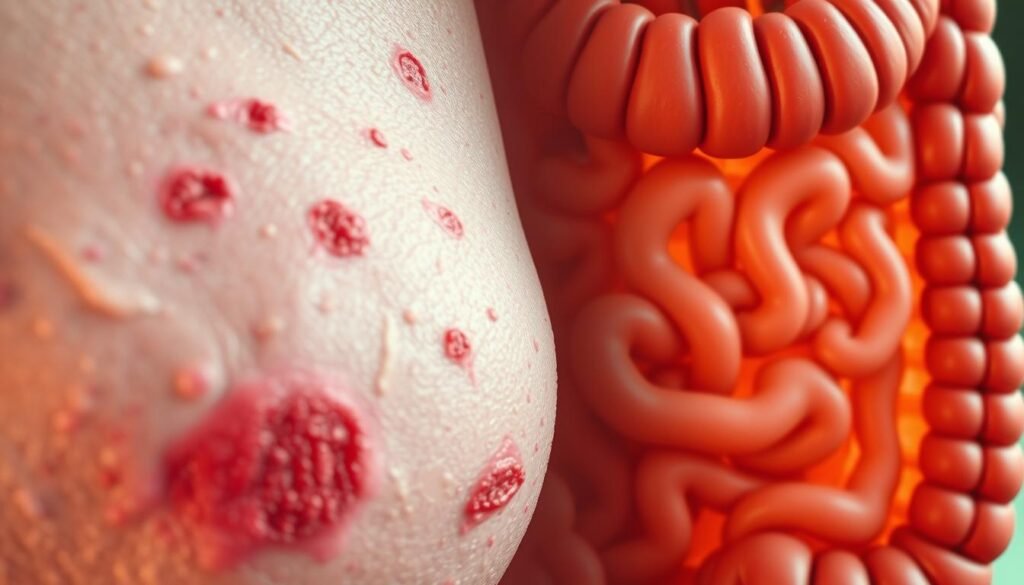
Rosacea, a condition marked by redness and visible blood vessels on the face, has also been linked to gut health. Studies suggest that individuals with rosacea often have a higher prevalence of gastrointestinal symptoms and imbalances in their gut microbiome.
| Skin Condition | Gut Health Connection | Potential Solutions |
|---|---|---|
| Acne | Imbalance in gut microbiota, increased inflammation | Dietary changes, probiotics |
| Eczema/Psoriasis | Gut inflammation, increased permeability | Anti-inflammatory diet, probiotics |
| Rosacea | Gastrointestinal symptoms, gut microbiome imbalance | Gut-friendly diet, stress management |
Understanding the link between gut health and these skin conditions can provide new avenues for treatment and management, focusing on achieving a balanced gut microbiome for clearer, healthier skin.
Signs Your Gut Is Affecting Your Skin
Understanding the connection between your gut and skin can be the key to unlocking radiant, healthy skin. When your gut microbiome is out of balance, it can manifest in various ways on your skin. Recognizing these signs can help you address the root cause of your skin issues rather than just treating the symptoms.
Persistent Breakouts Despite Topical Treatments
If you’re experiencing persistent breakouts that don’t respond to topical treatments, it could be a sign that the issue lies within your gut. Acne can be linked to an imbalance in gut bacteria, which leads to inflammation and increased sebum production. This internal imbalance can make your skin more prone to breakouts.
Skin Inflammation and Digestive Symptoms
Often, skin inflammation is accompanied by digestive symptoms such as bloating, constipation, or diarrhea. If you notice that your skin issues coincide with these digestive problems, it may indicate a gut-skin connection. Inflammation in the gut can lead to inflammation in the skin, resulting in conditions like eczema or rosacea.
| Skin Condition | Possible Gut-Related Cause | Symptom Overlap |
|---|---|---|
| Acne | Imbalanced gut bacteria | Inflammation, increased sebum production |
| Eczema | Gut inflammation | Skin dryness, itching, redness |
| Rosacea | Digestive issues, gut sensitivity | Flushing, redness, skin sensitivity |
Sudden Changes in Skin Appearance
Sudden changes in your skin’s appearance, such as unexpected dryness, redness, or dullness, can also be a sign of gut health issues. These changes might be triggered by dietary factors, stress, or other factors that affect your gut microbiome. Paying attention to these changes can help you identify potential gut-skin connections.
By recognizing these signs and understanding the gut-skin axis, you can take the first step towards addressing the root cause of your skin issues and achieving clearer, healthier skin.
Unlock Radiant Skin: The Gut-Skin Connection Revealed in Research
Recent research has shed new light on the intricate relationship between gut health and skin radiance. The gut-skin axis is a complex system that influences our skin’s health and appearance. By understanding this connection, we can take steps to nourish our skin from the inside out.

Recent Studies on Microbiome and Skin Health
Studies have shown that the gut microbiome plays a crucial role in maintaining skin health. A balanced gut microbiome helps to regulate inflammation and support the skin’s barrier function. Research has also highlighted the importance of prebiotics and probiotics in promoting a healthy gut-skin axis.
- A study published in the Journal of Investigative Dermatology found that mice with an imbalanced gut microbiome developed more severe skin inflammation.
- Another study published in the journal Nature demonstrated that the gut microbiome influences the skin’s barrier function and immune response.
What Dermatologists Say About Gut Health
Dermatologists are increasingly recognizing the importance of gut health in maintaining healthy skin. Many are now recommending that patients take a holistic approach to skincare, addressing both internal and external factors. By supporting gut health, individuals can improve their skin’s appearance and reduce the risk of various skin conditions.
Some key takeaways from dermatologists include:
- The importance of maintaining a balanced diet rich in fruits, vegetables, and whole grains.
- The potential benefits of probiotics and prebiotics in supporting skin health.
- The need to manage stress and get adequate sleep to support overall health and wellbeing.
The Emerging Field of Psychodermatology
The field of psychodermatology is emerging as a key area of research, exploring the complex interplay between the mind, gut, and skin. This field recognizes that our mental health and stress levels can have a significant impact on our skin’s health. By understanding this connection, individuals can take a more comprehensive approach to achieving radiant skin.
Research in psychodermatology has shown that stress can exacerbate skin conditions like acne, psoriasis, and eczema. By managing stress through techniques like meditation and yoga, individuals can help to nourish their skin and promote overall wellbeing.
Nutrition Strategies for Beautiful Skin from Within
Nourishing your skin from the inside out requires a thoughtful approach to nutrition. A diet rich in whole, unprocessed foods can significantly support skin health. This includes consuming a variety of fruits, vegetables, lean proteins, and healthy fats.
Anti-Inflammatory Foods for Skin Health
Incorporating anti-inflammatory foods into your diet can help reduce skin inflammation and promote healthier skin. Foods rich in omega-3 fatty acids, such as salmon and walnuts, are particularly beneficial. Additionally, berries and leafy greens are packed with antioxidants that combat free radicals and support skin health.
As Dr. Joshua Zeichner, a dermatologist, notes, “A diet rich in fruits, vegetables, and omega-3 fatty acids can help reduce inflammation in the body, which in turn can improve skin health.”
“The food we eat has a significant impact on our skin. A healthy diet can help mitigate the effects of aging and environmental stressors.”
Prebiotics and Probiotics: Your Skin’s Best Friends
Prebiotics and probiotics play a crucial role in maintaining a healthy gut microbiome, which is closely linked to skin health. Prebiotic-rich foods like asparagus and bananas help feed the good bacteria in your gut, while probiotic-rich foods like yogurt and kefir introduce beneficial bacteria into your digestive system.
- Prebiotic foods: asparagus, bananas, onions
- Probiotic foods: yogurt, kefir, sauerkraut
Foods to Limit for Clearer Skin
Just as some foods can benefit your skin, others can have a negative impact. Limiting or avoiding foods high in sugar, dairy, and processed ingredients can help reduce the occurrence of skin issues like acne. It’s also beneficial to be mindful of foods that can cause inflammation or allergic reactions.
By adopting a balanced diet and being mindful of how different foods affect your skin, you can take a significant step towards achieving clearer, healthier skin. As the saying goes, “You are what you eat,” and in the context of skin health, this couldn’t be more true.
Lifestyle Factors That Impact Both Gut and Skin Health
Beyond diet and skincare routines, lifestyle factors such as stress management, sleep quality, and exercise significantly impact both gut and skin health. These elements are crucial in maintaining a balanced gut microbiome and achieving healthy, radiant skin.
Stress Management for Healthier Skin
Chronic stress can have a detrimental effect on both gut and skin health. It can disrupt the balance of gut bacteria and lead to skin issues such as acne, rosacea, and eczema. Effective stress management techniques include:
- Meditation and mindfulness practices
- Yoga and tai chi
- Deep breathing exercises
- Regular relaxation time
As Dr. Elizabeth Blackburn, Nobel laureate in physiology, once said,
“Stress is not just a state of mind; it has real physiological effects.”
Managing stress is crucial for maintaining a healthy gut-skin axis.
Sleep Quality and Skin Regeneration
Adequate sleep is essential for overall health, including skin regeneration and gut repair. Poor sleep quality can lead to increased inflammation, affecting both gut and skin health. Tips for improving sleep quality include:
- Maintaining a consistent sleep schedule
- Creating a relaxing bedtime routine
- Avoiding screens before bedtime
- Ensuring a comfortable sleep environment
| Sleep Quality | Gut Health Impact | Skin Health Impact |
|---|---|---|
| Poor | Increased inflammation, disrupted gut bacteria | Dull skin, increased acne, premature aging |
| Good | Balanced gut microbiome, reduced inflammation | Glowing skin, improved skin regeneration |
Exercise: Boosting Circulation and Gut Motility
Regular exercise is vital for both gut and skin health. It improves circulation, which helps nourish the skin, and enhances gut motility, aiding in digestion. Exercise also reduces stress and improves sleep quality. Recommended exercises include:
- Aerobic exercises like walking, running, or cycling
- Strength training to build muscle
- Flexibility exercises like yoga or Pilates

By incorporating stress management, improving sleep quality, and engaging in regular exercise, individuals can significantly enhance both their gut and skin health, leading to a more radiant and healthy appearance.
Holistic Skincare: Combining Internal and External Approaches
Achieving healthy, glowing skin requires a comprehensive approach that combines internal wellness strategies with external skincare practices. By addressing both the internal and external factors that influence skin health, individuals can achieve clearer, more radiant skin.
Gentle Skincare Routines That Support Barrier Function
A gentle skincare routine is essential for maintaining the skin’s natural barrier function. This involves using mild cleansers, avoiding harsh exfoliants, and applying moisturizers that support the skin’s natural hydration. Look for products containing ceramides, hyaluronic acid, and niacinamide, as these ingredients help to repair and strengthen the skin’s barrier.
Supplements That Support Both Gut and Skin Health
Certain supplements can play a crucial role in supporting both gut and skin health. Probiotics, for example, help maintain a healthy gut microbiome, which is linked to clearer skin. Other beneficial supplements include omega-3 fatty acids, which reduce inflammation, and zinc, which supports skin healing and immune function.
The Importance of Hydration for Skin Clarity
Adequate hydration is vital for maintaining skin clarity. Drinking enough water helps to flush out toxins and keep the skin hydrated from the inside out. Aim to drink at least eight glasses of water a day, and consider incorporating hydrating foods like watermelon and cucumbers into your diet to support skin health.
By combining gentle skincare routines, targeted supplements, and proper hydration, individuals can adopt a holistic approach to skincare that nurtures their skin from both the inside and outside.
Creating Your Personalized Gut-Skin Health Plan
To unlock the secret to glowing skin, creating a tailored gut-skin health strategy is essential. This personalized approach allows you to address your unique skin concerns and health goals effectively.
Identifying Your Unique Triggers
The first step in creating your personalized plan is to identify potential triggers affecting your gut and skin health. This may involve keeping a food diary to track any adverse reactions to certain foods or monitoring how your skin responds to different products and environmental factors.
Working with Healthcare Professionals
Collaborating with healthcare professionals, such as dermatologists or gastroenterologists, can provide valuable insights into your gut-skin health. They can help you understand your specific needs and recommend targeted interventions.

Tracking Progress and Making Adjustments
Once you’ve implemented your personalized plan, it’s crucial to track your progress. This might involve regular check-ins with your healthcare provider, monitoring changes in your skin, and adjusting your strategy as needed to achieve optimal skin health and beauty from within.
By following these steps and maintaining a commitment to your gut-skin health, you can enjoy a clearer, more radiant complexion and overall well-being.
Conclusion: Nurturing Your Gut for Lasting Skin Radiance
Nurturing your gut is key to achieving lasting skin radiance. By understanding and supporting the gut-skin connection, individuals can unlock the secret to healthy, glowing skin. A holistic approach to skincare, focusing on both internal and external factors, is essential for optimal results.
Adopting nutrition strategies that promote a balanced gut microbiome, managing stress, and maintaining a consistent skincare routine can significantly impact skin health. Incorporating anti-inflammatory foods, prebiotics, and probiotics into your diet can help reduce inflammation and promote a clearer complexion.
By making informed lifestyle choices and working with healthcare professionals, you can create a personalized plan to support your gut-skin health. This comprehensive approach will help you unlock radiant skin and maintain a healthy, glowing complexion over time, ultimately achieving the goal of holistic skincare.
FAQ
What is the gut-skin connection and how does it affect my skin?
How do prebiotics and probiotics support skin health?
What are some common signs that my gut health is affecting my skin?
How can I create a personalized plan for improving my gut-skin health?
What lifestyle factors impact both gut and skin health?
How can I nourish my skin from within?
What is psychodermatology and how does it relate to the gut-skin connection?
🌸 Discover Weight Management Supplements That Works — Handpicked for You
Curated health & beauty essentials our readers trust — explore your new self-care favorites.


🌸 Discover Beauty That Works — Handpicked for You
Curated health & beauty essentials our readers trust — explore your new self-care favorites.

💖 Connect with SmartWellnessBeauty
Join our wellness & beauty community for daily inspiration, mindful living, and radiant self-care — follow us across your favorite platforms.






















 Smart Tools World

 SmartAIEarn

 SmartWellnessBeauty

 Smart Resource Vault

 TrendsOfReview

 SmartLivingJournal

 Holistic Yoga With Wellness