
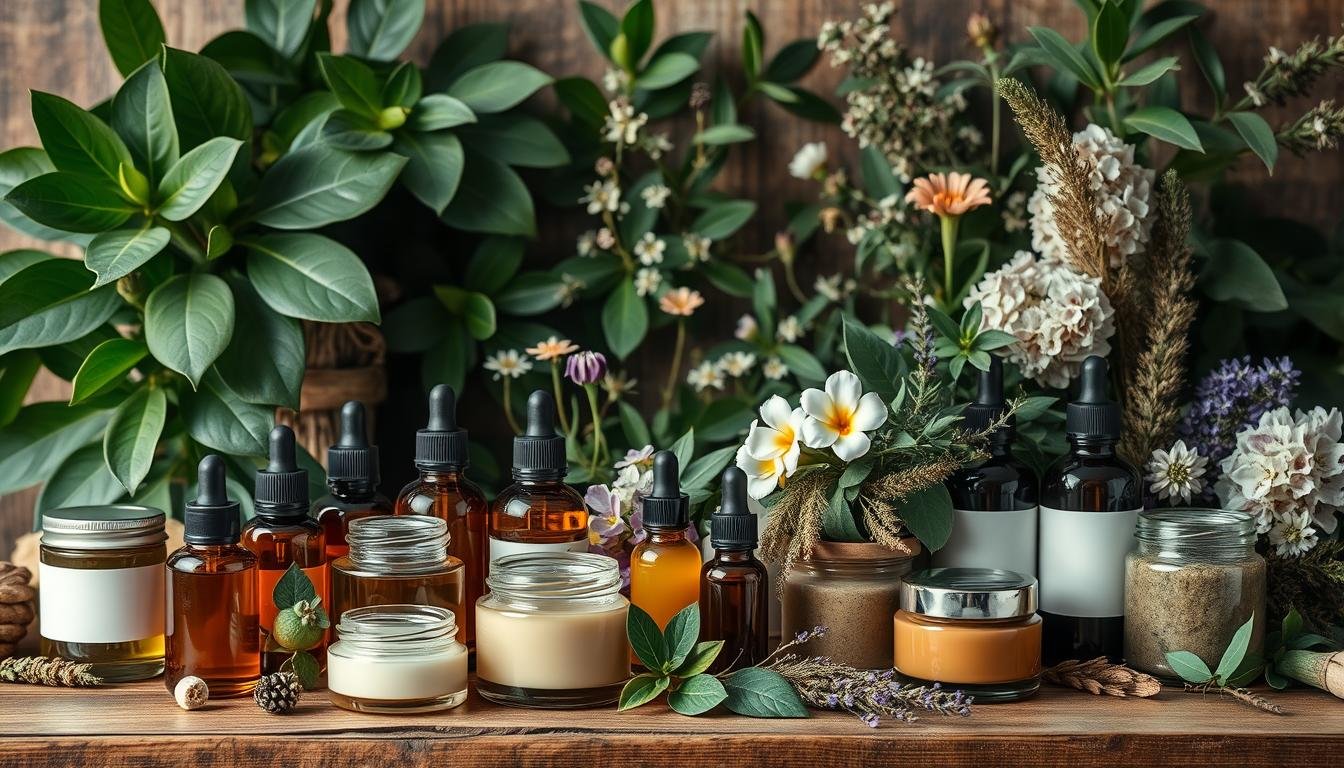
Did you know that nearly 75% of people are shifting towards natural skincare products to achieve healthier, glowing skin? This significant trend underscores the growing awareness of the benefits associated with using natural ingredients in skincare routines.
Switching to natural skincare can significantly reduce skin irritation and improve overall skin health. Ingredients like green tea and rosehip oil are renowned for their rejuvenating properties. By incorporating these natural elements into your skincare regimen, you can rejuvenate your skin naturally, revealing a more radiant and youthful complexion.
Key Takeaways
- Natural skincare products are gaining popularity for their health benefits.
- Green tea and rosehip oil are effective natural ingredients for skin rejuvenation.
- Switching to natural skincare can reduce irritation and improve skin health.
- Natural ingredients promote healthier, glowing skin.
- Adopting a natural skincare routine can lead to a more radiant complexion.
Understanding the Benefits of Natural Skincare Ingredients
Embracing natural skincare ingredients is not just a trend; it’s a conscious choice towards healthier, glowing skin. As consumers become more aware of the importance of what they apply to their skin, the demand for organic skincare products and plant-based skincare has seen a significant surge.
Natural skincare ingredients are derived from nature, offering a gentler alternative to synthetic chemicals. These ingredients are often rich in antioxidants, vitamins, and minerals that nourish the skin.
What Are Natural Skincare Ingredients?
Natural skincare ingredients are substances used in skincare products that are sourced from natural environments, such as plants, minerals, and animal products, without undergoing significant chemical alterations. These ingredients are prized for their ability to promote skin health while minimizing exposure to harsh chemicals.
- Plant extracts like green tea and chamomile are known for their soothing properties.
- Minerals such as zinc oxide offer protective benefits.
- Essential oils derived from plants like lavender and rosemary can enhance skin vitality.
Popular Natural Ingredients for Glowing Skin
Some of the most celebrated natural ingredients for achieving glowing skin include:
- Rosehip oil, rich in antioxidants and essential fatty acids, which helps in regenerating skin cells.
- Bakuchiol, a natural retinol alternative that promotes collagen production without the sensitivity associated with retinol.
- Green tea, known for its anti-inflammatory properties that can help reduce acne and promote even skin tone.
These ingredients can be incorporated into your skincare routine through various products or DIY recipes, offering a personalized approach to skincare.
The Role of Antioxidants in Skincare
In the realm of skincare, antioxidants are the unsung heroes that help maintain healthy, youthful skin. Antioxidants are substances that can prevent or slow damage to cells caused by free radicals, unstable molecules that the body produces as a reaction to environmental and other pressures. They are sometimes referred to as “free-radical scavengers.”

How Antioxidants Protect Your Skin
Antioxidants protect the skin by neutralizing free radicals, which can cause oxidative stress. Oxidative stress is known to lead to premature aging, including wrinkles, fine lines, and age spots. By incorporating products rich in antioxidants into your skincare routine, you can help shield your skin from environmental stressors such as pollution and UV exposure, thereby reducing the visible signs of aging.
Eco-friendly beauty products that are rich in antioxidants not only benefit your skin but also support sustainable practices. When choosing skincare products, opt for green beauty essentials that harness the power of natural antioxidants.
Top Antioxidant-Rich Ingredients
Some of the most effective antioxidant-rich ingredients include green tea, rosehip oil, and vitamin C. Green tea is renowned for its anti-inflammatory properties, while rosehip oil is rich in essential fatty acids that help regenerate skin cells. Vitamin C, on the other hand, is a powerful antioxidant that brightens the skin and boosts collagen production.
- Green Tea: Anti-inflammatory and antioxidant properties
- Rosehip Oil: Rich in essential fatty acids for skin regeneration
- Vitamin C: Boosts collagen production and brightens the skin
By understanding the role of antioxidants in skincare and incorporating these ingredients into your routine, you can achieve healthier, more radiant skin while supporting eco-friendly practices.
Essential Oils: Nature’s Aromatic Wonders
Essential oils have been a cornerstone of natural skincare for centuries, offering a potent blend of therapeutic benefits and aromatic delight. These concentrated plant extracts are not only pleasing to the senses but also provide a range of benefits for the skin.
Benefits of Using Essential Oils
Essential oils are celebrated for their versatility and effectiveness in addressing various skin concerns. Some of the key benefits include:
- Antimicrobial properties: Many essential oils have been shown to combat bacteria and other microorganisms, making them ideal for acne-prone skin.
- Anti-inflammatory effects: Oils like chamomile and lavender can soothe irritated skin, reducing redness and discomfort.
- Antioxidant-rich: Essential oils such as rosemary and frankincense are rich in antioxidants, helping to protect the skin from environmental stressors.
Popular Essential Oils for Skin Health
With so many essential oils available, choosing the right ones for your skin type can be overwhelming. Here are some popular options:
- Tea Tree Oil: Known for its acne-fighting properties, tea tree oil is a staple in many natural skincare routines.
- Lavender Oil: Lavender oil’s calming effects make it perfect for sensitive skin, promoting relaxation and reducing inflammation.
- Geranium Oil: This oil is praised for its ability to balance hormones, which can lead to healthier, more radiant skin.
When incorporating essential oils into your skincare routine, it’s crucial to prioritize toxin-free skincare and clean beauty solutions. Always dilute essential oils with a carrier oil and perform a patch test to ensure you don’t have any sensitivity.
Incorporating Herbal Remedies into Your Routine
Nature’s pharmacy offers a wealth of herbal remedies that can help rejuvenate your skin. For centuries, herbs have been used to address various skin concerns, from acne and inflammation to dryness and aging. By incorporating these natural wonders into your skincare routine, you can achieve healthier, more radiant skin.
Effective Herbs for Common Skin Concerns
Different herbs offer unique benefits for the skin. For instance, aloe vera is renowned for its soothing and hydrating properties, making it ideal for sensitive skin or sunburns. Chamomile is another herb that calms irritated skin and reduces inflammation. For acne-prone skin, tea tree oil is a popular choice due to its antibacterial properties.
Here’s a look at some effective herbs for common skin concerns:
| Skin Concern | Herbal Remedy | Benefit |
|---|---|---|
| Acne | Tea Tree Oil | Antibacterial properties help reduce acne |
| Dryness | Aloe Vera | Hydrates and soothes dry skin |
| Inflammation | Chamomile | Calms irritated skin and reduces redness |
DIY Herbal Treatments for Glowing Skin
Creating your own herbal skincare treatments can be a fun and rewarding experience. Here’s a simple recipe to get you started:
- Mix equal parts of dried chamomile and calendula flowers.
- Steep the mixture in boiling water to create a herbal infusion.
- Allow the infusion to cool, then use it as a final rinse after cleansing your face.
This herbal infusion can help soothe and calm your skin, leaving it feeling refreshed and rejuvenated.

By incorporating herbal remedies into your skincare routine, you can tap into the power of nature to achieve healthier, more radiant skin. Whether you’re dealing with specific skin concerns or simply looking to maintain a healthy glow, herbalism offers a natural and effective solution.
The Importance of Hydration
The key to radiant skin lies in its ability to retain moisture, making hydration a vital aspect of skincare. Proper hydration helps maintain the skin’s elasticity and suppleness, reducing the appearance of fine lines and wrinkles.
When the skin is well-hydrated, it looks healthier and more vibrant. Natural hydrators play a crucial role in achieving this. Ingredients like hyaluronic acid and glycerin are renowned for their ability to lock in moisture.
Natural Hydrators for Skin Health
Several natural ingredients are excellent for hydrating the skin. Some of the most effective include:
- Hyaluronic Acid: Known for its ability to hold up to 1000 times its weight in water, hyaluronic acid is a powerful humectant.
- Glycerin: Glycerin helps retain moisture in the skin, leaving it feeling soft and smooth.
- Aloe Vera: Aloe vera is not only soothing but also provides intense hydration.
Using organic skincare products that contain these ingredients can significantly enhance your skin’s hydration levels. Look for products that are labeled as “hydrating” or “moisturizing” and contain natural humectants.
How to Keep Your Skin Hydrated
Keeping your skin hydrated involves more than just using the right products. Here are some tips:
- Drink plenty of water throughout the day to keep your skin hydrated from the inside out.
- Use a humidifier, especially in dry environments, to maintain moisture in the air.
- Apply moisturizer immediately after bathing or showering to lock in moisture.
- Choose plant-based skincare products that are rich in natural hydrators.
Incorporating these practices into your daily routine can make a significant difference in your skin’s health and appearance.
By understanding the importance of hydration and using the right products, you can achieve healthier, more radiant skin. Remember, hydration is a continuous process that requires consistent effort and the right skincare choices.
The Connection Between Diet and Skin Health
Nourishing your body with the right foods can lead to a more vibrant complexion. A diet rich in essential nutrients not only supports overall health but also plays a crucial role in maintaining healthy, glowing skin.
Eating a balanced diet that includes foods high in antioxidants, vitamins, and minerals can help protect your skin from damage caused by free radicals and environmental stressors. Foods rich in omega-3 fatty acids, such as salmon and walnuts, are particularly beneficial for reducing inflammation and promoting healthy skin.
Foods to Eat for Radiant Skin
Incorporating certain foods into your diet can significantly enhance your skin’s health. Some of the top foods for radiant skin include:
- Berries: Rich in antioxidants, berries help combat free radicals that can damage skin.
- Leafy Greens: Spinach and kale are packed with vitamins and minerals that support skin health.
- Nuts and Seeds: Almonds and sunflower seeds are high in healthy fats and antioxidants.
- Fatty Fish: Salmon is an excellent source of omega-3 fatty acids.
| Food | Nutrient | Benefit |
|---|---|---|
| Berries | Antioxidants | Combats free radicals |
| Leafy Greens | Vitamins and Minerals | Supports skin health |
| Nuts and Seeds | Healthy Fats and Antioxidants | Nourishes skin |
Supplements That Support Skin Vitality
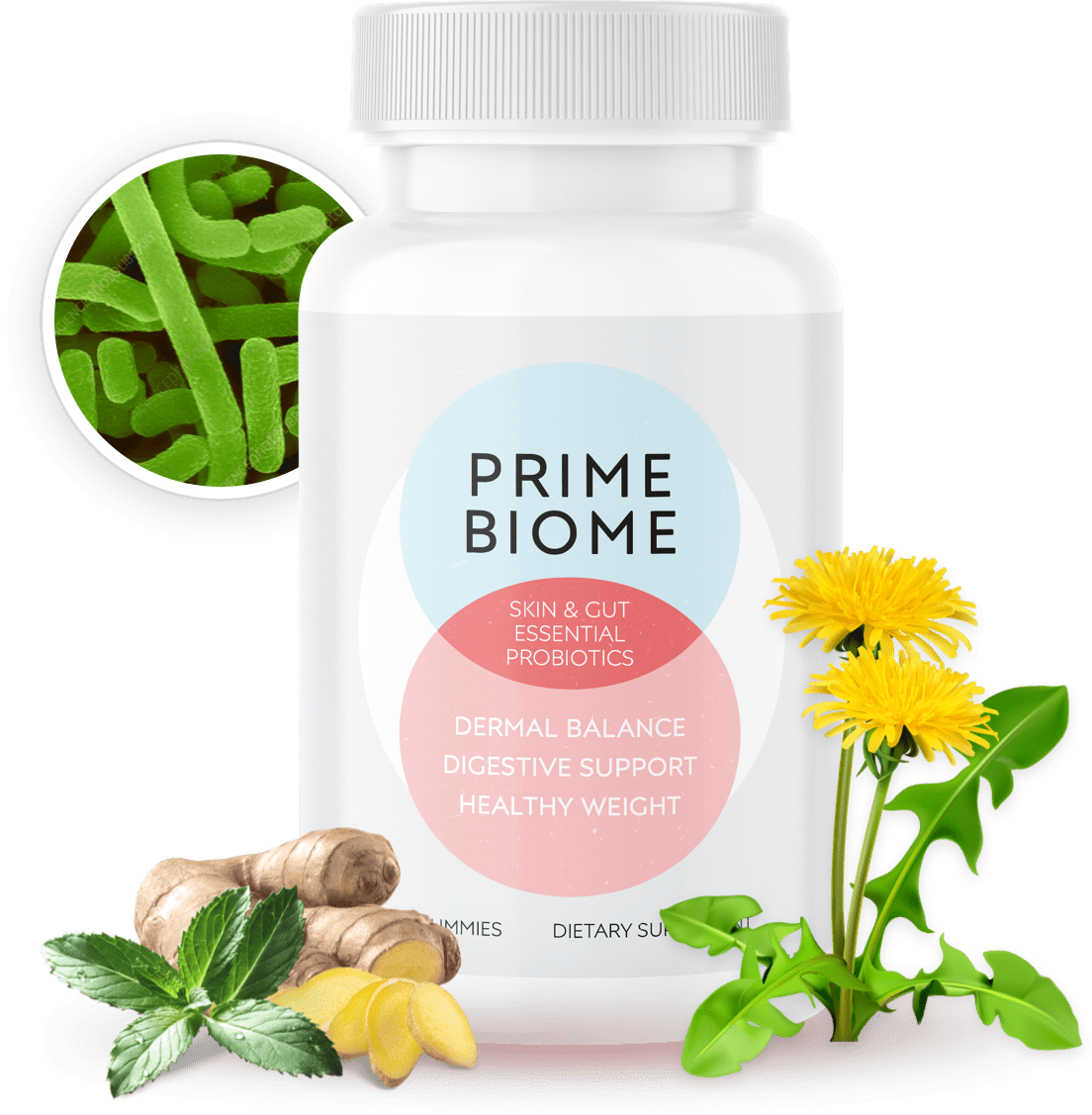
In addition to a healthy diet, certain supplements can support skin health. Omega-3 fatty acid supplements can help reduce inflammation, while probiotics support gut health, which is closely linked to skin vitality.
When choosing supplements, it’s essential to opt for eco-friendly and sustainable options that align with your values. Look for products that are certified by reputable organizations and come in recyclable packaging.

By combining a balanced diet with the right supplements and eco-friendly beauty products, you can achieve a more radiant and healthy complexion. Remember, the key to glowing skin is a holistic approach that includes both internal nourishment and external care.
DIY Natural Skin Care Formulas
With the rise of clean beauty solutions, making your own DIY natural skincare formulas has never been more appealing. By using natural ingredients, you can avoid harsh chemicals found in many commercial products, tailoring your skincare to your specific needs.
Simple Recipes for Face Masks
Face masks are a great way to pamper yourself while nourishing your skin. Here are a few simple recipes to get you started:
- Honey and Avocado Mask: Mix 1 ripe avocado with 2 tablespoons of honey. Apply for 15-20 minutes. Rinse with warm water.
- Oatmeal and Yogurt Mask: Combine 2 tablespoons of oatmeal with 1 tablespoon of yogurt. Leave on for 10-15 minutes. Rinse with cool water.
These masks are not only easy to make but also provide intense hydration and soothing relief for irritated skin.
Crafting Your Own Serums and Oils
Crafting your own serums and oils allows you to customize your skincare routine with toxin-free ingredients. Here are some tips:
- Choose a base oil like coconut or jojoba oil.
- Add a few drops of your preferred essential oil for its benefits and fragrance.
- Mix well and store in a cool, dark place.
| Ingredient | Benefits |
|---|---|
| Coconut Oil | Hydrates and nourishes the skin |
| Lavender Essential Oil | Soothes and calms irritated skin |
| Jojoba Oil | Mimics the skin’s natural oils, providing balance |
By embracing DIY natural skincare, you’re not only taking care of your skin but also contributing to a more sustainable and eco-friendly beauty routine.
Understanding Your Skin Type
To get the most out of natural skincare, it’s essential to understand your skin type. Your skin type determines how it reacts to different products and ingredients. By identifying whether you have dry, oily, combination, or sensitive skin, you can choose products that are tailored to your specific needs.
Identifying Your Skin Type
Identifying your skin type involves observing how your skin behaves throughout the day. If your skin tends to feel tight and flaky, you likely have dry skin. On the other hand, if your skin is often shiny, especially in the T-zone (forehead, nose, and chin), you may have oily skin. Combination skin is characterized by a mix of oily and dry areas, while sensitive skin reacts easily to products and environmental factors.
To determine your skin type, start with a clean face, free from any products. Wait for about an hour, then observe your skin. You can also use a simple blotting paper test: gently press a blotting paper against different areas of your face. If the paper picks up a lot of oil, you likely have oily skin. If it remains relatively clean, your skin might be dry or normal.
Tailoring Natural Products to Your Needs
Once you’ve identified your skin type, you can start selecting natural skincare products that are right for you. For dry skin, look for products rich in moisturizing ingredients like shea butter and coconut oil. For oily skin, opt for lightweight, oil-free products that won’t clog pores. Combination skin benefits from balancing products that hydrate dry areas while controlling oil in the T-zone.

Using natural products tailored to your skin type can significantly enhance your skincare routine. For instance, aloe vera is great for soothing sensitive skin, while tea tree oil can help control acne in oily skin. By choosing products that are suited to your skin’s needs, you can achieve a healthier, more radiant complexion.
Embracing Sustainable Skincare Practices
As we continue to explore the world of natural skincare, it’s essential to consider the environmental impact of our beauty routines. Choosing eco-friendly beauty products is a crucial step towards a more sustainable lifestyle. By opting for green beauty essentials, we not only care for our skin but also contribute to a healthier planet.
Green Beauty Brands Making a Difference
Several brands are leading the way in sustainable skincare. Brands like Burt’s Bees and Lush are committed to using natural ingredients, reducing waste, and promoting eco-friendly practices. When shopping for skincare products, look for brands that prioritize the environment and offer refill options, recyclable packaging, and cruelty-free testing.
Reducing Your Skincare Footprint
Embracing sustainable skincare practices goes beyond product choice. It’s about adopting a mindful approach to beauty. This includes conserving water, reducing waste, and choosing products with minimal, biodegradable packaging. By making these simple changes, we can significantly reduce our skincare footprint and promote a more sustainable future for our planet.
FAQ
What are the benefits of using natural skincare ingredients?
How do antioxidants protect the skin?
Are essential oils safe to use on the skin?
How can I incorporate herbal remedies into my skincare routine?
What is the importance of hydration for skin health?
How does diet impact skin health?
Can I create my own natural skincare products at home?
How do I determine my skin type?
What are some eco-friendly skincare brands to consider?
How can I make my skincare routine more sustainable?
🌸 Discover Weight Management Supplements That Works — Handpicked for You
Curated health & beauty essentials our readers trust — explore your new self-care favorites.



🌸 Discover Beauty That Works — Handpicked for You
Curated health & beauty essentials our readers trust — explore your new self-care favorites.

💖 Connect with SmartWellnessBeauty
Join our wellness & beauty community for daily inspiration, mindful living, and radiant self-care — follow us across your favorite platforms.





















 Smart Tools World

 SmartAIEarn

 SmartWellnessBeauty

 Smart Resource Vault

 TrendsOfReview

 SmartLivingJournal

 Holistic Yoga With Wellness